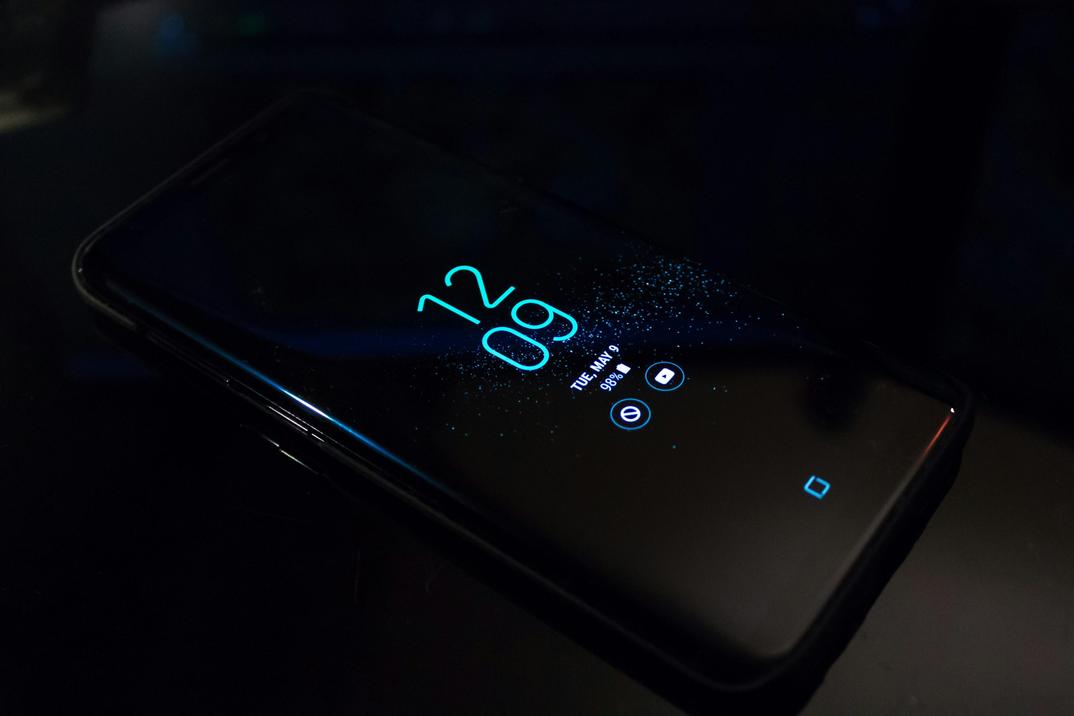
Mobile phones are the third most sold product. This is unsurprising since it is impossible to imagine a modern person without a smartphone. What was considered an expensive whim 20 years ago is now necessary. Over time, the functions of a mobile phone have changed—now, it is used not only as a means of communication but also as a compact TV, player, and the best assistant in many matters.
Almost every month, new models of mobile phones appear on the market. Many are quite expensive, so not everyone can buy them with a one-time payment in cash. In this case, you can consider two options: gradually save money for the purchase or study the options for cell phone financing.
Saving money is not the best option if your old smartphone broke down at the most inopportune moment or you want to buy the latest model. But is it worth resorting to borrowing money to buy a new gadget? Read on to find out how mobile phone financing works, its advantages, and what you should pay attention to before applying.
Phone financing means paying for your smartphone in smaller amounts over time. Instead of dropping a lump sum of $800–$2,000 (or more) for the newest iPhone or Samsung Galaxy, you choose monthly payments. It makes high-end devices more accessible and helps you manage your budget.
The advantages of such financing are as follows:
But there are also some disadvantages that you should be aware of:
Many Americans are faced with the need to pay for a cell phone, so before choosing a financing method, it is important to compare several options to find the most convenient one. Here are the most popular ways to finance a cell phone:
Personal loans in the United States are popular due to their flexibility – they are typically unsecured, which makes them convenient for purchasing a mobile phone. This is especially relevant for young people who aspire to own expensive gadgets but often face limited income. However, obtaining such a loan usually requires a stable income, official employment, and a good credit score, which may be an obstacle for many. Nevertheless, there are guaranteed alternative solutions: companies like 1F Cash Advance offer to receive up to $5,000 within just one day, providing more flexible terms for those facing challenges with traditional lending.
Top providers, such as Verizon, AT&T, or T-Mobile, break phone costs into 24- and 36-month chunks. If a smartphone is $1,200, you might pay $50 per month for two years, often with 0% APR if your credit passes a check (usually above 700). Some carriers lock devices until fully repaid and switching networks early triggers the remaining balance. Trading in an old phone could save $100–$300 in certain promotional deals. Review any down payment requirement, which can be $100–$400 if your score exceeds 600.
Here are the details about the biggest U.S. providers.
Retail giants like Best Buy and Amazon provide store credit cards or partner plans. For instance, you might get 6 or 12 months of deferred interest on a $900 phone, meaning you pay around $75 monthly with no extra fees if it’s fully settled by the deadline. Defaulting on these terms can slap you with retroactive interest, sometimes 20%–29% backdated to the purchase date. A modest down payment (around 10% of the phone’s cost) may be required if your credit is mid-tier, so you stay on track with payments.
If talking about details, these two retailers offer the following:
Klarna, Affirm, and PayPal Credit let you split a phone’s cost into four to six fixed installments, sometimes with no initial interest. For a $1,000 smartphone, you might pay $250 every two weeks over two months. Soft credit checks ensure quick approvals, even with a score near 600.
However, missing a due date may cause late fees (often $5–$10) or higher interest rates for future purchases. These services can be convenient, but make sure your monthly bills fit your current income to avoid penalty charges. Such companies also offer phone financing. They may do a soft check on your credit. You’ll see an instant approval or denial. BNPL services target people with fair or bad credit, but the interest rates can be higher if you miss payments.
If you're concerned about managing monthly bills, these tips will help you make a more informed decision when choosing the best phone financing option:
Even a single-digit interest rate can significantly increase your total cost in the long run. For example, if you finance a $1,000 phone with a 10% APR over 12 months, you'll pay an extra $50–$60 in interest. That might sound small initially, but it can pile up when you factor in taxes, accessories, or insurance.
Moreover, be wary of hidden fees; some carriers or lenders charge activation fees or maintenance costs that sneak onto your monthly bill. Always compare at least two or three offers and read the fine print to avoid surprises.
Different financing options come with different hoops to jump through. If your credit score exceeds 700, you’ll likely sail through with low (or even 0%) interest. But if your score sits around 600, or you have minimal credit history, you might need to shell out a higher down payment, sometimes 20%–30% of the phone’s cost.
Make sure you’re okay with the overall expense. Also, always confirm whether the financing partner does a soft or hard credit pull; a hard inquiry can temporarily lower your score. Some lenders offer no credit check options, which can be a great benefit if you're concerned about your credit score affecting your eligibility.
As said before, you can spread your payments over 36 months. If you choose 24 months for a $1,200 device, you’ll pay $50 per month before taxes. Over 36 months, that phone might drop closer to $33 per month, but you’ll pay it longer.
We know that new iPhone models come out every year, and if you like to buy the latest gadgets, a shorter payment period might be better so you can get out of debt sooner. On the other hand, if you plan on keeping the same phone for a while, a longer term can reduce monthly strain, even if it means a year more of payments.
Cell phone financing provides a budget-friendly way to get the latest devices without spending much money upfront. The central point is choosing a plan with fair interest rates and manageable payment terms. With the right research and approach, you can enjoy all the newest phone features without straining your wallet.





Privacy Policy
Terms and Conditions - Affiliate Policy
Home Security
© Copyright 2008-2026.
11816 Inwood Rd #1211, Dallas, TX 75244