Samsung is getting ready to roll out a new version of its HDR (high dynamic range) format, and it’s called HDR10+ Advanced. Think of it as an upgrade to the current HDR10+ standard that aims to make your TV content look better—whether you’re watching a movie, playing a cloud-based game, or catching a live sports event.
The new format is expected to launch with Samsung’s 2026 TVs, and Amazon Prime Video has already signed on to support it. While Dolby has recently introduced two levels of its Dolby Vision 2 standard, Samsung is keeping things simpler. HDR10+ Advanced will offer one unified feature set across all compatible devices—no “basic” or “premium” versions to keep track of.
Here’s what HDR10+ Advanced brings to the table, and why it matters.
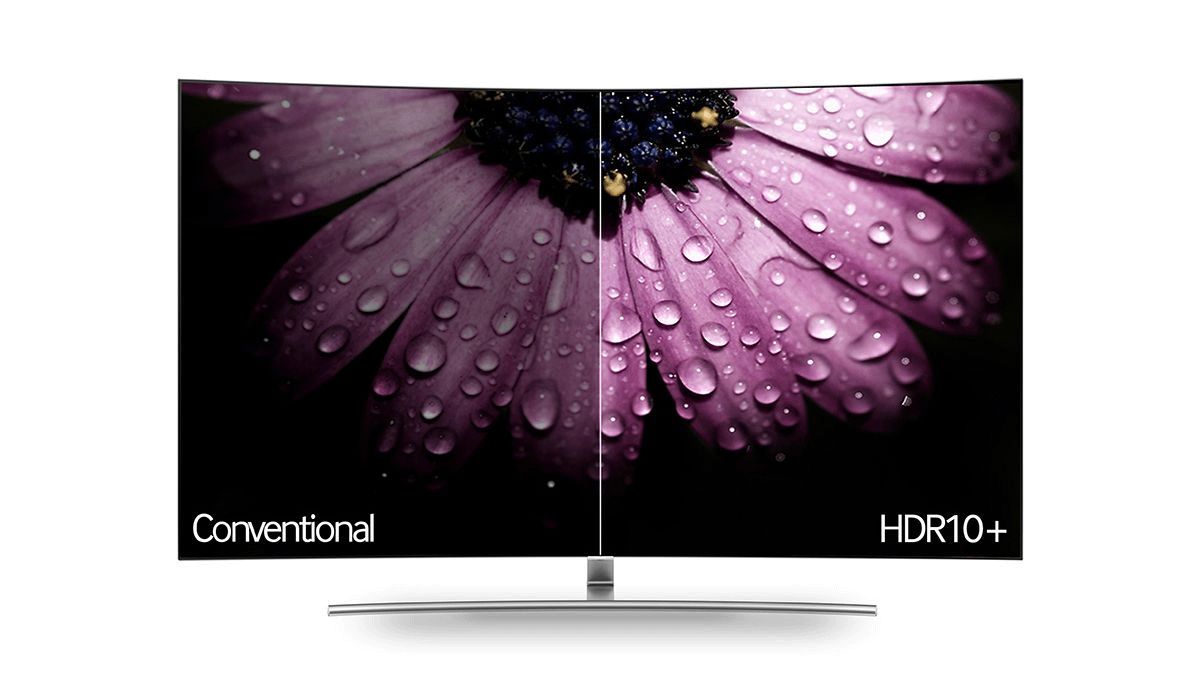
HDR10+ Advanced introduces six key features. Each is designed to help TVs adapt more intelligently to the content you’re watching and the environment you’re watching it in.
Samsung plans to introduce HDR10+ Advanced with its 2026 TVs, though there’s a chance some 2025 models might get partial support depending on their specs. So far, Amazon Prime Video is the first streaming service to commit, and Samsung hasn’t announced others yet. That said, HDR10+ already has wide adoption, supported by over 16,000 certified devices and 16 streaming platforms, including Disney+ and Apple TV.
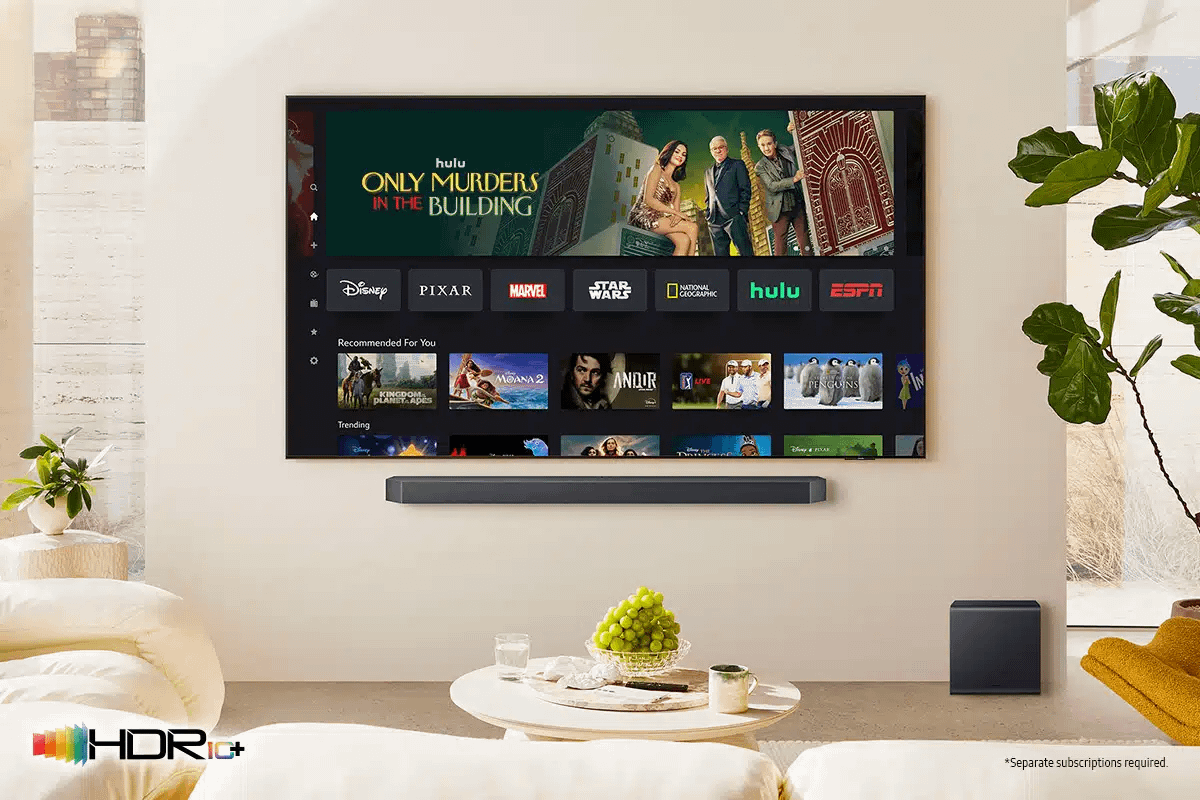
If you’re wondering whether your current TV will get a firmware update to support the new format, it’s too early to say. Some of these features depend on AI-powered hardware and advanced brightness capabilities, so support might be limited to newer models.
The HDR format landscape can feel crowded: HDR10, HDR10+, Dolby Vision, Dolby Vision IQ, and now HDR10+ Advanced and Dolby Vision 2. But the goal is the same—to make content look better by adapting it to your screen and your space.
What makes HDR10+ Advanced interesting is how it tries to cover multiple use cases with one format: TV shows, movies, sports, and even gaming. And it’s doing that without dividing features between “tiers” or locking certain enhancements behind premium devices.
Samsung also pointed to two reasons behind this update. First, streaming is booming—subscriptions are expected to hit 2.1 billion globally by 2028. Second, display tech is advancing fast, with new Micro LED and Mini LED panels offering more brightness and color potential than ever. A smarter HDR format helps take advantage of that hardware.
We’ll likely get a closer look at HDR10+ Advanced at CES 2026 in January, including which models will support it and how it performs with real-world content.
For now, if you’re planning to upgrade your TV next year—or you’re curious about what’s coming next in the world of picture quality—it’s worth keeping an eye on how this format develops.
It may not reinvent HDR, but it does suggest a more flexible, creator-friendly approach that could make a noticeable difference—without making users dig through menus to get it.
If you’re interested in buying a Samsung TV, here are a few we'd recommend, and they’re currently discounted on Amazon:




Privacy Policy
Terms and Conditions - Affiliate Policy
Home Security
© Copyright 2008-2026.
11816 Inwood Rd #1211, Dallas, TX 75244