

We'd like to thank ProjectorScreen.com for their assistance with our projector evaluations and testing. Their yearly shoot-out, extensive selection and helpful attitude makes our life easier when we need to dig in a little more.
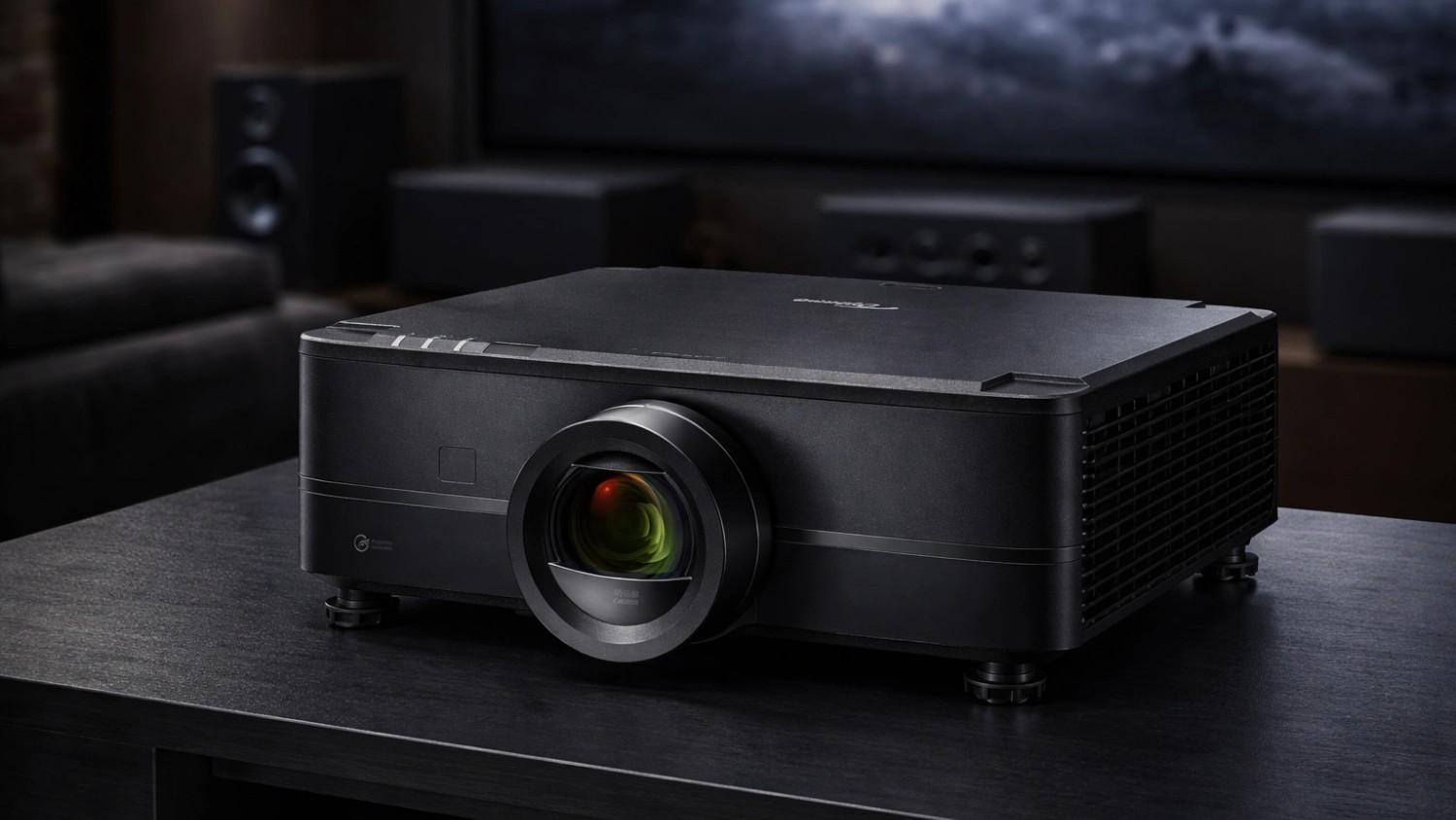
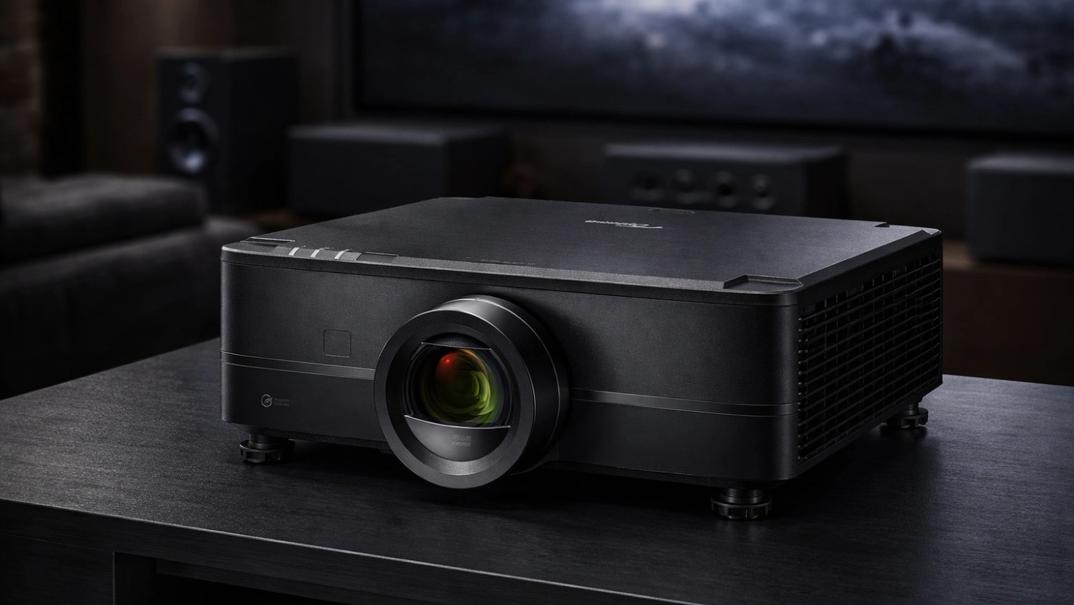
Optoma’s new UHZ78LV laser projector is aimed squarely at people who want a truly large image without having to black out the room every time they hit play. It’s a 4K, triple-laser DLP design rated at 5,000 lumens, with support for Dolby Vision, HDR10+, and IMAX Enhanced content, plus features that speak to both movie fans and gamers.
The headline number is that 5,000-lumen brightness rating. That’s a lot of light for a home projector and a key reason the UHZ78LV is being positioned for both dedicated theaters and more typical living spaces.
According to Optoma’s specs, the UHZ78LV is designed for screen sizes from 80 inches up to 300 inches. At the smaller end of that range, you should have plenty of headroom to deal with some ambient light. At the larger end, the extra brightness helps keep the image from looking washed out as you stretch it across a bigger screen.
Of course, you’ll still get the best contrast and color in a darkened room, but the idea here is flexibility: a projector that can handle movie night, daytime sports, and gaming without feeling locked to a single “bat cave” setup.
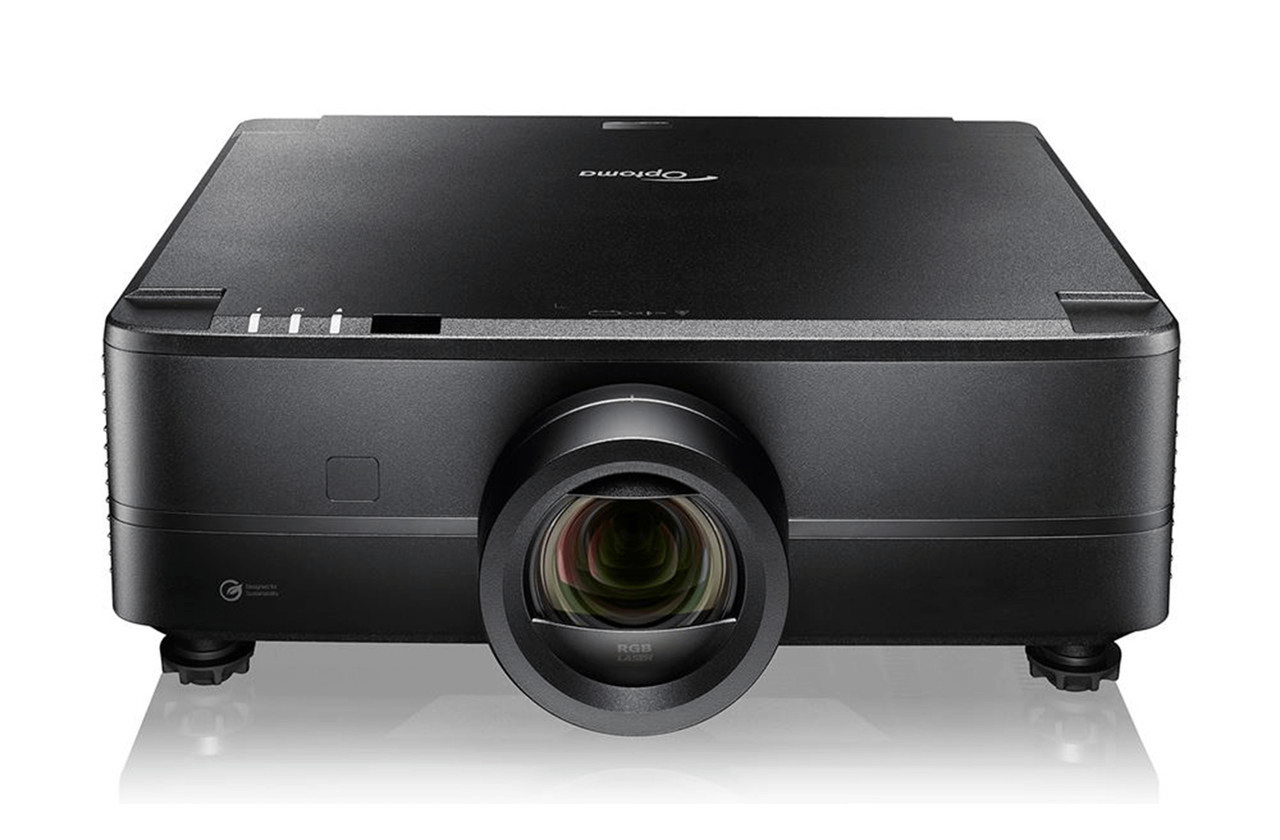
Inside, the UHZ78LV uses a 3RGB (triple-laser) light source instead of a traditional lamp or a simpler dual-laser design. That means separate red, green, and blue lasers feeding a single-chip DLP system.
The payoff is in color coverage:
In practical terms, that means the projector is designed to reproduce a very wide range of colors from UHD Blu-rays and streaming HDR titles. Compared to Optoma’s previous UHZ68LV, the UHZ78LV claims a step up in color accuracy and coverage, moving from roughly 90% of DCI-P3 to 98%.
The laser light source is also rated for up to 30,000 hours of use. For most people, that translates to many years of regular viewing without worrying about lamp replacements.
One of the more notable features of the UHZ78LV is its support for both Dolby Vision and HDR10+, in addition to standard HDR10. Dolby Vision uses dynamic metadata to fine-tune tone-mapping on a scene-by-scene or even frame-by-frame basis, giving the projector more specific instructions on how bright or dark each moment should appear. HDR10+ takes a similar dynamic approach, aiming to preserve detail in bright highlights and deep shadows.
Together, these formats broaden compatibility across streaming platforms and discs, giving you more consistency from one title to the next. The projector also includes an IMAX Enhanced mode for supported content, applying IMAX’s picture presets and processing to titles mastered under that program.
Optoma’s PureEngine Ultra system sits on top of the basic HDR and color controls. This suite includes:
The idea is that you can pick your level of involvement. You can run fairly hands-off using built-in presets, or have a calibrator squeeze more performance out of the projector with professional tools.
While this is clearly a home cinema-first product, Optoma is also making a play for gamers.
Key gaming-relevant specs include:
At 4K, you’ll likely be running at lower refresh rates, but the 240Hz support at 1080p is useful for fast-twitch titles where responsiveness matters more than resolution. For people who want one display to handle movies, TV, and console or PC gaming on a big screen, those numbers make the UHZ78LV more appealing.
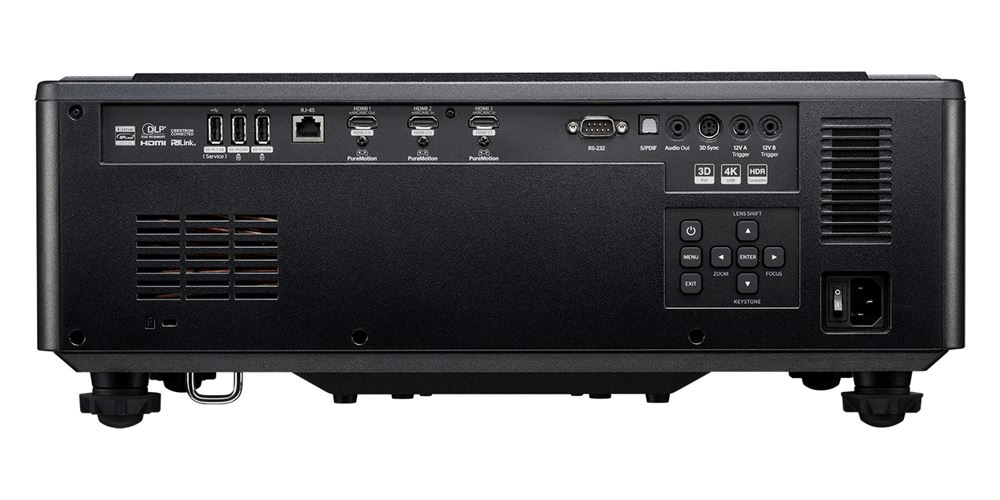
The UHZ78LV also checks the boxes that make installation less of a headache:
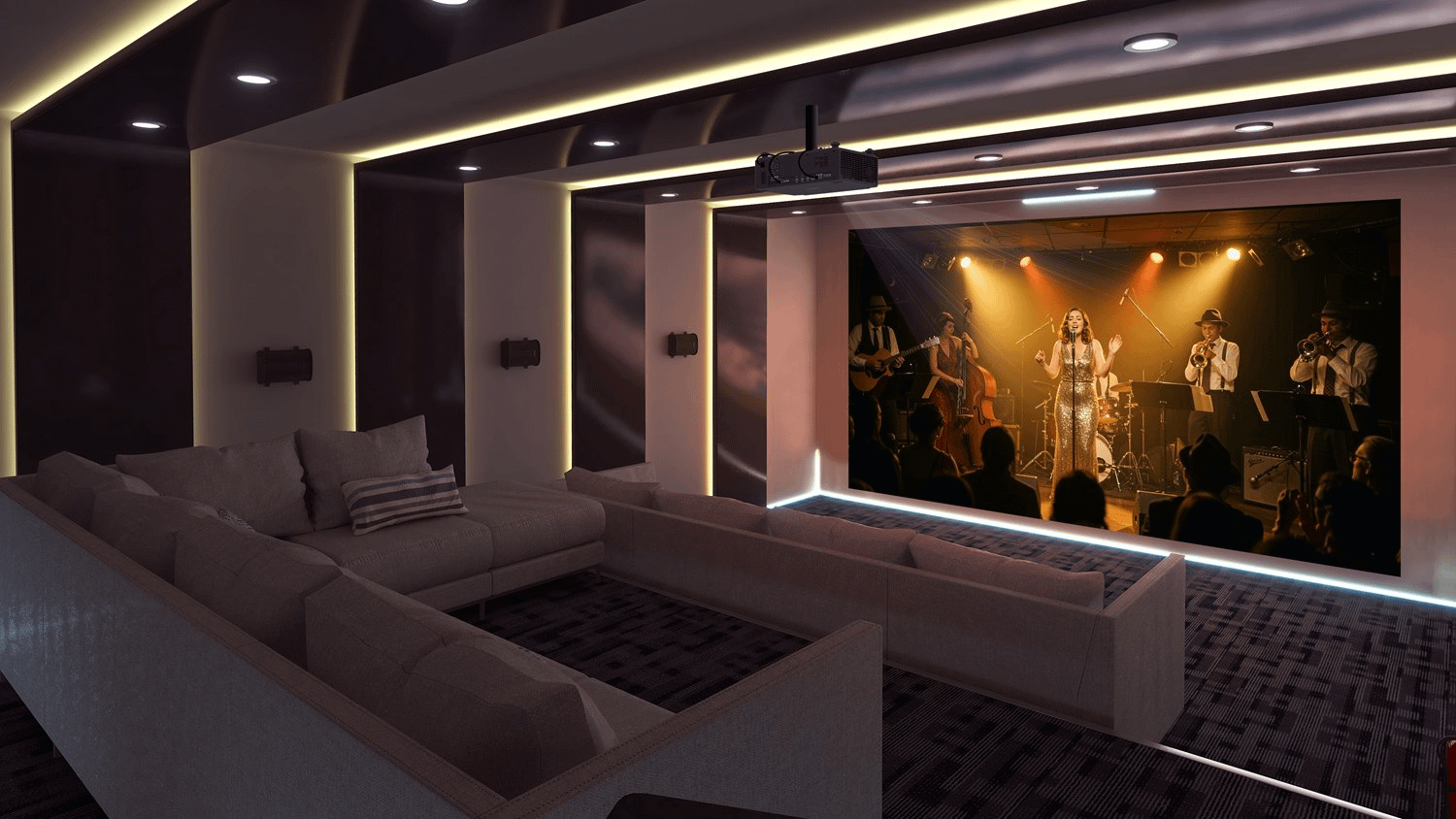
You can mount it on the ceiling, use it on a rear shelf, or integrate it into a more complex home theater design without needing extreme precision on day one. There’s still planning involved, but you get more room for adjustment than with basic, fixed-lens projectors.
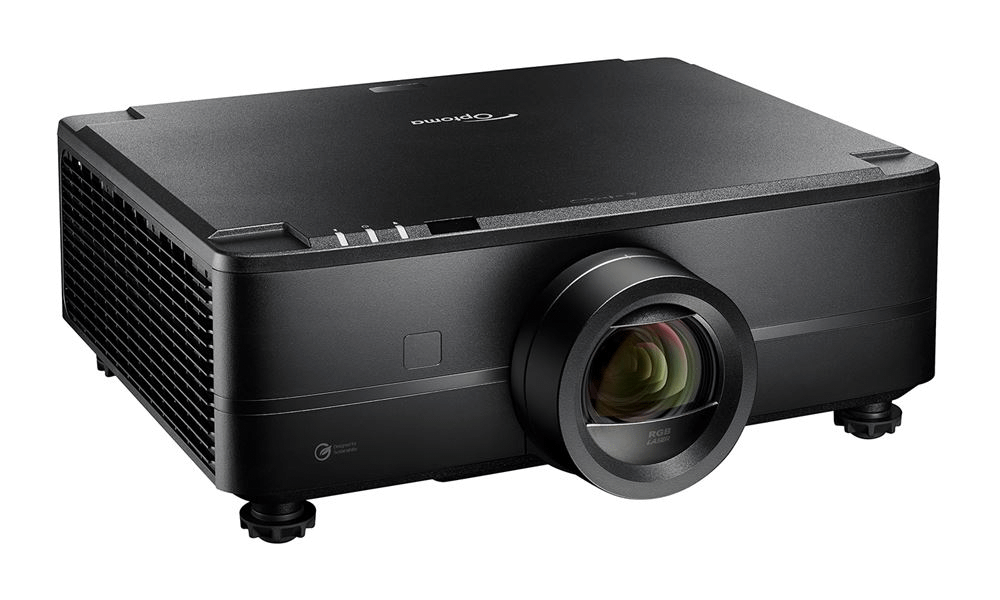
On the audio side, the UHZ78LV’s HDMI eARC support allows Dolby Atmos passthrough to an external AV receiver or soundbar. That means you can send uncompressed, object-based audio straight from the projector to your sound system over a single HDMI cable.
Optoma lists the UHZ78LV at:
That pricing puts it firmly in the premium home theater range and directly into competition with other serious projectors from the major players.
At this price level, the UHZ78LV doesn’t live in a vacuum. It will go up against some very capable alternatives:
So where does that leave Optoma? On paper, the UHZ78LV leans into brightness, HDR format support (including Dolby Vision and HDR10+), and very wide color coverage, along with strong gaming specs. Sony and JVC counter with established track records in contrast and image refinement, plus their own laser-based designs.
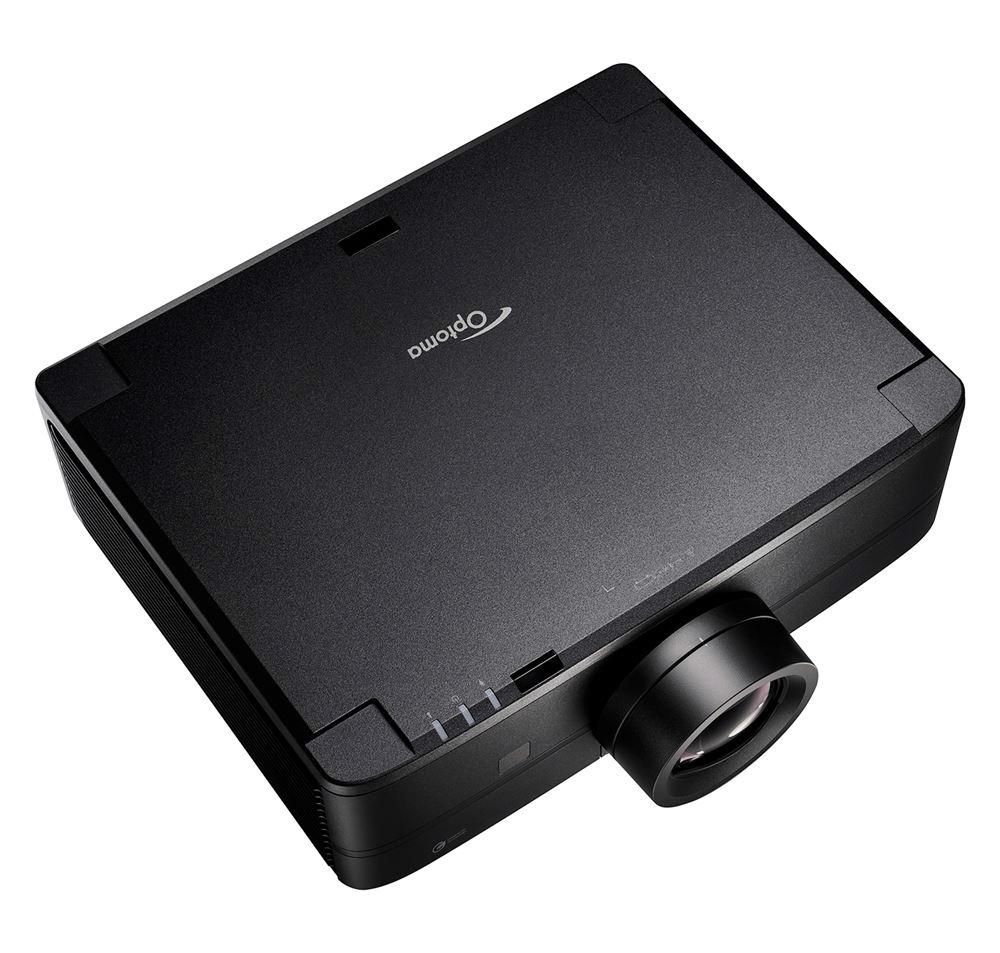
For readers shopping in this price bracket, the decision is likely to come down to:
The Optoma UHZ78LV is clearly aimed at enthusiasts who want a large, bright 4K image with modern HDR formats and serious gaming capability, without giving up the option to use the projector in spaces that aren’t completely dark.
Specs can’t tell the whole story, and hands-on evaluation will matter a lot at this level, especially when you’re weighing it against heavy hitters like Sony’s VPL-XW5000ES and JVC’s DLA NZ500. But on paper, the UHZ78LV lines up as a feature-rich, high-brightness option for big-screen home entertainment in 2026 and beyond.
Related Reading:



Privacy Policy
Terms and Conditions - Affiliate Policy
Home Security
© Copyright 2008-2026.
11816 Inwood Rd #1211, Dallas, TX 75244