


We'd like to thank ProjectorScreen.com for their assistance with our projector evaluations and testing. Their yearly shoot-out, extensive selection and helpful attitude makes our life easier when we need to dig in a little more.
In the world of portable projectors, "wireless" has become one of the most misused terms in tech marketing. Walk into any electronics store or browse Amazon, and you'll find dozens of projectors claiming to be "wireless" – yet nearly all of them still tether you to a power outlet with that familiar black cord snaking across your living room floor. True wireless projection – where you can genuinely grab a device and project anywhere without thinking about power – remains surprisingly elusive.
Having spent considerable time with ultra-short throw projectors like the excellent XGIMI Aura 2, I was curious how XGIMI's portable offering would stack up. The challenge of cramming sufficient brightness, battery life, processing power, and thermal management into a truly portable package is immense. Most manufacturers make compromises that render their "portable" projectors either too dim to be useful or too dependent on wall power to be truly liberating.
The XGIMI Halo+ represents one of the few projectors that actually delivers on the wireless promise. With its built-in 59Wh battery providing 2.5 hours of runtime and 700 ISO lumens of brightness, it joins a select group of projectors – alongside competitors like the Samsung Freestyle 2nd Gen (which requires an optional $190 battery base) and Anker's Mars series – that can truly project anywhere. But as we'll explore, the Halo+ distinguishes itself in several key areas that matter most when you're actually living with a portable projector.
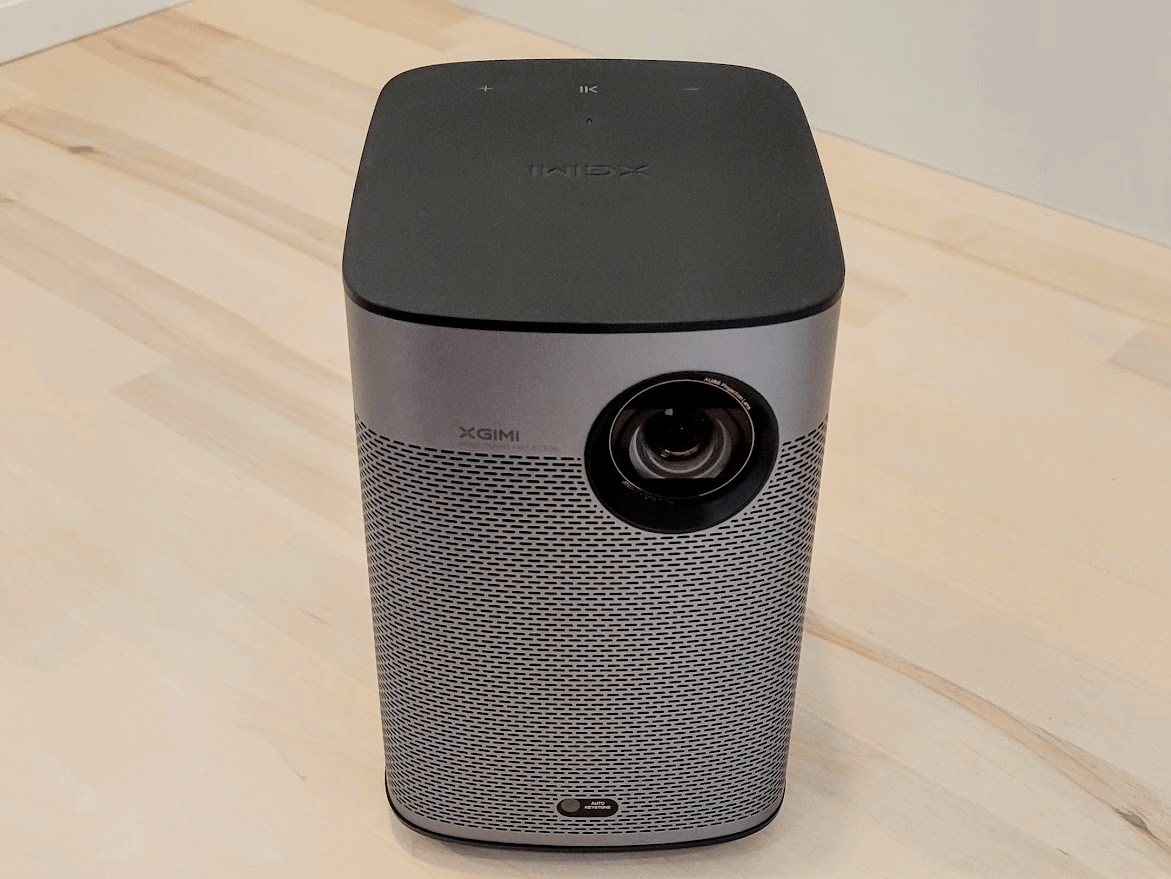
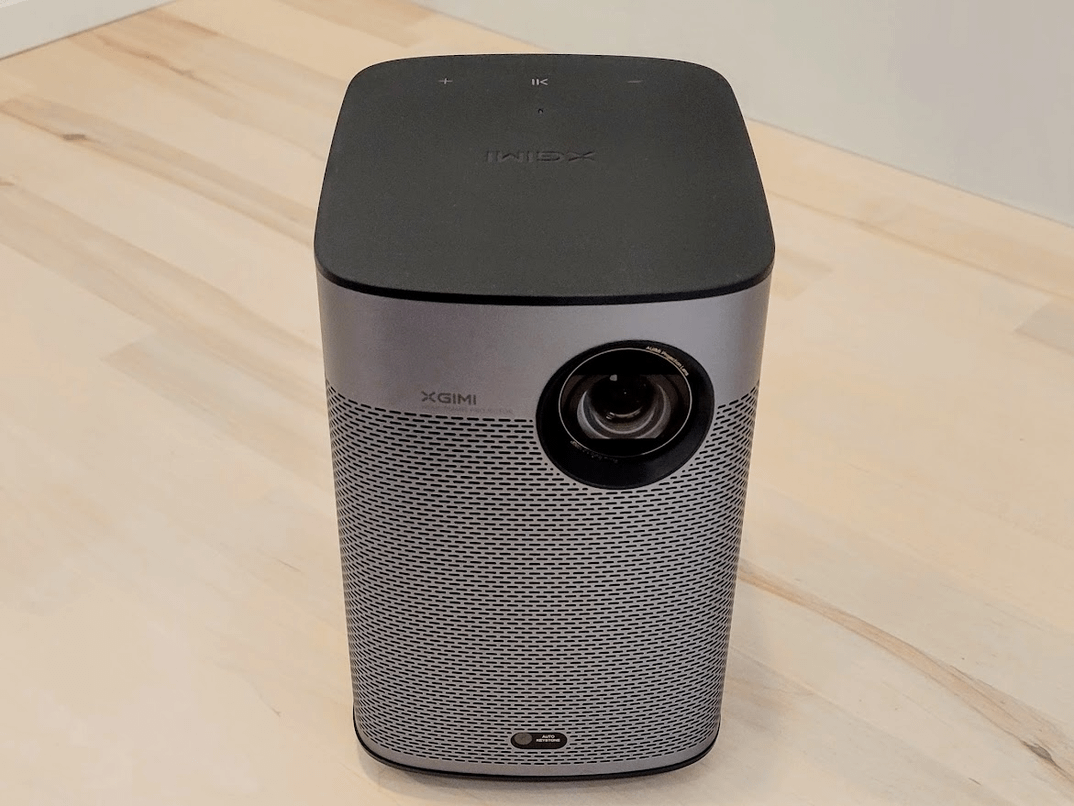
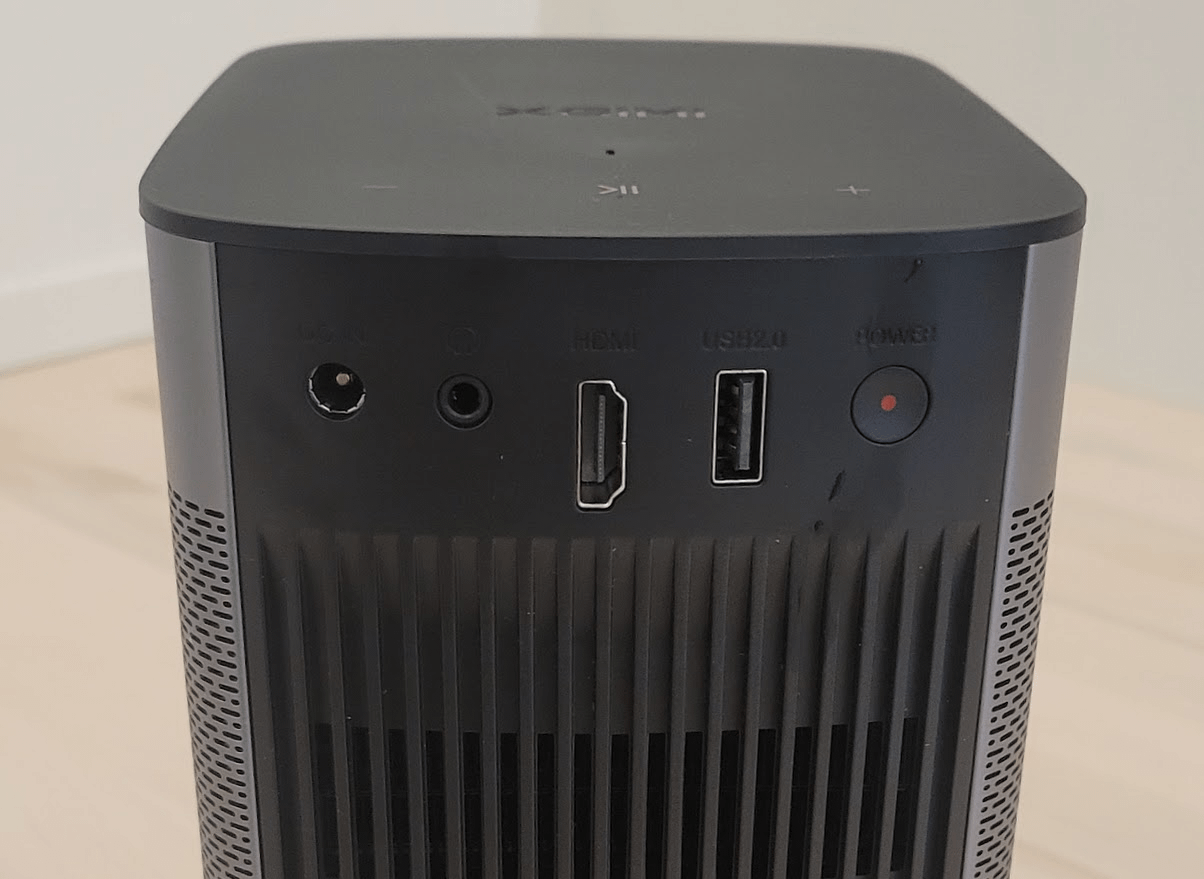
The Halo+ strikes an impressive balance between portability and functionality. Its cylindrical design is refreshingly simple – no aggressive gaming aesthetics or trying-too-hard industrial styling. At 3.5 pounds and roughly the size of a small loaf of bread, it's substantial enough to feel quality-built while remaining genuinely portable.
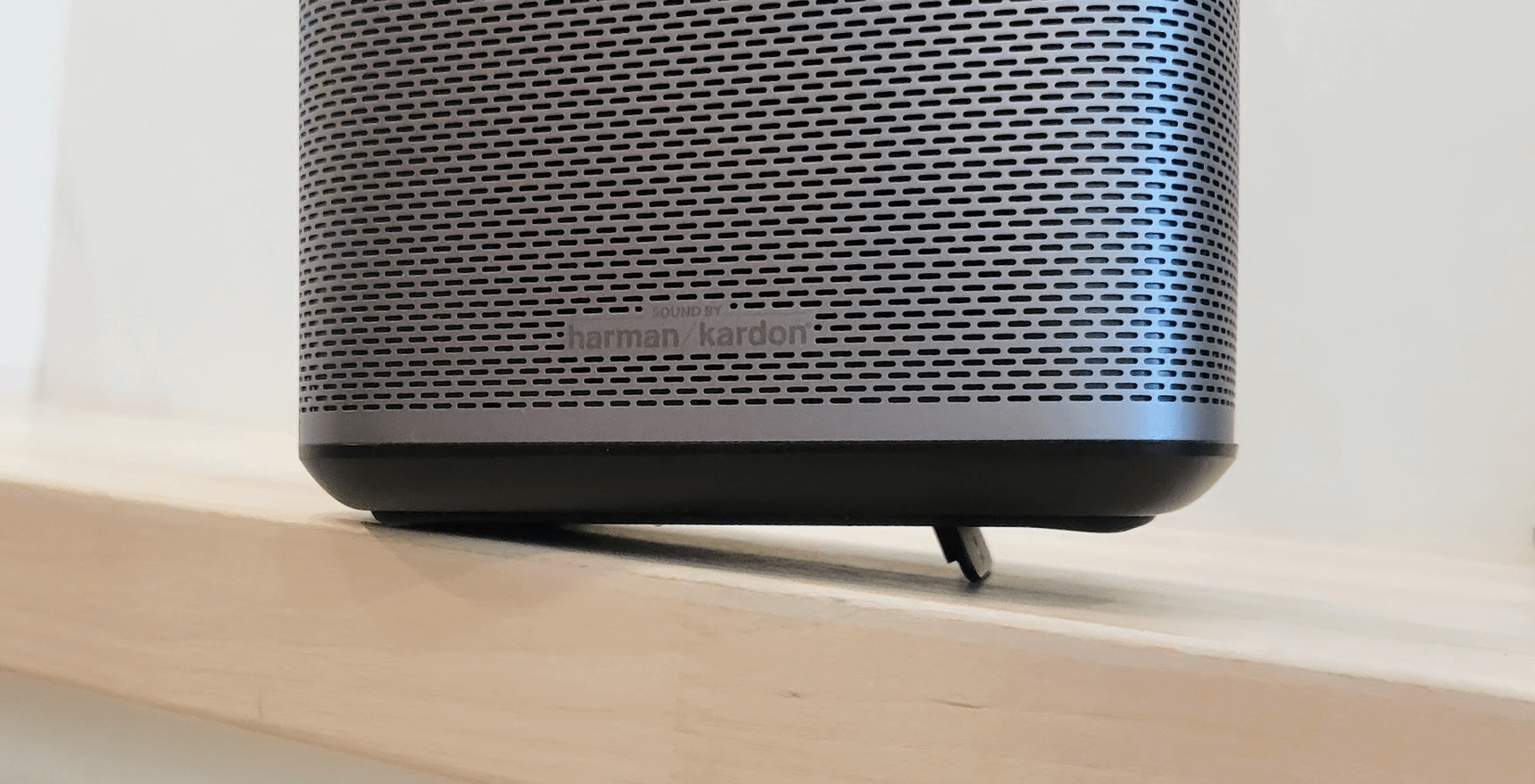
What I appreciate most is XGIMI's attention to real-world usage scenarios. The integrated flip-out foot provides just enough tilt for optimal positioning, and the standard 1/4-20 threaded mount on the bottom means you can easily adapt it to tripods or custom mounting solutions. Cleverly, the lens is positioned to project upward when the unit sits flat, so when placed on a coffee table below your viewing area, the image appears properly aligned – a thoughtful touch that eliminates the need for extreme keystone correction.
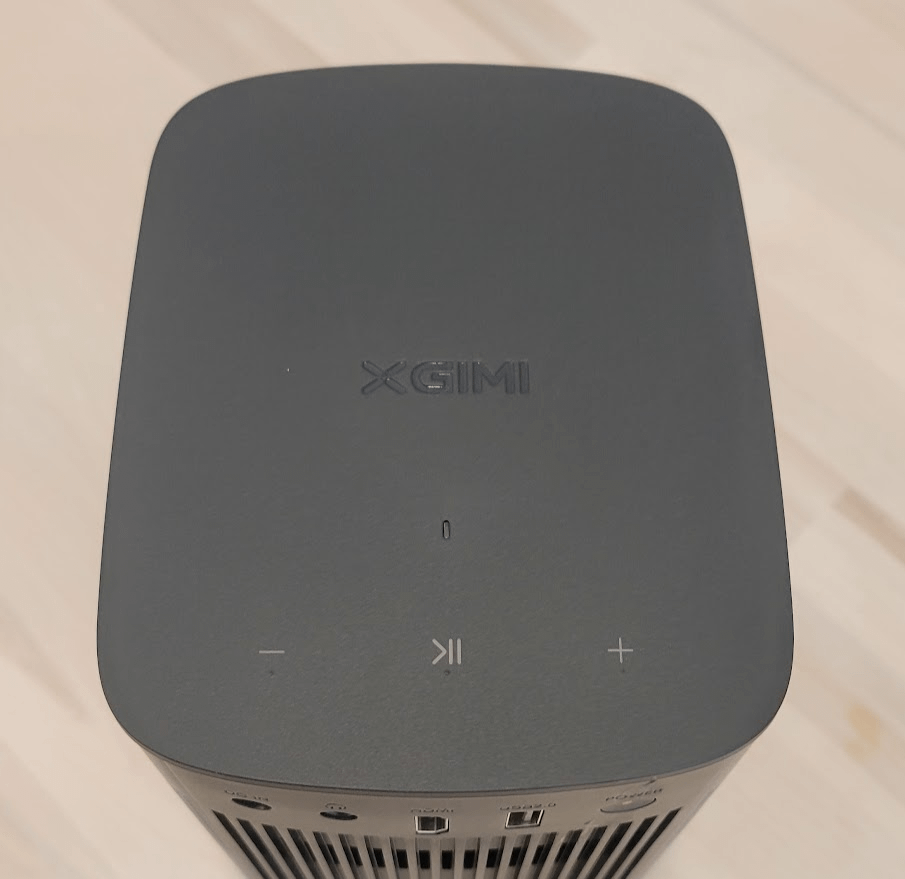
If I have one wish, it would be for an integrated lens cover. While the frosted lens housing provides some protection, a retractable cover would make this projector even more backpack-friendly. Similarly, a soft carrying case should be standard at this price point – it's the kind of premium touch that would elevate the unboxing experience and provide peace of mind when traveling.
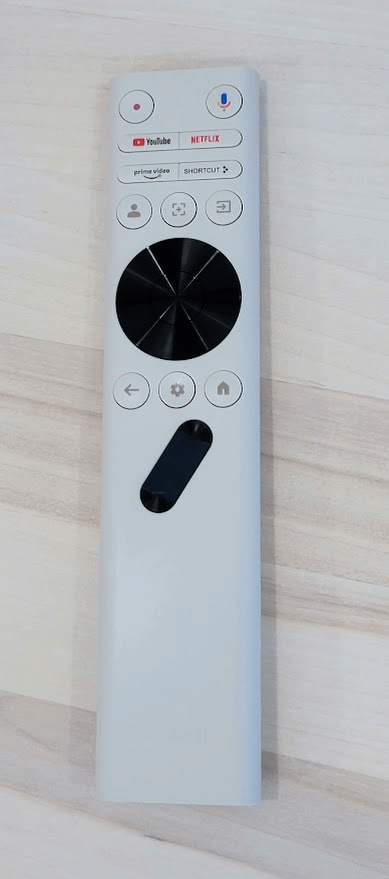
My only operational complaint is the lack of complete physical controls on the unit itself. While there are basic power and volume controls, navigating menus without the remote would be challenging. That said, the included remote is genuinely excellent – perfectly sized with a satisfying button layout that feels natural in hand. It's become one of my favorite projector remotes.
However, this highlights a broader issue with Bluetooth remote design across the industry: accidental button presses are far too easy, especially when the remote ends up in a pocket or bag. The buttons need more distinctive textures or recessed positioning, and backlighting should be standard for dark-room use. These aren't XGIMI-specific problems – they plague virtually every manufacturer's remote design – but they're worth noting for anyone considering portable projection.
Here's where the Halo+ truly shines and justifies its existence. The integrated Google TV platform with native Netflix support is transformative for portable projection. Too many competitors force you into workarounds – sideloading apps, using casting (which requires your phone), or carrying additional dongles like Roku sticks or Amazon Fire devices.
In a portable projector, these compromises are particularly frustrating. The whole point is spontaneous, convenient entertainment. Having to remember to pack a Roku stick, find an HDMI cable, and manage multiple remotes defeats the purpose of portability. The Halo+ eliminates this friction entirely.
The Google TV interface is usually responsive – aside from a few initial loading hiccups and account setup delays, performance was acceptable navigating the UI. While not winning any processing power benchmarks, having official Netflix, YouTube, Disney+, and Prime Video apps that work flawlessly out of the box transforms this from a gadget into a legitimate entertainment solution.
The wireless connectivity is equally solid. Wi-Fi setup is straightforward, casting from phones and tablets works reliably, and the built-in Chromecast functionality means you're not limited to the installed apps if you need something specific.
Let's address the elephant in the room: 700 ISO lumens isn't going to wow you if you're coming from a dedicated home theater projector or ultra-short throw unit. But context matters enormously here. For a projector half the size of a loaf of bread that runs entirely on battery power, 700 lumens is genuinely impressive.
I tested the Halo+ in various scenarios, from completely dark bedrooms to moderately lit living spaces. In optimal conditions – dimmed lights or outdoor evening use – it produces vibrant, engaging images up to 100 inches. The colors are punchy, contrast is respectable for a portable DLP unit, and the 1080p resolution provides adequate sharpness for streaming content and casual gaming.
The real test came during a family movie night last weekend. We set up the Halo+ in our backyard as the sun was setting, projecting onto a white garage door. The Intelligent Screen Adaptation (ISA) technology proved its worth – the projector automatically focused, corrected keystone distortion, and optimized the image without any manual intervention. Within 30 seconds of powering on, we had a perfectly aligned 85-inch image.
What struck me most was how the experience felt effortless. No fumbling with manual focus rings, no endless keystone adjustments, no "wait, let me tweak this" moments that typically punctuate portable projector setup. The kids were engaged immediately, and the 2.5-hour battery life comfortably handled our movie plus snacks and intermission.
The built-in Harman Kardon speakers deserve special mention. While they won't replace a dedicated sound system, they're genuinely good – clear dialogue, adequate bass response, and sufficient volume for outdoor use. Many portable projectors treat audio as an afterthought, but XGIMI clearly invested in quality drivers.
Gaming performance is solid for casual use, though competitive gamers will want to connect external devices with lower latency. The 26.5ms input lag in Game Mode is acceptable for family gaming sessions and perfectly fine for streaming game services.
Having tested extensively in the portable projector space, the Halo+ (New) sits in a surprisingly small field of truly wireless competitors. Let me break down how it compares to the key alternatives you'll actually encounter in stores.
vs. Samsung Freestyle 2nd Gen ($799 + $190 battery = $989 total)
Samsung's approach is fascinating but flawed. The Freestyle is genuinely tiny and lightweight – you can toss it in a purse – and the 180-degree rotating base is clever for ceiling projection. But here's the rub: achieving true portability requires Samsung's optional battery base, pushing the total cost to nearly $1,000.
Even then, you're getting significantly less brightness (around 230 ANSI lumens versus the XGIMI's 700), and the micro-HDMI port feels like a design decision from 2015. I've used both extensively, and while Samsung wins on pure portability when you need ultra-lightweight travel, the XGIMI delivers a substantially better viewing experience for only slightly more bulk.
The Samsung's gaming features are impressive if you're into cloud gaming, but for traditional movie watching – which is what most people actually do with portable projectors – the XGIMI is simply more enjoyable to use.
vs. Anker Nebula Mars 3 Air ($599)
This is where things get interesting from a value perspective. Anker's offering costs $150 less and includes Google TV with Netflix support. The build quality is solid, and at 400 ANSI lumens, it's respectably bright for dark-room viewing, but the brightness difference is noticeable in real-world use. While 400 lumens works in truly dark spaces, the XGIMI's 700 lumens provides significantly more flexibility for varied lighting conditions.
If your budget is tight and you only plan to use the projector in completely dark rooms, the Mars 3 Air is serviceable. But for most users, the XGIMI's additional capabilities justify the premium.
vs. BenQ GS50 ($549)
The GS50 represents a different philosophy entirely. It's ruggedized (IPX2 rated), features excellent 2.1-channel audio with a dedicated subwoofer, and boasts impressive build quality. If you're planning serious outdoor adventures or have young children who might abuse the projector, BenQ's durability focus makes sense.
However, it's noticeably larger and heavier, the Android TV implementation lacks native Netflix (requiring workarounds), and despite claims of 500 ANSI lumens, it feels dimmer than the XGIMI in side-by-side testing. The audio system is genuinely superior, but most users will find the XGIMI's combination of brightness, software polish, and overall convenience more appealing for everyday use.
vs. Yaber T2 Outdoor Projector
At $233, the Yaber T2 represents the budget end of battery-powered projection. It's tempting purely on price – less than half the cost of the XGIMI with similar 2.5-hour battery life and respectable 450 ANSI lumens. The T2 is significantly bulkier at 5.5 pounds versus the XGIMI's 3.5, and crucially, it has no built-in smart TV platform, but using an addon Roku Stick or any dongle can make your experience future proof and upgradable.
vs. Original XGIMI Halo Models
For context, XGIMI's own lineup can be confusing. The original Halo offers similar brightness at a lower price but lacks the smart TV features entirely – you'll need external streaming devices. The previous Halo+ (non-"New") was brighter at 900 lumens but used an older Android TV platform without native Netflix support.
The Halo+ (New) represents XGIMI's bet that software convenience trumps raw brightness numbers. Having lived with all three, I agree with this decision. The seamless Netflix integration and improved Google TV platform make the modest brightness reduction worthwhile for most users.
The XGIMI Halo+ succeeds because it doesn't try to be everything to everyone. Instead, it focuses on solving the core challenge of portable projection: delivering a genuinely convenient, truly wireless experience without major compromises.
Yes, it's not as bright as plug-in projectors costing similar money. Yes, the battery eventually runs out. But for its intended use cases – backyard movie nights, camping trips, impromptu presentations, or simply moving your entertainment around the house – it delivers exactly what you need with minimal fuss.
The combination of legitimate portability, solid performance, excellent smart features, and thoughtful design details makes this a standout product in an increasingly crowded category. At $639 on sale, it represents strong value for users who understand and appreciate what true wireless projection enables.
Highly Recommended – The XGIMI Halo+ is the rare portable projector that actually delivers on the wireless promise, combining solid performance with genuine convenience in a well-engineered package. For anyone seeking freedom from power cords without major compromises, this is currently the best option available.




Privacy Policy
Terms and Conditions - Affiliate Policy
Home Security
© Copyright 2008-2026.
11816 Inwood Rd #1211, Dallas, TX 75244