

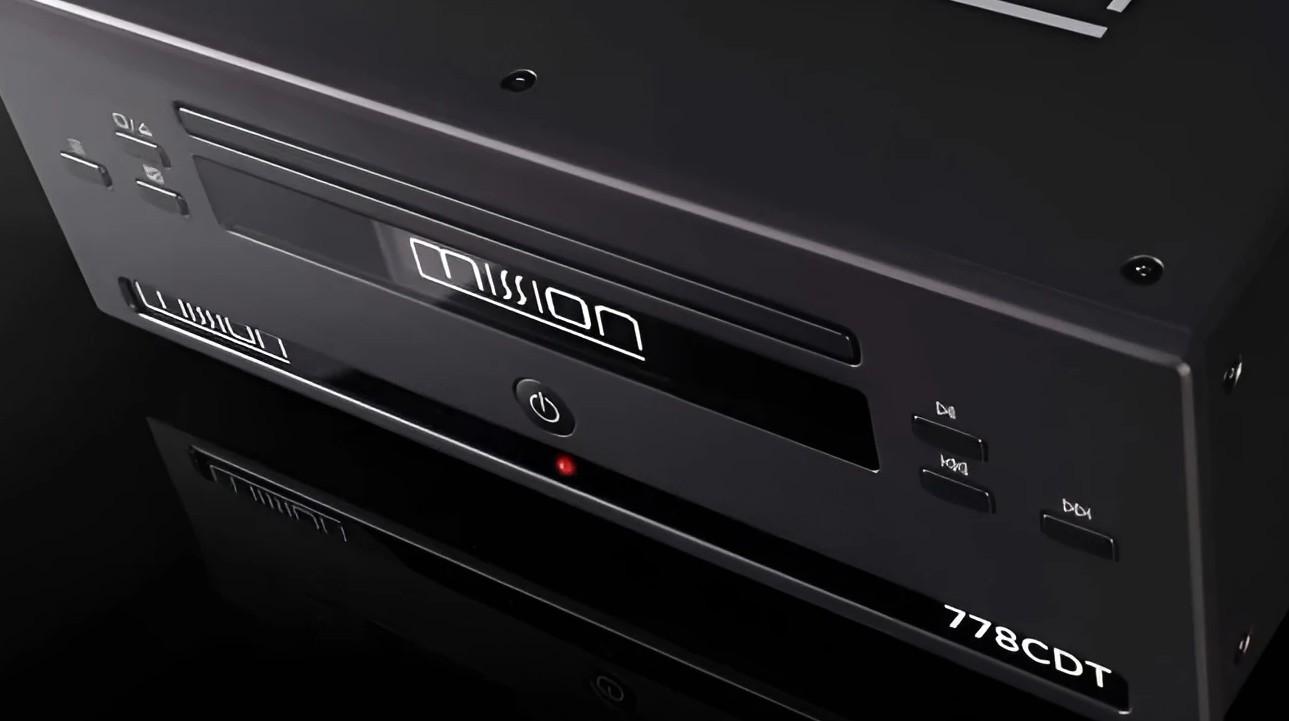
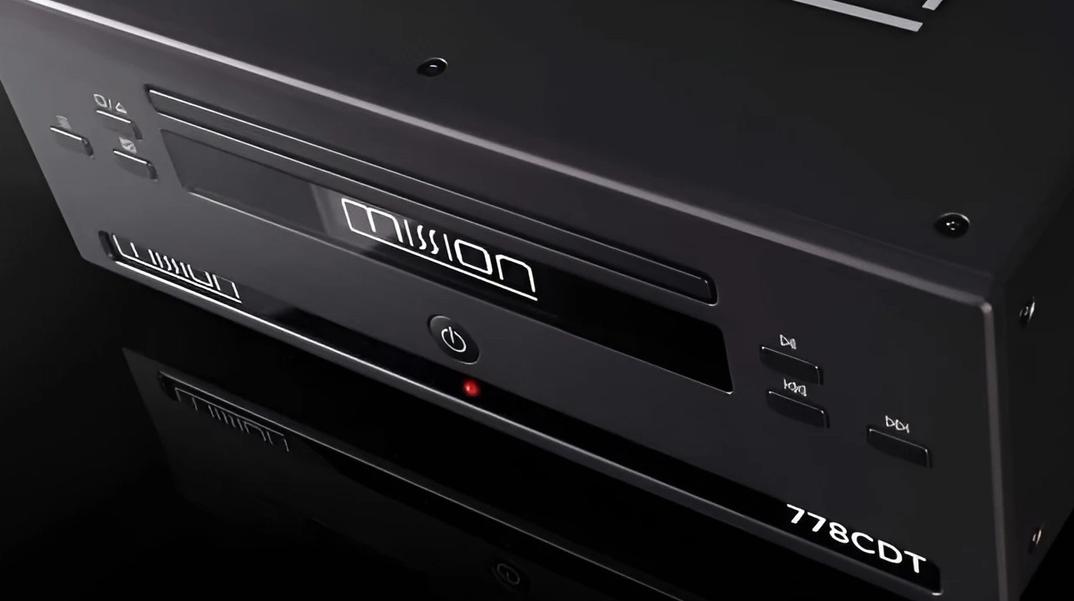
In an age where music streaming dominates, it might seem surprising that CDs are still part of the conversation. But they are, and not just as relics on a shelf. In fact, in many countries in Europe and Asia, CD sales continue to outpace vinyl. For many listeners, CD collections still matter, and not just for nostalgic reasons. They offer consistent sound quality, often better mastering, and they don’t rely on an internet connection. That’s the reality Mission Audio had in mind with the launch of the 778CDT, a CD transport designed to slot into today’s digital-first systems.
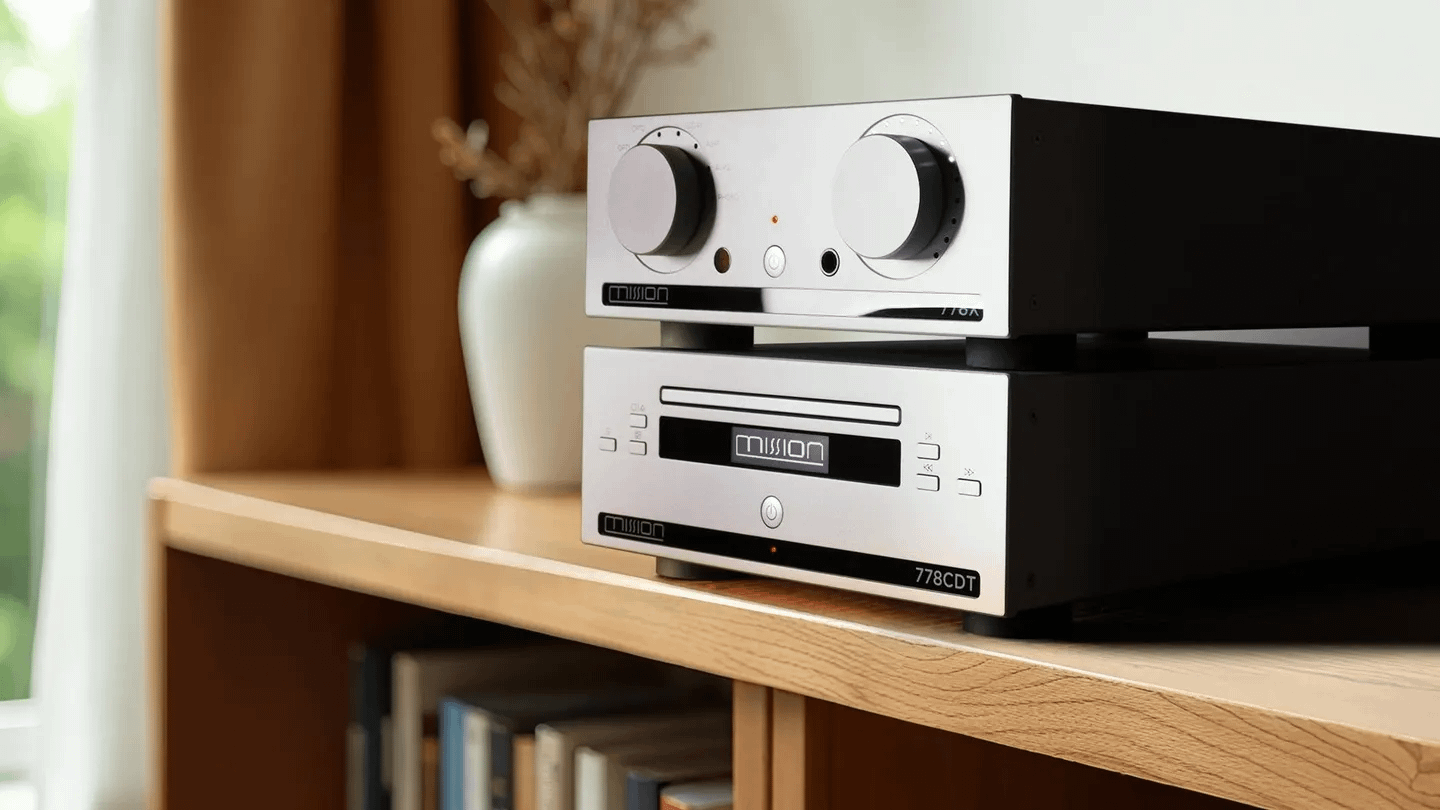
The 778CDT is the third piece in Mission’s compact hi-fi lineup, joining the 778X integrated amplifier ($899 at Amazon) and the recently released 778S music streamer. Like its siblings, it comes in a half-width “shoebox” form factor with a clean, symmetrical front panel and a dimmable OLED screen. Whether you’re short on space or just appreciate tidy stackable gear, the 778CDT is built to match — physically and functionally.
But what makes it different from a regular CD player? It doesn’t have a built-in DAC. Instead, it reads the disc and sends the digital signal out to a separate DAC or an amplifier with digital inputs, like the 778X. This design choice isn’t just about saving space, it’s about reducing electrical noise and keeping the digital signal as clean as possible.
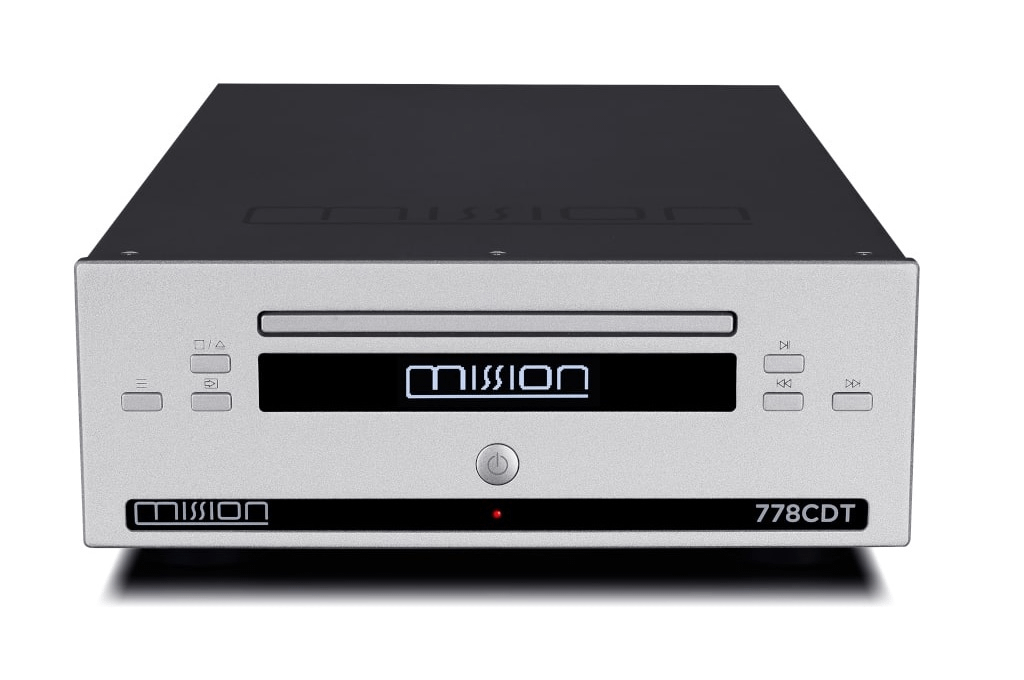
Under the hood, the 778CDT is all about precision. It uses a high-quality CD drive paired with a custom servo control system that ensures stable rotation and accurate tracking. In plain terms, it’s designed to read your CDs reliably and pass along the audio data with minimal fuss.
To manage all of this, Mission uses a dual-core processor setup: a 32-bit RISC CPU and a dedicated microcontroller. These two work in tandem to keep servo control and error correction running smoothly without stepping on each other’s toes.
The chassis itself is made from aluminum and built to reduce vibration and shield against interference. That’s important when you’re dealing with sensitive electronics even small amounts of noise can affect playback quality over time. The transport mechanism is tucked away securely to ensure it stays stable, even after years of use.
One area where Mission didn’t cut corners is the power supply. The 778CDT uses a low-noise toroidal transformer with isolated power paths for different components: the motor, the laser servo, and the digital decoder each get their own clean power line. That separation helps keep mechanical noise from creeping into the digital signal.
Clock accuracy also gets some love here. The transport relies on a temperature-compensated crystal oscillator (TCXO), a mouthful, but essentially it’s a very stable timing system. It’s powered by its own dedicated regulator and grounding scheme to minimize jitter (those tiny timing errors that can mess with sound quality).
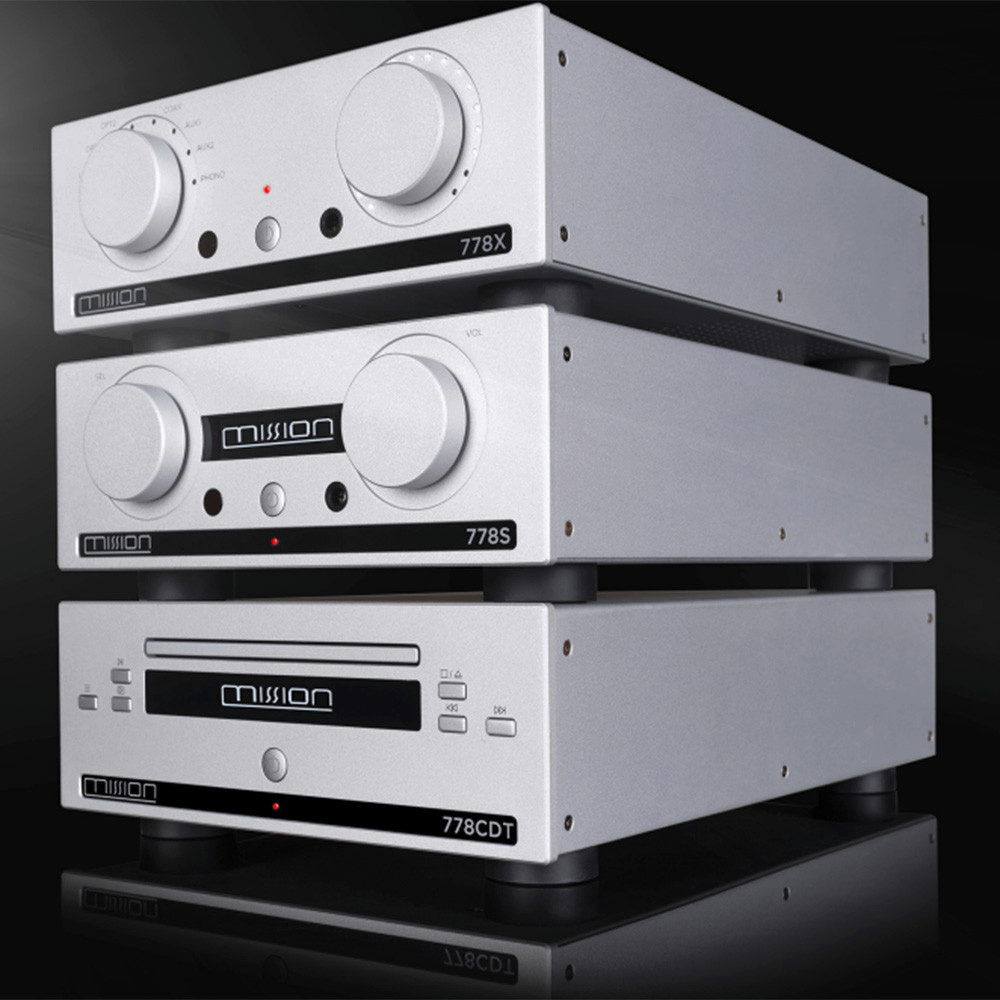
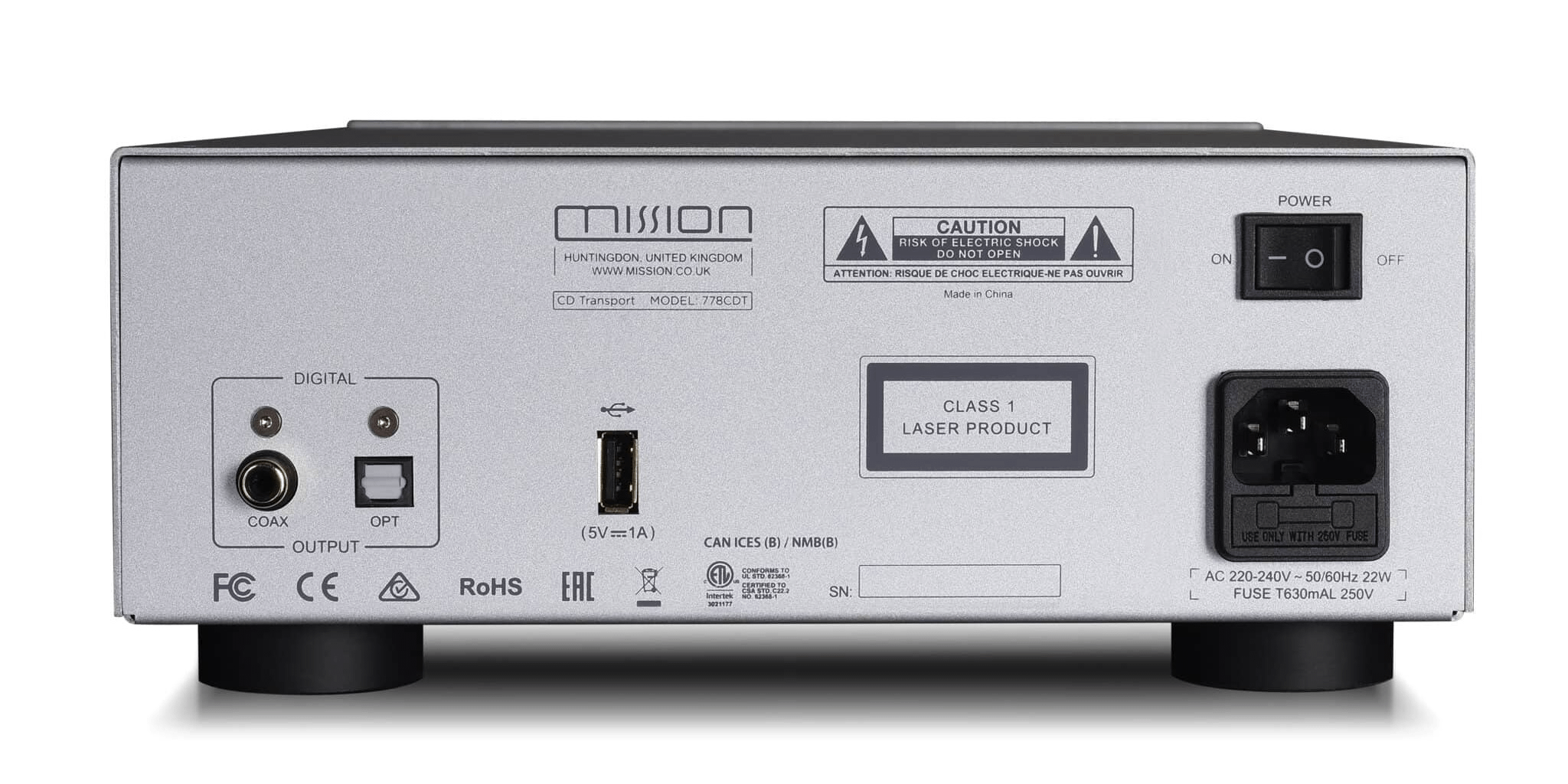
When it comes to connecting the 778CDT, things stay refreshingly simple. It has both coaxial and optical digital outputs, which means it should work with just about any DAC or amp that has a digital input. It follows the standard 16-bit/44.1kHz “Red Book” CD format and outputs at the expected 75-ohm impedance and 500 mVpp level.
Beyond regular CDs, it can also read CD-Rs, CD-RWs, and even data discs with digital music files. A rear USB-A port lets you play music from flash drives too, with support for common file types like FLAC, WAV, MP3, AAC, and APE. Whether you’re spinning discs or playing back digital files, the same low-noise circuitry and clock precision apply.
There’s no support for SACDs or multichannel playback, and no fancy digital outputs like I²S or USB audio. And that’s by design. The 778CDT isn’t trying to be everything. It’s focused on doing one job, CD playback, cleanly and reliably. It’s aimed at people who already have good DACs or digital amps and don’t want to pay for features they won’t use.
This streamlined approach also helps with price. At $999 / £449 / €549, the 778CDT sits comfortably in the “affordable but serious” range. In the UK, you can also bundle it with the 778S streamer for £1,099, creating a full digital front end that covers both physical media and streaming.
In terms of pricing, the Mission 778CDT lands in the same neighborhood as several other well-regarded CD transports aimed at serious digital audio setups. It shares shelf space with the Shanling ET3 ($899 on Amazon), the Audiolab 7000CDT ($999 at Amazon), and the recently released Quad 3CDT, which comes in a bit higher at $1,099.
Mission’s release of the 778CDT isn’t some retro cash grab. It reflects a shift in how CDs are used today. Rather than replacing streaming, CD playback now plays a supporting role, especially for listeners who already have strong digital systems and just want a simple way to access their disc collections.
If you’ve got a shelf full of CDs and a modern amp or DAC, the 778CDT might be the missing piece. It’s not flashy, and it doesn’t try to reinvent the format. Instead, it offers a straightforward path to good CD playback, one that fits right into the way many people already listen to music today.
Related Reading:




Privacy Policy
Terms and Conditions - Affiliate Policy
Home Security
© Copyright 2008-2026.
11816 Inwood Rd #1211, Dallas, TX 75244