

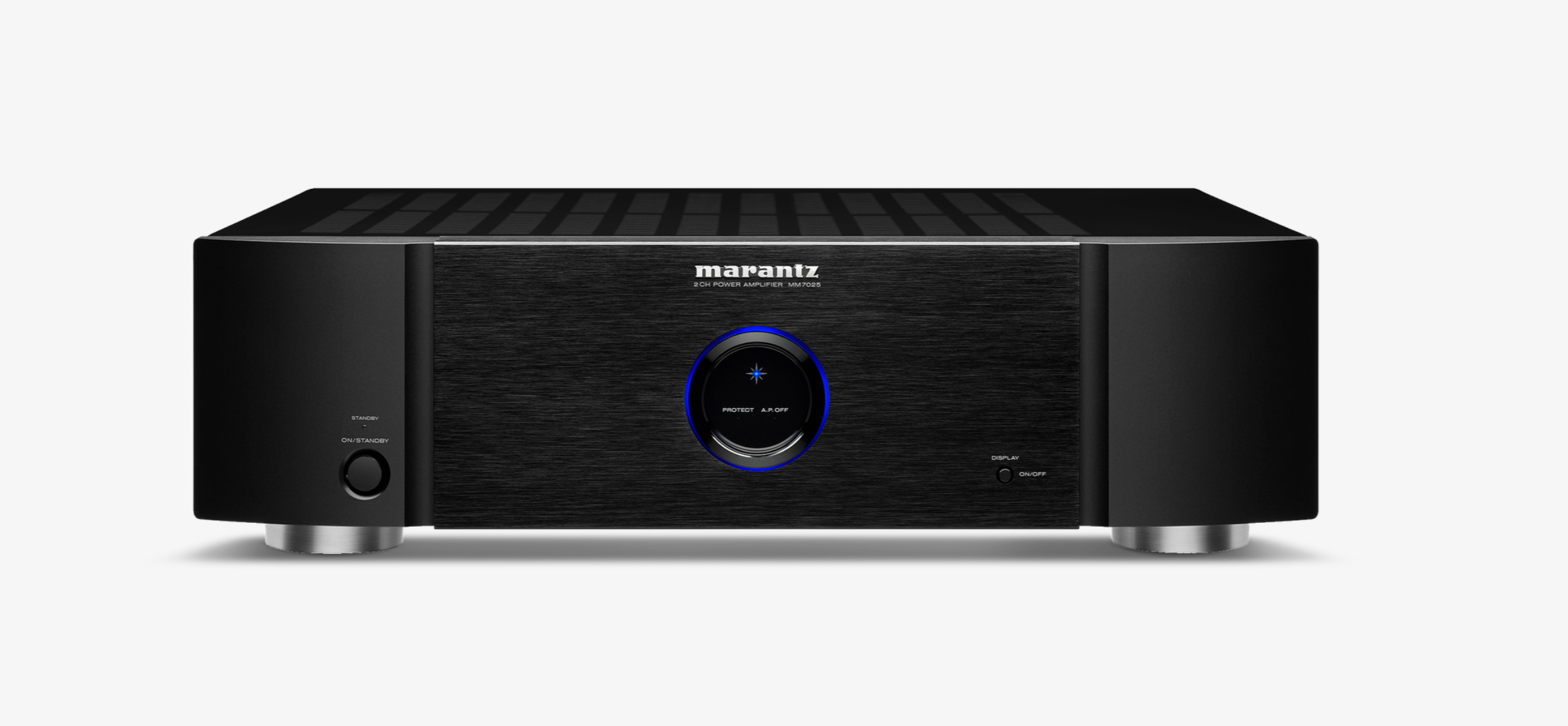

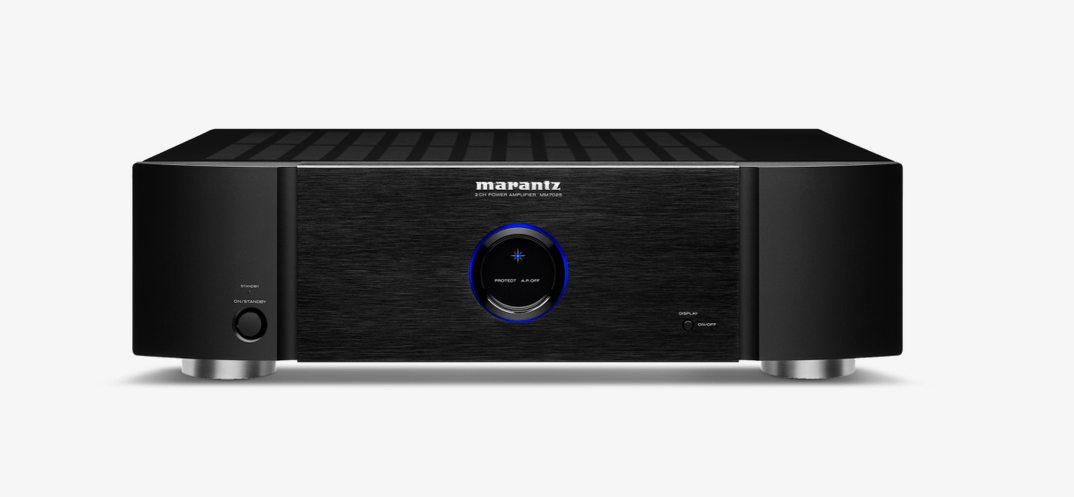
Marantz has been building amplifiers since 1953. Saul Marantz started the company because he wasn't satisfied with what was available at the time — he wanted better sound in his own home and ended up building it himself. That obsession with clean, musical amplification is baked into the brand's DNA, and it shows up decades later in something as workmanlike as the MM7025.
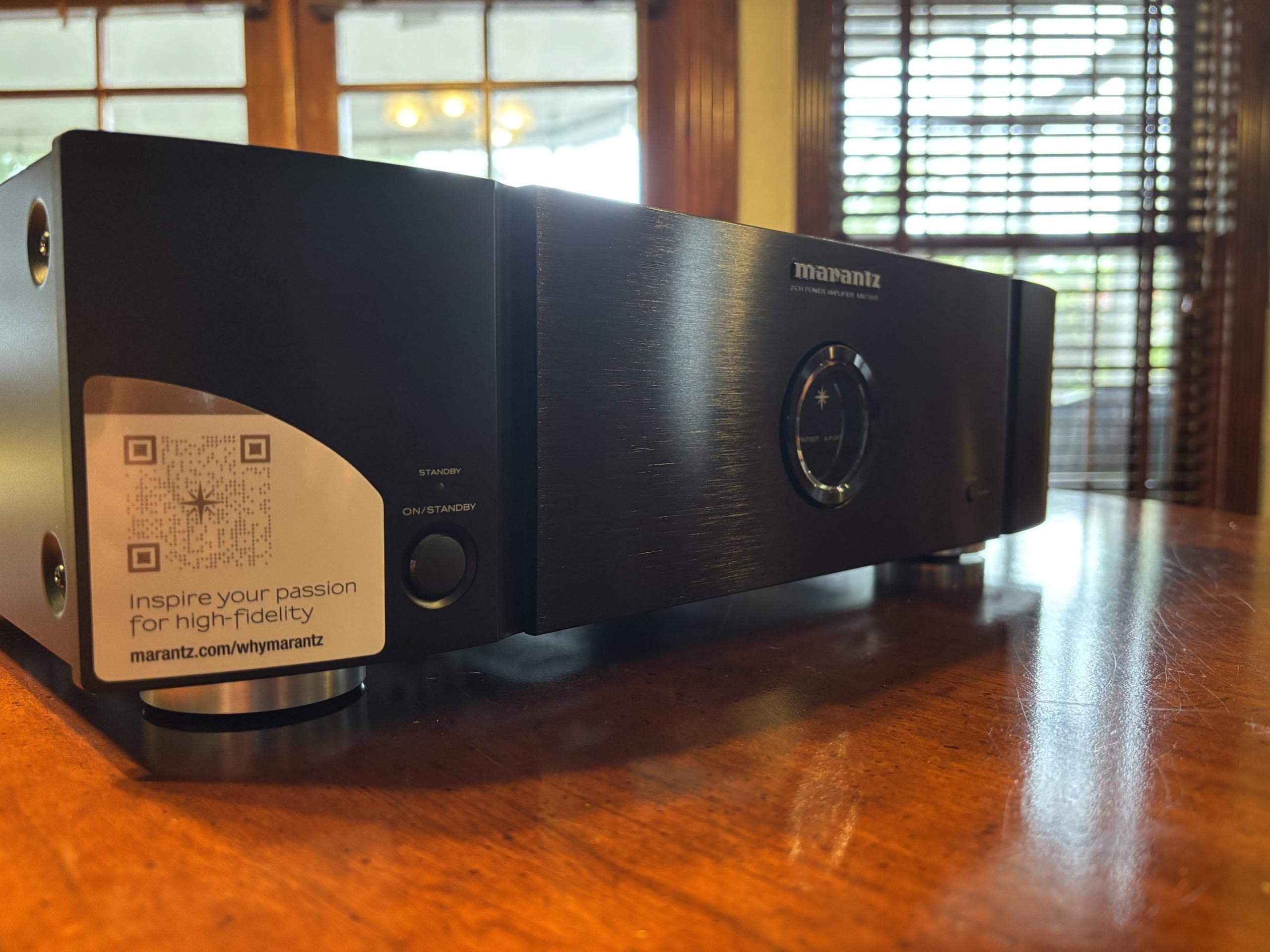
This isn't a flagship. It's not trying to be. But it comes from a lineage of people who took amplifier design seriously, and that matters when you're buying something you expect to run reliably for the next decade.
The MM7025 is a 2-channel power amplifier. 140 watts per channel into 8 ohms, Class A/B topology, solid power supply, low distortion. Marantz didn't try to make it do ten things — they made it do one thing right. No DSP, no room correction, no streaming, no Bluetooth, blah, blah. Just power, delivered cleanly. As much as I love Class A, Class A/B is quite the norm now-days and does the job well.
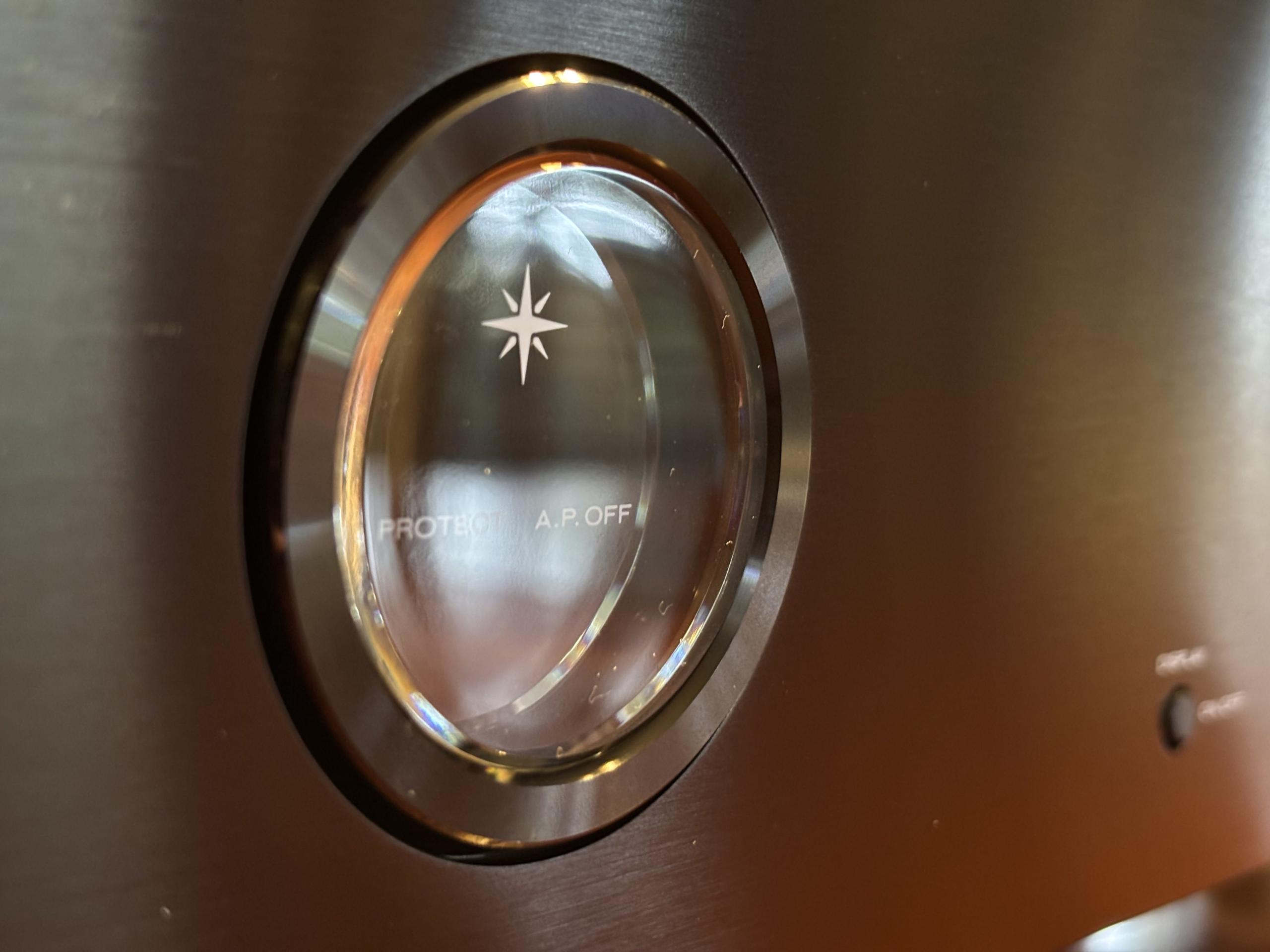
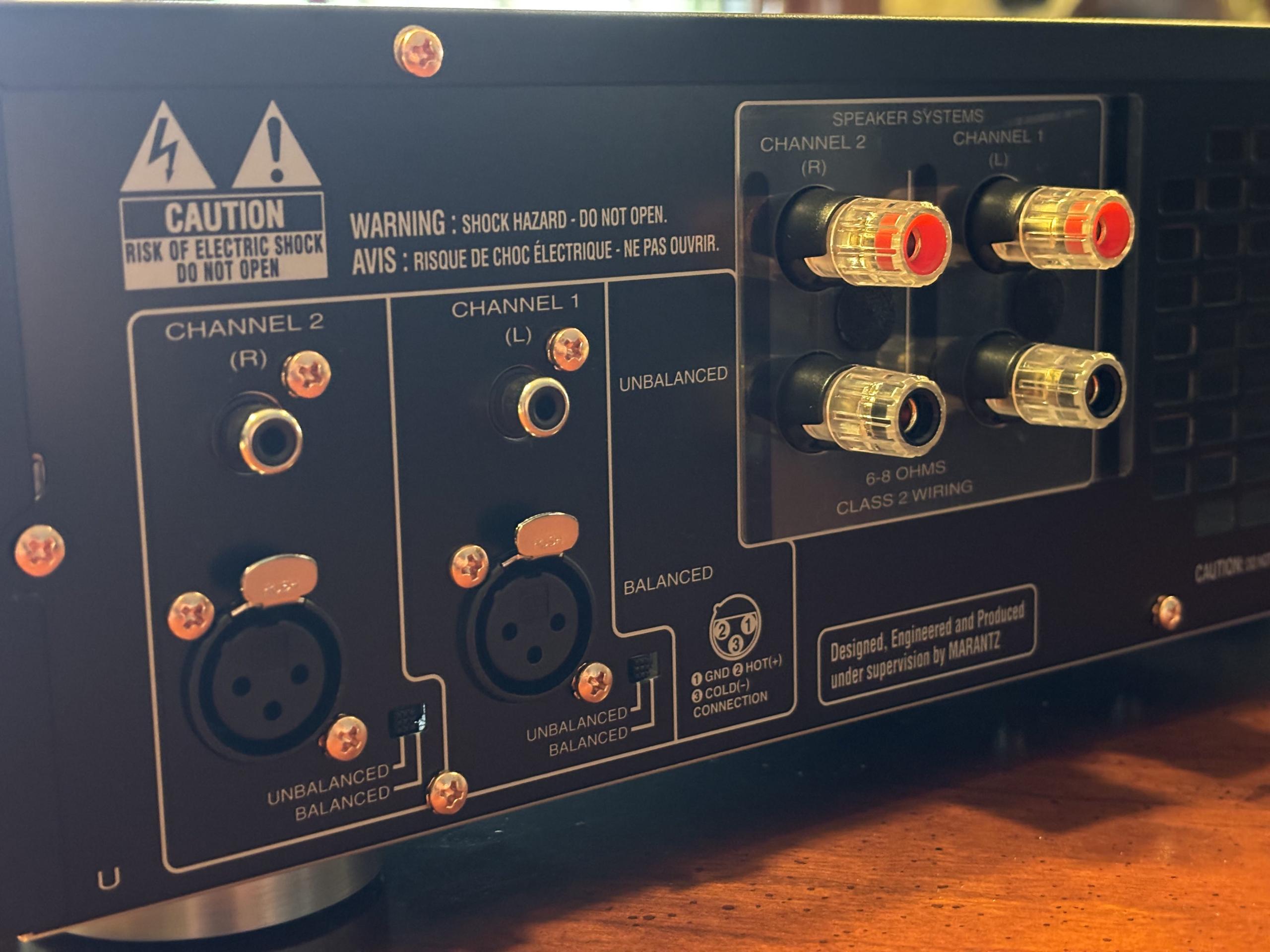
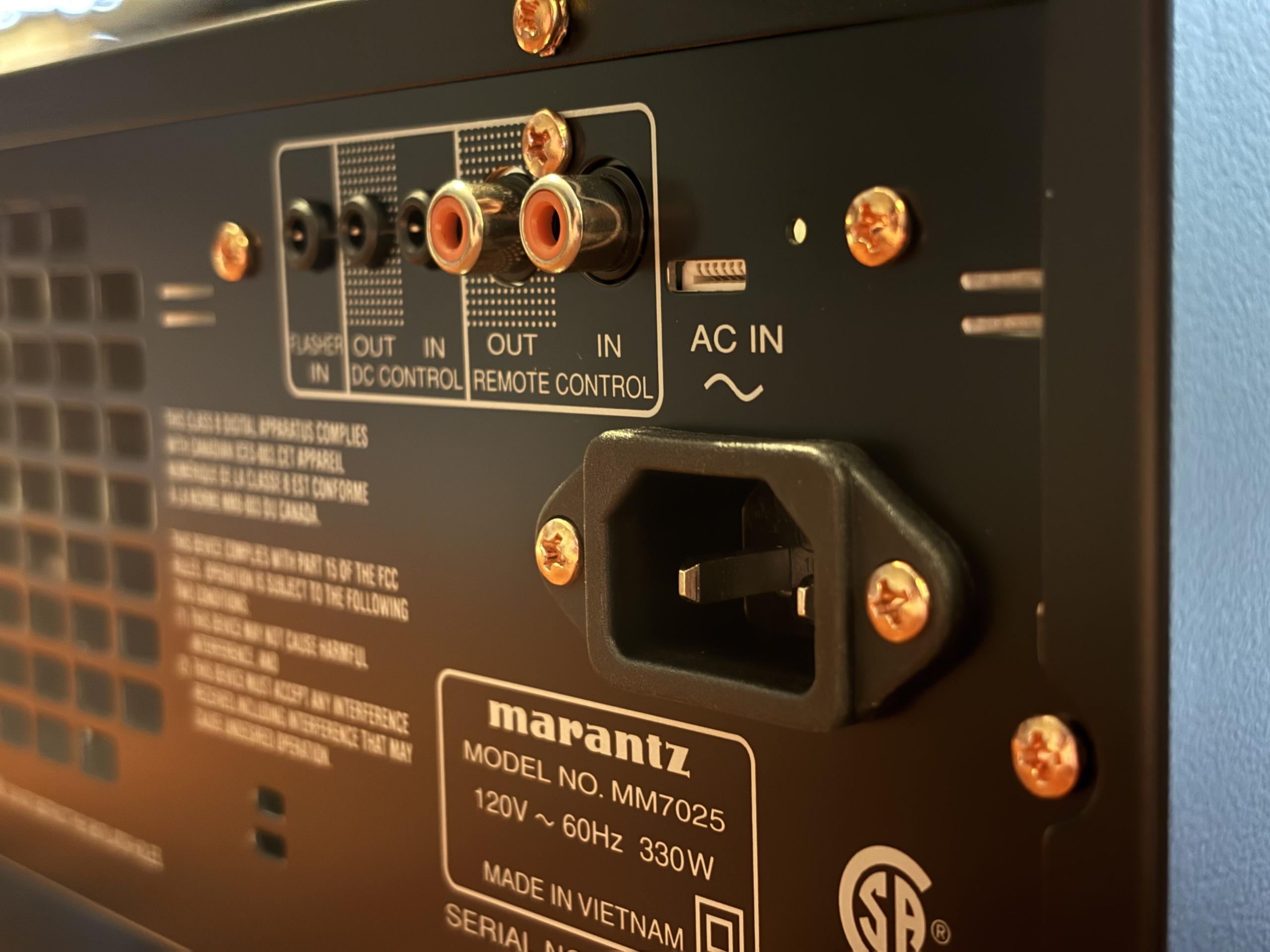
It's built the way amps used to be built. Large transformer, high-capacity caps, current feedback design, wide bandwidth. The chassis is clean and understated — no flashy faceplate, just a proper front panel that fits a rack without drama. XLR and RCA inputs, 12V trigger, daisy-chain control. Everything a CI install needs, nothing it doesn't.
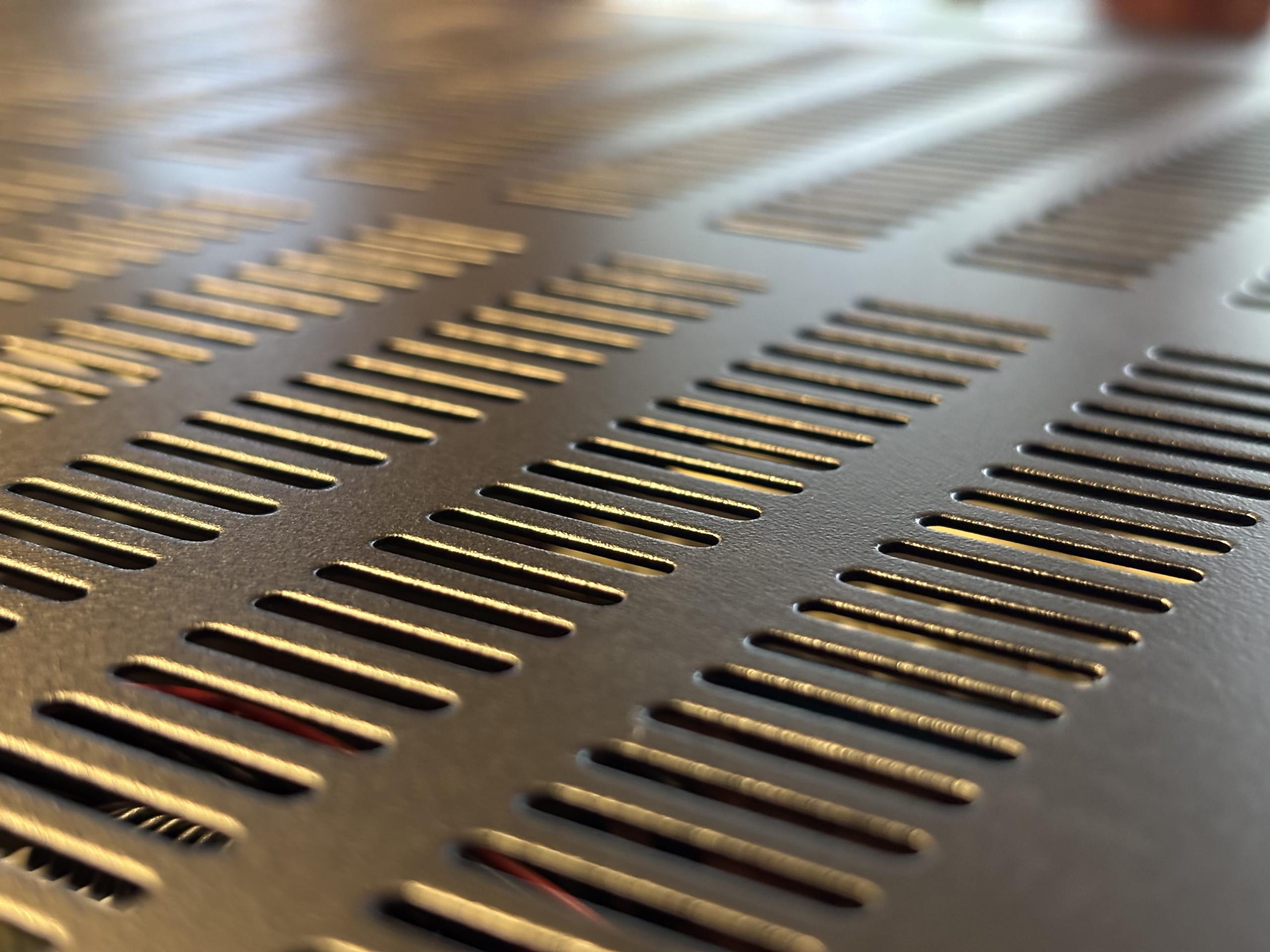
This is not a lightweight Class D box. It has weight to it, literally and figuratively. The internal layout reflects Marantz's traditional approach — they've never chased the cheapest path to a spec sheet number, and you can see that in how this thing is put together. I expect these to still be running in 10+ years with no issues.
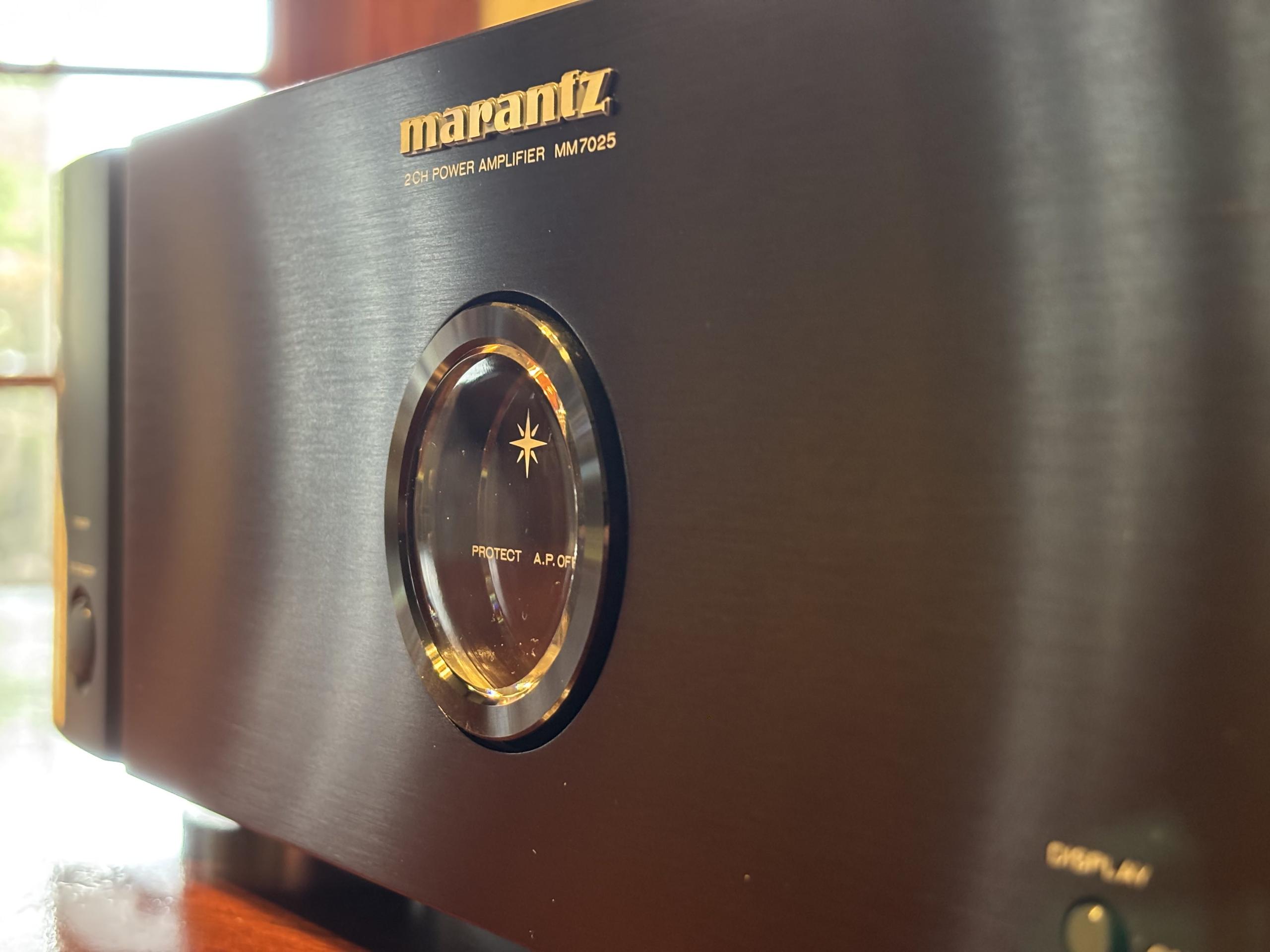
The MM7025 doesn't have a "sound" in the way some amps do. It's neutral with a very slight Marantz smoothness to it — that house character the brand has carried since the early solid-state days. Not warm, not clinical. It just gets out of the way and lets the speakers do their job. For most systems, that's exactly what you want, just a hint of warmth.
The real payoff is imaging. Once you pull the front L/R channels off your AVR and hand them to a dedicated amp, the soundstage opens up noticeably. Vocals lock in, everything feels less compressed, instruments have more space around them. That improvement isn't subtle in real-world installs — clients hear it immediately and they always want to know what changed.
This is the right move if you're running a 5.1 or 7.1 system and want to give your front channels proper amplification without overcomplicating the rack. It integrates cleanly, it's reliable, and it makes a real, audible difference over AVR-driven speakers. I recommend it regularly and I'd put it in my own system without hesitation.
It's also a strong fit for CI installs specifically. The 12V trigger, balanced XLR inputs for long runs, sensible rack depth, and daisy-chain control options mean it drops into a system without friction. Fewer headaches during setup, fewer callbacks after.
It's not a powerhouse. 140W is enough for most setups, but if you're running inefficient or low-impedance speakers at high volume, you'll want more headroom. It also has a cooling fan — quiet, but in a dead-silent room you'll know it's there. And if you're chasing a big, characterful sound with warmth and personality baked in, look elsewhere. This amp isn't trying to impress you.
It's also worth being honest that this isn't endgame gear. There's a ceiling here, and if you're deep into two-channel listening and want something that genuinely elevates the experience as a hobby, you'll eventually want to move up. The MM7025 is where performance meets diminishing returns — which, for a home theater context, is exactly the right place to land. I do wish the price was slightly lower as well, it would definitely spice up the model.
Marantz built their reputation on the idea that good amplification shouldn't draw attention to itself — it should disappear and leave you with music. The MM7025 does that. As a professional recommendation it's an easy yes. As a personal audio pursuit for high-end, emotional listening, I'd step up to something bigger. But for what it is and what it costs, it delivers. Every time.
For advertising please contact the editor at [email protected]




Privacy Policy
Terms and Conditions - Affiliate Policy
Home Security
© Copyright 2008-2026.
11816 Inwood Rd #1211, Dallas, TX 75244