

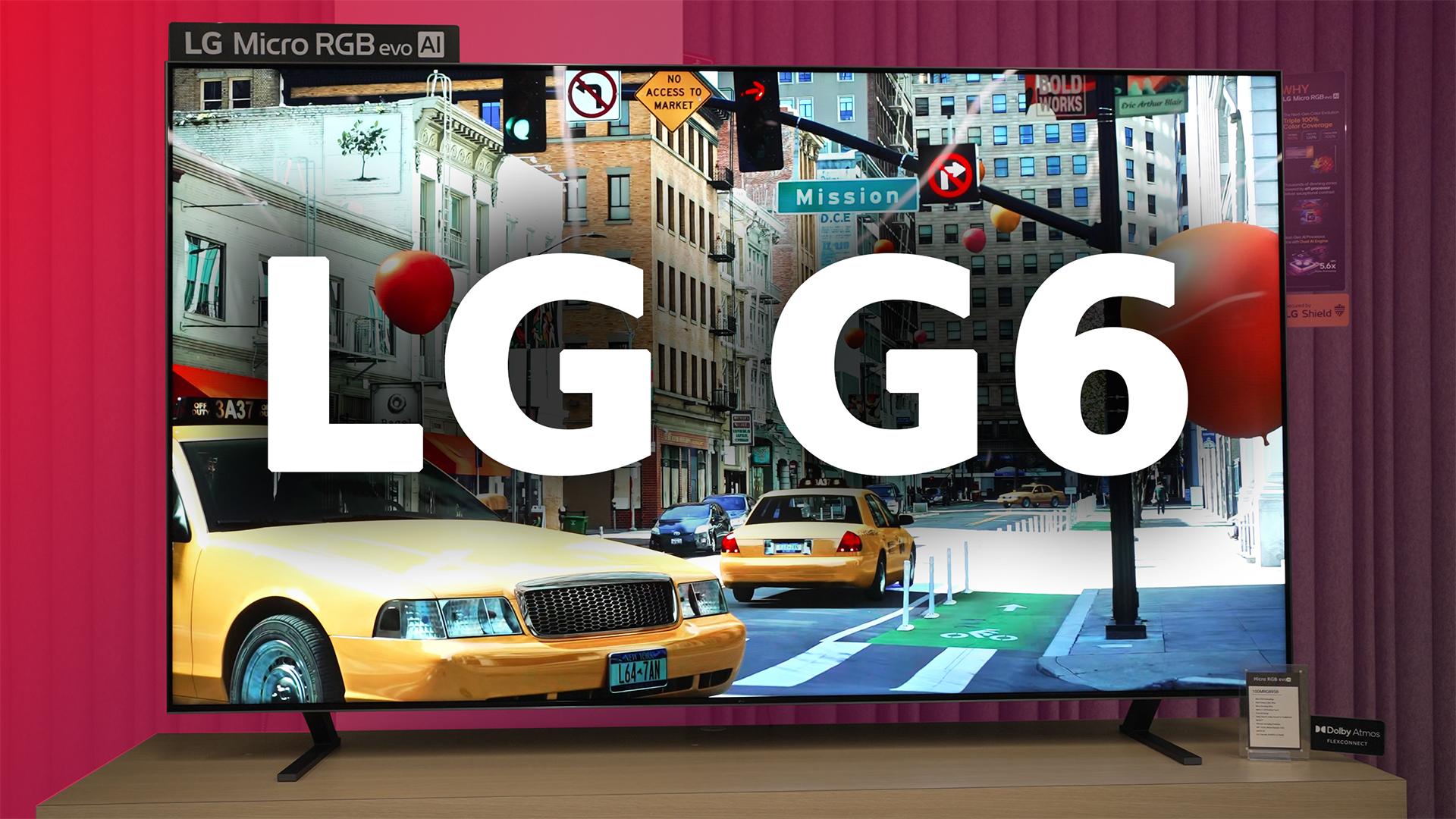
I recently returned from an LG event in New Jersey where the company showcased its upcoming OLED lineup, including the LG G6, C6H, and C6. After spending time looking closely at all three displays, I walked away thinking something surprising: LG might actually have the best OLED TV this year, and Sony should be worried.
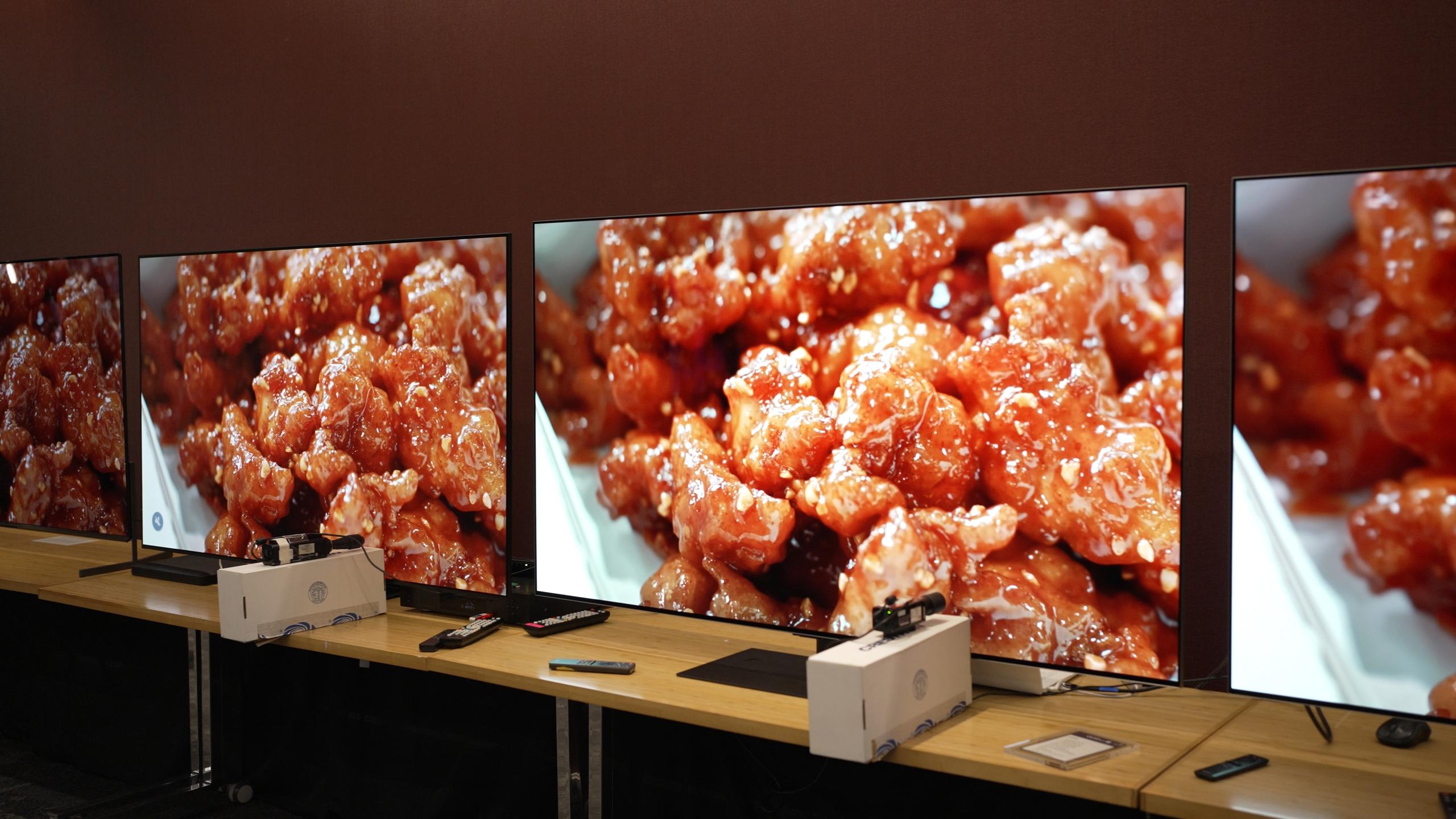
Across the lineup, whether you’re considering a 42-inch panel for monitor use or a large 55-inch-plus TV for a home theater—LG appears to have made big improvements in several areas. From a new subpixel layout to a more powerful processor, and possibly the best upscaling I've seen, there are quite a few changes that could make these some of the most compelling OLEDs yet.
Here are my hands-on impressions.
Disclaimer: LG covered my travel expenses to attend this event. Additionally Home Theater Review may run advertising campaigns with various manufacturers including LG. Finally I have joined Portrait Displays’ Calman color calibration software reviewer program to get free licensing going forward.
One of the most interesting changes—something I don’t think many people caught—is the new subpixel arrangement used on these displays.
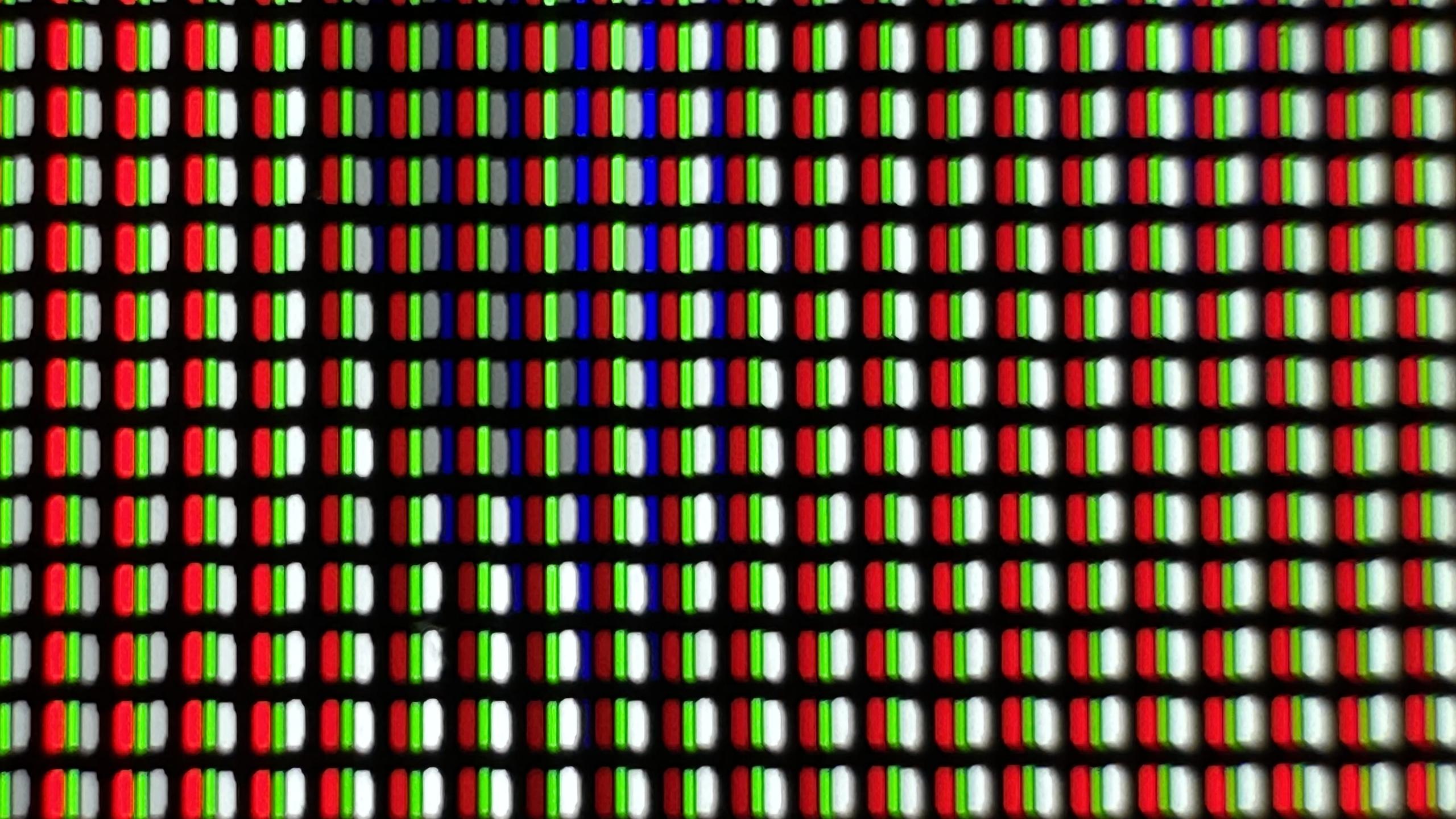
LG appears to be moving to an RGWB layout, which is the same subpixel structure used on some of their OLED monitors. This is important because previous OLED TV subpixel structures often created poor text clarity, especially when used as a monitor.
Even the LG G5, which I think had one of the better layouts with something close to a WRGB arrangement, still struggled with text clarity in certain scenarios.
With this RGWB configuration, the expectation is much improved clarity overall, especially for text and UI elements. When I went up to inspect the panels closely, each of the displays that LG had on show appeared to use this same layout.
For people using OLED TVs as large PC monitors, this could be a significant improvement.
Another major upgrade is LG’s new Alpha 11 processor, which powers the G6 and related models.
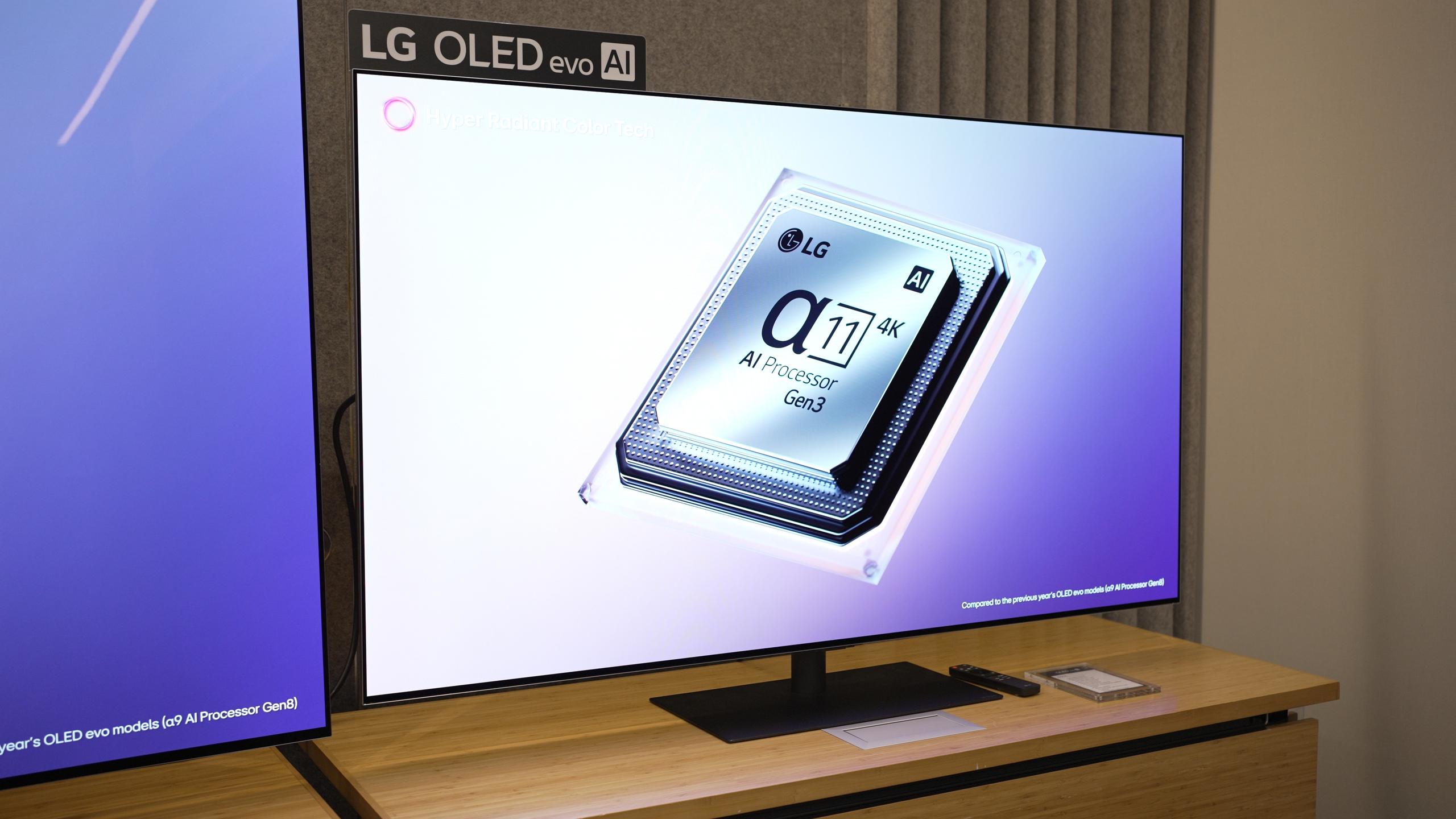
Now, if you’re a gamer who disables most image processing features, the processor upgrade might not dramatically change the experience. However, there are still some meaningful improvements.
The biggest one is 12-bit color processing support, which LG demonstrated in several scenes during the event.
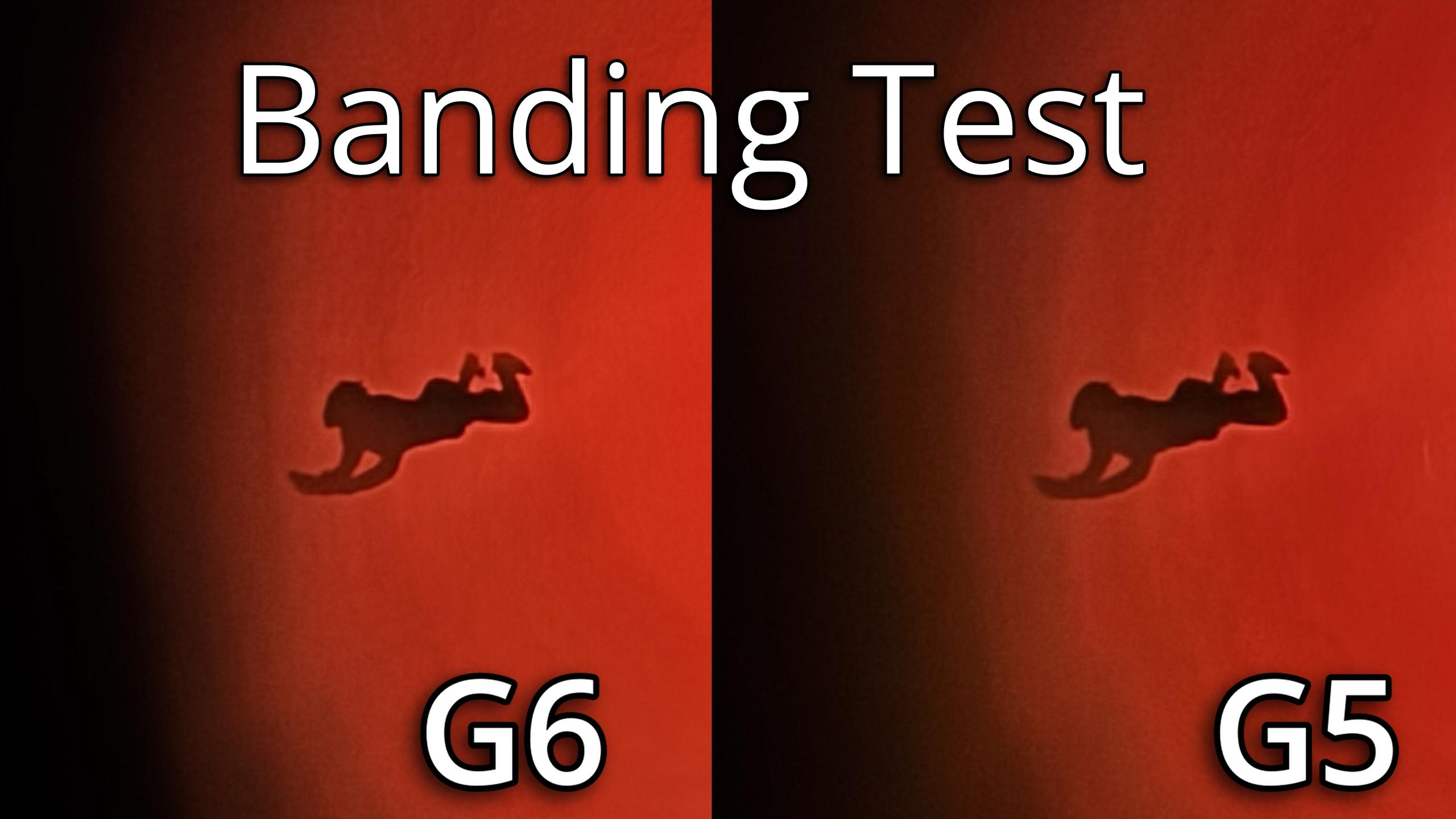
What this means in practice is significantly reduced color banding. Banding has always been one of those subtle issues that shows up in gradients—particularly in dark scenes. With the new processor, those gradients looked noticeably smoother.
This also helps in HDR content, where subtle color transitions matter more. Cleaner gradients simply make the image look more natural.
But the biggest improvement has got to be the improved upscaling. Historically, TV upscaling has been pretty hit-or-miss here, but LG showed a demo where 720p SDR content was being upscaled to 4K HDR, and the result was surprisingly close to native HDR footage.
That’s honestly pretty impressive if it holds up in real-world testing.
Another area LG seems to be targeting is near-black behavior, which has been a known challenge for OLED displays.
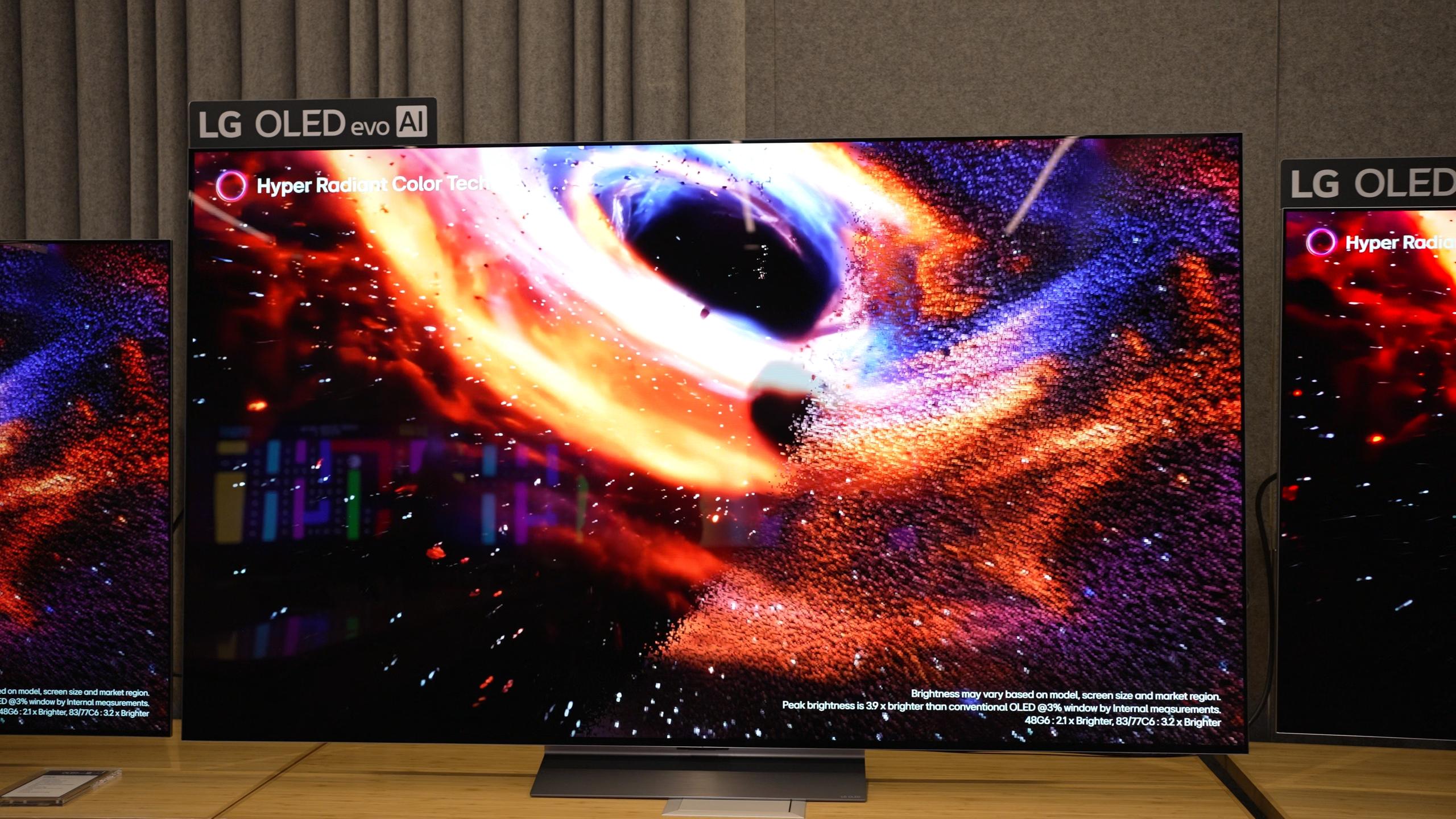
If you’ve spent time critically evaluating OLED TVs, you may have noticed issues like:
These problems appear when some OLED panels attempt to render extremely dark shades.
According to what LG told us, the new processing improvements should significantly reduce these near-black artifacts. Of course, OLED can’t completely eliminate these behaviors due to how the technology works, but the goal is to make them visually invisible during normal viewing.
I’ll need to verify this during full testing, but if the improvements hold up, it could be a big step forward.
Another major upgrade coming to the lineup is 165Hz refresh rate support.
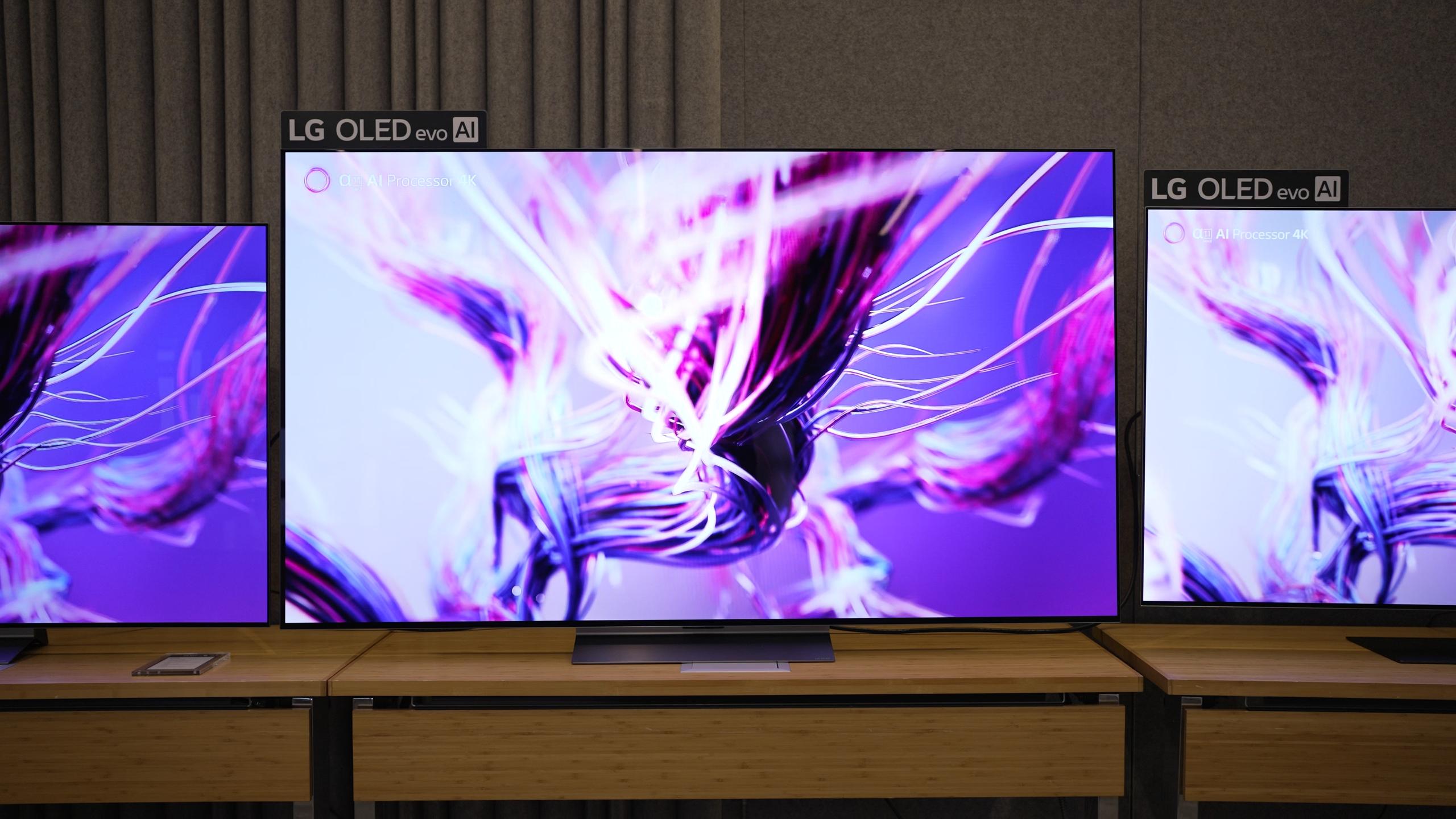
This should apply across the range—from the 42-inch C6 all the way up to the 83-inch G6.
That means:
For example, the previous G5 reportedly had extra latency at 165Hz, which LG says has now been resolved.
For PC gamers, especially those using OLED TVs as monitors, this is a welcome improvement.
LG is also differentiating the lineup with different panel capabilities.
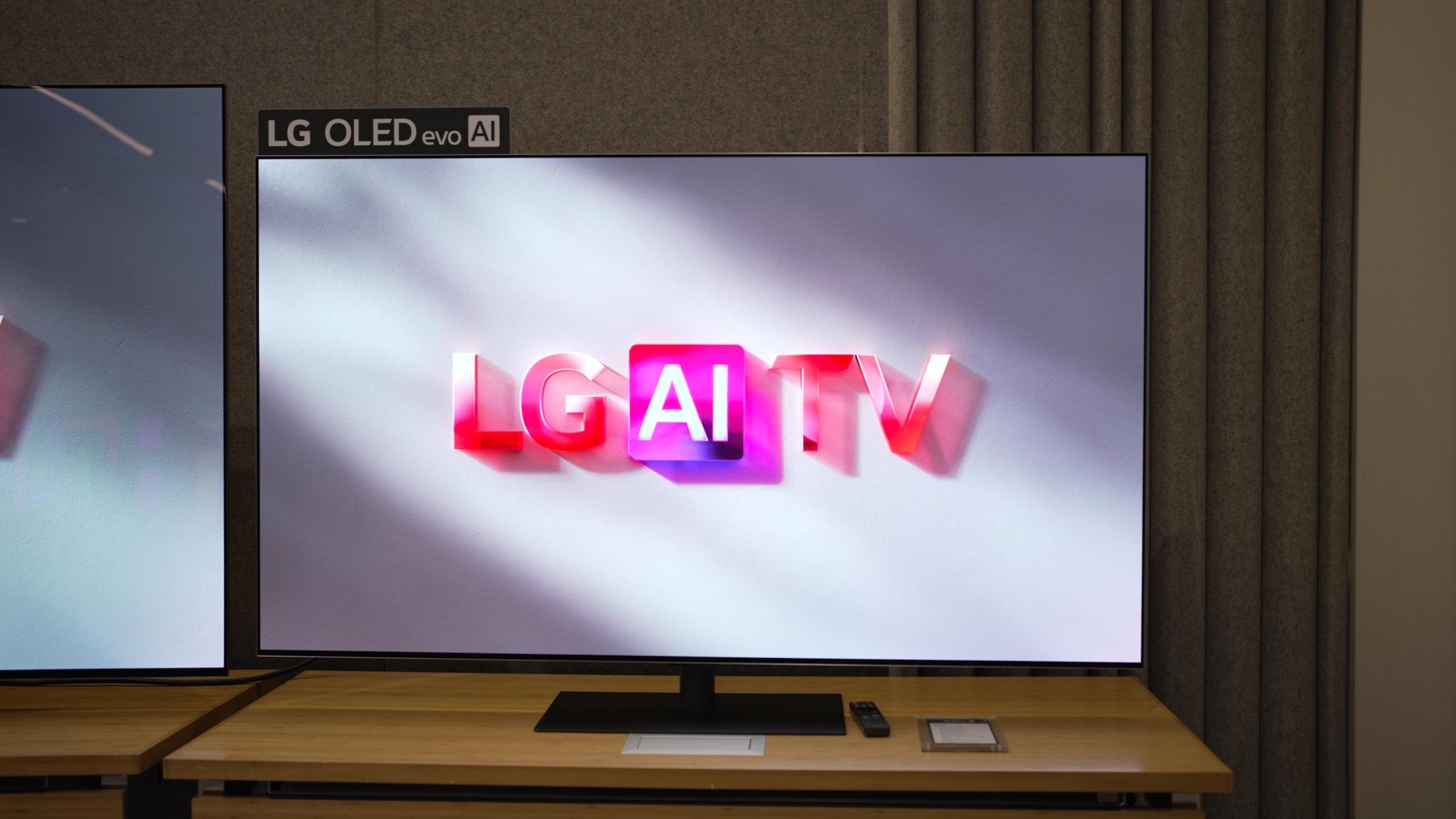
The G6 is clearly the flagship model. It’s expected to be extremely bright, with peak brightness potentially exceeding 3000 nits in certain content.
LG even showed the G6 side-by-side with the G5, and the difference was noticeable.
That said, the G5 was already very bright, so while the improvement is visible, it may not dramatically change real-world usage.
Still, brighter is generally better for HDR.
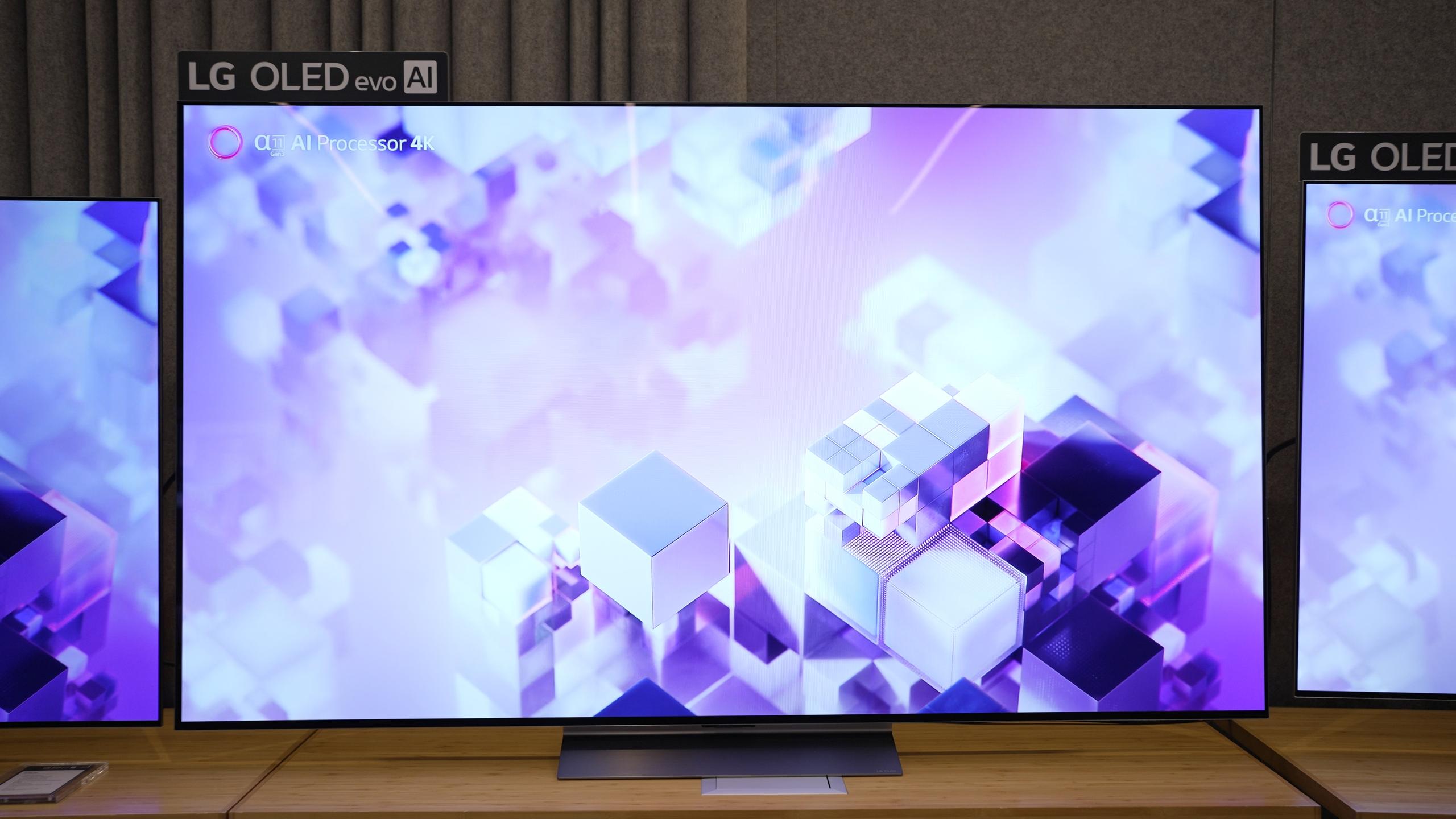
The C6H sits just below the G6.
Interestingly, the 77-inch and larger C6H models appear to use the same panel as the G6, though with slightly reduced performance.
Below 77 inches, however, things change.
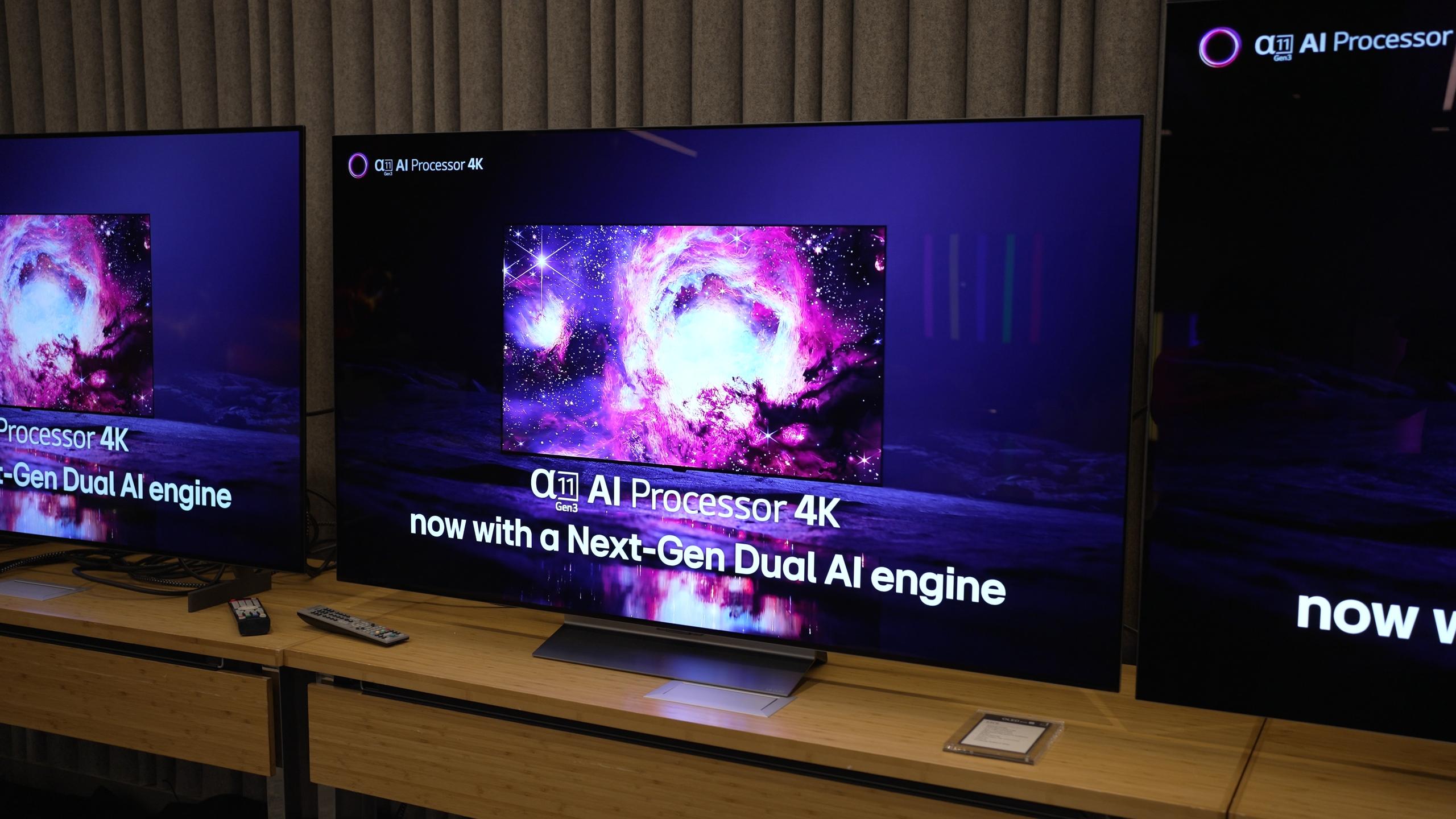
Smaller sizes move to the C6, which is expected to be significantly dimmer overall.
That said, it still uses the same RGWB subpixel layout, so many of the clarity benefits should still be present.
One question I still have concerns 100% window brightness, especially for the 42-inch model used as a monitor. If that panel can exceed around 200 nits full-screen, it could make it much more usable for desktop productivity.
I wasn’t able to measure that at the event, but it’s something I’ll be testing soon.
LG has also made an interesting change to the screen coating on the G6.
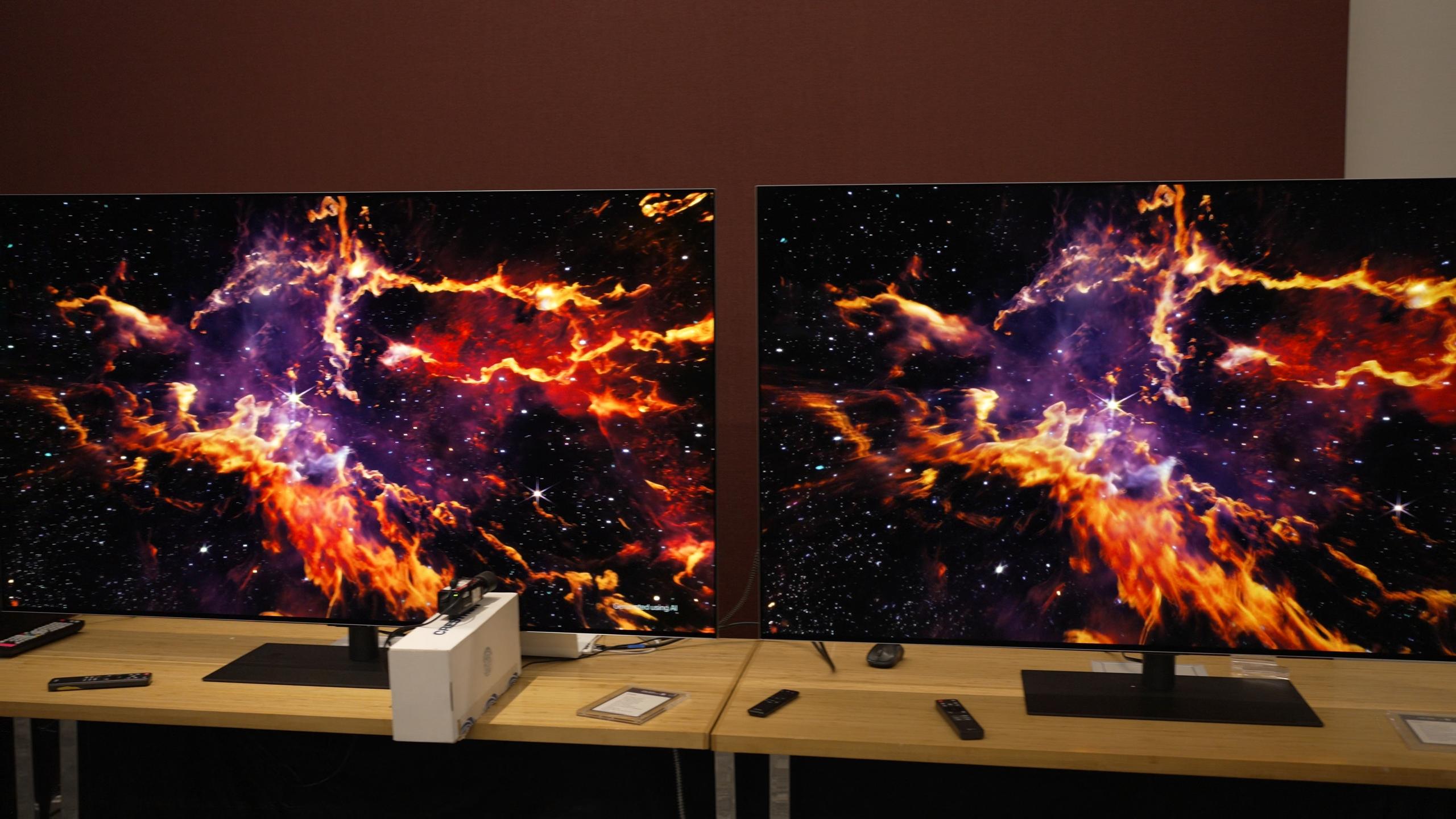
The display still uses a glossy screen, which I’m very happy about because glossy coatings preserve clarity far better than matte ones. In my opinion, LG already has some of the best coatings in the industry.
However, LG has reduced reflection intensity, which makes reflections less noticeable.
The trade-off is that ambient light handling is slightly worse than last year’s G5.
I could see this difference when comparing the panels side-by-side. LG confirmed that this was an intentional design trade-off.
The goal seems to be reducing reflections while maintaining the clarity advantages of a glossy panel, and overall I think it’s a reasonable compromise.
Interestingly, the C6H and C6 may keep the previous coating, meaning they could technically have slightly better ambient-light handling.
I also asked LG about off-axis viewing performance, which can still be an issue on WOLED TVs.
When viewing large white areas from an angle, LG OLED panels can sometimes shift slightly green.
From the answers I received, it sounds like this issue may still exist, though it’s something LG continues working to improve.
In my quick inspection, I didn’t notice anything major, but this is another area that will require deeper testing, and I suspect this issue will persist.
After seeing these displays in person, my overall impression is that LG is refining an already strong platform.
The G6 feels like a polished evolution of the G5, while the C6 and C6H look like even larger improvements over their predecessors.
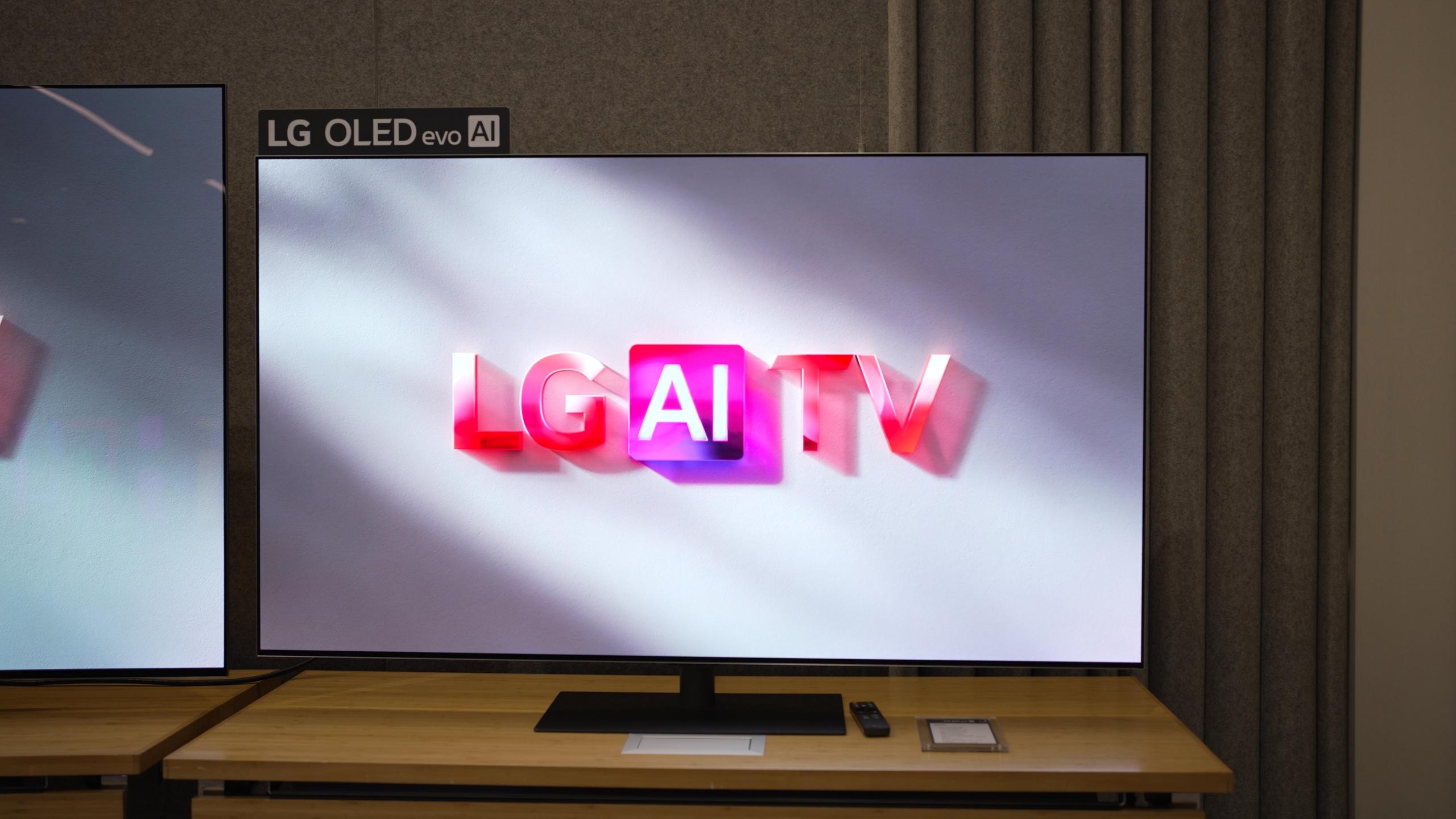
Between the new RGWB subpixel layout, the Alpha 11 processor, the 165Hz refresh rate, and improvements to near-black performance, LG seems to be addressing many of the small issues that existed in previous generations.
If everything holds up in full testing, LG might genuinely have the best OLED TVs this year, and if Sony chooses not to refresh their Bravia 8 II or roll out any significant firmware updates to address some of the complaints we saw at the TV shootouts last year, I think they're in series danger of finally being dethroned in 2026 for both SDR and HDR viewing.
I’ll be reviewing the G6 very soon, so stay tuned for the full breakdown.



Privacy Policy
Terms and Conditions - Affiliate Policy
Home Security
© Copyright 2008-2026.
11816 Inwood Rd #1211, Dallas, TX 75244