

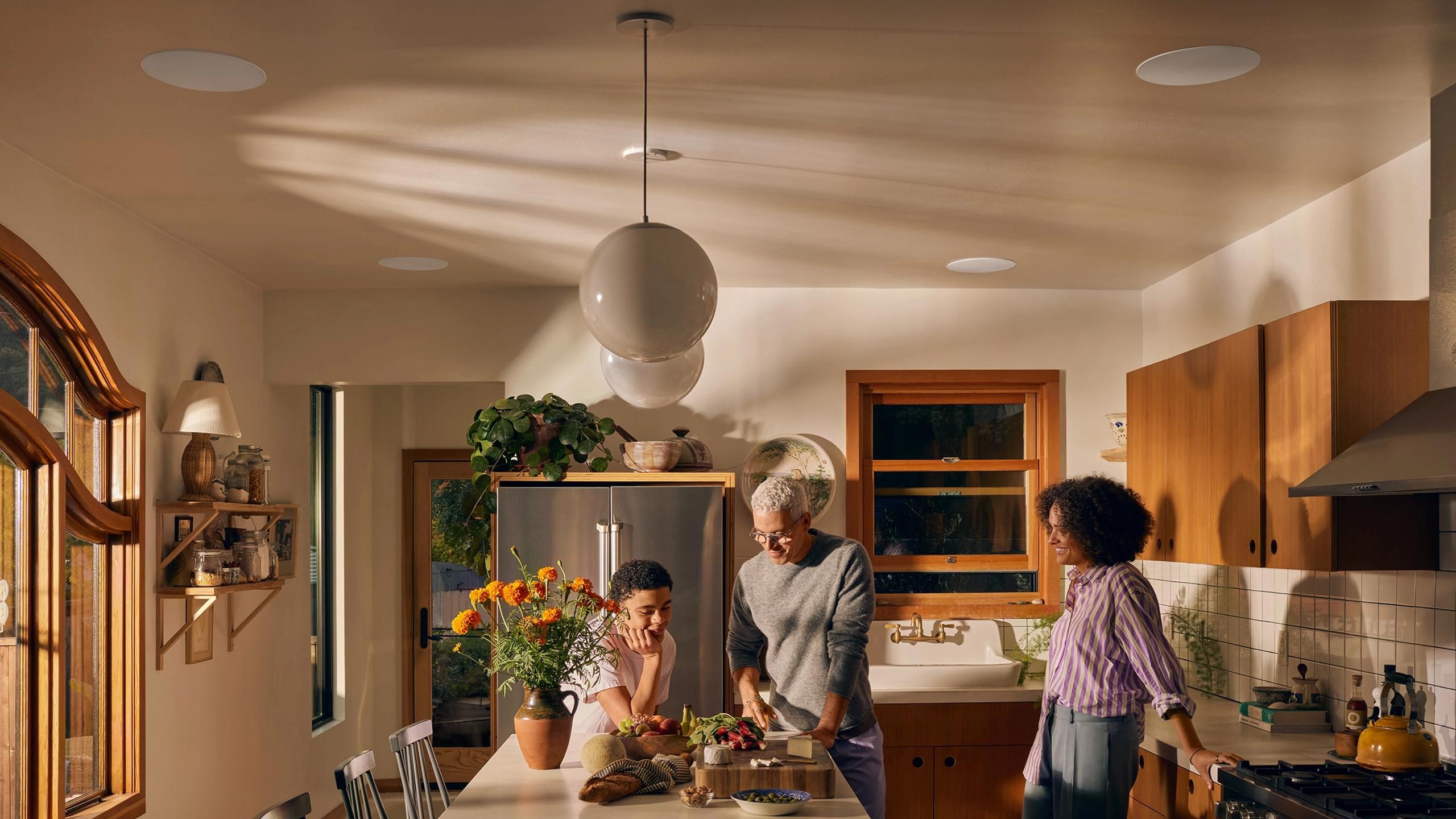
In-ceiling speakers are one of those upgrades you stop noticing, in the best possible way. When they’re done right, they visually disappear while quietly transforming how your home sounds. Your kitchen feels warmer. Your living room feels bigger. Your TV setup feels more immersive.
When they’re done wrong? You’re stuck staring at ceiling grilles while wondering why dialogue sounds muffled and music feels flat, and there’s no easy undo button once you’ve cut holes in drywall.
That’s why I don’t like overwhelming people with dozens of options. Instead, here are 10 in-ceiling speakers I’d personally buy in 2026, spanning everything from premium architectural audio to budget-friendly models that punch well above their price.
These picks cover three real-world use cases:
Before we dive in, here’s my quick buying philosophy:
Now let’s get into the speakers.
Best for: Clean, detailed sound that feels closer to traditional hi-fi
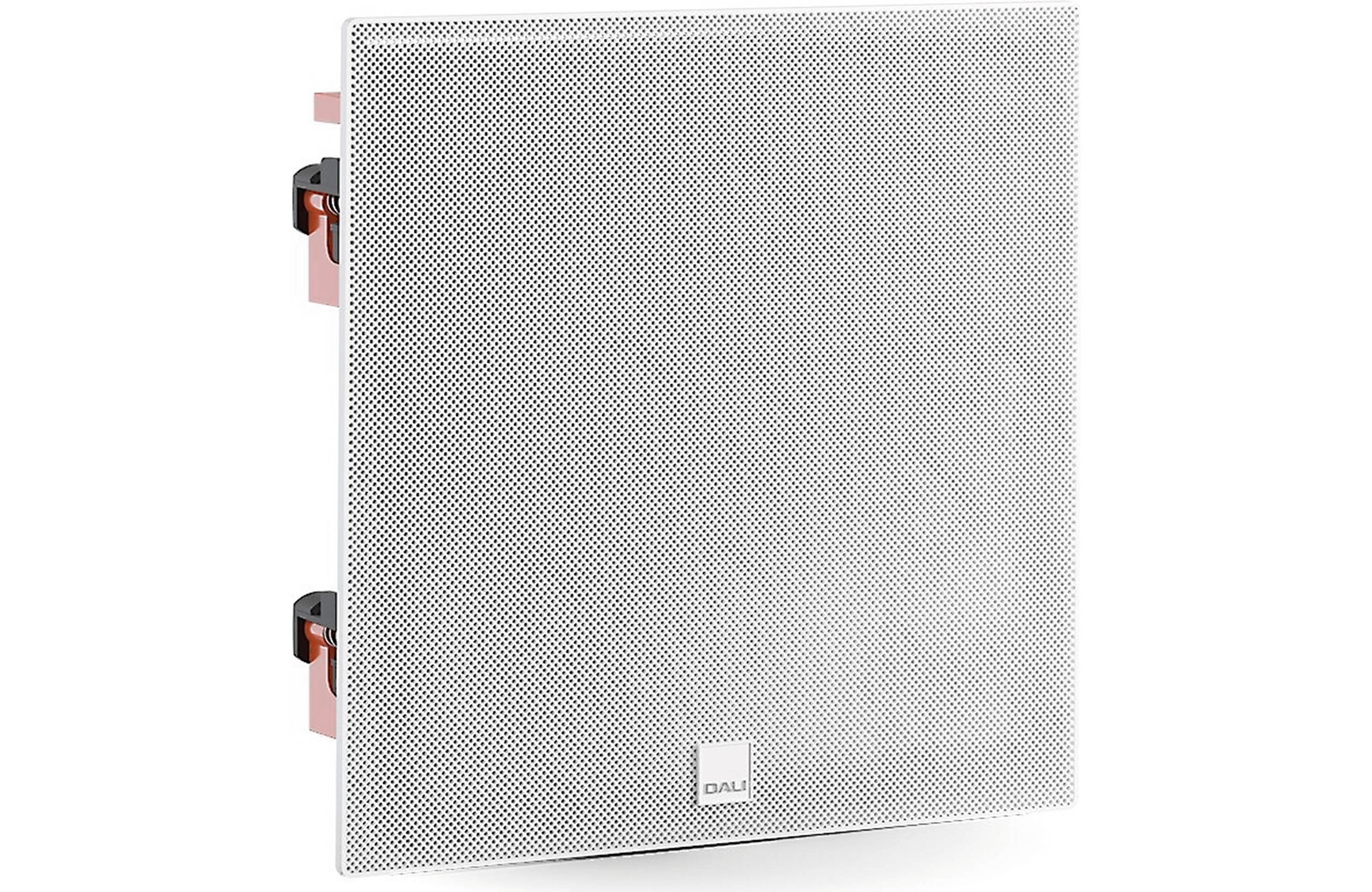
If you want an in-ceiling speaker that doesn’t feel like “background audio,” the DALI Phantom H-50 is where things start getting serious.
DALI is known for building speakers that sound natural and balanced, and the H-50 carries that DNA into an architectural format. It uses a 5.25-inch wood fiber woofer paired with a soft dome tweeter — a combo designed to deliver clarity without harshness.
What I like about the Phantom H-50 is that it doesn’t try to sound impressive in a flashy way. Instead, it focuses on realism and smoothness, which makes it easy to live with long-term. Vocals come through clearly, instruments sound well separated, and fatigue stays low.
Installation is straightforward too, with a slim grille and solid mounting system.
Why I’d buy it: If you want an in-ceiling speaker that actually feels like a “real” speaker, this is a strong premium choice.
Best for: Anyone already living in the Sonos ecosystem
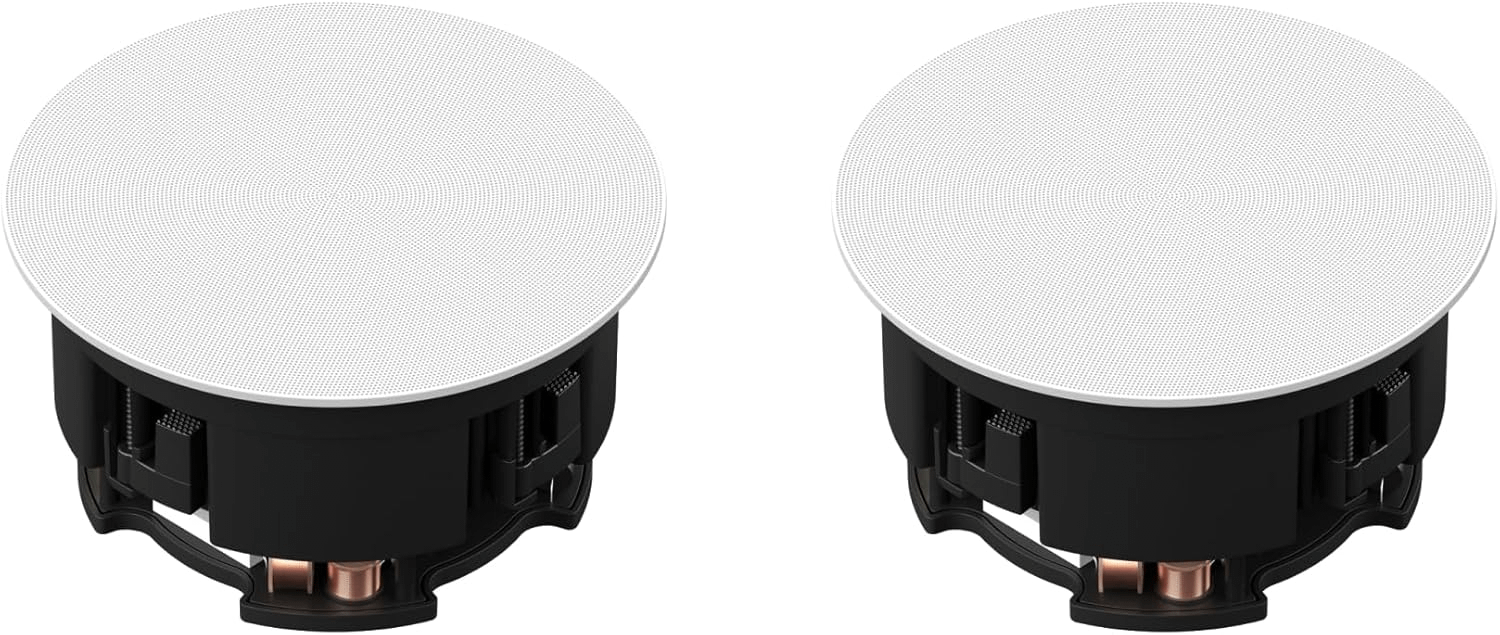
These are purpose-built for Sonos users, and they make the most sense when paired with a Sonos Amp. That combo unlocks Trueplay room tuning, which measures how sound reflects in your space and automatically adjusts playback.
In practical terms, that means cleaner bass, better balance, and fewer weird acoustic surprises — especially helpful in kitchens and open floor plans.
Sonance handles the hardware side, while Sonos manages the software experience. The result is a seamless multi-room setup that just works, with easy grouping, voice control, and app-based adjustments.
Sound-wise, they’re clean and neutral, designed to disappear into the room rather than demand attention.
Why I’d buy it: If your home already runs on Sonos, this is the cleanest built-in solution.
Best for: Premium sound with practical installation depth
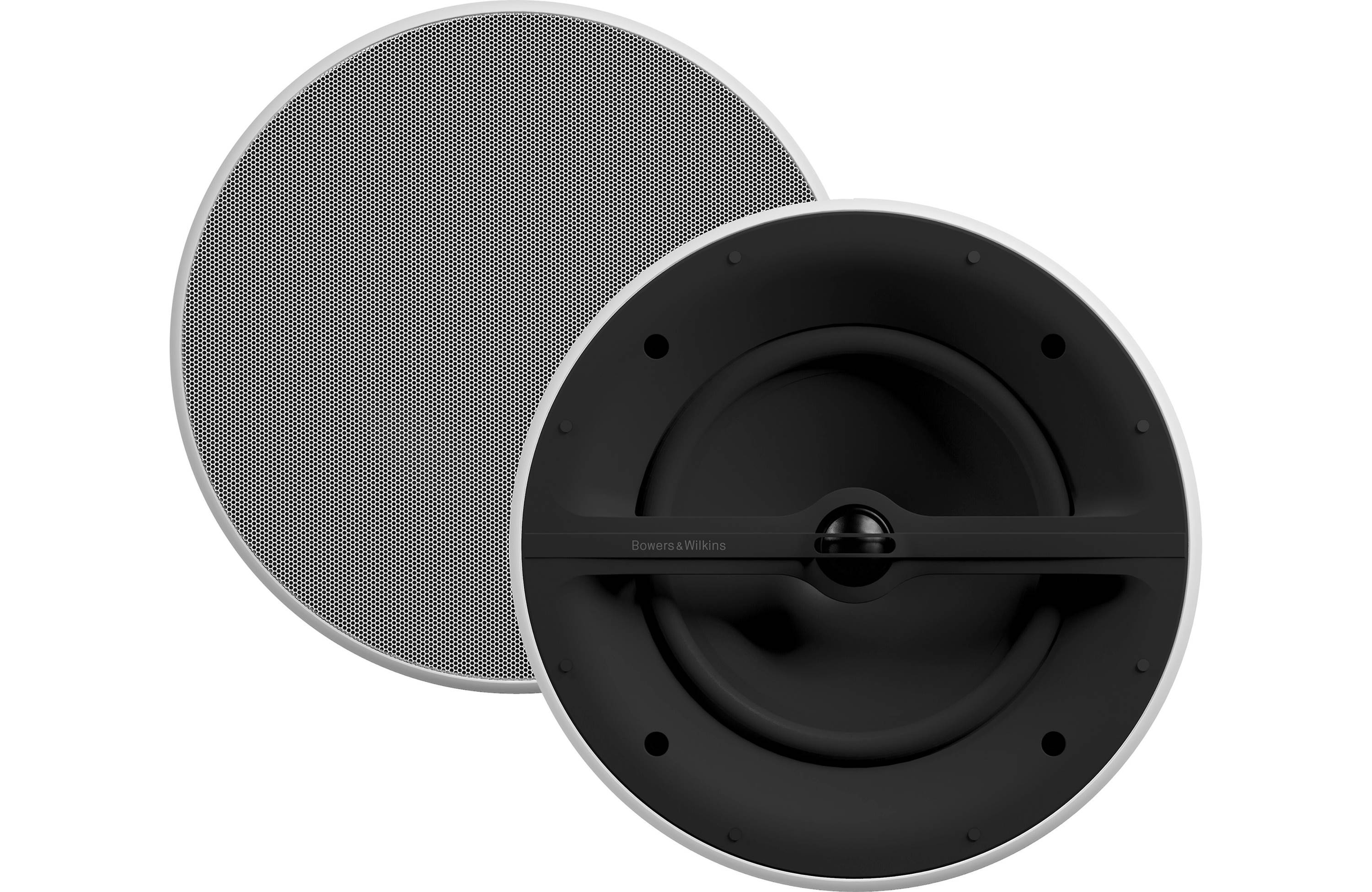
Bowers & Wilkins brings its familiar audio tuning to the ceiling with the CCM382. This model uses an 8-inch mid/bass driver paired with a soft dome tweeter, giving it a fuller sound than smaller designs.
That larger woofer pays off in real rooms, especially in open spaces where smaller speakers can feel thin. You get stronger midrange presence and more satisfying low-end, even without a subwoofer.
The Flexible Series name isn’t marketing fluff — these are designed to fit a wider range of ceiling depths and construction types.
Why I’d buy it: A great middle-high option when you want something refined without entering ultra-premium territory.
Best for: Even sound coverage in busy living spaces
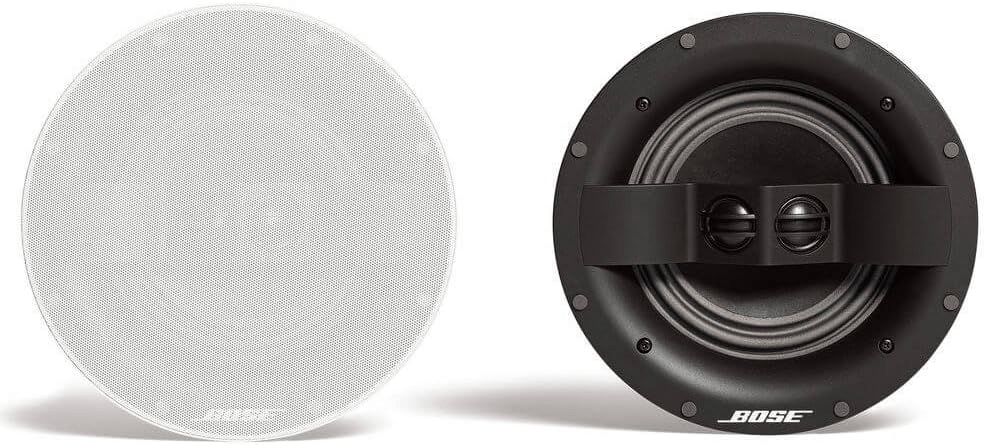
Bose takes a different approach with the 791 Series II. Instead of focusing on pinpoint imaging, these speakers aim for wide, consistent coverage using dual tweeters and a 7-inch woofer.
This makes them especially good for kitchens, family rooms, and large open areas where people are constantly moving around.
You don’t get audiophile precision, but you do get smooth, room-filling sound that feels consistent no matter where you’re standing.
They’re also easy to install and visually discreet.
Why I’d buy it: Perfect for casual listening spaces where coverage matters more than imaging.
Best for: Clear, engaging sound without luxury pricing
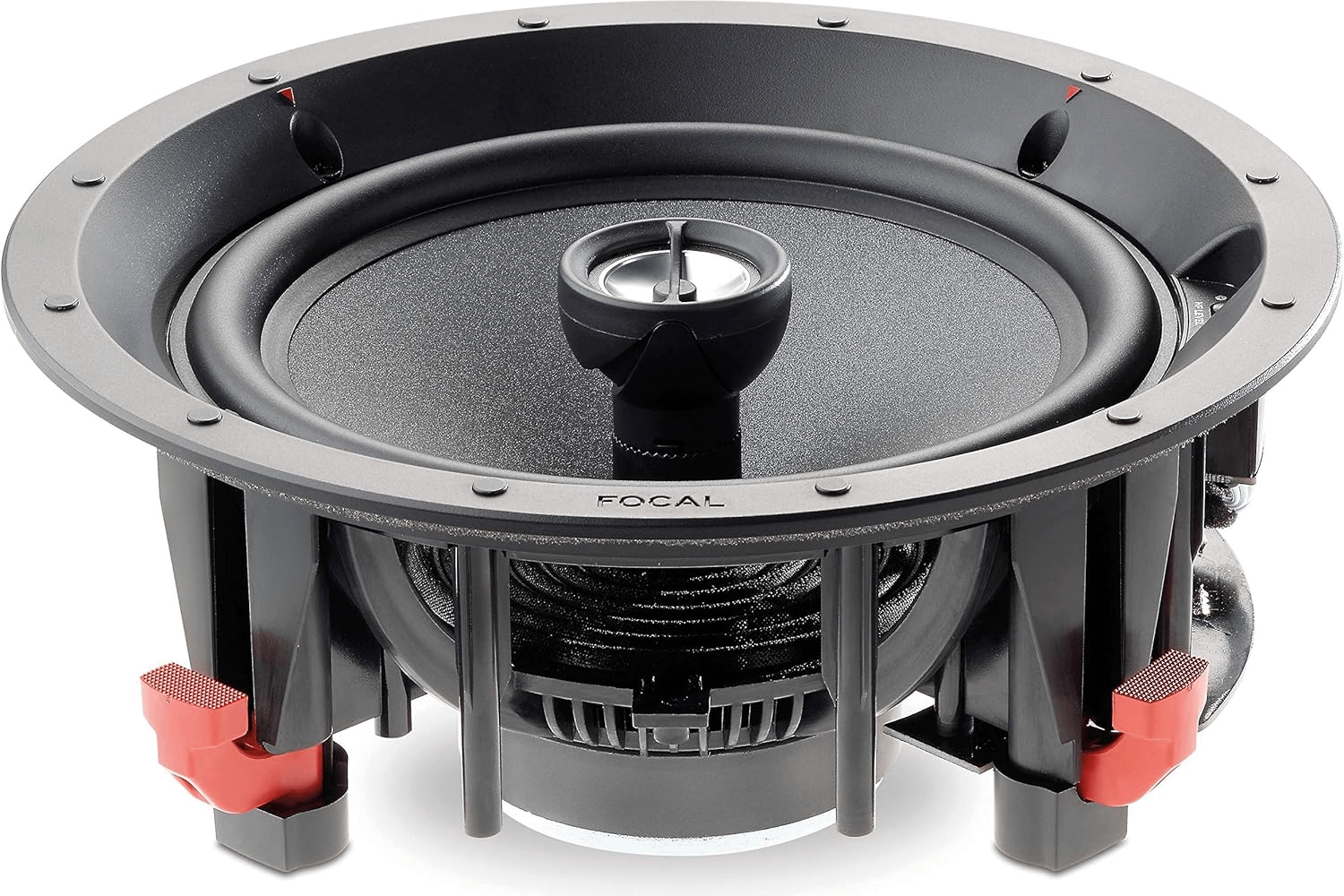
Focal knows how to make speakers that sound lively, and the 100 ICW 8 carries that character into the ceiling.
It uses an 8-inch Polyglass woofer and Focal’s aluminum inverted-dome tweeter, a design that tends to emphasize clarity and detail. Music feels energetic, vocals stay crisp, and there’s enough bass presence to feel satisfying in medium-sized rooms.
It’s also a clean install, with a low-profile grille that blends nicely into most ceilings.
Why I’d buy it: A great value pick if you want something that feels more dynamic than typical architectural speakers.
Best for: TV rooms and home theater zones
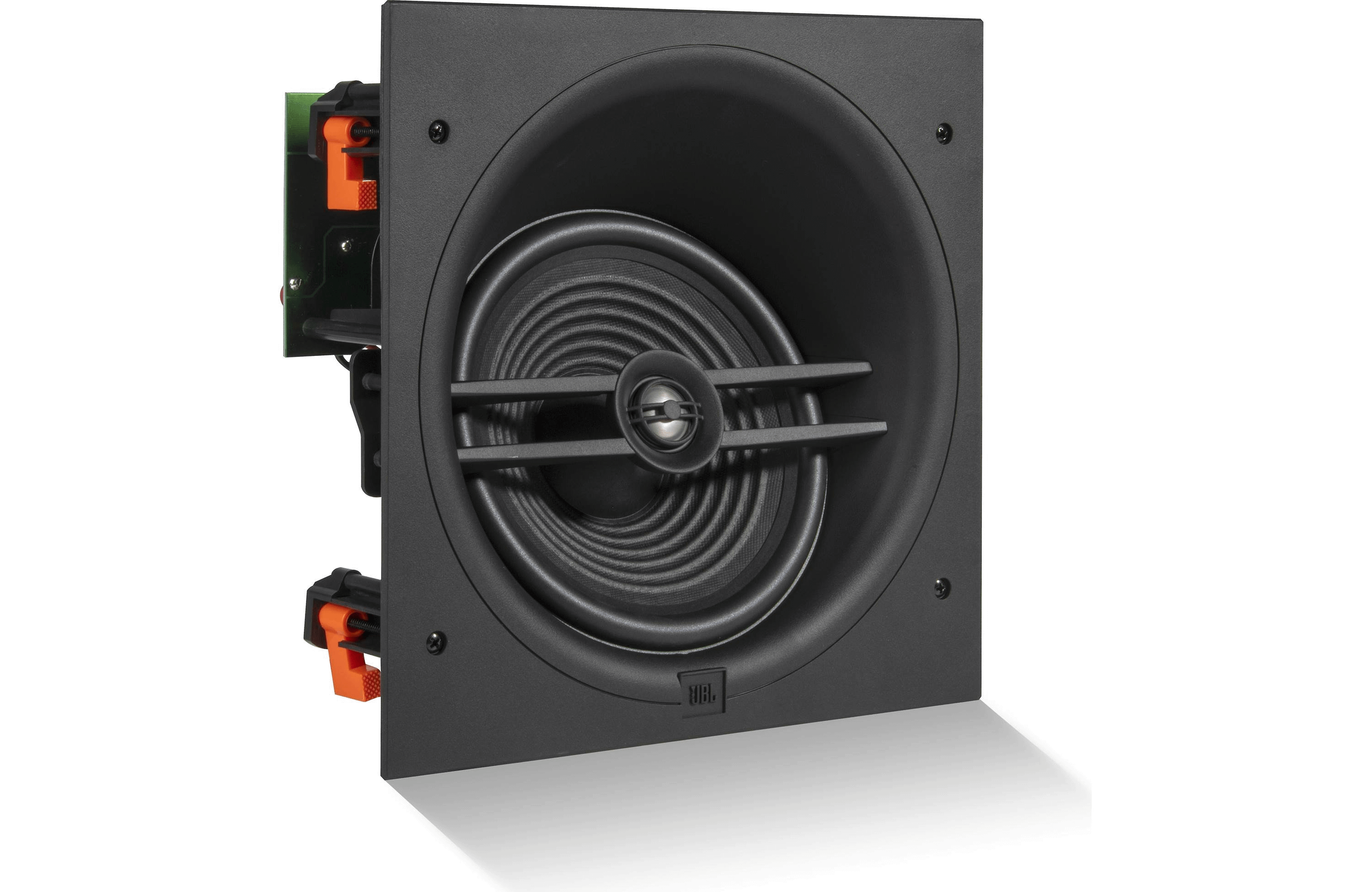
This is one of my favorite sleepers on the list.
The Stage 280CSA uses an angled design to help direct sound toward your listening position — a huge advantage when ceiling placement isn’t ideal (which is most homes). It combines an 8-inch woofer with a 1-inch aluminum tweeter and JBL’s waveguide tech.
That angled baffle makes dialogue clearer and improves front-stage cohesion when used for TV or surround duties.
For the price, it’s surprisingly capable.
Why I’d buy it: One of the best affordable choices for home theater or living room installs.
Best for: Tuning flexibility on a budget
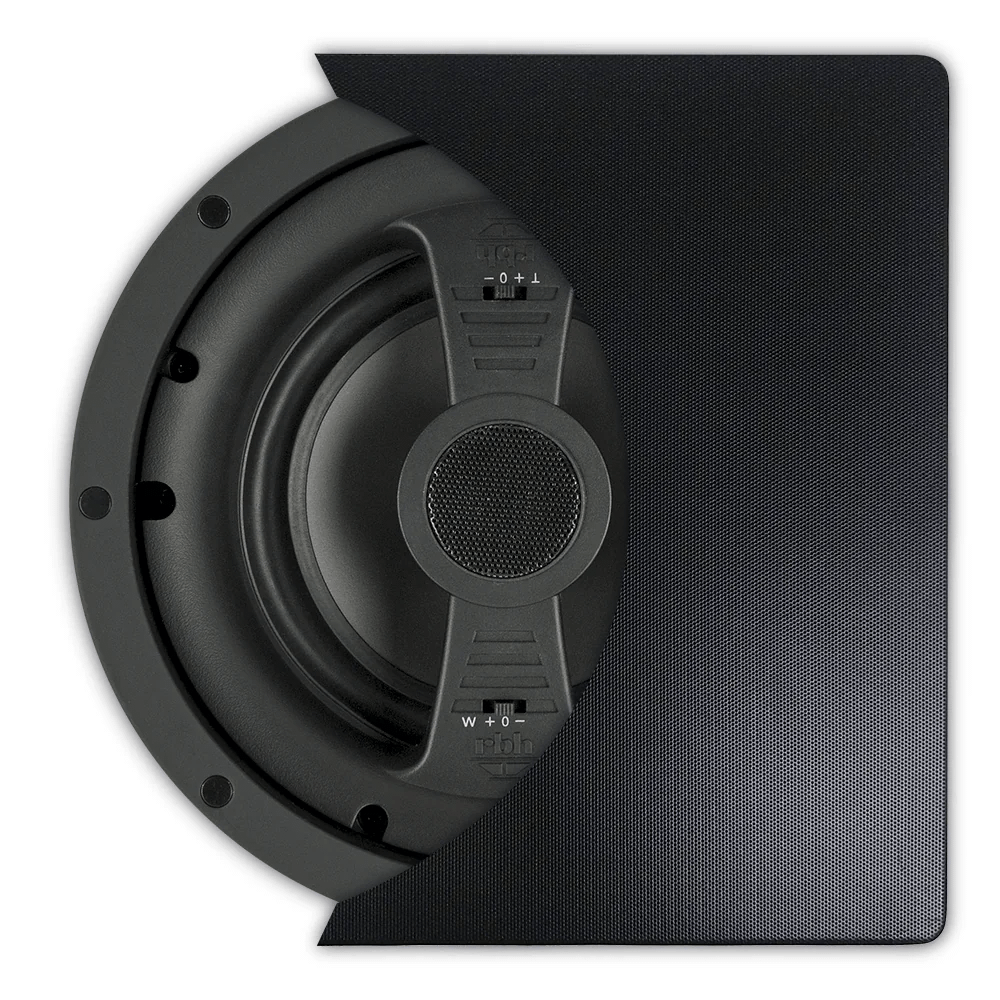
RBH flies under the radar, but the VA-615 brings some nice extras: a swivel tweeter and onboard contour switches that let you adjust treble and bass.
Those controls can help compensate for reflective rooms, awkward placement, or personal taste — something you rarely see at this price.
It uses a 6.5-inch woofer and silk dome tweeter, delivering balanced sound that works well for music and TV alike.
Why I’d buy it: A flexible option when you want some control without stepping up in price.
Best for: Large rooms and moisture-prone spaces
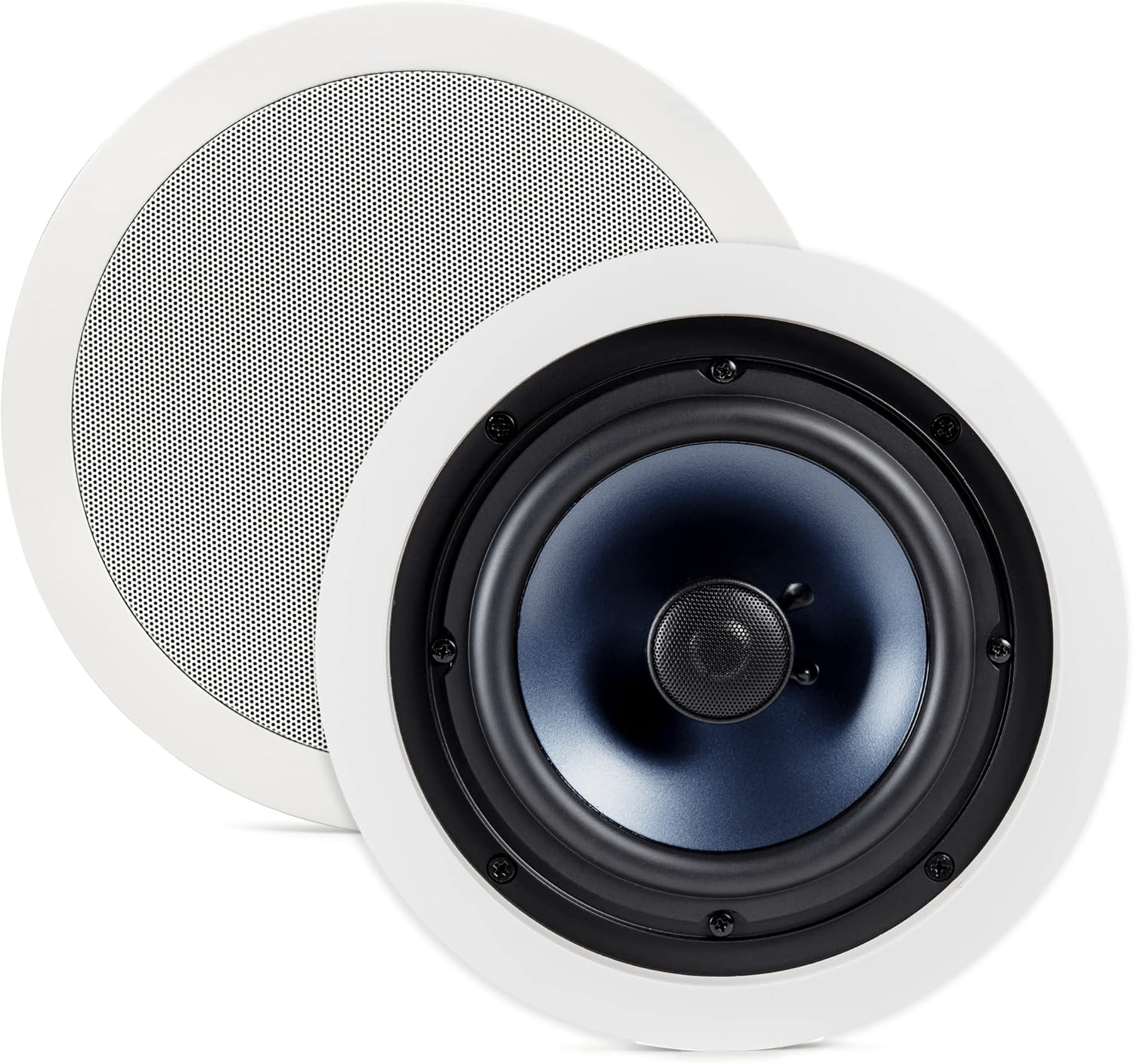
The RC80i has been around forever, and there’s a reason: it works.
With its 8-inch woofer and swiveling tweeter, it delivers big, warm sound and adapts well to different placements. It’s also moisture-resistant, making it a popular choice for bathrooms, kitchens, and covered patios.
It’s not flashy, but it’s dependable and easy to integrate into whole-home systems.
Why I’d buy it: A safe, proven choice for multi-room audio.
Best for: Low-profile installs and distributed audio on a budget
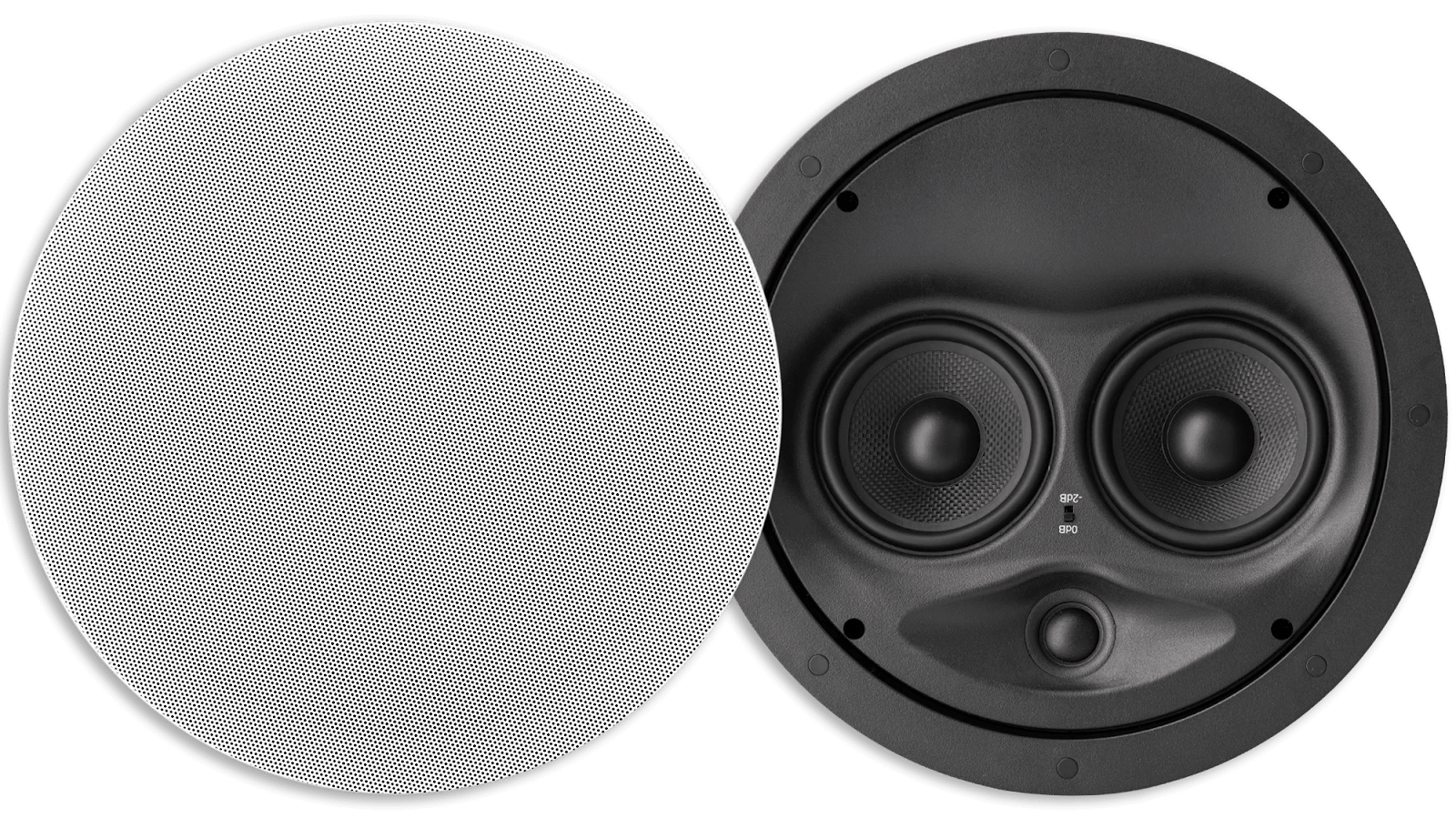
RSL specializes in smart engineering at reasonable prices, and the C34E MKII shows it.
Instead of one large woofer, it uses dual 4.5-inch drivers plus a swivel tweeter, allowing for a shallow mounting depth — perfect for ceilings with limited clearance.
Sound is surprisingly balanced for the price, making it ideal for bedrooms, offices, or secondary zones.
Why I’d buy it: Excellent budget pick that doesn’t feel disposable.
Best for: Directing sound where you actually sit
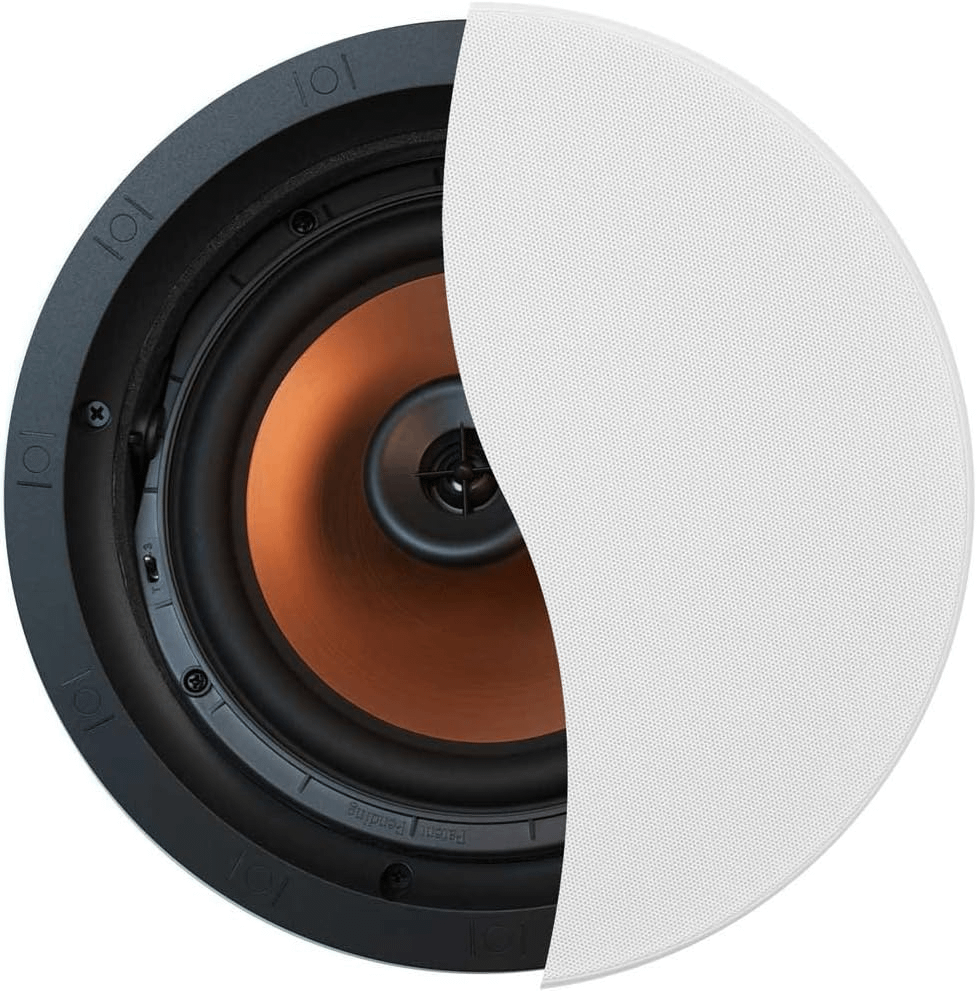
Klipsch’s Controlled Dispersion Technology lets you aim both the woofer and tweeter, which can be a lifesaver in tricky layouts.
You also get treble and midbass switches for fine-tuning, plus Klipsch’s signature titanium tweeter for lively highs.
At this price, the level of adjustability is impressive.
Why I’d buy it: Fantastic entry-level choice when placement isn’t ideal.
In-ceiling speakers are one of the easiest ways to upgrade your home without adding clutter, and the right pair can make everything from casual music to movie nights feel more immersive. Every model on this list brings something unique to the table, whether that’s premium sound quality, smart integration, or simply great value.
Whichever you choose, take time with planning and installation — it pays off. Match the speakers to your rooms, think about how you actually listen, and don’t rush the process. Do it right once, and you’ll enjoy clean, invisible sound for years to come.




Privacy Policy
Terms and Conditions - Affiliate Policy
Home Security
© Copyright 2008-2026.
11816 Inwood Rd #1211, Dallas, TX 75244