

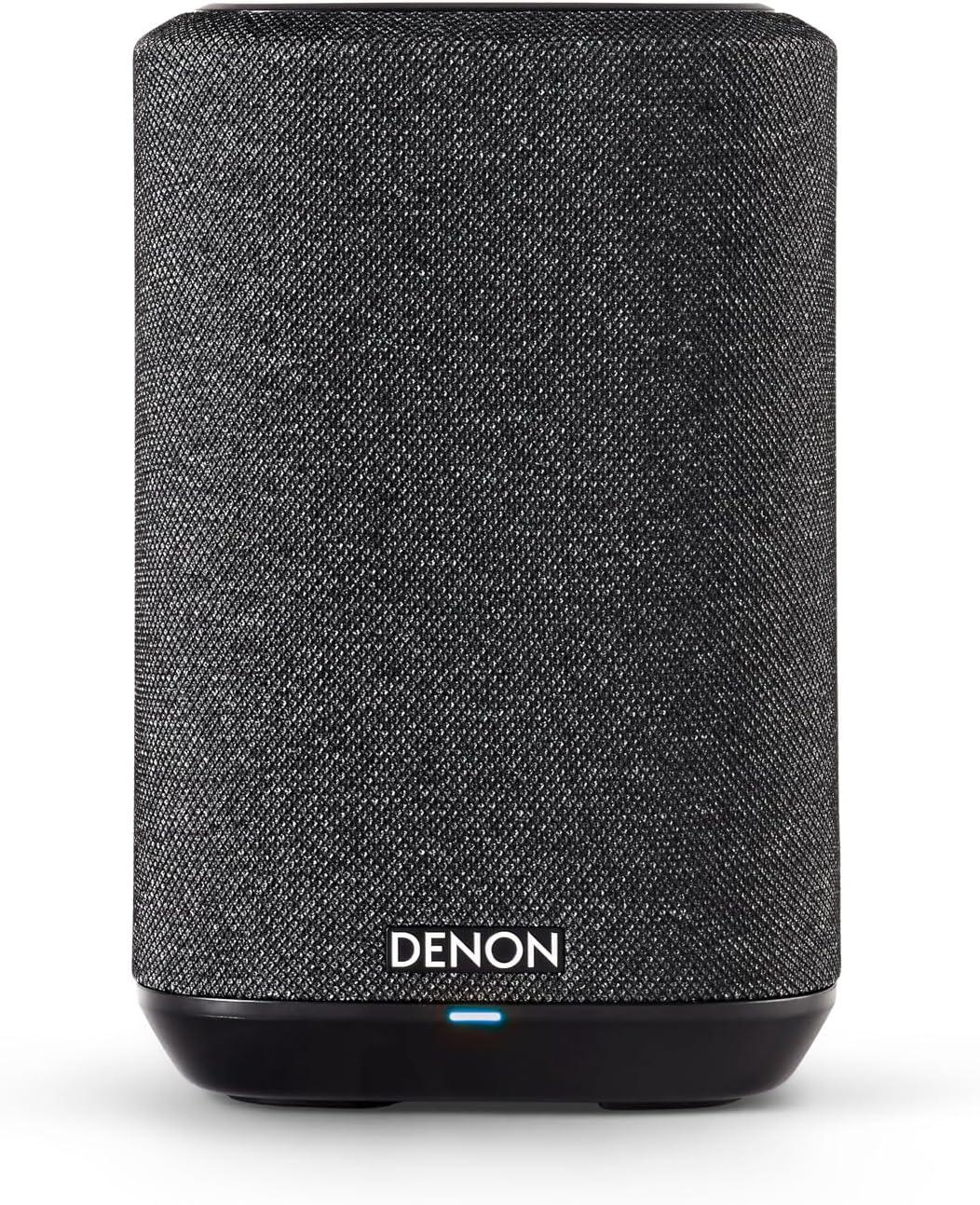

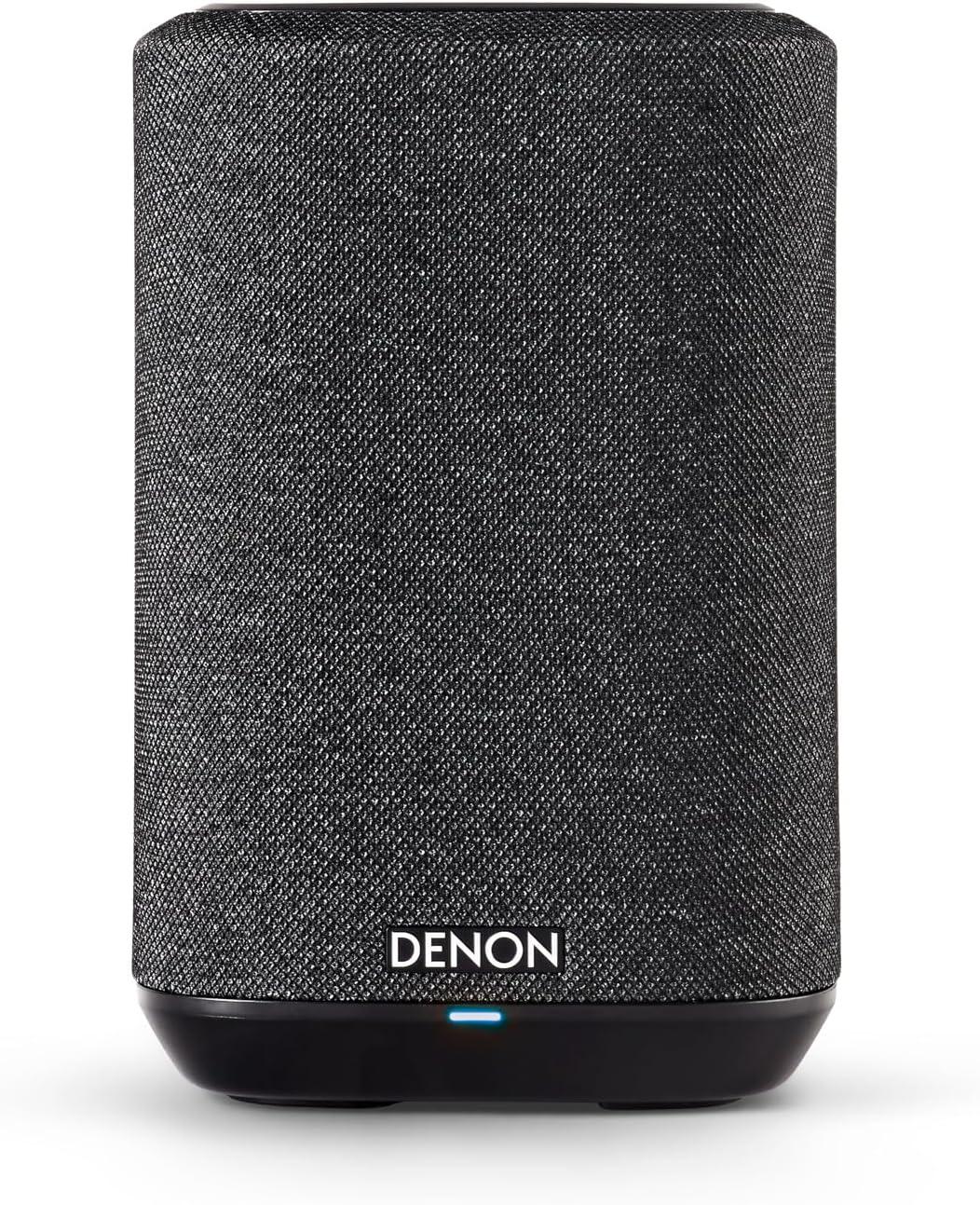
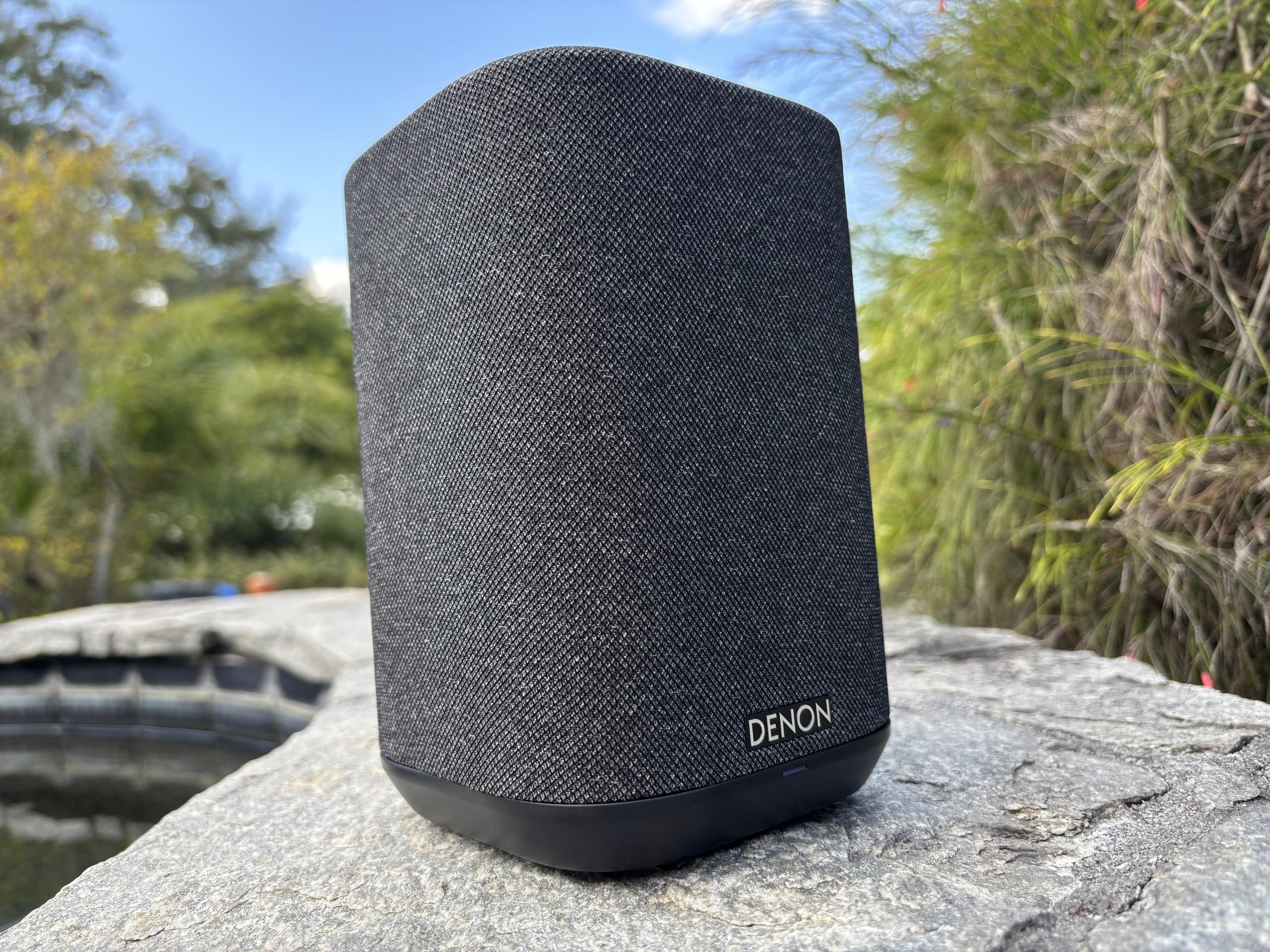
The Denon Home 150 won't make your Instagram feed prettier. It looks like what happens when a traditional bookshelf speaker gets shrunk in the wash—functional, unapologetic, and about as sexy as a filing cabinet. But here's the thing: plug it in, play something you actually care about, and suddenly none of that matters. Because while Sonos has been busy making speakers that look good on kitchen counters, Denon remembered that speakers are supposed to, you know, sound good.
Put it next to a Sonos One or Era 100 and the contrast is immediate. The Sonos sounds polite, processed, designed-by-committee. The Denon sounds like someone who actually cares about audio made it. There's actual body in the midrange, instruments that occupy their own space instead of getting airbrushed into sonic wallpaper. Play a Radiohead track and you can hear Thom Yorke's voice in the mix, not floating above it like it's been run through an AI upscaler.
But—and this is the uncomfortable part—sound quality alone doesn't tell you whether this speaker will still work in 2030, or whether it'll be a $300 doorstop when Denon gets bored and moves on to something else in 2 years.
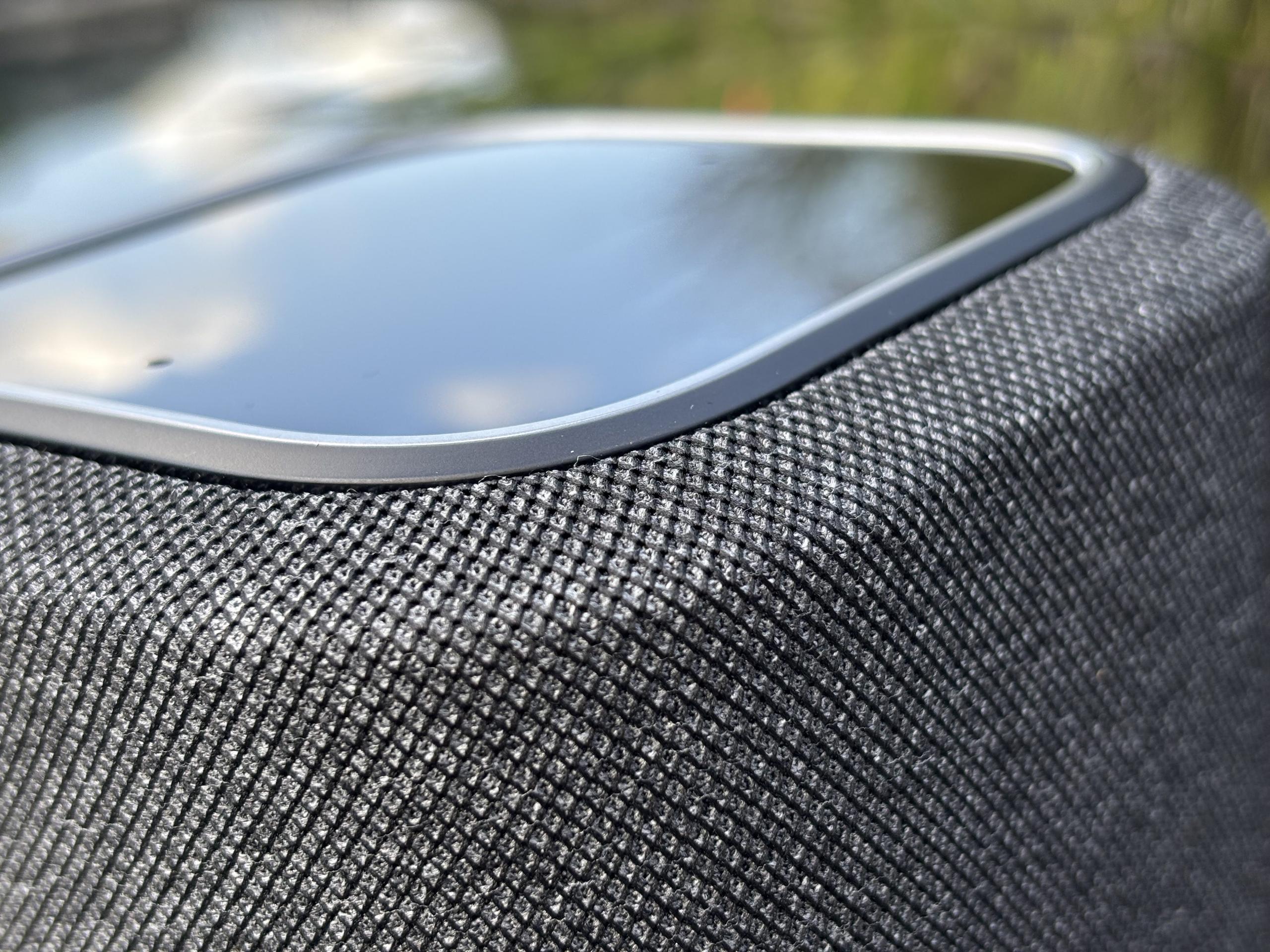
The Home 150 feels solid in a way that suggests someone actually cared during the design process. Touch controls work. Nothing rattles. It's not winning any awards for aesthetics, but it also won't fall apart if you look at it wrong.
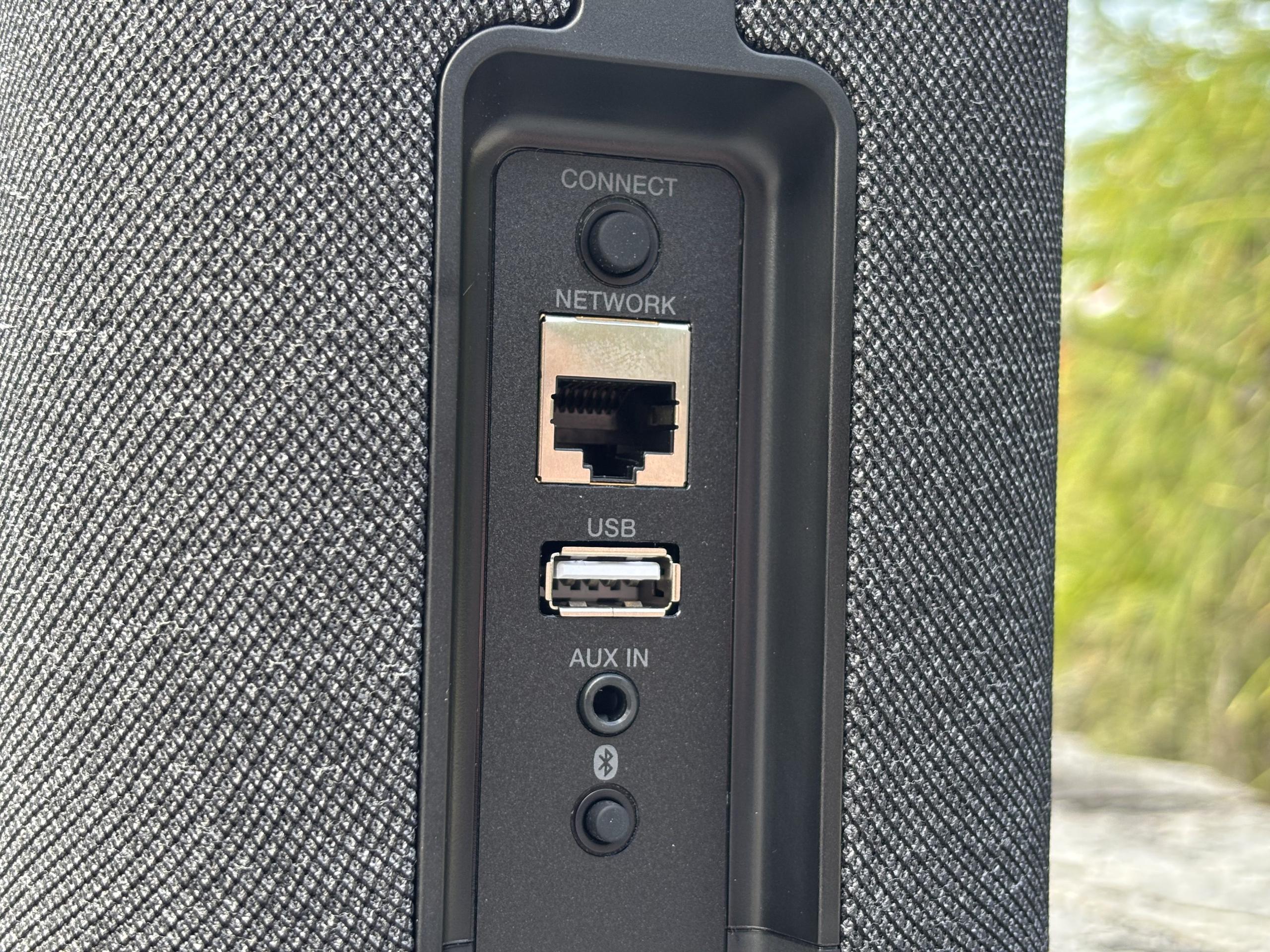
Setup is fine. Not Sonos-level "my grandmother could do this blindfolded" fine, but fine. Which brings us to HEOS, Denon's multiroom platform, and the elephant in the room that everyone's too polite to mention.
If you used HEOS around 2016-2018, you probably still have PTSD. It was bad. Like "why did I spend money on this" bad. Dropped connections, UI that felt like it was designed in Microsoft Paint, the kind of software that makes you question your life choices. Yeah, I reviewed a good amount of Heos back then and just swore it all off.
The good news: HEOS today is dramatically better. During several weeks of testing, I had zero dropouts, zero crashes, zero moments where I wanted to throw the speaker out a window. Grouping rooms worked. Streaming was stable. It felt like software made by people who'd actually used software before.
The uncomfortable news: better than terrible isn't the same as trustworthy. Sonos has been doing this for two decades. They've earned the benefit of the doubt...and then destroyed it. Denon improved, sure—but will they keep improving? Or will we get a half-baked update in 2027 that bricks your speaker because someone in product management got promoted?
That's not a rhetorical question. That's the actual risk you're taking.
This is why the Home 150 exists.
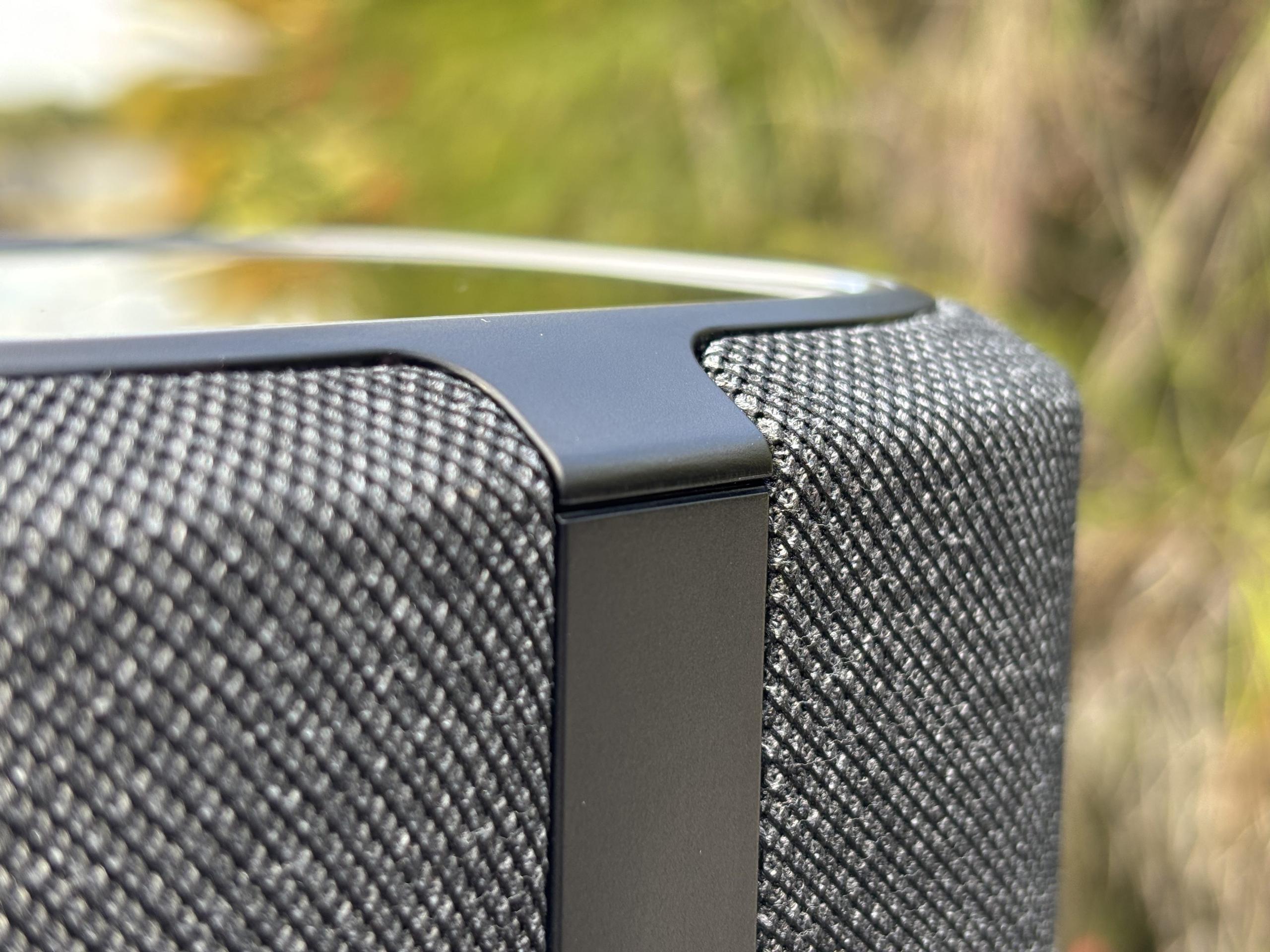
It doesn't sound like a smart speaker. It sounds like a speaker that happens to be smart—which is a meaningful difference. There's a directness to it, a lack of over-processing that makes music feel less managed and more present. Vocals sit where they should. Guitars have texture instead of just tone. Bass is tight without being obnoxious. Nothing feels artificially goosed to impress you in the first 30 seconds at Best Buy.
Sonos tuned their speakers to sound good everywhere, to everyone, all the time. It's audio democracy—inoffensive, consistent, but.....safe. The Era 100 will never embarrass you. It'll also never surprise you.
The Denon Home 150 has a point of view. More midrange presence. Better separation between instruments. Less of that "everything's been compressed into a pleasing blob" quality that makes Sonos speakers sound like they're afraid to offend anyone.
Put on something dynamic—Like metal or jazz—and the Denon gives you room to hear what's actually happening. The Sonos gives you a pleasant summary.
If you listen to music the way most people watch Netflix—as background companionship—Sonos is perfect. If you actually listen, the Denon is better sounding.
WiiM doesn't play this game. A WiiM Mini feeding a set of powered speakers or a small amp will smoke the Home 150 on sound quality, often for less money. WiiM's software updates come fast, features pile up monthly, and you're not locked into anyone's walled garden.
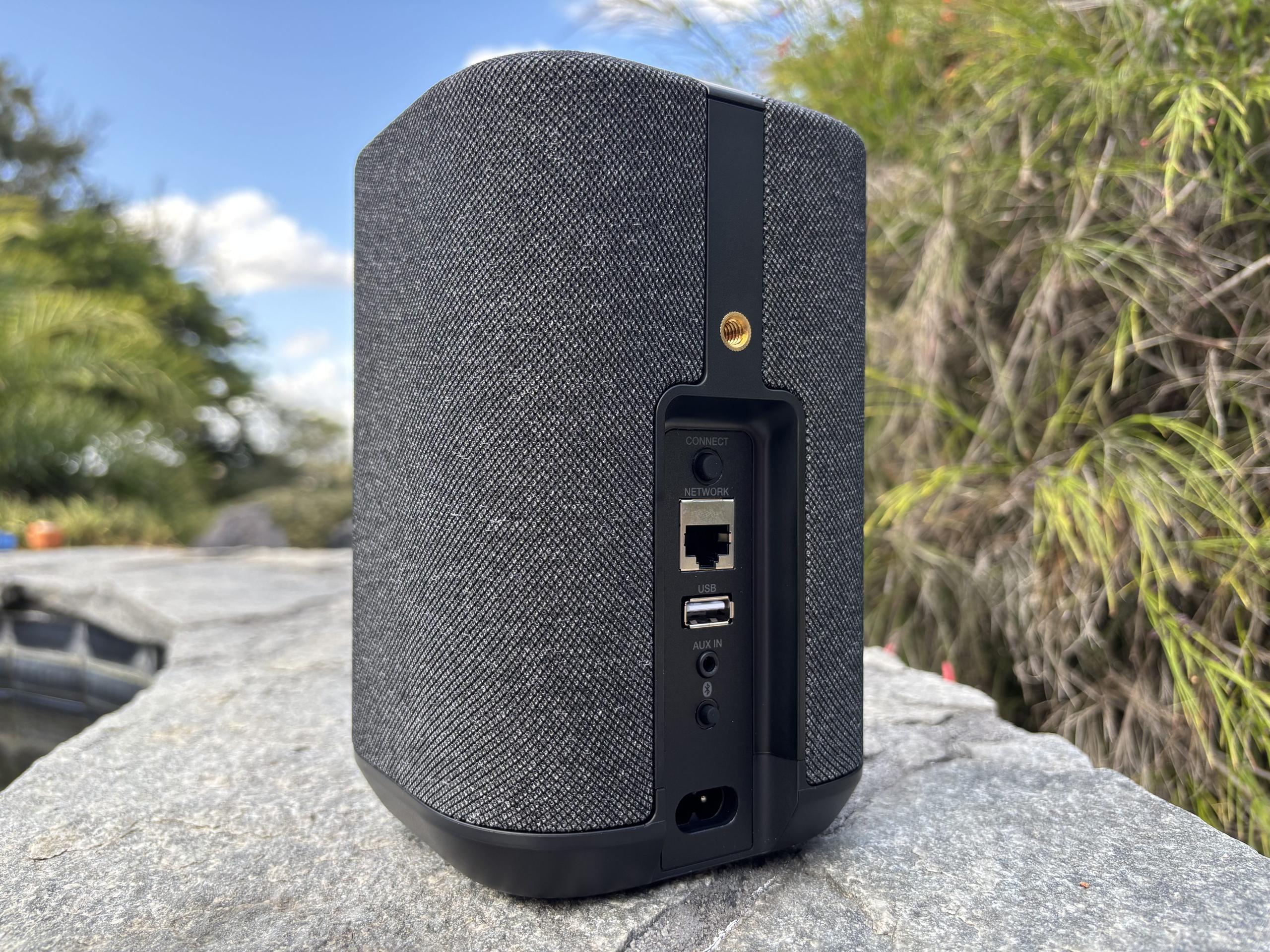
But WiiM also means decisions. Which amp? Which speakers? How much power? Where do the cables go? The Denon is one box, one cord, done. That simplicity has value—especially if your partner's eyes glaze over when you start talking about Class D amplification.
The real WiiM advantage isn't sound. It's insurance. If Denon abandons HEOS tomorrow, your Home 150 becomes a very expensive Bluetooth speaker. If WiiM pivots, you swap out a $100 streamer and keep your speakers. That's the kind of future-proofing that matters when you're betting on ecosystems.
Let's be direct about what you're buying into:
Sonos is now the unsafe choice. Boring, expensive and loves to keep breaking there app. They've been around forever. Updates often break things (RIP Sonos S2 launch). I actually stopped selling and carrying Sonos myself.
Denon/HEOS is better now than it used to be, which is encouraging in the way that "yeah, they finally figured it out" is encouraging. Functional, improving, but carrying the bad rap.
WiiM is the scrappy upstart moving fast and breaking nothing. More work to set up, but if you're worried about app longevity or vendor lock-in, it's the obvious escape hatch.
If you need a whole-house system that your spouse, kids, and visiting in-laws can use without calling you for tech support, buy......not Sonos, pretty much anything else is fine now. If you want better sound and you're comfortable with a small amount of ecosystem risk, the Denon makes sense. If you like tinkering and want maximum control, WiiM is your friend.
Will this speaker work the same way in 2031?
I don't know. You don't know. Denon probably doesn't know.
During my testing, everything worked. HEOS is legitimately good now—not perfect, but good. But Denon doesn't have Sonos's track record. They don't have WiiM's momentum. They have a history of making great audio hardware and okay software, and hoping you'll trust them to keep caring about the okay software part.
If they do—if HEOS keeps getting better, if support stays consistent, if updates don't randomly crater functionality—the Home 150 could age beautifully. It's good enough hardware that five years of stable software would make it a no-brainer.
If they don't, this review becomes exhibit A in "why ecosystems eat products for breakfast."
Buy the Denon Home 150 if:
The Denon Home 150 is a genuinely good speaker built by people who understand audio, wrapped in software that's improved enough to be usable but not enough to be confident about. It sounds better than Sonos. It costs about the same. And whether that's a good trade depends entirely on how much you trust Denon not to pull the rug out, like Sonos did.
I'd buy one for my desk. Maybe two for a bedroom setup. But for a whole-house system I'm planning to live with for years? I'd think twice. Not because the hardware isn't good—it is. But because the software is still proving itself, and in wireless audio, software is the relationship you're committing to.
The Home 150 sounds like Denon gets it. Now they just need to prove they'll keep it working reliably.
For advertising please contact the editor at [email protected]




Privacy Policy
Terms and Conditions - Affiliate Policy
Home Security
© Copyright 2008-2026.
11816 Inwood Rd #1211, Dallas, TX 75244