

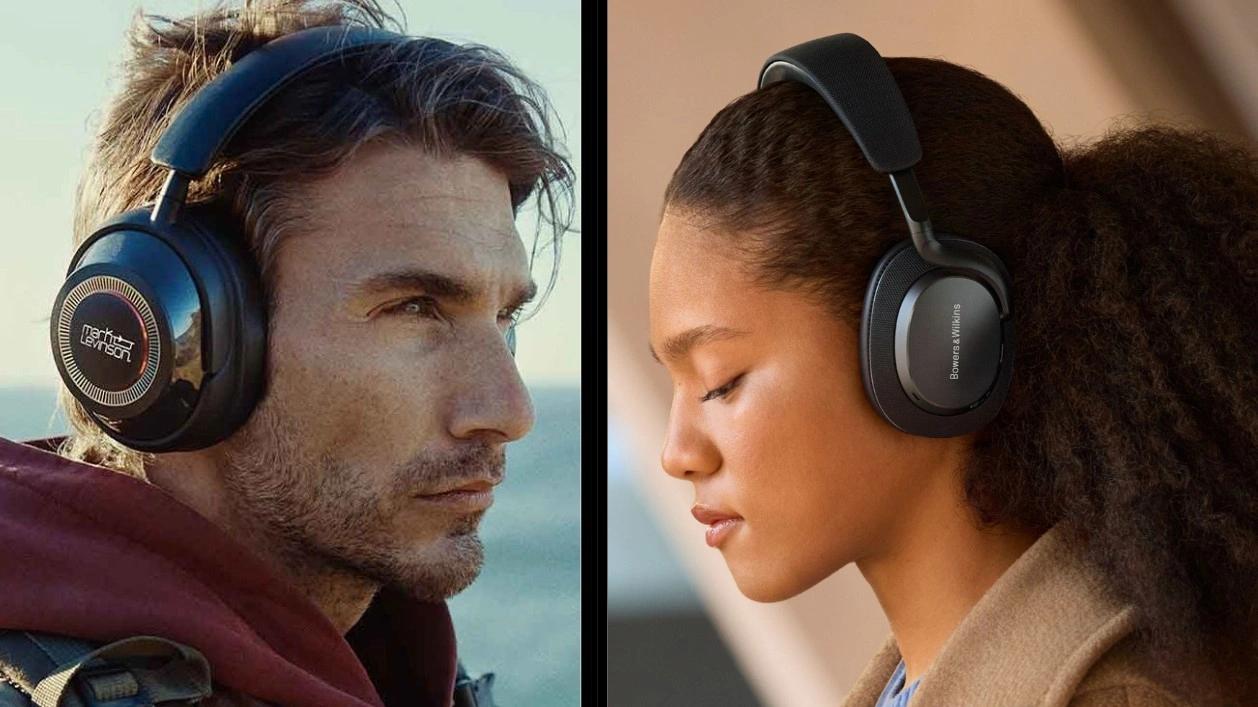
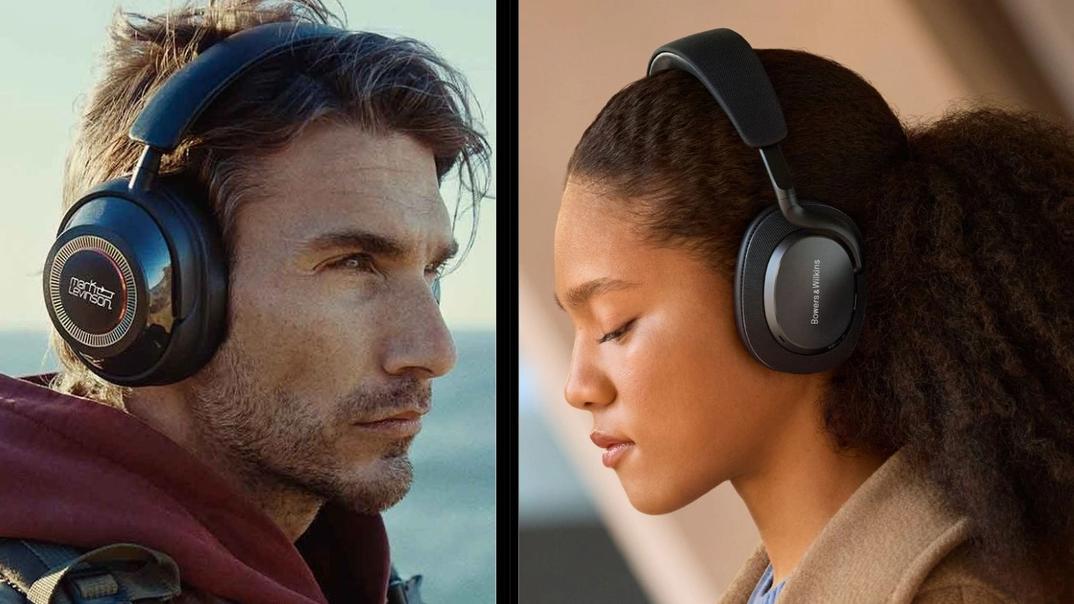
Harman International—the audio company you probably know from brands like JBL and AKG—is making a big move. It just finalized a deal to acquire Sound United, the group behind some of the most familiar names in home audio: Bowers & Wilkins, Denon, Marantz, Polk Audio, Definitive Technology, HEOS, Classé, and Boston Acoustics.
The acquisition was first announced back in May, and now it’s official. Harman, which has been a subsidiary of Samsung Electronics since 2016, now controls a massive chunk of the audio world across home, car, and personal electronics.
Not a lot, at least not right away. Sound United isn’t being dissolved or fully absorbed into Harman. Instead, it’s going to operate as a standalone unit within Harman’s Lifestyle Division. That means the individual brands will continue doing their own thing, maintaining their identity, product roadmaps, and relationships with long-time fans and customers.
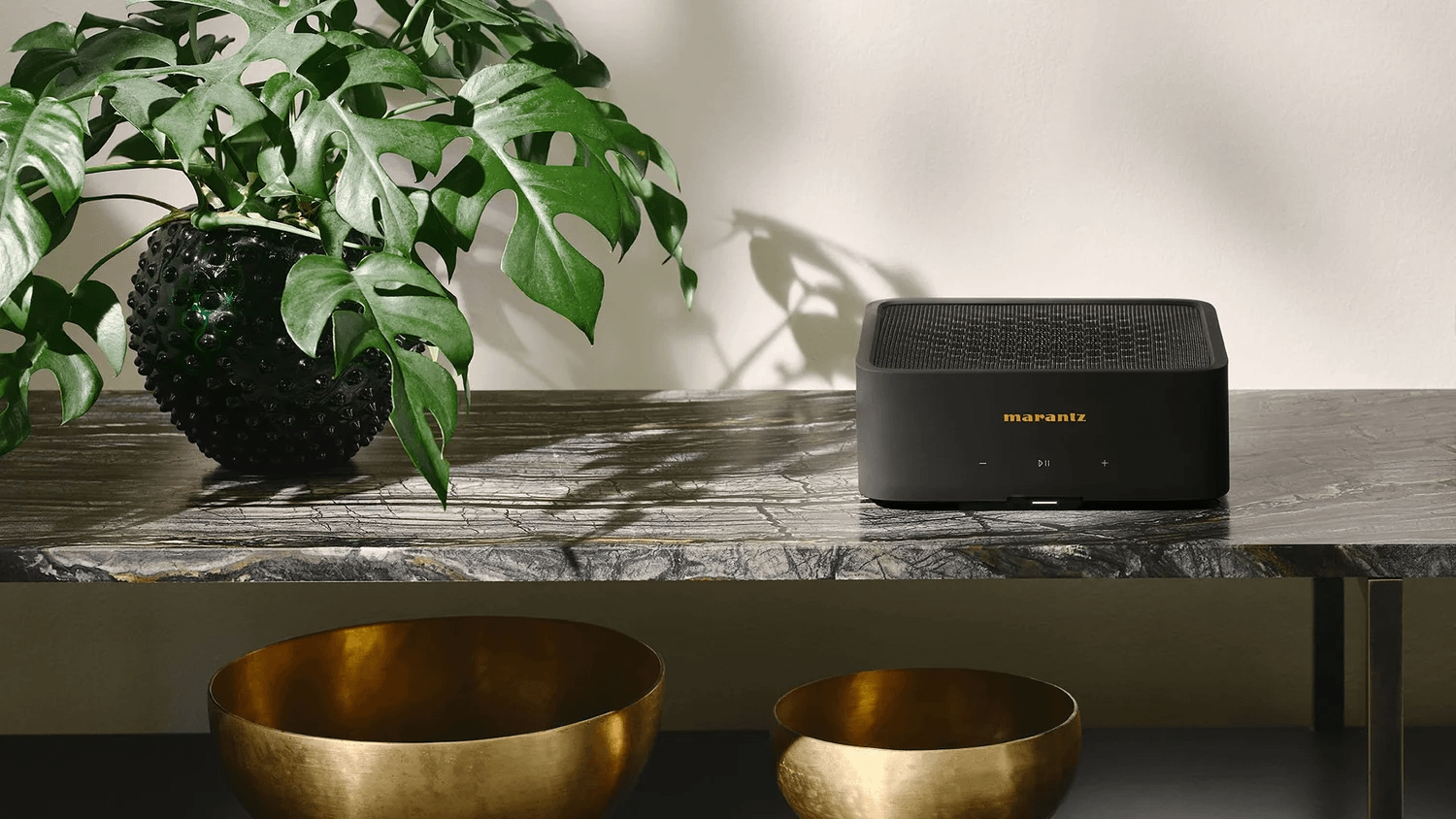
The idea is to preserve what makes each brand unique while giving them access to Harman’s global resources—think bigger supply chains, wider distribution, and potentially deeper R&D capabilities.
If you’re keeping track, Harman now owns more than a dozen high-profile audio brands. Before this deal, its lineup already included JBL, AKG, Arcam, Mark Levinson, and Revel. Add in the Sound United portfolio, and you’ve got one of the most wide-ranging collections of hi-fi and home theater brands under one roof.
To put it simply: if you’ve ever owned a speaker, amp, soundbar, or receiver, there’s a decent chance it now falls somewhere under Harman’s expanded umbrella.
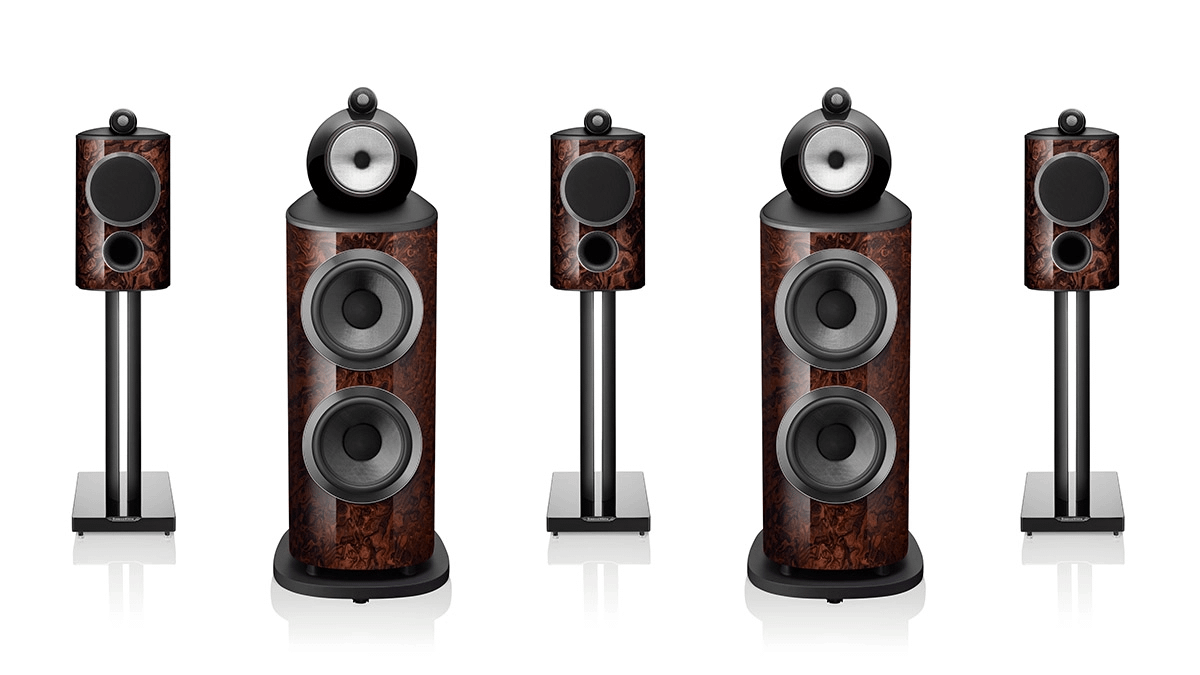
Here’s what that covers:
Whether you’re a home theater enthusiast, an audiophile, or someone who just wants decent sound in the car, Harman is now touching nearly every corner of the market.
For Harman, this move is all about expanding its reach. Sound United brings in not just product lines but also decades of engineering talent, global brand recognition, and expertise in both traditional and emerging audio segments. That includes everything from premium two-channel systems to modern wireless setups that compete with Sonos and other whole-home audio platforms.
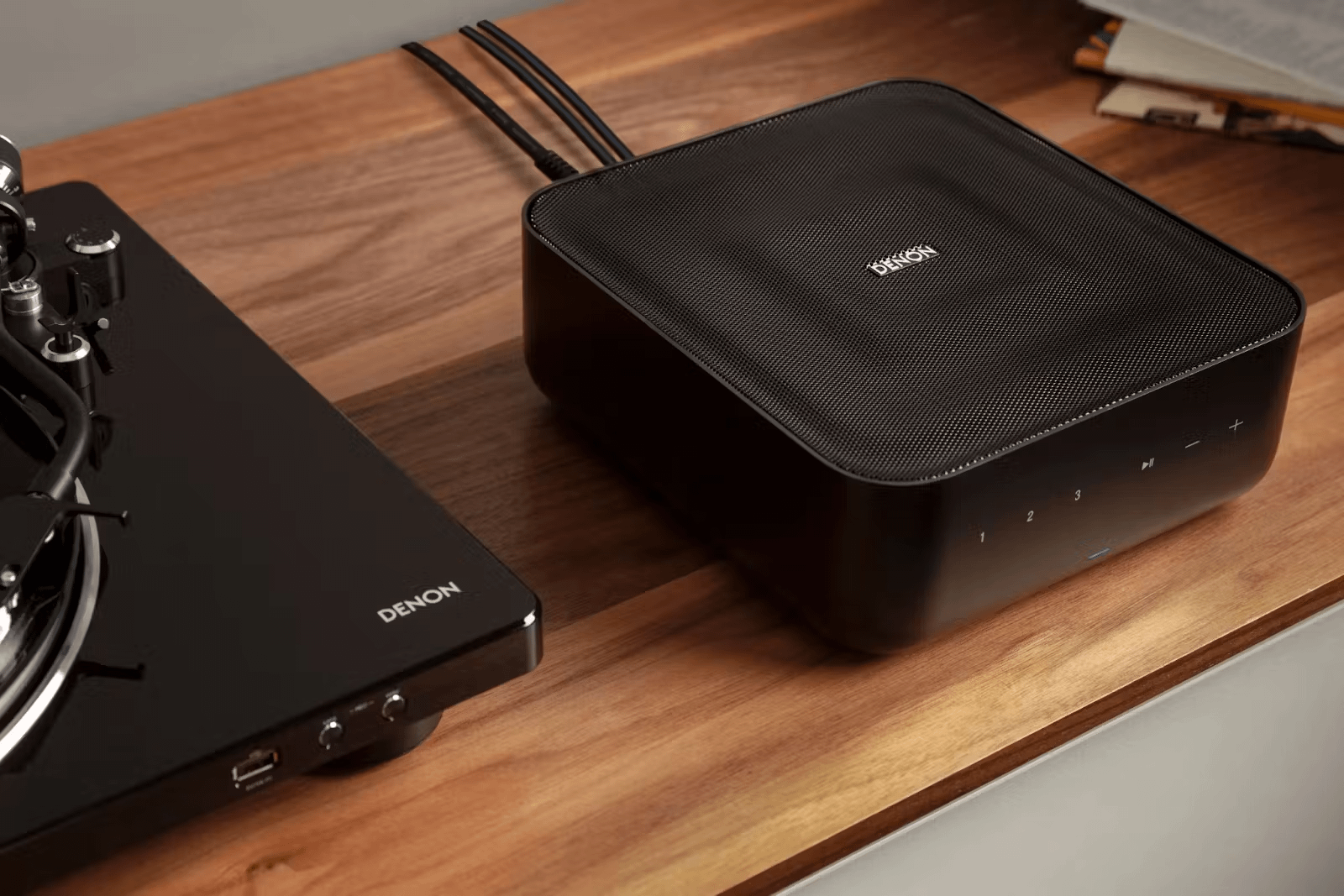
On the other side, Masimo, the medical tech company that previously owned Sound United, is stepping back from consumer audio. It had acquired Bowers & Wilkins in 2020 and Sound United’s other brands in 2022, but the fit wasn’t exactly perfect. This deal gives those audio brands a more natural home with a company that lives and breathes sound tech.
If you already own a product from any of the Sound United brands, nothing’s going to change overnight. These brands aren’t being merged or rebranded. Harman says they’ll continue operating independently, which should mean no disruption to support, updates, or new products that are already in the pipeline.
That said, with access to Harman’s resources, we may eventually start seeing some cross-pollination—maybe shared technologies, broader product availability, or improved supply chains.
This deal is also part of a broader trend in the audio and tech world: consolidation. As it becomes harder for standalone brands to compete globally, many are joining forces with larger corporations that can help them scale. Sometimes that works out well—better innovation, more competitive pricing. Other times, it leads to brand dilution or slower product cycles. We'll have to wait and see how Harman manages this growing family of brands.
For now, though, the key message is that Harman just got a lot bigger, and the Sound United brands just got a much larger support system behind them. Whether you're shopping for your next AV receiver, a pair of floorstanders, or even a car with a premium sound system, chances are Harman has a hand in it somewhere.





Privacy Policy
Terms and Conditions - Affiliate Policy
Home Security
© Copyright 2008-2026.
11816 Inwood Rd #1211, Dallas, TX 75244
