

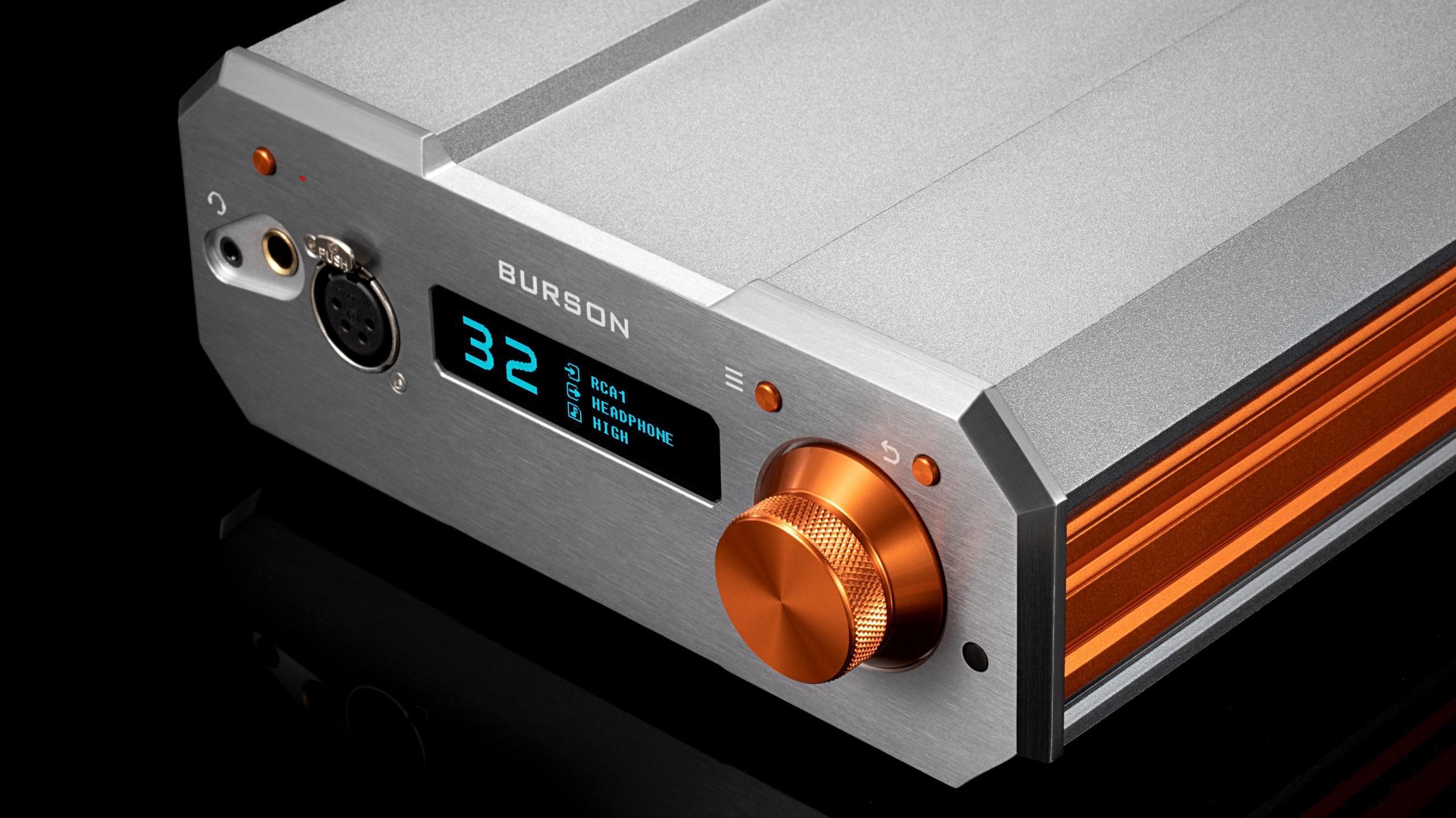
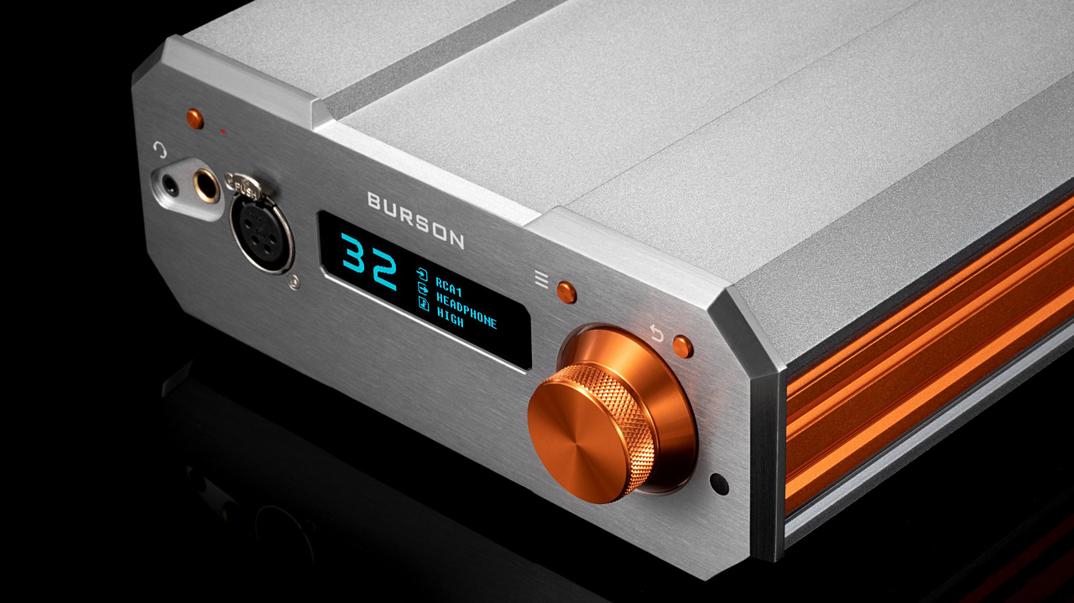
Burson Audio has introduced two new desktop audio components aimed at headphone listeners who want more flexibility and power without stepping all the way into ultra-expensive flagship territory. The new models are called the Conductor Stellar and Soloist Stellar, and both are part of Burson’s new Stellar Series.
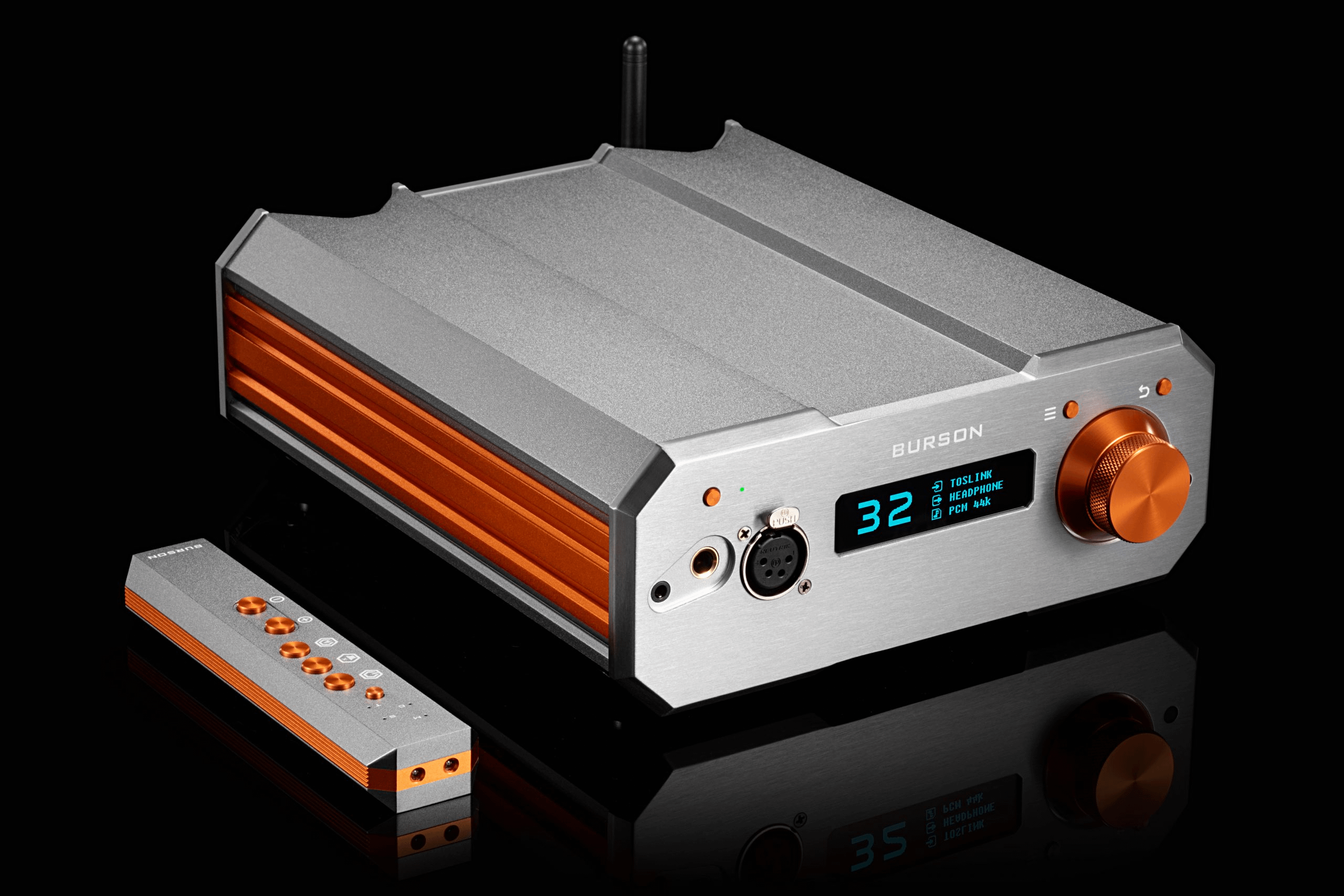
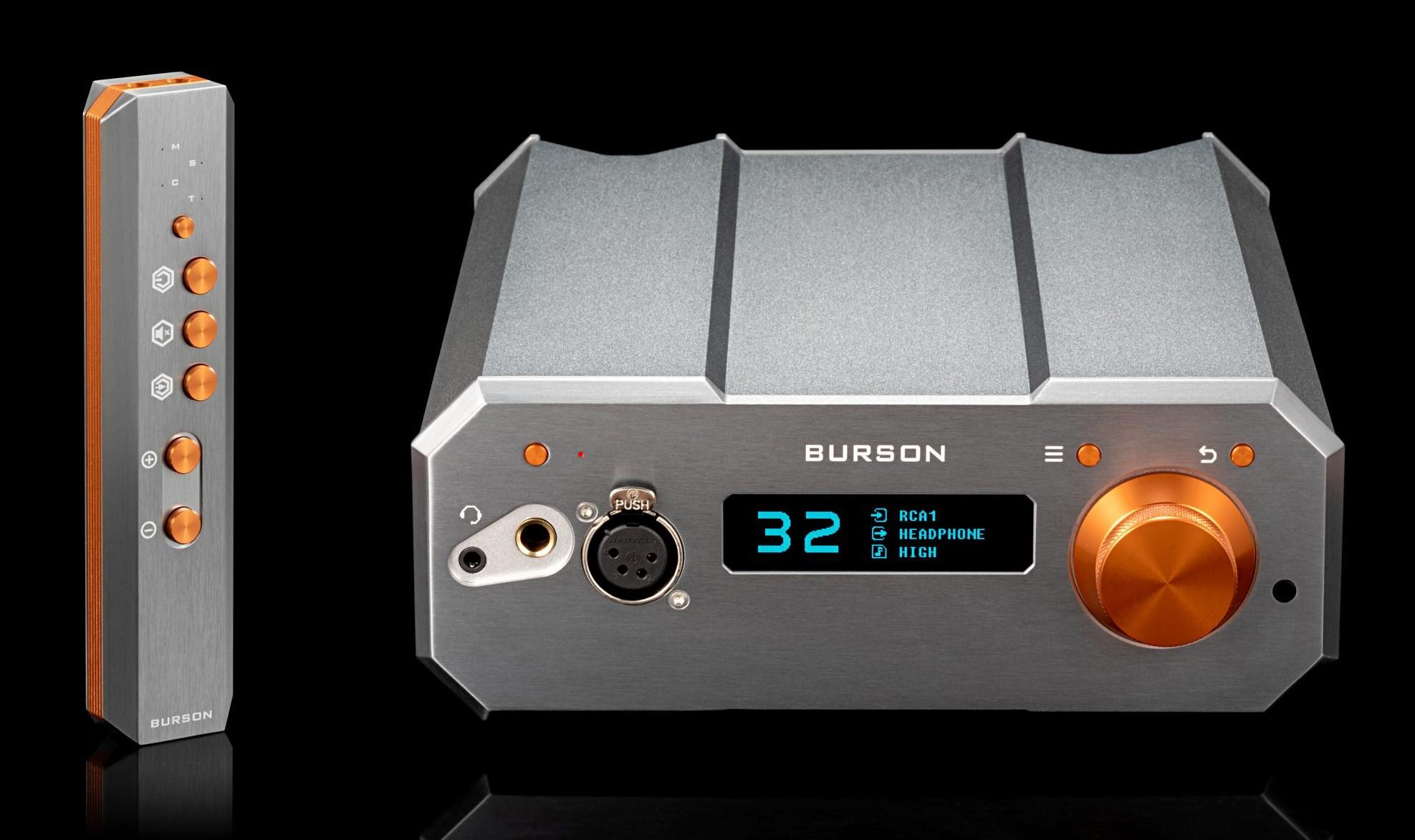
At a glance, these are compact Class A desktop units built for serious headphone use. But they are not exactly the same product. The Conductor Stellar is the more full-featured model, combining a DAC, headphone amp, and desktop preamp in one box. The Soloist Stellar drops the DAC section and focuses on headphone amplification and preamp duties instead.
That difference matters, especially depending on how your system is set up. If you want one unit that can handle digital conversion and amplification, the Conductor Stellar is the more all-in-one option. If you already own a DAC you like, or you simply want a dedicated amp and preamp, the Soloist Stellar may make more sense.
What Burson seems to be targeting here is a growing part of the headphone market: people using high-end in-ear monitors, or IEMs, alongside full-size headphones. That can be trickier than it sounds. Many powerful headphone amps work well with demanding over-ear models, but sensitive IEMs can reveal background hiss, noise, or poor volume control pretty quickly. Burson says both Stellar models include a dedicated ultra-low-noise IEM amplification stage designed to keep the background quiet, even with very sensitive earphones.
In simpler terms, the goal is to make these units usable across a wider range of gear. So whether you plug in efficient IEMs or harder-to-drive planar magnetic headphones, the amp is supposed to stay controlled and quiet rather than feeling mismatched to one end of the spectrum.
Both models are based on a fully discrete Class A design and are rated at 8 watts of balanced output. Burson also says each channel uses four Onsemi MJE15032 transistors, chosen for high Class A bias operation. For readers who do not spend their spare time reading amp schematics, the key point is this: these are built as serious analog amplification devices, with an emphasis on current delivery and control rather than simply checking a power-spec box.
Burson lists several headphone output options depending on what you are connecting. According to the company, there is 8W balanced output, 3W single-ended, plus lower-power IEM-specific outputs including 1W balanced and 500mW single-ended. That suggests the company is trying to give listeners more appropriate gain and output options instead of forcing every headphone and earphone through the same path.
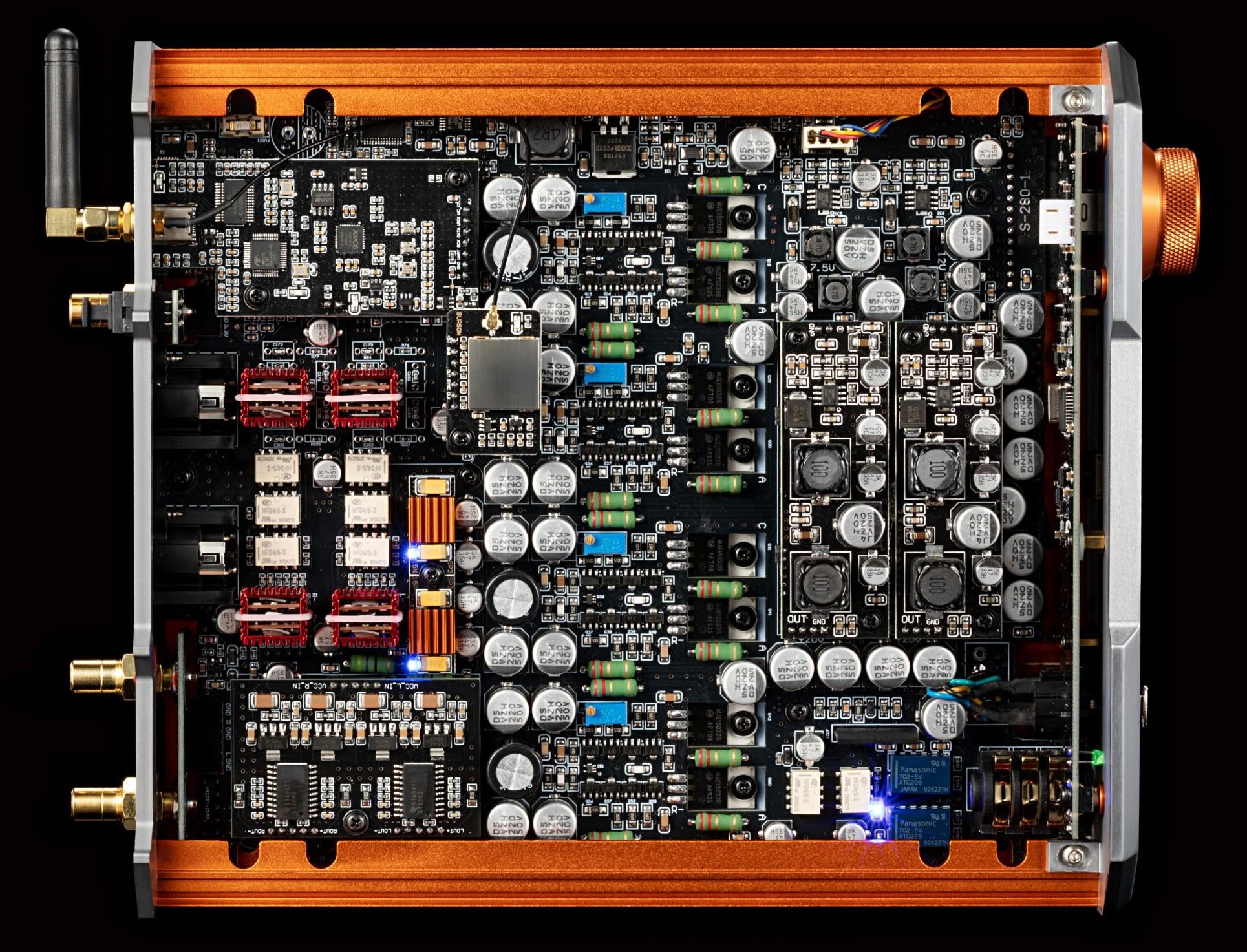
The Conductor Stellar is the more technically packed of the two. It uses the ESS9039PRO DAC chip, which is a flagship-grade converter from ESS, and supports PCM up to 32-bit/768kHz and native DSD512 through its USB-C XMOS input. Wireless support is also included through Bluetooth 5.0 with Qualcomm’s CSR8675 platform, and it supports codecs such as LDAC, aptX HD, and AAC. Burson also says it can slot into a Roon Ready setup for bit-perfect playback.
That means the Conductor is trying to cover a lot of use cases. You could use it as the centerpiece of a desktop headphone rig, connect digital sources directly, stream over Bluetooth when needed, and even use it as part of a broader speaker-based setup thanks to its preamp functionality.
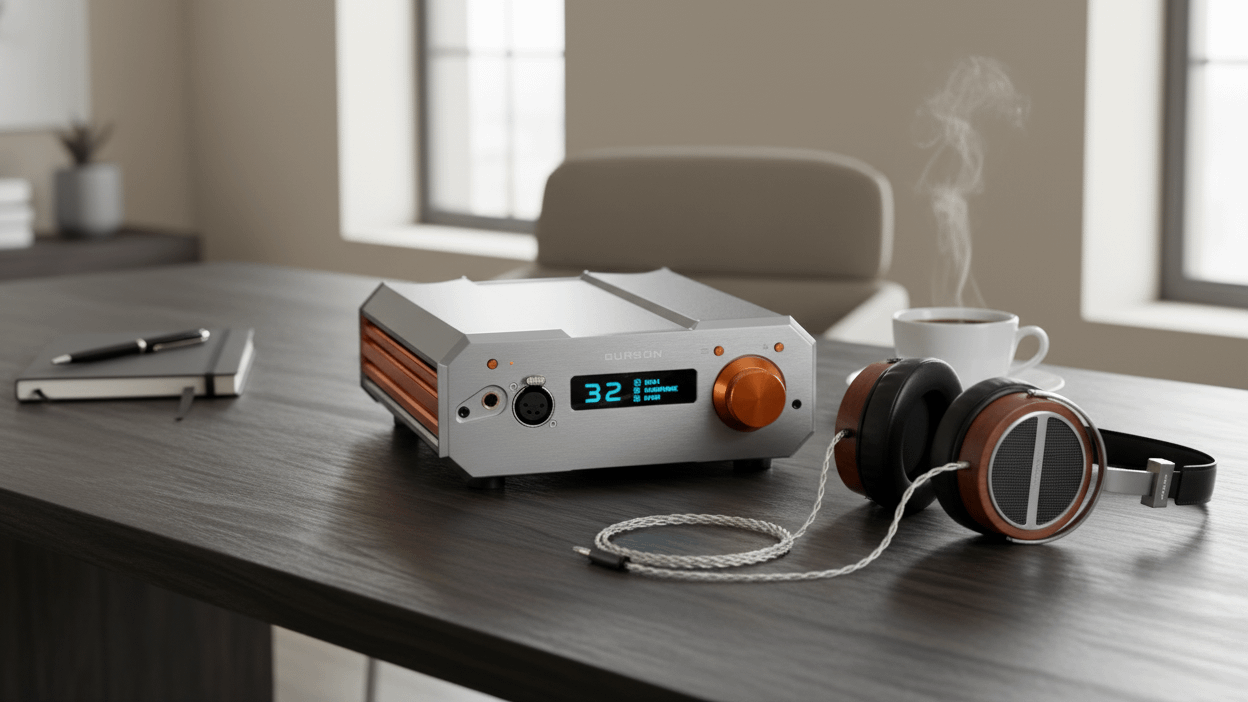
The Soloist Stellar, meanwhile, strips things back a bit. Since it does not include the DAC section, it is more focused on pure analog amplification and preamp use. One feature Burson highlights here is independent channel-balance control for headphones and speakers. That could be useful for listeners dealing with small room imbalances, slightly off-center speaker placement, or even hearing differences between ears.
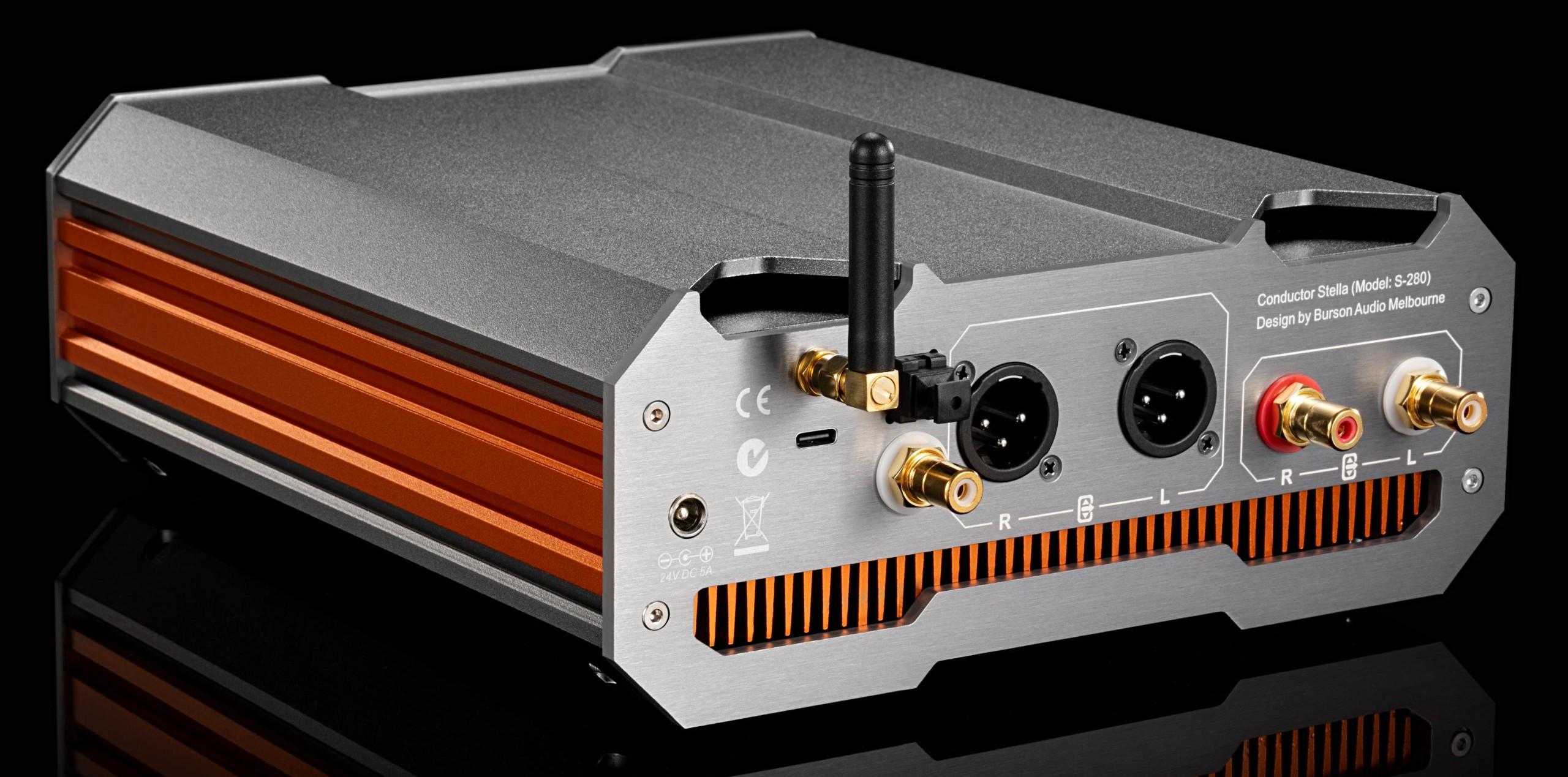
In terms of connections, the Conductor Stellar offers balanced XLR and RCA inputs, USB-C, headphone outputs in 6.35mm and 3.5mm, plus XLR and RCA outputs and a subwoofer out. The Soloist also includes balanced XLR, 6.35mm, and 3.5mm headphone ports, along with XLR and RCA outputs and a sub out.
Burson is also putting some focus on thermal design. Since Class A gear tends to run hot, both models use a finned enclosure designed to improve heat dissipation and maintain stable operation over long listening sessions. That may not be the flashiest talking point, but with Class A desktop hardware, cooling and long-term stability matter.
As for price, the Conductor Stellar is set at $1,800 / €1,900 / AU$2,800, while the Soloist Stellar comes in at $1,500 / €1,600 / AU$2,600. UK pricing is listed at £2,000 for the Conductor and £1,700 for the Soloist. Burson says upgraded versions will also be available by special order.
Taken together, these look like products aimed at listeners who want desktop audio gear that can handle both sensitive IEMs and more demanding headphones without needing multiple separate boxes. The Conductor Stellar is clearly the broader, more all-in-one option, while the Soloist Stellar looks better suited to buyers who already have a source or DAC sorted out and just want the amplification stage.
Related Reading:





Privacy Policy
Terms and Conditions - Affiliate Policy
Home Security
© Copyright 2008-2026.
11816 Inwood Rd #1211, Dallas, TX 75244