

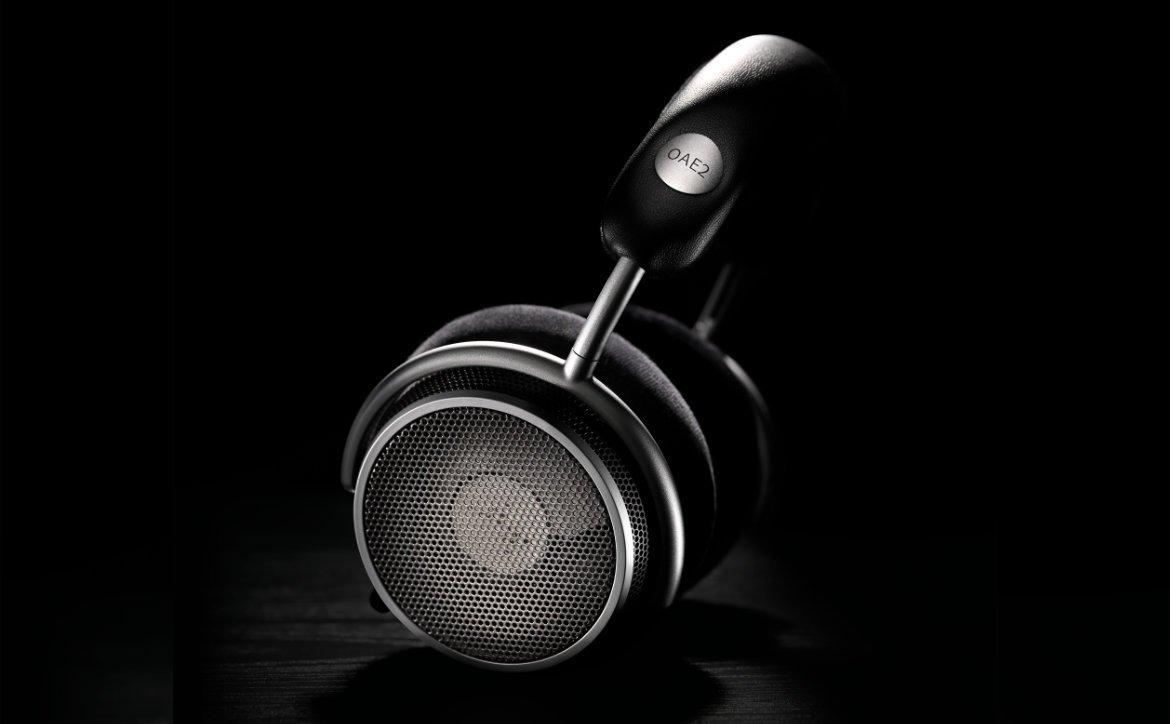
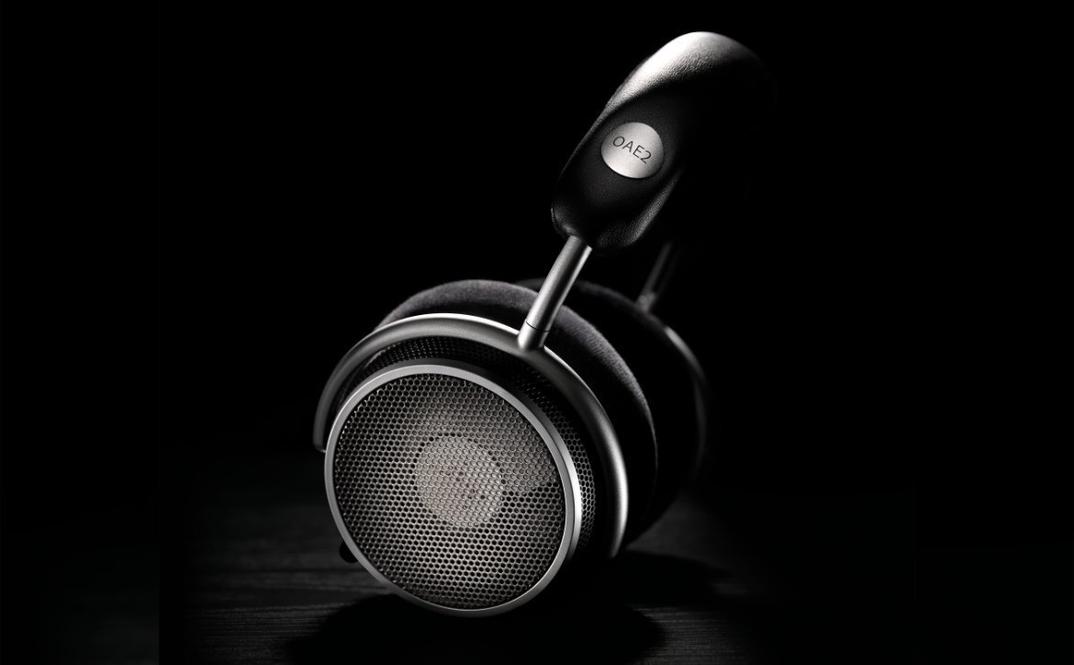
Headphone listening can be weirdly intimate. Put on a typical pair of cans and the music often feels like it’s happening inside your head, wide, detailed, and enjoyable, but not always natural in the way a pair of speakers in a room can be. That “in-head” effect is exactly what Axel Grell says he’s trying to reduce with his new Grell OAE2 open-back headphones, which will make their first U.S. public appearance at CanJam NYC 2026 (March 7–8).
The Grell OAE2 is priced at $599 and is scheduled for global availability on March 31, 2026, following an initial release in Germany.
Axel Grell is a long-time headphone engineer whose name is closely tied to a run of well-known Sennheiser designs, models that span both pro and enthusiast circles. After decades at Sennheiser, he launched his own brand, Grell, and the OAE series has become a way to explore a particular question: can headphone spatial presentation feel more like listening to loudspeakers without relying on DSP tricks?
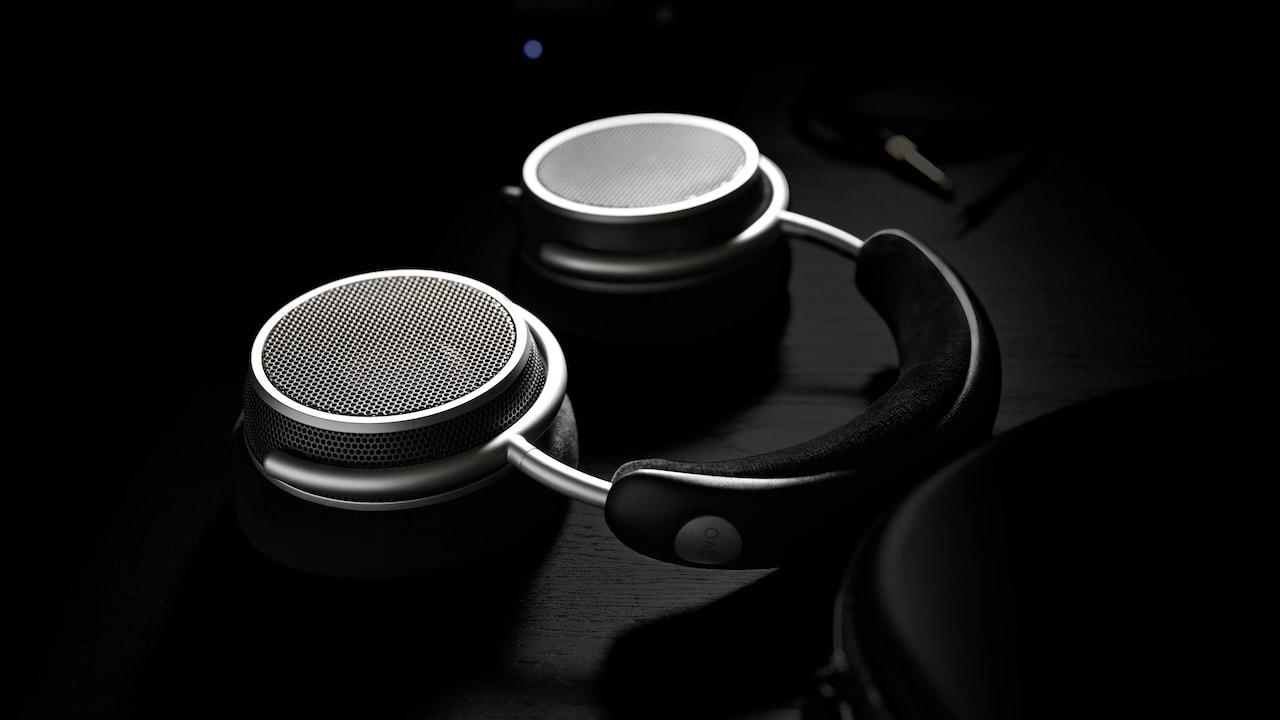
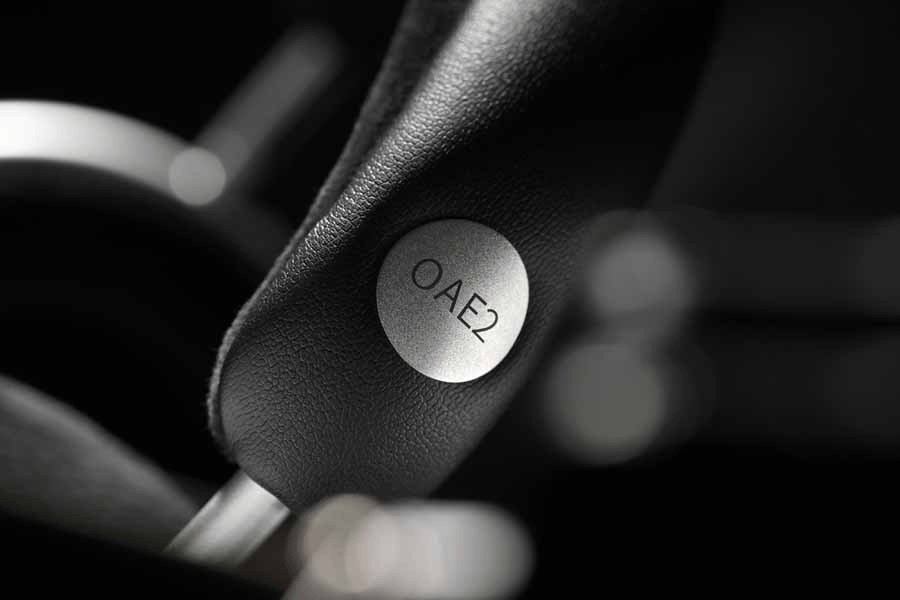
The OAE2 is positioned as the next step after the original OAE1, keeping the core idea but revising the acoustics and driver implementation.
Grell describes the OAE2 as using a front-oriented acoustic concept. In plain terms, it’s trying to change how sound reaches your ears.
Most headphones place the driver so it fires more directly into the ear canal. The OAE2 instead aims to interact more deliberately with your outer ear (pinna) before the sound enters the canal. That matters because, with loudspeakers, your brain relies on tiny differences in timing, phase, and frequency response created by your head and outer ear to understand where sounds are coming from, front, side, near, far.
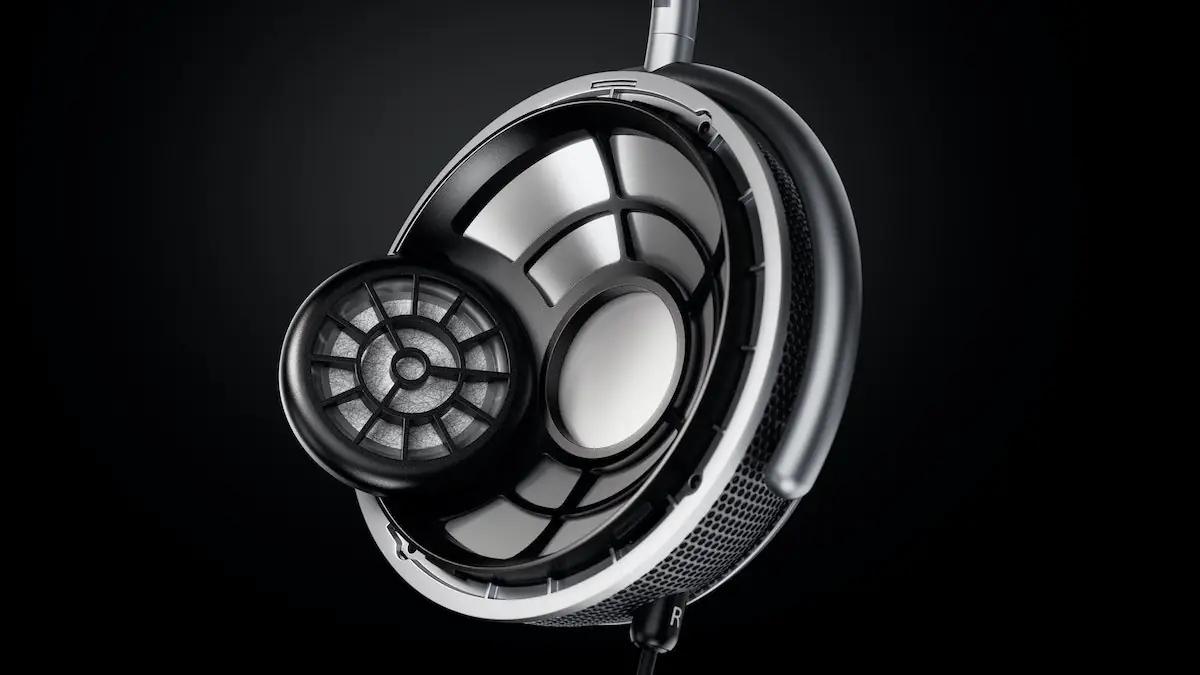
The OAE2 is designed to preserve more of those cues in a headphone format, with the goal of giving instruments and voices more depth and stable placement that feels less “stuck between your ears.” Importantly, this isn’t being framed as a “bigger soundstage” button. The point is more about perspective, like a nearfield speaker setup where the presentation sits in front of you rather than inside you.
Grell also points to ongoing research work tied to Leibniz University Hannover focused on spatial hearing and headphone perception, using those findings to guide practical decisions like driver positioning and acoustic structure.
Grell says the OAE2 builds on the OAE1 foundation with a newly optimized dynamic driver and refined housing intended to improve airflow and keep the spatial presentation consistent over longer sessions.
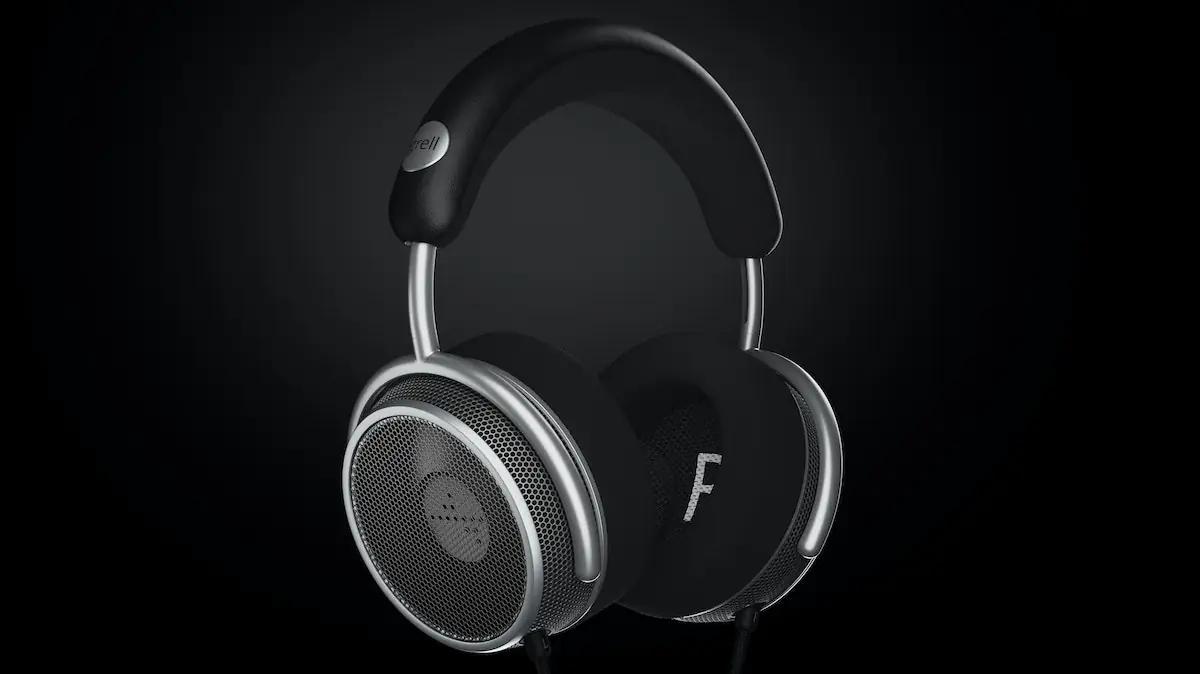
The tuning is described as natural/neutral, with controlled bass, lifelike mids, and extended treble detail “without fatigue.” That’s the target, anyway; the real test will be what people hear on the show floor at CanJam and later at home.
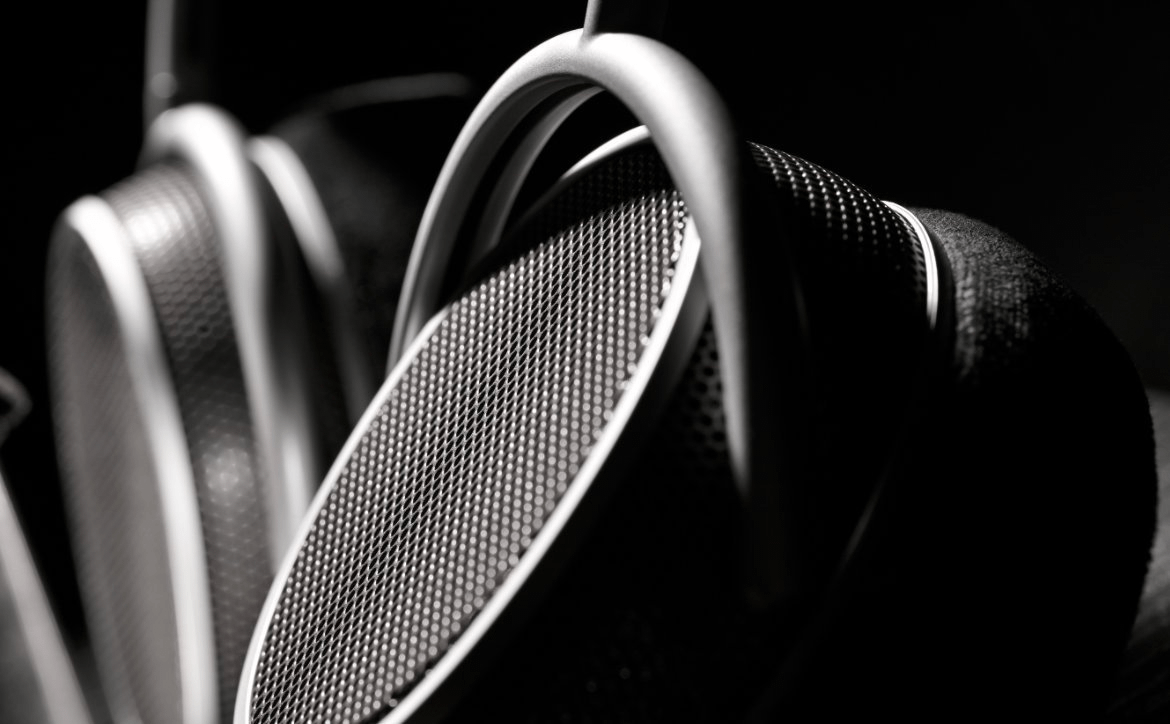
Under the hood, the OAE2 uses a 40mm wideband dynamic driver with a bio-cellulose diaphragm. The damping strategy includes a precision-manufactured stainless-steel mesh made in Germany, meant to help manage airflow and keep driver behavior consistent.
On the physical side, Grell is leaning into a modular, serviceable approach: a fully metal frame with replaceable components, so worn parts can be swapped rather than turning the headphone into e-waste. Packaging is described as largely plastic-free, following the same long-term ownership theme.
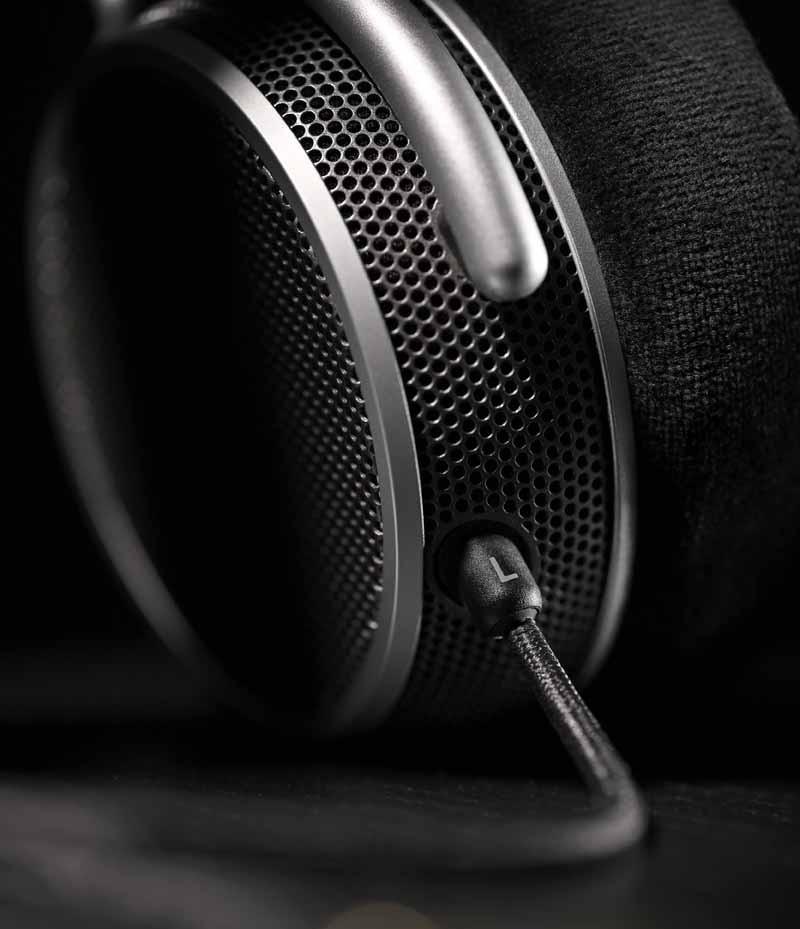
The OAE2 ships with both single-ended and balanced cables:
At $599, the Grell OAE2 enters a competitive part of the open-back headphone market. Several well-known models sit in roughly the same price bracket, each approaching sound design a little differently. Three notable alternatives include the MEZE Audio 105 Silva ($499 at Amazon), which we reviewed in late 2025, Sennheiser HD 660S2 ($680 at Amazon), and Focal Hadenys ($749 at Amazon).
The MEZE Audio 105 Silva is one of the more approachable entries in this range. Known for its warm, musical presentation and distinctive design, the 105 Silva focuses on delivering an engaging listening experience rather than strict neutrality. Compared with the Grell OAE2, which aims for a more speaker-like spatial presentation, the MEZE takes a more traditional approach to open-back headphone tuning. If you're someone who enjoys a relaxed sound signature with a bit of warmth, the 105 Silva may feel immediately comfortable.
The Sennheiser HD 660S2 sits closer to the Grell OAE2 in both price and philosophy. Sennheiser’s long-running HD 600 series has built a reputation for balanced tonality and natural mids, making the HD 660S2 a familiar choice for many audiophiles. In terms of presentation, the HD 660S2 delivers a classic headphone experience, clean imaging and controlled bass, but it still places most of the soundstage inside the listener’s head. That’s where the Grell OAE2 tries to do something a little different, positioning the sound so it feels more like it’s happening in front of you rather than between your ears.
Then there’s the Focal Hadenys, which sits slightly higher in price but competes in a similar enthusiast category. Focal tends to focus on detail, dynamics, and a lively sense of energy in its headphones. The Hadenys follows that pattern with a clear, resolving presentation that highlights small details in recordings. Compared with the Grell OAE2, the Focal leans more toward precision and impact, while the Grell design emphasizes spatial realism and a speaker-like listening perspective.
Taken together, these headphones show just how many directions designers can take within the same price range. The MEZE Audio 105 Silva leans musical and relaxed, the Sennheiser HD 660S2 stays true to a classic audiophile balance, and the Focal Hadenys aims for clarity and dynamics. The Grell OAE2 tries to carve out its own space by focusing on how sound is positioned around the listener, rather than simply tuning frequency response or adding extra detail.
Grell OAE2 Technical Specifications:
The OAE2’s pitch isn’t “more bass” or “more detail.” It’s about how your brain interprets space when the driver isn’t aimed in the usual way. If you attend CanJam NYC (March 7–8), this is the kind of design you’ll want to audition for more than a quick minute, because if the presentation feels different at first, that’s part of the concept.
The wider rollout begins March 31, 2026, with availability through grellaudio.com and selected retailers at $599 / £499 / €499.
Related Reading:




Privacy Policy
Terms and Conditions - Affiliate Policy
Home Security
© Copyright 2008-2026.
11816 Inwood Rd #1211, Dallas, TX 75244