

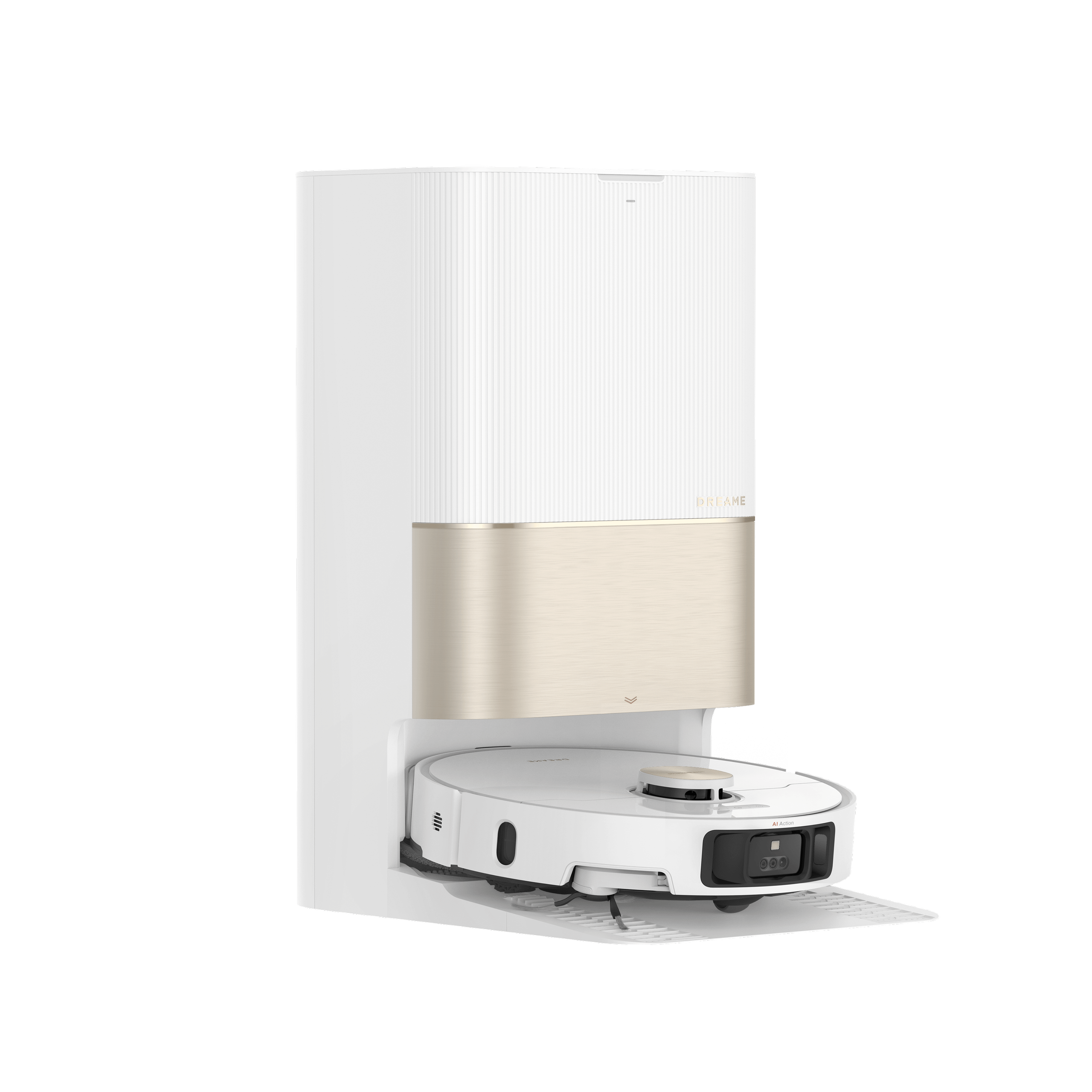
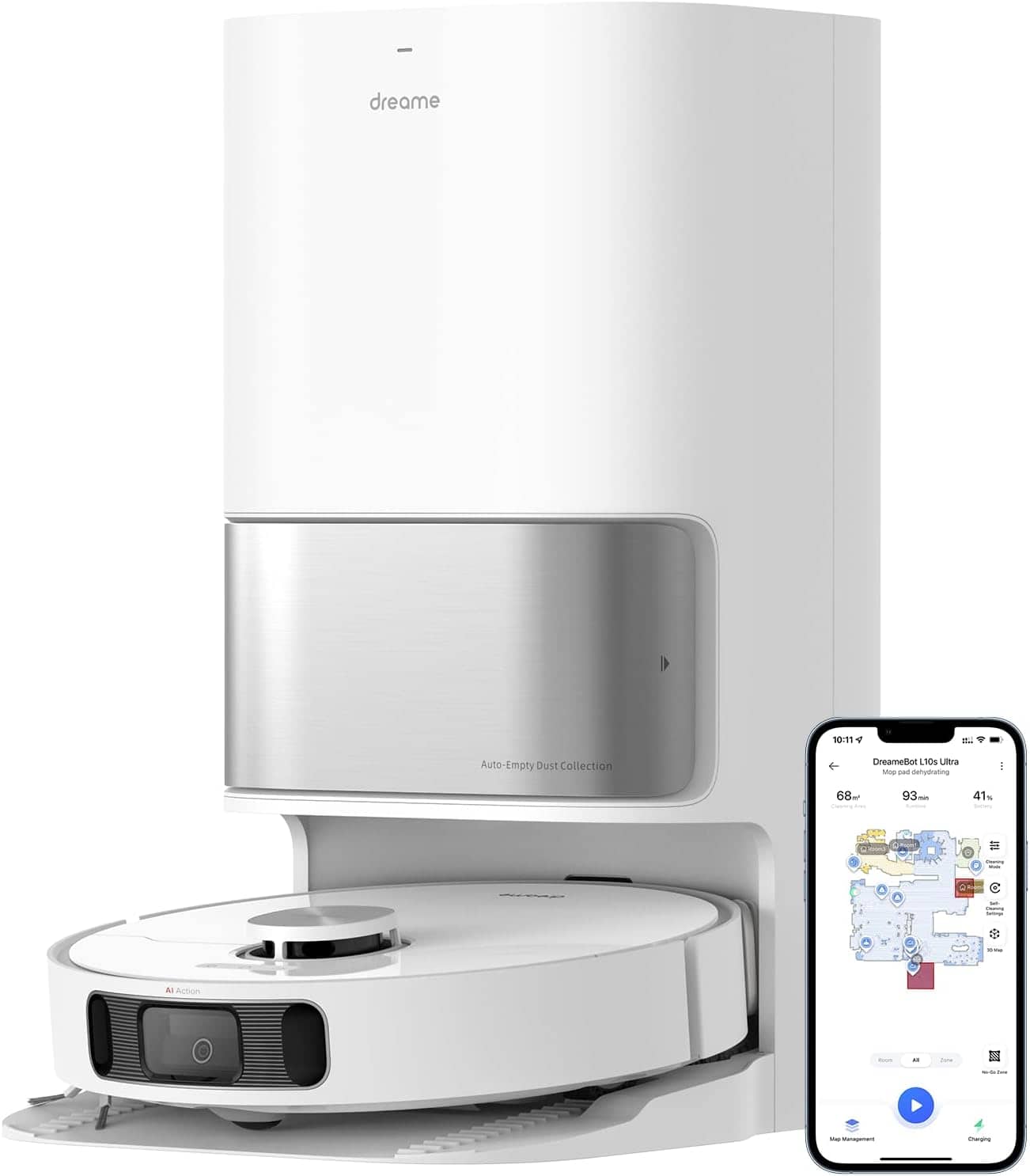
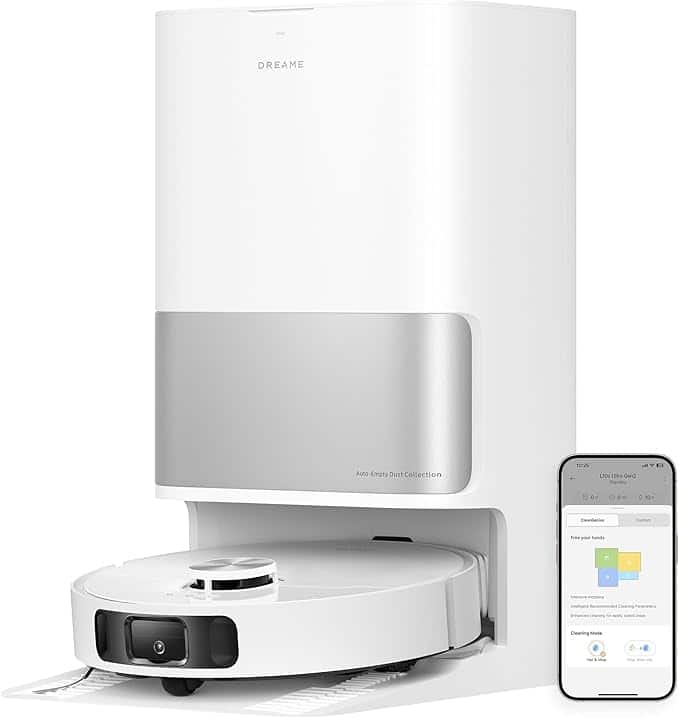
Robot vacuums have evolved from novelty gadgets that bumped around randomly to sophisticated cleaning machines that can navigate your home better than some house guests. The premium robot vacuum category—featuring self-emptying bases, automatic mop washing, and advanced navigation—represents the current pinnacle of this technology. Two standout models from Dreame showcase just how far we've come: the Dreame X40 Ultra (released in 2024) and the Dreame L10s Ultra (released in 2023).
Understanding what separates these models isn't just about comparing spec sheets. It's about figuring out which approach to automated cleaning matches your home's needs, your tolerance for maintenance, and your expectations for performance. Let's dive deep into what makes each unique.
When shopping for a high-end robot vacuum, you're essentially buying a cleaning system, not just a vacuum. These aren't your basic disc-shaped robots that wander aimlessly and get stuck under furniture. Modern premium models combine multiple technologies: LiDAR (Light Detection and Ranging) for room mapping, cameras for object recognition, and sophisticated base stations that handle everything from emptying dust to washing mop pads.
The key considerations that separate good from great in this category include suction power (measured in Pascals or Pa), navigation intelligence, battery life, and most importantly, how much of the cleaning process they can handle without your intervention. The best models should feel like having an invisible cleaning service that works while you're away.
Both the Dreame X40 Ultra and L10s Ultra represent Dreame's answer to premium cleaning automation, but they target different segments of the market. Think of the X40 Ultra as the luxury sedan—loaded with every feature and engineered for maximum performance. The L10s Ultra is more like a well-equipped mid-size car—it gets you where you need to go with many premium features, but without the highest-end components.
This positioning became clear when Dreame released the L10s Ultra in 2023 as an accessible entry into their premium automation ecosystem. The 2024 X40 Ultra then pushed the envelope further with cutting-edge navigation and unprecedented suction power, establishing new benchmarks for what robot vacuums can achieve.
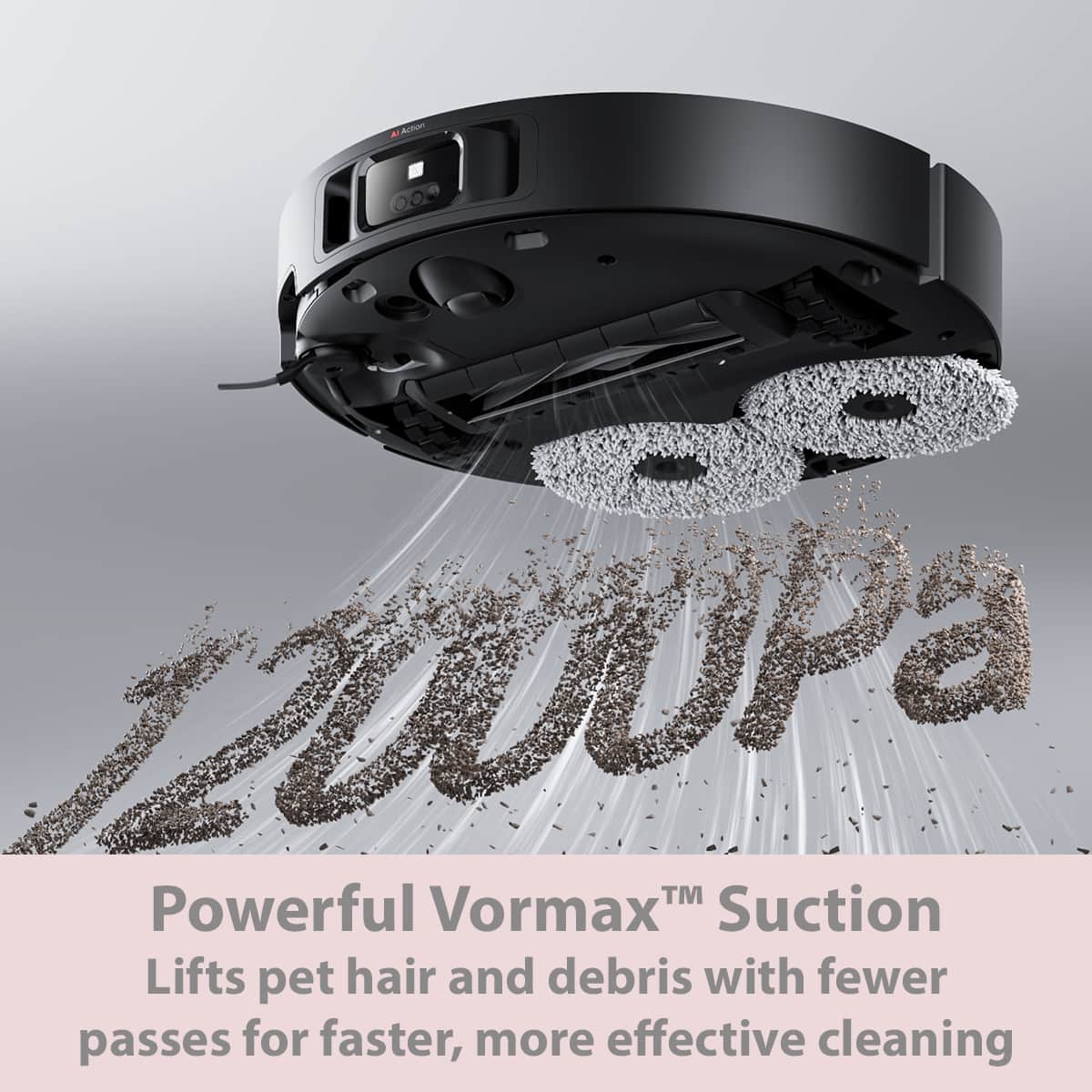
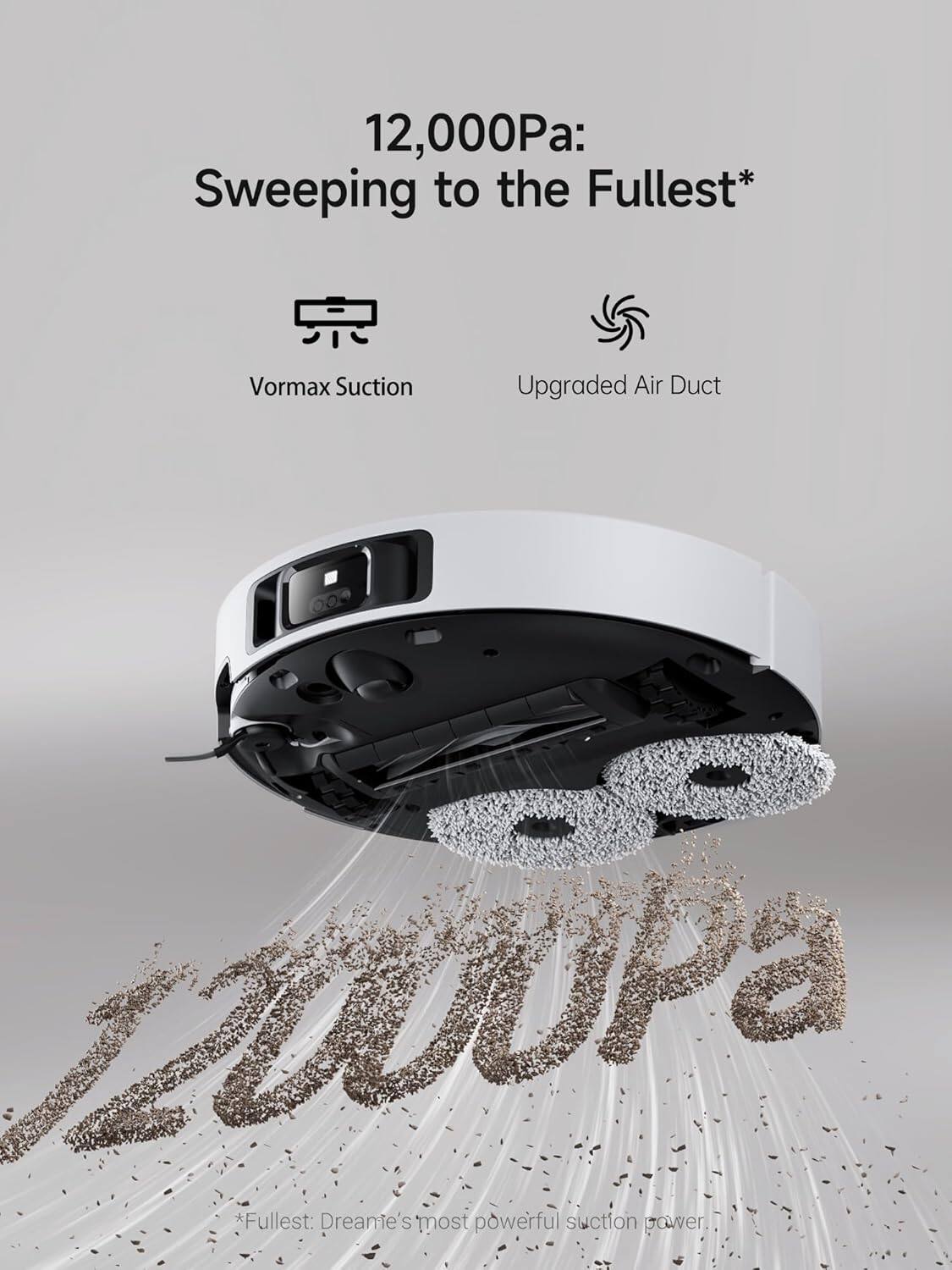
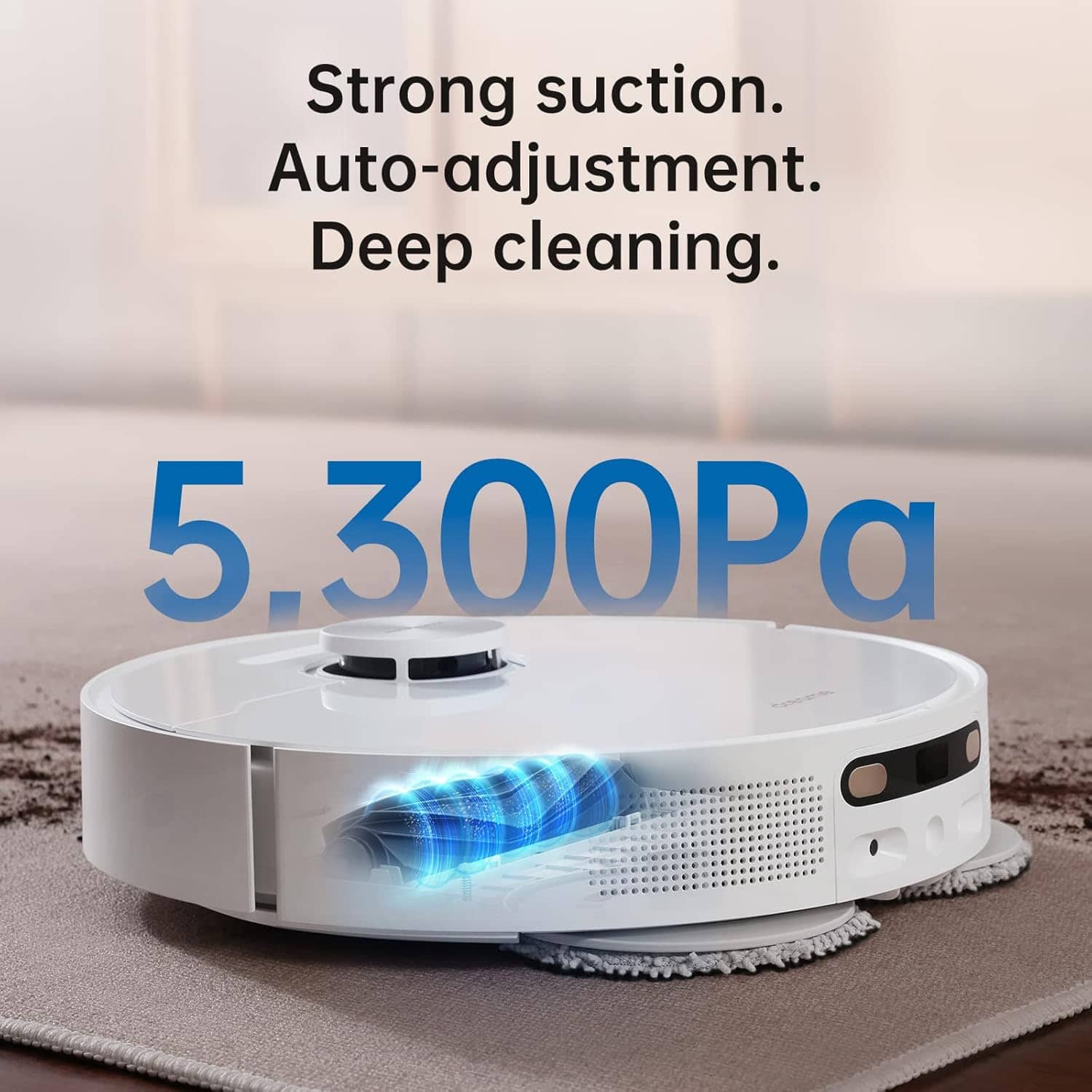
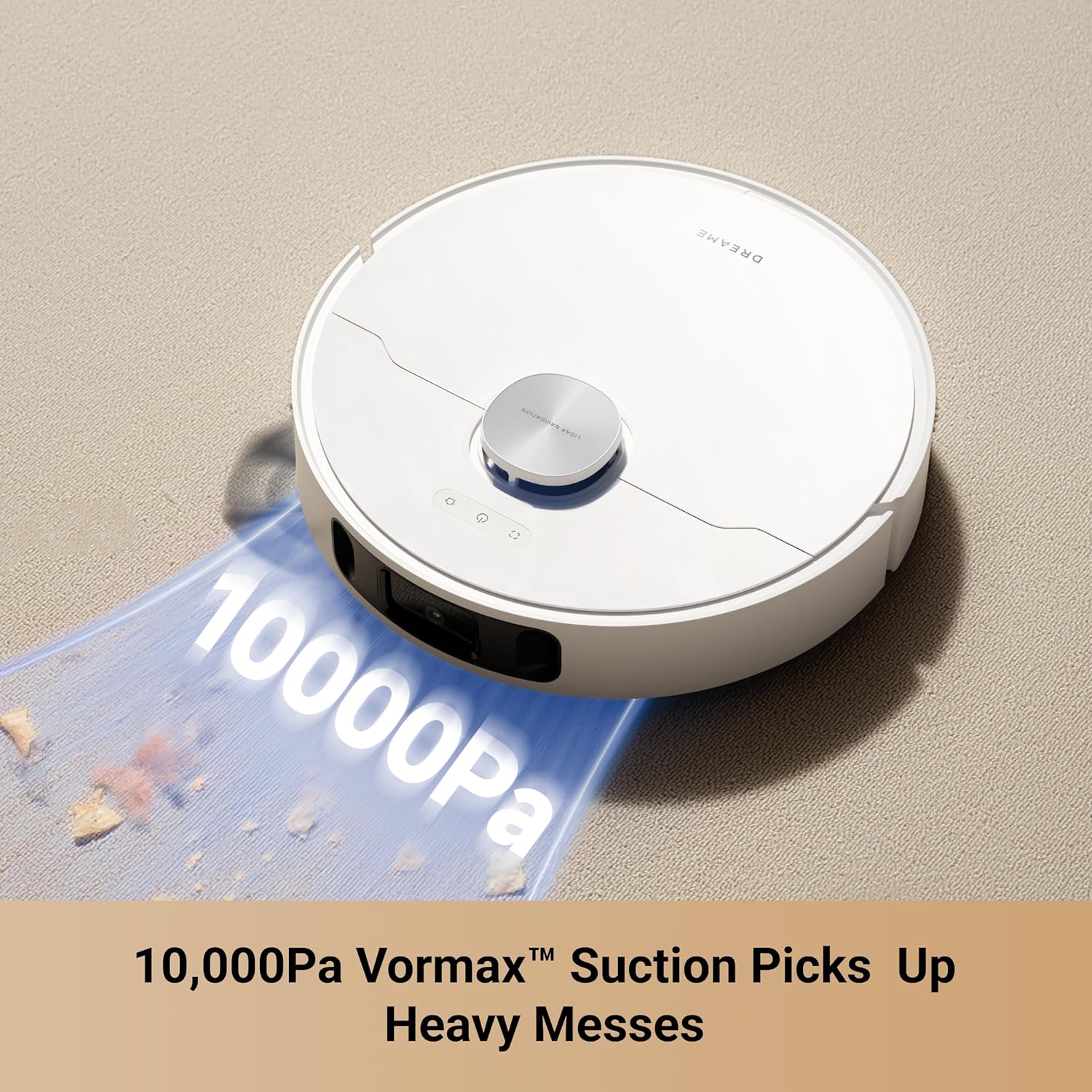
The most dramatic difference between these models hits you in the specs: the X40 Ultra delivers 12,000Pa of suction power compared to the L10s Ultra's 5,300Pa. That's more than double the cleaning force, and in practical terms, it's the difference between adequate cleaning and genuinely impressive debris removal.
Suction power matters most on carpeted surfaces where debris gets embedded in fibers. Based on our research into professional testing, the X40 Ultra achieves remarkable 95.8% pickup rates on high-pile carpet—the kind of plush carpeting that challenges even upright vacuums. The L10s Ultra, while competent on hard floors, struggles significantly with carpet cleaning and shows particular weakness with pet hair embedded in carpet fibers.
For homes with mixed flooring, this performance gap becomes crucial. If your living areas feature area rugs, carpeted bedrooms, or thick entrance mats, the X40 Ultra's superior suction translates to visibly cleaner results. The L10s Ultra works well for maintenance cleaning on hard floors but may leave you reaching for a traditional vacuum when dealing with ground-in dirt or seasonal debris like tracked-in leaves.
The engineering behind this power difference involves more than just a stronger motor. The X40 Ultra features Dreame's Vormax suction system with optimized airflow channels that maintain consistent performance throughout the cleaning cycle. This prevents the power drop-off that affects some high-suction models when their dustbins fill up.
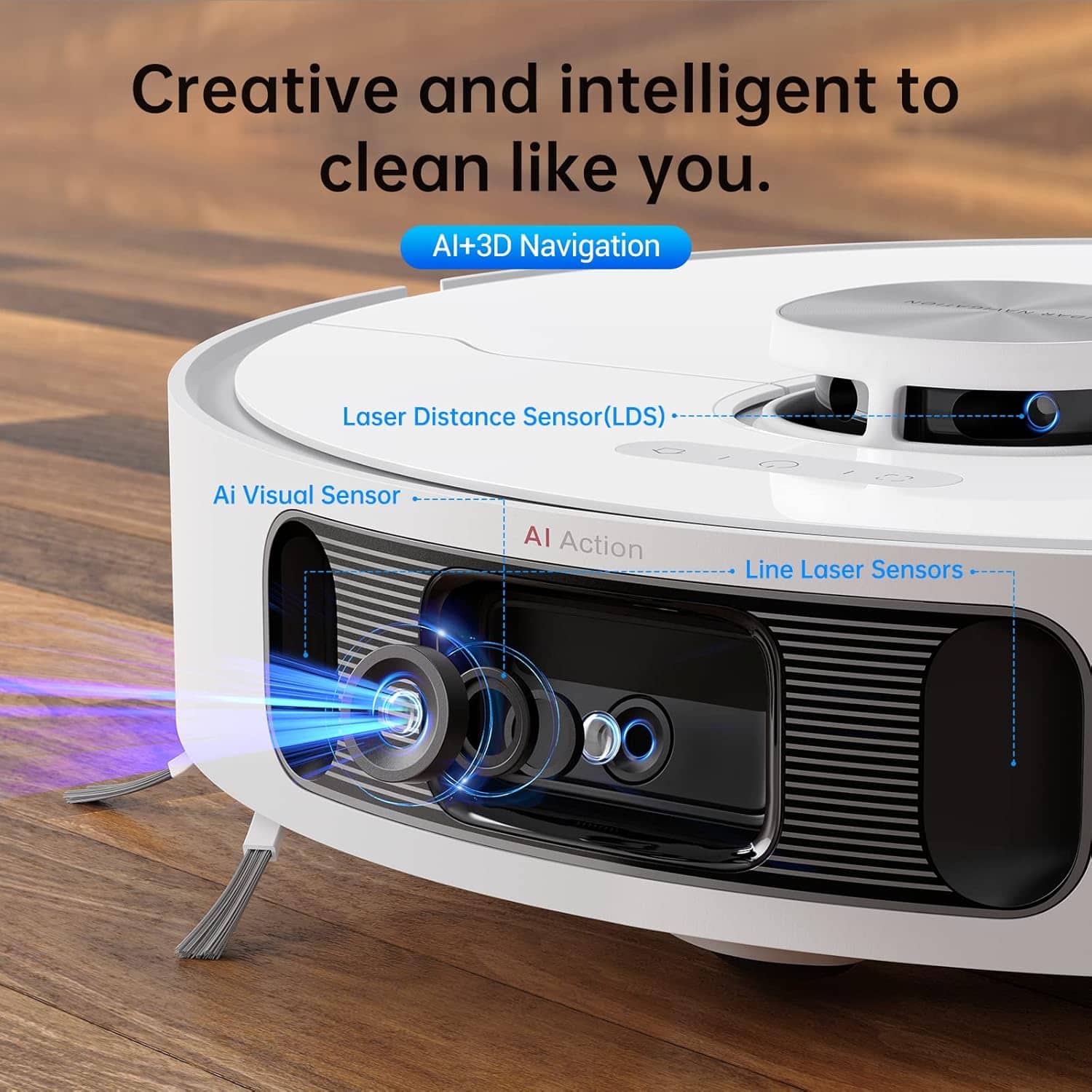
Modern robot navigation has moved far beyond the bump-and-go era, but not all "smart" navigation systems are created equal. The X40 Ultra employs what's essentially a mobile sensor array: LiDAR for room mapping, RGB cameras for object identification, 3D structured light for precise distance measurement, and LED lighting for low-light recognition. This redundant sensor approach means the robot can recognize and avoid over 120 different object types, from shoes and cables to pet waste and children's toys.
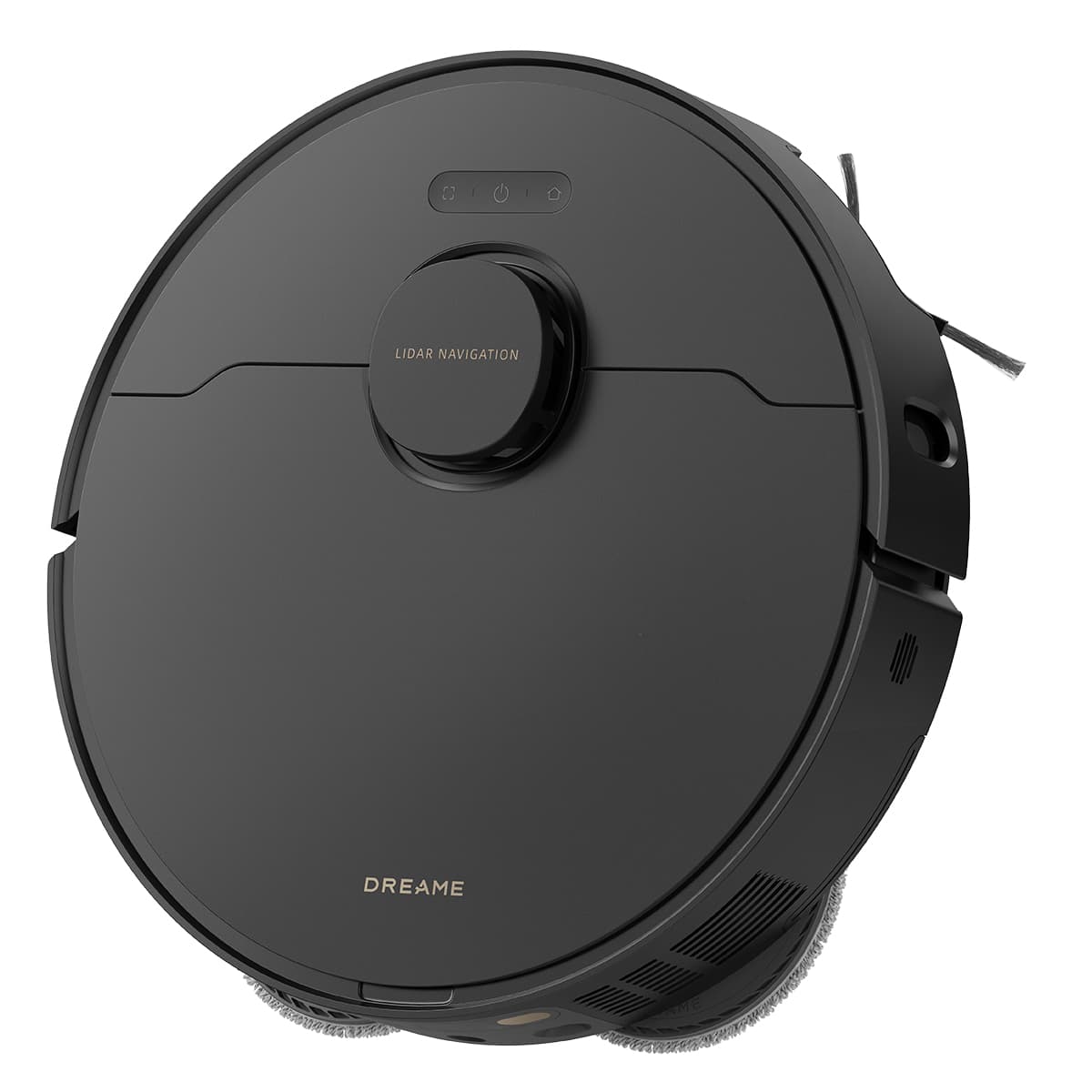
The L10s Ultra uses a more conventional approach with LiDAR mapping supplemented by RGB camera and structured light sensors. While this system handles basic obstacle avoidance and creates accurate floor plans, it lacks the comprehensive object recognition that makes the X40 Ultra truly autonomous.
This difference shows up in real-world performance. Professional testing reveals the X40 Ultra achieving near-perfect obstacle avoidance scores, while the L10s Ultra occasionally struggles with small objects and shows less consistent performance on carpeted surfaces where obstacles might be partially hidden.
For busy households where pre-cleaning pickup isn't always practical, the X40 Ultra's advanced navigation means fewer interrupted cleaning cycles and less frequent "rescue missions" to untangle the robot from charging cables or furniture legs.
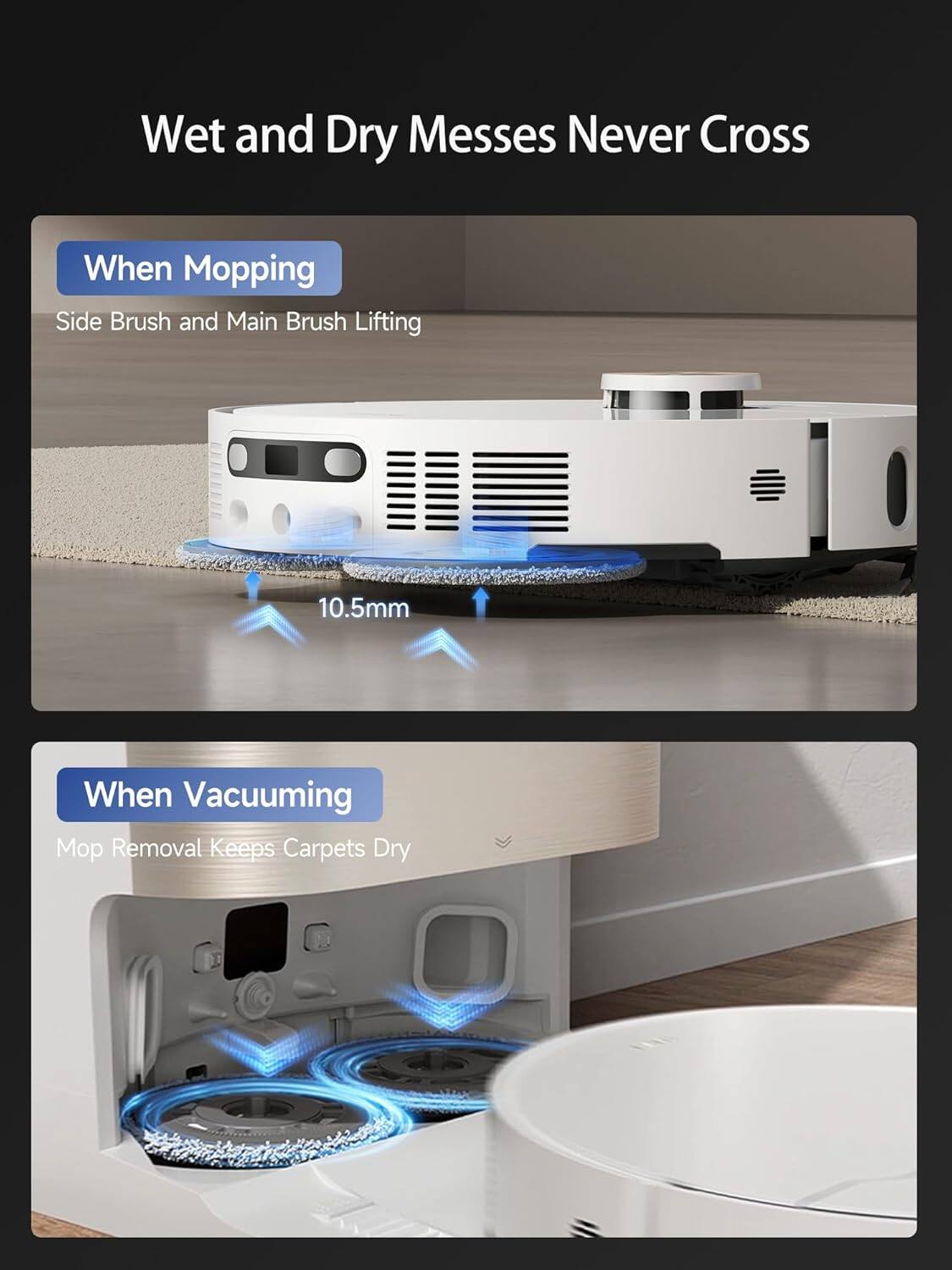
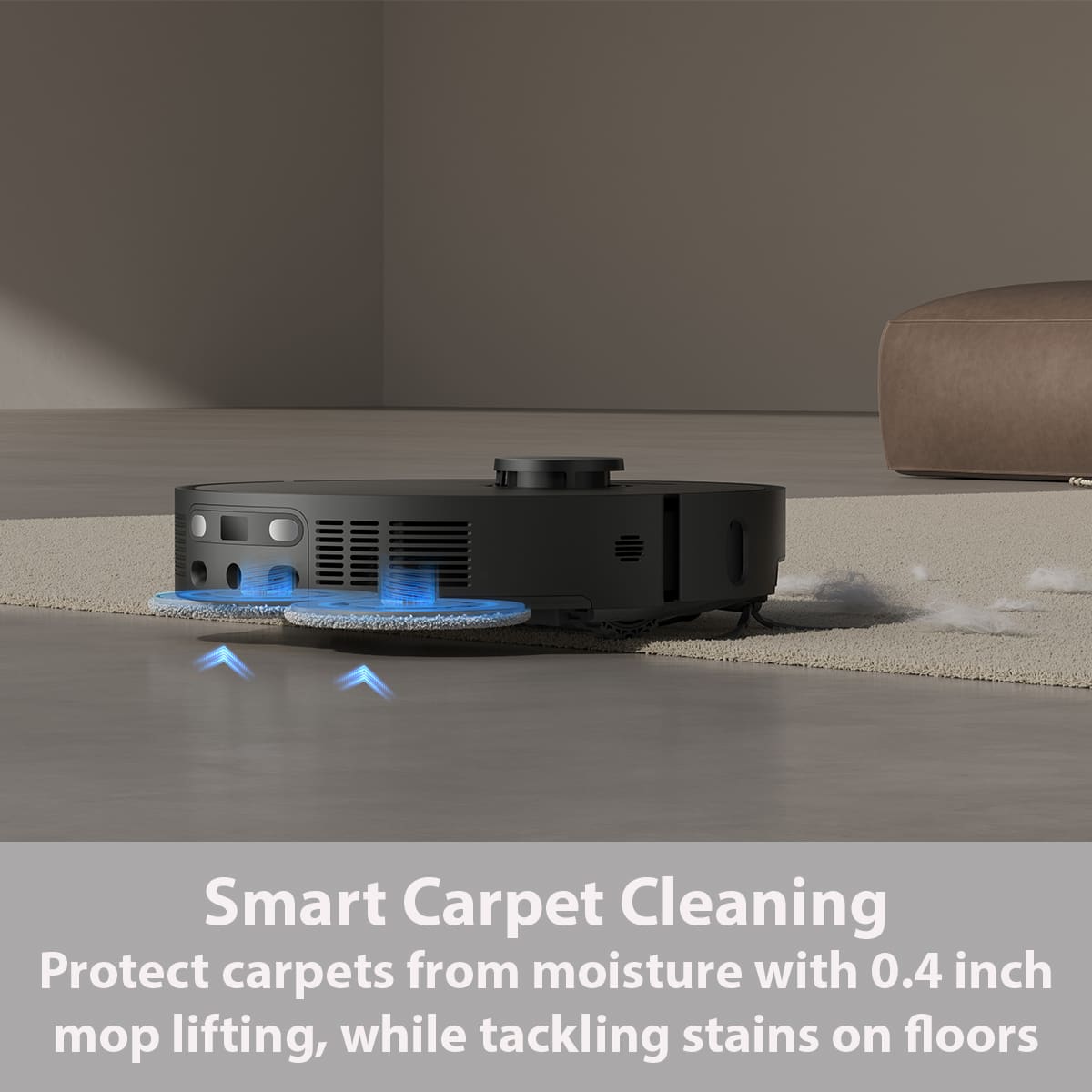
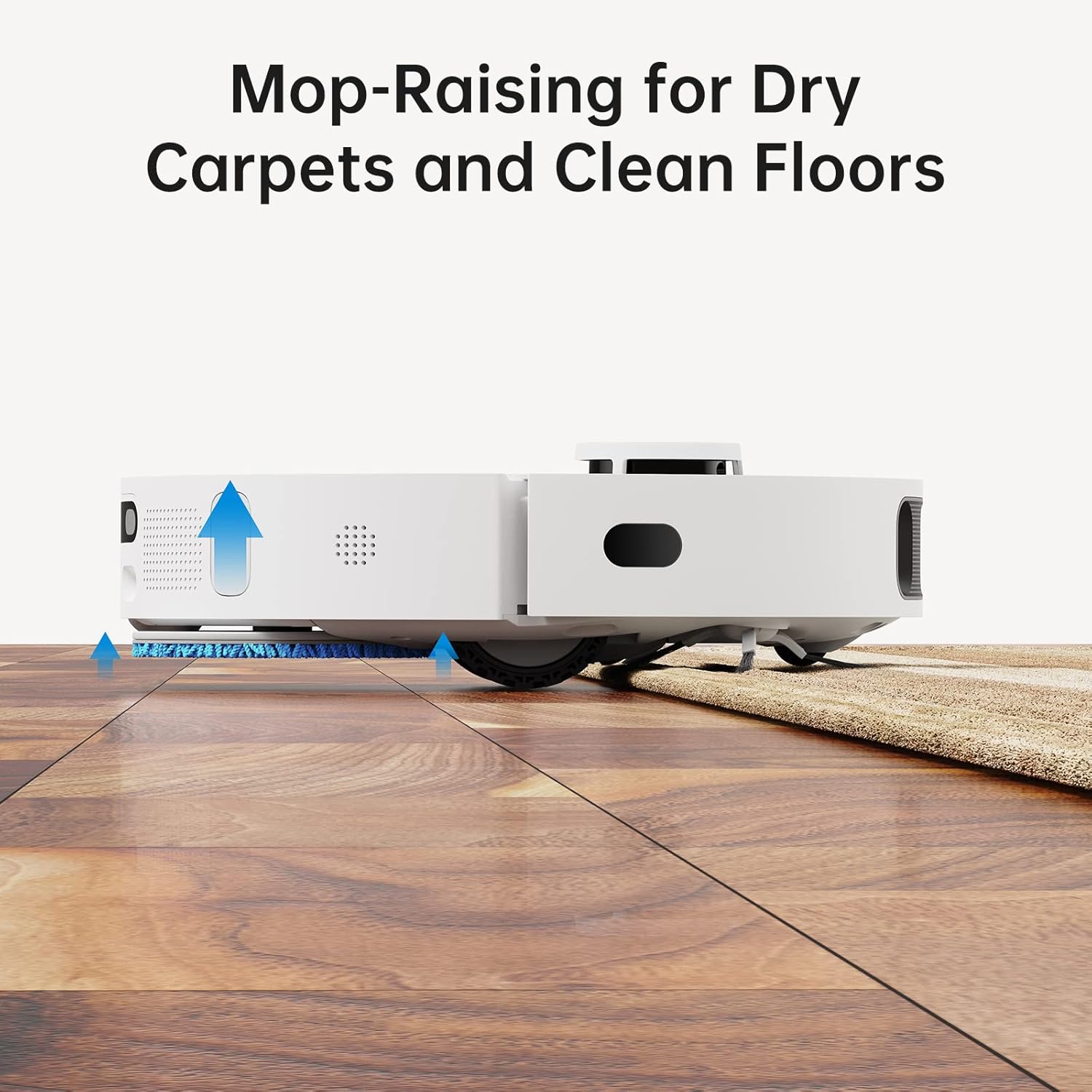
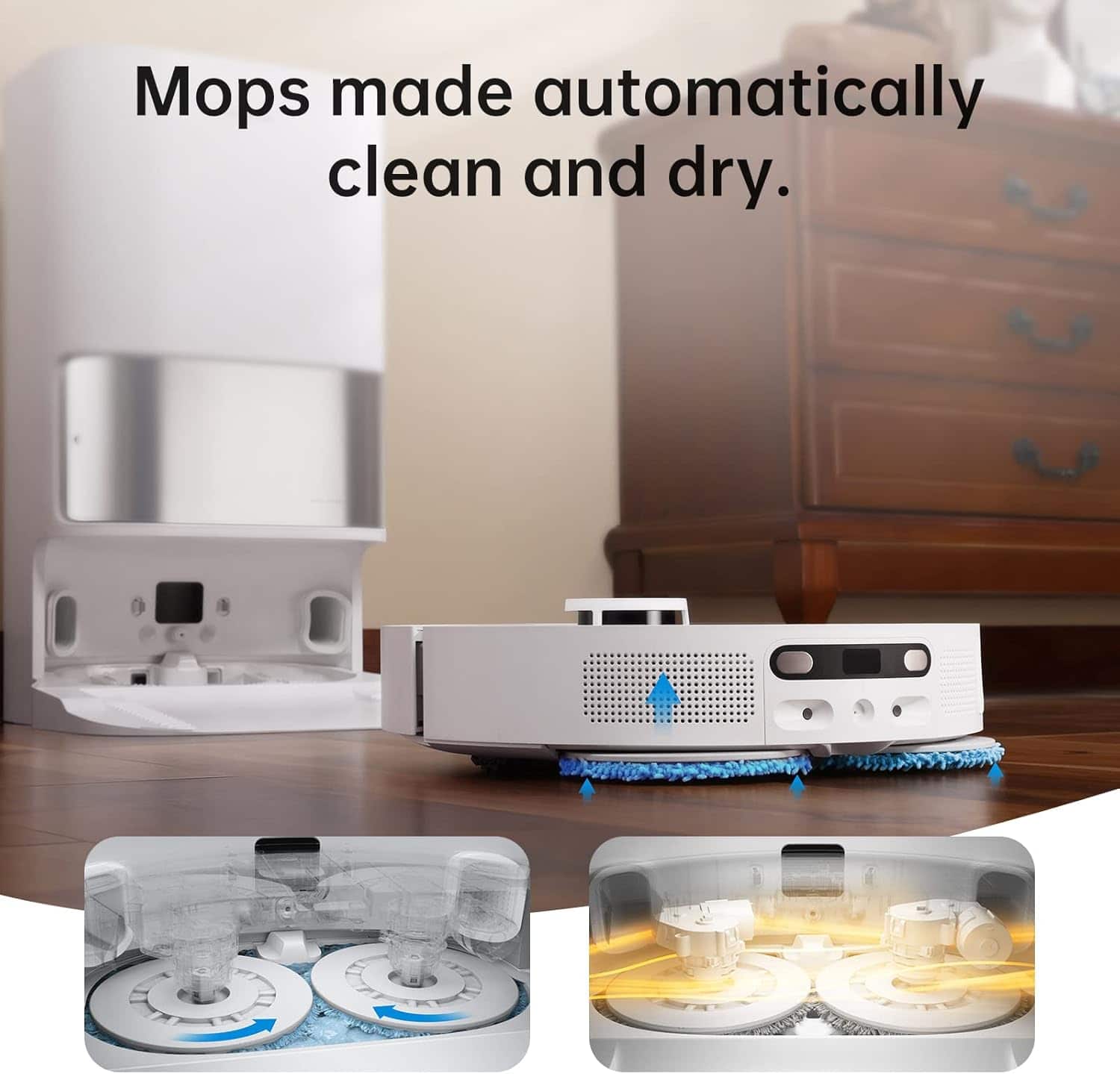
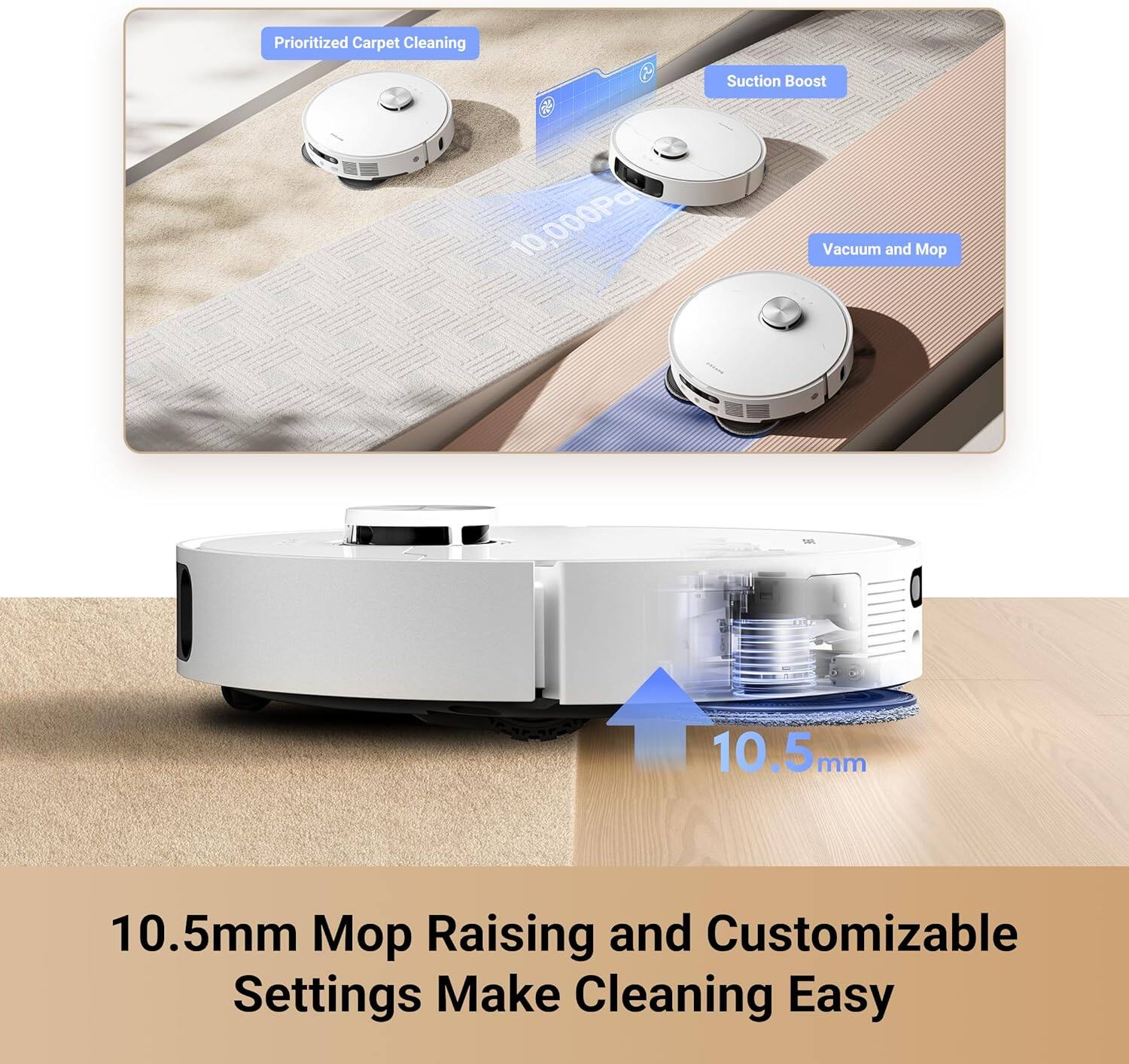
Both models tackle mopping, but they represent different philosophies about what robot mopping should accomplish. The L10s Ultra features dual rotating mop pads that auto-lift when transitioning to carpet—a solid system for maintaining clean hard floors with basic spill cleanup capability.
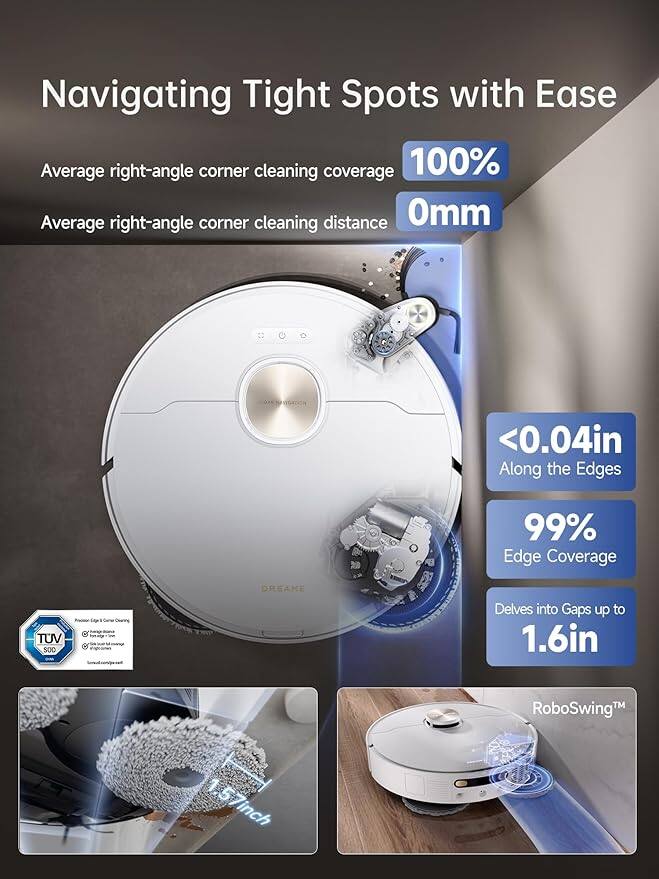
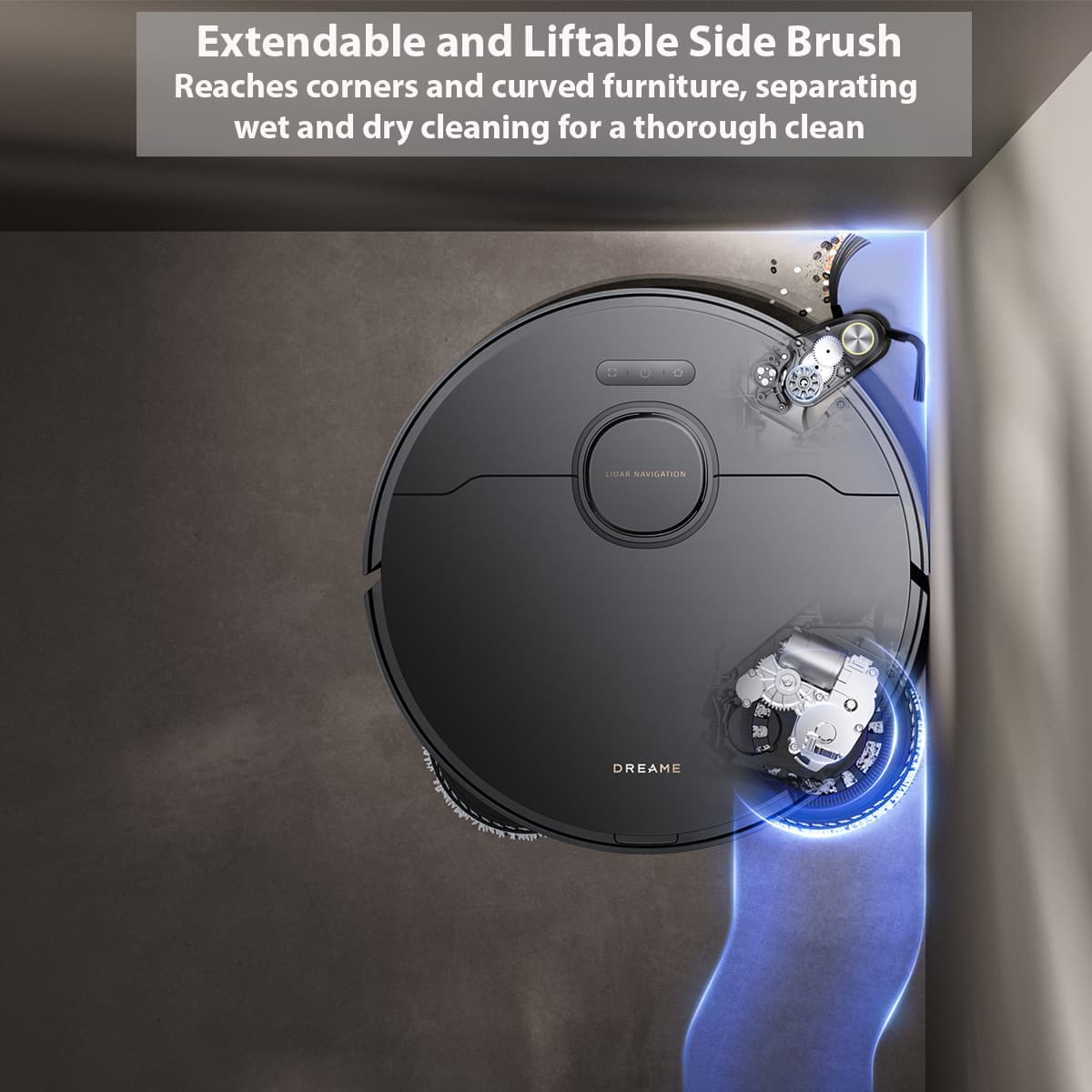
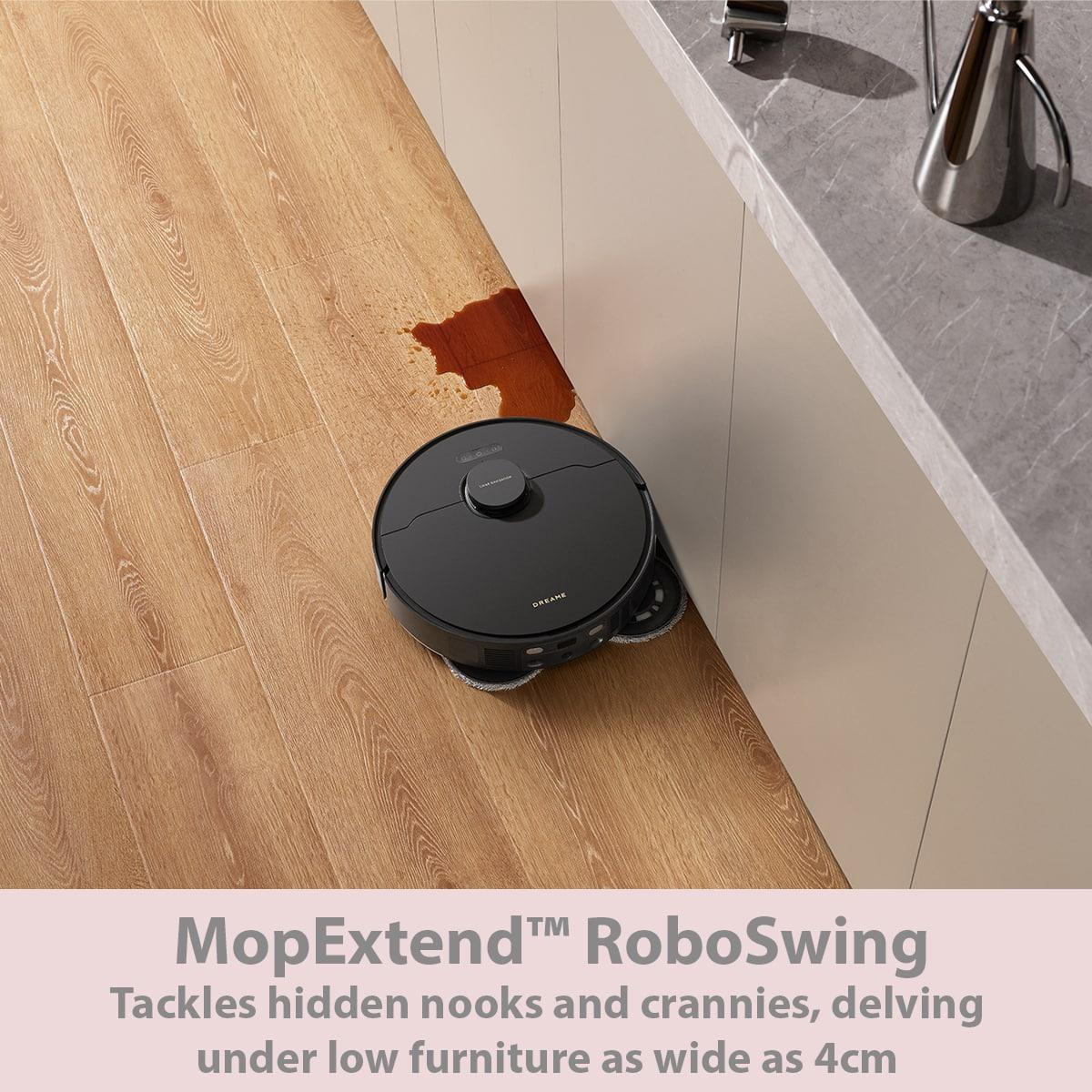
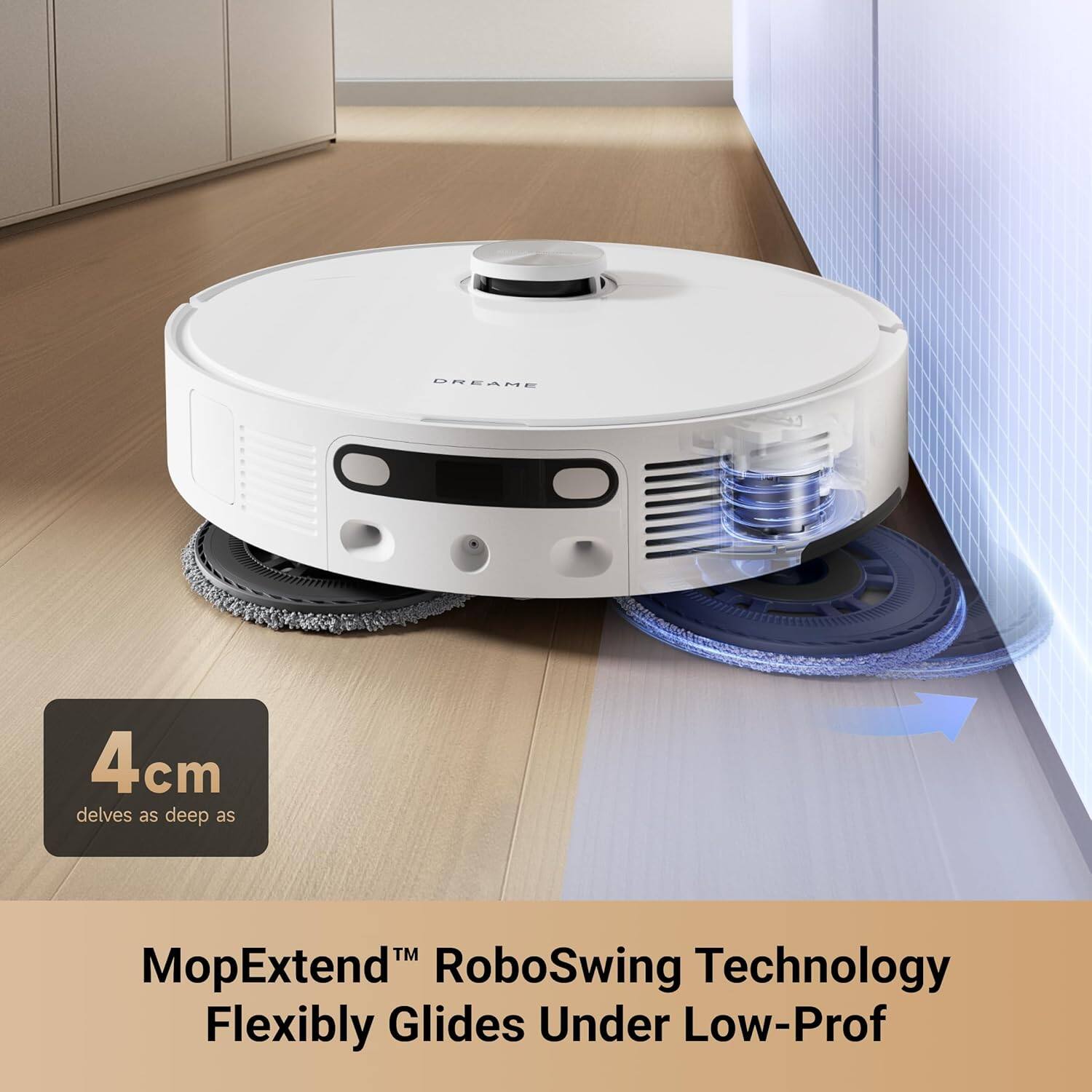
The X40 Ultra introduces MopExtend RoboSwing 3.0 technology, where the mop pads actually extend outward from the robot's circular body to reach wall edges and corners that standard designs miss. This addresses one of the fundamental limitations of round robot mops: they can't physically reach the areas where dust and debris naturally accumulate.
More importantly, the X40 Ultra incorporates OmniDirt Detection, using color sensors to identify heavily soiled areas and automatically increase cleaning intensity. When the robot encounters dried spills or stubborn stains, it recognizes the need for additional passes and adjusts its cleaning pattern accordingly. This transforms mopping from a maintenance task to an actual cleaning solution.
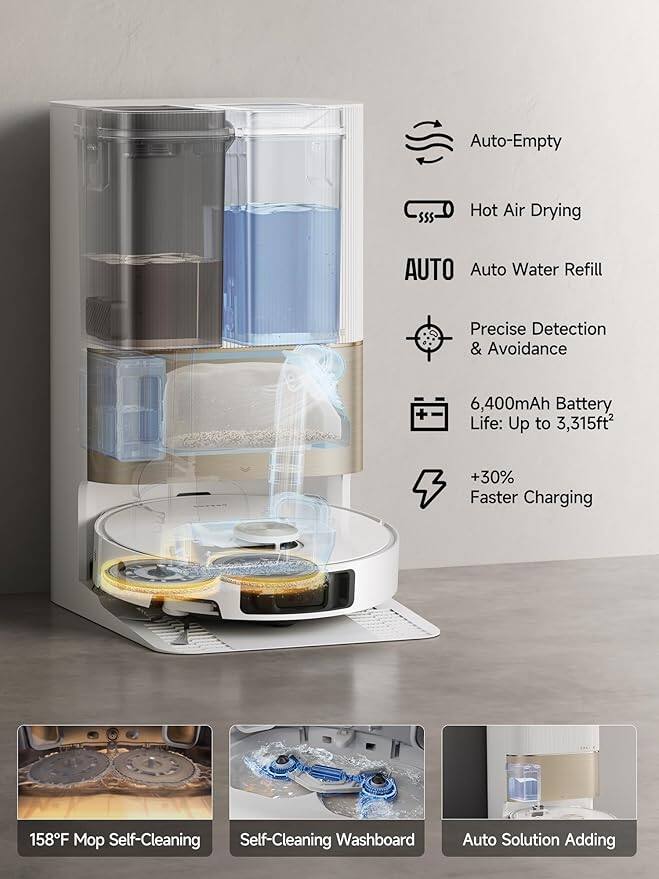
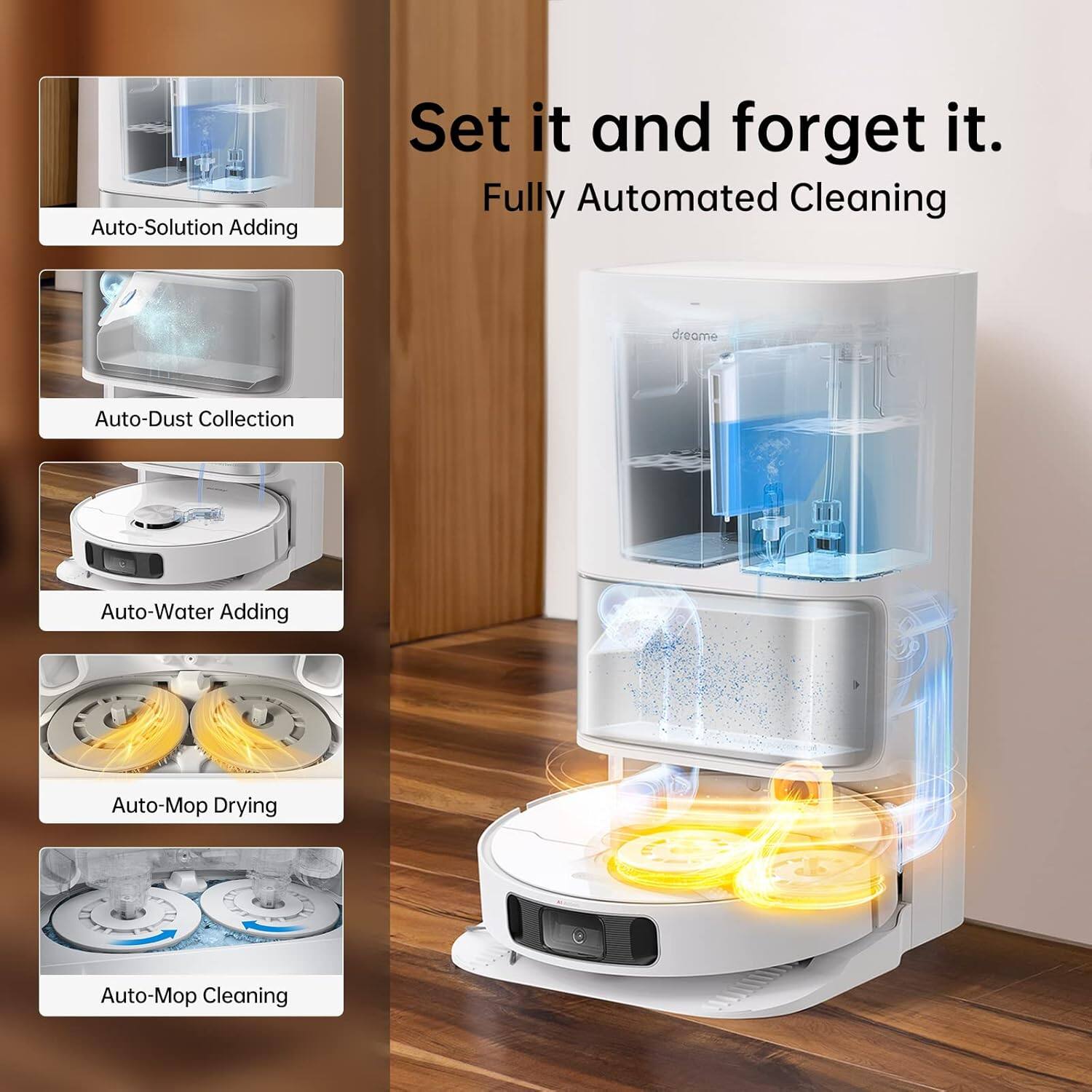
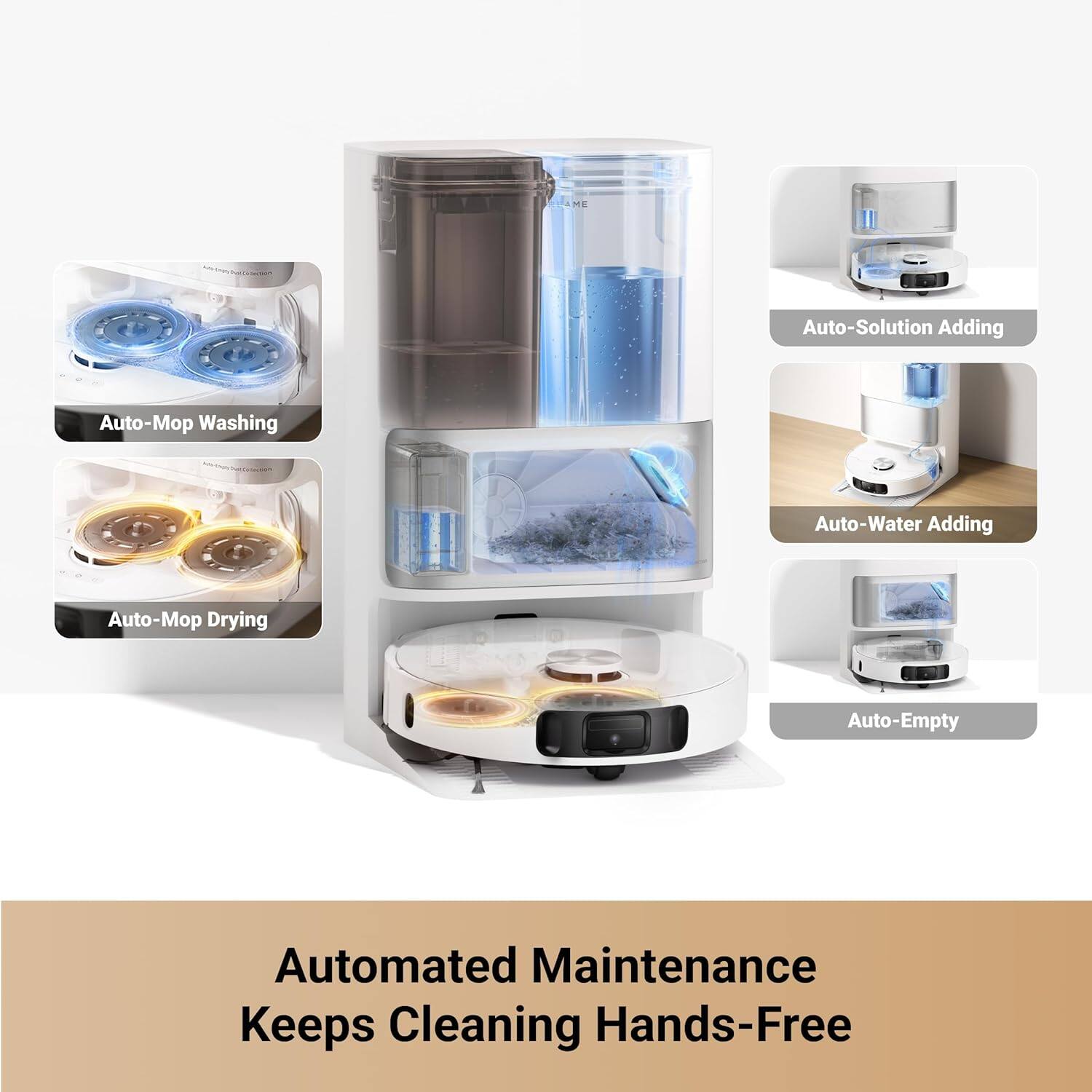
The base station maintenance systems also differ significantly. The X40 Ultra washes mop pads with 158°F hot water and dries them with heated air, preventing the mildew and odor issues that plague many mopping robots. The L10s Ultra provides basic mop washing with warm air drying—functional but less thorough in maintaining hygiene.
For homes with pets, children, or frequent spills, these mopping differences become crucial. The X40 Ultra can handle the kind of messes that would require manual pre-treatment with other robots, while the L10s Ultra works best for routine maintenance of already-clean floors.
Manufacturer battery claims often assume ideal conditions—quiet mode, hard floors, minimal obstacles. Real-world performance tells a different story. Testing shows the X40 Ultra achieving up to 194 minutes of actual runtime while covering approximately 4,000 square feet per charge. The L10s Ultra manages around 180 minutes with coverage closer to 3,000 square feet.
More revealing is cleaning speed. The X40 Ultra completes about 1,000 square feet in 34 minutes, making it practical for large homes that need daily cleaning. The L10s Ultra takes longer per square foot, which matters when you're trying to clean the main living areas before guests arrive or before kids come home from school.
Battery performance also affects cleaning thoroughness. Robots that run out of power mid-cycle and need to recharge before finishing often leave sections with lighter cleaning or skip areas entirely. The X40 Ultra's longer runtime makes complete whole-house cleaning more reliable, especially in homes with complex layouts that require longer navigation paths.
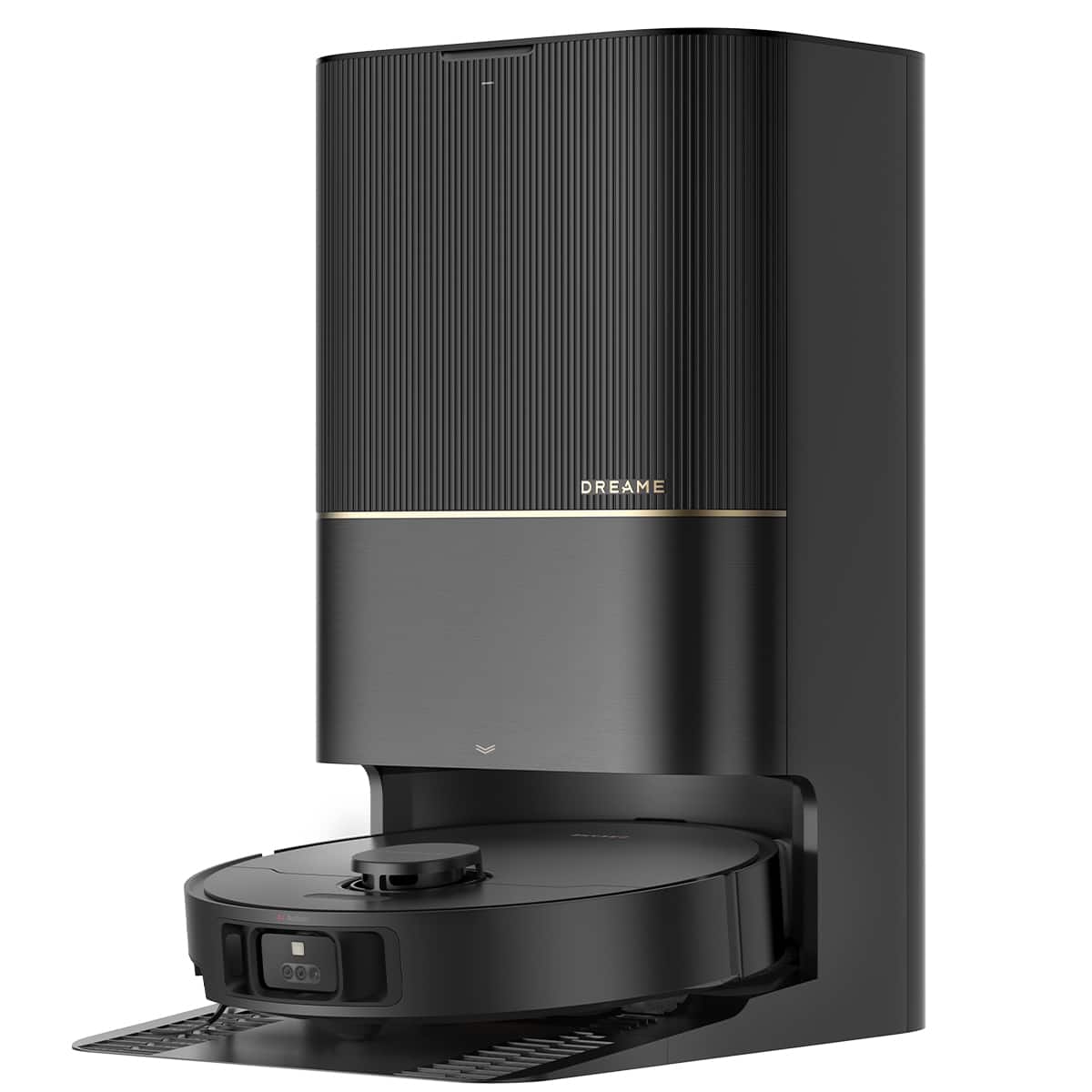
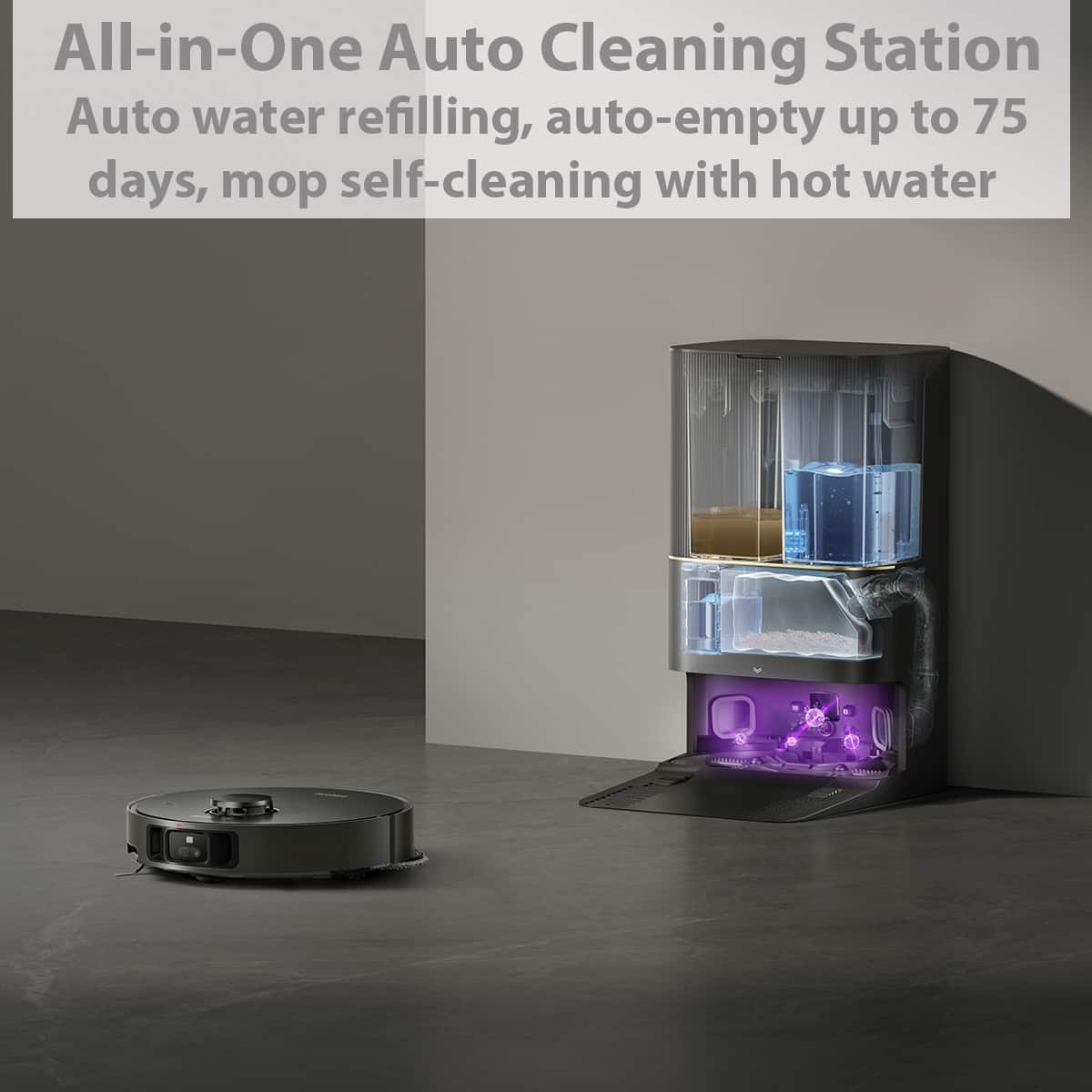
The base station represents where these models most clearly diverge in their automation philosophy. The X40 Ultra treats the base as a comprehensive maintenance center. Beyond basic dust collection, it features separate clean and dirty water tanks (4.5L and 4.0L respectively), automatic cleaning solution dispensing, and even optional plumbing connections for hands-free water management.
Most impressively, the X40 Ultra's base station includes self-cleaning cycles for its own components. After washing the robot's mop pads, the base washes its own washboard and drains dirty water, preventing the buildup of grime and odors that can make some robot bases unpleasant to have in living spaces.
The L10s Ultra provides solid automation fundamentals—dust collection, mop pad washing, and basic drying—but requires more user intervention for tank maintenance and doesn't include the advanced hygiene features that keep the system fresh over extended periods.
For households that want to set up automated cleaning and largely forget about it, this difference matters significantly. The X40 Ultra can operate for months with minimal intervention, while the L10s Ultra needs more regular attention to maintain optimal performance.
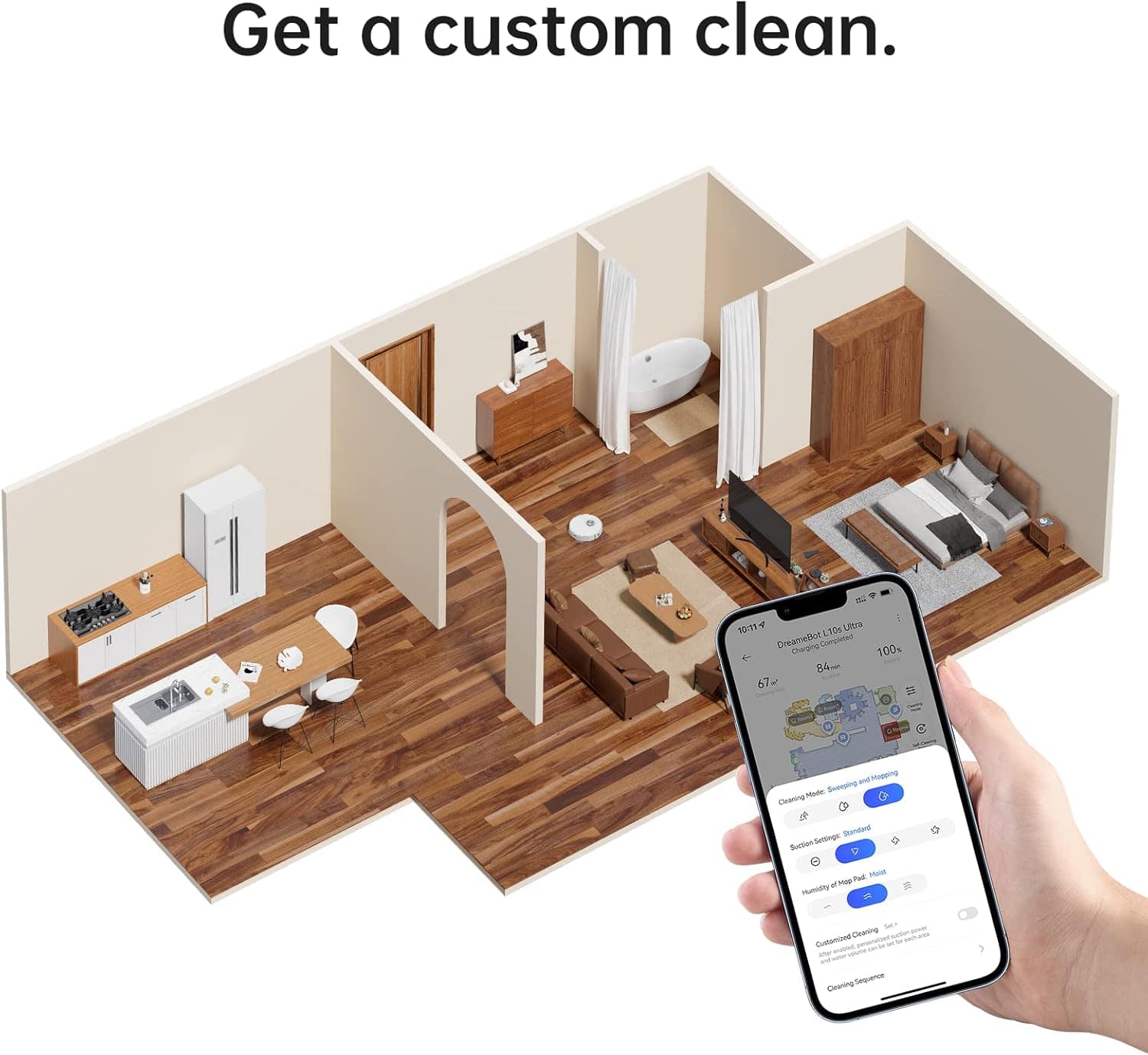
Both robots integrate with major smart home ecosystems, but they offer different capabilities beyond basic scheduling and mapping. The X40 Ultra doubles as a mobile security camera, providing live video feeds through the companion app with two-way audio communication. This transforms the robot into a roving pet monitor or security patrol when you're away from home.
The navigation systems also enable different levels of customization. The X40 Ultra's advanced object recognition allows for sophisticated cleaning rules—avoiding pet food areas during meal times, increasing suction near litter boxes, or skipping delicate rugs during certain cleaning modes.
For home theater enthusiasts, the noise characteristics become relevant. The X40 Ultra operates at approximately 70dB in maximum power mode—noticeable but not disruptive to conversation or TV viewing in adjacent rooms. The L10s Ultra shows similar noise levels but may require more frequent high-power operation to achieve comparable cleaning results, potentially creating more overall noise exposure.
At the time of writing, these models occupy different price tiers, with the X40 Ultra positioned as a premium investment and the L10s Ultra offering substantial savings while retaining many advanced features. The value equation depends heavily on your specific cleaning needs and home characteristics.
The X40 Ultra justifies its premium pricing through superior performance metrics, advanced automation, and future-proof technology. For large homes, pet owners, or users with high cleanliness standards, the performance advantages translate to meaningful daily benefits. The superior suction power alone can eliminate the need for supplemental vacuuming in most homes.
The L10s Ultra delivers approximately 70-80% of premium robot vacuum benefits at roughly 50% of the cost (at time of writing). This makes it attractive for users stepping up from basic robots or those with smaller homes where the X40 Ultra's advantages would be underutilized.
Long-term operating costs favor the X40 Ultra due to its more thorough cleaning reducing the need for additional cleaning tools and its superior base station hygiene extending component lifespan. However, both models use proprietary consumables (dust bags, filters, mop pads) that represent ongoing expenses.
Professional testing and user feedback reveal important performance characteristics that specs alone don't capture. The X40 Ultra consistently achieves what testers call "single-pass cleaning"—removing debris completely on the first attempt rather than redistributing it. This efficiency becomes particularly noticeable on high-pile carpets and in high-traffic areas.
Edge cleaning performance—how well the robots clean along walls and in corners—shows the most dramatic difference between models. The X40 Ultra's extending mop system and side brush technology achieve 92.8% edge cleaning effectiveness compared to typical performance in the 70-80% range for conventional designs like the L10s Ultra.
Pet hair pickup reveals another performance gap. The X40 Ultra handles pet hair effectively on both hard floors and carpets, while the L10s Ultra shows notable struggles with hair embedded in carpet fibers—a crucial consideration for pet-owning households.
Choose the Dreame X40 Ultra if you have a large home (over 3,000 square feet), significant carpet coverage, pets that shed, or you simply want the most capable cleaning automation available. The premium investment pays dividends in homes where cleaning challenges are substantial or where maximum automation reduces valuable time spent on household maintenance.
The X40 Ultra particularly suits households with mixed flooring types, families with young children who create diverse messes, or anyone who values having the latest cleaning technology. If you're the type of person who researches extensively before buying and prefers investing in the best available option, the X40 Ultra delivers on that promise.
Choose the Dreame L10s Ultra for medium-sized homes (under 2,500 square feet) with primarily hard flooring, where budget considerations are important, or where you want to experience premium robot vacuum automation without maximum complexity. It's ideal for apartments, condos, or homes where maintenance cleaning—rather than deep cleaning—meets your needs.
The L10s Ultra works well for first-time robot vacuum buyers who want to test advanced automation features, households with straightforward floor plans, or users who don't mind occasionally supplementing robot cleaning with traditional methods for carpeted areas.
These robots represent different approaches to the same goal: comprehensive home cleaning automation. The X40 Ultra pushes technological boundaries to deliver maximum performance and convenience, while the L10s Ultra provides accessible entry into premium automation with solid everyday performance.
Your choice ultimately depends on whether your home's cleaning challenges and your personal preferences align better with maximum capability or optimal value. Both represent significant advances over previous generations of robot vacuums, but they serve distinctly different segments of users who prioritize different aspects of automated cleaning.
The rapid pace of development in robot vacuum technology means today's premium features often become tomorrow's standard offerings. However, the fundamental performance advantages of superior suction power, advanced navigation, and comprehensive automation tend to remain relevant regardless of future technological developments. Choose based on your current needs, but consider which approach to automated cleaning will continue serving you well as your expectations evolve.
| Dreame X40 Ultra | Dreame L10s Ultra |
|---|---|
| Suction Power - Most important for carpet cleaning and pet hair removal | |
| 12,000Pa (industry-leading, handles embedded debris) | 5,300Pa (adequate for hard floors, struggles on carpet) |
| Navigation System - Determines cleaning reliability and obstacle avoidance | |
| LiDAR + RGB camera + 3D structured light + LED (recognizes 120+ objects) | LiDAR + RGB camera + structured light (basic obstacle detection) |
| Edge Cleaning Technology - Critical for thorough wall and corner cleaning | |
| MopExtend RoboSwing 3.0 with extending mop pads | Conventional fixed mop pads |
| Base Station Automation - Affects how hands-free the system really is | |
| Hot water washing (158°F), hot air drying, auto-solution dispensing, optional plumbing | Basic mop washing with warm air drying |
| Battery Life & Coverage - Determines if it can clean your whole home in one session | |
| Up to 194 minutes tested runtime, covers 4,000+ sq ft | Up to 180 minutes, covers ~3,000 sq ft |
| Dirt Detection Intelligence - Whether it automatically focuses on problem areas | |
| OmniDirt Detection with automatic re-cleaning of stained areas | Manual cleaning modes only |
| Debris Pickup Performance - Based on professional testing results | |
| 97.2% overall pickup, 95.8% on high-pile carpet | Strong on hard floors, poor carpet pet hair pickup |
| Smart Home Features - Additional capabilities beyond cleaning | |
| Mobile security camera, two-way audio, pet monitoring | Basic app control and scheduling |
| Obstacle Avoidance Reliability - How often it gets stuck or needs rescue | |
| Near-perfect avoidance scores in professional testing | Good performance but occasional struggles with small objects |
| Mop Pad Hygiene System - Prevents odors and bacterial growth | |
| Hot water + hot air drying prevents mildew completely | Warm air drying reduces but doesn't eliminate odor risk |
| Release Year - Indicates technology generation and future support | |
| 2024 (latest navigation and cleaning technology) | 2023 (proven but less advanced systems) |
The Dreame X40 Ultra delivers significantly more suction power at 12,000Pa compared to the Dreame L10s Ultra's 5,300Pa. This means the X40 Ultra is more than twice as powerful, making it much better at deep cleaning carpets, removing pet hair, and picking up embedded debris that the L10s Ultra might leave behind.
The Dreame X40 Ultra achieves 97.2% debris pickup in professional testing with excellent performance on all floor types, while the Dreame L10s Ultra performs well on hard floors but struggles significantly with carpet cleaning and pet hair removal. The X40 Ultra also features intelligent dirt detection that automatically re-cleans problem areas.
The Dreame X40 Ultra uses advanced multi-sensor navigation with LiDAR, RGB cameras, 3D structured light, and LED sensors to recognize over 120 object types. The L10s Ultra has basic LiDAR navigation with camera support but lacks the comprehensive object recognition, making the X40 Ultra much more reliable at avoiding obstacles and getting stuck.
The Dreame X40 Ultra is significantly better for pet owners due to its powerful 12,000Pa suction that effectively removes pet hair from carpets, advanced obstacle avoidance that can detect and avoid pet waste, and mobile camera features for pet monitoring. The L10s Ultra struggles particularly with pet hair pickup on carpeted surfaces.
The Dreame X40 Ultra features MopExtend technology where mop pads extend outward to clean edges and corners, plus OmniDirt detection for automatic stain treatment. The L10s Ultra has conventional fixed mop pads that can't reach wall edges effectively. Both models lift mops when detecting carpet, but the X40 Ultra provides more thorough mopping coverage.
The Dreame X40 Ultra offers a fully automated base station with hot water mop washing at 158°F, hot air drying, automatic cleaning solution dispensing, and optional plumbing connections. The L10s Ultra provides basic automation with mop washing and warm air drying, but requires more manual maintenance and doesn't prevent odors as effectively as the X40 Ultra.
The Dreame X40 Ultra can cover over 4,000 square feet per charge with up to 194 minutes of runtime, while the L10s Ultra covers approximately 3,000 square feet with 180 minutes of battery life. The X40 Ultra also cleans faster, completing about 1,000 square feet in 34 minutes.
The Dreame X40 Ultra is excellent for large homes over 3,000 square feet due to its extended battery life, faster cleaning speed, and powerful suction that ensures thorough cleaning in one pass. The L10s Ultra works better for medium-sized homes under 2,500 square feet, particularly those with mostly hard flooring.
Both the Dreame X40 Ultra and L10s Ultra operate at approximately 70dB in maximum power mode, which is noticeable but won't disrupt conversation or TV viewing in adjacent rooms. The X40 Ultra may actually create less overall noise because its superior suction often requires fewer cleaning passes.
The Dreame X40 Ultra provides more advanced smart features including mobile security camera functionality, two-way audio communication, live video streaming for pet monitoring, and comprehensive app customization. The L10s Ultra offers basic smart home connectivity with scheduling and mapping but lacks the advanced surveillance and monitoring features of the X40 Ultra.
The Dreame X40 Ultra excels at edge cleaning with its MopExtend RoboSwing 3.0 technology that physically extends mop pads outward to reach wall edges and corners, achieving 92.8% edge cleaning effectiveness. The L10s Ultra uses conventional fixed cleaning systems that typically achieve 70-80% edge cleaning performance, missing areas that round robots can't physically reach.
The Dreame X40 Ultra provides better long-term value for demanding cleaning situations due to its superior performance eliminating the need for supplemental vacuuming, advanced base station hygiene extending component life, and future-proof technology. The L10s Ultra offers better upfront value for users with simpler cleaning needs, providing many premium features at a lower cost, making it ideal for maintenance cleaning in smaller homes with primarily hard flooring.
We've done our best to create useful and informative comparisons to help you decide what product to buy. Our research uses advanced automated methods to create this comparison and perfection is not possible - please contact us for corrections or questions. These are the sites we've researched in the creation of this article: vacuumwars.com - vacuumwars.com - techradar.com - techgearlab.com - moderncastle.com - youtube.com - youtube.com - youtube.com - walmart.com - versus.com - youtube.com - youtube.com - robotobzor.com - aboutclean.com - dreame.sg - youtube.com - youtube.com - dreametech.com - dreametech.com - dreametech.com - versus.com - techradar.com - youtube.com - bikmantech.com - rtings.com - vacuumwars.com - youtube.com - techradar.com - dreametech.com - youtube.com - youtube.com - dreametech.com - versus.com - moderncastle.com - aboutclean.com - youtube.com - vacuumwars.com - rtings.com - youtube.com - dreametech.com - dreametech.com - youtube.com - youtube.com - ebay.com - in.dreametech.com - bestbuy.com - manuals.plus - dreametech.com - dreamestore.co.uk

Privacy Policy
Terms and Conditions - Affiliate Policy
Home Security
© Copyright 2008-2026.
11816 Inwood Rd #1211, Dallas, TX 75244