

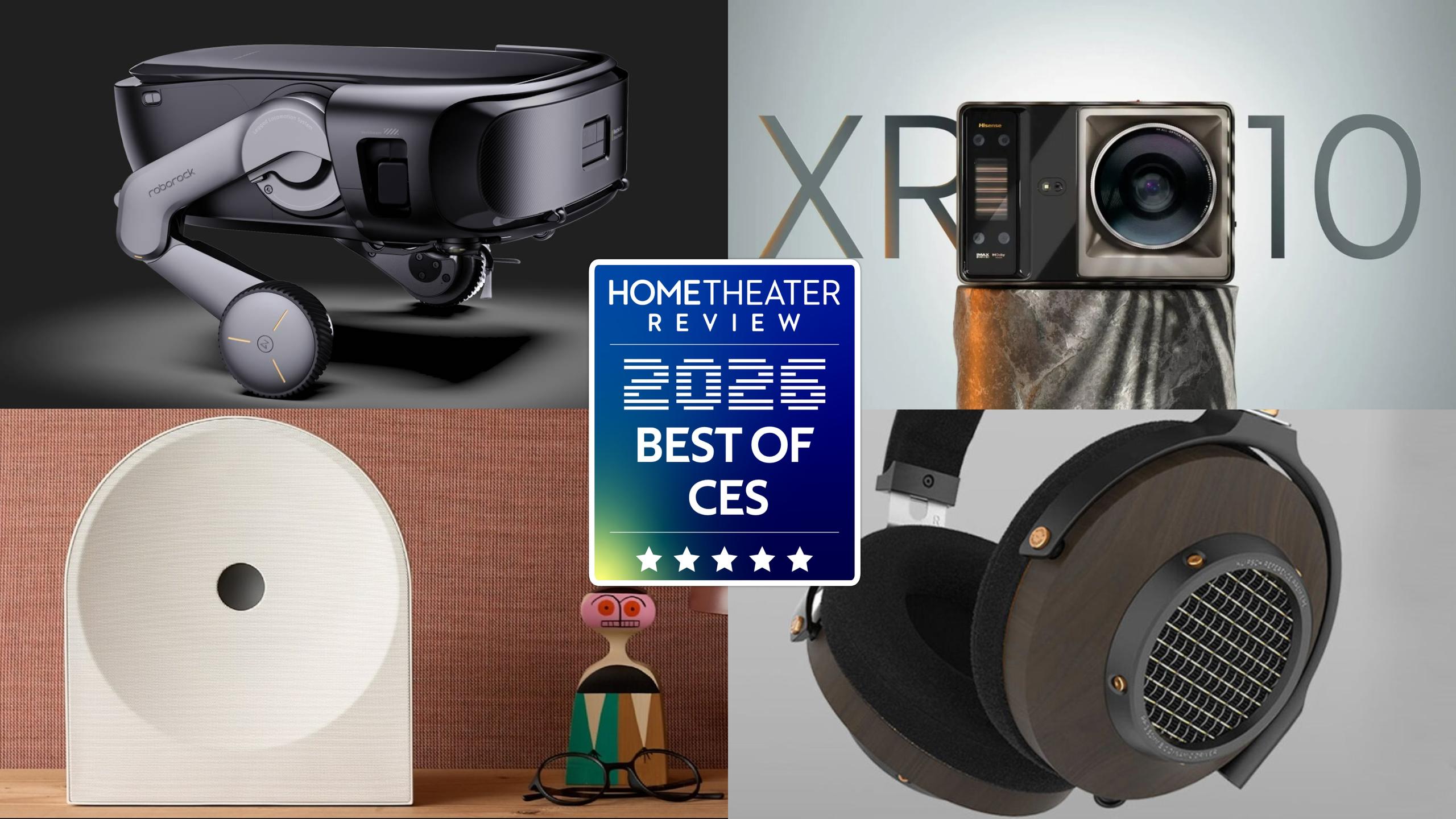
CES is always a weird mix of the practical and the completely unhinged. You’ll see genuinely useful upgrades, better displays, smarter audio, more thoughtful interfaces, right next to prototypes that feel like they escaped a sci-fi writer’s room. This year, our goal at HomeTheaterReview was simple: cut through the noise and focus on the products that actually moved the needle for home entertainment and everyday tech.
A “Best of CES” list can’t just be a popularity contest. It has to reflect what we saw in person, what made sense when explained by the engineers and product teams, and what felt like it would matter once the trade-show lighting is gone and these devices land in real homes. Some of our winners are bold, flagship flexes. Others are “finally, someone did it right” products that solve a real problem with less drama than usual.
Below are our Best of CES 2026 award winners across TVs, projectors, soundbars and speakers, headphones, and smart gadgets. For each one, we’re keeping it straightforward: what it is, what it does, and why it earned our award.
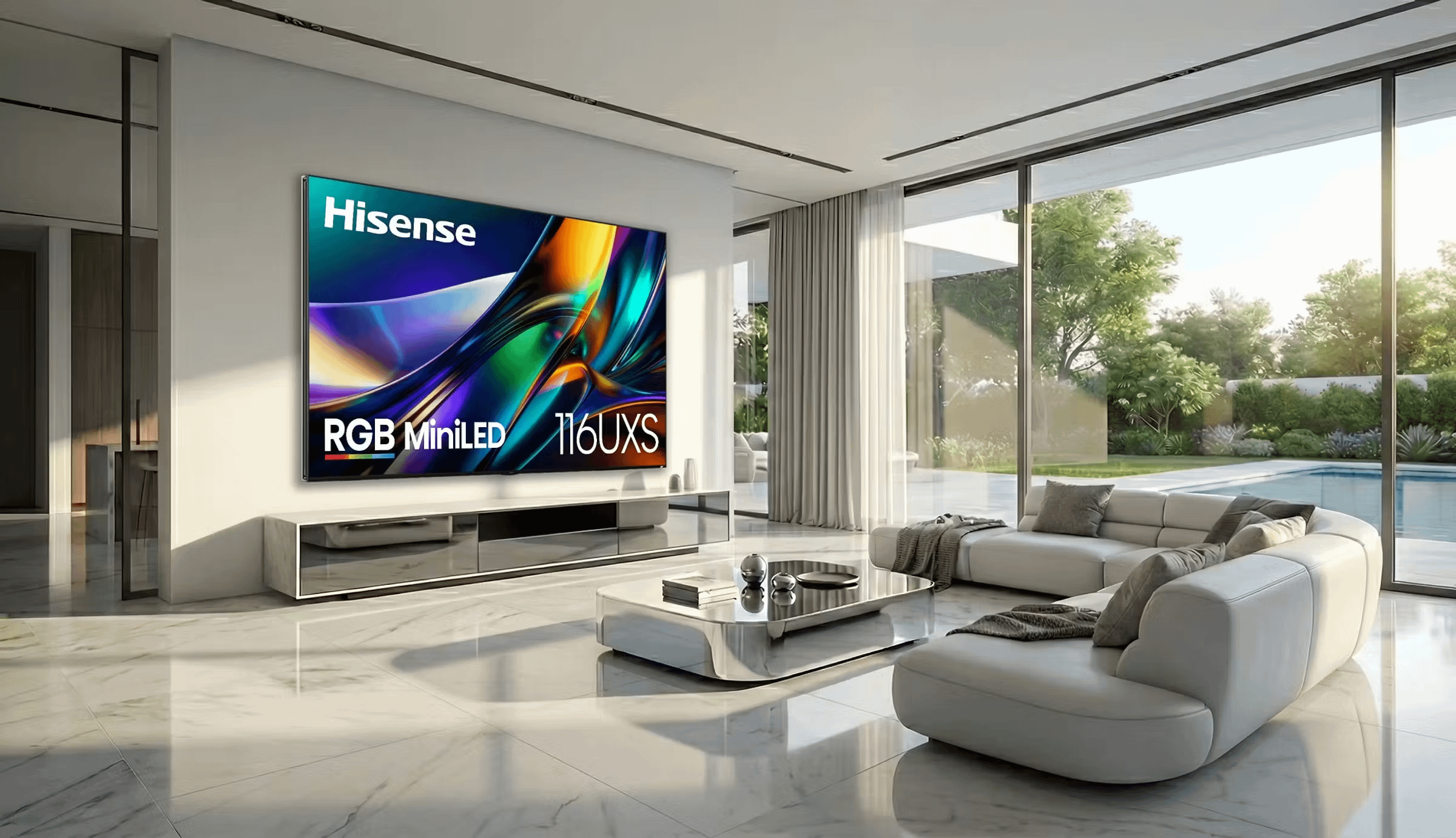
When you stand in front of a 116-inch TV, your brain does that quick recalibration thing where it stops thinking “television” and starts thinking “wall.” That’s exactly the experience Hisense was going for with its RGB Mini-LED 116UXS, an unapologetically massive set that’s meant to deliver that front-row wow factor without requiring a dedicated projector setup.
What makes it especially interesting is the RGB Mini-LED backlight approach, which uses red, green, blue, and now a fourth color, cyan LEDs (instead of a white/blue backlight with color filters) to improve color performance and efficiency. Hisense also talks up high peak brightness and a dense local-dimming system for HDR punch, which is exactly what a screen this big needs to avoid looking flat. Read more.
Why we gave it our Best of CES award: It’s one of the clearest “big-screen future” statements we saw—huge, bright, and built around a display technology direction that could reshape premium LCD.
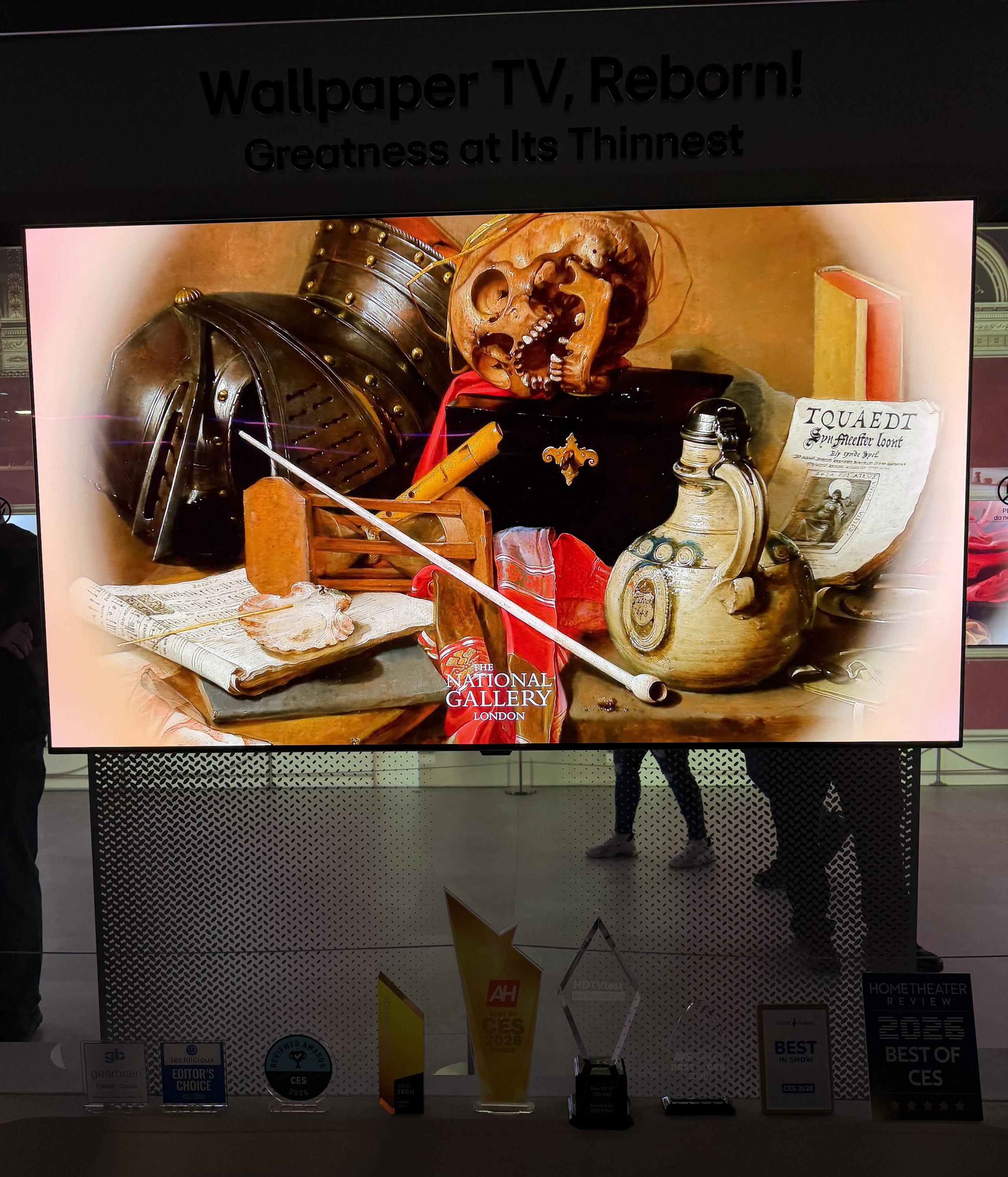
LG’s Signature OLED W6 continues the brand’s “wallpaper” TV tradition by taking ultra-thin design to new heights: the panel is so slender and flush-mount friendly that it almost disappears into the wall, giving visuals more presence and less tech clutter in your living space.
At CES, LG highlighted how the W6 blends this minimalist design with smart enhancements like a cleaner wireless setup and refined picture processing that aims for stronger brightness and color performance while keeping that iconic OLED contrast. The result is a display that feels both sophisticated and effortless in real-world rooms. Read more.
Why we gave it our Best of CES award: It’s one of the most refined expressions of the wallpaper TV concept yet, beautiful to look at in any space, with the kind of picture quality and thoughtful design cues that make it feel worthwhile, not just impressive.
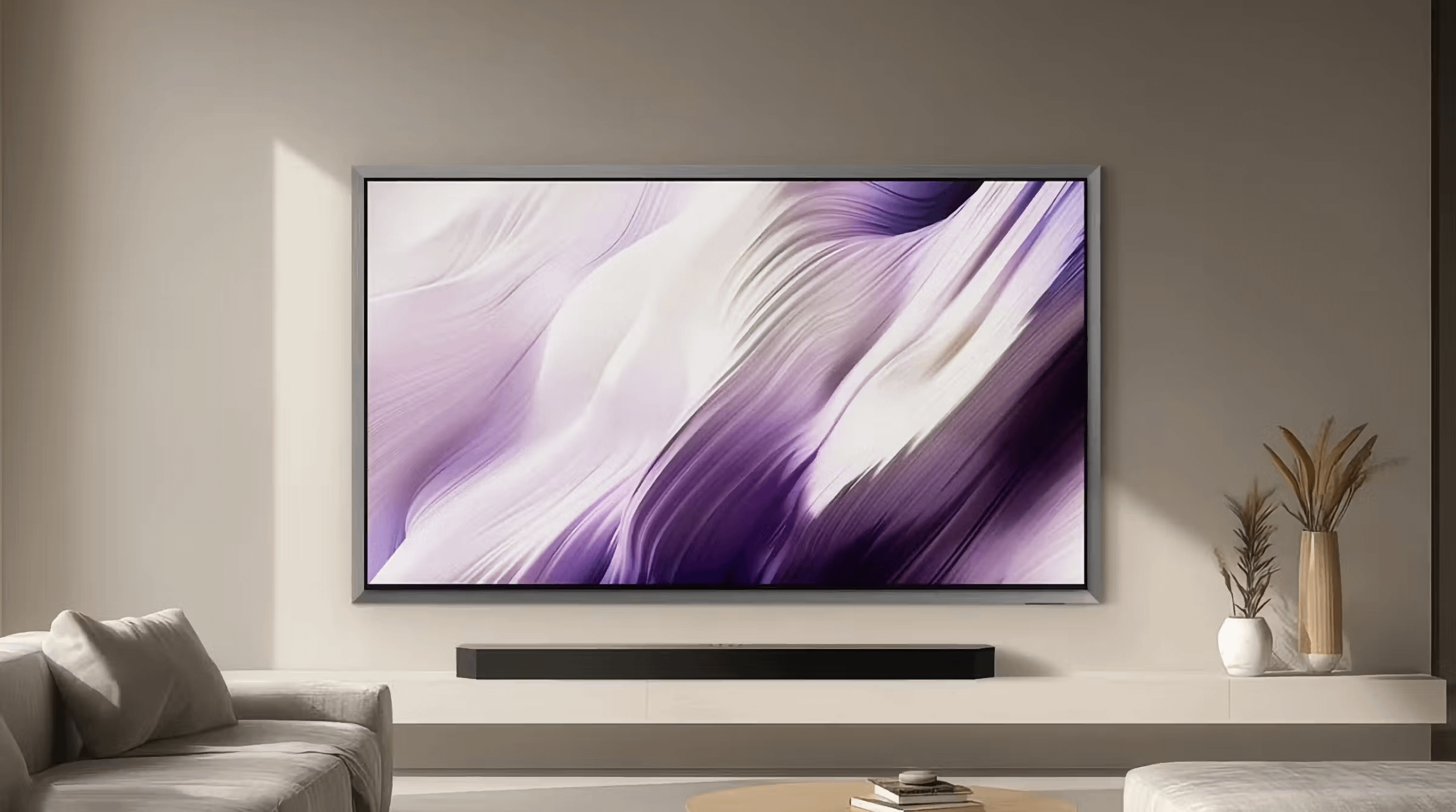
Samsung’s OLED story has been getting sharper every year, and the S95H felt like the company tightening the bolts: better performance, more polish, and a clearer pitch for why this is the OLED you buy when you want both cinematic punch and gaming chops. It’s positioned as a premium QD-OLED flagship, and Samsung is leaning into both image processing and panel-level improvements.
On the practical side, the S95H continues Samsung’s focus on anti-glare viewing (a big deal for normal bright rooms), high refresh rate gaming support, and a “make it easy to live with” approach to smart features. It’s the kind of TV that’s trying to win on the boring stuff too, motion handling, reflections, and real-world usability, because that’s what separates a showroom star from a daily driver. Read more.
Why we gave it our Best of CES award: It’s one of the most complete OLED packages we saw, serious picture tech, serious gaming features, and the kind of refinements you actually notice at home.
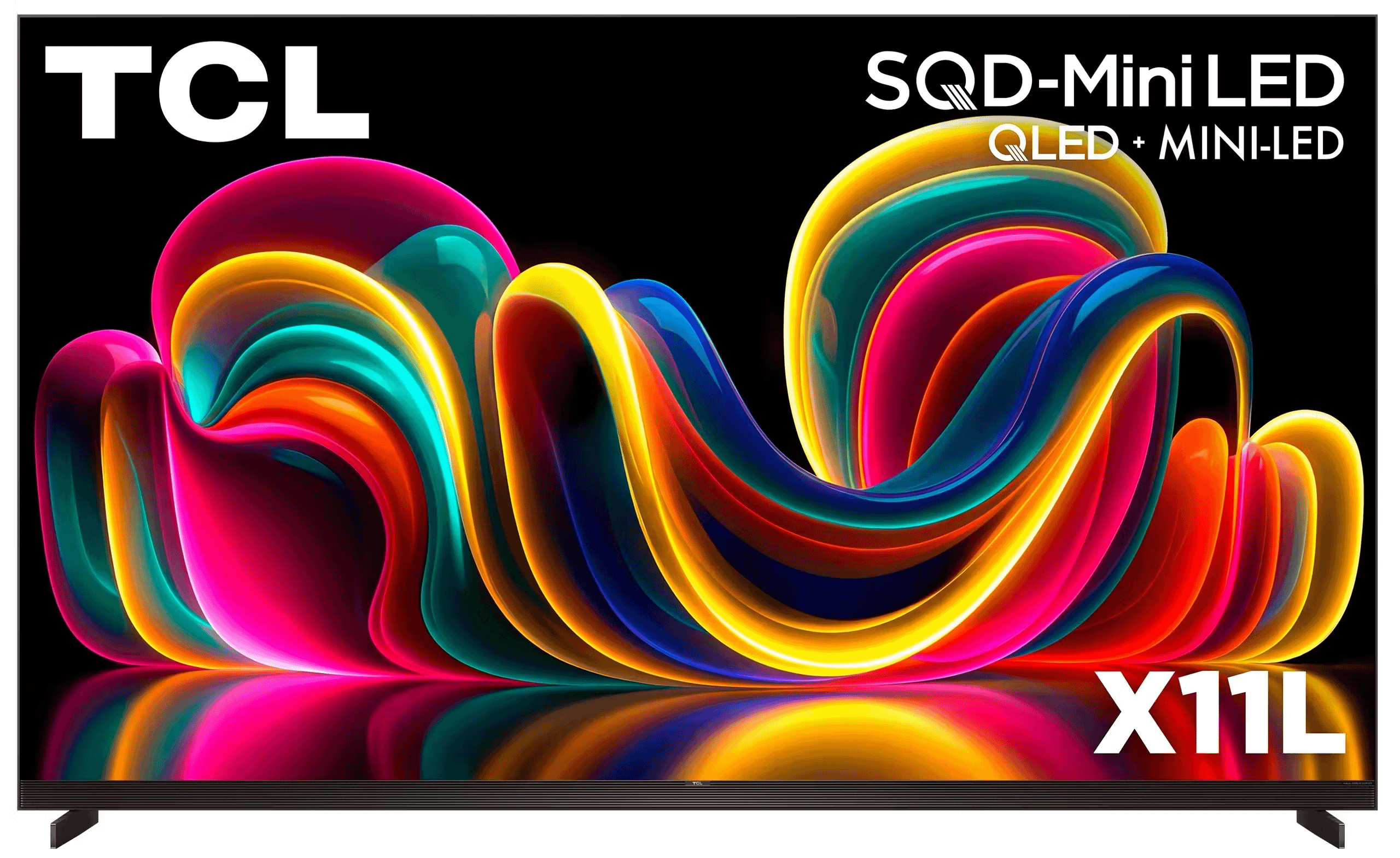
TTCL came to CES 2026 clearly intent on proving it can play at the very top of the TV market, and the X11L Series was its strongest statement yet. Built around TCL’s new SQD (Super Quantum Dot) Mini-LED approach, the X11L is designed to go head-to-head with OLED and QD-OLED by leaning into what high-end LCD still does best: extreme brightness, tight local dimming, and punchy HDR that holds up in real-world rooms.
TCL claims peak brightness up to 10,000 nits with roughly 20,000 local dimming zones, along with improved color performance aimed at full BT.2020 coverage. In person, the combination delivered eye-searing highlights without washing out darker scenes, even under harsh show-floor lighting. Add a slim design, HDMI 2.1 support with 144Hz gaming, and upgraded audio tuning, and this clearly sits at the top of TCL’s lineup. Read more.
Why we gave it our Best of CES award: It was one of the most convincing Mini-LED demos at CES—bright, controlled, and bold enough to make OLED loyalists stop and look.
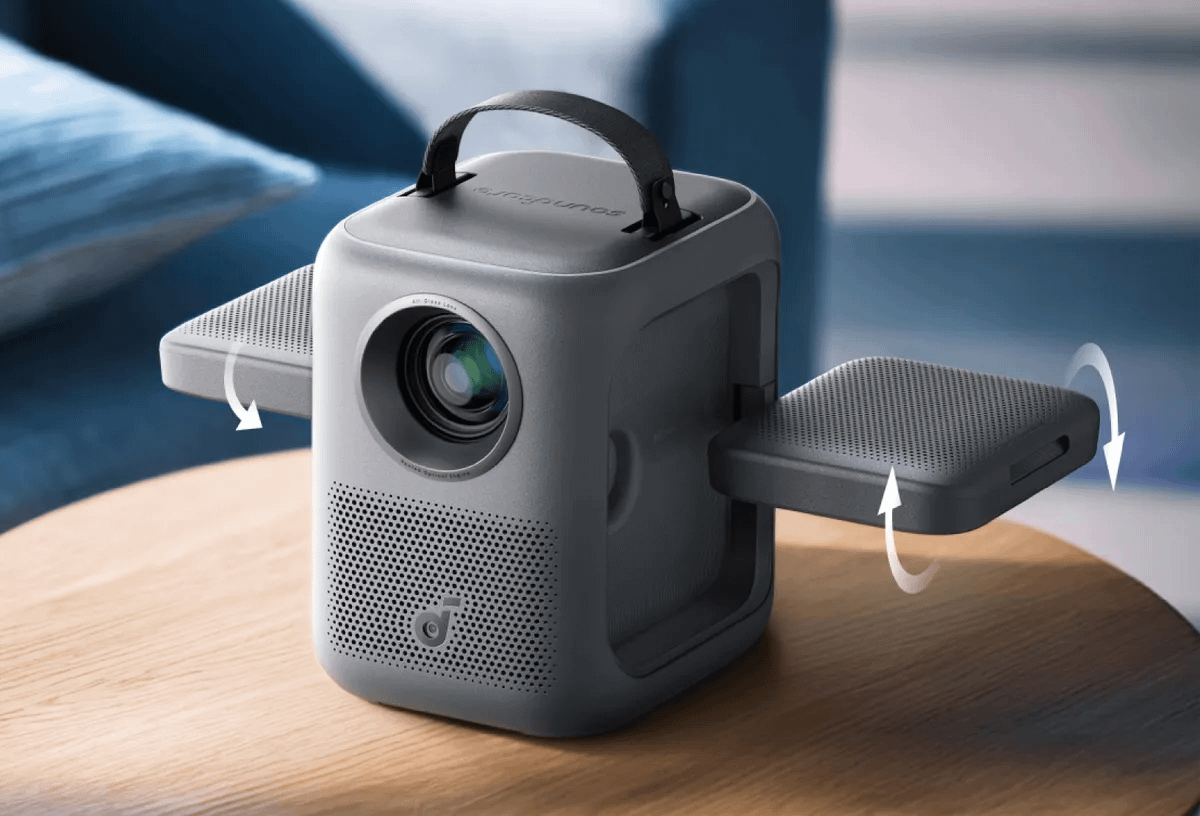
Portable projectors are usually a game of compromises: size versus brightness, convenience versus real image quality, “smart” features versus laggy interfaces. The Nebula P1i stood out because it’s clearly designed for people who want a projector they’ll actually use—something that sets up fast, runs the apps you expect, and doesn’t feel like a science project every time you move it.
Anker’s Nebula line tends to focus on the everyday experience: quick alignment, friendly controls, and a form factor that makes sense in a living room or bedroom. The P1i fits that vibe—more “grab it and watch something” than “measure throw distance and recalibrate.”
Why we gave it our Best of CES award: It nails the point of a portable projector—simple, practical, and designed for real use instead of spec-sheet bragging.
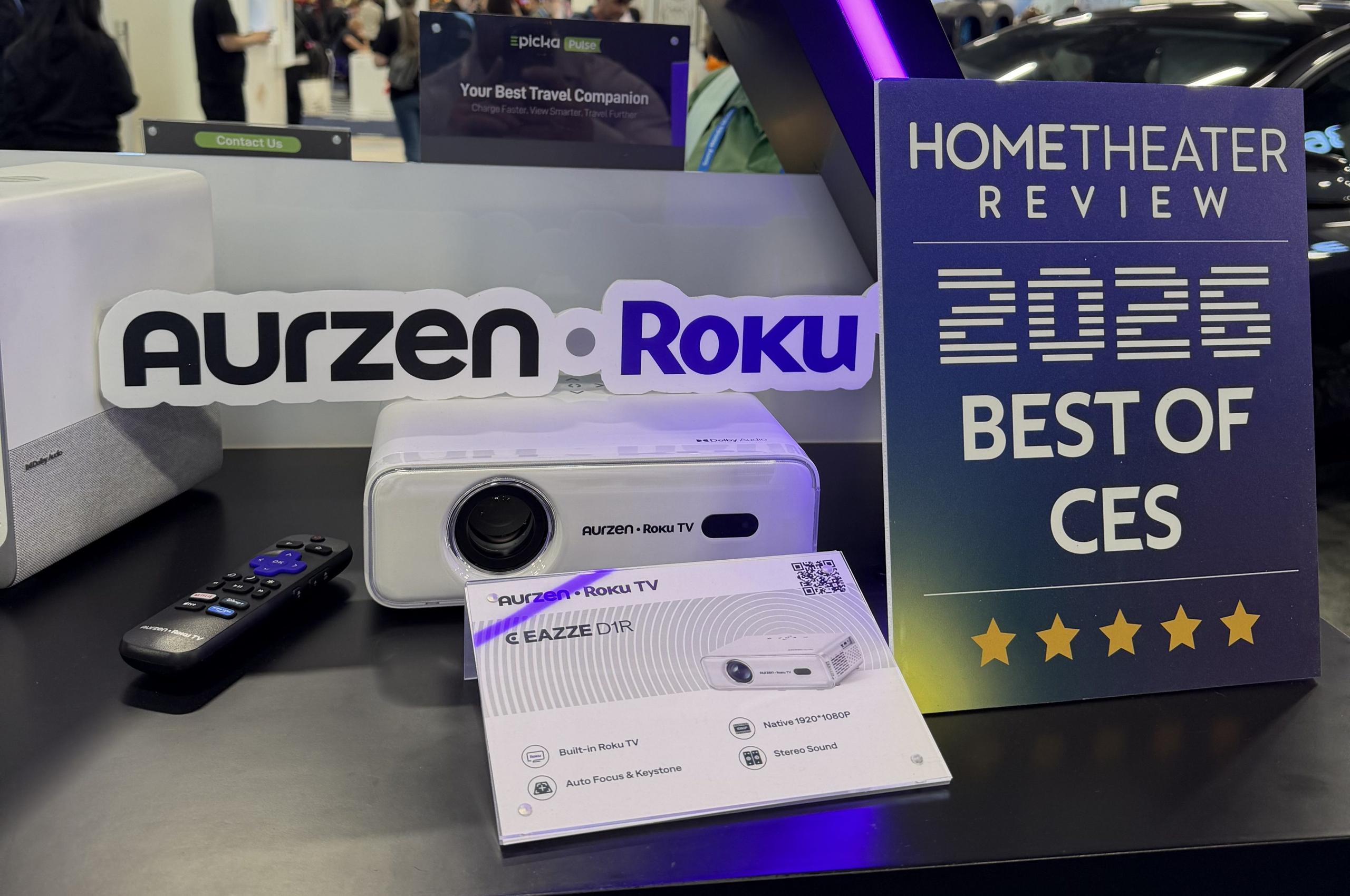
The easiest way to make a projector better is sometimes not about optics, it’s about the interface. Aurzen’s EAZZE D1R grabbed our attention by baking Roku TV directly into the experience, which matters because streaming is the main event for most people. If your projector makes streaming annoying, it won’t get used.
With the Roku platform onboard, the pitch becomes very straightforward: set it down, connect to Wi-Fi, sign in, and you’re watching. That kind of “TV-like” simplicity is exactly what projectors need if they want to move beyond hobbyists and into normal households.
Why we gave it our Best of CES award: Roku integration turns this into a projector you can recommend to non-projector people, and that’s the whole game.
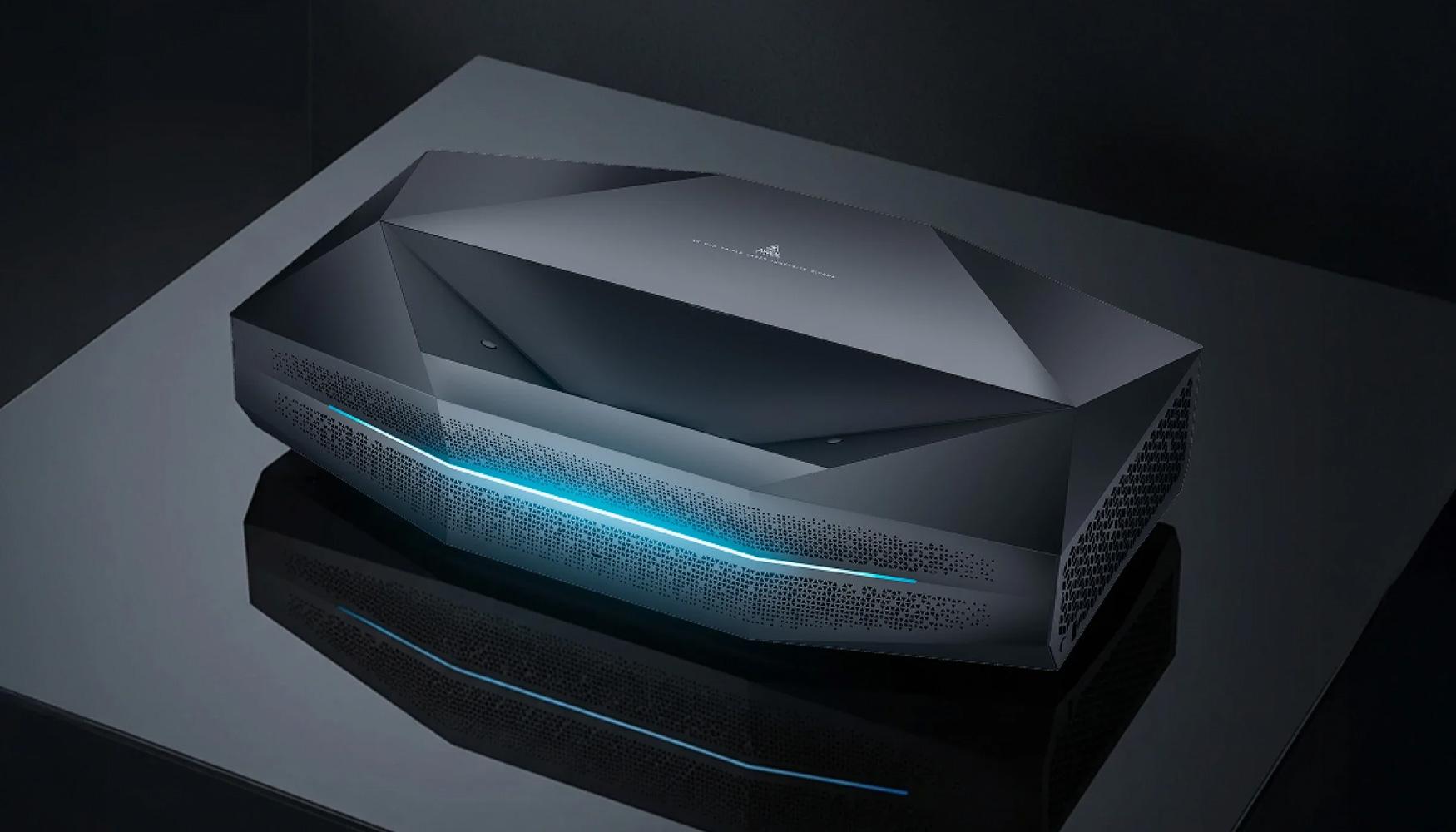
AWOL Vision has been pushing hard into the “serious lifestyle laser projector” category, and the Aetherion Max felt like its most ambitious swing yet. The goal here is big-screen cinema energy—high brightness, strong color, premium HDR support, without turning your room into a dedicated theater build.
What stood out to us was the sense of intent: this isn’t a casual portable projector. It’s aimed at people who want a true centerpiece display, but who also want the modern conveniences—smart integration, clean setup options, and an image that still holds up in real-world lighting. Read more.
Why we gave it our Best of CES award: It delivered one of the most “this could replace a giant TV” projector moments we saw at CES.
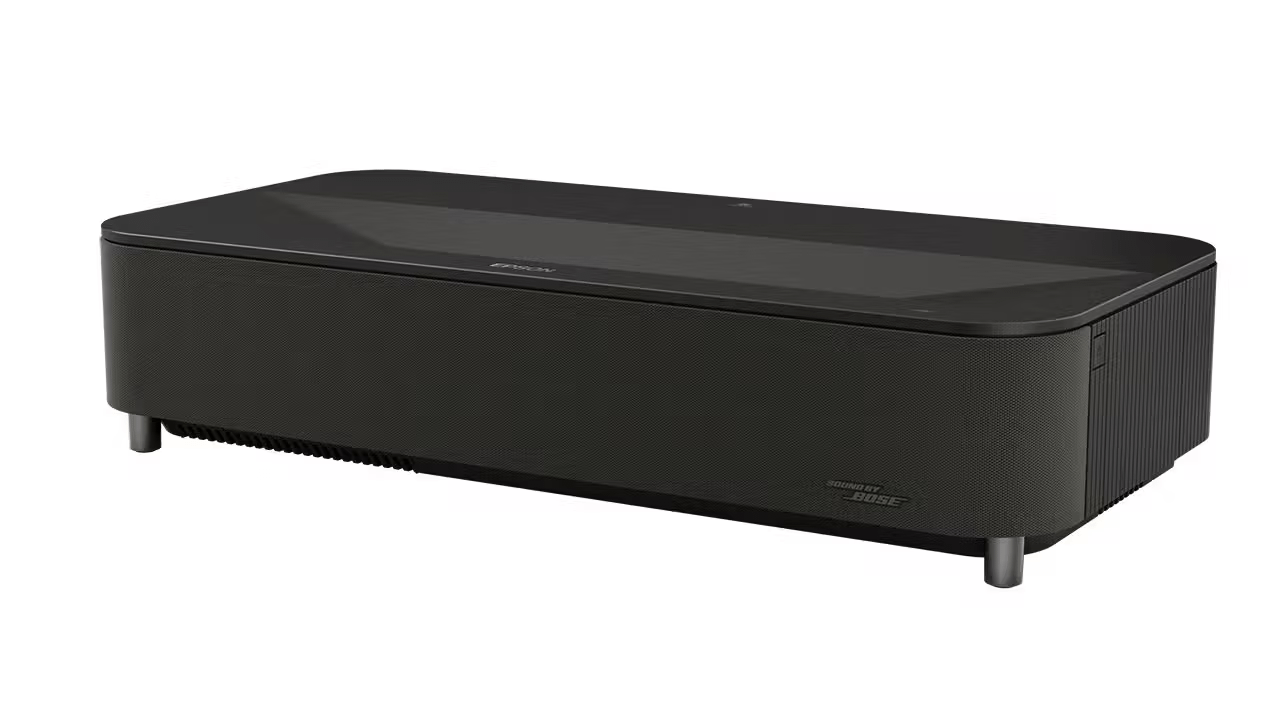
Epson came to CES talking about something projector fans care about a lot: real detail. The Lifestudio Grand EH-LS970 is positioned as an ultra-short-throw laser projector with a focus on delivering a full 4K image (not just marketing math), while also keeping the convenience benefits that make UST attractive in the first place.
Epson’s broader UST pitch is familiar but still valid: a huge screen without ceiling mounts, long runs, or rearranging your room. The EH-LS970 adds a more premium angle, higher-end performance claims, modern gaming-friendly capabilities, and Epson’s 3LCD heritage that tends to appeal to people sensitive to color and motion artifacts. Read more.
Why we gave it our Best of CES award: It’s one of the most “serious home cinema” USTs we saw, built to be an actual TV alternative, not a novelty.
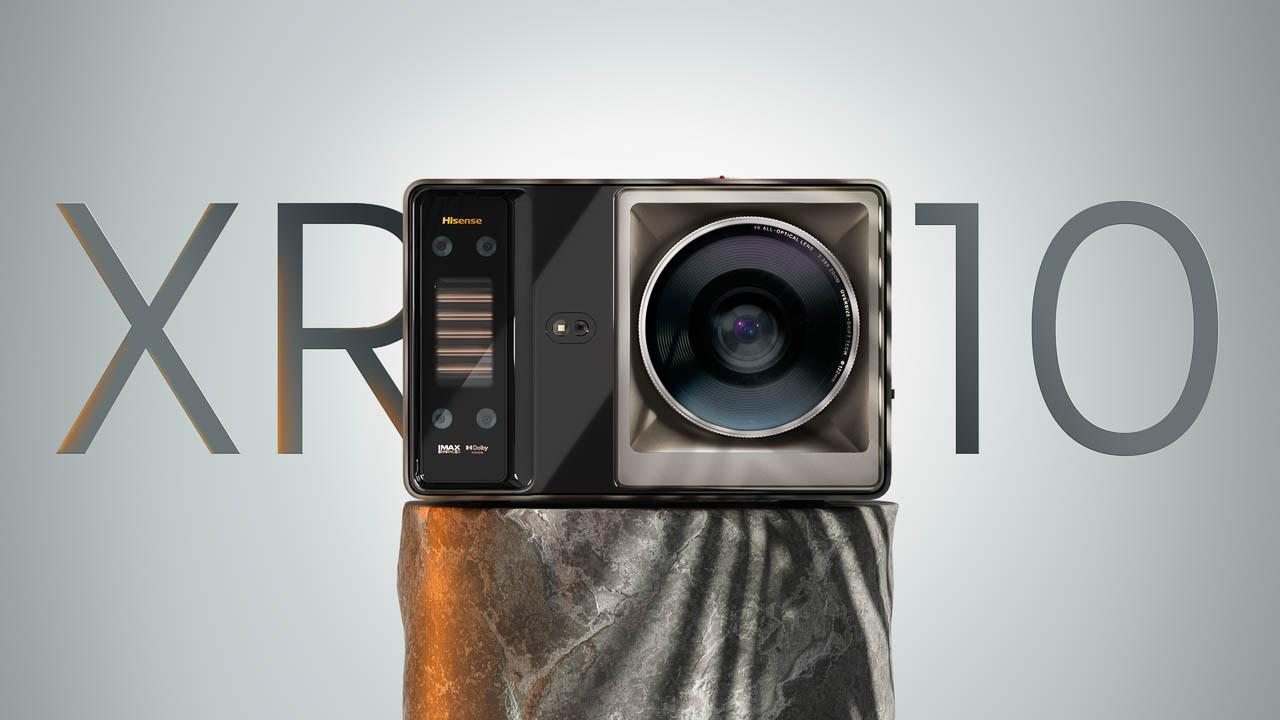
Hisense has been steadily expanding its projection lineup, and the XR10 stood out as a clear “next step” model, something designed to feel more premium, more integrated, and more like a real living-room display solution rather than a specialist device.
What we liked most is the direction: Hisense is treating projection like part of a broader home theater ecosystem, with design, usability, and modern HDR expectations baked in. If you’re the kind of person who wants a big screen but doesn’t want the full theater construction project, this is exactly the type of product that makes that choice easier. Read more.
Why we gave it our Best of CES award: It’s a strong example of projection getting more mainstream—cleaner, simpler, and more premium-feeling without being intimidating.
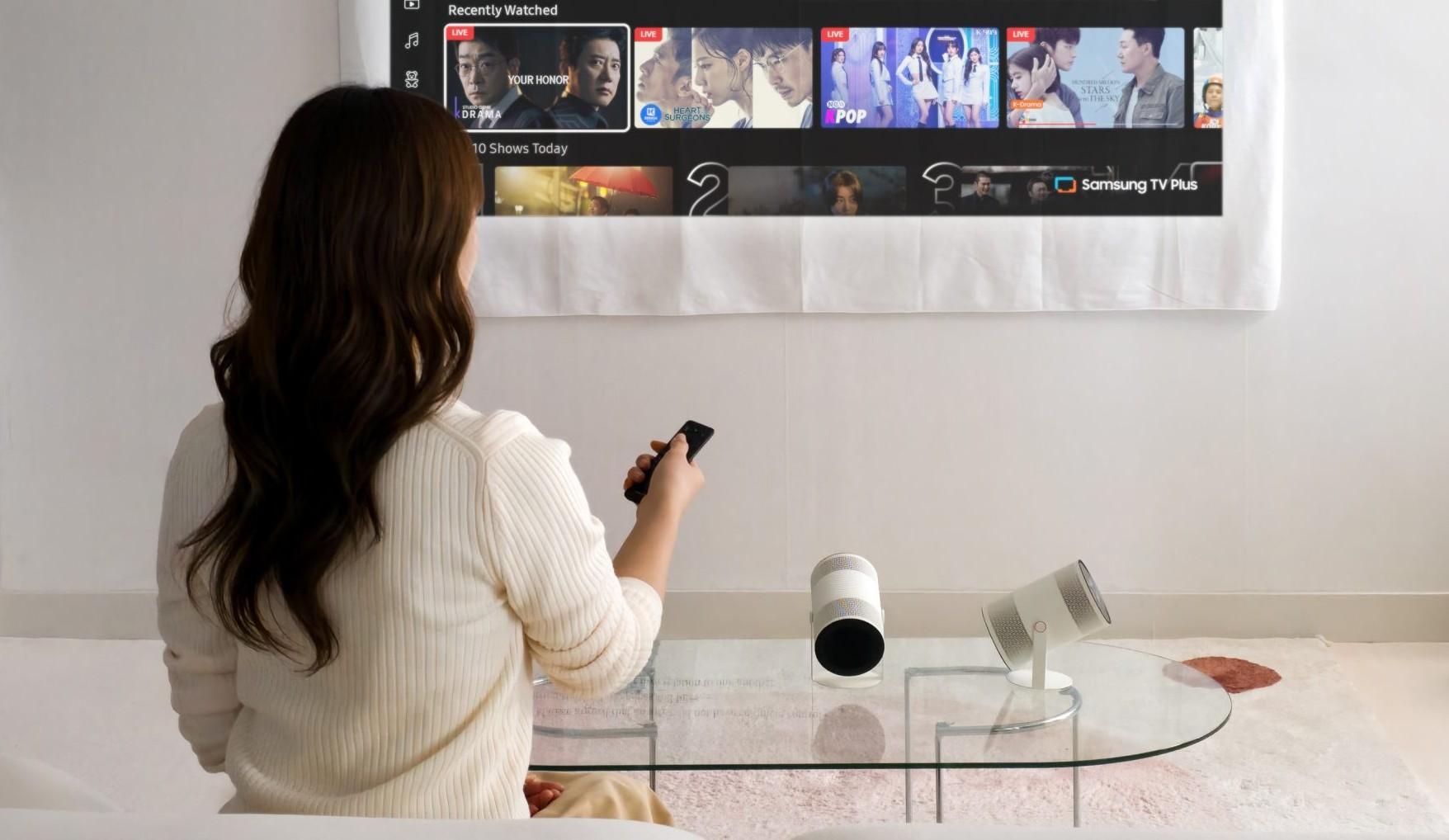
The Freestyle line has always been about one thing: making projection casual. The Freestyle+ continues that vibe, small, flexible, easy to move, and designed to work in spaces where a “real projector” would be overkill. Samsung’s approach is less “home theater purist” and more “put a big image anywhere and let people have fun.”
What helps Samsung here is its ecosystem: the smart platform experience is familiar to anyone who’s used Samsung TVs, and the product philosophy is friendly. It’s for dorm rooms, bedrooms, travel, and apartments, places where the best projector is the one you’ll actually set up instead of leaving in a closet. Read more.
Why we gave it our Best of CES award: It keeps pushing projection toward “normal-person easy,” and that’s still one of the most important projector trends happening.
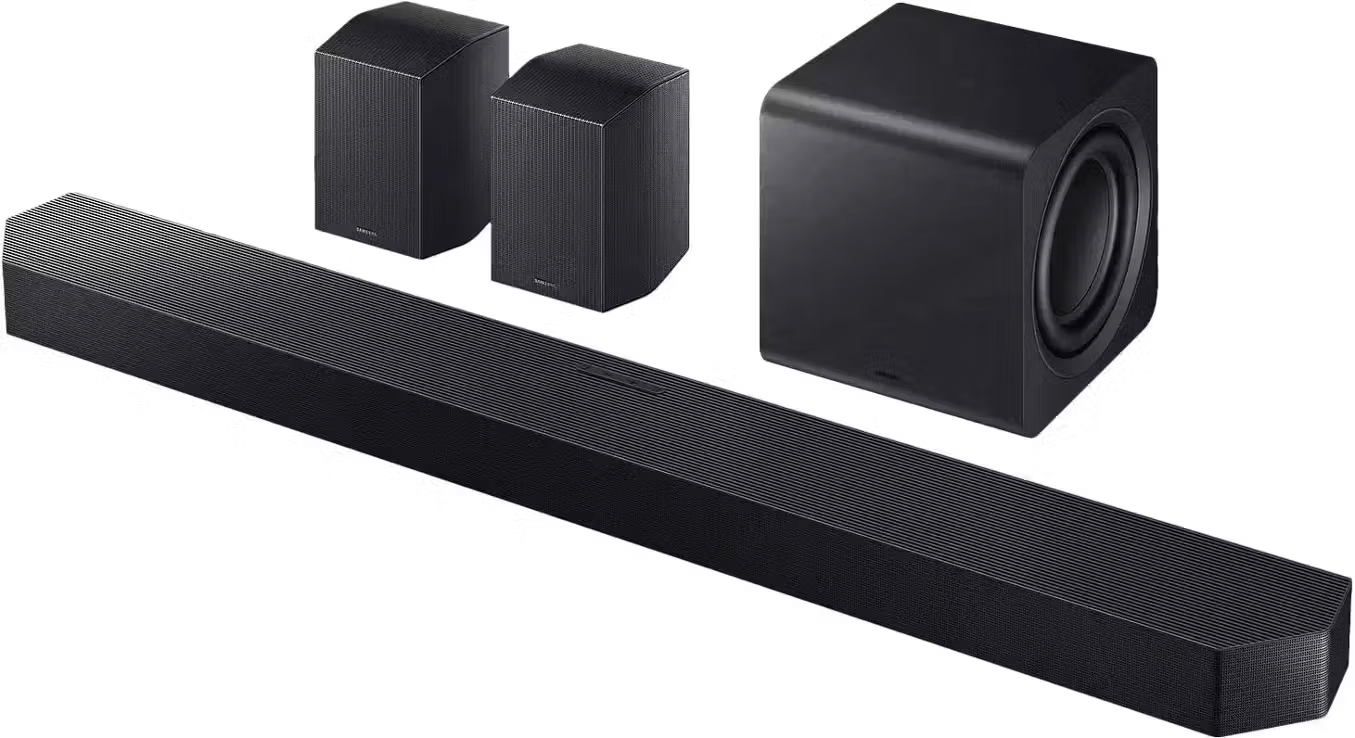
Soundbars are having a bit of an identity crisis: some people want full surround complexity, and others want one clean bar that still sounds huge. The HW-QS90H is Samsung aiming squarely at the second group, an all-in-one Dolby Atmos soundbar designed to deliver big bass and immersive audio without requiring a separate subwoofer.
Samsung says the HW-QS90H uses a 7.1.2-channel layout with 13 drivers and a built-in “Quad Bass Woofer” system, plus a Convertible Fit design that works on a tabletop or wall mount. A gyro sensor adjusts channel behavior depending on how it’s positioned, exactly the kind of practical engineering that can make a soundbar feel smarter instead of just louder. Read more.
Why we gave it our Best of CES award: It’s an unusually thoughtful all-in-one Atmos design—built for real living rooms, not just spec-sheet dominance.
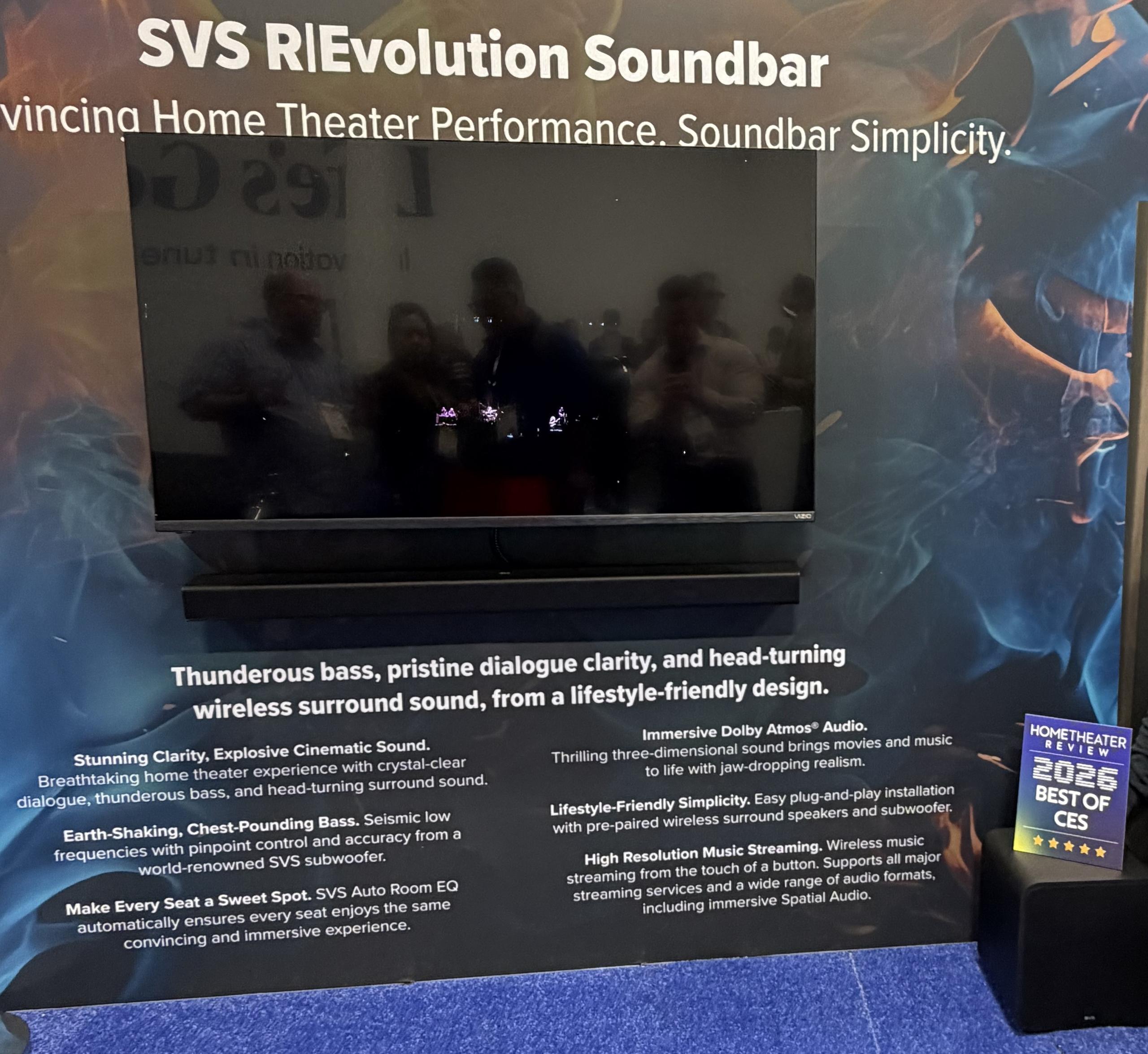
SVS entering the Atmos soundbar space is a “pay attention” moment, because this is a brand with real credibility among home theater fans. The company’s approach at CES felt less like chasing a trend and more like applying its core strengths, dynamics, impact, and scalable systems to a soundbar format.
SVS described a system built around serious drivers and expansion options, including wireless subwoofer pairing and the ability to add surrounds for a bigger setup. In other words: start simple, grow later. That’s exactly what a lot of people want: good sound today and a path to better sound tomorrow without replacing everything. Read more.
Why we gave it our Best of CES award: It’s the rare soundbar that felt like it was designed by home theater people, and it gives buyers a real upgrade path.
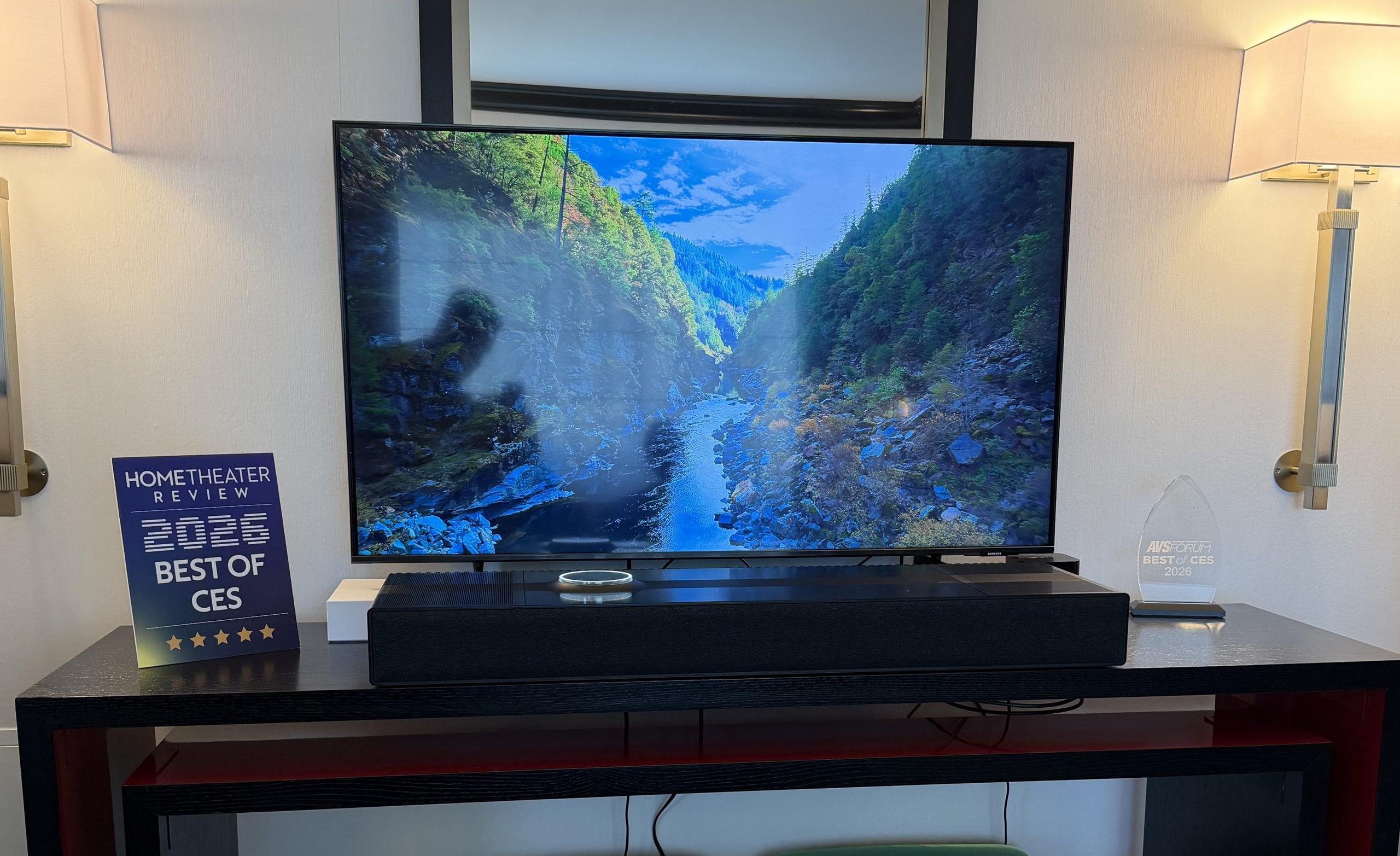
The Mu-so Hekla is basically Focal saying: “What if a premium, design-forward single-box system could still do real cinematic immersion?” It’s positioned as a high-end Atmos-capable option that blends Focal speaker know-how with Naim’s streaming platform DNA, very much a “luxury soundbar” concept, but with serious audio intent behind it.
Focal’s messaging highlights an immersive driver layout and a strong focus on room-filling sound without external speakers. It’s not pretending to be a cheap solution—pricing and positioning make that clear—but for the right buyer, it’s a clean way to get premium design and a big, modern movie experience without building a full surround system. Read more.
Why we gave it our Best of CES award: It’s one of the most compelling “no-speaker-wires” cinematic systems we saw, premium in both sound ambitions and design execution.
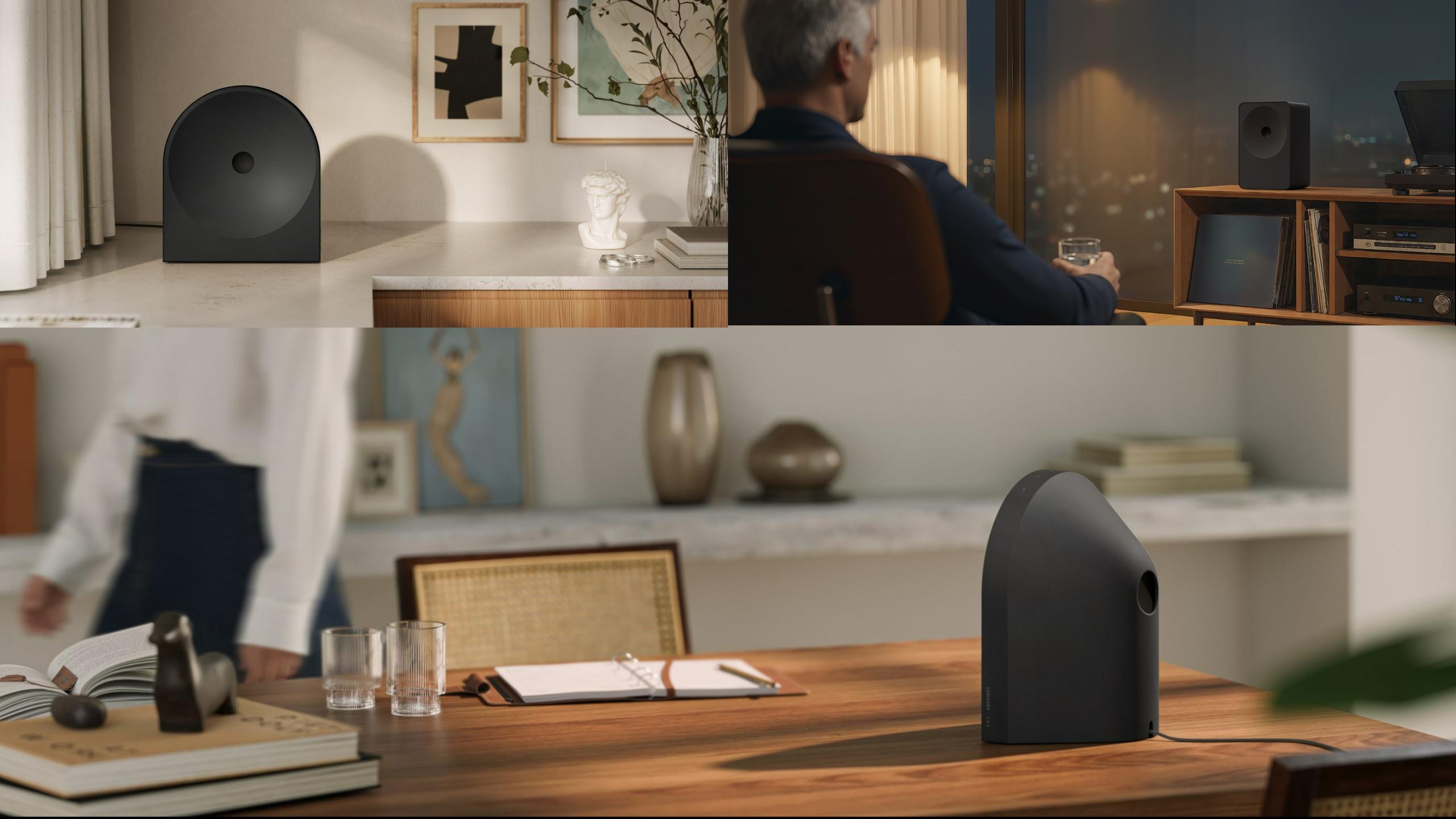
Samsung’s Music Studio 7 is what happens when a company that already dominates TV decides it wants your whole living room vibe too. It’s a Wi-Fi speaker designed to look like modern art (literally—Samsung worked with designer Erwan Bouroullec) while still aiming for room-filling sound and ecosystem integration.
The Studio 7 is positioned as a 3.1.1-channel speaker with hi-res support up to 24-bit/96kHz, plus Samsung’s Q-Symphony compatibility for pairing with Samsung TVs. The design isn’t just decorative; it’s part of the product’s reason for existing—something you leave out, not hide. Read more.
Why we gave it our Best of CES award: It’s a rare “looks like décor, works like real audio gear” product—and it shows Samsung taking music seriously beyond soundbars.
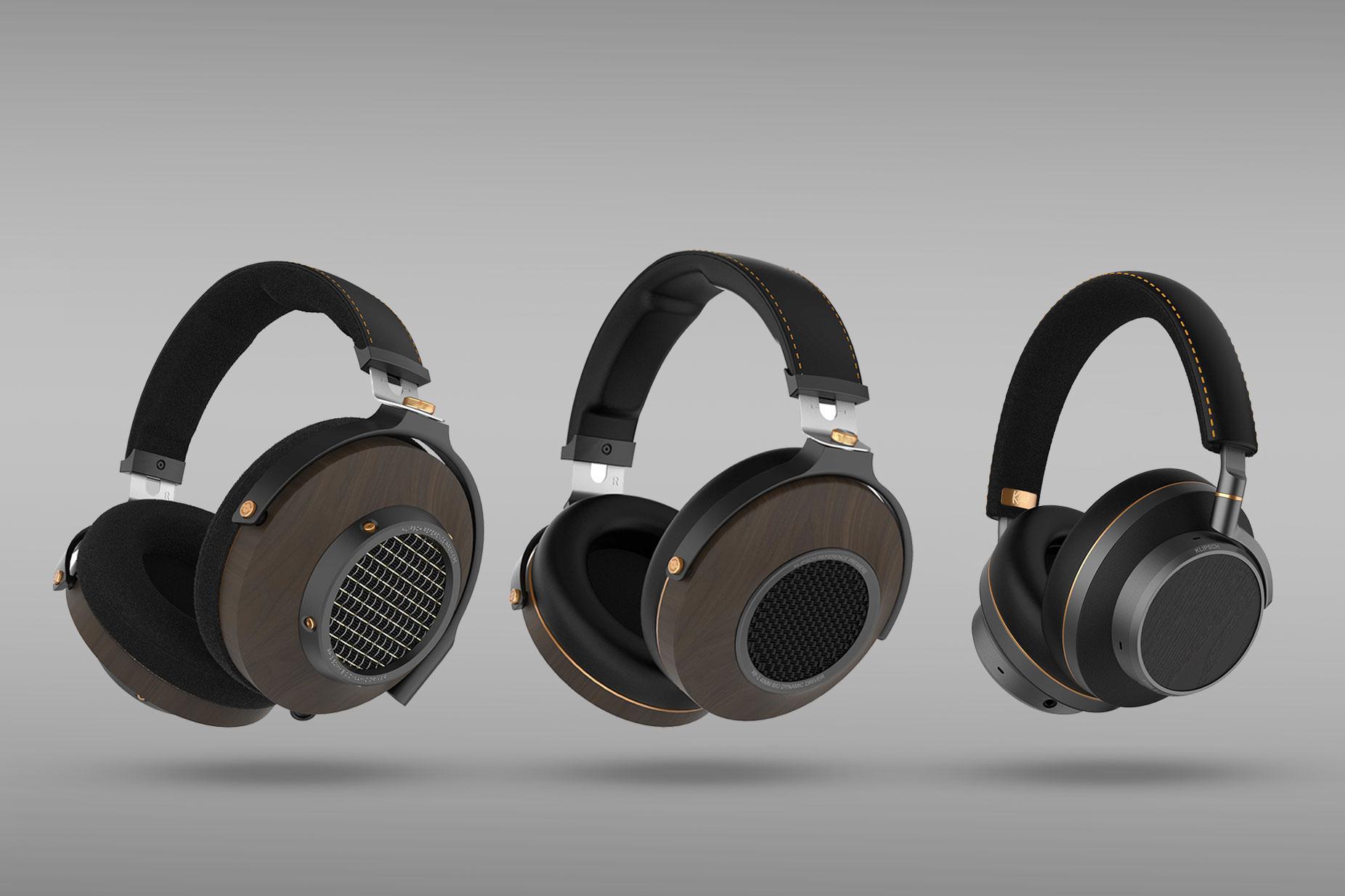
Klipsch returning to high-end headphones in a serious way matters because this is a company with a strong sonic identity, and it sounds like it wants that identity represented in personal audio again. The Atlas Series is being teased as a premium family with multiple models aimed at different listeners, with U.S. availability expected in Summer 2026.
What we liked at CES is that Klipsch wasn’t shy about positioning Atlas as “next era” for the brand, built around modern expectations like comfort, features, and (depending on model) ANC and spatial audio plans. It’s early, but the intent is clear: Klipsch wants to be back in the headphone conversation in a real way, not just as an accessory brand. Read more.
Why we gave it our Best of CES award: It’s a credible, ambitious return from a legendary speaker company—and the lineup approach suggests Klipsch is thinking long-term, not one-off hype.
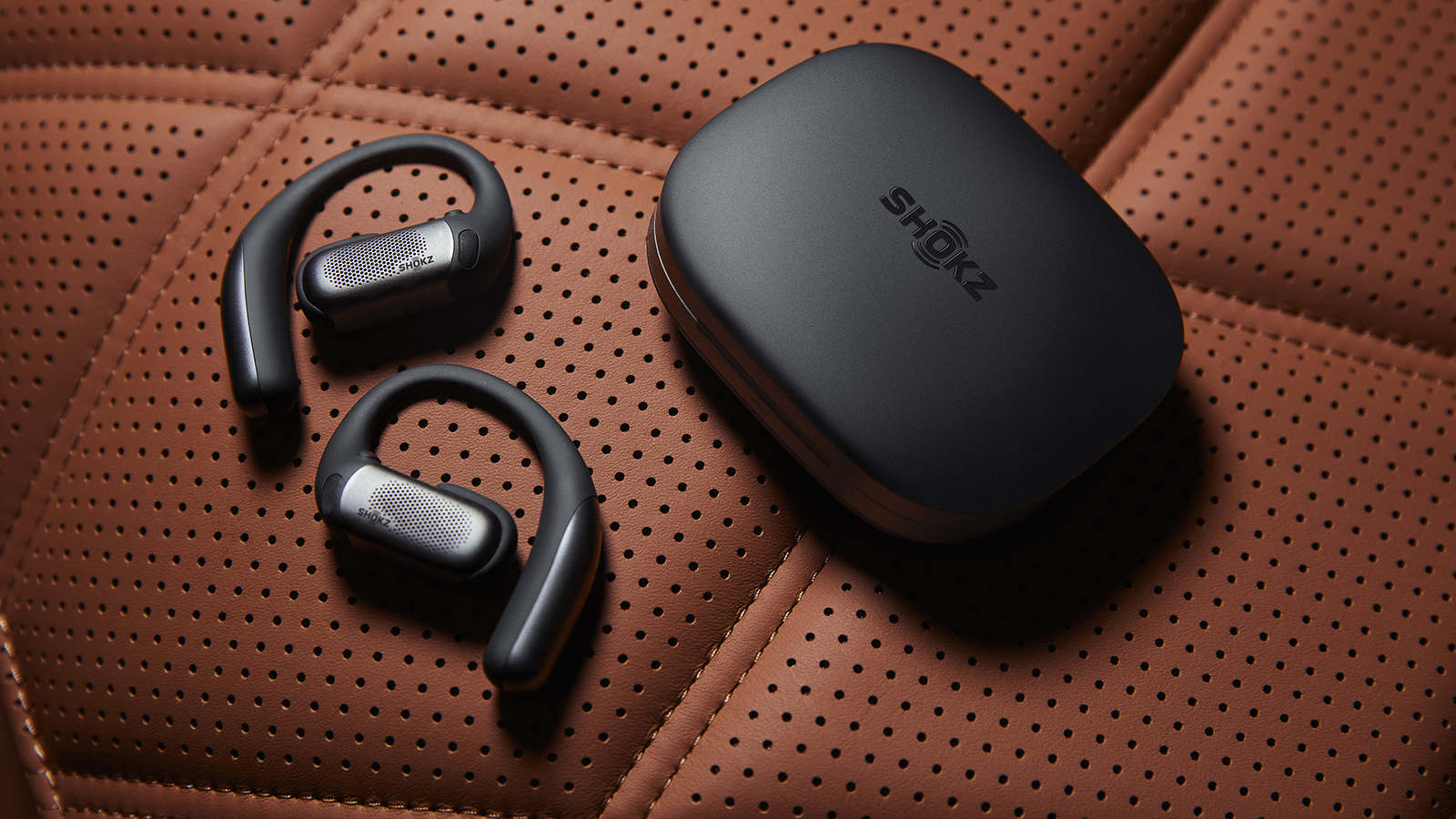
Open-ear earbuds are usually about awareness and comfort, not isolation. The OpenFit Pro is interesting because Shokz is trying to blur that line by introducing “open-ear noise reduction” concepts—basically giving you some relief from environmental noise without sealing your ears shut.
In real-world terms, the OpenFit Pro is pitched as a flagship model with long battery life (including a big total with the case), plus water/dust resistance and the kind of fit that’s meant to stay put during workouts. Reviews and hands-on coverage highlight that the noise reduction isn’t the same as classic ANC, but it’s a notable shift for the open-ear category.
Why we gave it our Best of CES award: It’s one of the first open-ear products that seriously addresses the “sometimes I want awareness, sometimes I want less chaos” reality.
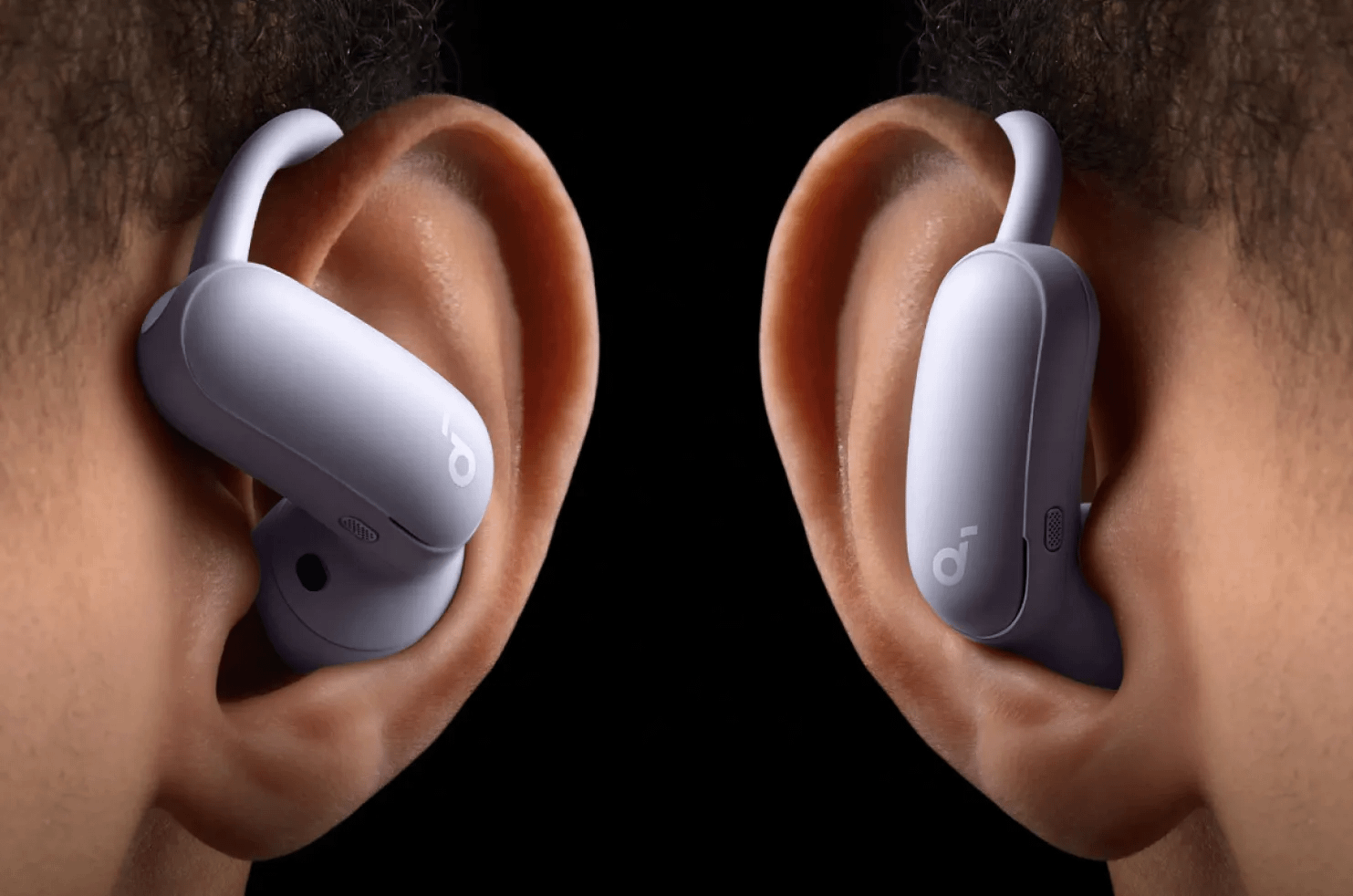
Soundcore has been steadily iterating on open-ear comfort, and the AeroFit 2 Pro direction is about making that style more wearable for more people, better adjustability, friendlier ergonomics, and features that keep it from feeling like a niche sports accessory.
What we saw at CES reinforced the big theme in open-ear audio right now: people want comfort and awareness, but they don’t want “thin” sound anymore. Soundcore keeps pushing driver tuning and fit customization, and that matters because fit is half of perceived sound quality with open designs.
Why we gave it our Best of CES award: It’s a practical evolution of open-ear earbuds, focused on comfort and everyday use, not just being a weird tech fashion statement.
The Fraimic Smart Canvas is the kind of CES product that makes you laugh… and then makes you think. It’s a framed E-Ink “art” display designed to look like wall décor, but it’s also interactive: Fraimic’s pitch is that you can generate or change what’s displayed using voice prompts, giving you a living, evolving piece of wall art.
The practical appeal is that E-Ink is naturally glare-resistant and extremely power efficient, which makes it better suited to “always on the wall” than a typical LCD panel. Fraimic is also talking about multiple sizes and preorder pricing, which suggests it’s trying to move beyond concept and into real product territory.
Why we gave it our Best of CES award: It’s one of the most interesting “tech as home décor” ideas we saw, and E-Ink is exactly the right display tech for it.
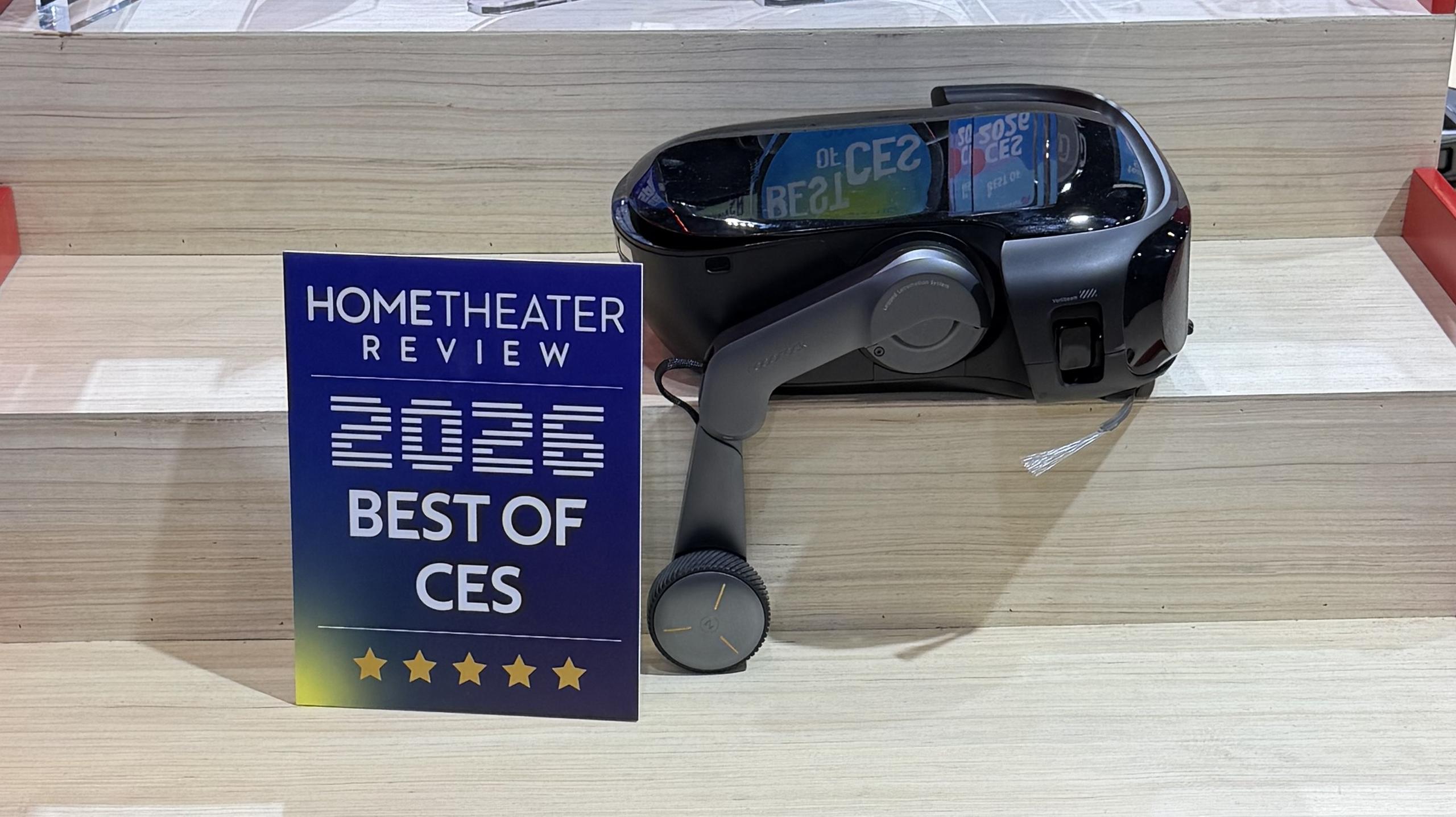
Robot vacuums have gotten smarter, but they’ve mostly been stuck on the same basic limitation: stairs. The Saros Rover is Roborock’s big attempt to break that wall with a wheel-leg architecture designed to climb steps and clean across multi-level spaces, something that’s been “future tech” for a long time.
The key detail is that this is being shown as a prototype concept, not a guaranteed near-term retail product. Still, the fact that Roborock is demoing a stair-capable design, and talking about handling different staircase types, signals where robot cleaning is headed: less babysitting, more autonomy, fewer “well, it can’t do that” moments.
Why we gave it our Best of CES award: It attacked one of the last big “robot vacuum can’t” problems in a way that felt genuinely engineered, not just theoretical.
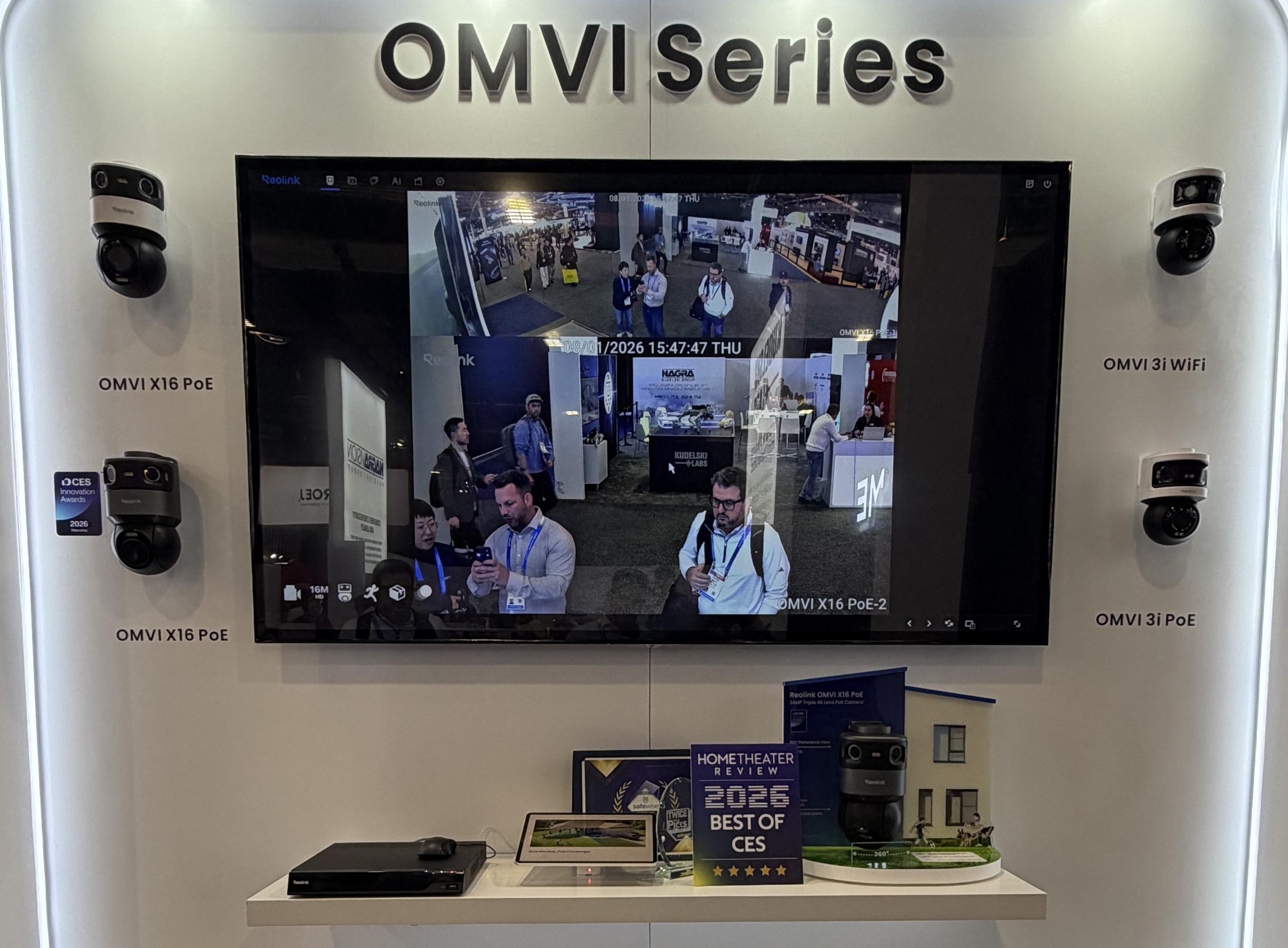
Security cameras are everywhere now, so the bar for “interesting” is high. Reolink’s OMVI X16 PoE stood out because it’s a flagship-style multi-lens approach: a high-resolution system that combines panoramic coverage with a PTZ lens in one weather-rated unit, basically aiming to cover more area with fewer separate cameras.
Reolink also framed this around AI and local-system thinking, pairing new cameras with an AI box concept and PoE reliability for people who prefer wired stability over Wi-Fi roulette. If you’ve ever dealt with a flaky wireless cam at the exact moment you needed footage, you already understand the appeal.
Why we gave it our Best of CES award: It’s a smart, scalable “serious home security” concept, built around coverage efficiency and PoE practicality.

Smart glasses are finally moving beyond “tech demo” territory and into something that feels like a real product category, and TCL’s RayNeo Air 4 Pro was one of the clearest examples of that shift at CES. The pitch is refreshingly straightforward: Micro-OLED displays, HDR10 support, and a price positioned to challenge the idea that wearable screens have to be expensive or niche.
What stood out in demos was how focused the RayNeo Air 4 Pro feels. With a high refresh rate, strong contrast, and an emphasis on comfort and immediacy, these glasses are built squarely for entertainment, watching movies, streaming shows, or gaming on a virtual big screen, without pulling you into a bulky mixed-reality ecosystem.
Why we gave it our Best of CES award: It delivered one of the most convincing “big screen you can wear” experiences at the show, without the premium pricing or complexity that usually holds this category back.
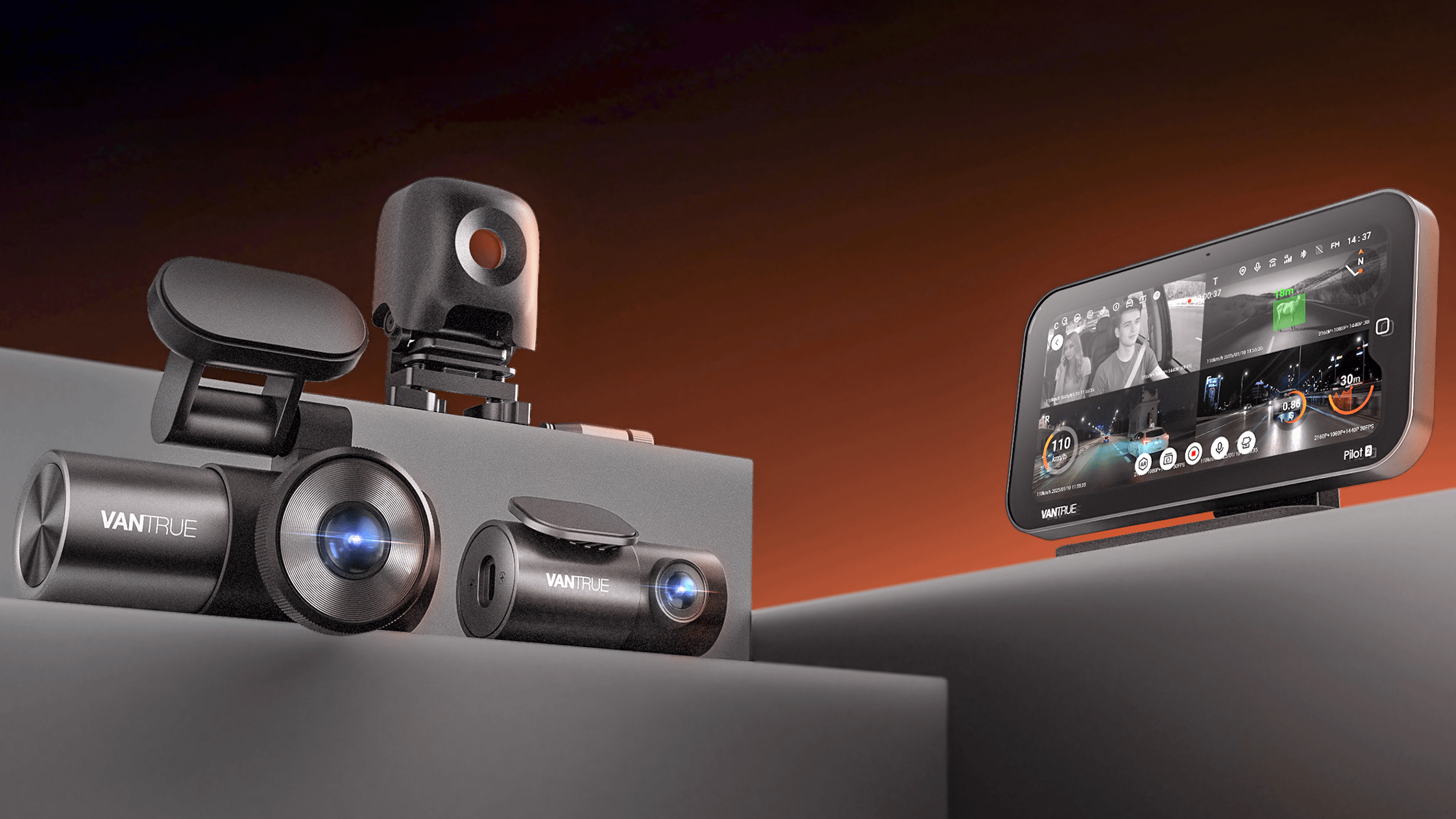
Dash cams usually live in the “good idea, boring execution” zone. Vantrue’s Pilot 2 didn’t. The big hook is thermal imaging, an approach that can help detect heat signatures in low visibility situations, which is a very different kind of safety pitch than “here’s another 4K lens.”
From the CES coverage, the Pilot 2 is described as a multi-component system (including multiple cameras and a display), with thermal as the headline feature. Whether you’re driving in darkness, fog, or heavy weather, thermal can theoretically reveal hazards that standard cameras struggle to show clearly and that’s why this stood out as more than just a gadget.
Why we gave it our Best of CES award: It’s one of the rare car tech products at CES that felt meaningfully safer, not just newer.
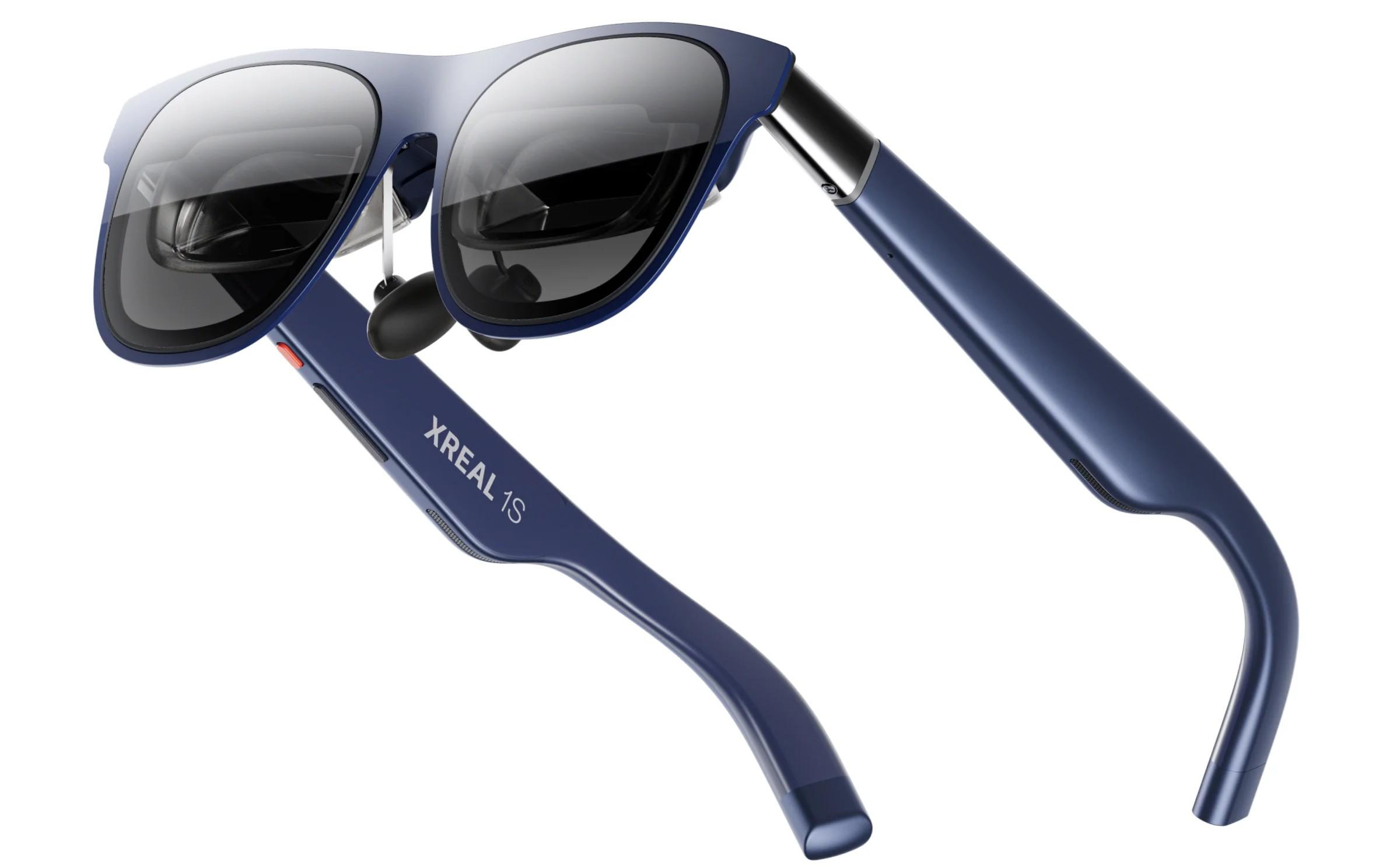
Xreal has been one of the most consistent names in wearable display hardware, and the Xreal 1S continues the company’s push toward lighter, more usable “personal screen” glasses. The overall idea is simple: plug in, get a large virtual display, and keep the experience friction-free, more like a monitor you wear than a full AR computing platform.
Coverage around the Xreal 1S highlights a focus on practical upgrades, display quality, comfort, and the kind of refinements that make you want to use it for a full movie or a longer gaming session. That’s the difference between “cool for five minutes” and “actually part of your travel kit.”
Why we gave it our Best of CES award: It’s a mature, usable take on wearable displays—less gimmick, more “this could replace a portable monitor for a lot of people.”
If CES 2026 had one big theme for home entertainment, it was this: premium experiences are getting easier to live with. TVs are pushing new panel and backlight tech to look better in normal rooms. Projectors are getting simpler, smarter, and more “TV-like” in everyday usability. And audio is splitting into two clear lanes, full ecosystem setups for enthusiasts, and design-forward, high-performance “one piece” solutions for everyone else.
On the gadget side, we saw the same practical shift. Security and car tech are leaning into smarter sensing (multi-lens cameras, thermal vision). Robotics is trying to break through the last real home barriers (stairs). And wearable displays are finally becoming affordable enough, and good enough, that they don’t feel like a novelty purchase.
That’s why these products earned our Best of CES awards. They weren’t just flashy. They felt like the things we’ll actually be talking about again when they hit real homes, because they solve problems, upgrade experiences, or point clearly to what’s next.




Privacy Policy
Terms and Conditions - Affiliate Policy
Home Security
© Copyright 2008-2026.
11816 Inwood Rd #1211, Dallas, TX 75244
