

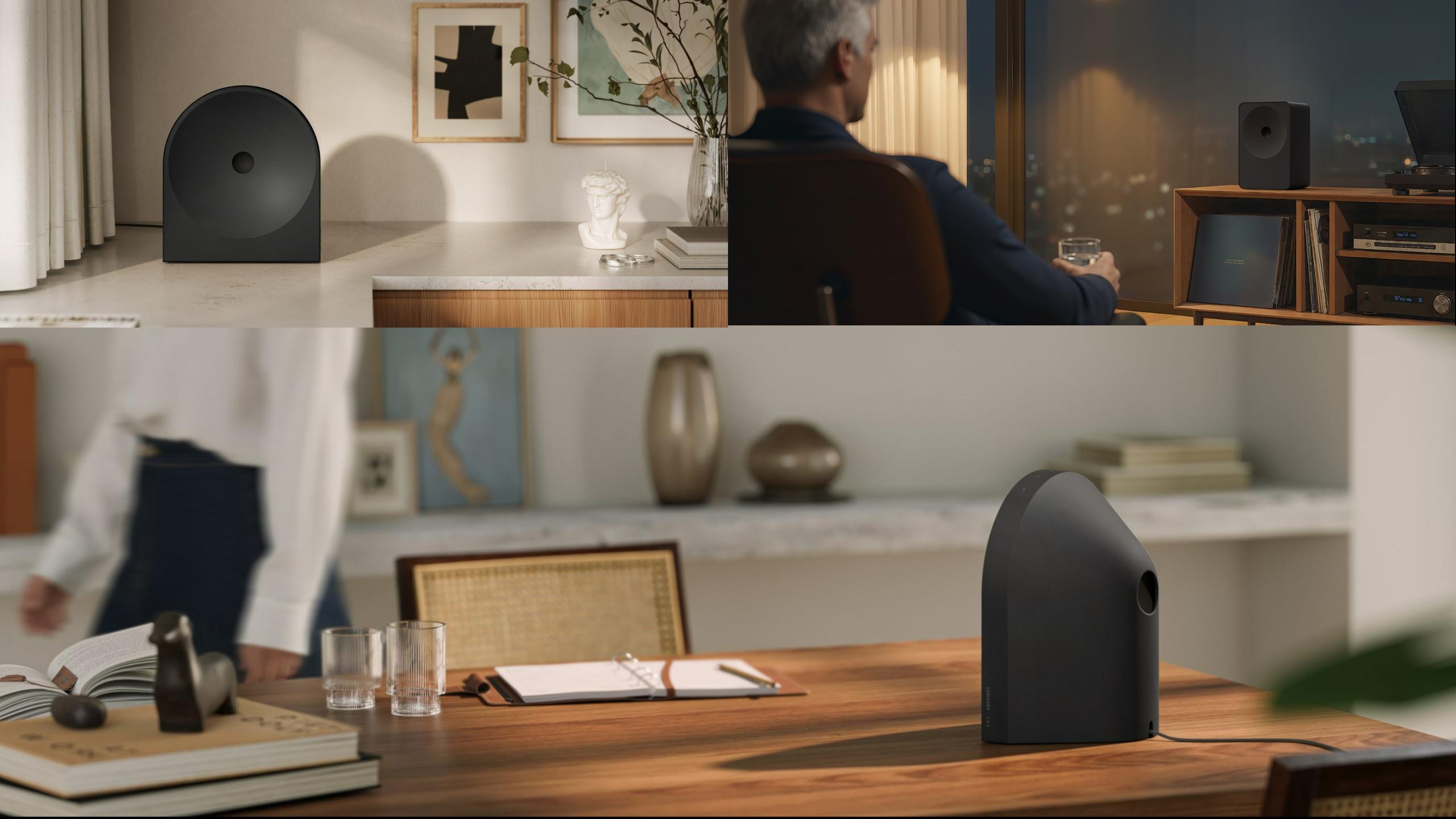
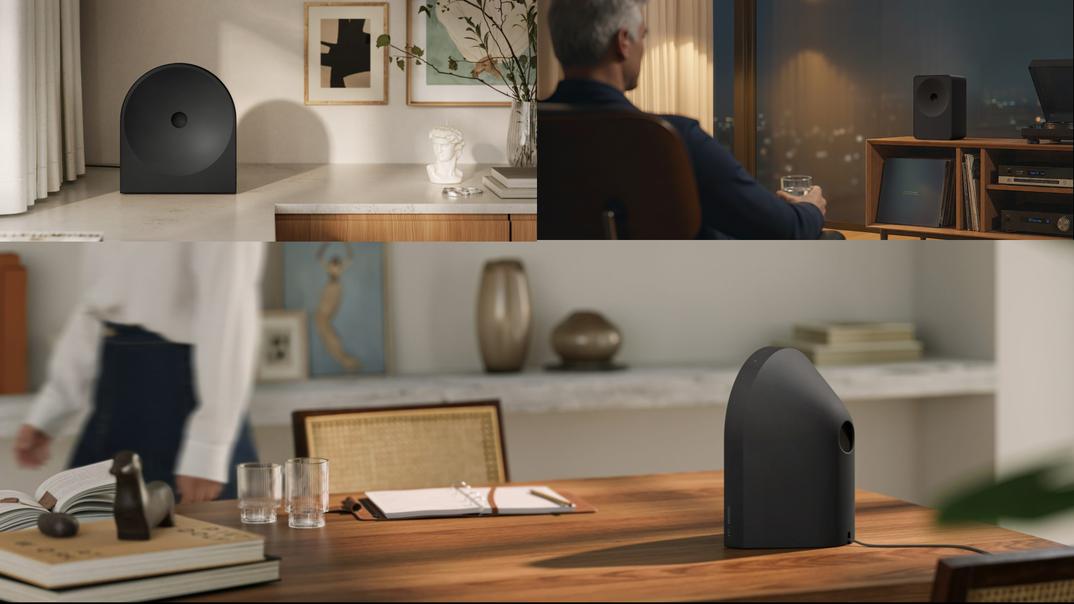
At CES 2026, Samsung is making it clear that home audio isn’t just a sidekick to its TVs anymore. With the launch of the new Q990H soundbar and a pair of stylish Wi-Fi speakers called the Music Studio 7 and Music Studio 5, the company is expanding its audio ecosystem in a big way—literally and figuratively. Whether you want theater-like sound without a room full of gear or you're eyeing a wireless speaker setup that blends in with your home, Samsung’s latest lineup aims to cover both ends of the spectrum.
The big idea? Simpler setups, smarter integration, and flexible sound systems that play nicely with your space—and with each other.
Leading the new lineup is the Q990H, Samsung’s most ambitious soundbar to date. It’s an 11.1.4-channel system that includes a 7.0.2-channel main bar, 4.0.2 rear speakers, and a built-in subwoofer with dual 8-inch drivers—all packed into a setup that still fits cleanly under a TV or mounted setup.
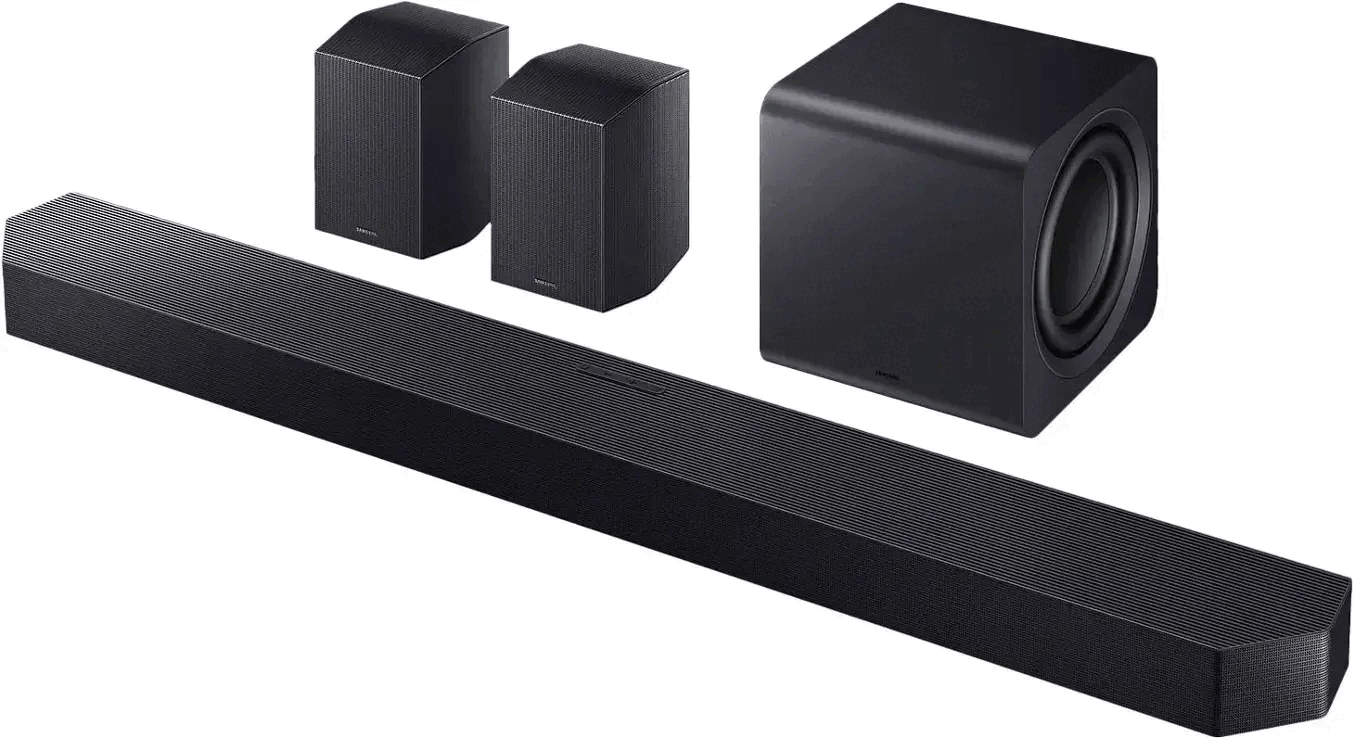
If that layout sounds familiar, it’s because it builds on a formula Samsung has been refining for years. We reviewed the 2025 HW‑Q990F, the 2024 HW‑Q990D, and the 2023 HW‑Q990C, and all three earned our Editor’s Choice award at HomeTheaterReview. Each generation delivered a clear step forward in real-world performance, and expectations are high that the Q990H will continue that trend.
New features for 2026 include:
The Q990H still uses up-firing drivers for height effects and includes AI tuning that analyzes your room and adjusts the sound accordingly. It’s designed for people who want surround sound that feels big and immersive—but don’t want to deal with a full AVR-based setup or a rack of separates.
The QS90H offers a more streamlined setup. It’s a 7.1.2-channel all-in-one soundbar with 13 built-in drivers—including a Quad Bass Woofer system—so there’s no need for separate rear speakers or a standalone subwoofer.
Its Convertible Fit design allows for either tabletop or wall-mounted placement, and a gyro sensor adjusts speaker output based on how it’s oriented. In short: it adapts to your space, instead of the other way around.
For anyone who wants rich, immersive sound without extra boxes or complicated wiring, the QS90H could be the more practical choice.
Alongside the new soundbars, Samsung introduced two wireless speakers: the Music Studio 7 (LS70H) and Music Studio 5 (LS50H). These are designed for flexible music listening, smart home setups, and integration with Samsung’s TVs and soundbars using the company’s expanding Q-Symphony platform.
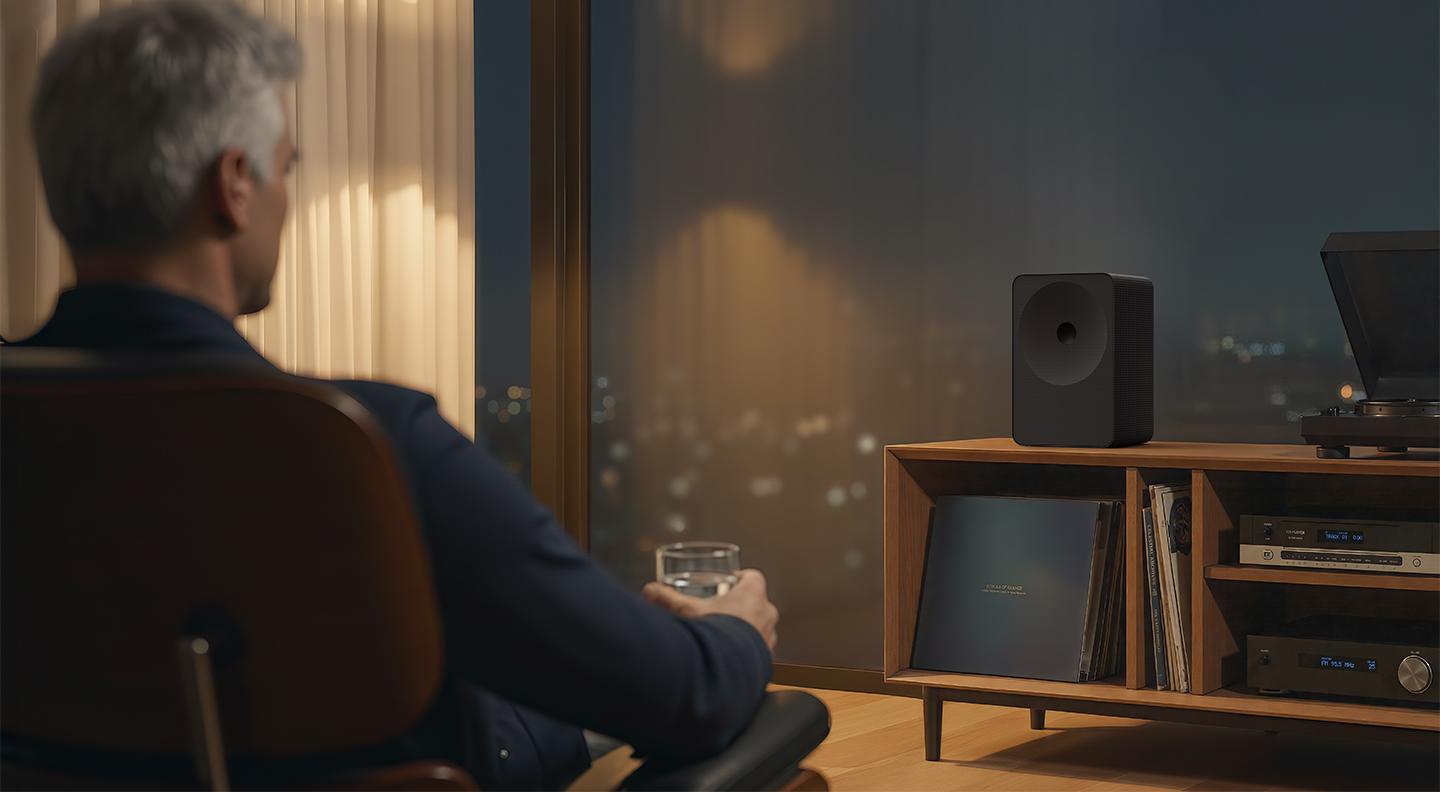
The LS70H is the larger of the two, offering a 3.1.1-channel configuration with upward-firing drivers for spatial audio. It’s designed to work on its own or as part of a larger system. Key features include:
The LS70H is intended to deliver surround-style sound from a single speaker, but it can also sync with other Samsung audio products for a multi-speaker setup.
If you’re looking for something smaller and more discreet, the LS50H takes a more minimalist approach. It uses a 4-inch woofer, dual tweeters, and a waveguide to spread sound evenly. It’s also tuned by Samsung’s Audio Lab in California.
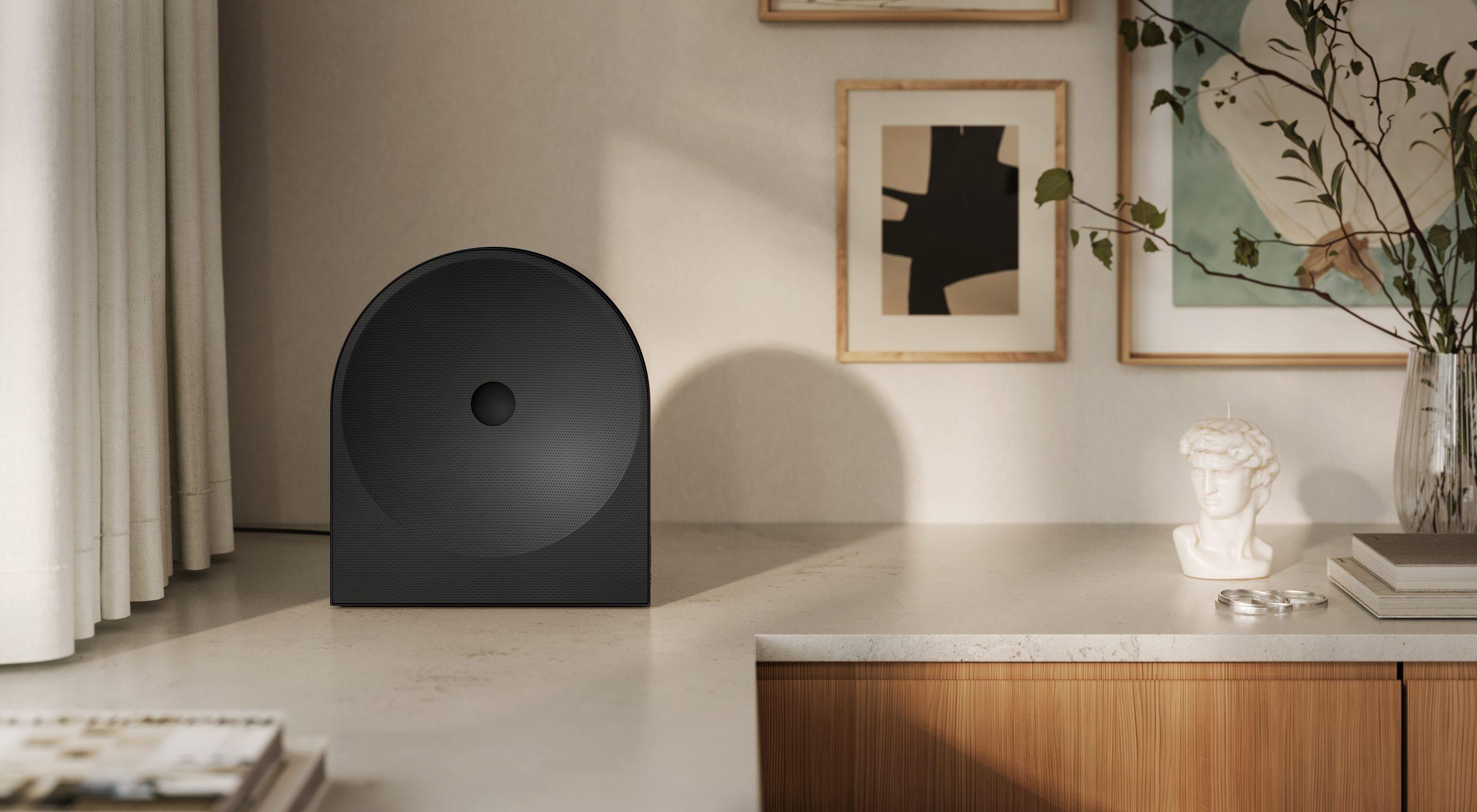
Despite its size, it includes:
It’s designed for smaller spaces or as part of a multi-room audio setup—more Sonos-like in function, but with tighter Samsung ecosystem ties.
Samsung’s Q-Symphony platform is now more flexible than ever. For 2026, it supports up to five connected audio devices—like soundbars and Music Studio speakers—operating in sync with a Samsung TV. It also automatically calibrates the sound based on the size and shape of your room, which means better surround effects and clearer dialogue without having to manually tweak settings.
Control is handled through the SmartThings app, where you can group speakers, adjust EQ, stream music, and control volume—all from one interface. The app also supports voice commands, giving you hands-free control over your setup.
While they won't be the main attraction at CES, Samsung’s ST50F and ST40F Sound Towers are still part of the broader 2026 audio story. Originally introduced earlier this year at IFA 2025, these party-focused speakers are built for loud, social environments—think backyard gatherings, dorm rooms, or any space where volume matters more than surround precision.
Both models are designed for high output, portable use, and minimal setup, making them a good fit for casual listening and shared spaces. They’re less about cinematic immersion and more about instant impact—just power them on and start the playlist.
The ST50F ($697.99 at Amazon) and ST40F ($497.99 at Amazon) are available now, making them the only part of Samsung’s 2026 audio lineup that’s already at retail.
Together with the Q-Series soundbars and Music Studio speakers, the Sound Towers help round out Samsung’s audio ecosystem—giving users multiple options depending on how (and where) they like to listen.
Samsung’s 2026 audio lineup shows a clear shift toward flexibility and ecosystem thinking. The Q990H and QS90H give users two very different paths to immersive TV sound, while the Music Studio speakers aim squarely at users who might otherwise be eyeing Sonos or Bose for their next smart speaker.
Add in the improved Q-Symphony integration and SmartThings control, and it’s easier than ever to mix and match components without the usual installation headaches.
Pricing and full availability are still to come, but it’s clear Samsung is no longer treating audio as a side accessory to its displays. Whether you’re watching a movie, throwing a party, or just streaming music while cooking dinner, the pieces are now in place for a fully connected sound experience—all under one roof.
We'll learn more once CES 2026 gets underway. Stay tuned.
Related Reading:



Privacy Policy
Terms and Conditions - Affiliate Policy
Home Security
© Copyright 2008-2026.
11816 Inwood Rd #1211, Dallas, TX 75244
