

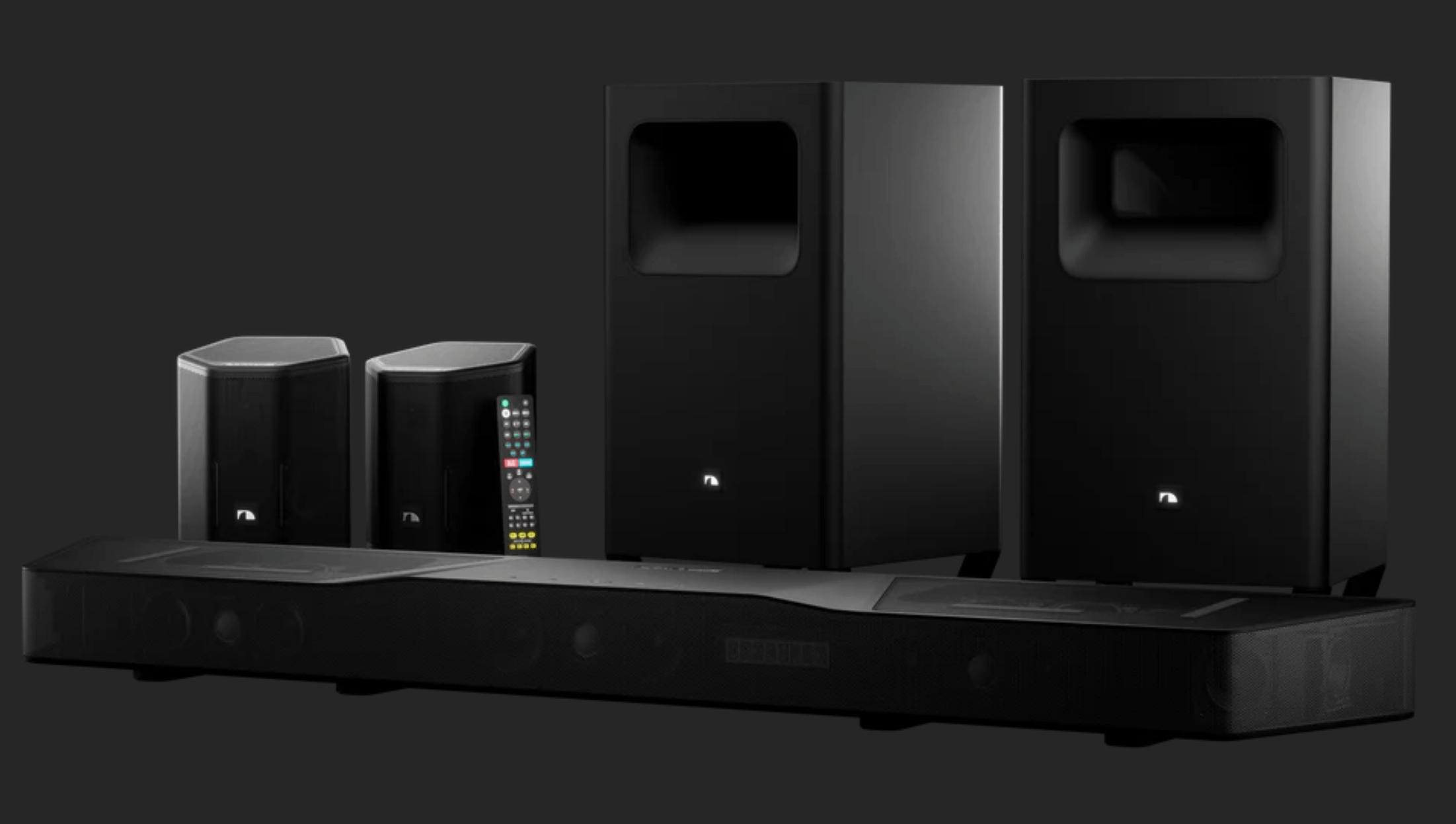

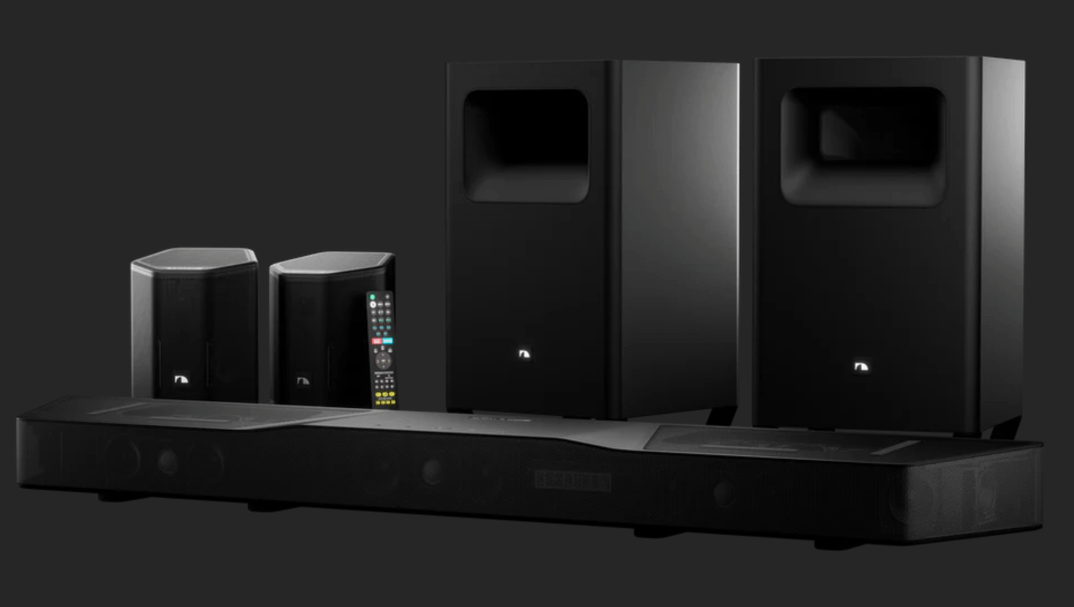
The first thing the Shockwafe 11.2.6 does is earn your trust — not with sound, but with setup.
No app. No account. No hunting through menus while consulting a PDF manual. You plug it in, power it on, and the subwoofers, rear satellites, and main bar find each other on their own. For an 11.2.6-channel system, that's genuinely rare. Most configurations this ambitious punish you with a two-hour calibration ritual before you hear a single note. This one skips all of that.
It's a strong first impression that sets the tone for what this system is trying to be: serious performance with consumer-grade approachability.
Don't let the "soundbar" label mislead you — this thing performs like a proper surround system.
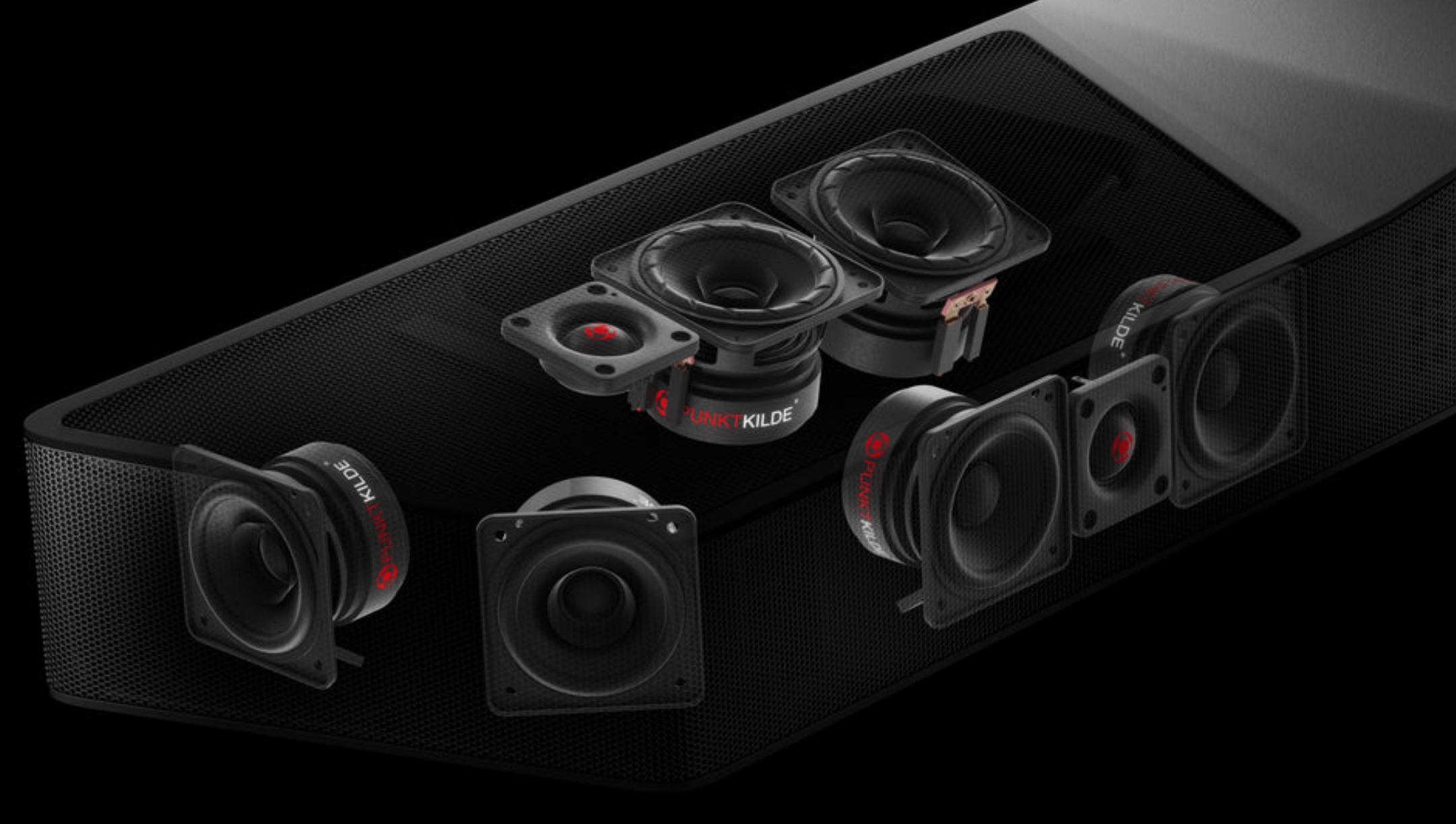
The 11.2.6 configuration isn't just a number stacked for marketing purposes. Those channels are doing distinct, audible work. Front staging is wide and grounded, with a left-to-right spread that extends well beyond the physical width of the bar itself. The center channel locks dialogue with enough precision that you're not straining to follow conversation during busy mix scenes. The side and rear channels aren't just adding reverb blur to make things feel "surround-ish" — there's actual directional information coming from back there, and your ears notice when something moves through the room.
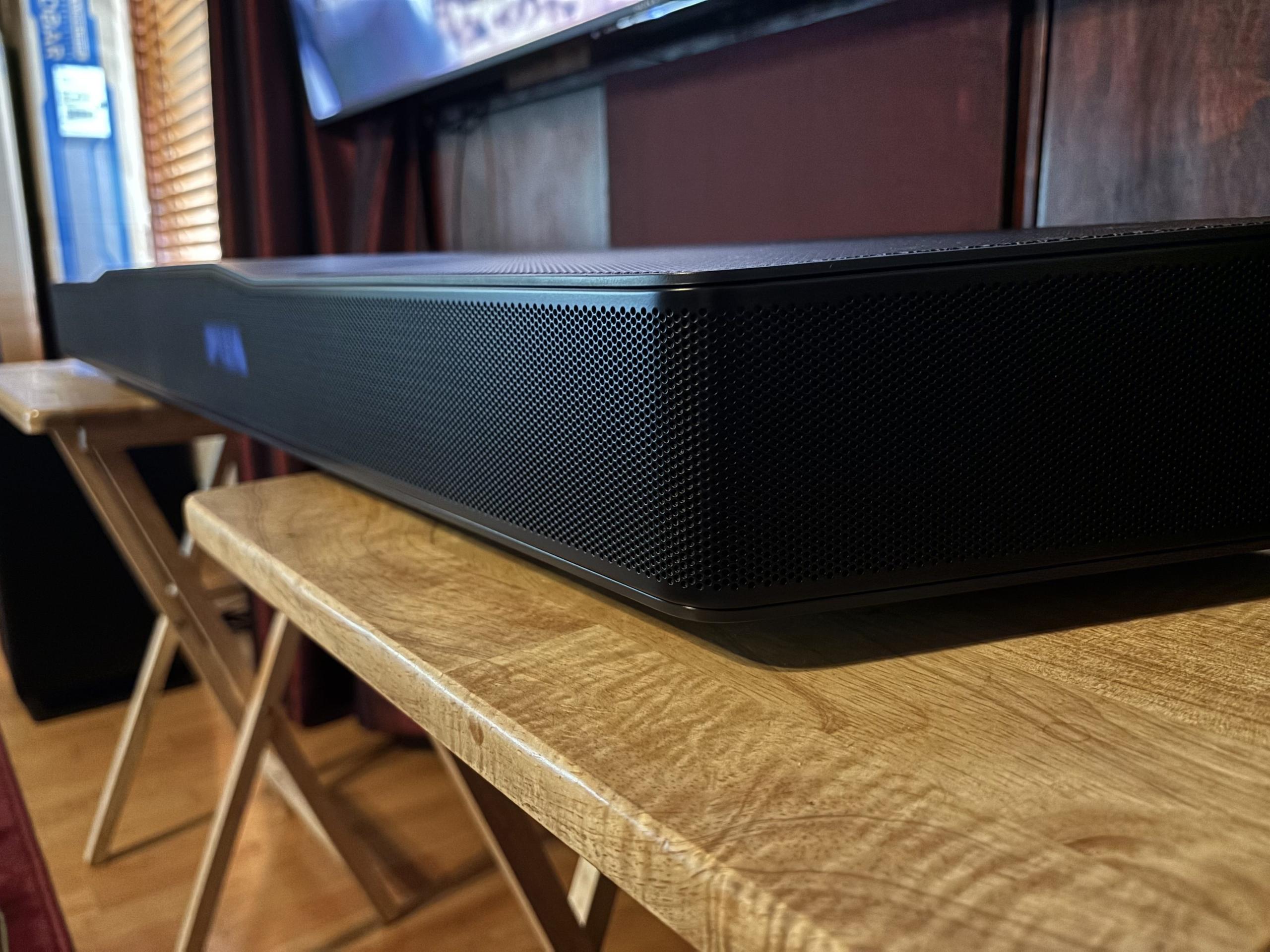
The six overhead drivers are where a lot of soundbar systems quietly embarrass themselves, and the Shockwafe avoids that. Height cues aren't just a smear of high-frequency noise above you — rain, helicopters, and atmospheric ambience have genuine elevation. It won't fool you into thinking you have ceiling-mounted speakers, but it gets closer than most upward-firing arrays have any right to.
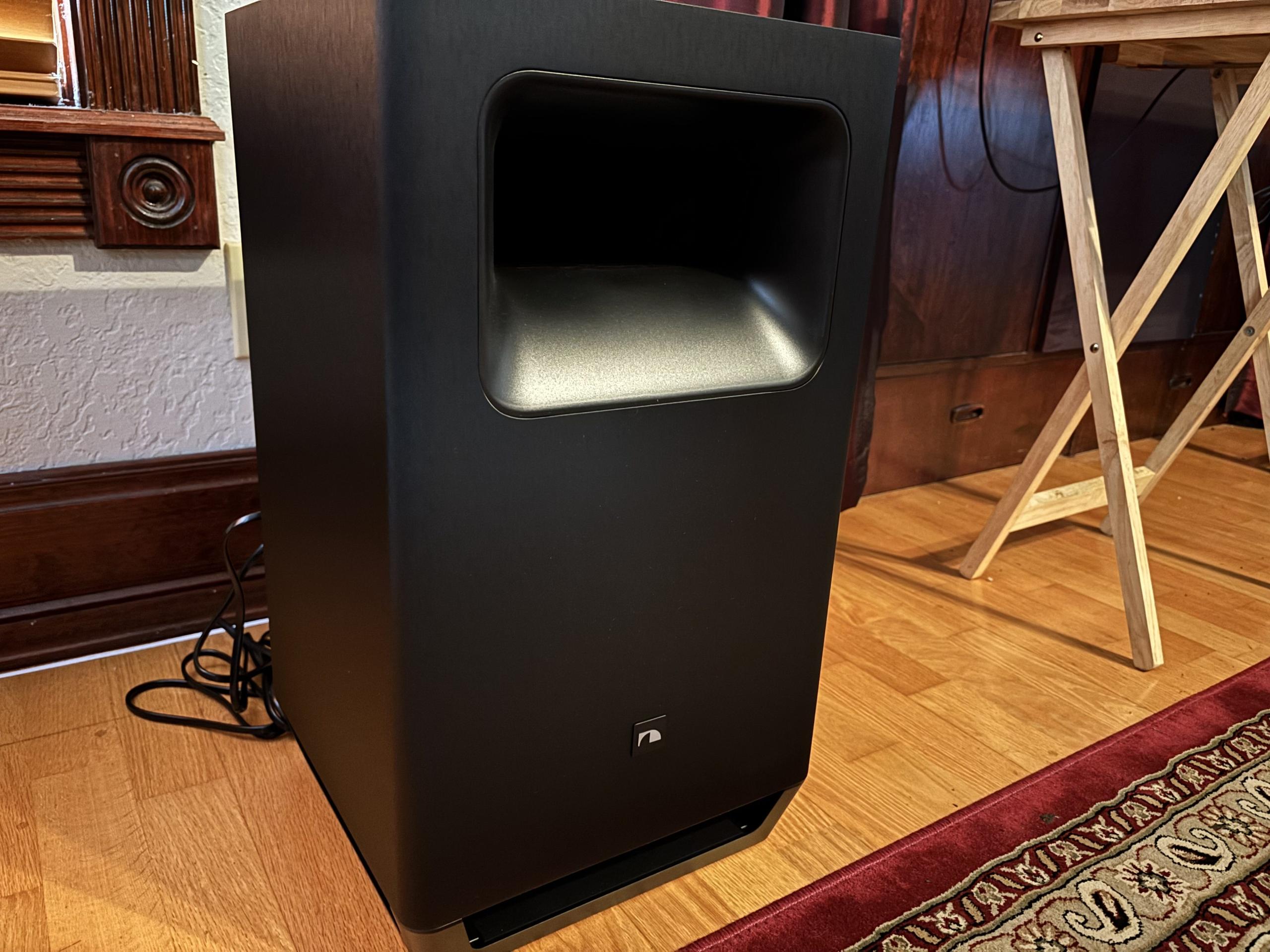
The dual subwoofers deserve specific attention because two subs isn't just a volume play — it's a room coverage play. A single sub creates nodes and dead spots depending on where you're sitting. Two subs, placed correctly, even out bass response across more of the room. The result here is low end that feels consistent whether you're sitting center or off to the side. Impact hits land with authority — explosions, soundtrack drops, and low-frequency effects have physical presence without the bloom and overhang that cheaper sub setups produce. It's controlled weight, not just loudness.
Movies and streaming content are where this system fully justifies its configuration. A well-mixed action sequence — the kind where sound design is doing real work — becomes a demonstration track. Effects pan smoothly between channels without the gaps or "jumps" that betray a system with too few drivers trying to fake the transitions. Quiet scenes hold up too; the system doesn't have to be loud to sound convincing, which matters more than most people realize until they've lived with a setup that falls apart at low volumes.
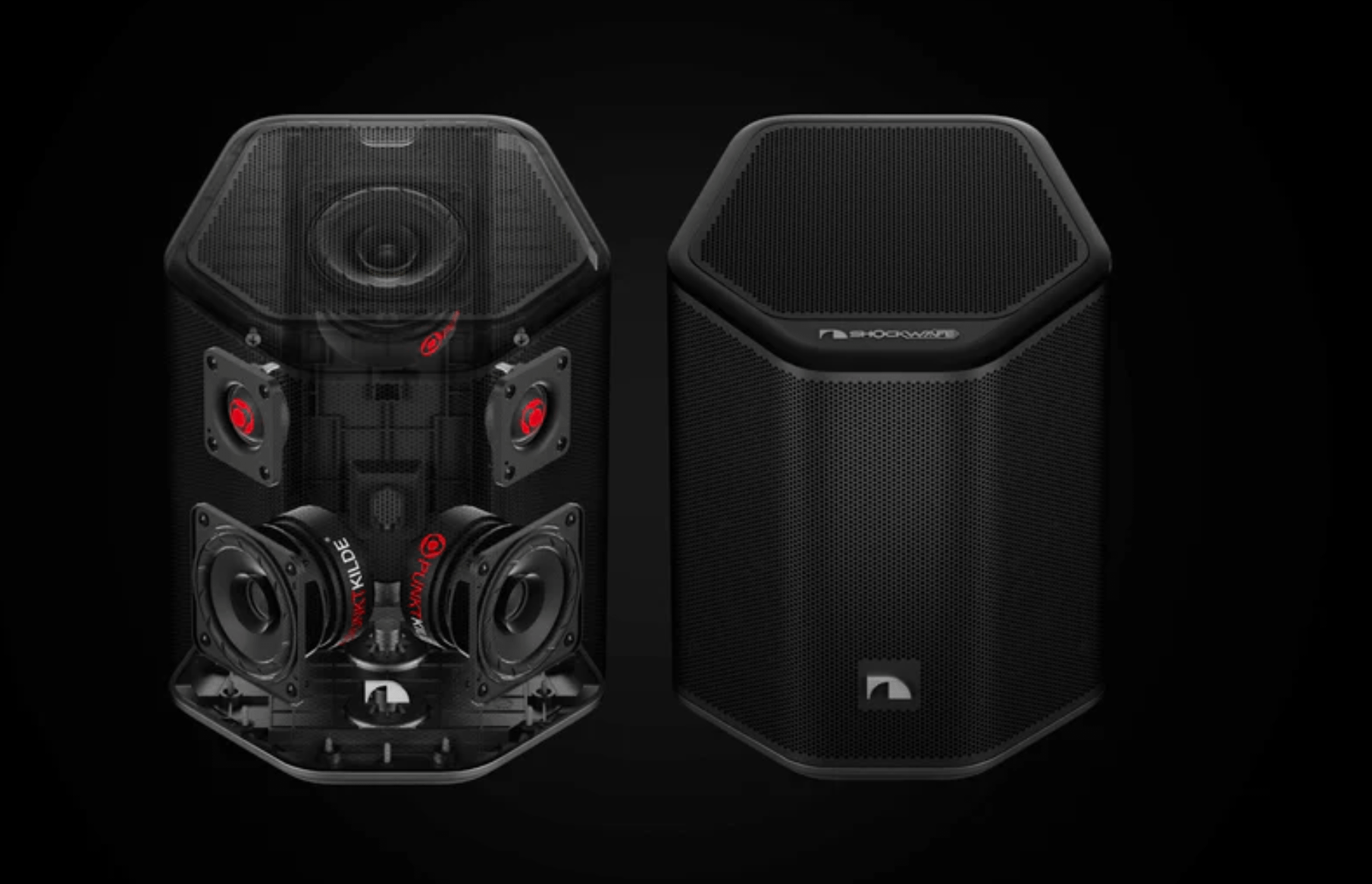
The honest benchmark is this: if you've spent time with a properly set up AVR and bookshelf speaker system, the Shockwafe will remind you of that experience more than it will remind you of any soundbar you've heard. That's a real accomplishment in this category, and it's not close.
Nakamichi leans fully into a remote-first approach, building the entire control experience around a full-featured handheld interface. That’s a deliberate choice—and it cuts both ways.
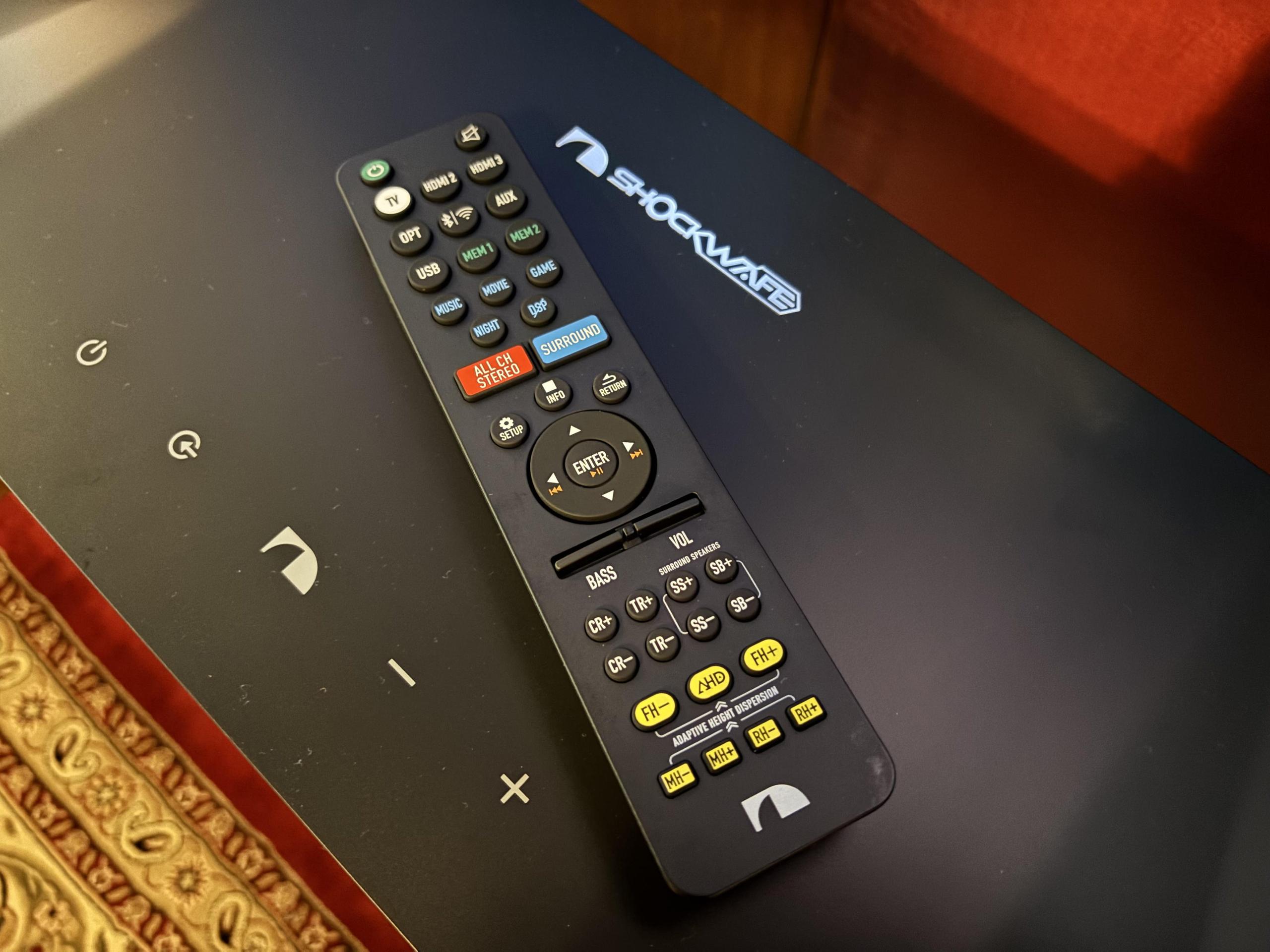
The upside: you have granular, real-time control over the system without a phone, a Wi-Fi dependency, or an app update breaking functionality three years from now. Channel levels, EQ, and processing modes are all accessible directly. For enthusiasts who want to dial in a room, that depth is genuinely useful.
The downside: getting the best out of this system requires you to actually use those controls. Out of the box, the default tuning is serviceable, but it's not optimized. You'll want to balance channel levels to your room, adjust the sub crossover, and experiment with the processing modes depending on what you're watching. None of this is complicated — it just takes time and a willingness to sit with it. Buyers expecting a "sounds great, never touch it again" experience may find that frustrating.
While Nakamichi leans heavily on the remote for control (and to its credit, it works), there is also a companion mobile app. The Nakamichi Remote App adds a layer of refinement, including room distance calibration to help dial the system in more precisely for your room.
Bluetooth music performance is where the Shockwafe shows its limitations, and it shows them plainly.
Streaming audio over Bluetooth sounds thin, hollow and tinny. There's a noticeable absence of warmth and body in the midrange — instruments lack density, vocals sound slightly hollowed out, and the overall presentation feels like it was tuned for multichannel expansion rather than honest stereo reproduction. Adjusting EQ and toggling through processing modes helps at the margins, but there's no setting combination that fully resolves it.
The contrast with movie content is sharp enough that it feels like two different systems. Fire up a movie and it snaps back to life — wide, full, and immersive. Queue up an album over Bluetooth and the energy drops.
If music listening is a meaningful part of your use case, this is worth weighing carefully before purchase. Pretty shocked at this, unsure why.
The Shockwafe 11.2.6 makes the most sense in a specific set of circumstances:
It's not competing with high-end separates, and it doesn't pretend to. But it closes the gap more than its category would suggest.
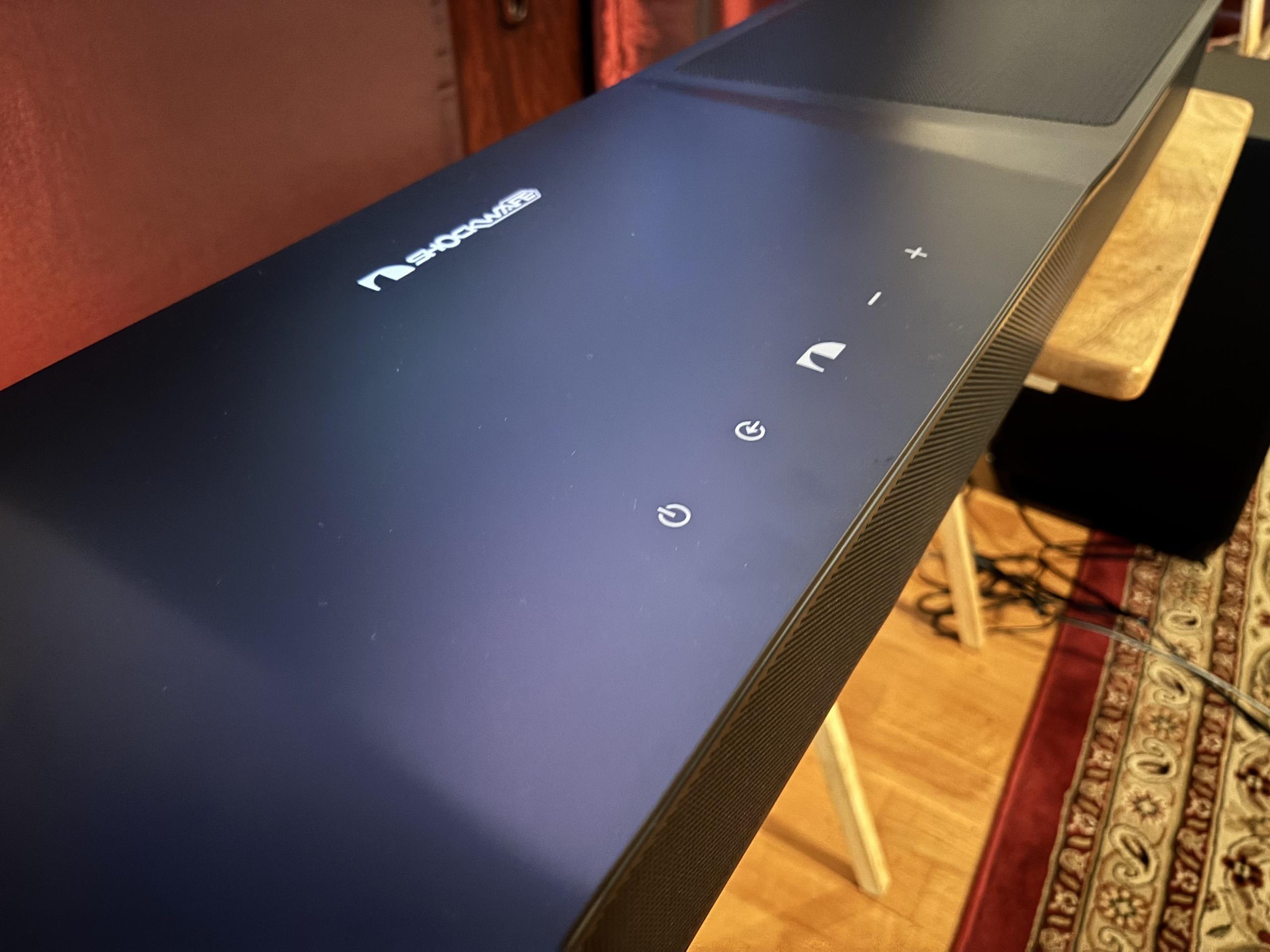
The Nakamichi Shockwafe 11.2.6 occupies a genuinely useful position in the market: it delivers multichannel surround performance with a setup experience that most competitors can't match at any price. The dual subs, real overhead channels, and wireless rear satellites combine into something that sounds more like a speaker system than a soundbar.
The trade-offs are real — Bluetooth music performance is weak, and getting optimal results requires manual tuning effort — but for a home theater-first buyer, neither of those is likely to be a dealbreaker.
If your priority is immersive movie and TV sound without the complexity of a traditional AV receiver setup, this system earns its price.
Pros
Cons
For advertising please contact the editor at [email protected]



Privacy Policy
Terms and Conditions - Affiliate Policy
Home Security
© Copyright 2008-2026.
11816 Inwood Rd #1211, Dallas, TX 75244