Published On: February 27, 2026

Samsung Galaxy Buds 4 vs Buds 4 Pro: Which New Pair Should You Actually Buy?

Published On: February 27, 2026
We May Earn From Purchases Via Links

Samsung Galaxy Buds 4 vs Buds 4 Pro: Which New Pair Should You Actually Buy?

With the Galaxy Buds 4 and Buds 4 Pro, Samsung is giving you a choice between open and in-ear listening styles, but that choice isn’t as simple as it sounds.

Samsung Galaxy Buds 4 vs Buds 4 Pro: Which New Pair Should You Actually Buy?

  • Nemanja Grbic is a tech writer with over a decade of journalism experience, covering everything from AV gear and smart home tech to the latest gadgets and trends. Before jumping into the world of consumer electronics, Nema was an award-winning sports writer, and he still brings that same storytelling energy to every article. At HomeTheaterReview, he breaks down the latest gear and keeps readers up to speed on all things tech.

Samsung’s latest true wireless earbuds, the Galaxy Buds 4 and Galaxy Buds 4 Pro, arrive alongside the newest Galaxy phones as a two-step lineup rather than simple replacements for older models. On the surface they look similar, but they’re aimed at different types of listeners, with different fits, features, and prices.

If you’re trying to decide which pair belongs in your pocket, it helps to start with how they sit in your ears.

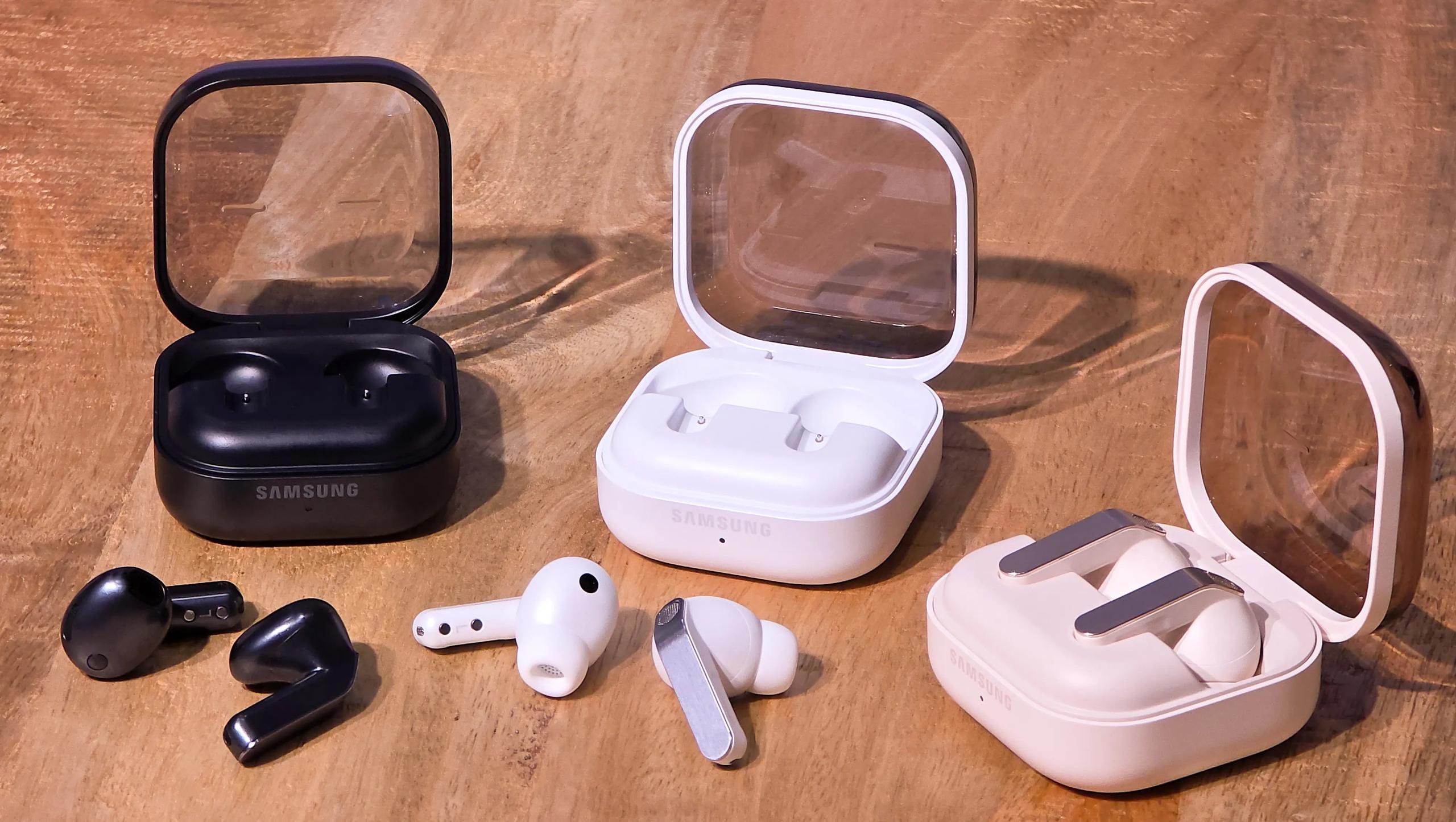
The Buds 4 series continues Samsung’s stemmed design but splits into two distinct approaches to fit:

  • Galaxy Buds 4 use an open-ear design with no silicone tips. They rest in your outer ear instead of sealing the ear canal.
  • Galaxy Buds 4 Pro use a sealed in-ear fit with interchangeable silicone tips, more like traditional noise-isolating earbuds.

The open Buds 4 are likely to appeal if you don’t enjoy the “plugged” sensation of in-ear buds and want a looser, more breathable fit for shorter listening sessions or working at a desk. The Buds 4 Pro, on the other hand, create a tighter seal. That generally means better passive isolation, more consistent sound, and a more secure fit for commuting or travel.
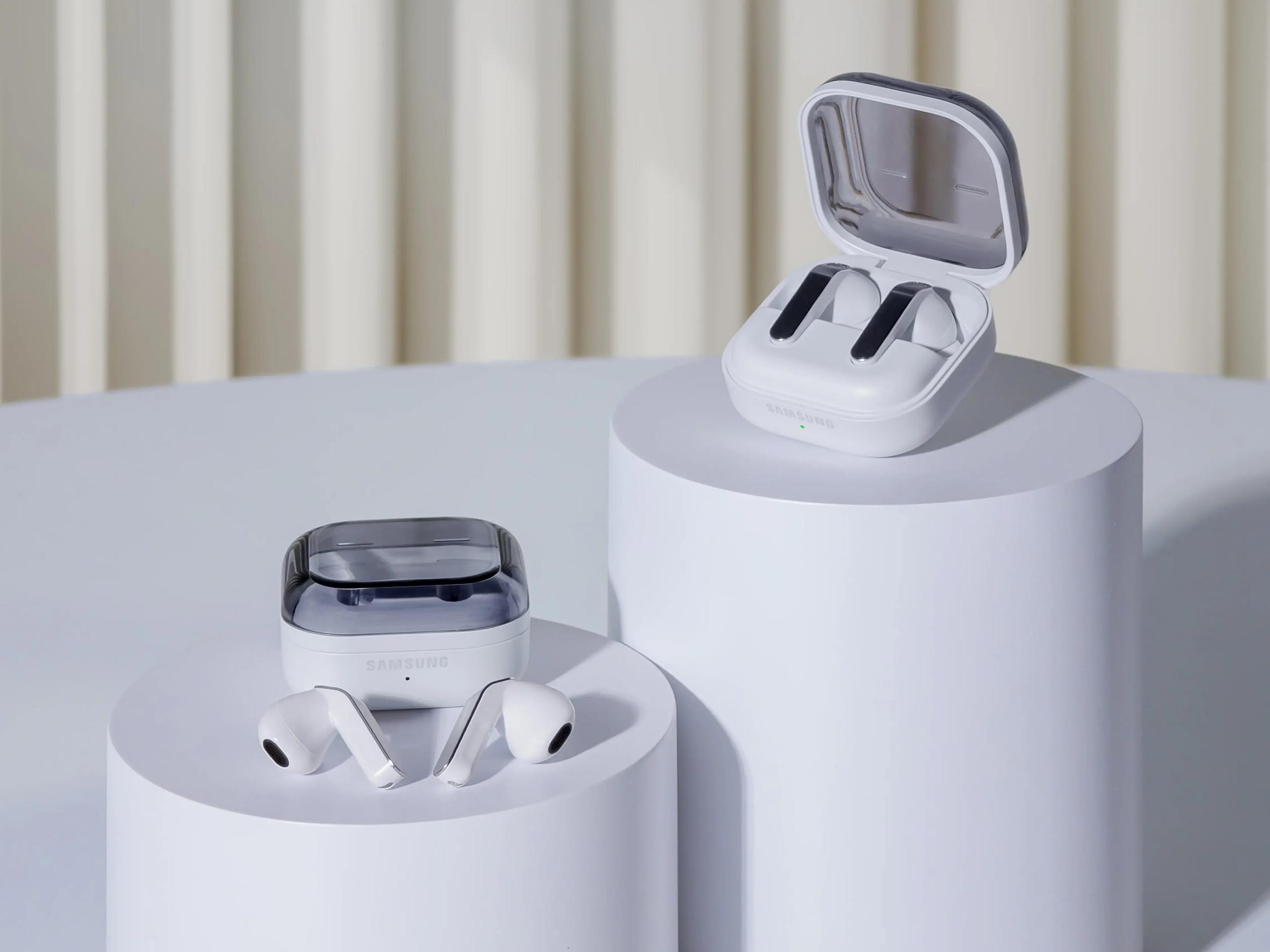
White Samsung Galaxy Buds 4 and Buds 4 Pro on white display pedestals with open charging cases.

Both models come in a compact clamshell charging case and remain very light, so you’re not dealing with bulky, fitness-focused hardware here.

Under the hood, the differences are more obvious.

  • Galaxy Buds 4 are built around a single 11mm dynamic driver in each earbud. It’s a straightforward configuration aimed at everyday listening.
  • Galaxy Buds 4 Pro step up to a two-way driver system, pairing an 11mm woofer with a smaller tweeter. That kind of split is typically used to give low and high frequencies more room to breathe instead of asking one driver to do everything.

Both support 24-bit/96kHz playback with Samsung’s own high-resolution codec on compatible Galaxy phones, so if you’re streaming higher-quality music within the Galaxy ecosystem, the hardware is ready to handle it.

Noise-control features also diverge:

  • Buds 4 include Adaptive ANC, along with ambient or “transparency” modes so you can hear more of your surroundings when needed.
  • Buds 4 Pro move to an updated Adaptive ANC system designed to react more precisely to changing environments and target more of the low-frequency rumble you encounter on trains, planes, or busy streets.

Both models can temporarily ease off ANC when they detect certain sounds, like voices or alarms, so you’re not completely cut off from the outside world all the time.
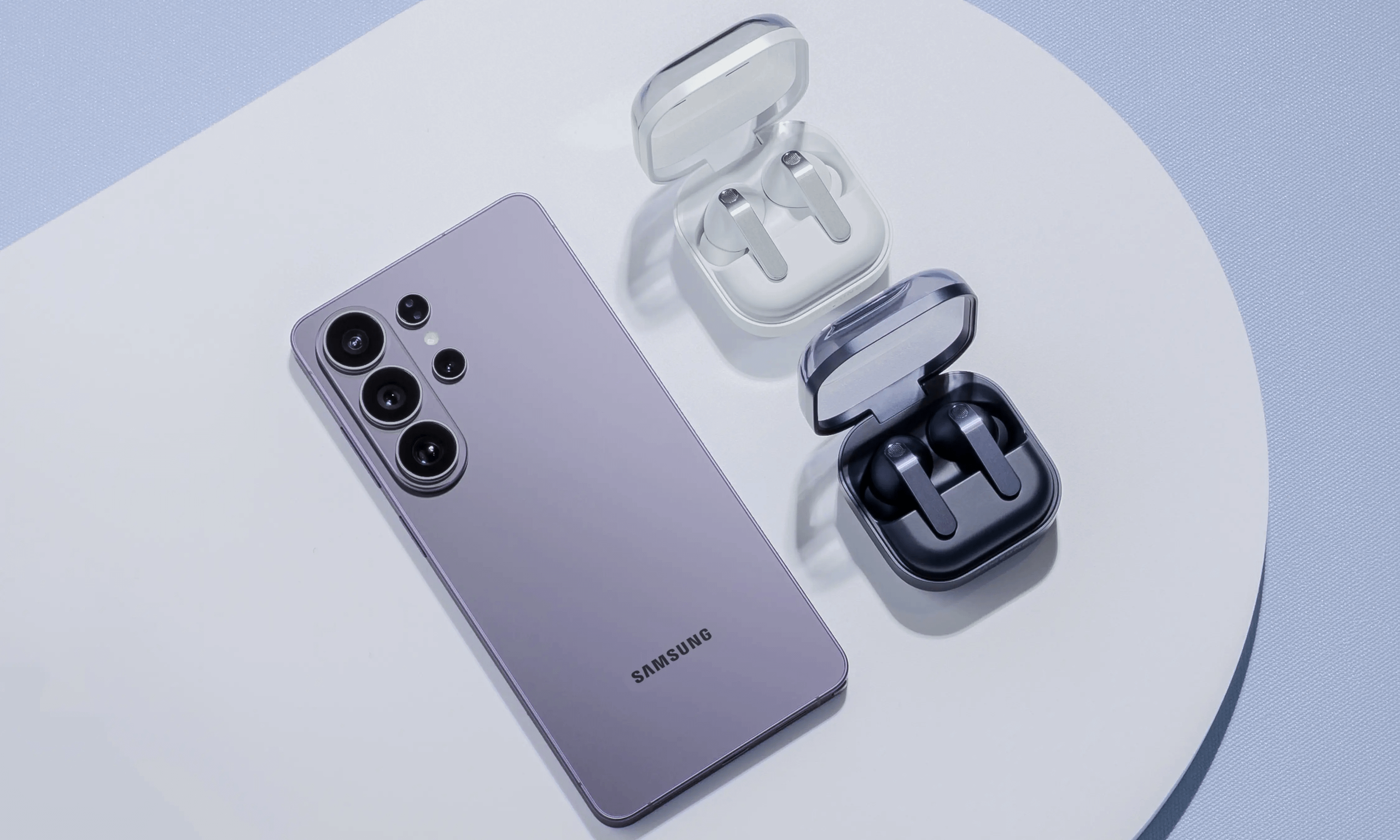
Purple Samsung Galaxy S26 phone next to open white and black Galaxy Buds 4 Pro cases on a rounded white surface.

A big theme for these buds is deeper integration with Samsung’s wider Galaxy ecosystem and the current wave of AI assistants.

You can call up Bixby, Google Gemini, or other supported assistants with voice or touch, and Samsung adds a few quality-of-life touches on top:

  • Nickname-aware transparency: the buds can be set to listen for specific nicknames. When they hear one, they can automatically shift from ANC to ambient mode so you can hear the person calling you.
  • Head gestures for calls: you can nod to accept a call or shake your head to decline, in addition to the standard tap controls.
  • Support for newer wireless standards like Bluetooth 6.1 and Auracast opens the door to shared audio in places that support broadcast audio streams, such as airports or public venues.

Most of the deeper customization still runs through Samsung’s Wearable app on Android, and some of the more advanced features, like Samsung’s high-res codec and head-tracked spatial audio, are reserved for recent Galaxy phones.
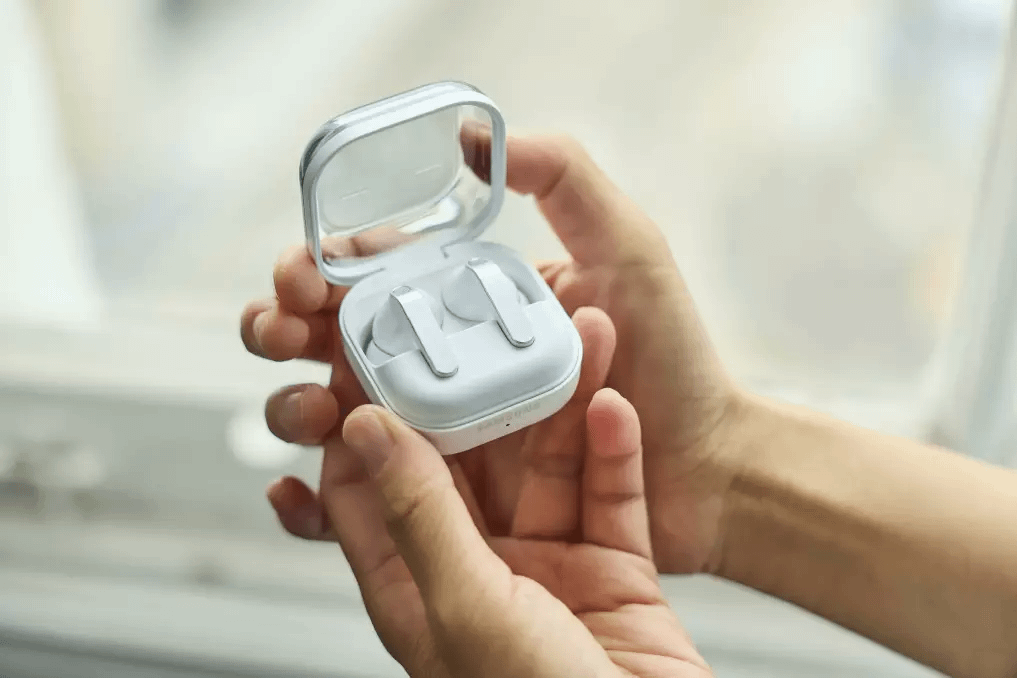
Hands holding an open white Samsung Galaxy Buds 4 Pro charging case by a window.

Battery performance is in the range you’d expect from current ANC earbuds, with the Pro model offering a slight edge:

  • Galaxy Buds 4
    • Around 5 hours of playback with ANC on, closer to 6 hours with ANC off
    • Up to roughly 24–26 hours total including the case
  • Galaxy Buds 4 Pro
    • Around 6 hours with ANC on, about 7 hours with ANC off
    • Up to roughly 30–32 hours total with the case

Both cases charge over USB-C, and wireless charging support can depend on the specific region or retail bundle.

Durability is another differentiator. The Buds 4 are rated IP54, which covers dust and splashes. The Buds 4 Pro step up to IP57, which adds protection against brief immersion in water. If you’re planning to use them for workouts, runs in the rain, or generally harder use, that extra margin may be useful.
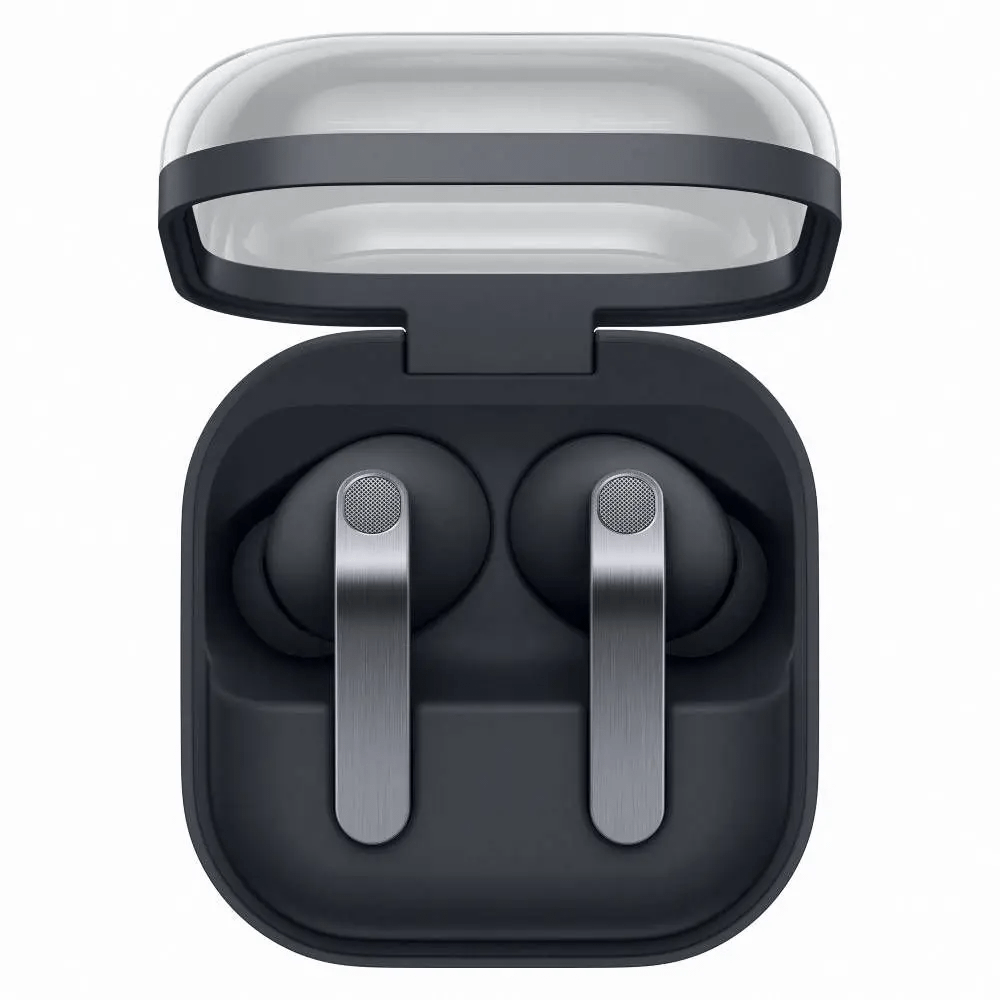
Black Samsung Galaxy Buds 4 Pro earbuds in an open matching charging case with a clear lid.

Samsung is clearly positioning these as two rungs on the same ladder:

They’re available for preorder now, with wider availability expected in March 2026 in most regions.

So where does that leave you?

  • Go for the Galaxy Buds 4 if you prefer an open fit, don’t want a full ear seal, and mainly need straightforward wireless earbuds for music, calls, and video.
  • Look at the Galaxy Buds 4 Pro if you want stronger ANC, more isolation, higher-spec audio hardware, and better water resistance, especially if you’re already using a recent Galaxy phone and plan to lean into Samsung’s ecosystem features.

From a home theater and audio perspective, neither model is trying to completely rethink what wireless earbuds are. Instead, they refine the hardware, tighten the software integration, and give you a clearer choice between a more relaxed, open fit and a sealed, noise-isolating option. The question is less “Are these earbuds for you?” and more “Which style of listening fits your day-to-day life better?”

Related Reading:
Subscribe To Home Technology Review

Get the latest weekly technology news, sweepstakes and special offers delivered right to your inbox
Email Subscribe
© JRW Publishing Company, 2026
As an Amazon Associate we may earn from qualifying purchases.

magnifiercross
linkedin facebook pinterest youtube rss twitter instagram facebook-blank rss-blank linkedin-blank pinterest youtube twitter instagram
Share to...