



Meze Audio has unveiled its latest headphone release, the Strada, a closed-back design that blends premium materials with a newly tuned dynamic driver. Built for listeners who value clarity, comfort, and sonic privacy, the Strada draws inspiration from previous Meze models like the LIRIC II and 109 PRO, but introduces its own twist in both form and tuning.
Positioned at $799, the Strada enters a competitive segment dominated by brands like Focal, Beyerdynamic, and Dan Clark Audio. With features like magnetic ear pads, a lightweight magnesium frame, and handcrafted ebony wood ear cups, Meze is clearly aiming to appeal to music lovers who want an immersive, detailed experience in a package that’s durable and easy to live with.
Not everyone wants open-back headphones. Sometimes you just need a private listening space, whether you’re commuting, working, or just trying not to bother anyone else in the house. That’s where the Strada comes in.
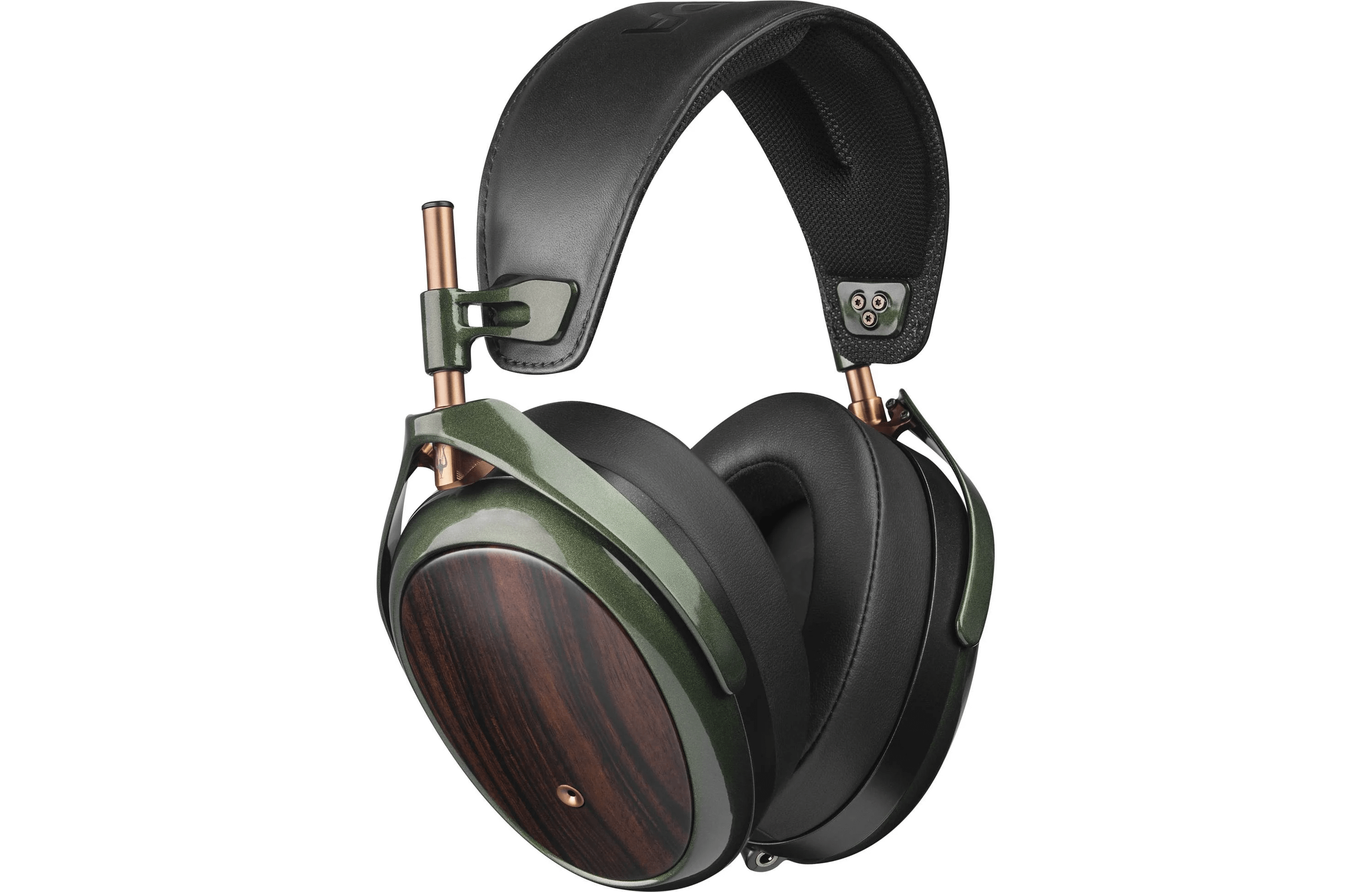
Meze has tuned these headphones for a sound that feels natural and well-balanced. There’s a bit of added warmth in the bass to give music some extra body, but not so much that it overshadows everything else. The midrange is clean and clear, so vocals and instruments come through with lifelike texture. And the treble is smooth and detailed, helping you catch the finer points in a mix without harshness or fatigue over longer sessions.
In other words, this is a headphone designed for both casual listening and more focused, critical sessions, no switching gear required.
At first glance, the Strada might remind you of the LIRIC series. It has a similar shape and profile, but it’s built with closed-back performance in mind. The materials used here are anything but generic.
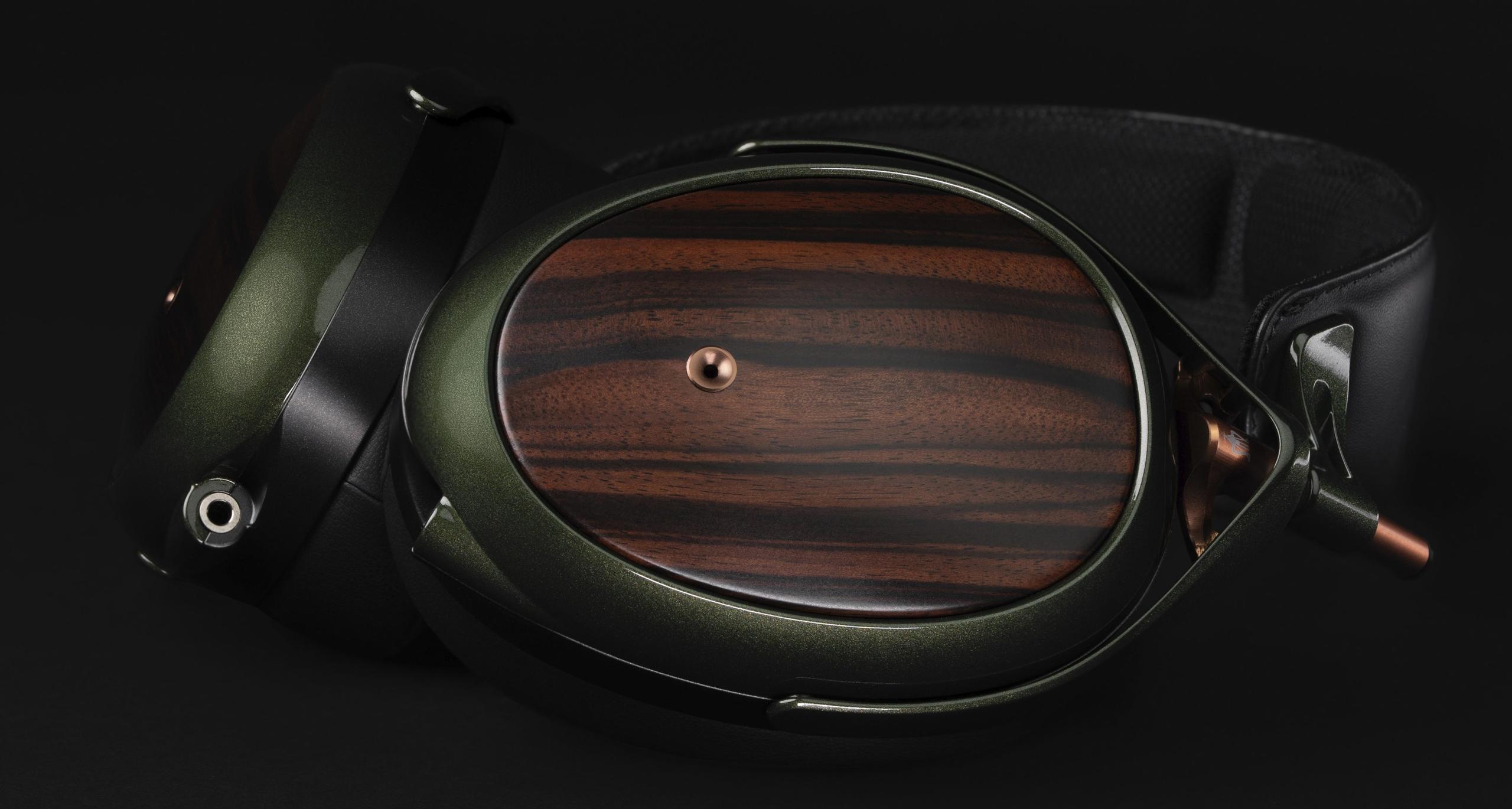
The ear cups are made from Macassar ebony, a dense hardwood with rich, dark grain and golden-brown highlights. No two pairs look exactly alike, and the wood helps with resonance control as well as style. The frame is magnesium, strong, light, and finished in a deep green shade with just a hint of shimmer. Meze paints each frame by hand in four layers to get that finish just right.
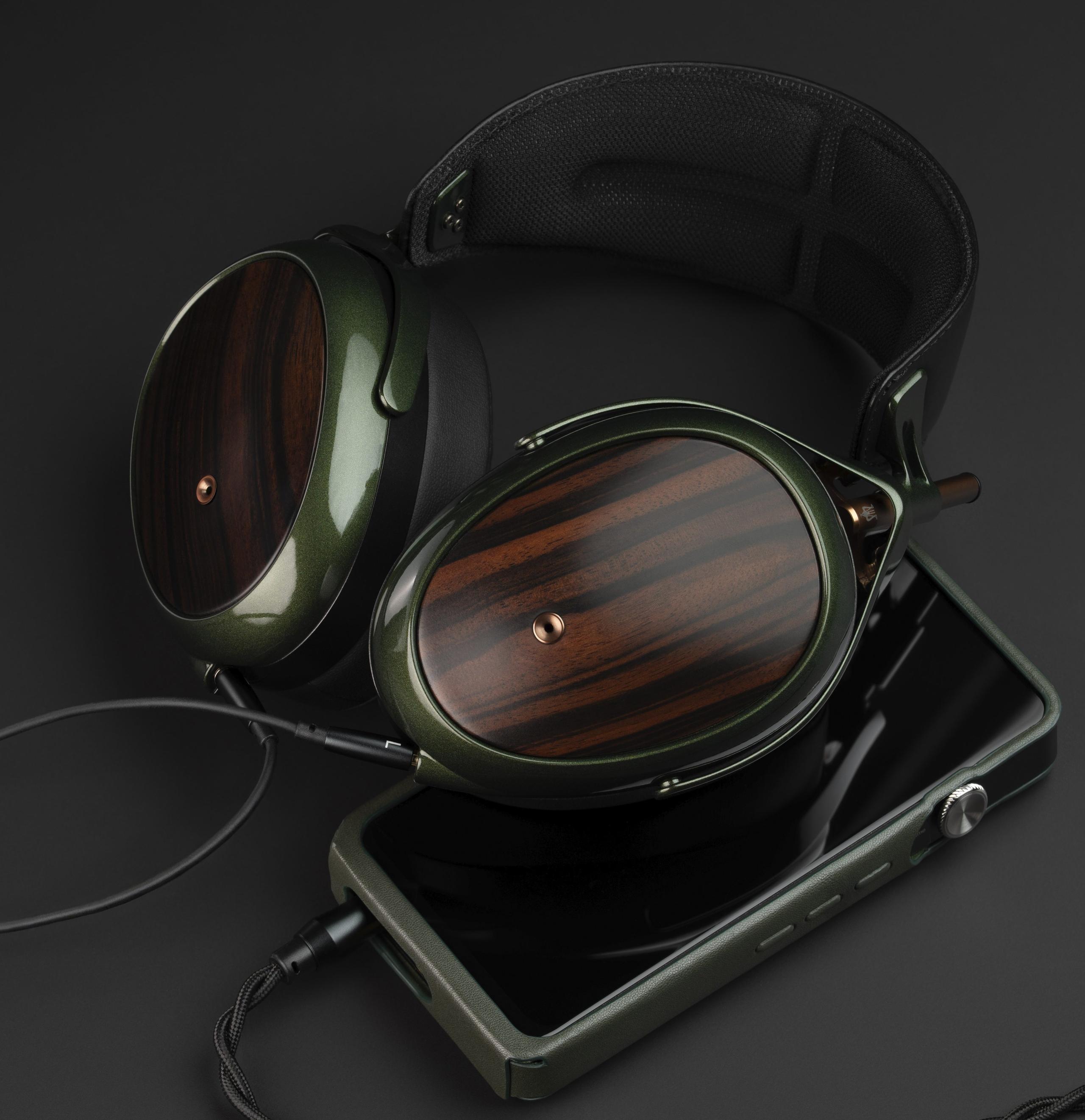
There’s also a strong focus on comfort. The headband uses a cross-pattern of soft cushions that help spread out pressure and keep things breathable during long sessions. The ear pads attach magnetically, so if they wear out or you want to swap them, it’s a quick and easy job.
Inside the Strada is a dynamic driver that started its life in the 109 PRO but has been completely retuned for closed-back use. This isn’t just a copy-paste job. Every element of the driver has been selected and optimized to work in a more enclosed space.
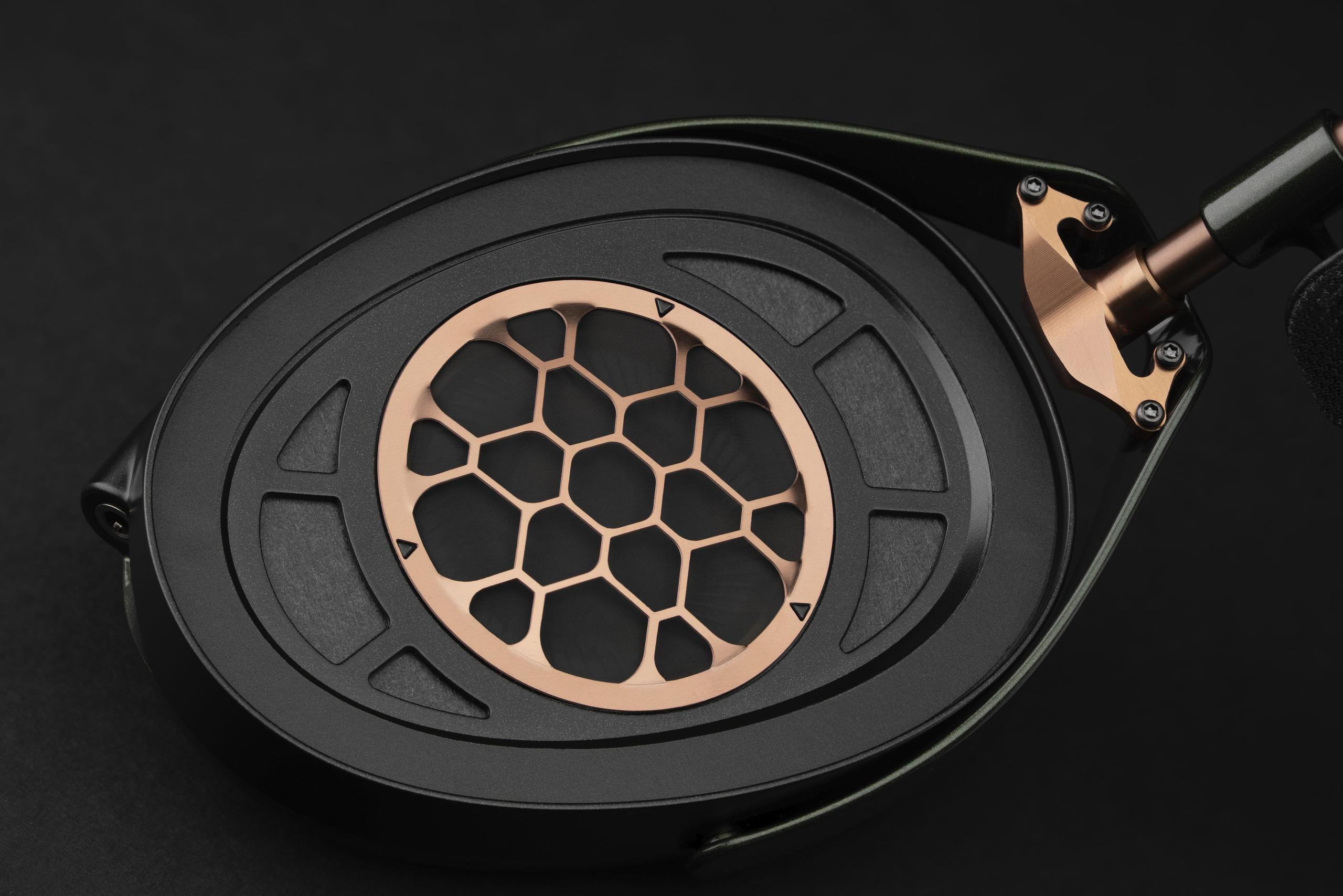
The diaphragm is made from a carbon fiber-reinforced cellulose composite, basically a material that’s light and stiff enough to keep distortion low and detail high. Around it is a torus (think of it like the surround) built from a semi-crystalline polymer and coated with beryllium using a method called Physical Vapor Deposition (PVD). That helps make the driver more responsive and durable.
Other tweaks include angled micro-grooves cut into the dome to refine motion and a copper-zinc alloy stabilizer that surrounds the membrane to absorb vibrations. All of this comes together to reduce distortion and make sure the driver moves the way it’s supposed to, without adding noise or smearing details.
One of Meze’s big selling points with the Strada is serviceability. The headphone isn’t sealed shut or glued together in a way that makes repairs impossible. Pads, headbands, and cables can all be replaced, so if something breaks or wears down years from now, you’re not stuck buying a whole new pair.
That’s increasingly rare these days, especially in the headphone market, where a lot of mid-to-high-end gear is built more like a luxury item than a long-term tool. For users who want to buy once and keep using their gear for years, it’s a welcome design choice.
In the $600–$1,100 closed-back headphone range, Meze Audio Strada sits among some well-established alternatives, each with a slightly different focus. The Dan Clark Audio Noire X ($1,099 at Crutchfield) is positioned higher in price and uses planar magnetic drivers, often associated with a wider, more open presentation for a closed-back design. That model tends to appeal to listeners who prioritize soundstage and technical imaging, though it typically benefits from a more powerful amplifier and carries a higher overall cost than the Strada.
The Beyerdynamic DT 1770 Pro MK II ($649 at Crutchfield) takes a more studio-oriented approach. Known for its durable construction and reference-leaning tuning, it’s commonly used for monitoring and critical listening rather than relaxed, everyday use. Its sound profile is precise and controlled, which contrasts with Strada’s emphasis on tonal balance and long-session comfort. Meanwhile, the Focal Azurys ($599 at Crutchfield) leans toward accessibility, pairing a closed-back design with a tuning that’s intended to be engaging across a wide range of music, though with less focus on advanced driver materials or serviceable construction.

Overall, Strada positions itself between these options by combining a carefully tuned dynamic driver, premium materials, and a comfort-first design. Rather than aiming strictly at studio professionals or pushing into flagship pricing territory, it targets listeners who want a refined closed-back headphone that works equally well for focused listening and everyday use.
The Meze Audio Strada will be available starting January 21, 2026. You’ll be able to find it at Crutchfield for $799.
Related Reading:





Privacy Policy
Terms and Conditions - Affiliate Policy
Home Security
© Copyright 2008-2026.
11816 Inwood Rd #1211, Dallas, TX 75244