

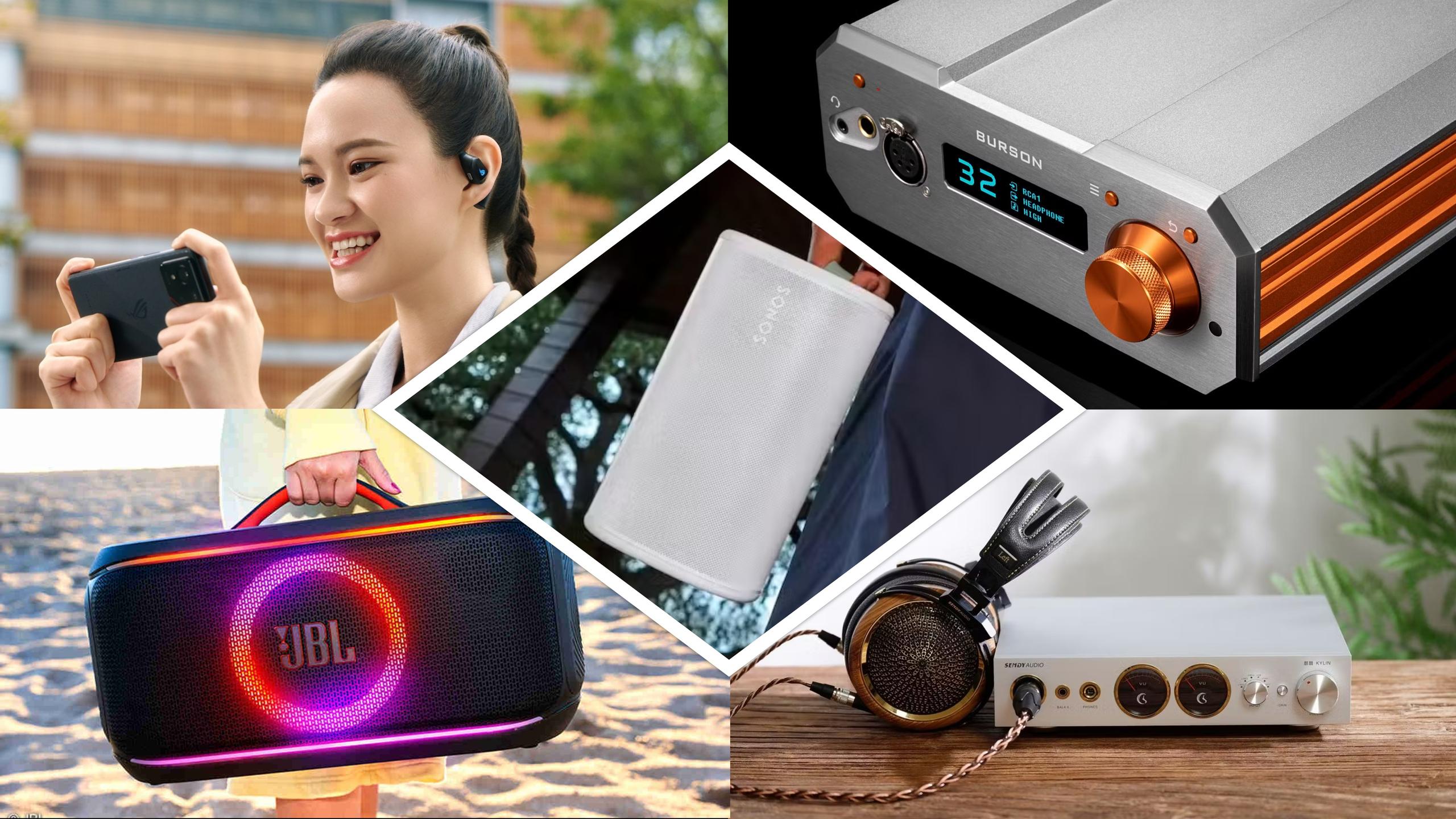
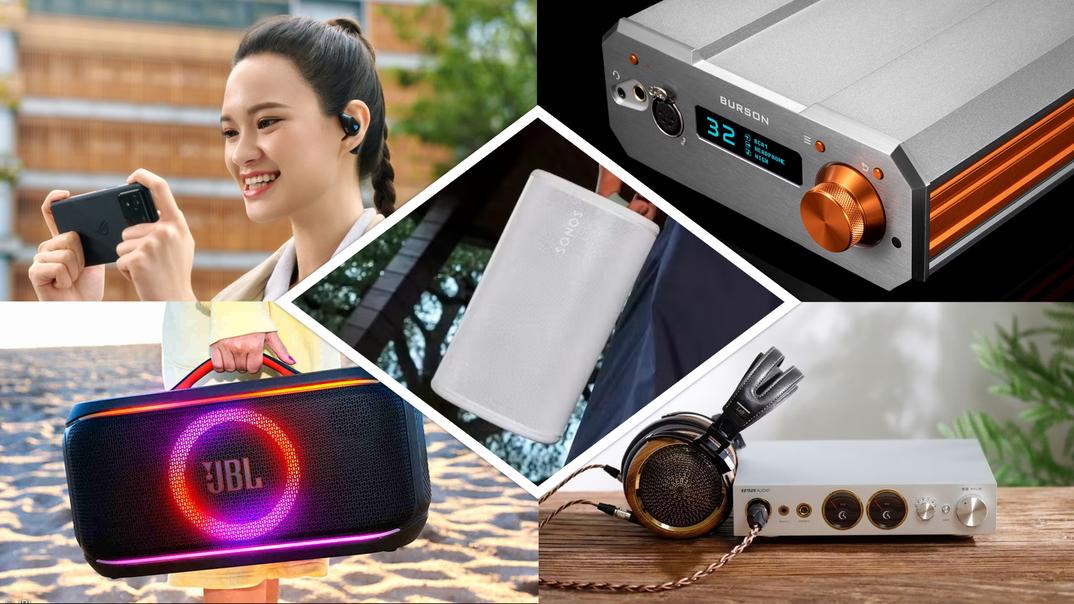
Some weeks in tech feel packed with noise. You get a flood of launches, a pile of spec sheets, and a lot of products that sound more exciting in a press release than they do in real life. Last week was not one of those weeks. There were actually a handful of new products that caught my attention for the right reasons — not because they were shouting the loudest, but because they seem aimed at how people really listen, watch, and use gear now.
What stood out to me most is how broad the mix was. JBL showed up twice with one product line built around karaoke fun and another aimed at everyday headphone users. ASUS took a swing at open-ear gaming earbuds, which still feels like a niche idea but maybe not for much longer.
Sendy Audio and Burson both leaned into serious desktop head-fi, Sonos tried to make its platform simpler to buy into, and Hisense continued its push to make giant Mini-LED TVs feel less out of reach. That is a pretty healthy cross-section of where consumer tech is heading right now: more flexibility, more crossover use cases, and a little less obsession with one-size-fits-all gadgets.
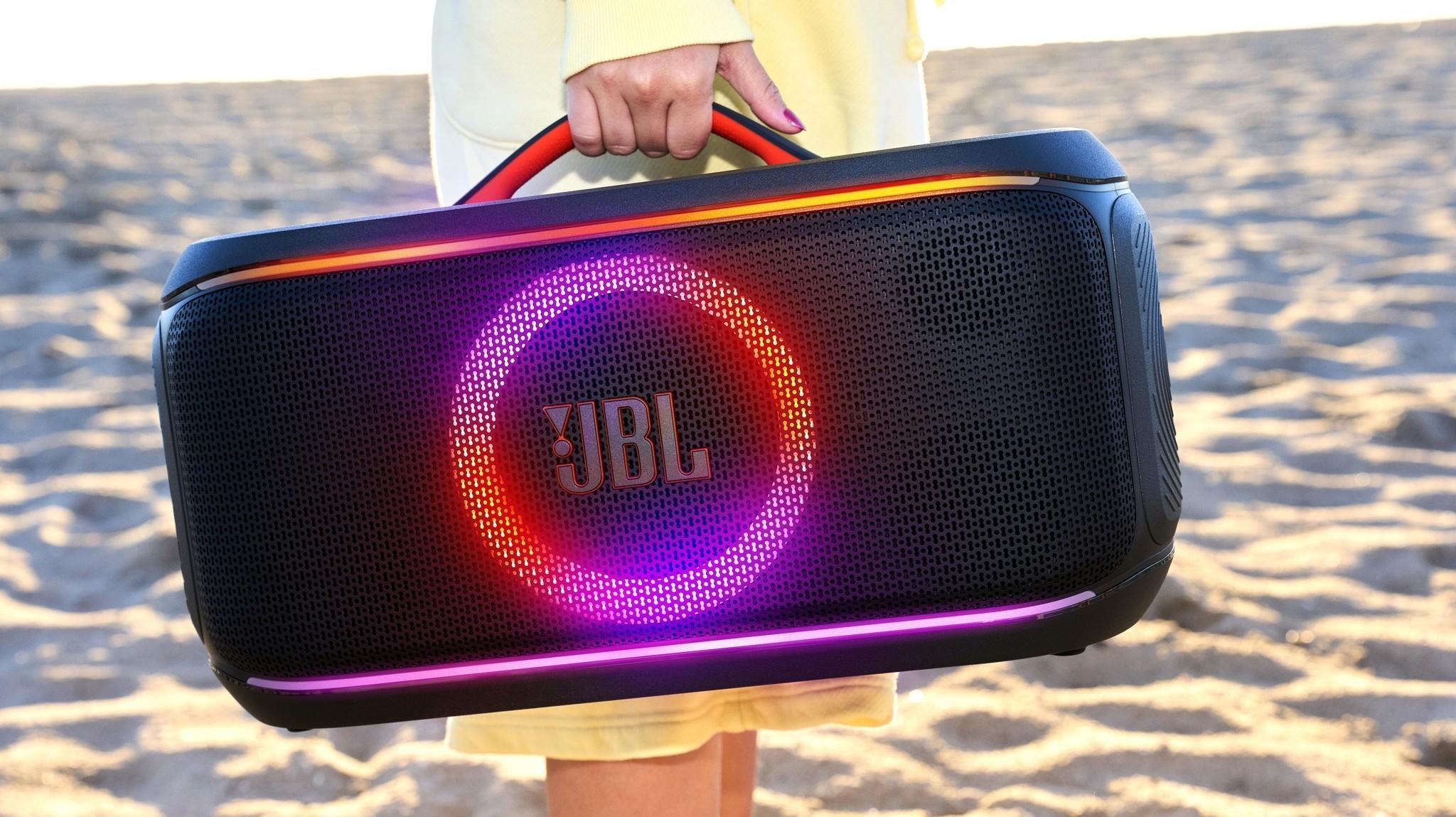
JBL’s latest PartyBox launch is probably the easiest one to explain and, honestly, one of the easiest to imagine people actually using. The big trick here is EasySing, a feature that can reduce or remove vocals from regular songs in real time, so you are not stuck hunting for karaoke versions of tracks before a party.
The PartyBox On-The-Go 2 Plus is the centerpiece, pairing a portable speaker with one included wireless mic, while separate EasySing mics and a smaller EasySing Mic Mini expand the idea for duets, group use, or more casual portable recording. The speaker itself delivers 100 watts, uses dual 20mm tweeters and a 5.25-inch woofer, and adds sensible lifestyle stuff like a better carry handle, IPX4 splash resistance, Auracast, and app control.
What I like about this launch is that JBL is not pretending it invented karaoke. It is just trying to remove friction from it. That is smart. A product like this lives or dies on convenience, and features like adjustable vocal reduction, pitch support, reverb, echo control, and noise suppression all play directly into that.
The PartyBox On-The-Go 2 Plus is priced at $419.95 at Amazon, the EasySing Mics at $199.95 per pair, and the EasySing Mic Mini at $179.95, with availability rolling out from April into May 2026. I can absolutely see this landing with people who want something more fun than a standard Bluetooth speaker but are not about to build a full karaoke rig from scratch. Read more.
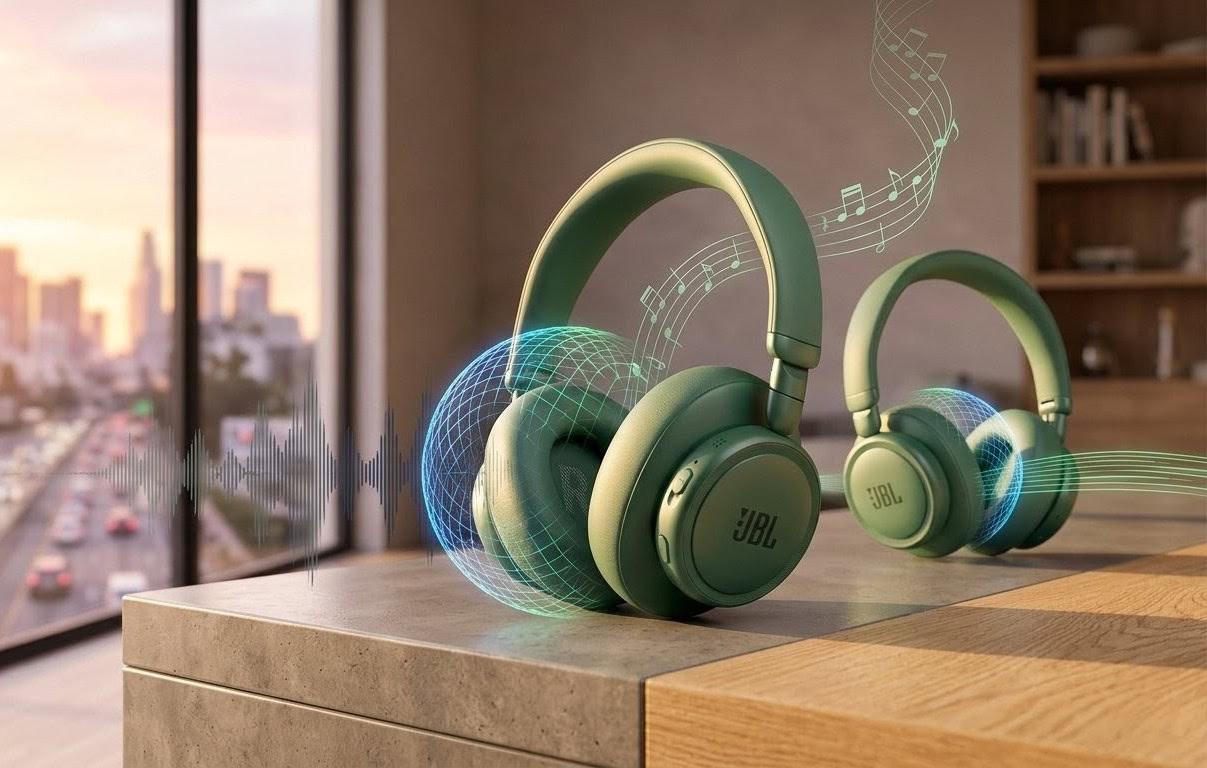
JBL also had a strong week on the headphone side with the new Live 780NC and Live 680NC, two wireless models that feel much more grounded in everyday use than in flashy marketing. The Live 780NC is the over-ear version at $249.95, while the Live 680NC is the on-ear model at $159.95.
Both were announced March 13 after going up for order on March 12, and both are built around features that most people actually care about: long battery life, adaptive noise cancelling, clearer calls, and more personalized sound. JBL says both offer up to 80 hours of playback with ANC off or around 50 hours with it on, and a five-minute charge can add up to four hours of listening.
The more interesting part is that JBL seems to be trying to make these feel less generic than a lot of midrange wireless headphones. Both use 40mm drivers, both get True Adaptive Noise Cancelling 2.0, and both support Personi-Fi 3.0 for hearing-based sound personalization. Call quality gets attention too, with beamforming mics and AI-assisted noise reduction, plus the pricier 780NC adds extras like Personal Sound Amplification and Low Volume EQ.
None of that is revolutionary on its own, but together it makes these feel like very practical headphones for commuting, working, traveling, and daily listening, which is exactly the lane JBL should be chasing. Read more.

ASUS took a more unusual route with the ROG Cetra Open Wireless, and I have to admit I find this product more interesting than I expected. These are open-ear gaming earbuds, which means they are designed to let outside sound in rather than seal you off completely. That alone makes them different from the usual gaming headset formula.
ASUS is clearly pitching them to people who bounce between gaming, calls, workouts, and casual listening, and that crossover approach makes a lot of sense in 2026. The earbuds support both Bluetooth and low-latency 2.4GHz wireless through ASUS’s SpeedNova tech, ship with a USB-C dongle with passthrough charging, and work across PC, Mac, PlayStation, Switch, iOS, and Android.
There is more going on here than just the form factor. ASUS says the Cetra Open Wireless uses 14.2mm diamond-like carbon drivers, includes sound modes like Phantom Bass and Immersion Mode, and relies on physical buttons instead of touch controls, which is one of those small decisions that might matter a lot more in real life than on a spec sheet. Battery life is rated at up to 16 hours from the earbuds in Bluetooth mode, with the case extending total life to 64 hours, and the price lands at $229.99.
Open-ear audio is still not for everyone, especially if you want maximum isolation, but I do think ASUS is onto something by treating gaming audio as a more mobile, mixed-use category instead of something chained to a desk. Read more.
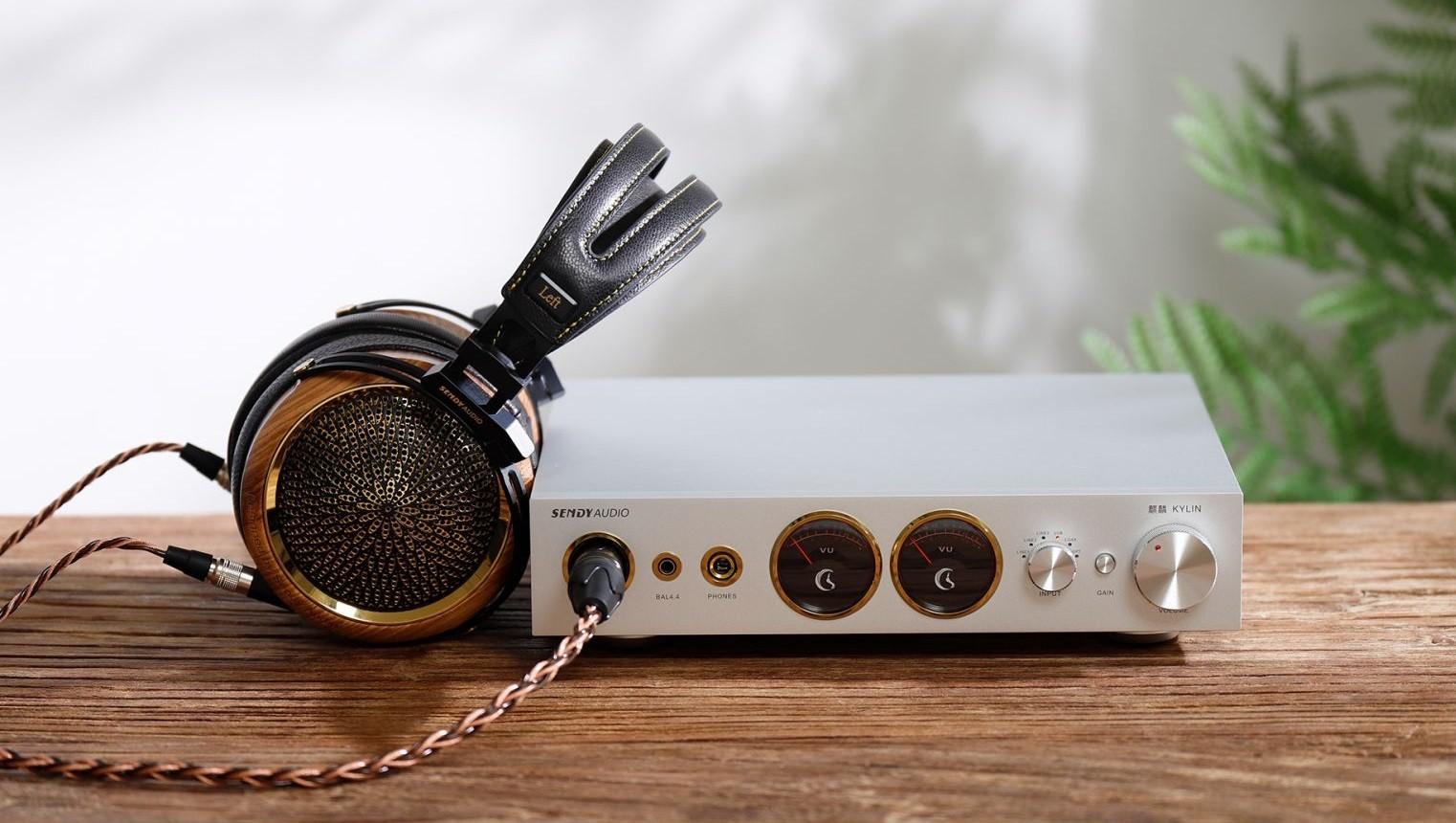
The Sendy Audio Kylin is the kind of launch that will not matter to everyone, but for desktop audio people it is worth paying attention to. This is a $1,499 DAC/headphone amp that first appeared at CanJam NYC 2025 and is now getting a full release.
Sendy is leaning hard into the Class A angle here, pairing that amplifier topology with an ESS ES9038Q2M DAC chip, an XMOS USB platform, native DSD512 support, balanced and single-ended headphone outputs, and a machined aluminum chassis built to deal with the extra heat that comes with Class A operation.
What I find appealing is that the Kylin does not sound like it is trying to be everything for everyone. It sounds like a product aimed at someone who wants a serious, more traditional hi-fi desktop component rather than an app-heavy lifestyle box. Sendy is also positioning it as more than a headphone-only unit, since it includes digital and analog inputs and outputs for broader system use.
In a crowded category, that clearer sense of identity matters. At $1,499, it is not cheap, but it does slot into a part of the market where buyers are already comparing premium all-in-ones and looking for something with a bit more personality. Read more.
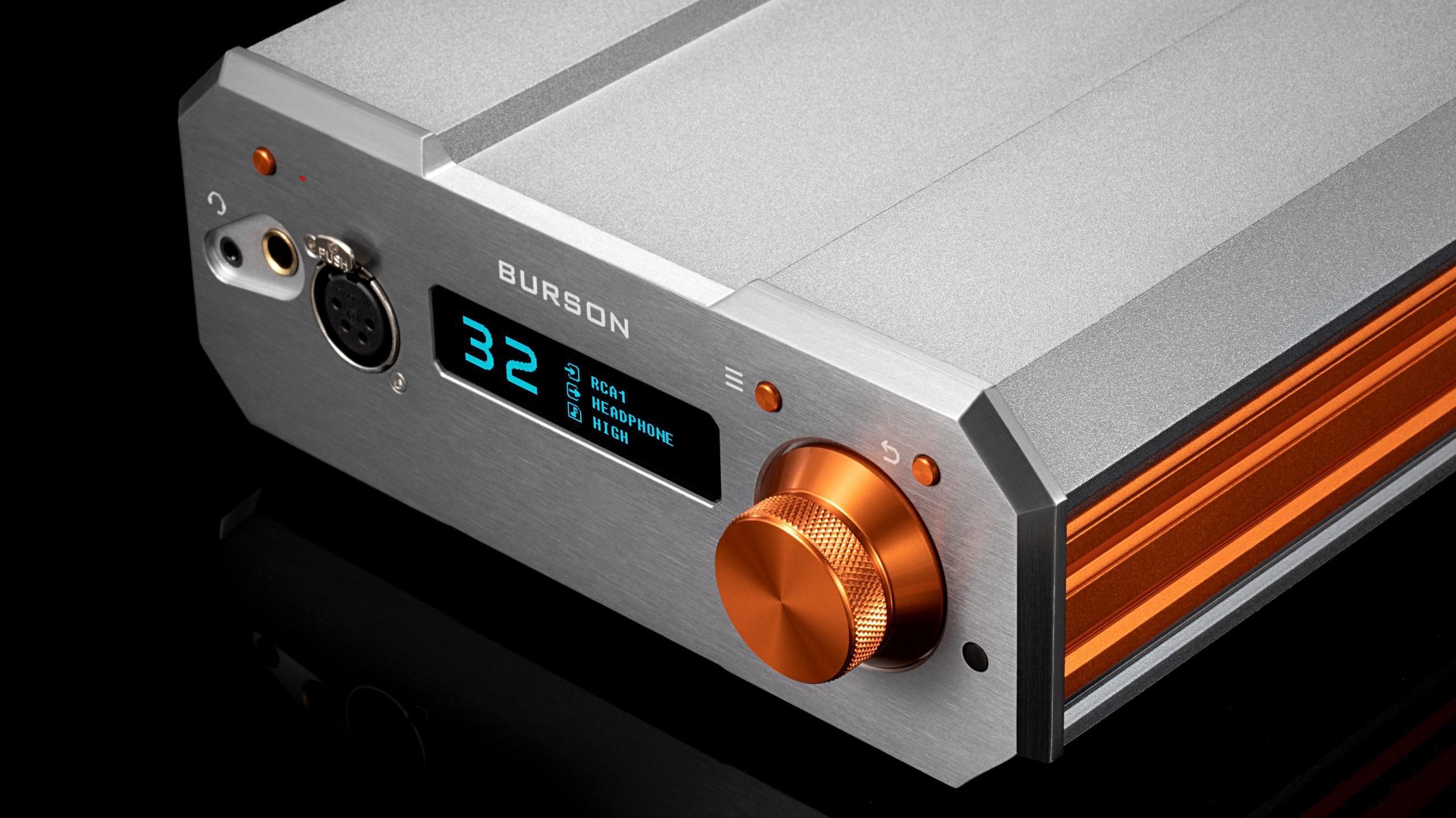
Burson’s new Stellar duo feels aimed squarely at people who are deep enough into headphones to know exactly why matching gear matters. The Conductor Stellar combines DAC, headphone amp, and preamp functions in one box, while the Soloist Stellar strips things back and focuses on amplification and preamp duties.
Both are fully discrete Class A designs rated at 8 watts of balanced output, and Burson says they include a dedicated ultra-low-noise IEM stage so they can work with sensitive in-ears as well as demanding planars. That is a meaningful distinction because not every powerful desktop amp handles both ends of the headphone spectrum equally well.
The Conductor Stellar is the more full-featured model, using an ESS9039PRO DAC with PCM up to 32-bit/768kHz, native DSD512, Bluetooth 5.0 with LDAC, aptX HD, and AAC, plus preamp and subwoofer connectivity. The Conductor is priced at $1,800, while the Soloist comes in at $1,500.
These are not entry-level products, obviously, but I like that Burson seems focused on solving a real enthusiast problem instead of just piling on meaningless extras. For the right buyer, this looks like a serious desktop stack without needing to turn into a full rack of separates. Read more.

Sonos had one of the more strategic launches of the week with the new Sonos Play and Era 100 SL. The Play is a $299 portable speaker that sits between the Roam 2 and Move 2, with Wi-Fi at home, Bluetooth on the go, up to 24 hours of battery life, an IP67 rating, a wireless charging base, a removable carry loop, and even power bank functionality for charging your phone.
It also supports AirPlay 2, Spotify Connect, voice control, Automatic Trueplay, and Bluetooth grouping with up to four Play or Move 2 speakers away from Wi-Fi.
The Era 100 SL is the quieter launch, but maybe the smarter one. At $189, it is basically an Era 100 without the microphone, which means no built-in voice assistant but a lower price and fewer privacy concerns for people who do not want mics in every room.
That makes it feel like a practical expansion speaker rather than a flashy new category. Both products were announced March 10, with preorders opening the same day and general availability set for March 31, 2026. After Sonos’ rough app-era stretch, these feel like sensible products built around clarity: one for portability, one for affordability, and neither trying too hard to reinvent the wheel. Read more.

If you are more of a big-screen person, Hisense probably had the most ambitious launch of the week. The company’s 2026 ULED Mini-LED lineup centers on the new U7 and U6 series, with the U7 arriving first and the U6 following later in spring.
The headline grabber is size: the U7SG runs from 55 inches all the way to 116 inches, with pricing starting at $1,299.99 for the 55-inch version and going all the way up to $19,999.99 for the 116-inch monster. The U7 also brings a native 165Hz refresh rate, VRR, ALLM, Dolby Vision Gaming, HDR10+ Gaming, and a 50-watt 2.1.2-channel audio system with Dolby Atmos and DTS Virtual:X.
The U6 is the part of this launch I think more people will actually care about. It is the more value-focused line, still using Mini-LED backlighting, full-array local dimming, Quantum Dot color, AI picture optimization, and even an integrated subwoofer, while aiming for a more accessible price tier. Hisense appears to be splitting its smart platforms too, with Google TV on one version of the U7 and Fire TV on the U6 lineup.
To me, the bigger takeaway is simple: Hisense keeps pushing advanced TV features into price ranges and screen sizes that used to feel far less realistic. If that trend keeps going, shoppers looking for big-screen value are going to have a lot more reason to pay attention this year. Read more.




Privacy Policy
Terms and Conditions - Affiliate Policy
Home Security
© Copyright 2008-2026.
11816 Inwood Rd #1211, Dallas, TX 75244