

HDMI 2.2 has officially landed. After its announcement earlier this year at CES 2025, the HDMI Forum has now released the full spec to manufacturers, and it’s a big one. This new version of HDMI is all about handling a lot more data, which opens the door to some wild video possibilities like 4K at 480Hz and even 16K at 60Hz.
So what exactly is HDMI 2.2, and do you need to care right now? Let’s break it down in plain English.
“The HDMI Forum is proud to release the new HDMI 2.2 Specification to enable higher performance capabilities and features for exciting and immersive new solutions and products,” said Chandlee Harrell, president of the HDMI Forum. “And the introduction of the new Ultra96 feature name will help consumers and end-users ensure their product’s maximum bandwidth is supported.”

At its core, HDMI 2.2 is the next step in how TVs, consoles, and home theater systems talk to each other. The big headline is bandwidth. HDMI 2.1 could handle 48Gbps (gigabits per second). HDMI 2.2? That number jumps to 96Gbps. That means it can carry way more visual and audio data at once, unlocking higher resolutions and faster refresh rates than ever before.
With HDMI 2.2, you’re looking at support for:
Now, most of us aren’t clamoring for a 16K TV just yet (and they don’t really exist in the consumer market), but the idea here is to prepare for the future. You probably won’t see media or games using these formats tomorrow, but HDMI 2.2 makes sure we’re not bottlenecked as display tech continues to improve.

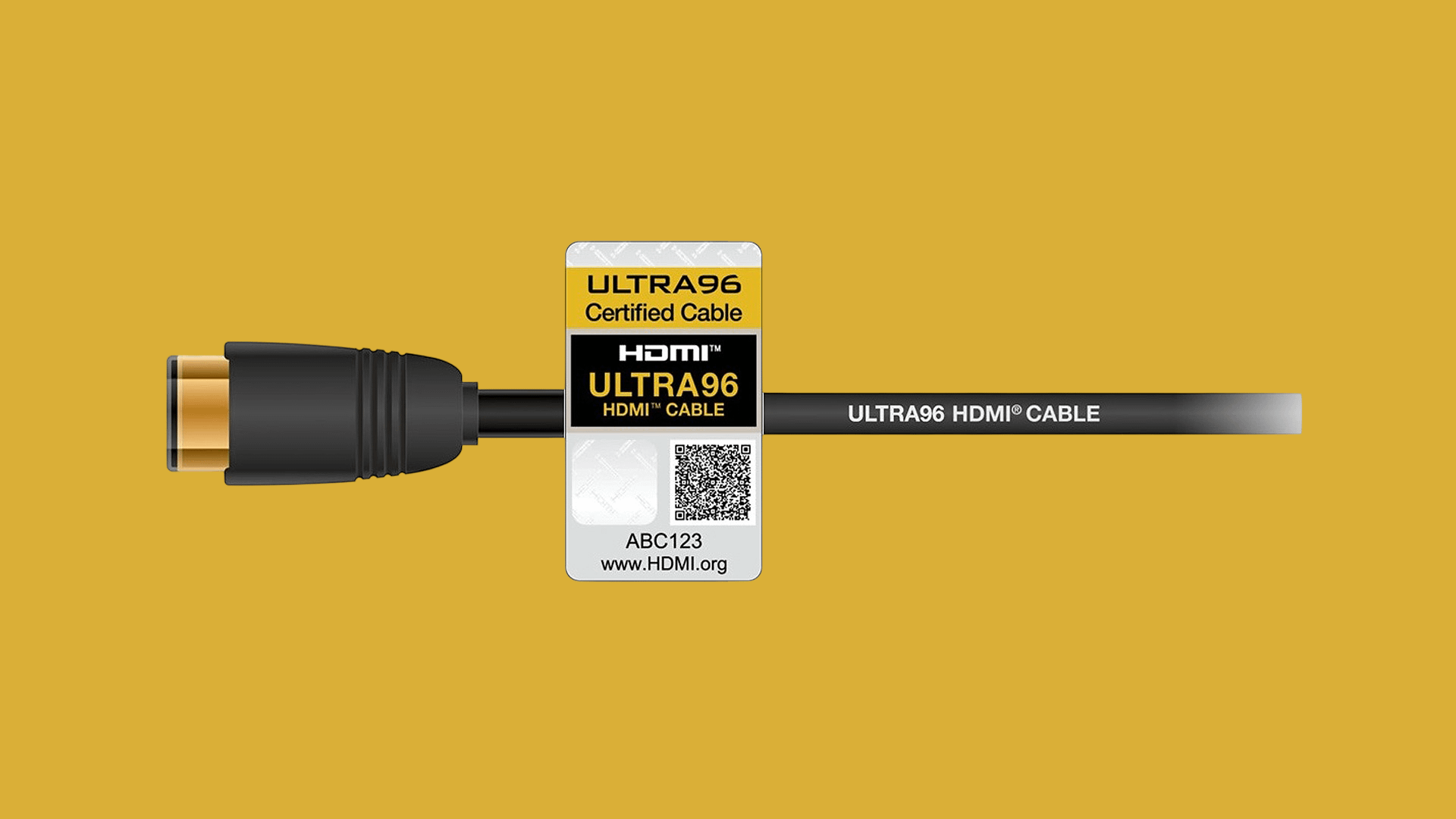
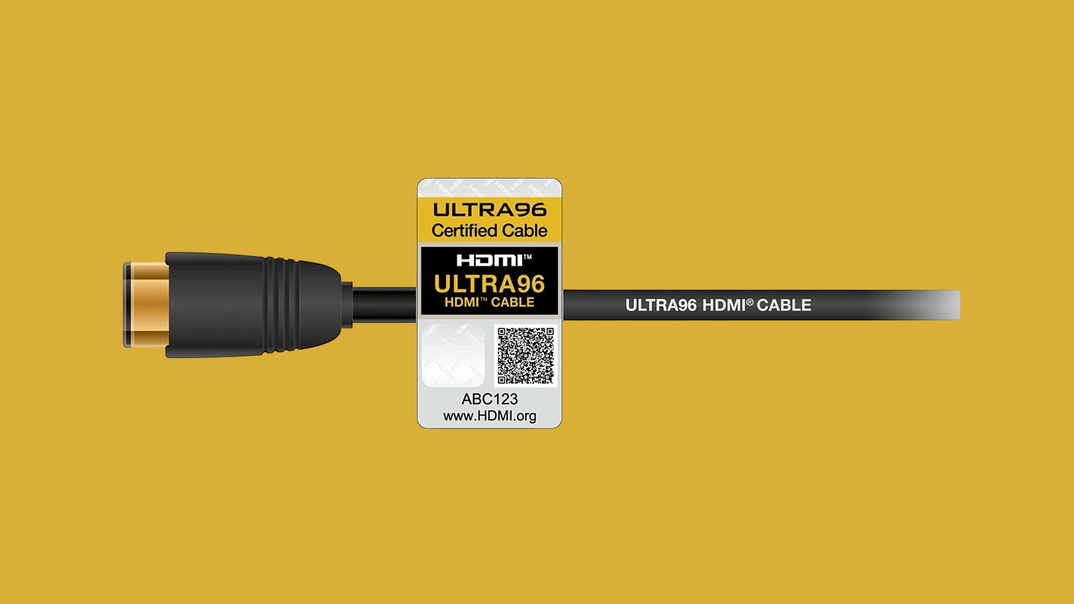
To take full advantage of HDMI 2.2, you’ll need new cables, called Ultra96. They’re designed to handle up to 96Gbps of data, but here’s the catch: not every Ultra96 cable will hit that top number. Some might be certified for 64Gbps or 80Gbps, so it’ll be worth double-checking what you’re actually buying.
The same name, Ultra96, might show up on HDMI ports too. But just because a port has the label doesn’t mean it supports the full 96Gbps either. It’s a little confusing, but the takeaway is this: look at the fine print and don’t assume every HDMI 2.2 product offers everything the spec allows.
HDMI 2.2 also introduces a new feature called Latency Indication Protocol, or LIP. If you’ve ever noticed a slight delay between the picture and the sound—especially when running your setup through a soundbar or AV receiver—this is meant to help. It gives devices a better way to stay in sync, making sure you’re not seeing someone’s lips move a second before you hear their voice.

This builds on earlier HDMI improvements and won’t require any extra setup, but both your devices will need to support the feature to get the benefit.
The good news is that HDMI 2.2 still works with your existing HDMI devices and cables. You won’t need to throw anything out. But if you want to access those high-performance features like 8K 240Hz or 4K 480Hz, both your device (like a TV or console) and the cable will need to support the full HDMI 2.2 spec and use an Ultra96 connection.
Another thing to keep in mind: manufacturers can label a device as HDMI 2.2 even if it only supports a single new feature—like LIP—but not the full 96Gbps. So, again, check the detailed specs if you’re shopping for a new TV or media device and want full HDMI 2.2 capabilities.

While the standard is officially out, don’t expect to walk into a store next week and find a bunch of HDMI 2.2-enabled TVs and consoles. HDMI 2.1 took a couple of years to show up in real products after it launched, and this rollout will probably follow a similar path, though maybe a bit faster this time.
We’re likely looking at 2026 or 2027 before HDMI 2.2 becomes common in consumer gear. Future consoles—like the next PlayStation or Xbox—could be some of the first to adopt it. And as monitors and VR headsets demand more data to support higher frame rates and resolutions, HDMI 2.2 will start to make more sense in real-world use.
HDMI isn’t the only high-bandwidth video standard out there. DisplayPort 2.1, which supports up to 80Gbps, has already been making its way into high-end monitors and graphics cards. That’s especially true in the PC world, where DisplayPort is often preferred by gamers and creators.
But HDMI remains the go-to standard for TVs, AV receivers, and consoles, so HDMI 2.2 is likely to matter more in your living room than at your desk.





Privacy Policy
Terms and Conditions - Affiliate Policy
Home Security
© Copyright 2008-2026.
11816 Inwood Rd #1211, Dallas, TX 75244