

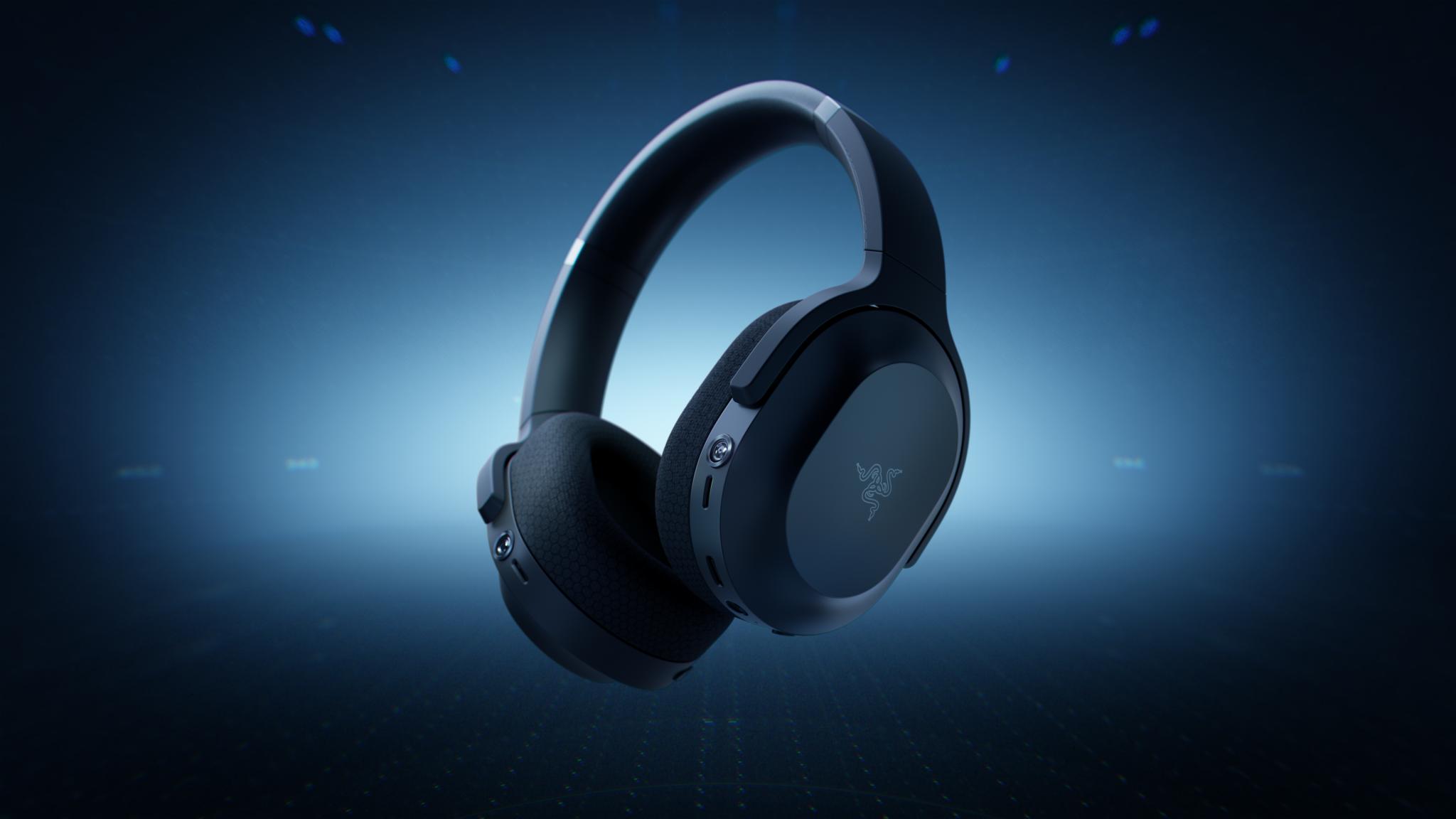
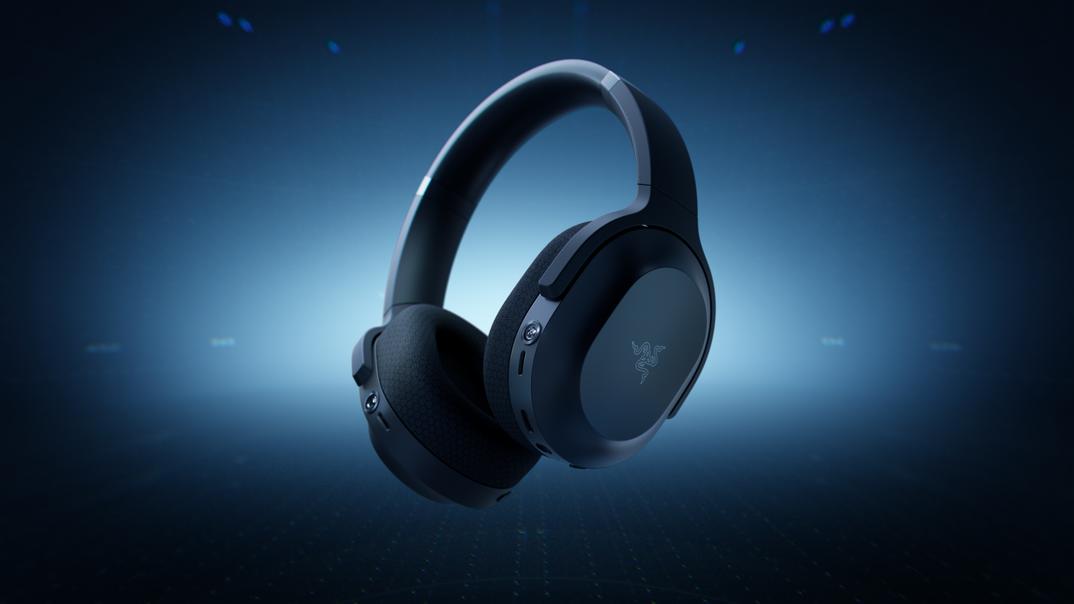
CES 2026 brought us plenty of eye-catching tech, but one of the most interesting concepts came from a familiar name in gaming. Razer, known for its RGB-loaded keyboards and headsets, introduced something a little different this year: Project Motoko, a headset that doesn’t just play sound—it sees, hears, and responds.
Motoko is still a concept, but it hints at where AI wearables might be headed. Picture your regular wireless over-ear headphones. Now imagine they’ve got cameras built in at eye level, microphones that capture not just your voice but your surroundings, and the smarts to act as your AI-powered companion throughout the day.
From the outside, Project Motoko looks a lot like Razer’s gaming headsets. What makes it different is what’s inside. The headset includes a Qualcomm Snapdragon chip and two front-facing cameras positioned at eye level. These aren’t just for video calls—they’re designed to process the world from your point of view.
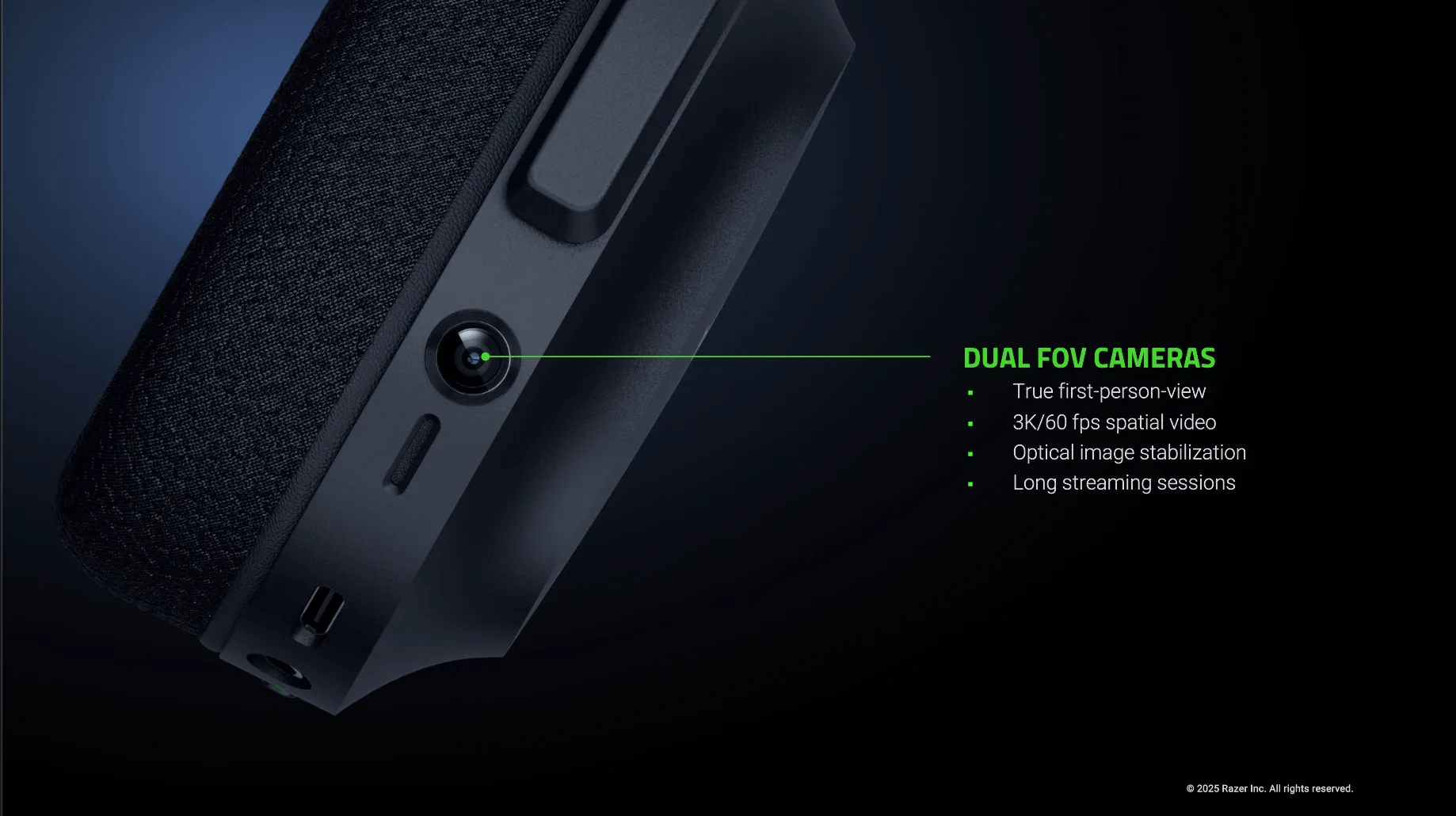
The cameras can recognize what you’re looking at in real time, whether that’s a sign in another language, a document that needs summarizing, or an exercise routine at the gym. Since they sit where your eyes are, the footage lines up naturally with your line of sight. This gives the headset a more intuitive understanding of your surroundings—especially when paired with its depth-sensing capabilities.
You also get a set of microphones that can pick up both nearby and distant audio. That means it can hear your voice commands, but also ambient sounds like someone talking to you or a car approaching from behind. Combined, the cameras and microphones give Motoko what Razer calls “augmented AI awareness.”
One of the more flexible features of Project Motoko is that it doesn’t lock you into a specific AI system. It works with major platforms like ChatGPT, Google Gemini, and xAI’s Grok. So whether you use one assistant for scheduling and another for creative tasks, the headset can adapt.
The idea is that you could walk down the street and have Motoko translate signs or give directions. Or you could be working from home and have it summarize an email just by glancing at the screen. Since it’s always listening and watching (with your permission, presumably), it’s meant to jump in only when it’s useful—not bombard you with notifications.
Despite Razer’s gaming roots, this headset isn’t just for streaming or esports. The company is pitching it as something you might wear all day—for work, commuting, travel, or even casual use at home.
And let’s face it, smart glasses haven’t exactly taken off, partly because people feel weird wearing them. Headphones, on the other hand, are already part of most people’s daily routines. Razer seems to be betting that adding AI to something people already use could be a more natural path forward.
The form factor also gives engineers more room to work with. Compared to glasses, headphones offer more internal space for chips, batteries, and sensors—without making the user look like a cyborg.
“Project Motoko is more than a concept, it’s a vision for the future of AI and wearable computing,” said Nick Bourne, Global Head of Mobile Console Division, Razer. “By partnering with Qualcomm Technologies, we’re building a platform that enhances gameplay while transforming how technology integrates into everyday life. This is the next frontier for immersive experiences.”
Motoko isn’t available to buy just yet, and Razer hasn’t announced a release date. But there’s a Developer Kit coming in Q2 2026, which suggests the company is looking for real-world feedback—and maybe even apps or tools that could make Motoko more useful.
The Developer Kit also points to another potential use case: machine learning research. Because the headset captures first-person video, audio, depth information, and user attention patterns, it could be a valuable tool for training AI systems, especially in robotics or computer vision.
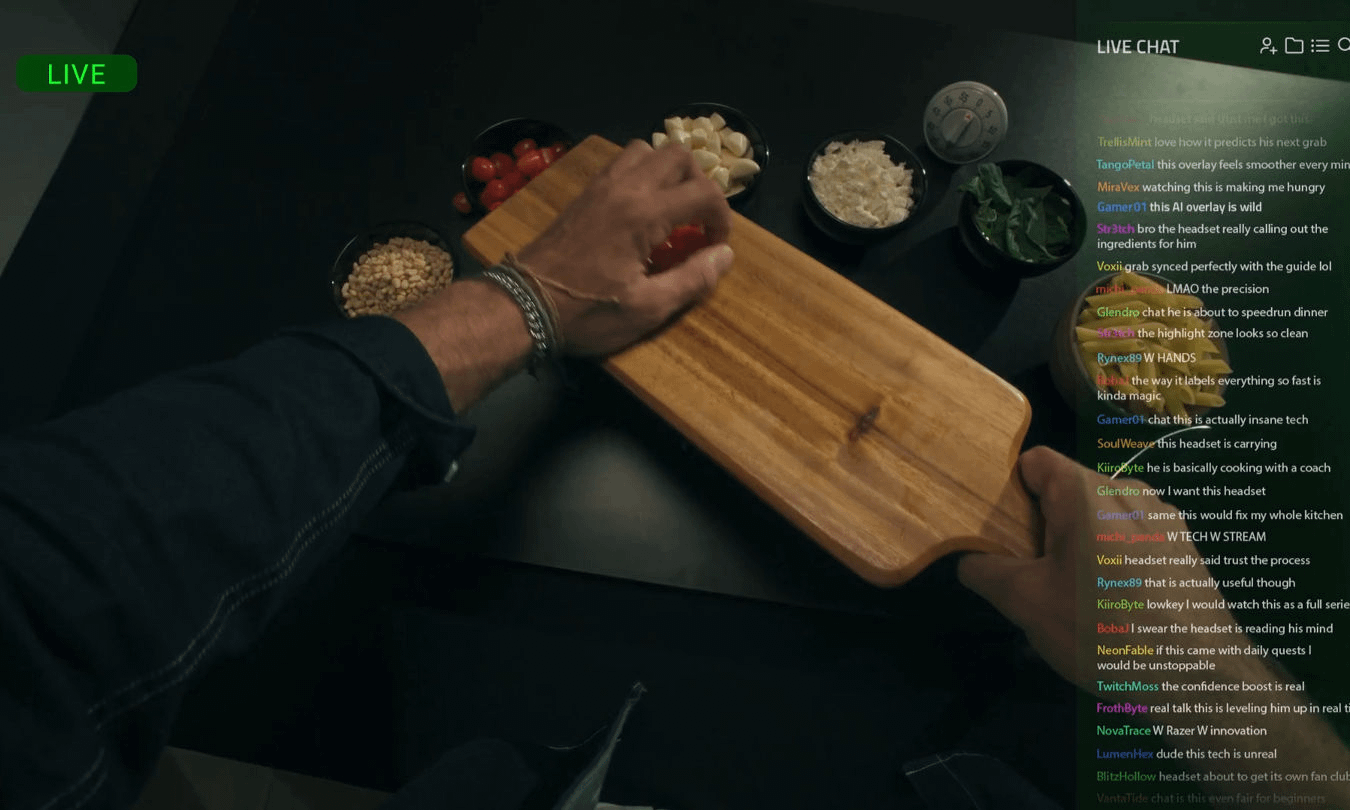
For content creators, the appeal is slightly different. Eye-level video recording could be useful for vloggers or streamers who want a more natural-looking perspective without strapping a camera to their chest or setting up a whole rig.
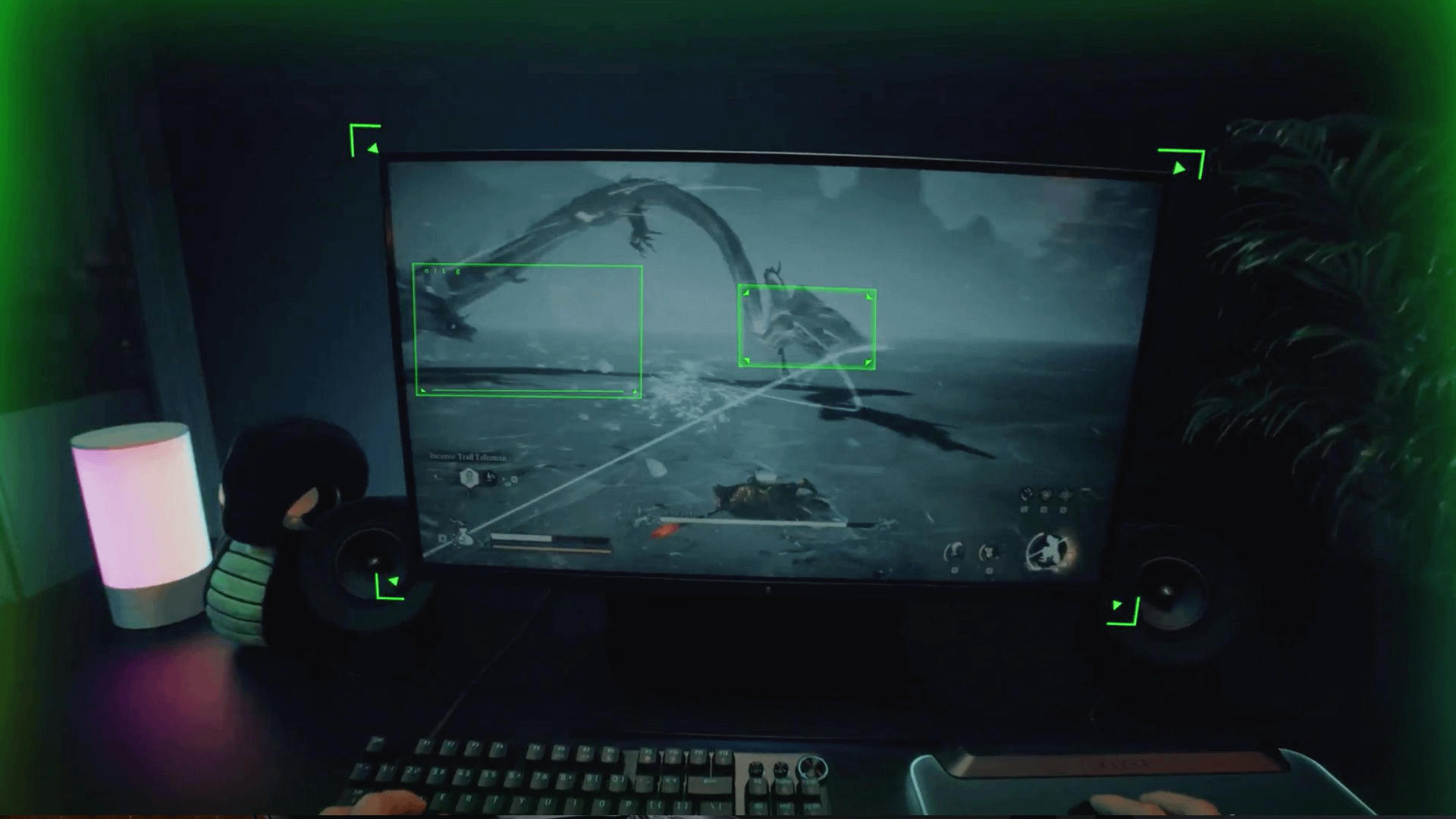
While Motoko sounds promising, there are still a lot of unanswered questions. Razer hasn’t revealed:
These details will matter a lot, especially for people who are (understandably) cautious about devices that are always recording or listening. Until Razer provides more technical specifics, it’s hard to judge how practical—or secure—Motoko will be in real life.
Project Motoko is Razer’s vision of what happens when you combine a smart assistant, a wearable camera, and a pair of headphones. Whether it ends up as a niche developer tool or something consumers actually want to wear every day, it’s a sign that AI wearables aren’t just coming—they’re being built into the devices we already use.
It’s still early days, and like many CES concepts, Motoko might never hit store shelves. But the fact that Razer is preparing a developer kit suggests it’s more than just a design experiment. If it works—and if people are willing to wear it—Project Motoko could show us a new way to experience AI: through our ears, our eyes, and maybe even our everyday habits.
Related Reading:





Privacy Policy
Terms and Conditions - Affiliate Policy
Home Security
© Copyright 2008-2026.
11816 Inwood Rd #1211, Dallas, TX 75244
