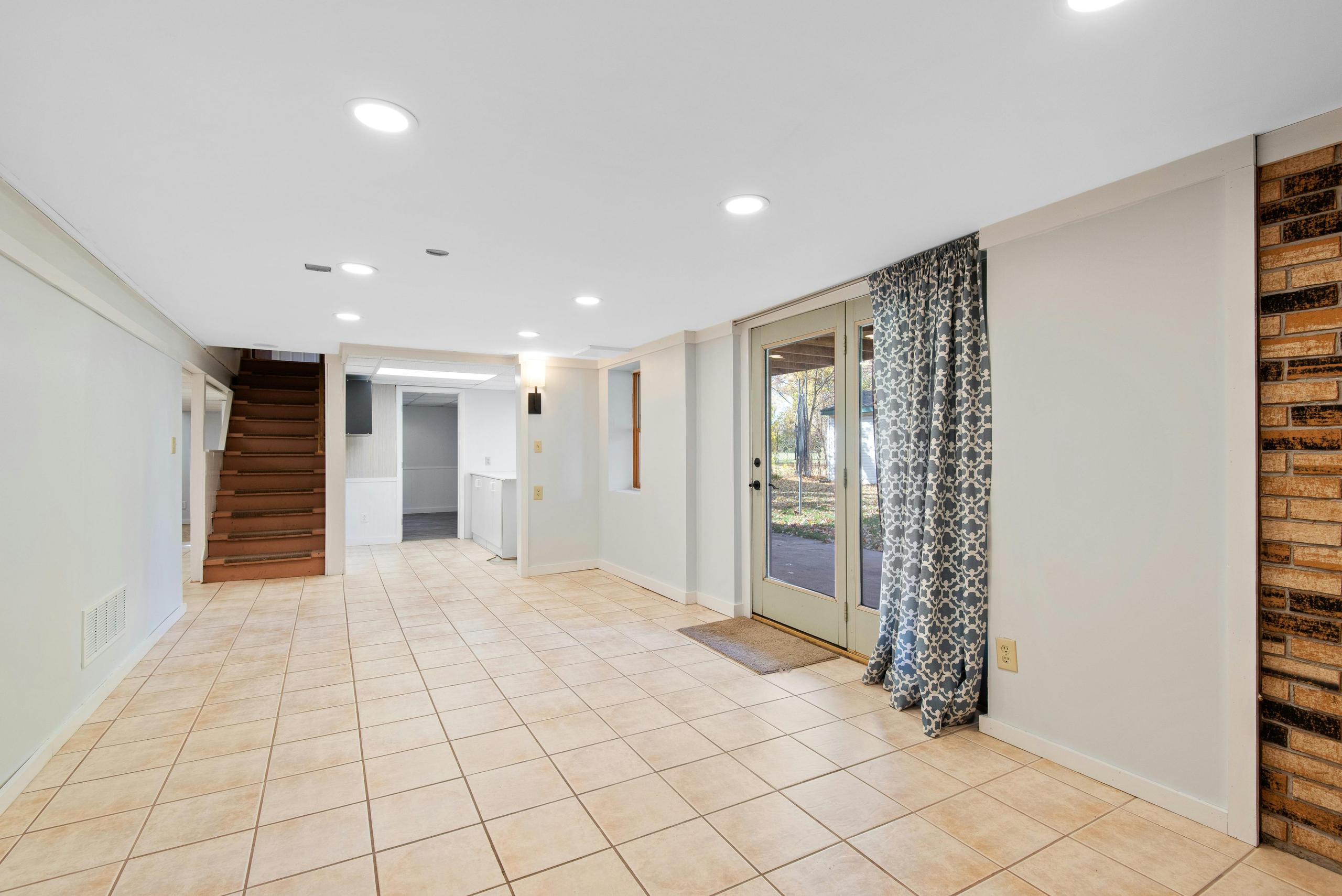
Many families reach a point where every room in the house feels full. Toys pile up in the living room, school supplies scatter across the dining table, and teenagers crave their own space. The basement, often overlooked or used only for storage, can be the solution. With the right design choices, this area can turn into a safe, flexible, and enjoyable place for the entire family.
What makes the basement such a good option is its potential to change as children grow. A toddler’s playroom today can transform into a study corner for a school-aged child and later into a hangout space for teens. This adaptability makes it one of the most valuable parts of the home. Parents who invest time and planning into basement design not only gain more usable space but also create an environment that grows along with their kids.
This article explores practical and creative ideas to help families make the most of this space without falling into the trap of designing for only one stage of childhood.
Start with a Clear Plan for Flexibility
Before moving furniture or choosing colors, it’s important to think about the long-term use of the basement. A space that works only for toddlers might not be practical in five years. That’s why flexibility should be the first step in planning.
Open layouts are often the best choice because they allow easy changes later. For example, an area that begins as a toy zone can be rearranged into a reading corner or gaming spot when kids are older. Avoid permanent walls or built-in elements that restrict future options. Instead, choose movable dividers, rugs, or lightweight shelving units that define areas without making them permanent.
Families who want professional guidance can also consult a basement finishing company to design layouts that adapt to changing needs. These experts understand how to create safe, durable spaces that remain functional as children grow. A flexible plan gives families the chance to update the basement without major renovations every few years.
Safety First: Kid-Proofing Your Basement
No design works if safety is ignored. Basements sometimes come with hard flooring, sharp corners, or poor lighting. These issues need to be addressed early, especially when children are small.
Flooring should be slip-resistant and comfortable. Soft carpet tiles or cushioned vinyl are good choices because they reduce the risk of injuries and can handle spills. Adding strong handrails to stairs and ensuring doors lock properly also increases safety.
Furniture matters too. Rounded edges on tables and child-height storage help reduce accidents. Bright lighting throughout the basement prevents dark spots where kids could trip. Parents should also consider installing outlet covers and securing heavy shelves to the wall. When safety is built into the design, kids can use the space freely without constant worry.
The Playroom Stage: Early Childhood Fun
For families with toddlers or preschoolers, a playroom is often the first step in any basement transformation. This stage is about creating a space where young children can explore and play safely.
Soft surfaces are essential. Foam floor tiles or thick rugs allow kids to crawl and run without risk. Low shelves make it easy for them to reach toys, books, and art supplies. Bright, cheerful colors on the walls make the basement feel welcoming instead of dark or cold.
It’s also smart to add small zones within the playroom. One corner might hold a reading nook with bean bags, while another could have a table for crafts. The goal is to create a space that encourages creativity while still being easy to clean up at the end of the day.
Study and Homework Corners for School Years
As children enter school, the basement can become more than just a play space. Adding a dedicated study or homework corner helps kids focus and gives parents a break from clutter in other rooms.
This doesn’t require a large area. A small desk with good lighting is often enough. The key is to make the space quiet and organized. Ergonomic chairs and desks sized for children support good posture and comfort during study time. Shelves, pegboards, or wall organizers help keep supplies within reach but off the floor.
Parents might also consider adding a shared table for group projects or tutoring sessions. A basement study zone gives kids their own space to concentrate while keeping schoolwork separate from family areas upstairs.
Teen-Friendly Entertainment Zones That Encourage Independence
As kids grow into their teenage years, their needs shift from toys and play mats to entertainment and privacy. A basement can become the ideal spot for teens to relax with friends while still being under the same roof.
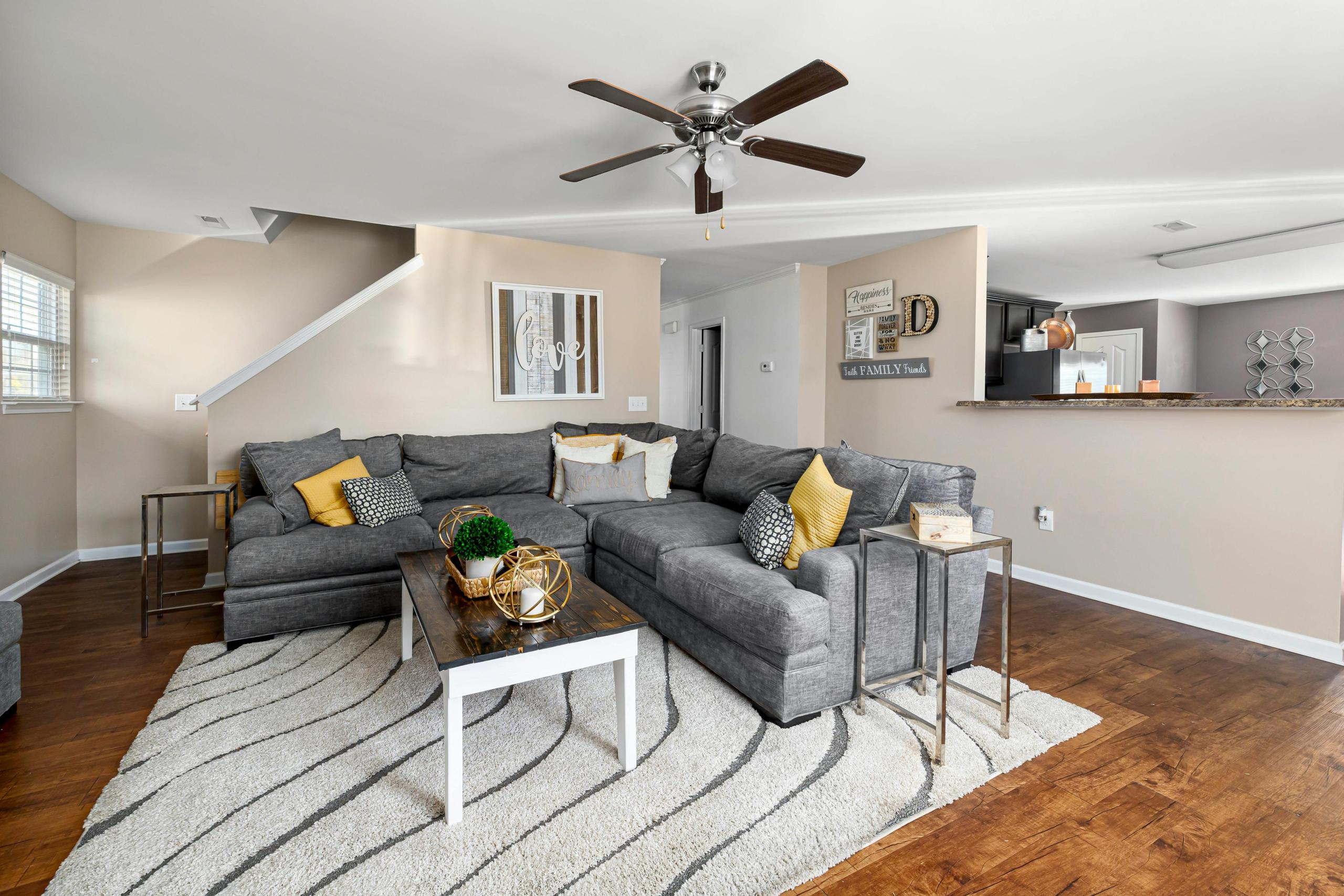
Comfortable seating is the first step. Sectionals, beanbags, or recliners make the space inviting. Adding a television or projector setup can turn one part of the basement into a movie or gaming zone. Proper wiring, charging stations, and storage for consoles or remotes keep things organized.
Soundproofing is also worth considering. Acoustic panels, heavy curtains, or rugs help reduce noise that travels upstairs. This way, teens enjoy their independence without disturbing the rest of the household. Creating a basement that works as a teen hangout not only gives them space but also helps parents feel at ease knowing their kids are spending time in a safe environment.
Multi-Use Spaces for Family Bonding and Activities
While it’s important for kids to have their own corners, the basement should also serve the entire family. Designing a flexible, shared space makes it easier to spend time together.
One option is to create a family movie zone with a projector and cozy seating. This can double as a space for hosting relatives or friends. Another idea is to include a large table for board games, puzzles, or crafts. Families who enjoy fitness can dedicate a corner to exercise equipment for group workouts.
The goal is to create a mix of personal and shared areas. When the basement supports both independent and family activities, it becomes a central part of the household rather than an isolated room.
A basement has the potential to be more than just extra storage. With thoughtful planning, it can become a flexible, safe, and enjoyable space that adapts as children move from playtime to study years and finally into their teenage years. The right mix of safety, storage, entertainment, and family-friendly features makes it a long-term asset for the household.
By making decisions that balance comfort, durability, and flexibility, the basement can evolve into one of the most valuable parts of the home.





Privacy Policy
Terms and Conditions - Affiliate Policy
Home Security
© Copyright 2008-2026.
11816 Inwood Rd #1211, Dallas, TX 75244