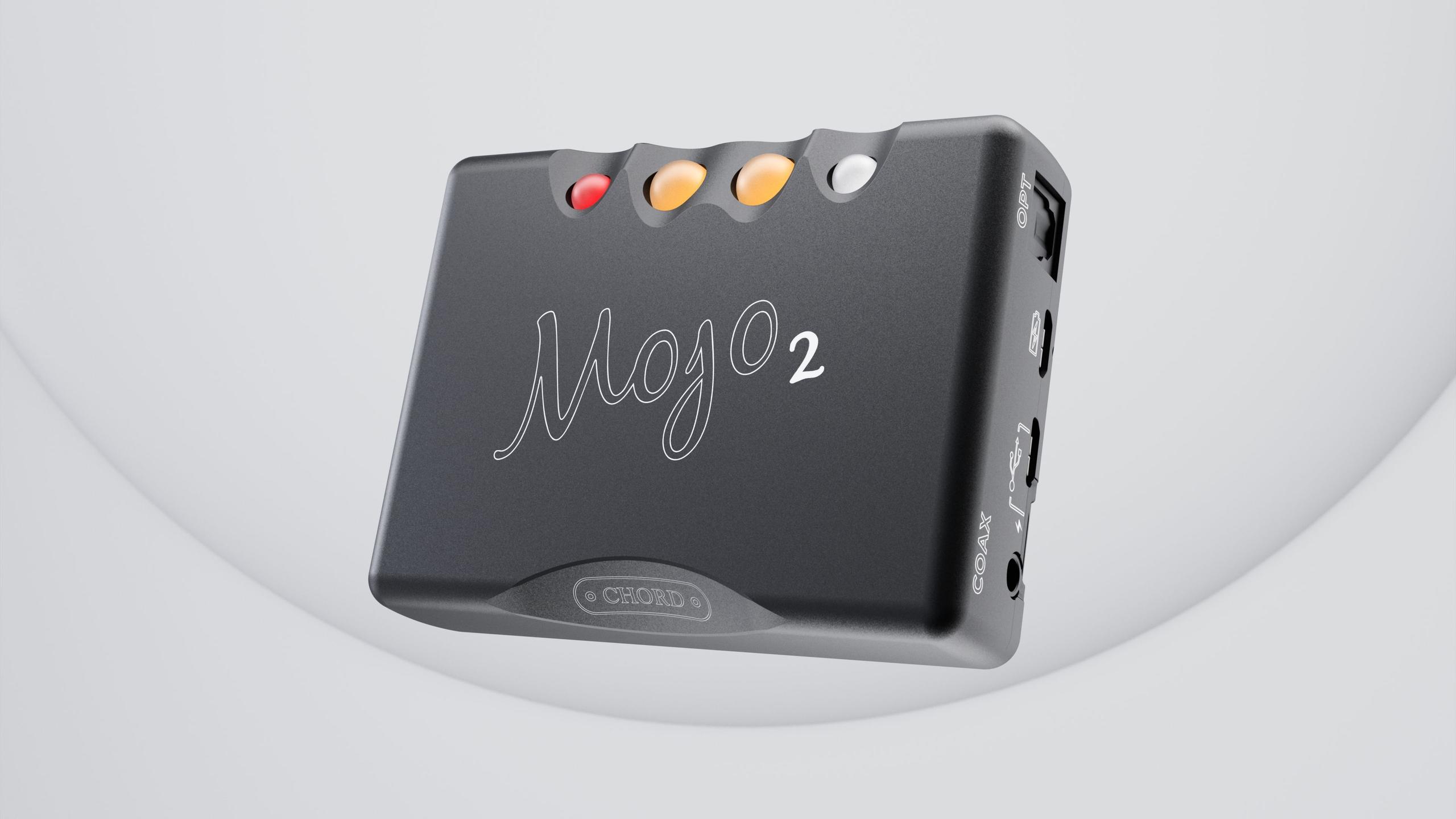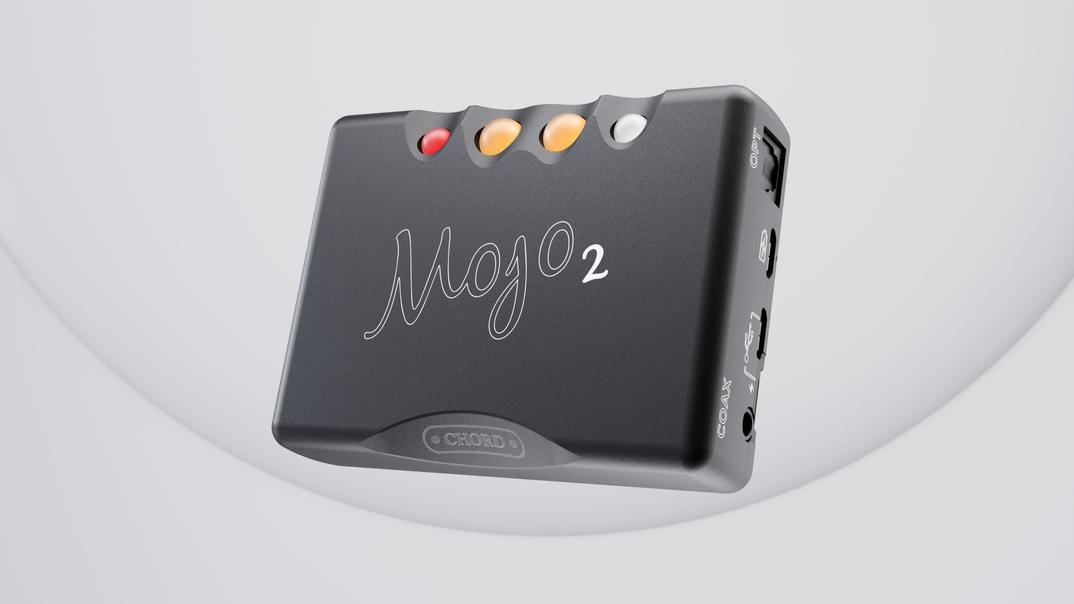
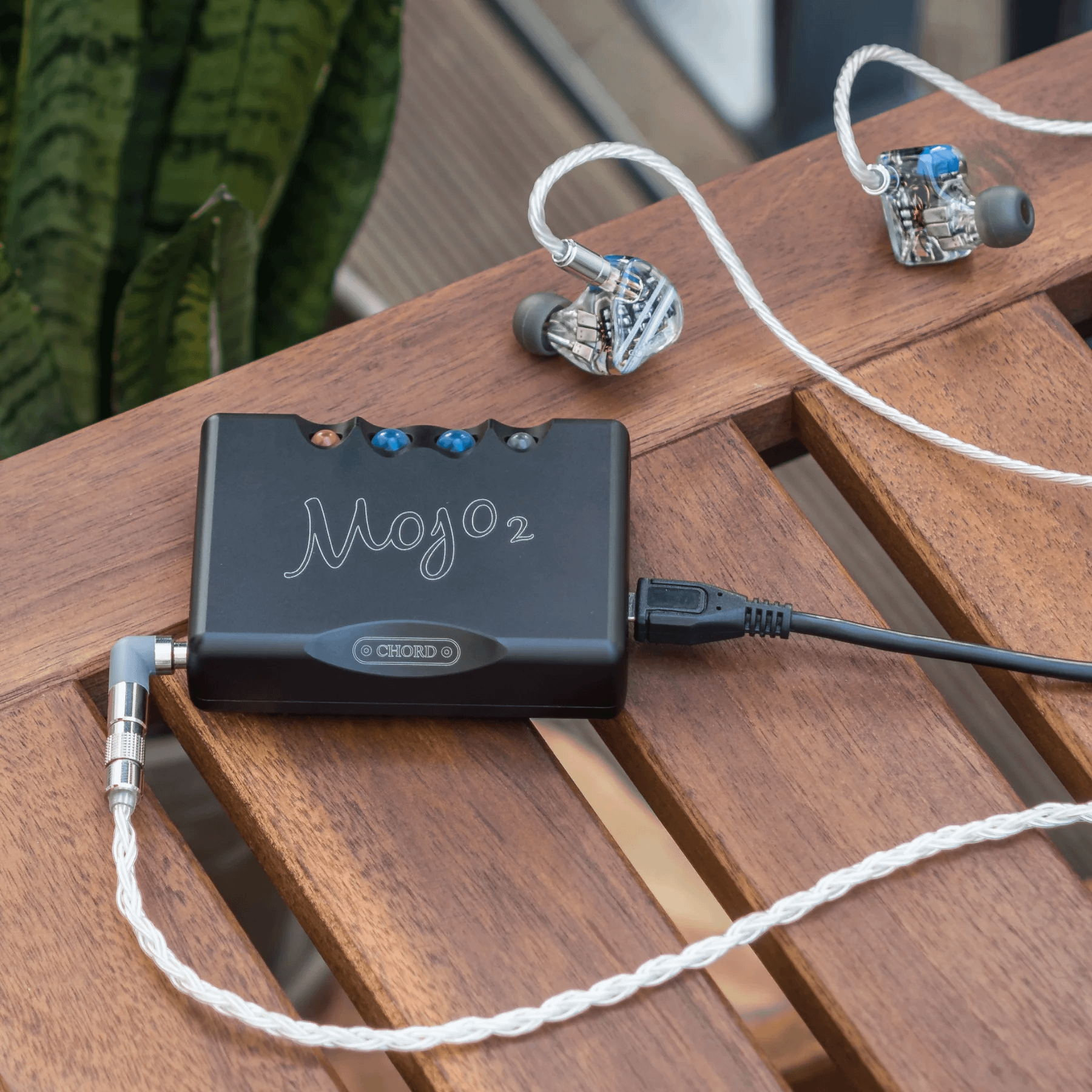
If you’ve been waiting for Chord Electronics to update the Mojo 2 with more modern connections, your patience has paid off. The compact DAC/headphone amp now comes with two much-requested upgrades: USB-C charging and a 4.4mm headphone output. Everything else—including the price and sound architecture—stays exactly the same.
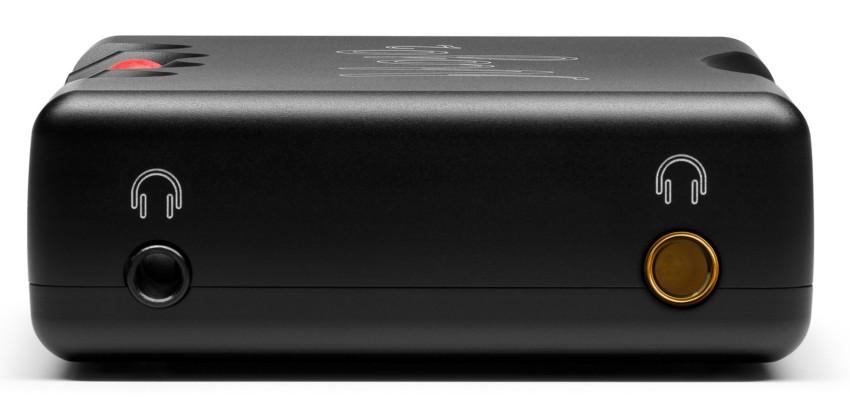
Let’s start with what’s new. The first big change is the addition of a 4.4mm headphone jack. It replaces one of the two 3.5mm outputs found on the original, giving users an easy way to plug in balanced-terminated headphones. It’s worth pointing out, though, that this is a “pseudo-balanced” connection. Internally, the Mojo 2 is still a single-ended design, so you’re not getting a true balanced signal. But for people using headphones with 4.4mm plugs, it’s a welcome convenience.
Each headphone output now also remembers its own volume setting. That means if you regularly switch between a pair of IEMs and larger over-ear headphones, you won’t have to adjust the volume every time. It’s a small detail that makes daily use a lot more pleasant.
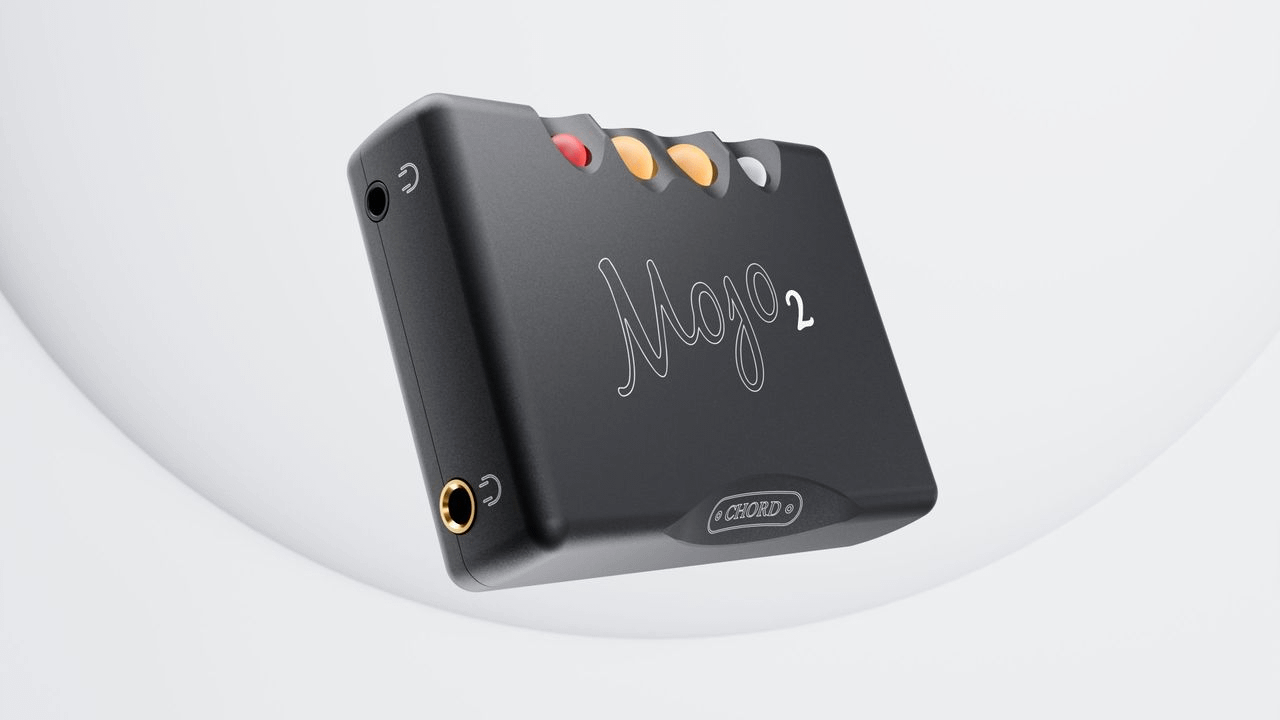
The other big change is USB-C charging—finally. The original Mojo 2 had separate Micro-USB ports for charging and data, which could be a bit clunky. Now, the USB-C port can handle both tasks, and it even includes a switchable charging mode. That lets you disable charging while the device is plugged in (helpful if you're trying to avoid draining your phone battery).
For users who still rely on Chord’s Poly module (which adds wireless streaming and microSD support), the old Micro-USB port is still there. So you don’t lose any backward compatibility.
If you’re wondering whether these updates affect the sound, don’t worry, they don’t. The Mojo 2 still uses Chord’s custom FPGA platform and Pulse Array DAC tech, which are part of what made it such a standout when it first launched. The digital filter, known as the WTA (Watts Transient Aligned), and the lossless DSP system are still there, giving users a ton of control over EQ without messing with signal quality.
The same multi-color button system is in place too, letting you tweak settings like tone, crossfeed, mute, and now USB-C charging. It may not have a fancy app or touchscreen interface, but once you get the hang of it, it works just fine.
Battery life hasn’t changed either—still around 8 hours per charge. And if you want to use it at your desk, there’s a desktop mode that lets you run it continuously without damaging the battery.
While the refresh brings some long-requested improvements, there are still a couple of things missing. The updated Mojo 2 doesn’t include any kind of Bluetooth support. If you want wireless playback, you’ll need to add the separate Poly module, which increases both the cost and the size of your setup.
There’s also no dedicated app for tweaking settings or updating firmware. Many DACs now come with mobile apps that make configuration easier, and that’s still something Chord hasn’t embraced here. If you're someone who prefers a more modern, touchscreen-driven interface, the Mojo 2 might feel a bit old-school.
Interestingly, Chord didn’t change the price. The updated Mojo 2 still costs $650 in the U.S. (or £395 in the UK), which is the same as before. There’s no special name or “version 2.1” label—but if you look closely, the number “2” on the chassis is now in bold. That’s your clue you’re looking at the updated model.
The original version is still available at some retailers, often at a small discount. For example, it’s currently listed for $636 at Amazon.
This update doesn’t reinvent the Mojo 2—it just makes it more convenient. USB-C charging and a 4.4mm headphone output might not sound like major changes, but they go a long way in making the Mojo 2 feel less dated. And by keeping the internals the same, Chord made sure long-time fans of the original won’t have to worry about changes to the sound.
If you already own a Mojo 2, these changes probably don’t justify an upgrade. But if you’ve been holding off because of the Micro-USB setup or lack of balanced headphone support, now might be the right time to take another look. It’s still a compact, high-performance DAC that can fit into both portable rigs and simple desktop setups—and now it’s a little easier to live with.




Privacy Policy
Terms and Conditions - Affiliate Policy
Home Security
© Copyright 2008-2026.
11816 Inwood Rd #1211, Dallas, TX 75244