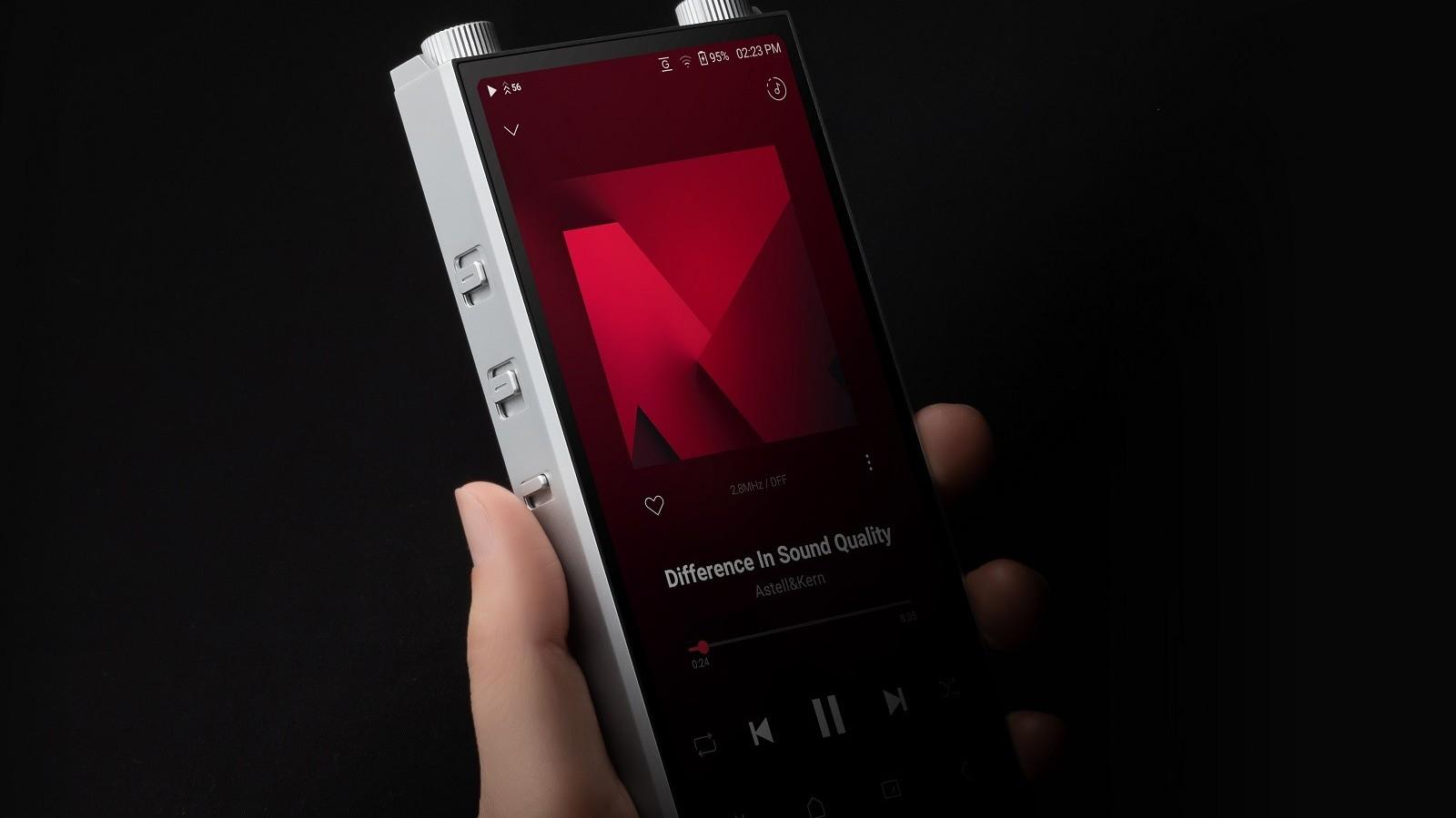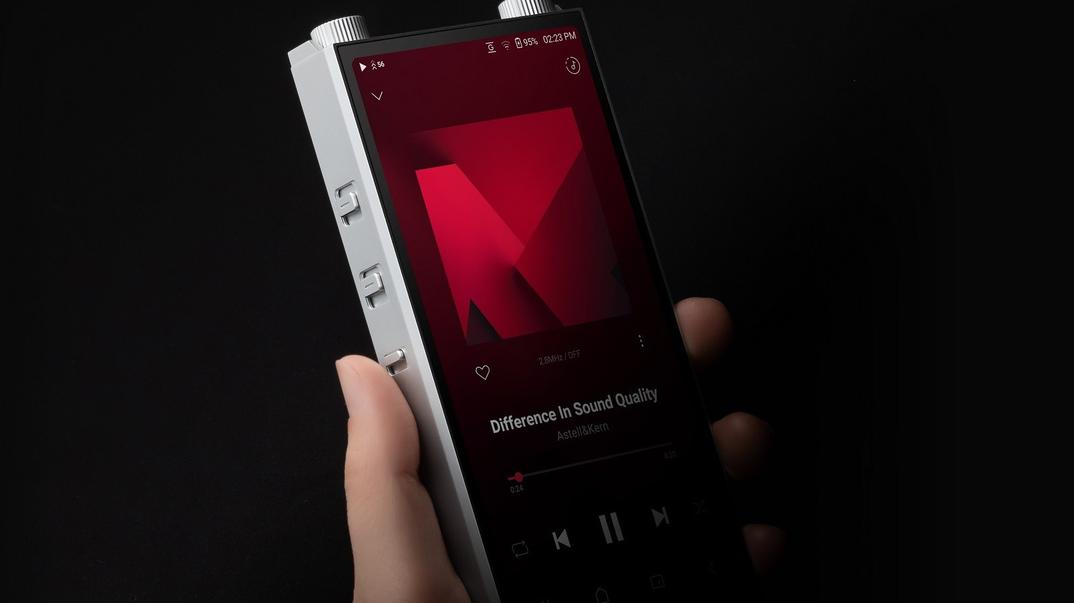
Astell&Kern’s new PD20 isn’t just another high-end digital audio player to sling in a bag with your IEMs. It’s built around a simple idea: most of us don’t hear in exactly the same way, so why should our players treat us as if we do?
At the center of the PD20 is something Astell&Kern calls Personal Sound, developed in collaboration with Swedish audio company Audiodo. Instead of offering a generic tuning and a stack of EQ presets, the player runs a short listening test and builds a profile based on how your ears respond.
Dedicated earphones are included specifically for this process. You put them on, run through the test on the PD20, and the system analyzes each ear separately. From there, it generates a listening profile that adjusts balance and frequency response to better match your hearing. The result is a sound signature that’s shaped around your own hearing characteristics rather than an average curve.
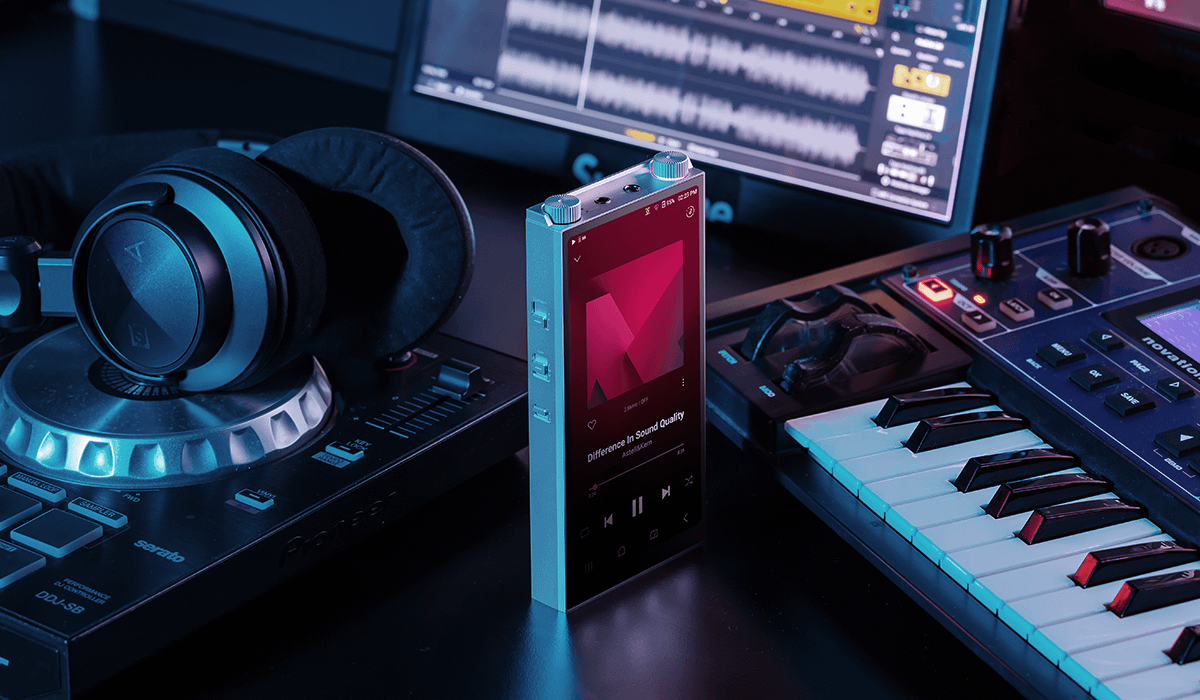
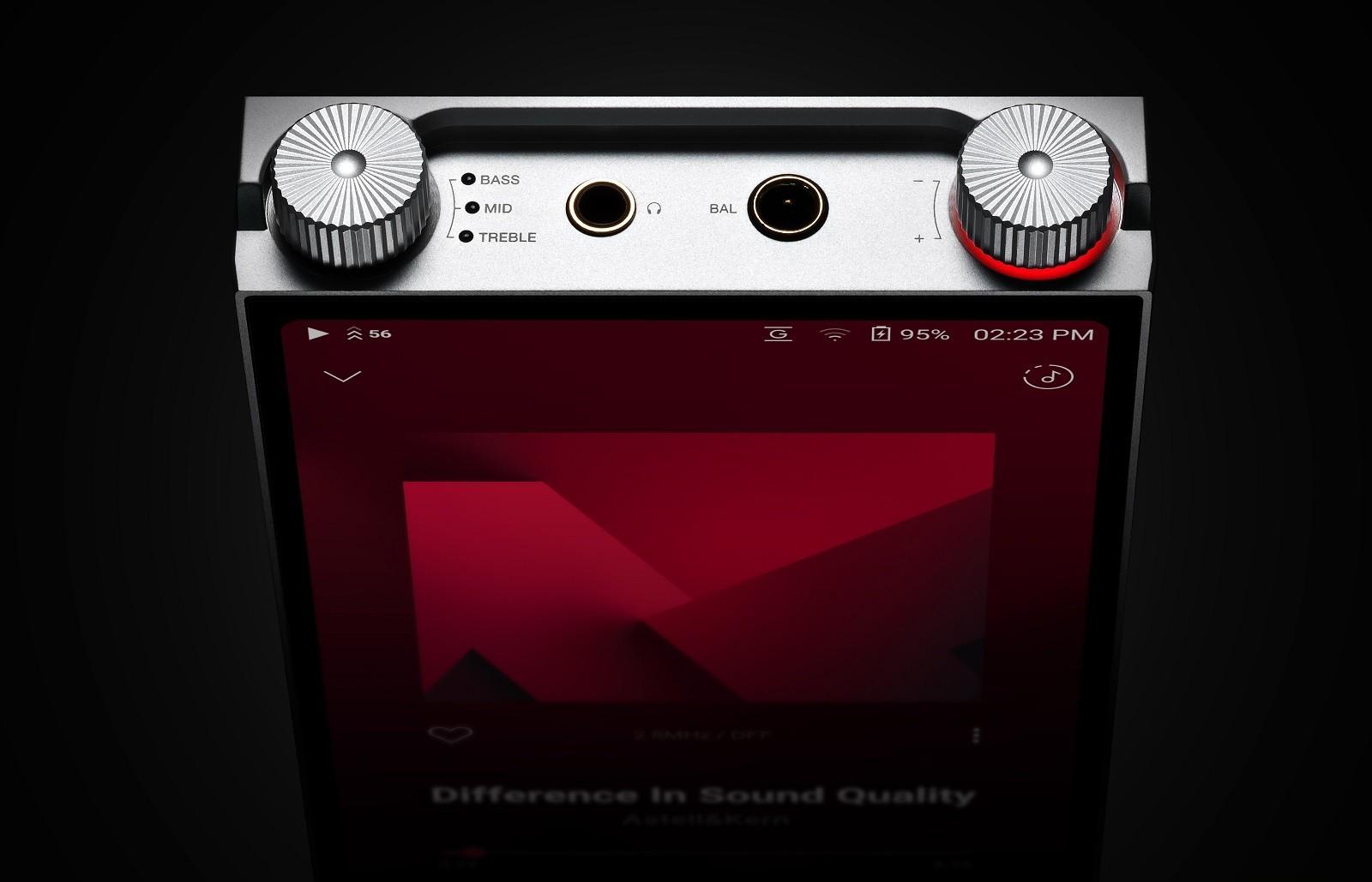
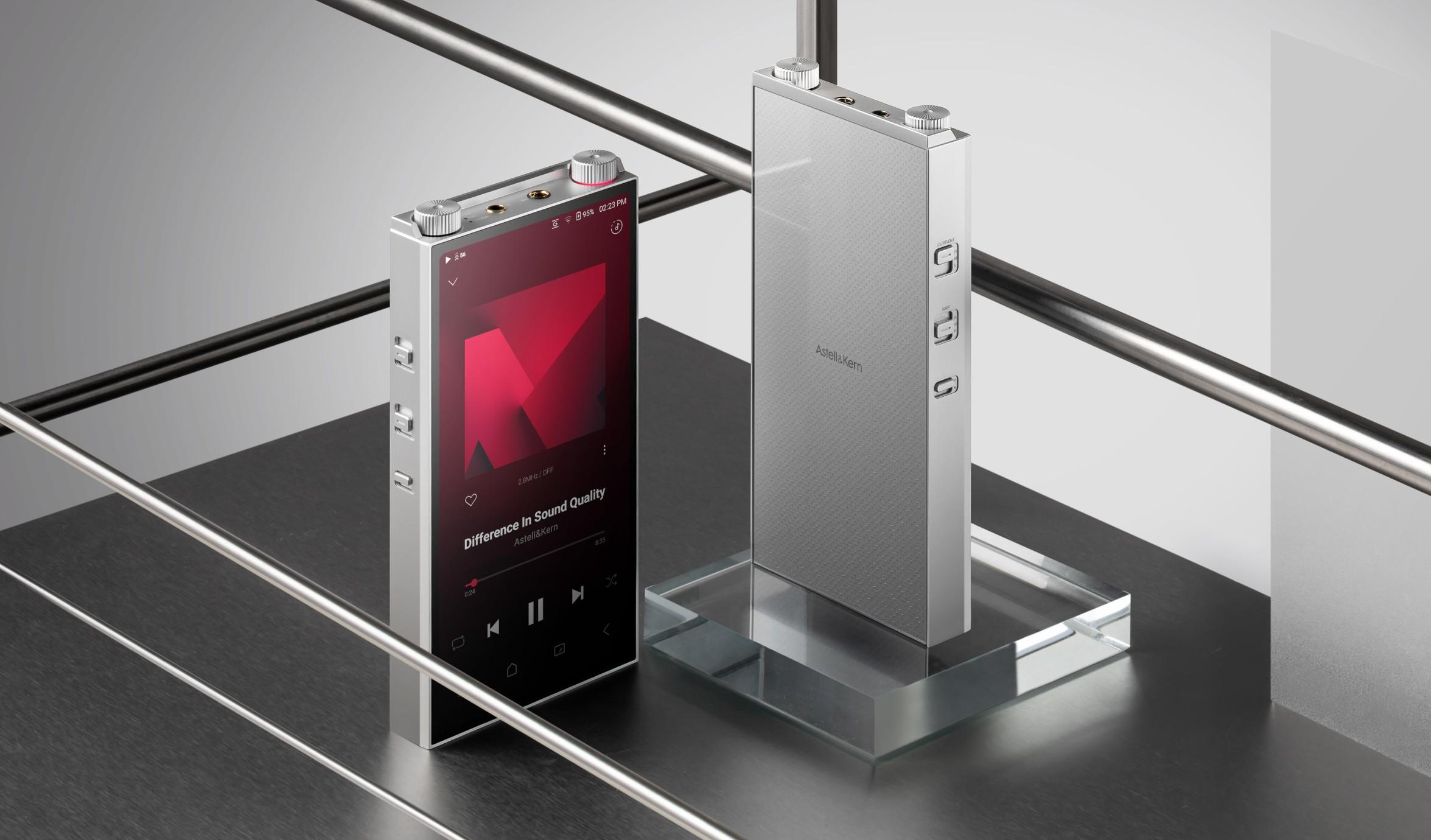
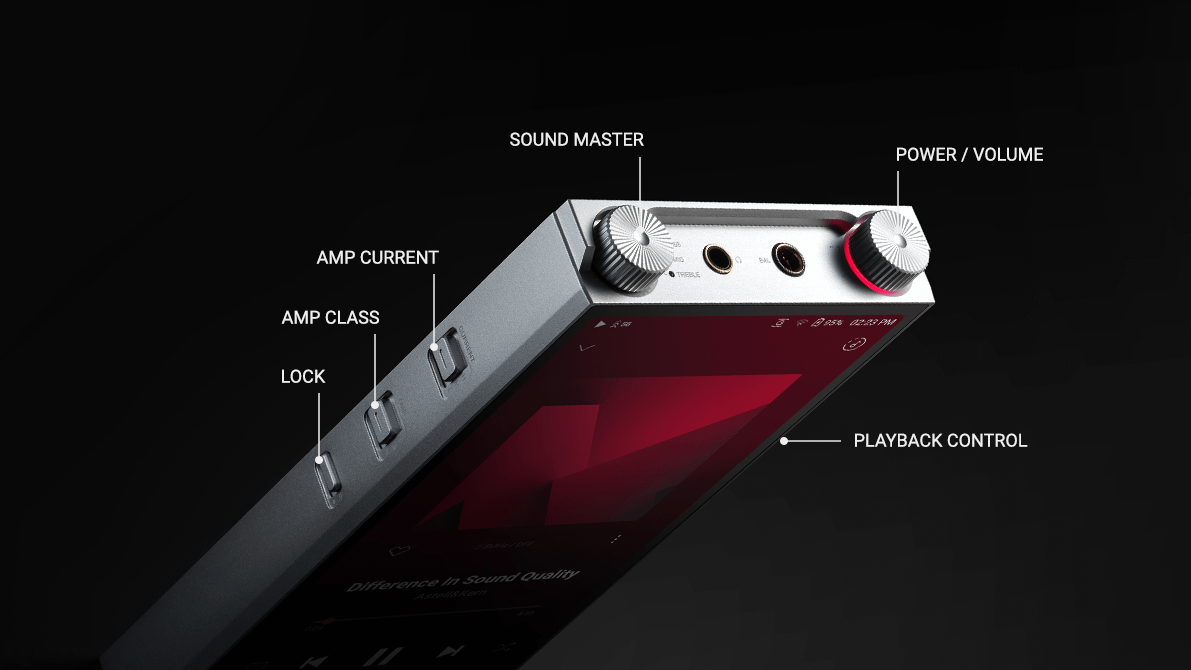
If you still like to fine-tune, the PD20 doesn’t lock you into that profile. A Sound Master Wheel on the top of the player gives you granular control over bass, midrange, and treble with 160 steps of EQ adjustment from –8.0 dB to +8.0 dB. You can make quick tweaks on the fly without diving into menus or stopping playback.
Under the hood, the PD20 runs a quad-DAC setup based on four ESS ES9027PRO chips. Each DAC operates independently, which is meant to reduce interference between channels and improve separation.
That DAC stage is tied to Astell&Kern’s Enhanced Signal Alignment (ESA). In practical terms, ESA focuses on aligning frequency signals more precisely so that timing errors are reduced. The goal is to cut down on distortion and keep detail intact, especially with high-resolution material.
On the amplification side, the PD20 uses a triple-amp architecture. You can switch in real time between three modes: Class A, Class AB, and Hybrid.
Those modes are selectable with physical controls, so you can experiment with how each one interacts with your headphones or IEMs without digging through touch menus.
The overall design direction is described as “Sound Lab Control.” Dual top-mounted wheels separate volume from sound tuning, and there are slide switches for amp and current selection. LED indicators show track bit-depth and active modes at a glance, borrowing a bit of the visual language you might see on studio gear.
The PD20 also brings in Astell&Kern’s second-generation Digital Audio Remaster (DAR) system, first seen on the flagship SP4000. Here, the signal doesn’t go straight into the remastering engine. It first passes through something called Virtual Sound Extender, which attempts to restore harmonics that were lost earlier in the chain. After that, DAR performs upsampling on the enhanced signal.
On the spatial side, the player supports Audiosphere, which turns standard two-channel material into a virtual 3D sound field. There are four selectable presets: Subtle, Balanced, Immersive, and Echoic. These are designed to add a sense of space without requiring special content or surround mixes, whether you’re listening to music or watching video.
A Crossfeed function is also available if you want a more speaker-like presentation from headphones. It blends a portion of the left and right channels with adjustable parameters such as Shelf Cutoff, Shelf Gain, and Mixer Level, which can help reduce listening fatigue over longer sessions.
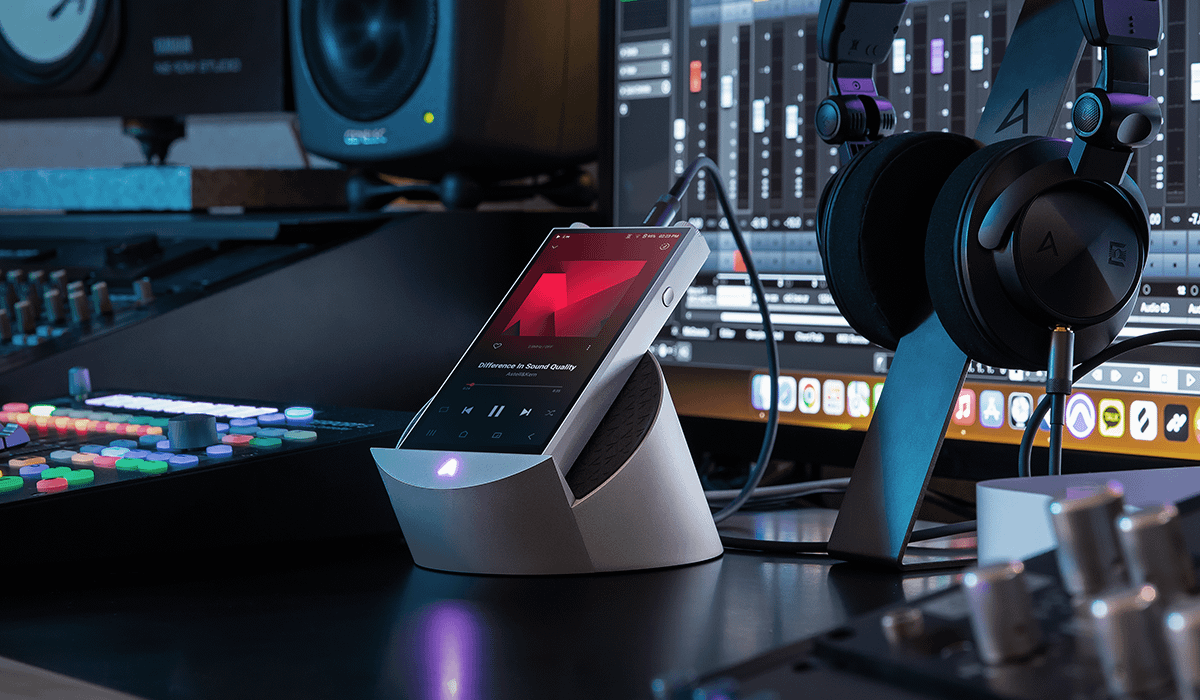
From a practical standpoint, the PD20 is set up as both a standalone player and a hub for other devices. Key specs include:
Wireless and wired options cover most scenarios: dual-band Wi-Fi, Bluetooth with aptX HD and LDAC, USB-C for data and charging, and support for using the device as a USB DAC with a Mac or Windows PC. There’s also a Bluetooth “Sink” mode, which lets the PD20 act as a high-quality Bluetooth DAC for another source, like a phone or tablet.
Battery life is quoted at around 14 hours, and USB PD 3.0 fast charging means a full charge in roughly 3.5 hours. Quality-of-life features such as ReplayGain (to normalize volume between tracks) and AK File Drop (for wireless file transfers over your network) are built in. Roon Ready support is planned, pending certification.
The Astell&Kern PD20 is positioned as a high-end, highly configurable portable player for listeners who want more control over how their music is shaped to their own hearing. It’s scheduled to be available in late March with a suggested price of $1,970 / £1,799. Until then, you can check out other Astell&Kern products at B&H Photo.
In short, this isn’t a casual upgrade for someone streaming from a phone. It’s aimed at people who are already invested in dedicated listening gear and want the player itself to be part of the tuning process, not just a neutral pass-through for files.
Related Reading:




Privacy Policy
Terms and Conditions - Affiliate Policy
Home Security
© Copyright 2008-2026.
11816 Inwood Rd #1211, Dallas, TX 75244