

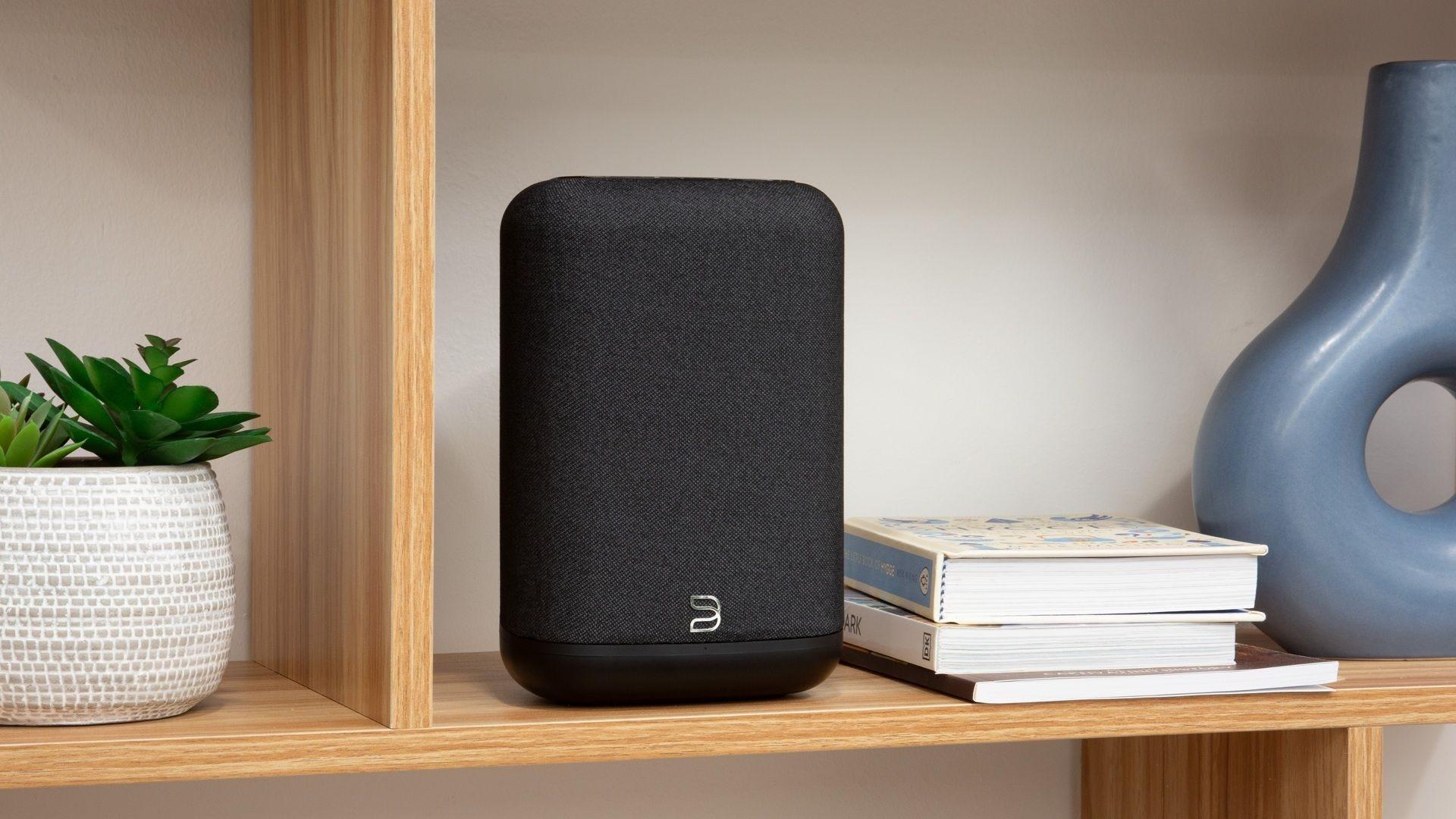
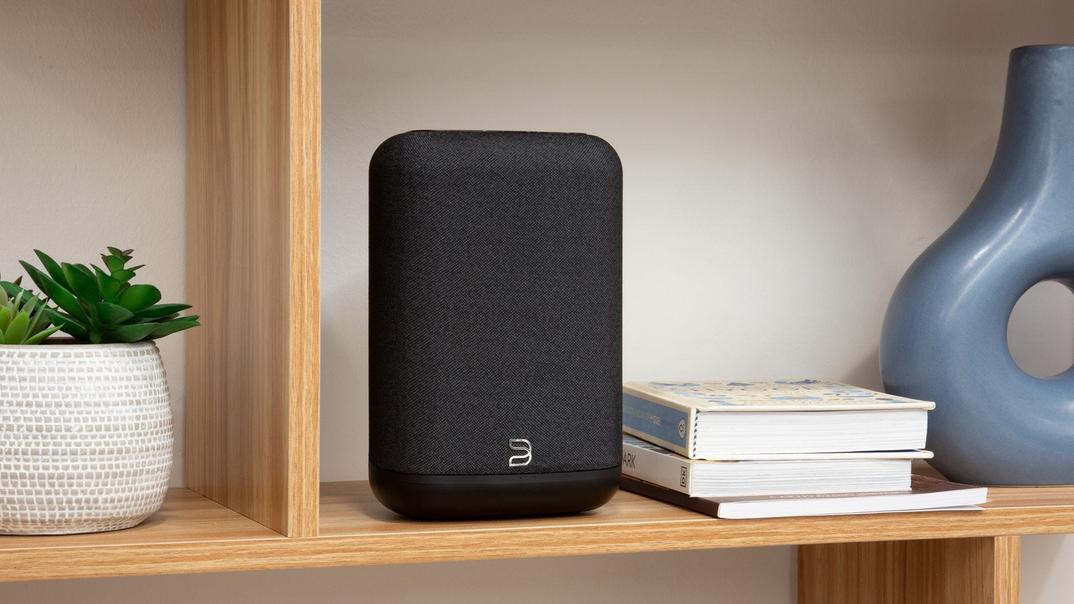
Just days after WiiM made noise with its first smart speaker, Sonos has a new rival to worry about—and it’s coming from a name hi-fi fans already know well. Bluesound just launched a totally redesigned version of its compact speaker, the Pulse Flex, and it’s clearly meant to go head-to-head with both Sonos and WiiM in the wireless multi-room speaker space.
If you’re not familiar, Bluesound is part of the Lenbrook family, alongside NAD and PSB Speakers, and they’re behind the BluOS platform, which powers a bunch of high-end streaming gear. The new Pulse Flex isn’t just a slight refresh—it’s a full-on reboot of Bluesound’s most affordable speaker, built to blend into modern homes while still holding its own on sound quality.
“With the new Pulse Flex, we set out to make Bluesound’s acclaimed sound signature more accessible without compromising on detail and quality,” says Matt Simmonds, product manager at Bluesound. “We created a beautiful all-in-one speaker that can fit into spaces where people really live—kitchen, bedrooms, offices—while still delivering the kind of clarity and depth our customers expect from Bluesound.”
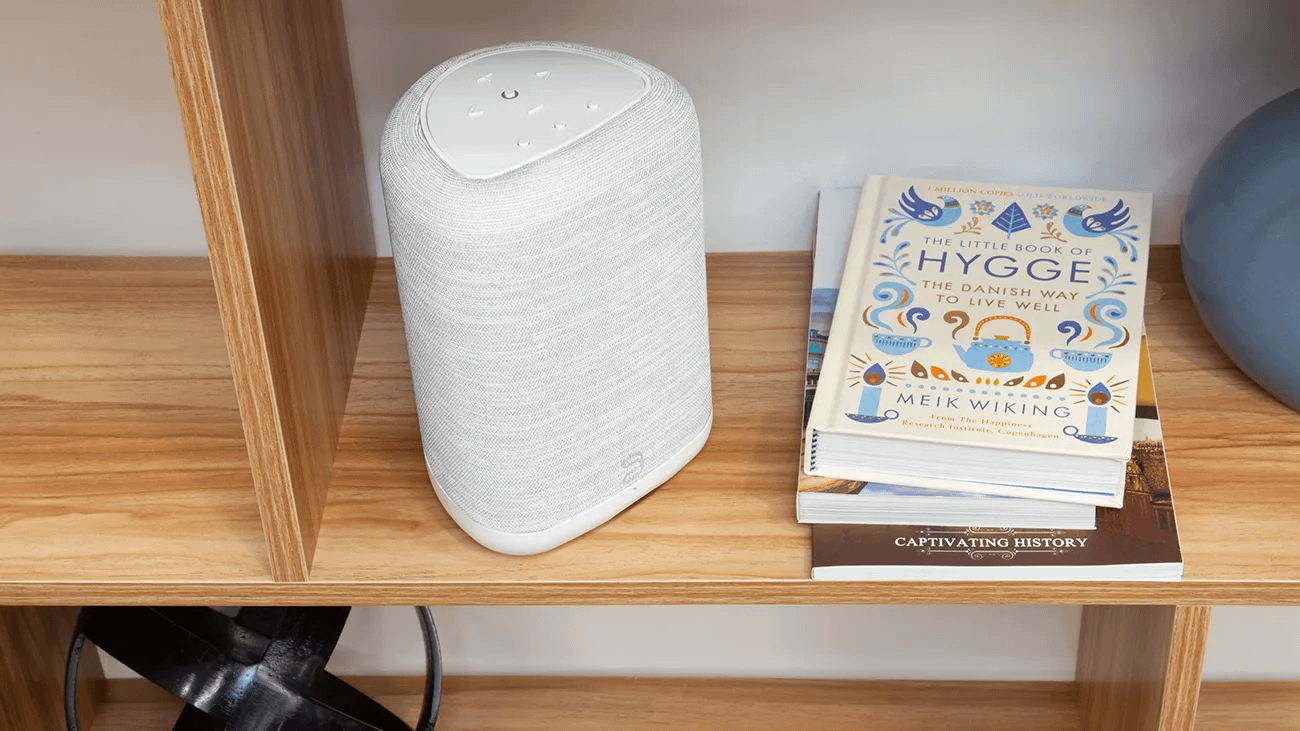
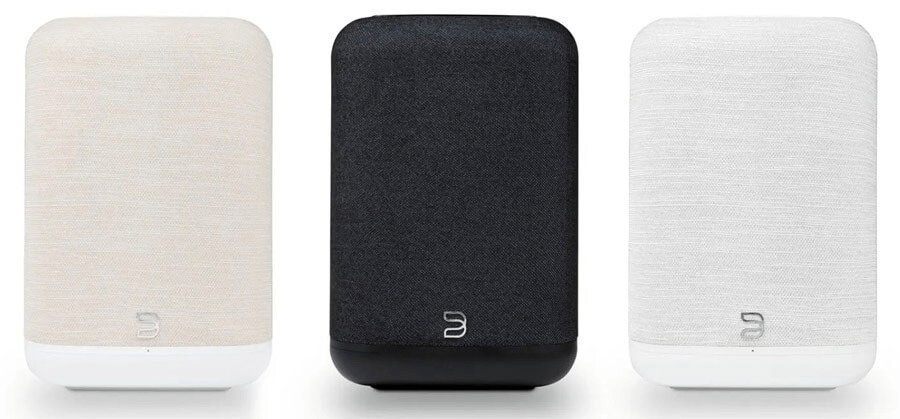
The first thing you’ll notice about the new Pulse Flex is that it looks… well, new. Gone is the more boxy look of the old version. In its place is a rounded, teardrop-shaped design that feels much more in line with today’s minimalist aesthetic. You can get it in Black Charcoal, White Tan, or White Pebble Grey, and if you want to go a step further, there are interchangeable fabric grilles to better match your décor.
Want to mount it on a wall or place it on a stand? Bluesound sells accessories like the WM100 Wall Mount and FS230 Adjustable Stand to help you do just that.
Bluesound clearly put some thought into the internals, too. Inside the Pulse Flex is a custom SmartDSP amp powering a 4-inch woofer and 0.75-inch tweeter, delivering 50 watts of system power. That’s plenty of muscle for a speaker this size. It also supports hi-res audio up to 24-bit/192kHz, as well as MQA decoding and DSD256 playback—features usually reserved for more serious audio gear.
Everything runs on BluOS, which means you can stream music from over 20 different services (think Spotify, Tidal, Qobuz, internet radio, and more), or play from your own digital collection. It also works with AirPlay 2, Roon, and all the usual streaming protocols.
“The new Pulse Flex takes everything people have loved about our most popular speaker over the last 10 years, rich sound, intuitive control, and sleek design, and made it even more accessible,” says Bluesound’s Morten Nielsen. “It’s Living Hi-Fi without the high barrier, built for everyday music lovers who want to experience premium audio wherever they are in the home, with seamless control from their phone or tablet.”
You can use the Pulse Flex on its own, but if you want a more immersive setup, it plays well with others. Pair two for true stereo sound, or use them as rear surrounds in a home theater setup with other Bluesound gear like the Powernode.
And speaking of those, Bluesound recently added soundbars—the PULSE CINEMA and CINEMA MINI— to its lineup, which now makes it possible to build an entire home theater system, all streaming through BluOS.
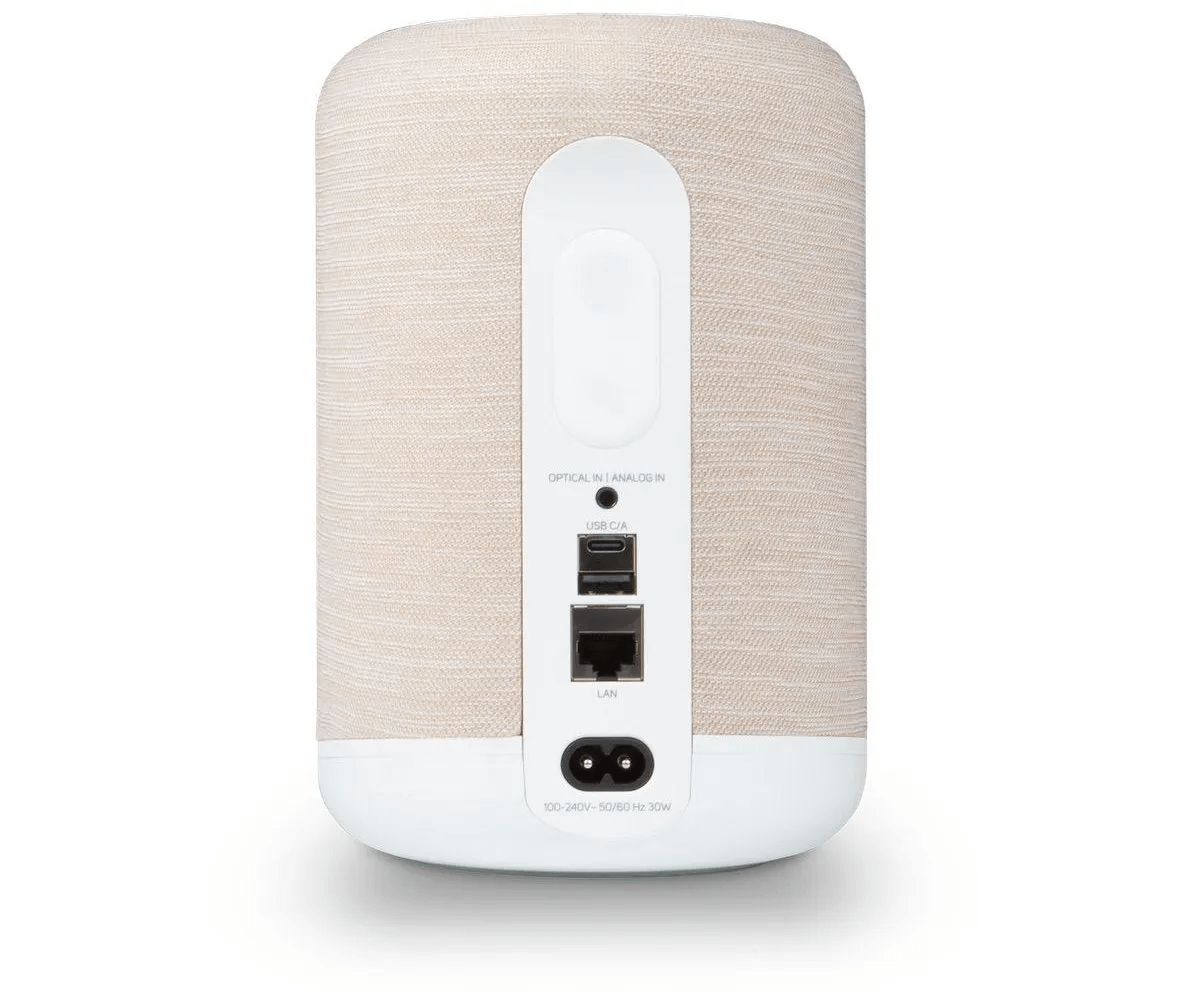
Whether you’re going wireless or sticking with cables, the Pulse Flex has you covered. It supports dual-band Wi-Fi, Gigabit Ethernet, and Bluetooth with aptX HD. You’ll also find a USB-C input and a combo optical/analog jack on the back for more traditional connections.
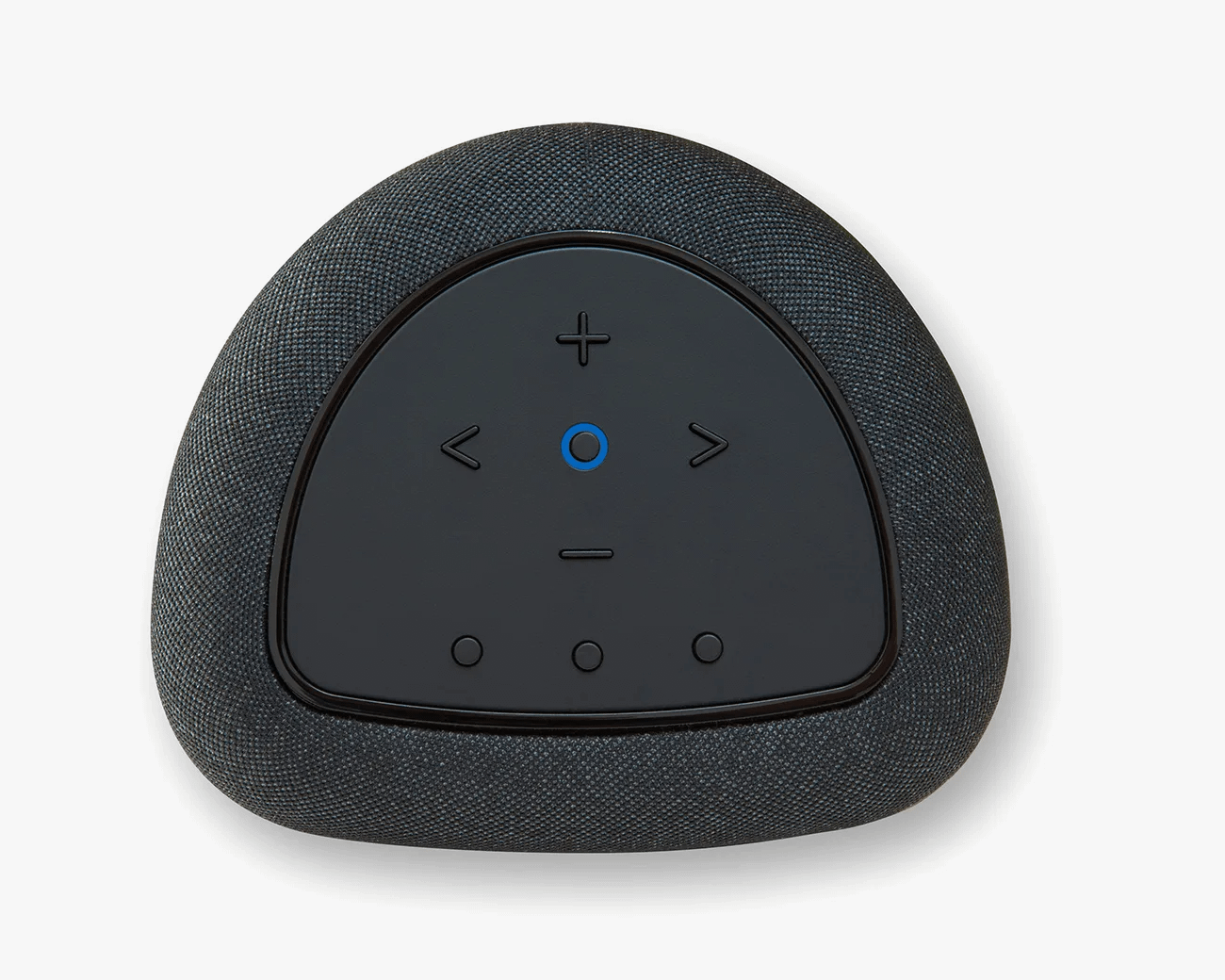
Control is also flexible. There are quick-touch preset buttons on the top, it can learn commands from your IR remote, and it supports voice assistants. If you’re running a smart home, the speaker works with systems like Crestron, Control4, and a few others through custom drivers.
At $349, the Pulse Flex costs more than the WiiM Sound and falls somewhere between the Sonos Era 100 and Era 300 in both cost and capability. What makes it different? You’re getting higher-resolution audio, more flexible home theater integration, and a multi-room platform that works across different brands (BluOS is used by NAD, PSB, DALI, and others).
That said, this version of the Pulse Flex does drop a few features found in the older Flex 2i model, like bi-amping, more preset options, and support for an external battery pack. So if those things matter to you, it's worth checking the comparison before upgrading.
Still, it feels like Bluesound is stepping up its game, not just with this speaker, but with an entire lineup of updated gear that clearly has Sonos and WiiM in its sights.
The new Bluesound Pulse Flex goes on sale starting December 16, 2025, and it’ll be available via Bluesound’s website, Amazon, and authorized dealers. Pricing is set at $349 USD, $399 CAD, £279, or €299, depending on your region.




Privacy Policy
Terms and Conditions - Affiliate Policy
Home Security
© Copyright 2008-2026.
11816 Inwood Rd #1211, Dallas, TX 75244