

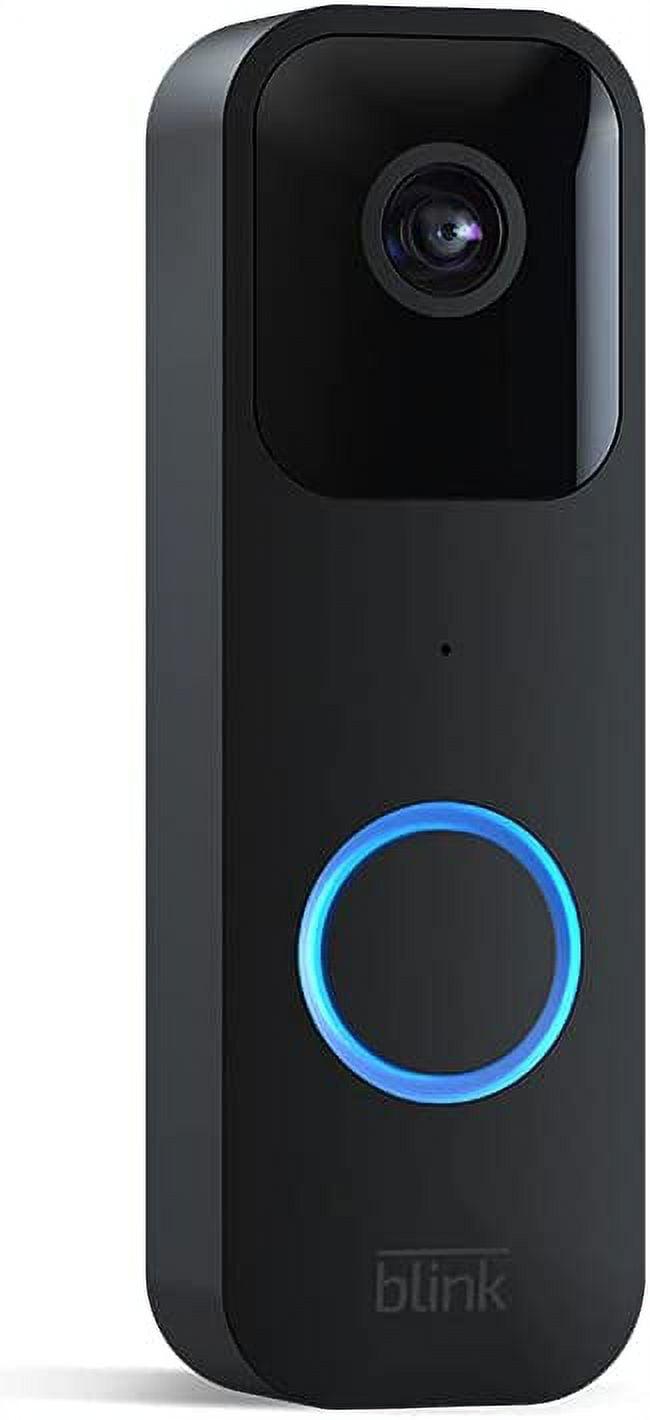


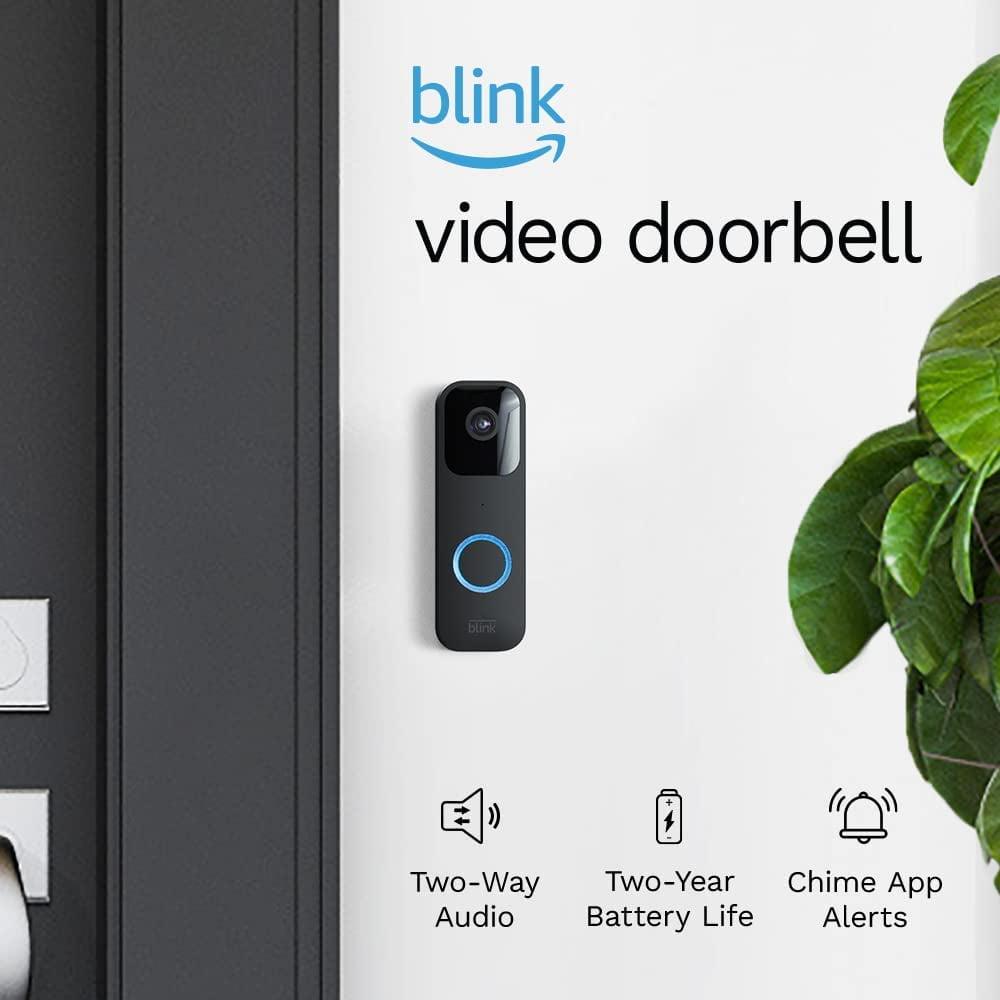


In today's increasingly connected world, video doorbells have transformed from novel gadgets to essential home security devices. As someone who's tested dozens of smart home products, I've seen firsthand how these devices provide peace of mind while adding convenience to daily life. Let's dive into a comprehensive comparison of two popular options: the Blink Video Doorbell and the Ring Wired Doorbell Pro.
Video doorbells have fundamentally changed how we monitor our homes and interact with visitors. These devices combine traditional doorbell functionality with modern video surveillance capabilities, allowing you to see, hear, and speak to anyone at your door—whether you're in the kitchen or halfway around the world.
When shopping for a video doorbell, several key factors should guide your decision:
Video quality determines how clearly you'll see visitors and potential security threats. Higher resolution and wider viewing angles provide more comprehensive coverage of your entryway.
Power options affect installation complexity and maintenance requirements. Wired doorbells offer continuous power but require existing doorbell wiring, while battery-powered options provide flexibility but need periodic recharging or battery replacement.
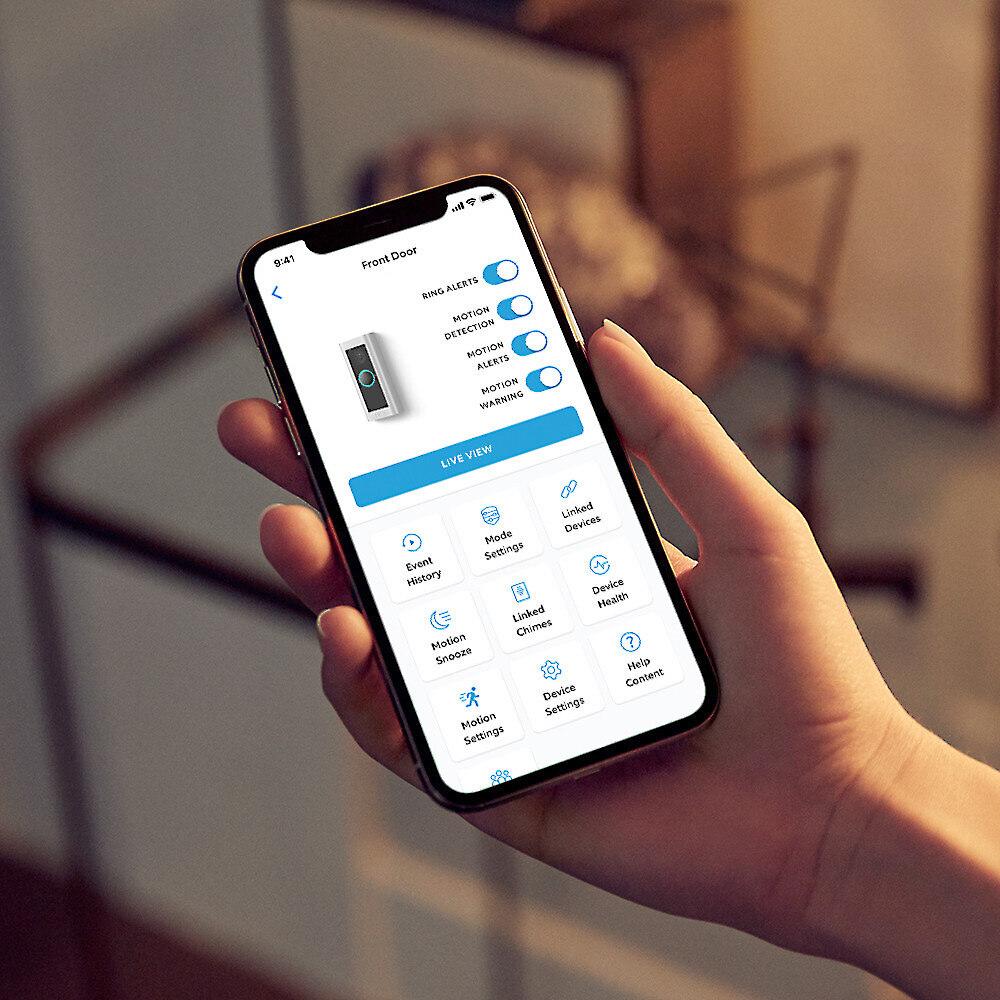
Smart home integration capabilities determine how your doorbell works with other devices like smart displays, lights, and security systems.
Storage solutions affect how video footage is saved and accessed. Cloud storage offers convenience but typically requires subscriptions, while local storage eliminates monthly fees but may have capacity limitations.
Additional features like advanced motion detection, specialized alerts, and customization options can significantly enhance functionality and user experience.
The Blink Video Doorbell was released in September 2021 at $49.99 (now available for $44.90). It joined Amazon's budget-friendly Blink lineup after Amazon acquired the company in 2017. Blink had already established itself with affordable, battery-powered security cameras, and the doorbell was a natural extension of that ecosystem.
Since its release, Blink has made software improvements to enhance motion detection accuracy and expand smart home integration capabilities. However, the hardware has remained largely unchanged—a testament to the company's focus on reliability and value rather than frequent hardware iterations.
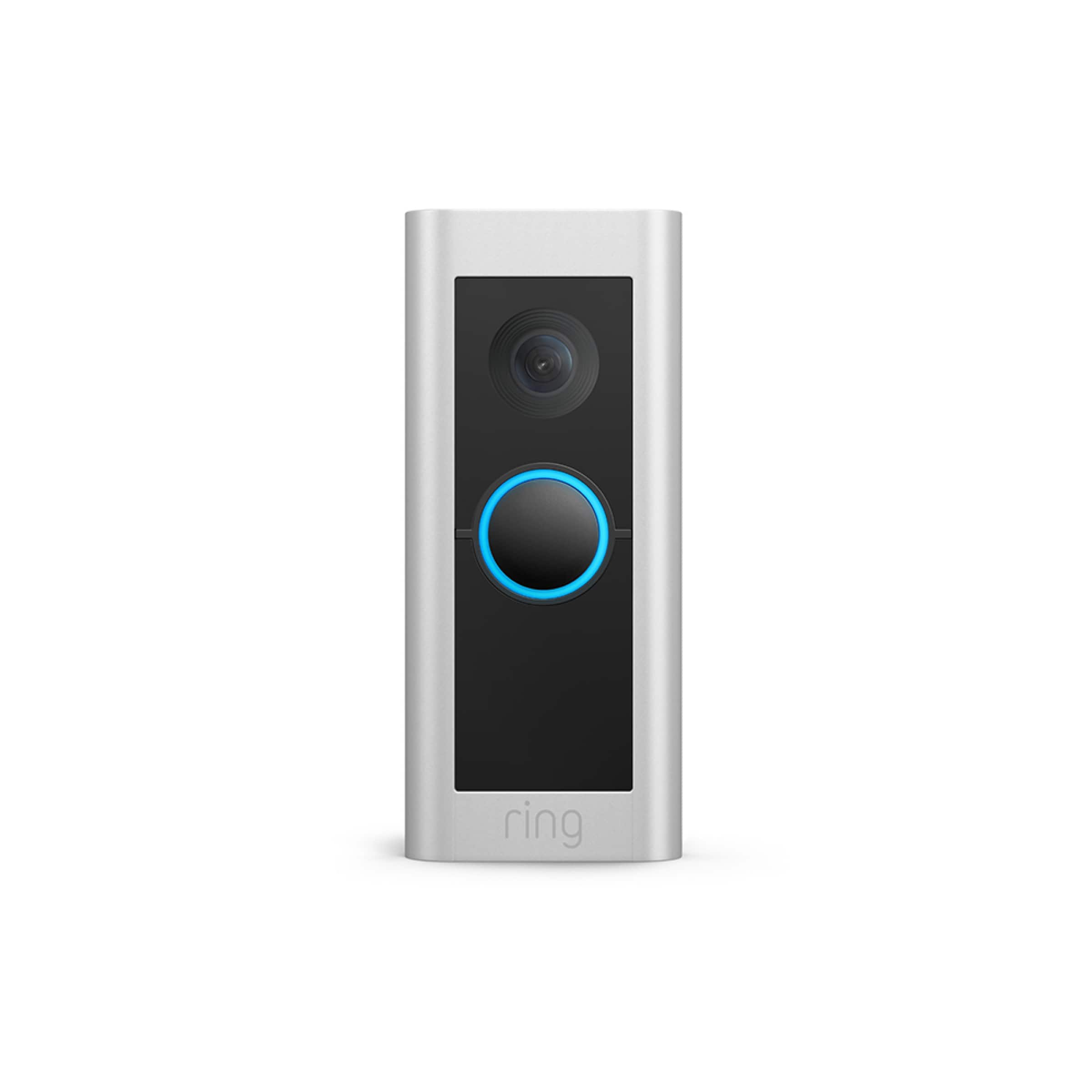
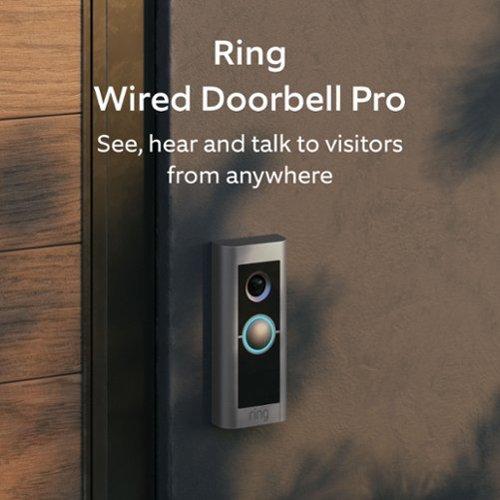
The Ring Wired Doorbell Pro was released in March 2021 for $249 (now available for $92.94). Ring, also owned by Amazon following a 2018 acquisition, has positioned the Pro model as their premium wired doorbell option. The significant price drop since release reflects both increased competition in the video doorbell market and Amazon's strategy to gain market share.
Ring has consistently updated the Pro's software, adding features like enhanced motion detection algorithms, new video processing capabilities, and expanded smart home integration options. The substantial price reduction makes the Pro much more competitive than at its initial launch.
When it comes to surveillance equipment, image quality can make a crucial difference in identifying visitors or potential security threats.
The Blink Video Doorbell delivers 1080p HD video, which is perfectly adequate for most home uses. 1080p resolution (1920×1080 pixels) provides enough detail to clearly see visitors' faces and recognize activities at your doorstep under good lighting conditions. However, its field of view is somewhat limited at 135° horizontal and just 80° vertical. This narrower vertical field of view means you might miss packages placed directly below the doorbell or fail to capture a visitor's full height if they're standing close to the door.
During my testing, I found Blink's video quality perfectly serviceable in daylight conditions, with good color accuracy and reasonable detail. However, the limited vertical viewing angle occasionally meant packages left directly beneath the doorbell weren't visible in recordings.
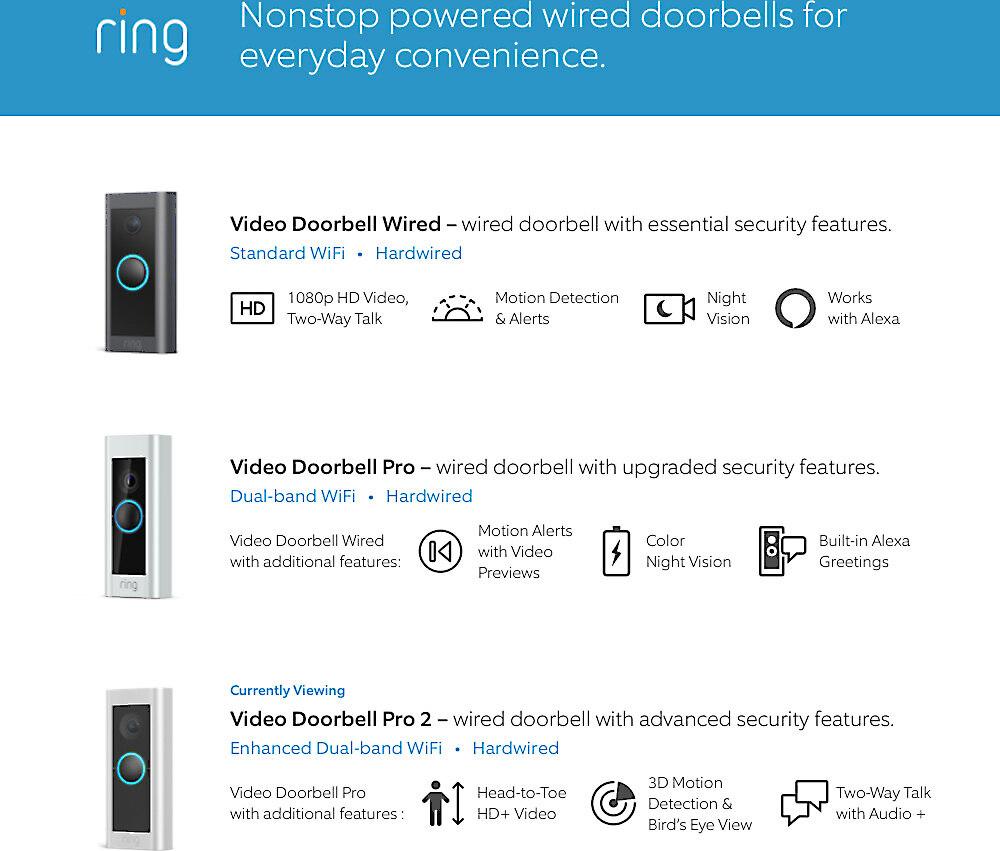
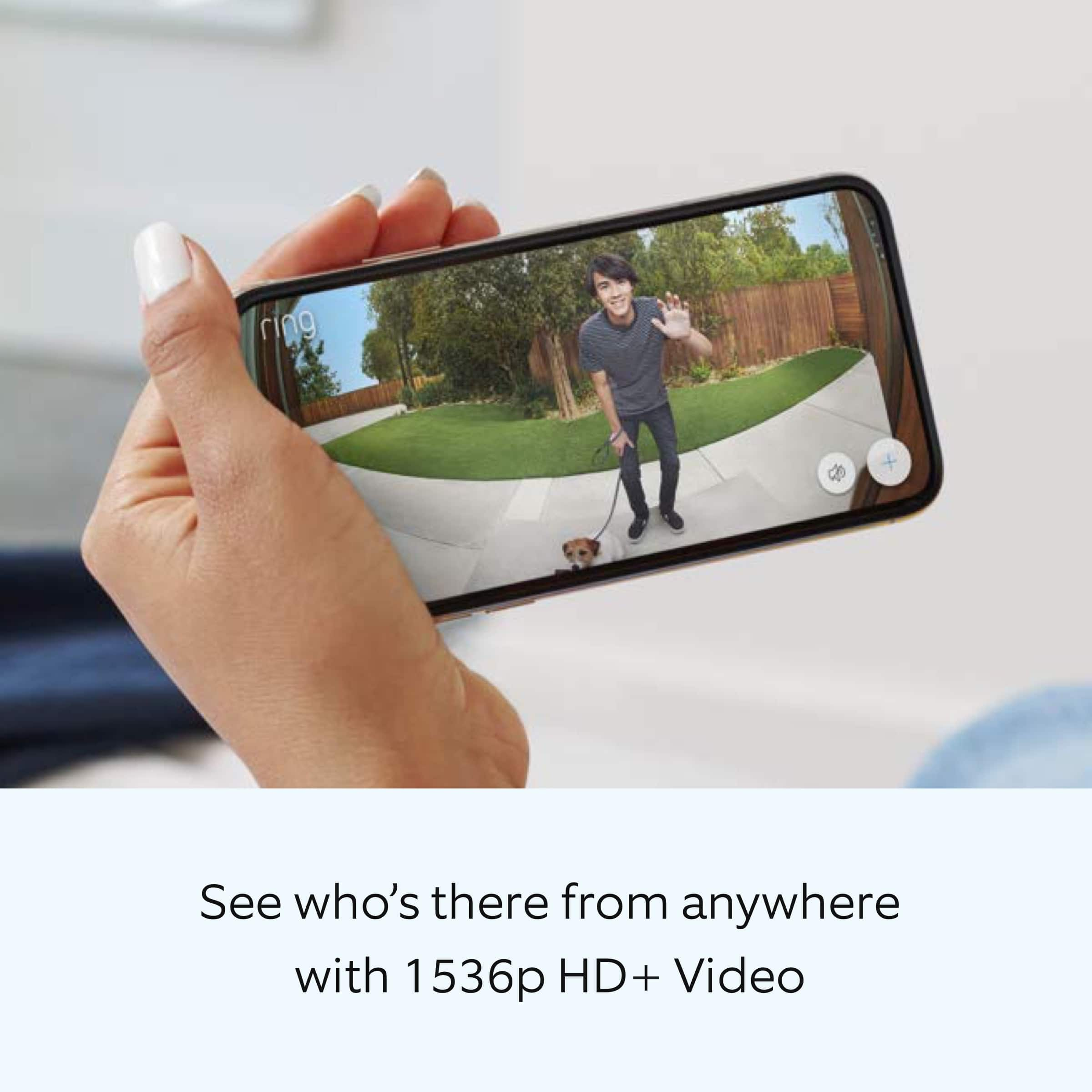
The Ring Wired Doorbell Pro elevates video performance with 1536p HD+ resolution, providing approximately 50% more pixels than standard 1080p. This higher resolution translates to noticeably sharper image quality and better digital zoom capabilities—useful when you need to identify distant objects or read package labels.
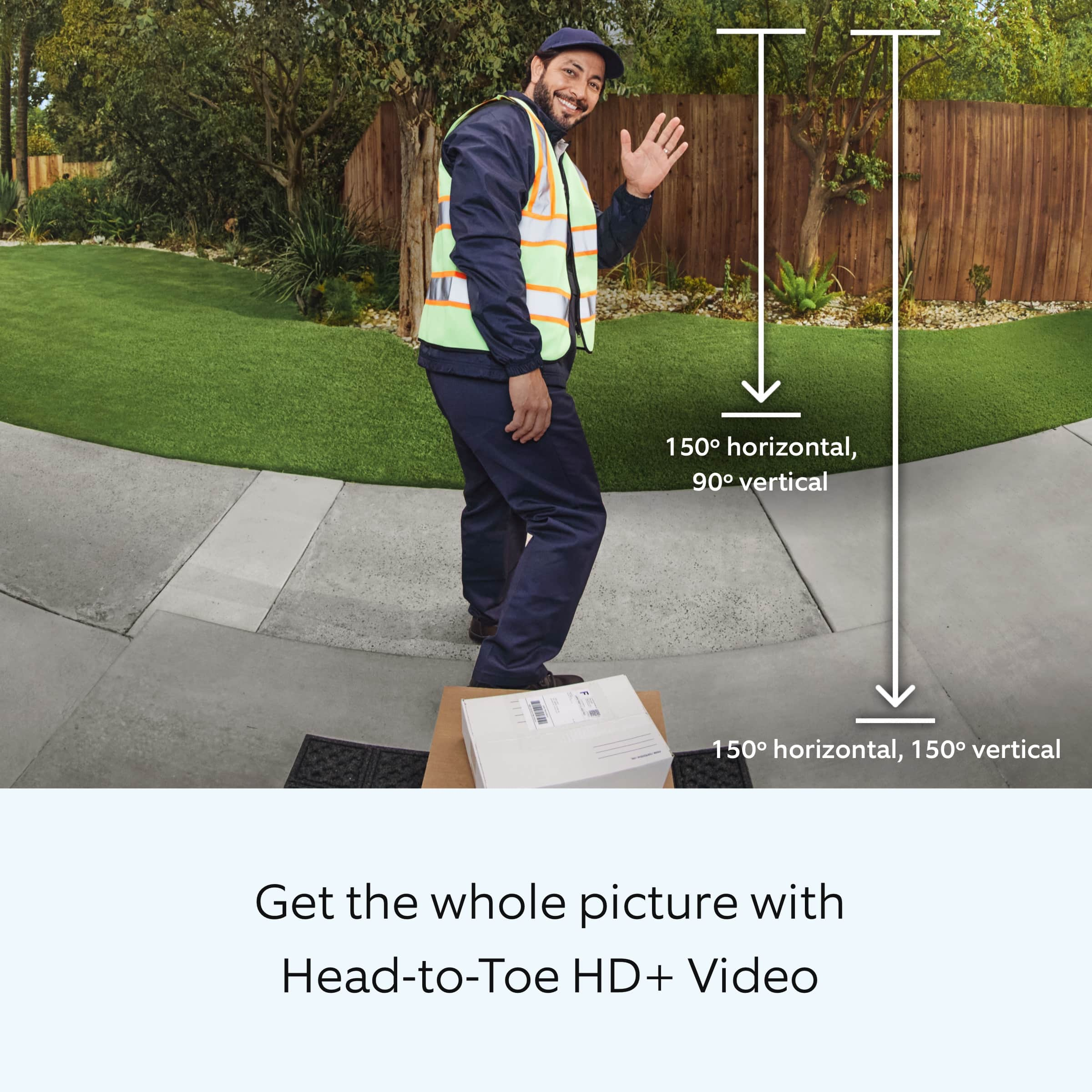
More impressively, Ring Pro offers a much more expansive 150° field of view both horizontally and vertically. This square aspect ratio provides significantly better coverage of your entryway, ensuring you can see everything from packages on the ground to tall visitors without awkward cropping.
Ring Pro also includes HDR (High Dynamic Range) video processing, which helps balance extremely bright and dark areas within the same frame. This is particularly valuable when your doorbell faces east or west and must contend with direct sunlight or deep shadows at different times of day.
Security doesn't stop when the sun sets, making night vision performance a critical consideration.
The Blink doorbell offers standard infrared night vision using 850nm infrared LEDs. These invisible (to human eyes) light sources illuminate your doorstep, allowing the camera to capture black-and-white footage in darkness. In my experience, Blink's night vision provides adequate illumination for typical doorstep scenarios, allowing you to identify visitors up to about 10 feet away in complete darkness.
Ring Pro takes night vision a step further with both infrared capabilities and color night vision when sufficient ambient light is available. Color night vision provides much more detail than black-and-white footage, making it easier to identify important visual information like clothing colors or vehicle details. During testing, I found Ring's color night vision activated reliably under typical porch lighting conditions, providing significantly more useful footage than standard monochrome infrared video.
Both doorbells alert you when someone approaches your door, but they use very different technologies to accomplish this task.
Blink employs a more traditional approach using frame-to-frame image comparison to detect motion. Essentially, the camera analyzes consecutive video frames for changes that indicate movement. This approach works reasonably well but can be triggered by non-threatening motion like shadows, swaying plants, or changes in lighting conditions. Blink allows you to adjust sensitivity and create basic motion zones (areas within the camera's view that should trigger alerts), but lacks more advanced filtering capabilities.
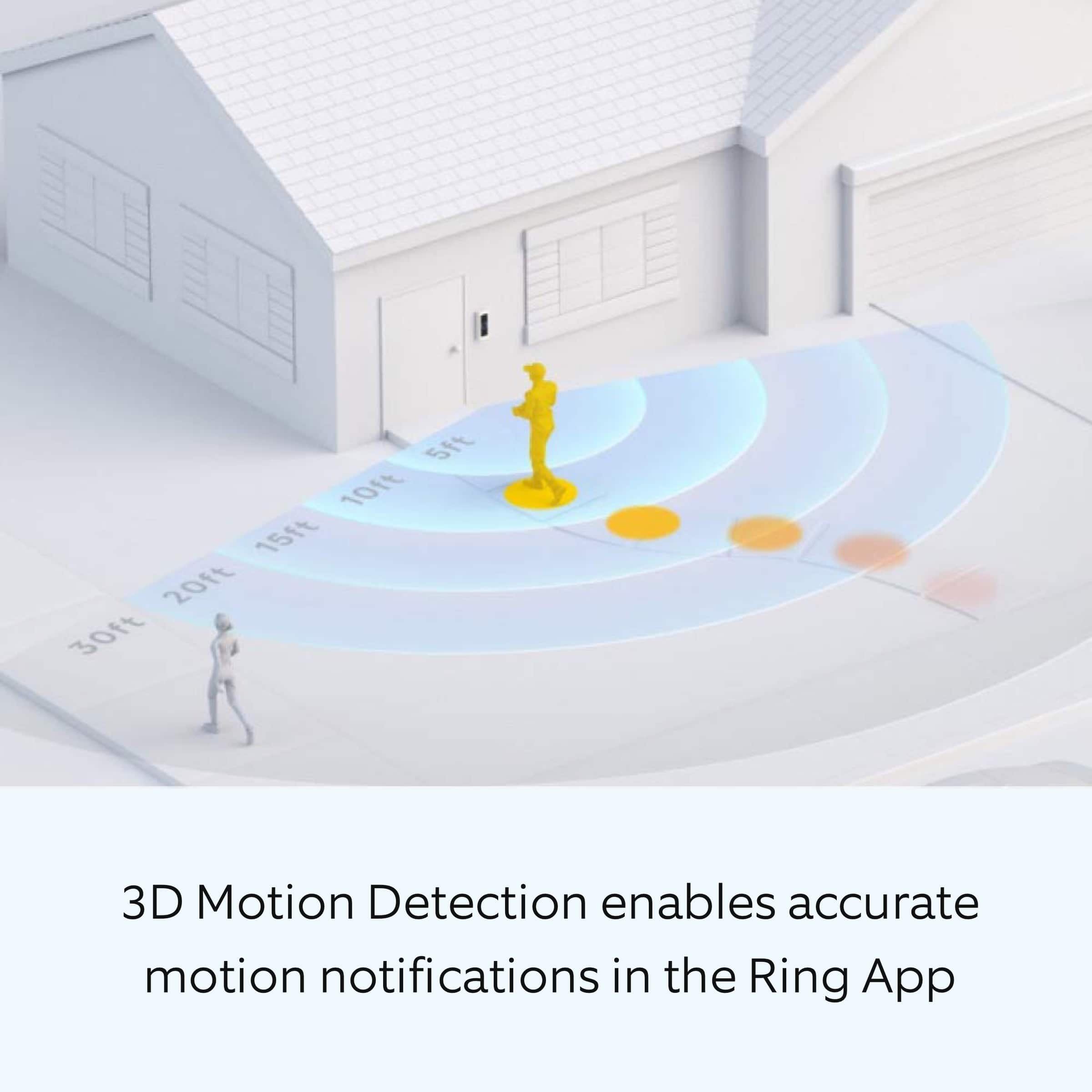
Ring Pro implements significantly more sophisticated 3D Motion Detection technology, which uses radar sensors to precisely measure the distance and trajectory of moving objects. This radar-based approach can determine exactly how far away a person is and which direction they're moving—information that traditional camera-based motion detection simply cannot provide.
This technology powers Ring's "Bird's Eye View" feature, which shows a top-down map of your property with the visitor's path marked, giving you contextual awareness about how someone approached your door. Having tested this feature extensively, I can confirm it provides remarkably accurate motion tracking that substantially reduces false alerts while giving you more useful information about visitor movements.
Both doorbells allow you to speak with visitors through your smartphone, but audio quality varies significantly.
Blink provides functional two-way communication with basic microphone and speaker components. It works adequately in quiet environments but can struggle in noisy conditions like busy streets or during windy weather. There's also a slight delay in the audio transmission, which can make conversations feel less natural.
Ring Pro features what the company calls "Audio+" technology, which includes active noise cancellation to filter out background noise and deliver clearer conversations. In practice, this means you can more easily hear visitors even when there's traffic noise, wind, or other environmental sounds. The audio latency (delay between speaking and being heard) is also noticeably lower, creating more natural-feeling interactions.
The Blink Video Doorbell at $44.90 represents an impressively affordable entry point to video doorbell technology, costing less than half the price of the Ring Wired Doorbell Pro at $92.94. This significant price difference makes Blink immediately more accessible to budget-conscious consumers or those uncertain about committing to a video doorbell system.
However, the full cost picture requires considering ongoing expenses:
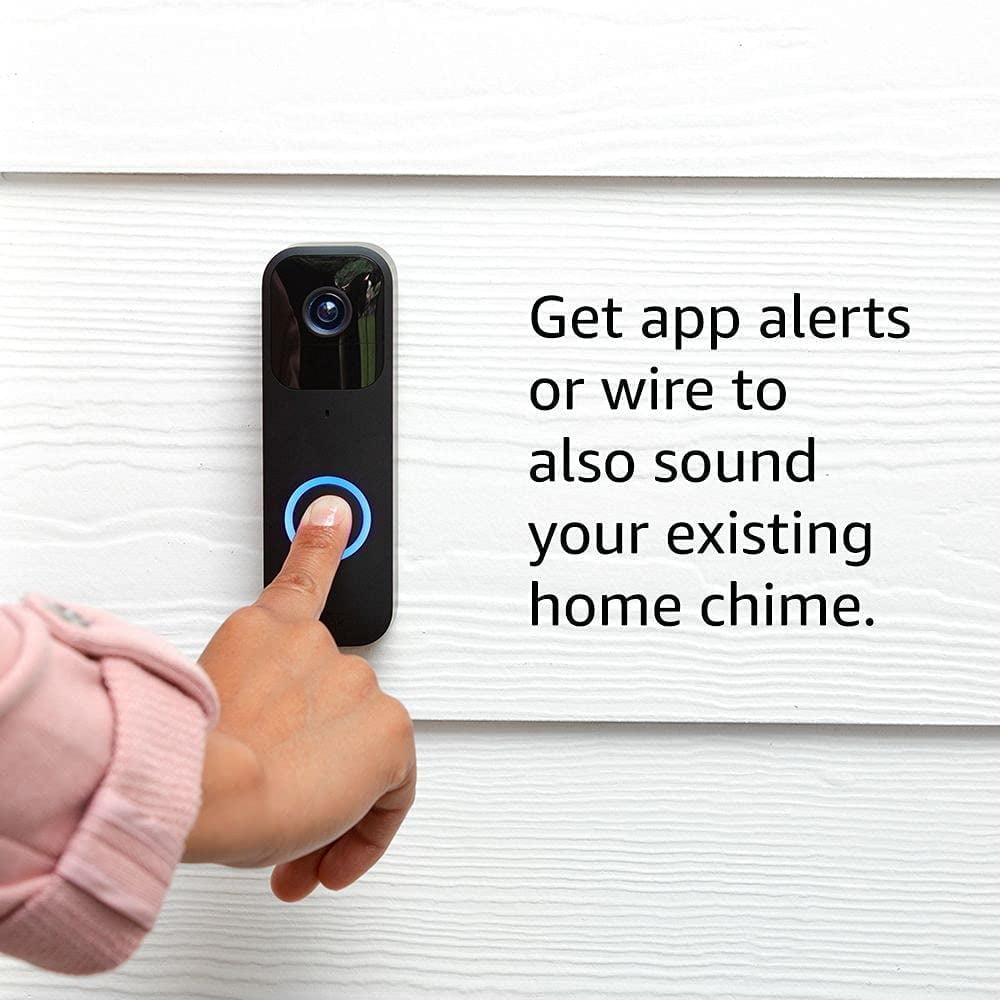
Subscription services: Ring practically requires a subscription for full functionality. Ring Protect plans start at $3.99/month (or $39.99/year) for a single device or $10/month ($100/year) for unlimited devices. Without a subscription, you'll only get live view capabilities and motion alerts—no video recording or review of missed events.
Blink offers a similar subscription model with Blink Plans starting at $3/month per device or $10/month for unlimited devices. However, Blink provides a crucial alternative: local storage using the Sync Module 2 ($34.99), which allows you to save clips to a USB flash drive without monthly fees. This local storage option potentially saves hundreds of dollars over the product's lifespan.
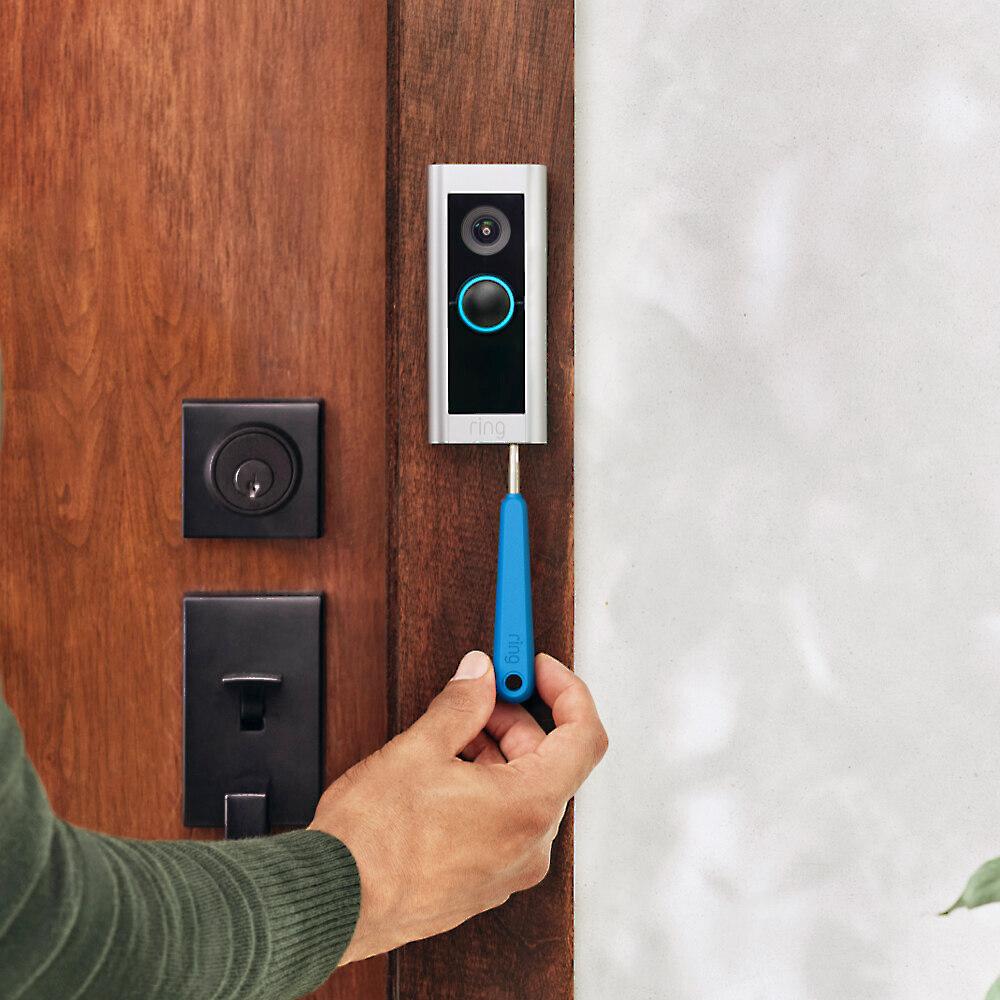
Installation costs: If you don't have existing doorbell wiring, the Blink's battery option eliminates the need for professional installation (typically $100-$200), representing significant additional savings. Ring Pro requires proper doorbell wiring, which may necessitate hiring an electrician if your home lacks this infrastructure.
Ongoing maintenance: Blink's battery option requires replacing two AA lithium batteries approximately every two years at about $5-10 per pair. Ring Pro has no battery replacement costs but will slightly increase your electricity bill (generally less than $5 annually).
When calculating value, we need to consider what you get for your money beyond basic video doorbell functionality.
Ring Pro delivers several premium features that justify its higher price point:
Blink focuses on delivering core functionality at an affordable price:
For many users, especially those primarily concerned with knowing when someone is at the door and basic security monitoring, Blink's core features satisfy essential needs at nearly half the price of Ring Pro.
The Blink doorbell's dual-power approach provides exceptional flexibility that can accommodate virtually any living situation:
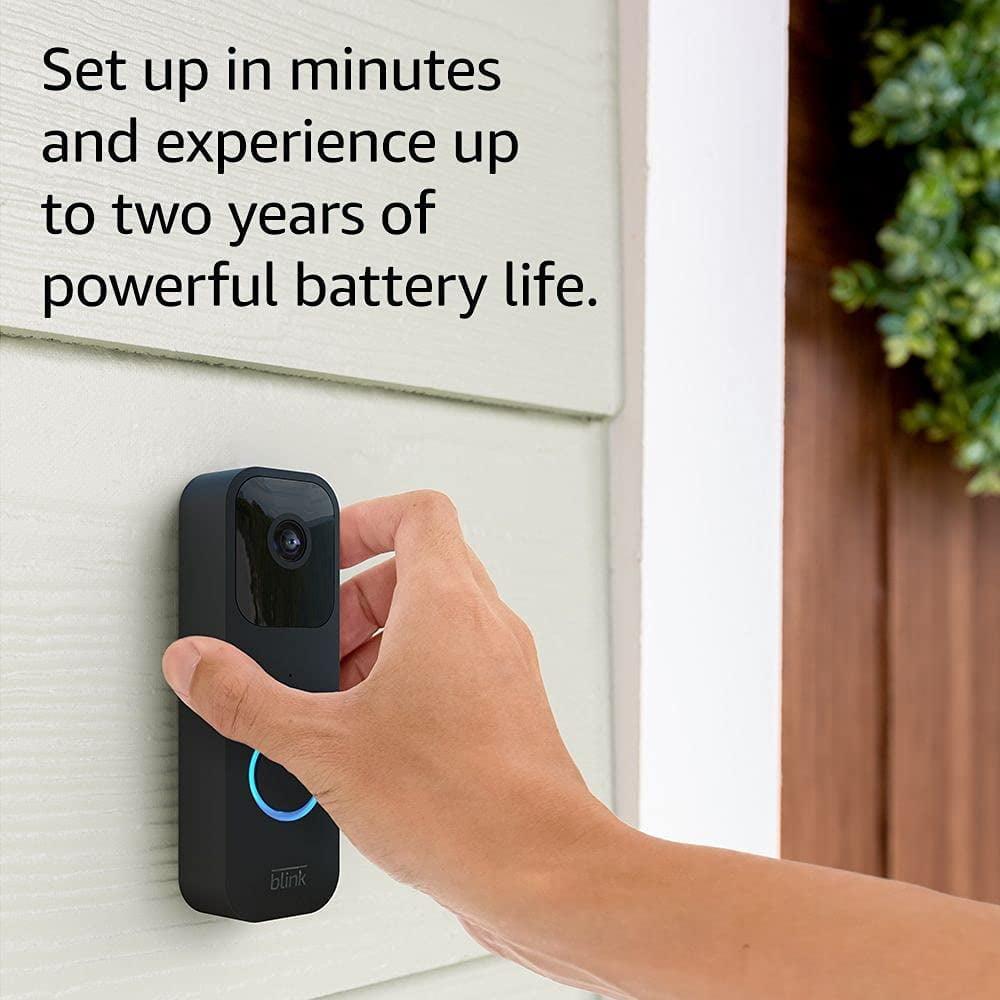
Wire-free installation using two AA lithium batteries offers approximately two years of operation with typical use. This option is perfect for:
Wired installation connects to standard doorbell wiring (16-24 volts AC) for continuous power while still using the batteries as backup during power outages. This hybrid approach offers the reliability of wired power without worrying about dead batteries.
Ring Pro requires standard doorbell wiring and includes no battery backup option. While this ensures consistent performance without battery maintenance, it significantly limits installation flexibility and may require professional electrical work in homes without compatible wiring.
How your video footage is stored affects both ongoing costs and privacy considerations.
Blink offers exceptional flexibility with both cloud and local storage options:
This flexibility allows you to choose between the convenience of cloud access and the privacy/cost benefits of local storage. You can even use both simultaneously for redundancy.
Ring relies exclusively on cloud storage through their subscription service. While this provides reliable backup and easy access from multiple devices, it means ongoing subscription costs and potential privacy concerns about footage being stored in the cloud.
After thoroughly testing both devices, I've developed a straightforward framework to help you choose the right video doorbell for your specific needs:
Choose the Blink Video Doorbell if:
Choose the Ring Wired Doorbell Pro if:
After spending extensive time with both devices, I've reached a nuanced conclusion about their relative merits:
The Blink Video Doorbell represents remarkable value, delivering fundamental video doorbell capabilities at an accessible price point. Its flexible power options and local storage capabilities make it exceptionally versatile and potentially more economical over time. For most homeowners seeking basic security monitoring and visitor alerts, Blink provides everything needed without unnecessary complexity or expense.
The Ring Wired Doorbell Pro, despite its higher price, delivers measurably better performance in key areas like video quality, field of view, motion detection, and audio clarity. These enhancements aren't just marketing points—they translate to more useful security footage, fewer false alerts, and a better overall user experience. The substantial price reduction since its release has made Ring Pro a much more compelling value proposition than at launch.
For those who view their video doorbell primarily as a security device, Ring Pro's superior technical capabilities justify the additional investment. For those who simply want to know who's at the door without breaking the bank, Blink offers an impressively capable solution at a very attractive price point.
Your optimal choice ultimately depends on your specific priorities, existing home infrastructure, and how the doorbell fits into your broader home security strategy. Either way, both products represent significant improvements over traditional doorbells and provide valuable security enhancements for the modern home.
| Blink Video Doorbell | Ring Wired Doorbell Pro |
|---|---|
| Price - Initial investment cost | |
| $44.90 (excellent budget option) | $92.94 (mid-range premium option) |
| Power Options - Determines installation flexibility | |
| Dual-power: Battery (2 AA lithium) or Wired (16-24V AC) | Wired only (16-24V AC) requires existing doorbell wiring |
| Video Resolution - Affects clarity and detail of footage | |
| 1080p HD (standard resolution, adequate for most needs) | 1536p HD+ (50% more pixels, noticeably sharper images) |
| Field of View - Determines how much area you can see | |
| 135° horizontal, 80° vertical (may miss packages below) | 150° horizontal, 150° vertical (captures full doorstep area) |
| Night Vision - Critical for security monitoring after dark | |
| Infrared only (black & white footage) | Both infrared and color night vision (when ambient light available) |
| Motion Detection - Affects alert accuracy and usefulness | |
| Basic frame comparison (more prone to false alerts) | Advanced 3D Motion Detection with Bird's Eye View (tracks visitor paths) |
| Two-Way Audio - Quality of conversations with visitors | |
| Standard two-way audio (functional but basic) | Two-way audio with noise cancellation (clearer in noisy environments) |
| Storage Options - Ongoing costs and data control | |
| Cloud storage (subscription) or local storage with Sync Module 2 | Cloud storage only (subscription required for recording) |
| Subscription Requirement - Additional costs over time | |
| Optional ($3/mo per device or $10/mo unlimited) | Practically required for core features ($3.99/mo per device or $10/mo unlimited) |
| Installation Complexity - Ease of setup for average homeowner | |
| Very simple (battery option requires no wiring knowledge) | Moderate (requires existing compatible doorbell wiring) |
| Battery Life - Maintenance frequency for battery option | |
| Up to 2 years with two AA lithium batteries | No battery option (continuous power only) |
| Weather Resistance - Durability in outdoor conditions | |
| IP-54 rated (protected against dust and rain) | Weather-resistant (specific rating not disclosed) |
| Smart Home Integration - Works with other devices | |
| Basic Alexa integration | Advanced Alexa integration (including Alexa Greetings) |
| HDR Video - Improves image quality in challenging lighting | |
| No | Yes (better performance in bright sunlight or shadows) |
The Blink Video Doorbell is significantly cheaper at $44.90 compared to the Ring Wired Doorbell Pro at $92.94. If you're on a tight budget, the Blink Video Doorbell offers the best value while still providing essential video doorbell features.
The Ring Wired Doorbell Pro requires existing doorbell wiring (16-24V AC) for installation. The Blink Video Doorbell offers flexibility with both wired and wire-free options, allowing you to use batteries if you don't have existing doorbell wiring.
The Ring Wired Doorbell Pro offers superior video quality with 1536p HD+ resolution and HDR support, compared to the Blink Video Doorbell's standard 1080p HD resolution. The Ring Pro's video quality advantage is noticeable when you need to identify specific details.
Both doorbells offer subscription plans, but they differ in flexibility. The Ring Wired Doorbell Pro practically requires a subscription ($3.99-$10/month) for recording videos. The Blink Video Doorbell offers both subscription options and local storage capabilities (with the Sync Module 2), making it possible to avoid monthly fees.
The Ring Wired Doorbell Pro has a significantly wider field of view at 150° both horizontally and vertically. The Blink Video Doorbell offers 135° horizontal and only 80° vertical viewing angles, which may miss packages placed directly below the doorbell.
Yes, both doorbells offer night vision capabilities. The Blink Video Doorbell provides standard infrared (black and white) night vision. The Ring Wired Doorbell Pro offers both infrared night vision and color night vision when there's sufficient ambient light, providing more detailed nighttime footage.
The Blink Video Doorbell can operate for up to 2 years on two AA lithium batteries under typical usage conditions. The Ring Wired Doorbell Pro doesn't have a battery option and requires continuous power through doorbell wiring.
Both doorbells work with Alexa since they're both Amazon-owned products, but the Ring Wired Doorbell Pro offers more advanced Alexa integration, including Alexa Greetings (which can automatically interact with visitors). The Blink Video Doorbell has more basic Alexa functionality but still allows for voice commands and notifications.
The Ring Wired Doorbell Pro features advanced 3D Motion Detection with Bird's Eye View, which uses radar to precisely track visitor movements and reduce false alerts. The Blink Video Doorbell uses more basic frame-comparison motion detection, which works adequately but is more prone to false alerts from shadows or moving plants.
Both doorbells can be self-installed with basic DIY skills. The Blink Video Doorbell is easier to install, especially in its battery-powered configuration which requires no wiring. The Ring Wired Doorbell Pro requires connecting to existing doorbell wiring, which may be more challenging for some users or require professional installation if you don't have compatible wiring.
The Blink Video Doorbell is ideal for apartments and rental properties because of its battery-powered option, which doesn't require modifying existing wiring or drilling into walls. The Ring Wired Doorbell Pro requires hardwiring, which might not be permitted in some rental agreements or might be impractical for apartment dwellers.
Both doorbells are designed for outdoor use, but the Blink Video Doorbell has a specific IP-54 rating, which means it's protected against dust and rain. It can operate in temperatures from -4° to 113°F (-20° to 45°C). The Ring Wired Doorbell Pro is also weather-resistant and can function in temperatures from 5°F to 120°F (-20°C to 50°C), though Ring doesn't specify its exact IP rating.
We've done our best to create useful and informative comparisons to help you decide what product to buy. Our research uses advanced automated methods to create this comparison and perfection is not possible - please contact us for corrections or questions. These are the sites we've researched in the creation of this article: cnet.com - livingetc.com - cnet.com - support.blinkforhome.com - safehome.org - support.blinkforhome.com - youtube.com - arlo.com - blinkforhome.com - wasserstein-home.com - press.aboutamazon.com - blinkforhome.com - bestbuy.com - surveillance-video.com - youtube.com - security.org - de-de.ring.com - ring.com - target.com - bestbuy.com - abt.com - blackwiredesigns.com - youtube.com - ring.com - samsung.com - ring.com

Privacy Policy
Terms and Conditions - Affiliate Policy
Home Security
© Copyright 2008-2026.
11816 Inwood Rd #1211, Dallas, TX 75244