

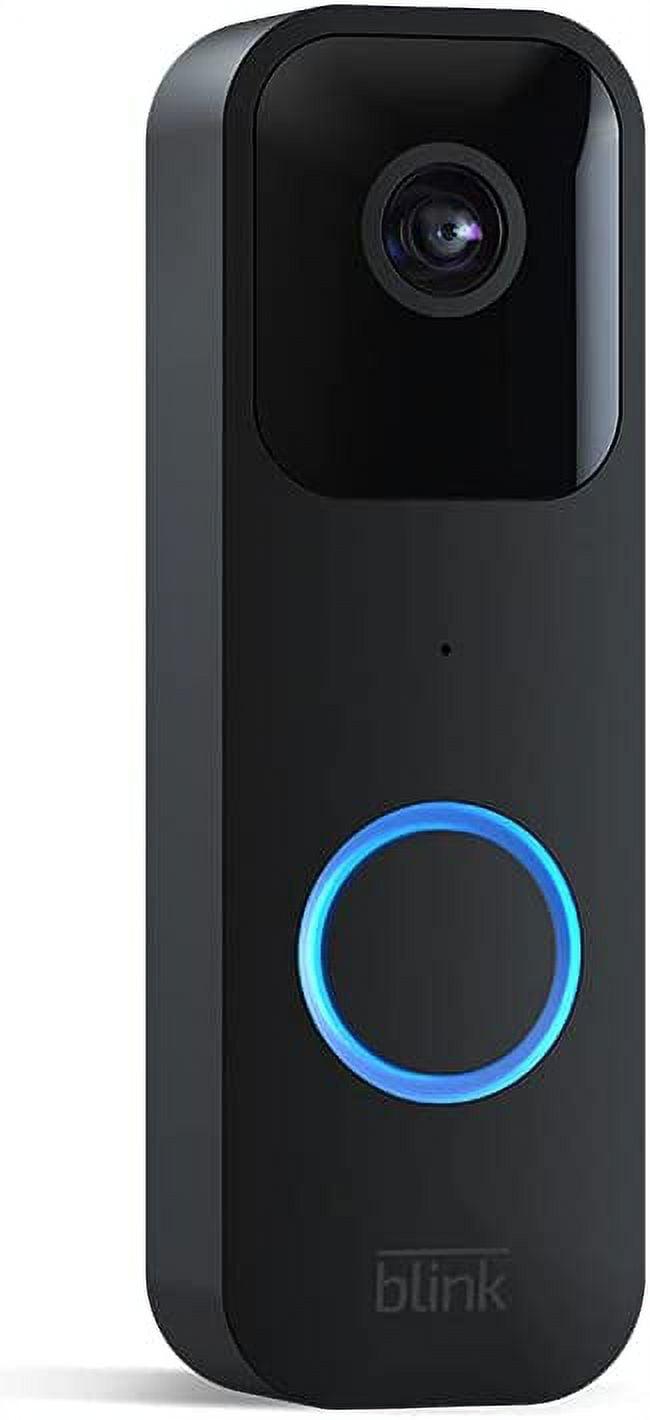

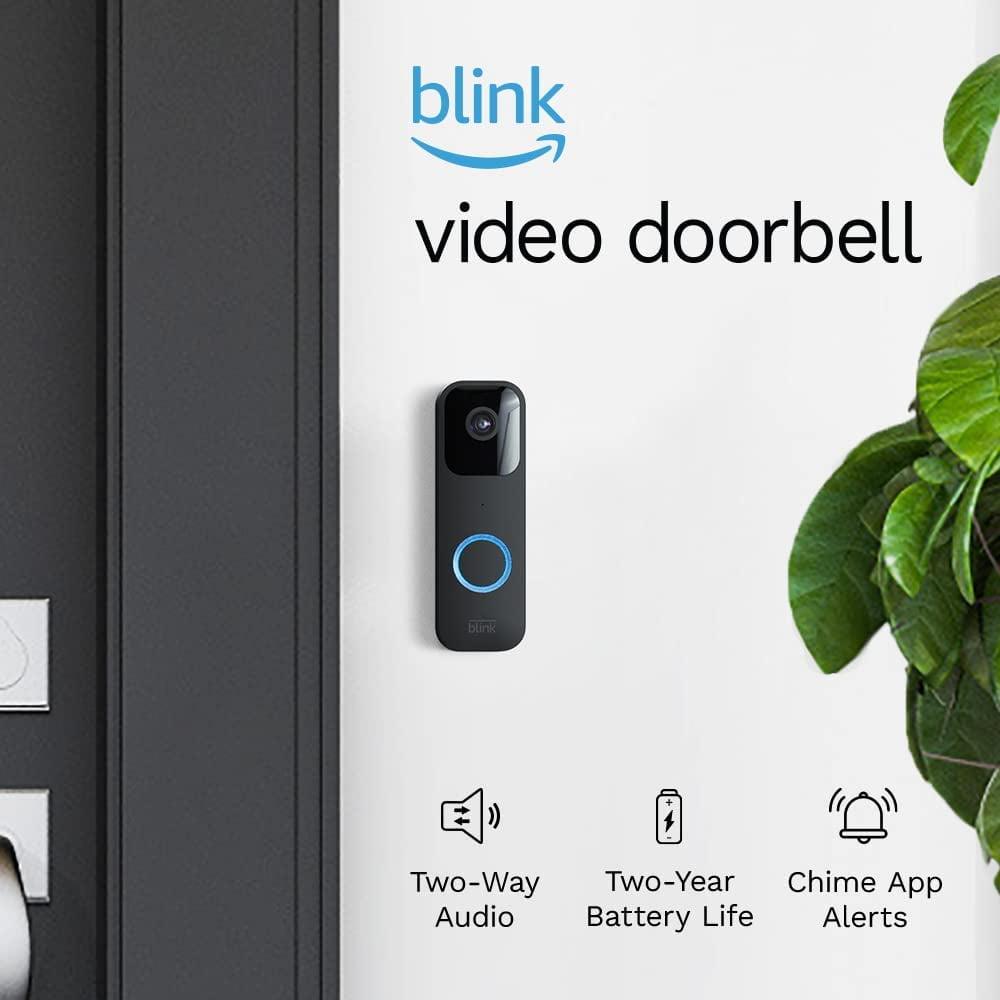
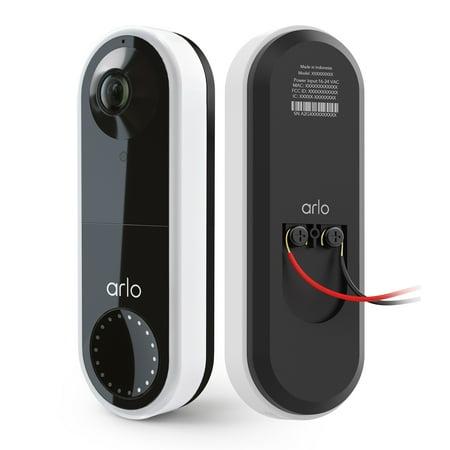
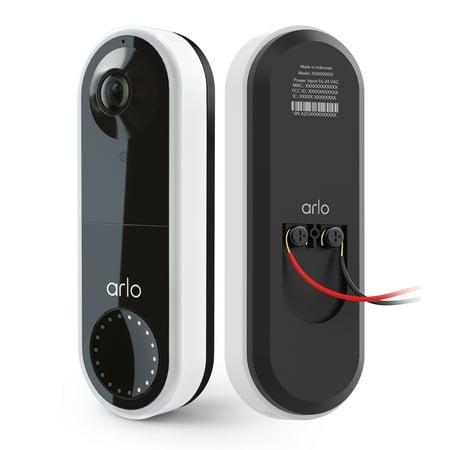




Smart video doorbells have become an essential part of the modern connected home, offering both security and convenience. Today, we'll compare two popular options - the Blink Video Doorbell ($44.90) and the Arlo Essential Wired Video Doorbell ($58.99) - to help you make an informed decision for your home.
When the Arlo Essential launched in late 2020, it set a new standard for video quality in its price range. The Blink Video Doorbell followed in September 2021, bringing a more affordable and flexible solution to the market. Both products have received software updates since release, primarily enhancing their smart detection capabilities and app interfaces.
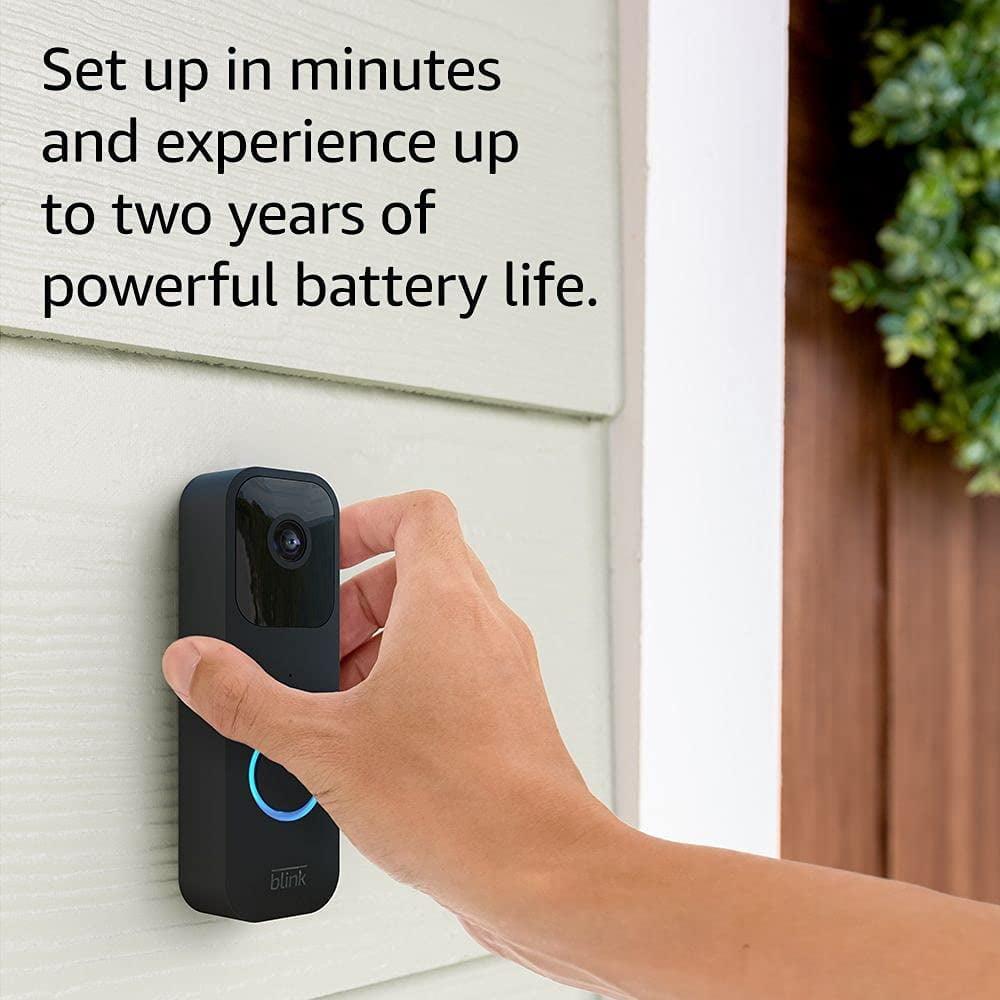
One of the most significant differences between these doorbells is their installation flexibility. The Blink offers both wired and battery-powered options, which is a huge advantage for homes without existing doorbell wiring. Running on two AA lithium batteries, it can last up to two years with typical use - impressive longevity for a battery-powered device.
The Arlo Essential requires hardwiring to 16-24V AC power, which is standard for most existing doorbell setups. While this means no battery changes, it does limit installation options for some homes.
Here's where things get interesting. The Arlo offers superior raw specifications with its 1536x1536 resolution and 180-degree diagonal field of view. This square aspect ratio means you can see visitors from head to toe, along with any packages on your doorstep. The HDR (High Dynamic Range) feature helps balance bright and dark areas in the frame, particularly useful when your porch is in shadow but the background is bright.
The Blink delivers 1080p HD video (1920x1080) with a 135-degree horizontal field of view. While these specs are lower on paper, the video quality is still quite good for most purposes. The narrower field of view might actually be preferable in some situations, as it focuses more on the immediate doorway area.
Both doorbells use infrared LEDs for night vision, which means they can see in complete darkness without visible illumination. The Arlo uses high-powered 850nm infrared LEDs, while the Blink employs a similar system. In practice, both provide clear black-and-white footage at night, though the Arlo's higher resolution gives it a slight edge in detail.
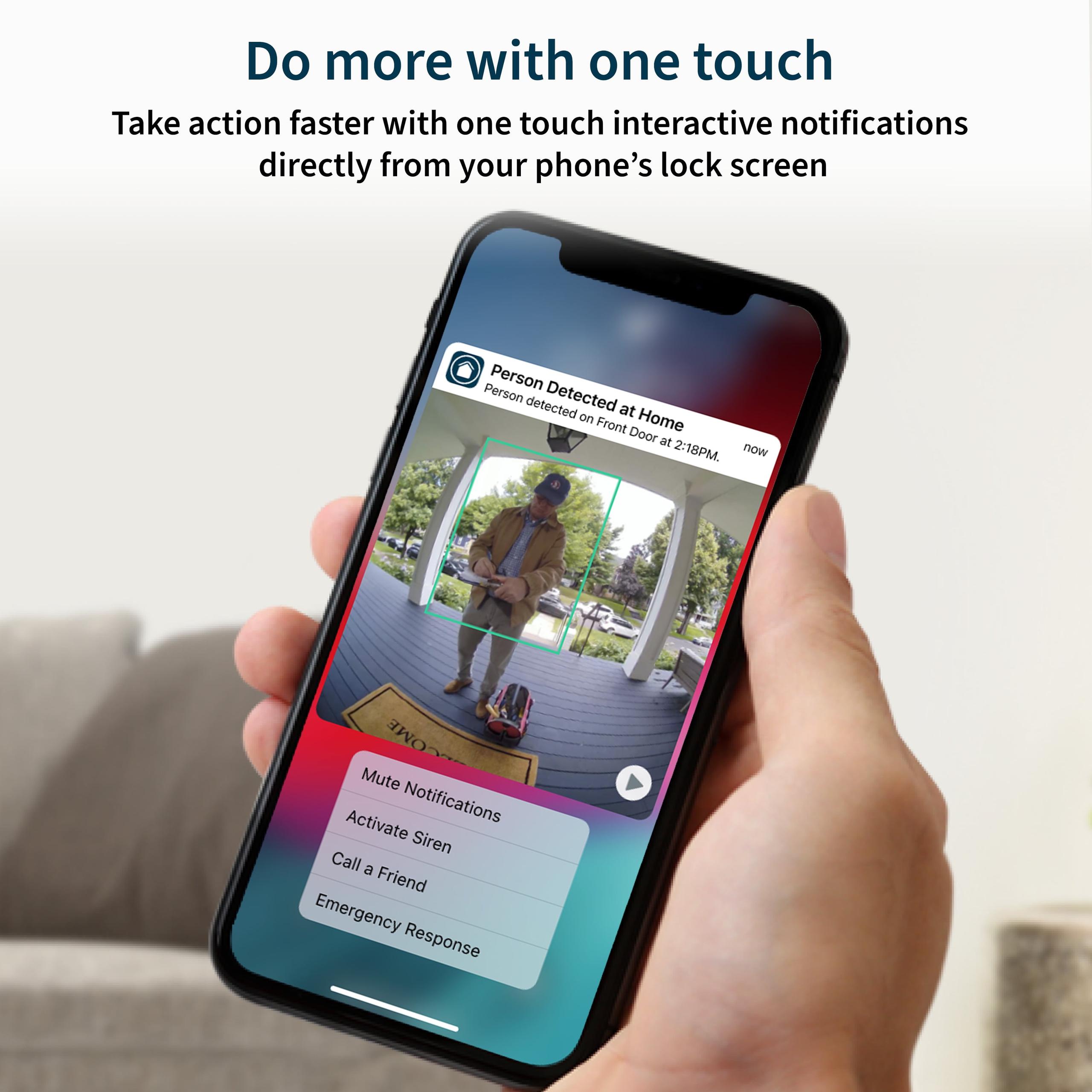
This is where the price difference becomes more apparent. The Arlo Essential includes advanced AI-powered detection that can distinguish between people, packages, animals, and vehicles. It also features a pre-roll function that captures the four seconds before motion is detected, ensuring you never miss the beginning of an event.
The Blink offers more basic motion detection without object recognition. However, it does allow you to set custom motion zones to reduce false alerts, and its detection system is perfectly adequate for most users.
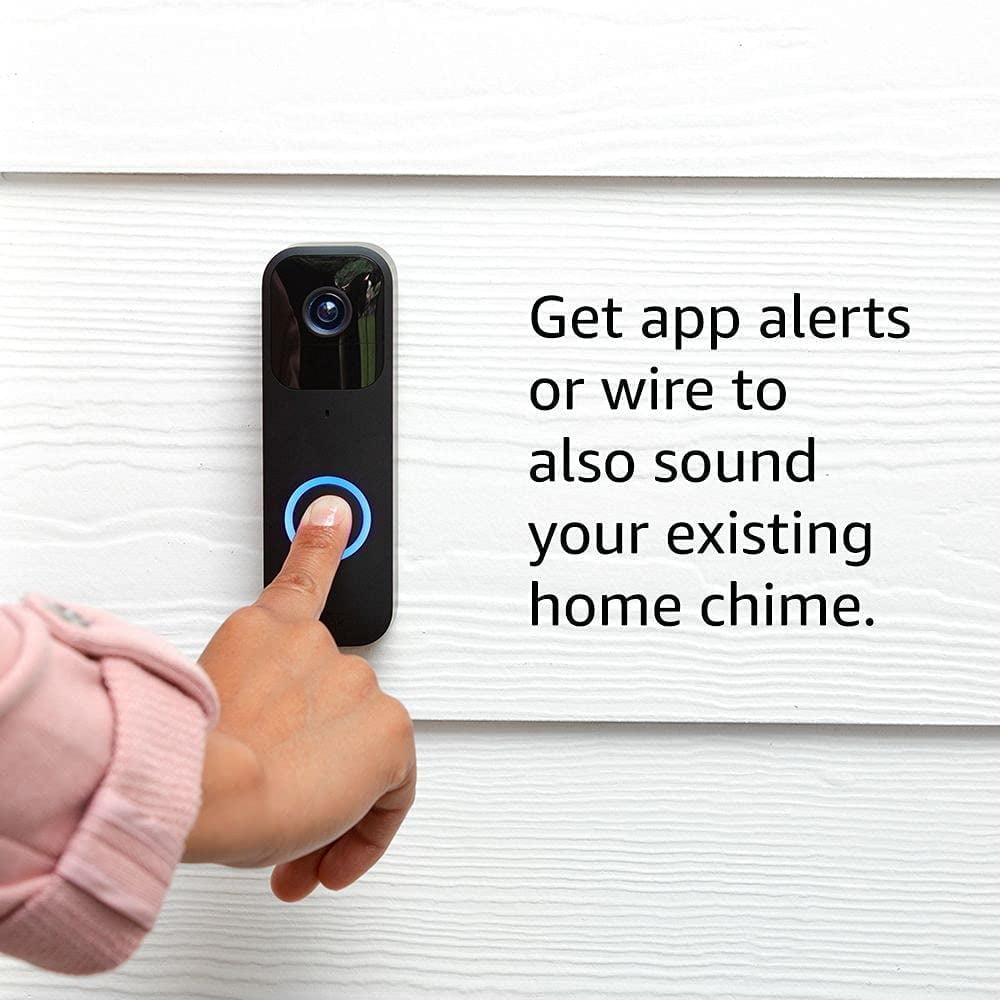
While both doorbells work with Amazon Alexa (allowing you to view your doorbell feed on Echo Show devices or receive announcements), the Arlo takes the lead in broader smart home compatibility. It works with Google Assistant, Apple HomeKit, and IFTTT, making it more versatile for homes using multiple smart platforms.
Here's an important consideration: The Arlo requires a subscription (Arlo Secure) to access many of its advanced features, including person detection and cloud storage. The Blink's basic features work without a subscription, and it offers local storage options with the Sync Module 2 (sold separately).
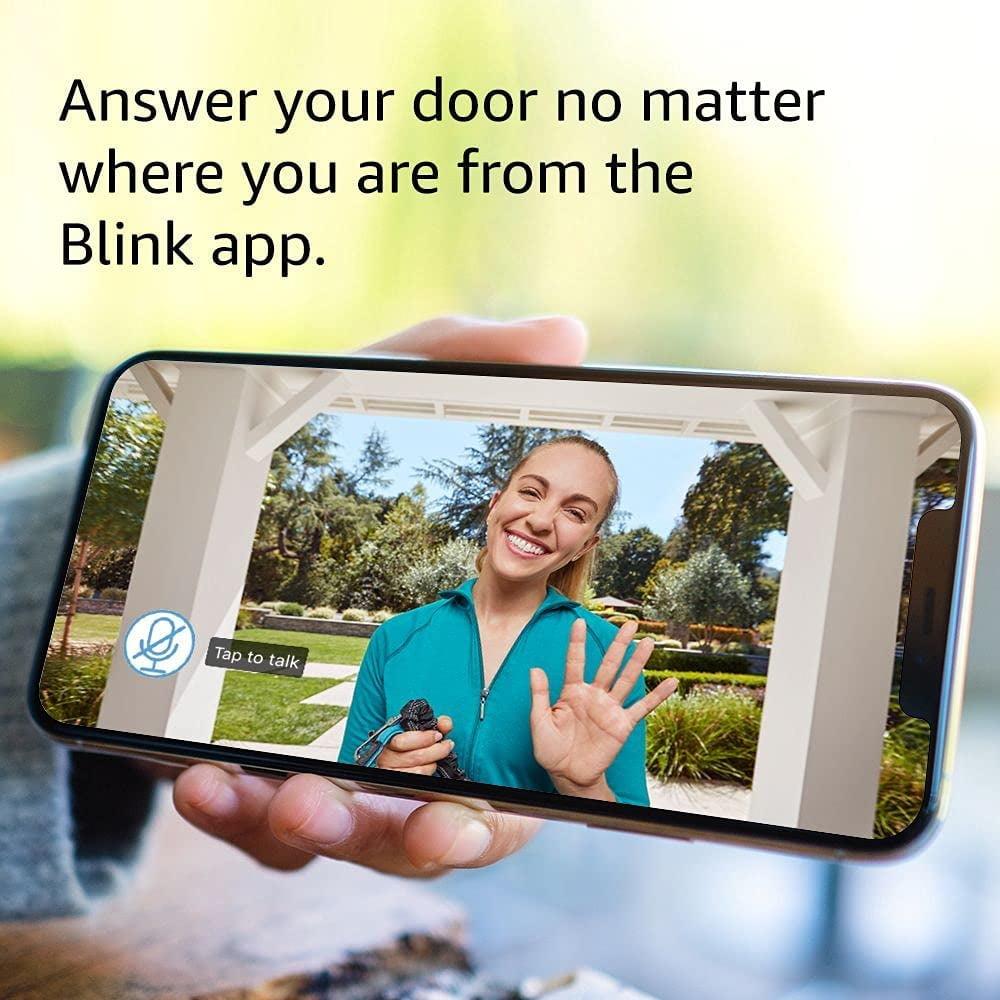
Both doorbells feature two-way audio, allowing you to speak with visitors through your smartphone. The Arlo implements full-duplex audio, meaning both parties can speak simultaneously, like a phone call. The Blink uses a push-to-talk system, which works well but isn't quite as natural in conversation.
In daily use, both doorbells perform their core functions reliably. The Arlo's higher resolution and wider field of view provide more detailed footage and better coverage, while the Blink offers excellent battery life and simpler operation.
The Arlo's advanced detection features are genuinely useful, sending fewer false alerts and providing more specific notifications. However, the Blink's simpler approach still gets the job done, especially if you're mainly interested in knowing when someone's at your door.
At $44.90, the Blink Video Doorbell represents excellent value, especially considering its battery-powered option and subscription-free basic operation. The Arlo Essential at $58.99 offers more advanced features but requires both hardwiring and a subscription for full functionality.
Choose the Blink if:
Choose the Arlo if:
Both doorbells offer good value for their respective price points. The Blink excels in flexibility and simplicity, while the Arlo provides superior technical capabilities and features. Your choice should ultimately depend on your specific needs and preferences.
For most users, the Blink's combination of affordability, flexible installation, and subscription-free operation makes it an excellent choice. However, if you want the best video quality and advanced features, and don't mind the subscription cost, the Arlo's superior specifications and AI capabilities make it worth the extra investment.
Remember that both companies regularly update their products' software, adding features and improving performance over time. This makes either choice a solid investment in your home's security and convenience.
| Blink Video Doorbell - $44.90 | Arlo Essential Wired Doorbell - $58.99 |
|---|---|
| Video Resolution - Higher resolution means clearer visitor identification | |
| 1080p HD (1920x1080) - Good for basic identification | 1536x1536 - Better detail, especially for packages |
| Field of View - Wider angles show more of your porch area | |
| 135° horizontal, 80° vertical - Focused view | 180° diagonal - Shows head-to-toe and packages |
| Power Options - Affects installation flexibility | |
| Wired (16-24V AC) or Battery (2 AA lithium) | Wired only (16-24V AC) |
| Battery Life - Important for wire-free installation | |
| Up to 2 years with typical use | N/A - Requires wiring |
| Night Vision - Critical for overnight security | |
| 850nm IR LED black & white vision | Enhanced IR LED with HDR - better contrast |
| Motion Detection - Affects alert accuracy | |
| Basic motion zones, no object recognition | AI-powered person/package/animal detection |
| Smart Home Integration - Determines ecosystem compatibility | |
| Amazon Alexa only | Alexa, Google Assistant, Apple HomeKit |
| Storage Options - Impacts ongoing costs | |
| Local (with Sync Module) or Cloud subscription | Cloud subscription required |
| Audio Features - Affects visitor interaction | |
| Push-to-talk two-way audio | Full-duplex two-way audio |
| Weather Resistance - Important for durability | |
| IP-54 rated (-4° to 113° F) | Weather-resistant (-20° to 45° C) |
| Additional Features - Extra functionality | |
| Quick responses, customizable zones | Built-in siren, pre-roll video capture |
| Subscription Requirements - Affects total cost | |
| Optional - Basic features work without | Required for advanced features |
The Arlo Essential ($58.99) offers better video quality and smart features, while the Blink Video Doorbell ($44.90) provides better value and installation flexibility. Arlo is better for premium features, while Blink is better for budget-conscious buyers.
The Arlo Essential has superior video quality with 1536x1536 resolution and 180-degree viewing angle, compared to the Blink's 1080p resolution and 135-degree view.
The Blink Video Doorbell can be installed either wired or wire-free with batteries, while the Arlo Essential requires existing doorbell wiring (16-24V AC).
Both doorbells offer infrared night vision, but the Arlo Essential provides slightly better quality due to its higher resolution and HDR capability.
The Arlo Essential works with Alexa, Google Assistant, and Apple HomeKit, while the Blink only works with Alexa.
The Blink Video Doorbell can last up to 2 years on two AA lithium batteries. The Arlo Essential doesn't use batteries as it's wired-only.
The Arlo Essential offers advanced AI-powered detection for people, packages, and animals, while the Blink provides basic motion detection with customizable zones.
Yes, both offer two-way audio. The Arlo Essential has full-duplex audio (like a phone call), while the Blink uses push-to-talk.
The Blink Video Doorbell is generally easier to install, especially in battery mode, while the Arlo Essential requires hardwiring and basic electrical knowledge.
The Blink Video Doorbell ($44.90) is more affordable than the Arlo Essential ($58.99), especially considering it doesn't require a subscription for basic features.
We've done our best to create useful and informative comparisons to help you decide what product to buy. Our research uses advanced automated methods to create this comparison and perfection is not possible - please contact us for corrections or questions. These are the sites we've researched in the creation of this article: cnet.com - livingetc.com - cnet.com - support.blinkforhome.com - safehome.org - support.blinkforhome.com - youtube.com - arlo.com - blinkforhome.com - wasserstein-home.com - press.aboutamazon.com - blinkforhome.com - safehome.org - arlo.com - bestbuy.com - arlo.com - wasserstein-home.com - arlo.com - arlo.com - prnewswire.com - telquestintl.com

Privacy Policy
Terms and Conditions - Affiliate Policy
Home Security
© Copyright 2008-2026.
11816 Inwood Rd #1211, Dallas, TX 75244