


Samsung may be preparing to fill one of the more obvious gaps in its Galaxy ecosystem: a pair of premium over-ear wireless headphones designed to sit alongside its Galaxy phones, tablets, watches, and Galaxy Buds.
References discovered inside Samsung's Galaxy Wearable app point to an unreleased pair of over-ear Bluetooth headphones currently known internally as the Galaxy H1. The discovery was first reported by SamMobile, which says the project appears to be at an early stage and could potentially result in a product launch in early 2027. Samsung has not announced the headphones, confirmed their final name, or provided specifications or pricing.
Now, an icon and several strings buried inside an app are not the same thing as a product announcement, and Samsung could change the design, features, name, or release schedule before anything reaches stores.
Still, the discovery is interesting because Samsung has largely stayed away from Samsung-branded premium over-ear headphones for years, even as the market around them has become increasingly important.
According to the Galaxy Wearable app findings, Samsung is developing a full-size wireless headphone design with Bluetooth connectivity. Connection-status graphics included in the app show a traditional headband with two large earcups, although those graphics should not necessarily be treated as an exact representation of the finished hardware.

For now, the confirmed information is limited:
Everything beyond that needs to be treated more cautiously.
It is suggested that features such as active noise cancellation, an ambient listening mode, Bluetooth 6.0, Samsung's SSC UHQ audio codec, Auto Switch between Galaxy devices, AI assistant integration, and considerably longer battery life than Samsung's earbuds. Those features would make sense for a premium Samsung headphone, but none has been officially confirmed for the H1.
Even the Galaxy H1 name may disappear. SamMobile describes it as Samsung's internal designation and says the retail name could be different by the time the headphones are announced.
A new Galaxy-branded headphone would not be Samsung's first attempt at making full-size wireless headphones.

Samsung sold several models under its old Level audio brand. In 2015, for example, it introduced the Level On Wireless Pro, an on-ear wireless headphone with active noise cancellation, ambient listening capabilities, touch controls, and Samsung's then-new Ultra High Quality Audio technology.
The important difference is everything that has happened since.
Samsung completed its acquisition of Harman International in March 2017. Harman brought a large collection of established audio businesses into Samsung's broader corporate structure, including brands with considerable headphone and loudspeaker experience, like JBL, Bowers & Wilkins, AKG, Denon and others.
Samsung itself then concentrated much of its personal-audio effort on the Galaxy Buds family rather than developing a direct Samsung-branded competitor to premium over-ear models.
Galaxy H1 could change that.
The biggest reason may have less to do with building another pair of headphones and more to do with completing the Galaxy ecosystem.
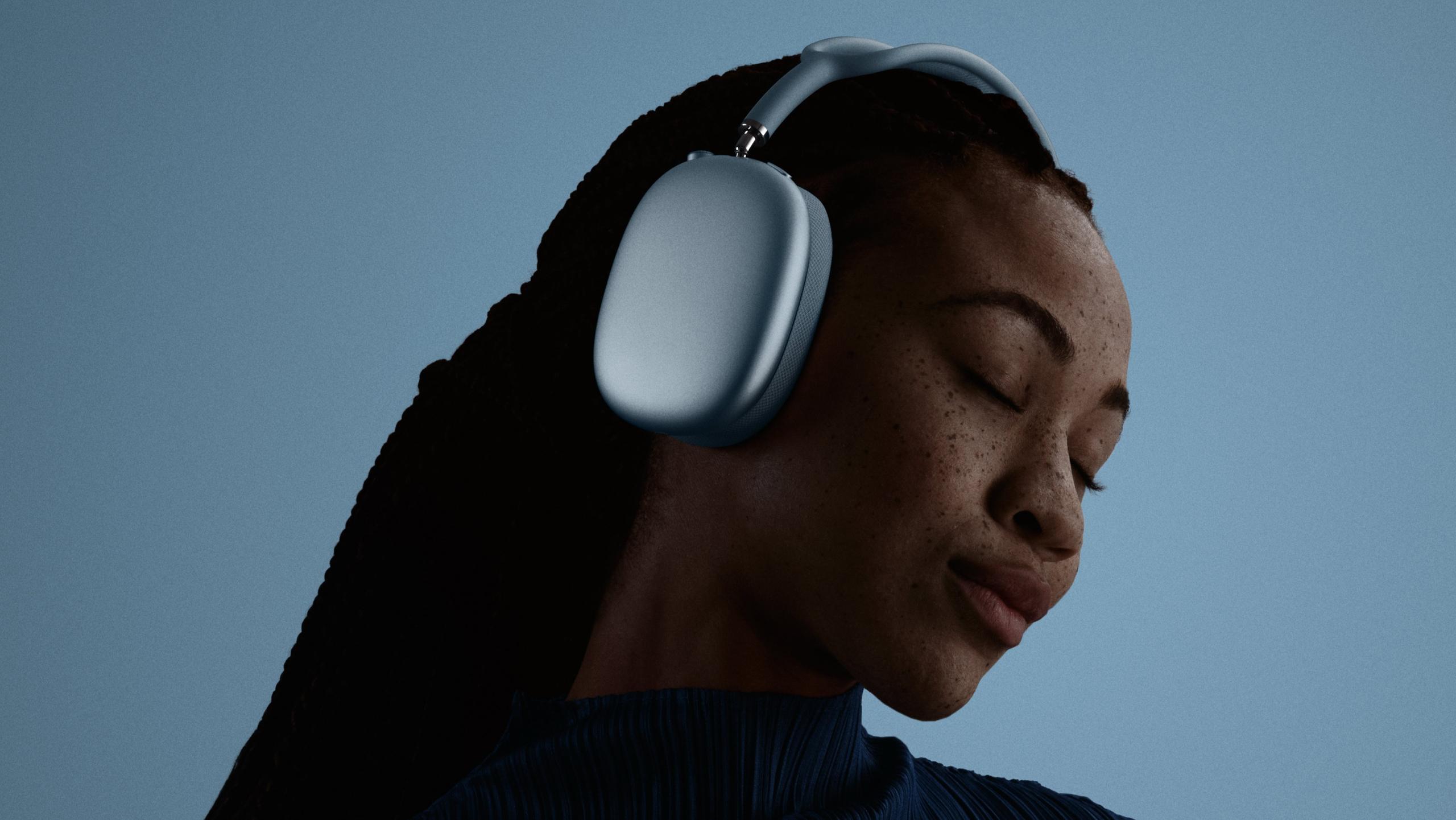
Samsung already has smartphones, tablets, smartwatches, TVs, laptops, earbuds, smart-home products, and an increasingly connected software platform. What it does not currently offer under the Galaxy name is a first-party premium over-ear headphone comparable in positioning to Apple's AirPods Max or Sony's WH-1000X family.
That leaves Galaxy phone owners relying on products from Sony, Bose, JBL, Sennheiser, Apple, and others when they want something larger than earbuds.
Those headphones work perfectly well with Android phones, of course. The opportunity for Samsung would instead be to make the Galaxy connection itself the selling point.
Apple has spent years demonstrating how powerful that approach can be. A headphone becomes more difficult to judge purely by drivers, frequency response, or noise cancellation when it also automatically moves between your devices, understands your account, exposes additional settings through the operating system, and interacts with other hardware you already own.
Samsung now has enough pieces to attempt something similar.
Samsung's recently introduced Galaxy Buds4 Pro provide a useful preview of the technologies that could eventually make their way into an over-ear model.
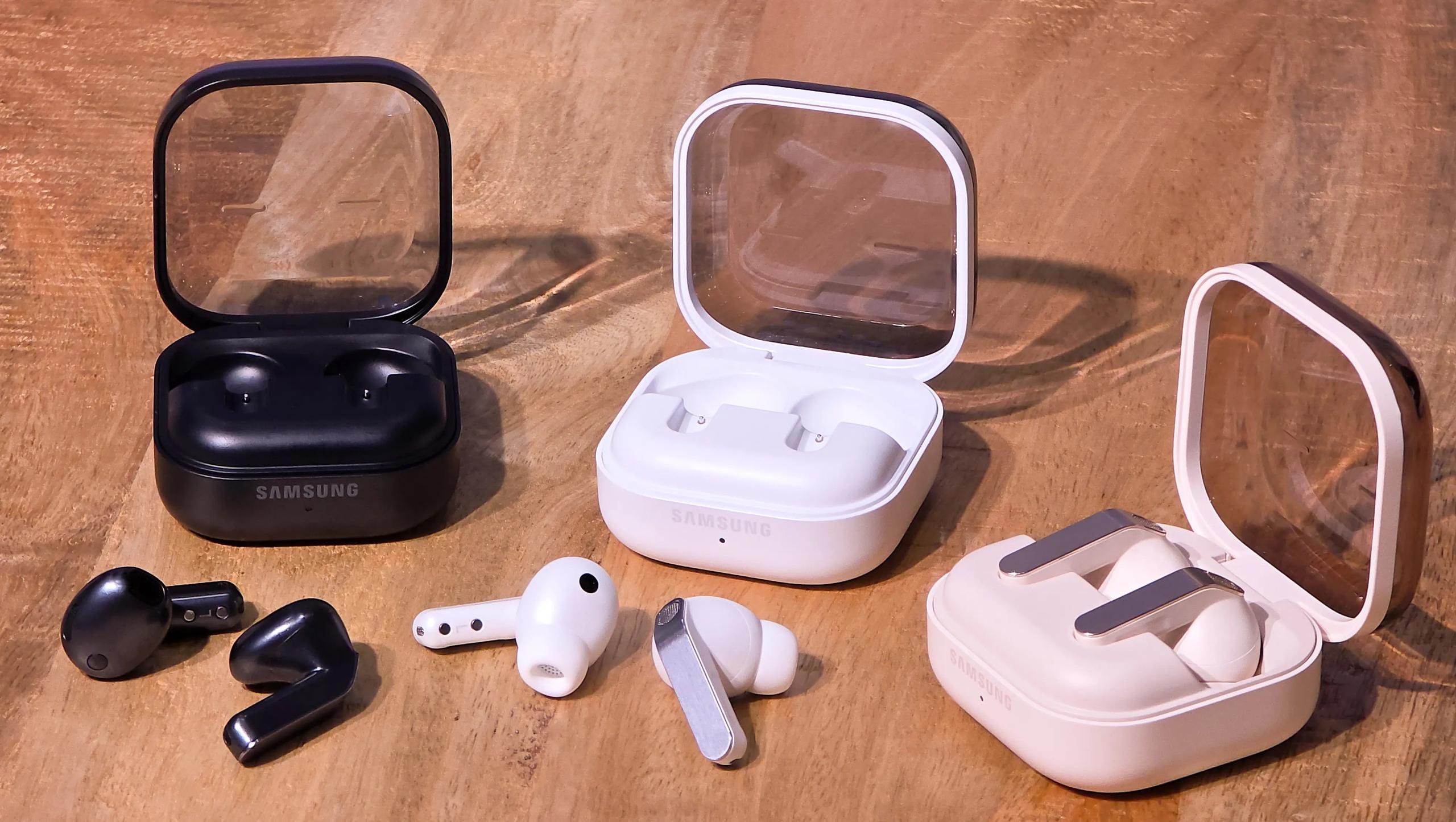
The Buds4 Pro support Samsung Seamless Codec Ultra High Quality, or SSC UHQ, with audio transmission of up to 24-bit/96kHz when paired with supported Galaxy phones and tablets. Samsung currently limits the highest-quality mode to compatible Galaxy hardware, turning the codec into both an audio feature and an ecosystem feature.
Samsung has also been expanding what its earbuds can do with AI assistants. The Buds4 series can provide hands-free access to Bixby, Google Gemini, and Perplexity through compatible Galaxy devices, allowing users to interact with those services without reaching for their phones.
Neither feature is confirmed for Galaxy H1. But bringing SSC UHQ, quick pairing, automatic device switching, spatial audio features, voice assistants, and deeper Galaxy controls to a full-size headphone would be an obvious way for Samsung to distinguish it from generic Bluetooth headphones.
It could also give Galaxy users something closer to Apple's hardware integration without requiring them to leave Android.
Ecosystem features alone will not be enough. Premium wireless headphones are already an established category, and Samsung would be entering a market where Sony, Bose, Apple, and other manufacturers have had years to refine noise cancellation, transparency modes, microphones, battery life, comfort, controls, and sound tuning. Current reporting specifically positions Samsung's project as a potential rival to products such as Apple's AirPods Max and Sony's premium wireless headphones.
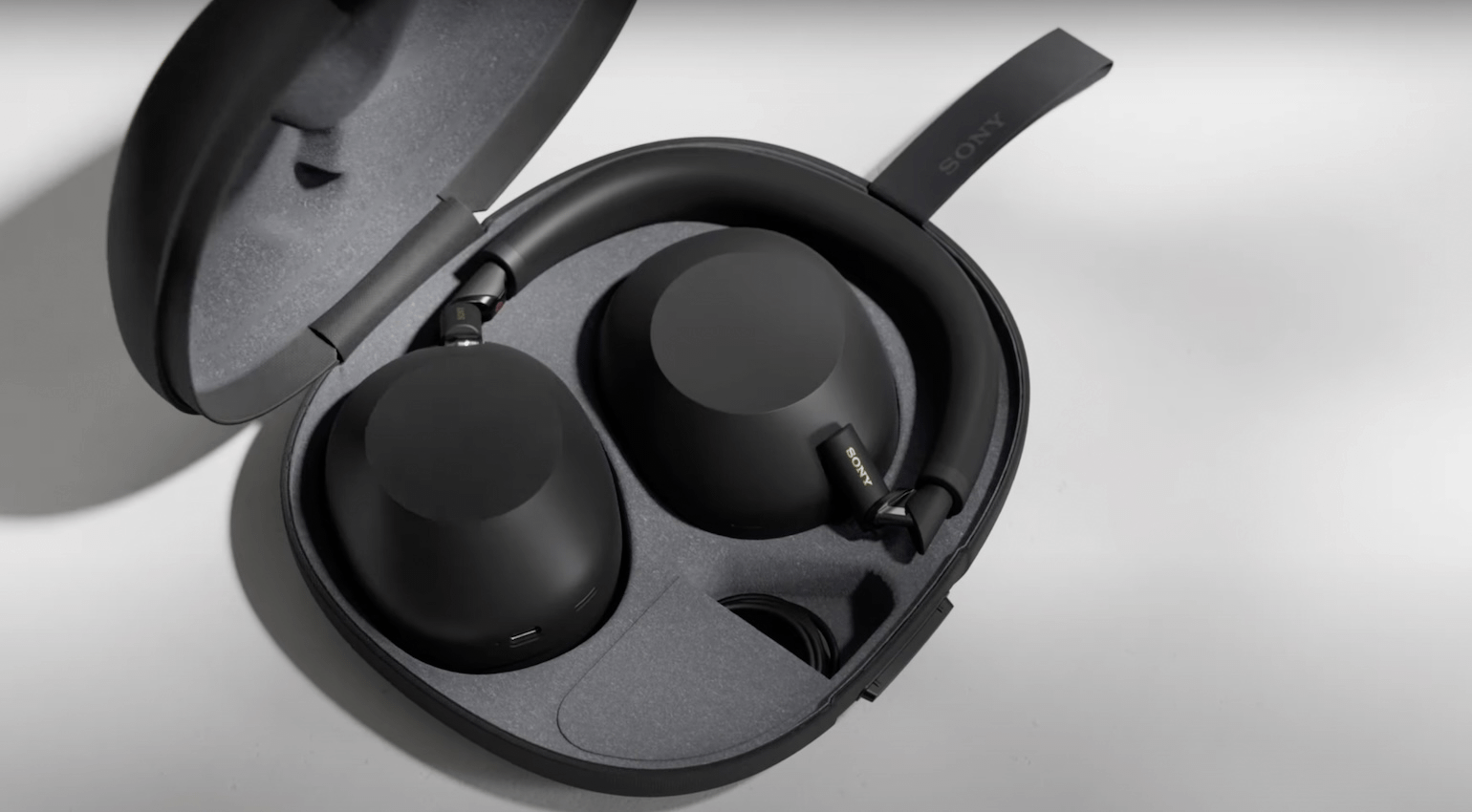
That means Samsung would need to get several fundamentals right:
That last point could become especially important.
Samsung can make the H1 more attractive to Galaxy owners by reserving features such as SSC UHQ or certain AI functions for its own devices. Push those restrictions too far, however, and the headphones could become considerably less appealing to people who regularly switch between different platforms.
Samsung's ownership of Harman adds another layer to the story. The company already owns audio brands that produce headphones, meaning Samsung does not need to enter this category simply because it lacks access to headphone engineering expertise. Samsung completed the Harman acquisition back in 2017, long after its earlier Level headphones first appeared.

Galaxy H1 therefore looks less like Samsung rediscovering headphones and more like a potential decision to bring premium over-ear audio directly under the Galaxy umbrella.
That could allow the company to combine audio technologies with software integration that makes more sense under Samsung's own consumer-electronics brand.
Exactly how much Harman technology or engineering would be involved is unknown, and there is currently no indication Samsung intends to simply repackage one of its existing audio brands.
The most important thing to remember is that Galaxy H1 is still an unreleased project.
Samsung has not announced the headphones, revealed pricing, provided a specification sheet, or even confirmed that Galaxy H1 will be the final product name. The early-2027 release window comes from reporting based on the apparent stage of development rather than an official Samsung launch schedule.
Products uncovered through app code do sometimes move toward release, but development plans can also change.
For now, the larger story is that Samsung appears interested in returning to a category it largely left behind during the rise of the Galaxy Buds.
And Samsung is returning to a very different headphone market than the one it faced during the Level era. Its biggest opportunity may not be producing another set of noise-canceling headphones with competitive specifications. It is building a pair that makes more sense for Galaxy owners precisely because they already own other Galaxy products.
Whether the Galaxy H1 can deliver that experience — and whether Samsung can compete with the established names on comfort, sound, ANC, and price at the same time — may be the more interesting question to watch as 2027 approaches.




Privacy Policy
Terms and Conditions - Affiliate Policy
Home Security
© Copyright 2008-2026.
11816 Inwood Rd #1211, Dallas, TX 75244