

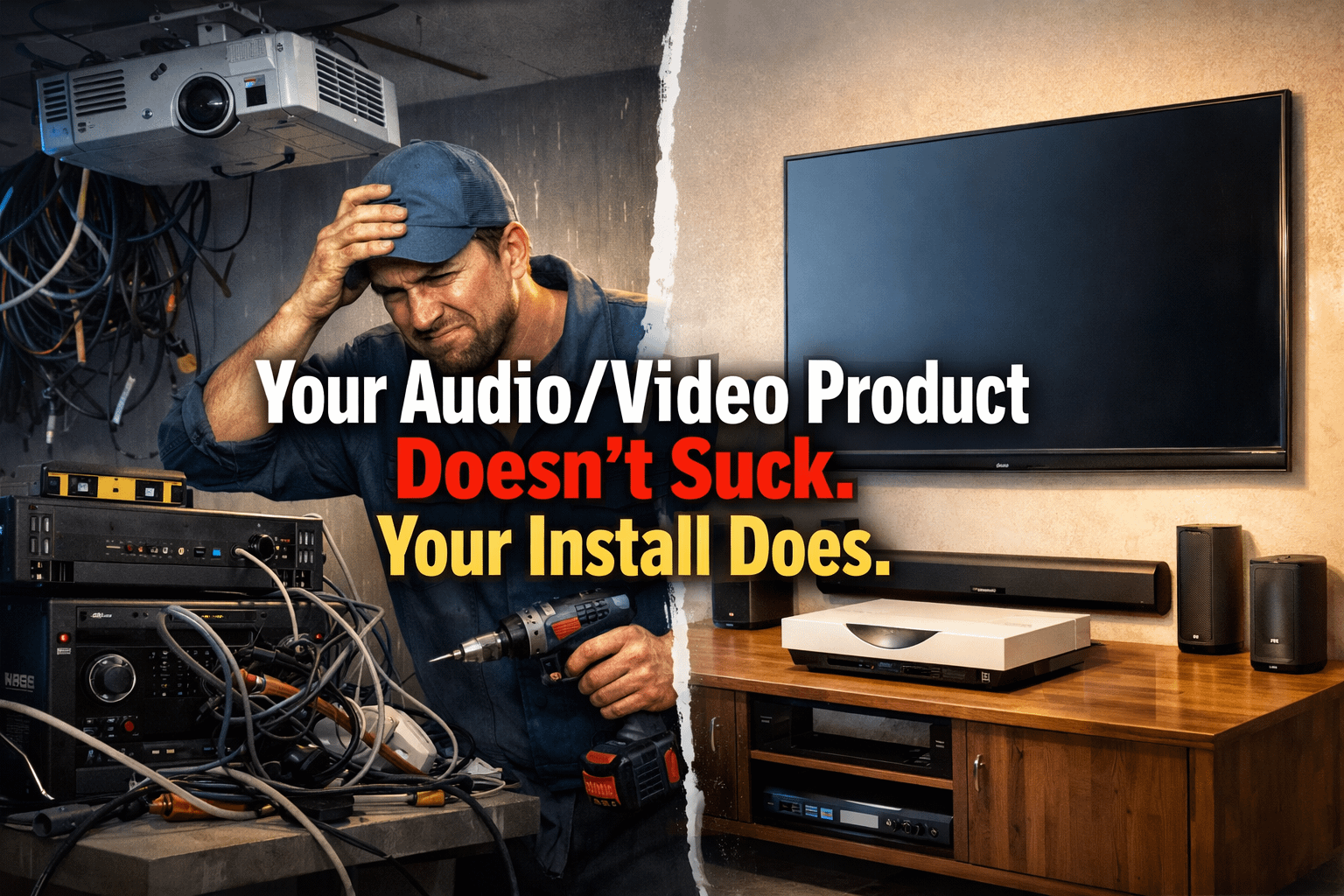
The tech industry loves talking about features, specs, and performance. But in the real world—where products actually get installed, configured, and lived with—there's something else that matters just as much: installation friction.
And it's shaping what sells more than most manufacturers want to admit.
Projectors, in-ceiling speakers, AV receivers—these aren't impulse buys. They don't live in a cart by the register. They live or die based on how approachable they are to install, whether by an end user or a custom integrator.
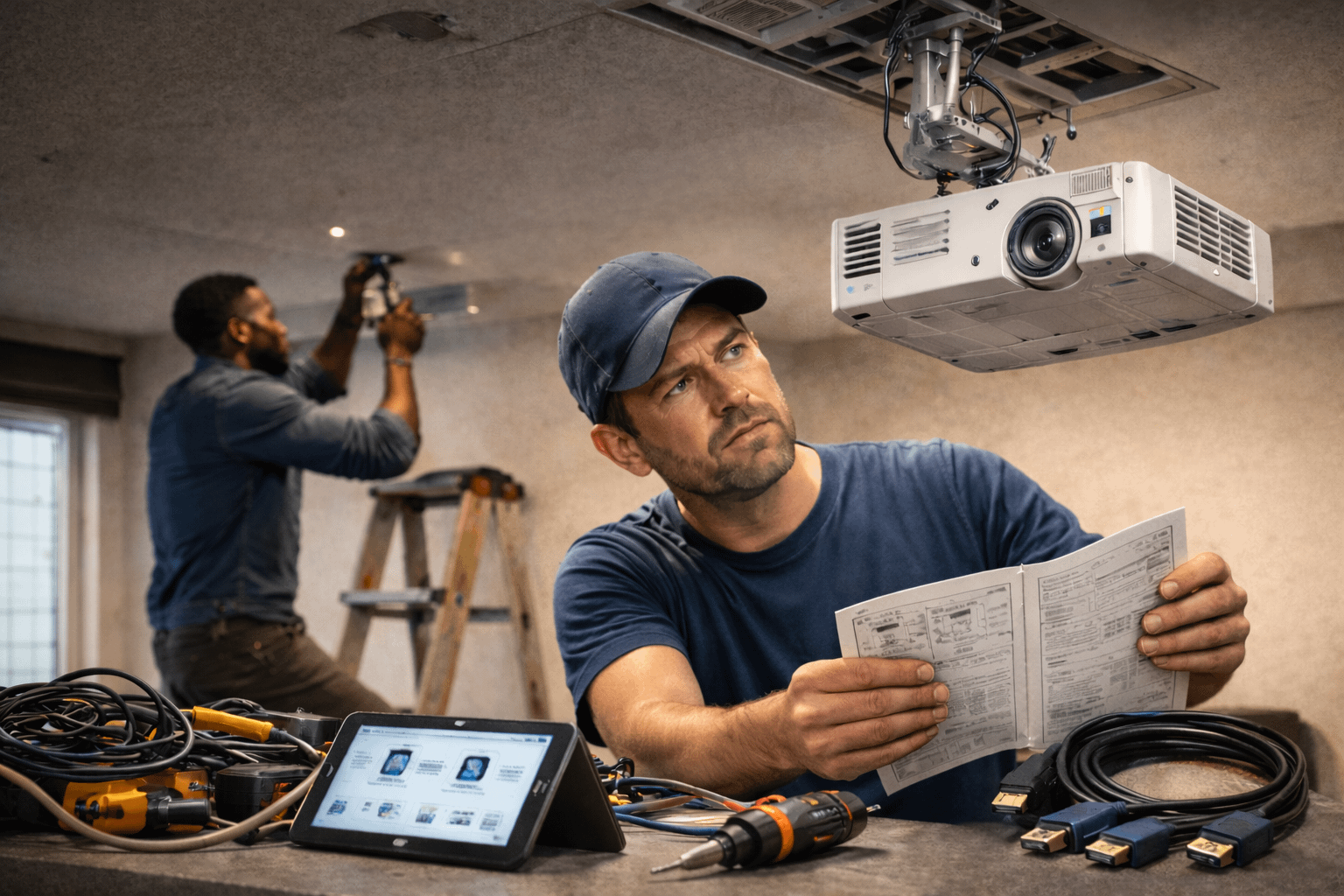
For many products, installation is the product.
A projector isn't judged the first time it displays an image. It's judged the moment someone tries to mount it, align it, integrate it with control systems, and make it behave reliably. In-ceiling speakers get evaluated long before sound comes into play—during cutouts, mounting depth checks, wire runs. AVRs live or die by setup menus, HDMI behavior, and how forgiving they are during system integration.
If that first experience feels fragile, confusing, or risky, the product loses momentum immediately. Doesn't matter how good it sounds or looks on paper. And I deal with that everyday.

From the end-user perspective, complexity equals hesitation.
Products that require structural modification, advanced calibration, or deep system knowledge carry perceived risk. That's why we're seeing steady growth in ultra-short-throw projectors, powered speakers, soundbars, all-in-one solutions. They minimize decisions, reduce installation anxiety, and shorten the time between purchase and enjoyment.
It's not that consumers don't want better performance. They just don't want to mess up their house, their system, or their weekend.
When a product looks intimidating to install, it narrows its audience instantly.
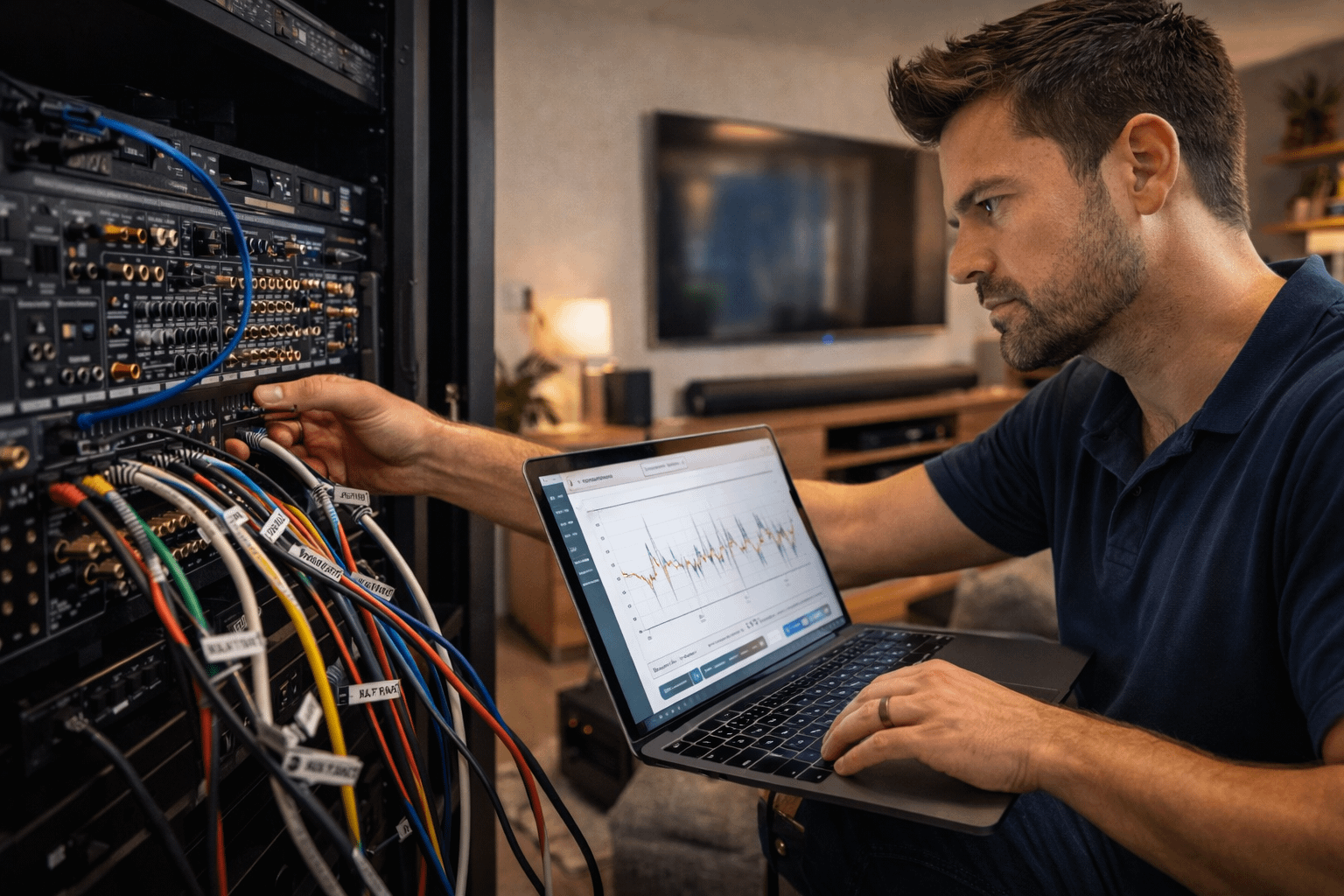
Custom integrators are more tolerant of complexity, but they aren't immune to friction.
CI installers make money on efficiency, predictability, and reliability. I personally value reliability over margin anyday. Products that install cleanly, integrate smoothly, and behave consistently get recommended more often. Products that require excessive troubleshooting, firmware babysitting, or client education fall out of rotation, instantly.
Here's the math that matters: a product that costs $50 less but takes two extra hours to install isn't saving anyone money. Labor is the real cost. A one-hour install versus a three-hour install? That's not a minor difference—that's the difference between profit and breaking even.
Take TV mounts. Mounting a TV isn't always easy, but when a mount has adjustments in all directions—tilt, swivel, extension, level correction—it makes the job exponentially easier. I never buy mounts on price. I buy on post-install adjustments. Because getting things perfectly level and positioned after the mount is up saves time, saves callbacks, and makes clients happy.
And that brings up the real priority: preventing service calls. I take service calls. I handle them. But I never want to create them. An AVR with unstable HDMI behavior or confusing room correction doesn't just cause frustration—it increases labor time and guarantees post-install support.
A projector with finicky mounting tolerances or poor lens shift flexibility creates risk during installation and alignment. In-ceiling speakers with shallow tolerance for joist spacing or inconsistent mounting hardware slow jobs down and increase the chance something goes wrong later.
When margins are tight, install time matters as much as performance. And nothing kills a product's reputation faster than becoming known as "the one that always needs a callback."
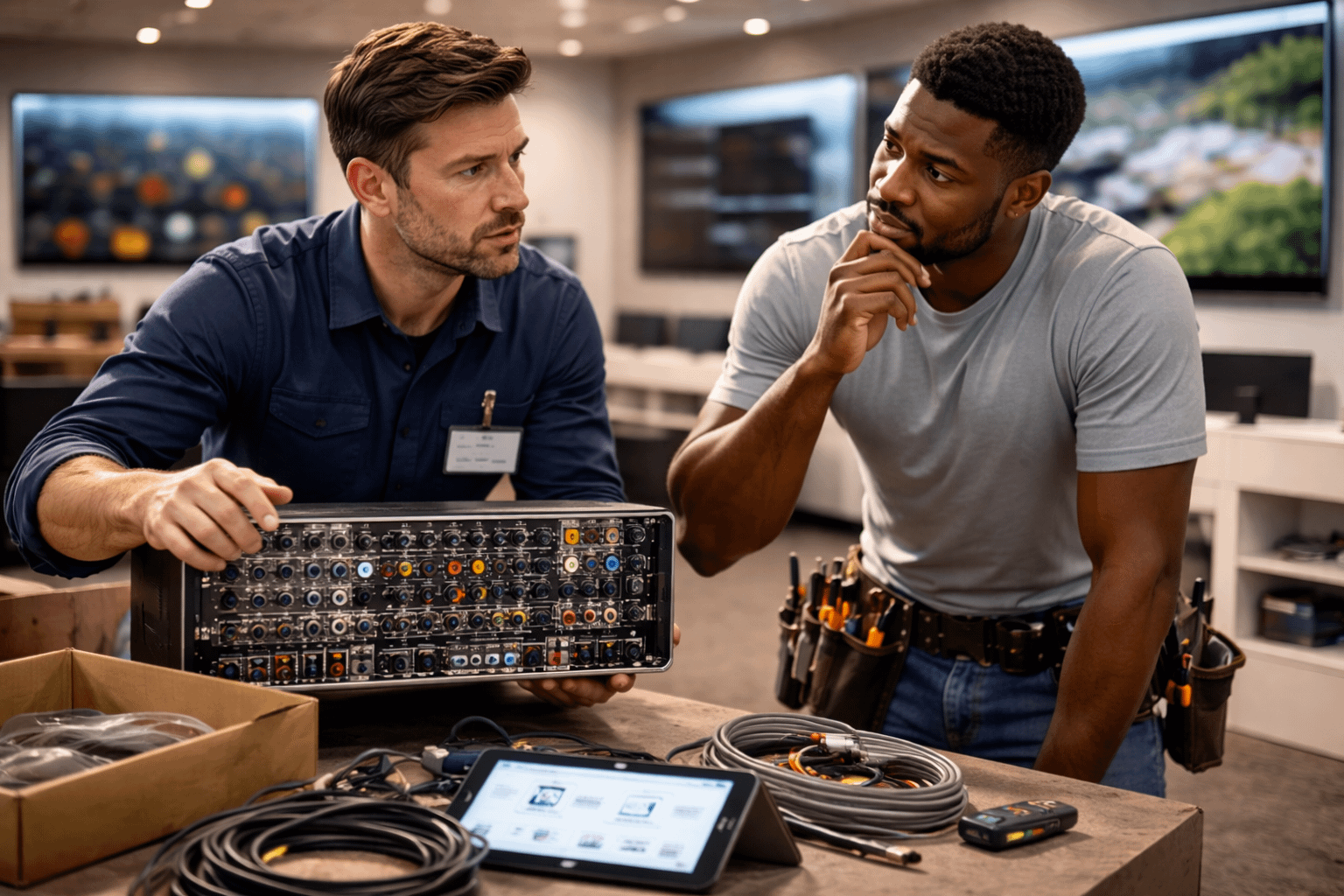
Here's the uncomfortable truth: some excellent products don't sell well because they're hard to install or hard to support.
Manufacturers often assume that better specs automatically justify complexity. In reality, complexity narrows adoption. The more a product demands perfect conditions—perfect rooms, perfect wiring, perfect configuration—the fewer people are willing to commit.
That affects sales two ways. End users self-select out before purchase, and installers quietly stop recommending the product to avoid future headaches.
What's left is a smaller, more technical audience. And slower movement overall.
The most successful products in these categories share a common trait: they respect the installation process.
They offer flexible mounting options, forgiving setup tolerances, stable firmware, clear documentation, predictable behavior. They acknowledge that homes are imperfect, wiring is messy, and not every client wants a rack full of gear and a crash course in system operation.
These products don't just perform well. They install well. And that's why they move.
Installation isn't a secondary consideration anymore. It's a sales multiplier—or a sales limiter.
Here's the message brands need to hear: think of the installer, not just the bottom line. A product that's $30 cheaper to manufacture but creates installation headaches will lose in the market every time. Installers talk more than anyone thinks. I know the salesguy at the company across town and what products they love and hate. They remember which products made them look good and which ones caused problems. They remember which brands respected their time and which ones treated installation as an afterthought.
Products designed in isolation from real-world installation environments will continue to struggle, no matter how impressive their spec sheets look. Meanwhile, gear that prioritizes ease of install, integration reliability, and long-term stability will keep winning recommendations from both end users and CI professionals.
Performance still matters. But in today's market, how a product installs often determines whether it sells at all.
That's not a trend. That's reality.
For advertising please contact the editor at [email protected]



Privacy Policy
Terms and Conditions - Affiliate Policy
Home Security
© Copyright 2008-2026.
11816 Inwood Rd #1211, Dallas, TX 75244