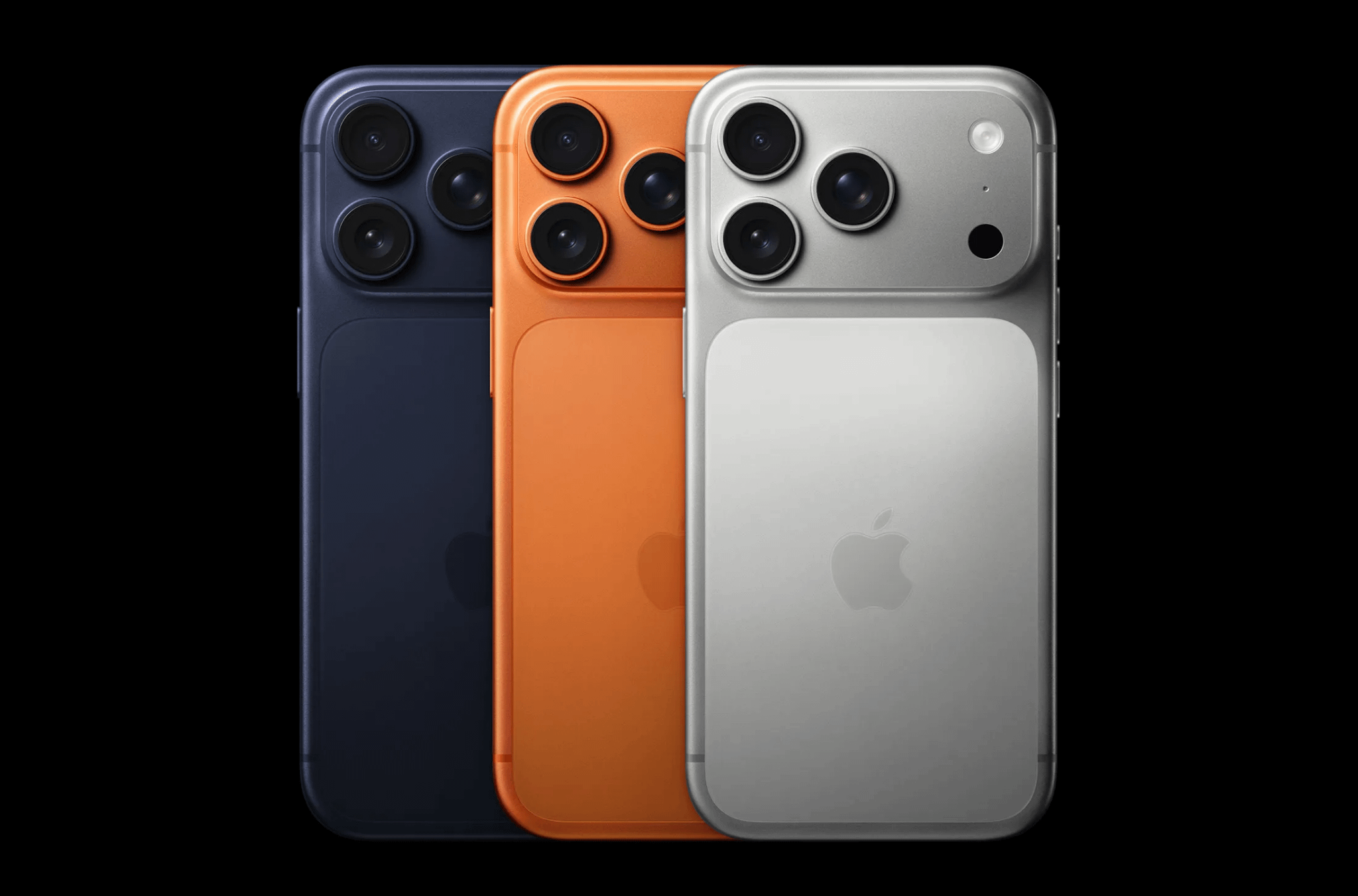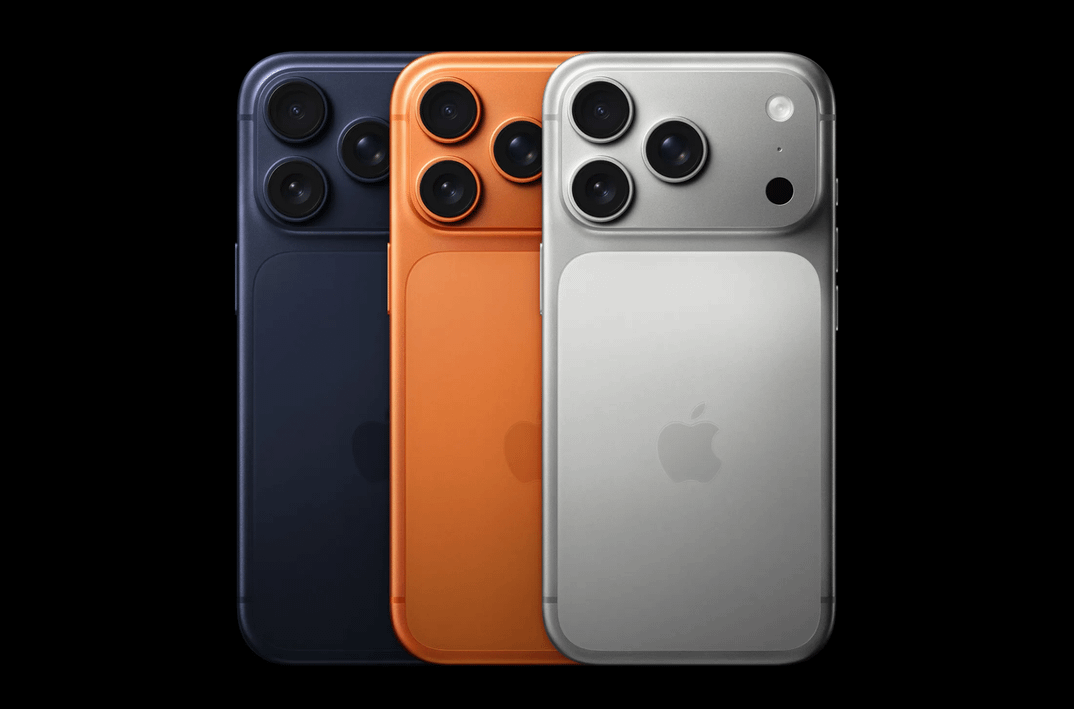
Apple has officially pulled the curtain back on its iPhone 17 lineup, and whether you're the type who upgrades every September or someone still clutching an iPhone 12, there's something to chew on this year. From a brand-new ultra-thin model to upgraded Pro features and the gradual disappearance of physical SIM cards, Apple’s 2025 phones reflect more than just a spec bump—they hint at where the iPhone is headed next.
Here’s a breakdown of everything Apple announced—and what it actually means if you're considering a new phone this year.
There are four models in the iPhone 17 family:
All four go on sale later this month, with pre-orders starting soon. Prices range from around $799 for the iPhone 17 to $1,199 for the Pro Max, which is now pretty much standard territory for Apple’s top-tier phones.
The standout this year? That would be the iPhone 17 Air. This new model ditches the idea that phones need to be thick to be powerful. It’s just 5.6mm thin, uses titanium in the frame, and somehow still manages to pack in the same camera system as the base model: a 48MP main sensor, plus an upgraded 18MP front-facing camera with a feature called Center Stage that keeps your face in frame during video calls.
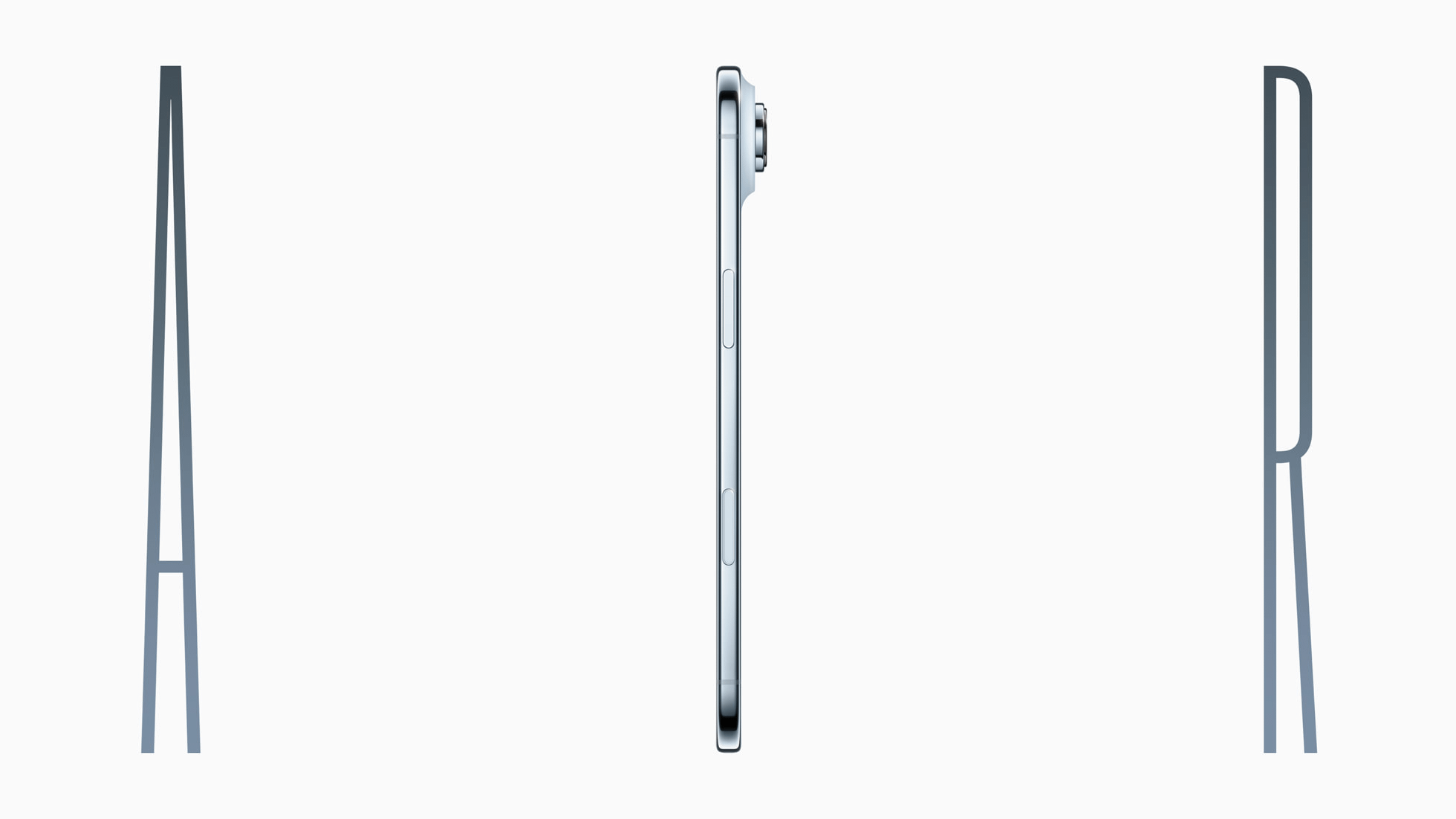
But the most surprising part? It doesn’t feel like a stripped-down version. In fact, it shares the same A19 Pro chip found in the pricier Pro models. That means you’re getting flagship performance in something that feels more like a sleek metal bookmark than a slab of glass and silicon.
Battery life is solid too—Apple claims up to 27 hours of video playback, which puts it ahead of older models and on par with some “Plus” phones from recent years. But if you’re a heavy gamer or content creator, you might still want the Pro Max.
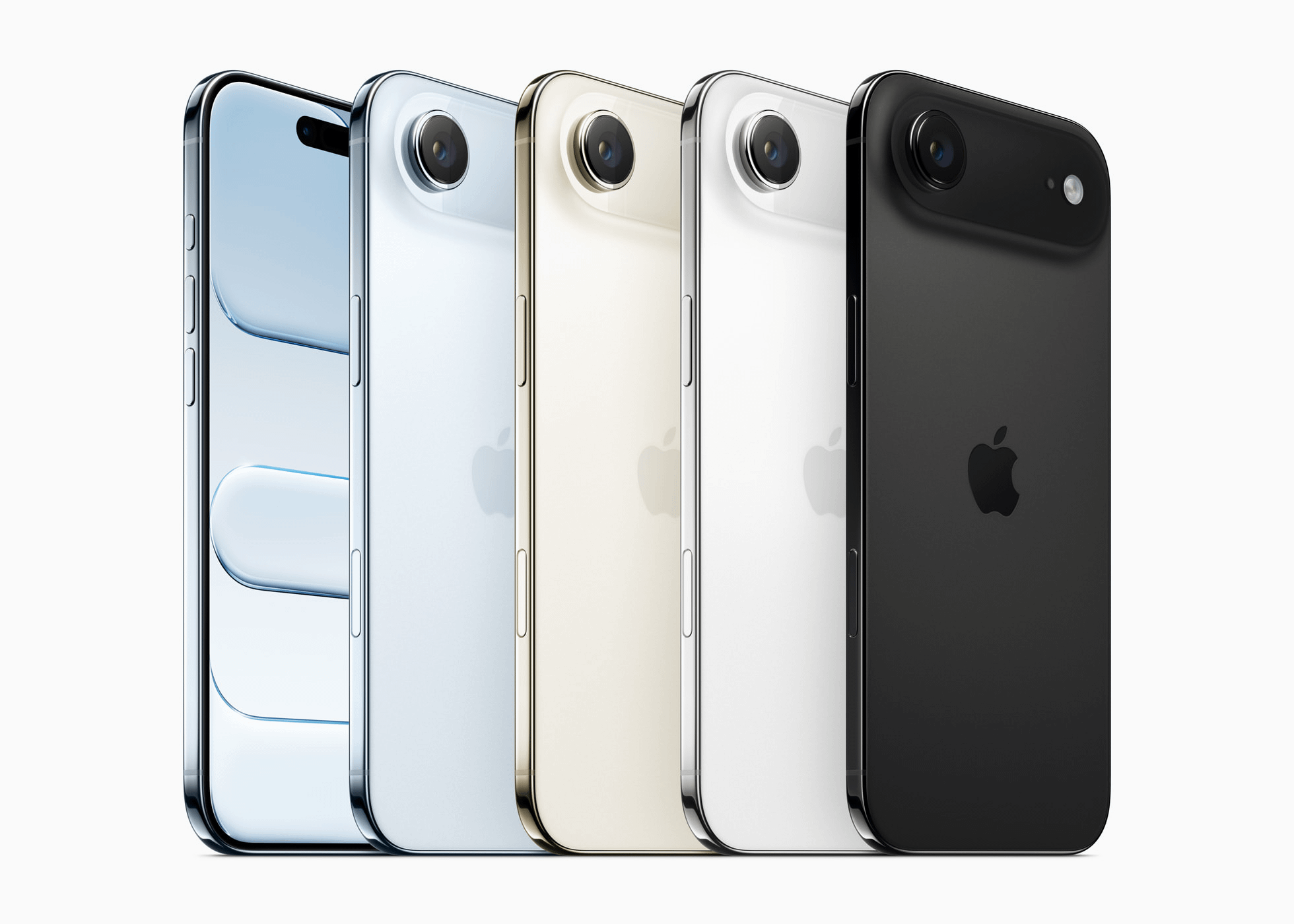
If you don’t need a titanium frame or three cameras, the iPhone 17 gives you the essentials. It’s got a 6.3-inch Super Retina display, with ProMotion 120Hz refresh rate, a dual 48MP rear camera setup, and that new A19 chip that brings better performance and more efficient battery use.
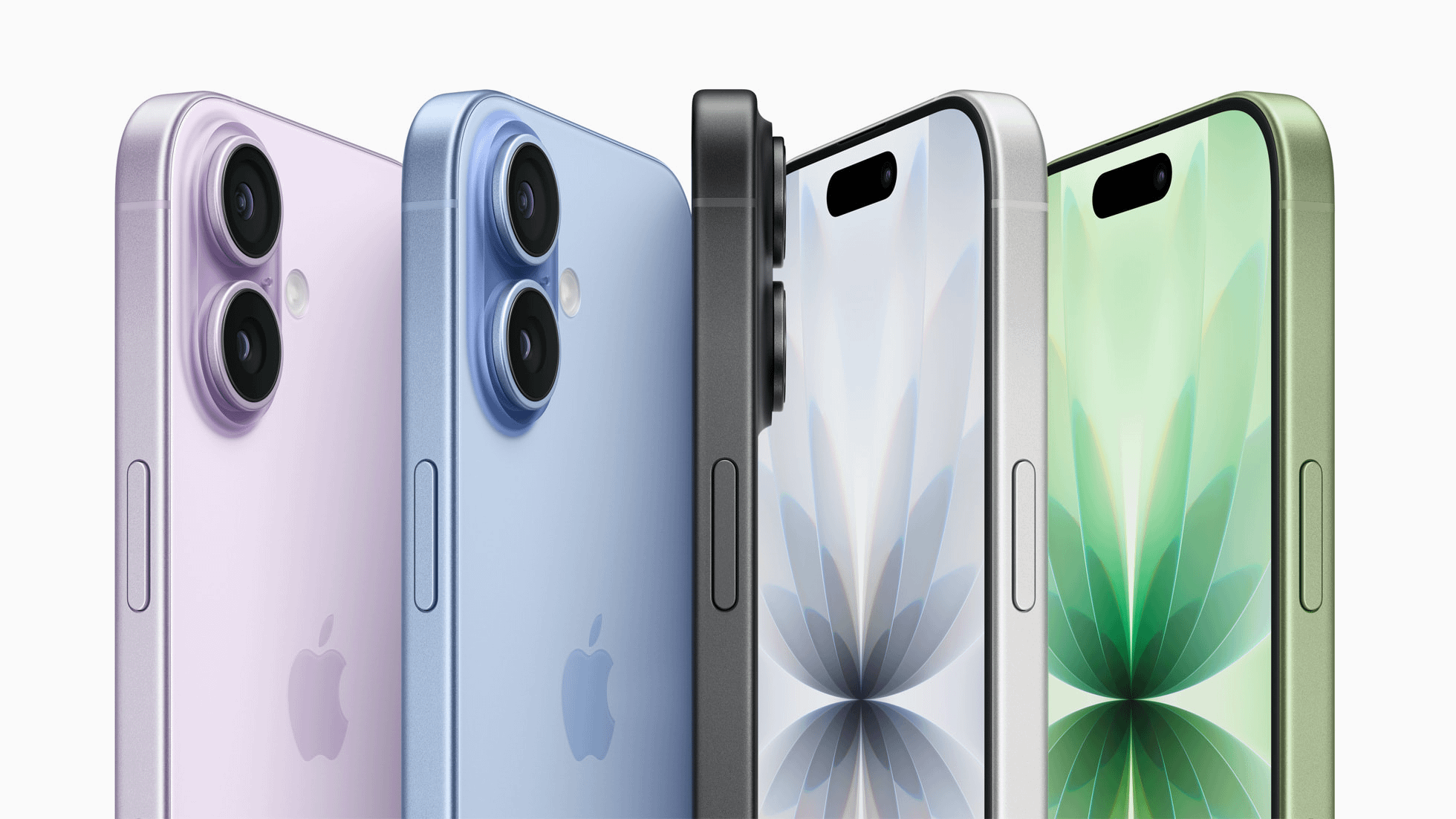
There’s also a new version of Ceramic Shield (v2) on the front, which Apple says is more scratch-resistant, and a feature called Dual Capture that lets you shoot with both the front and rear cameras at the same time. It’s geared toward vloggers or anyone who wants to record both sides of a story—literally.
In short, if you're upgrading from anything older than an iPhone 14, the iPhone 17 is going to feel like a big step forward.
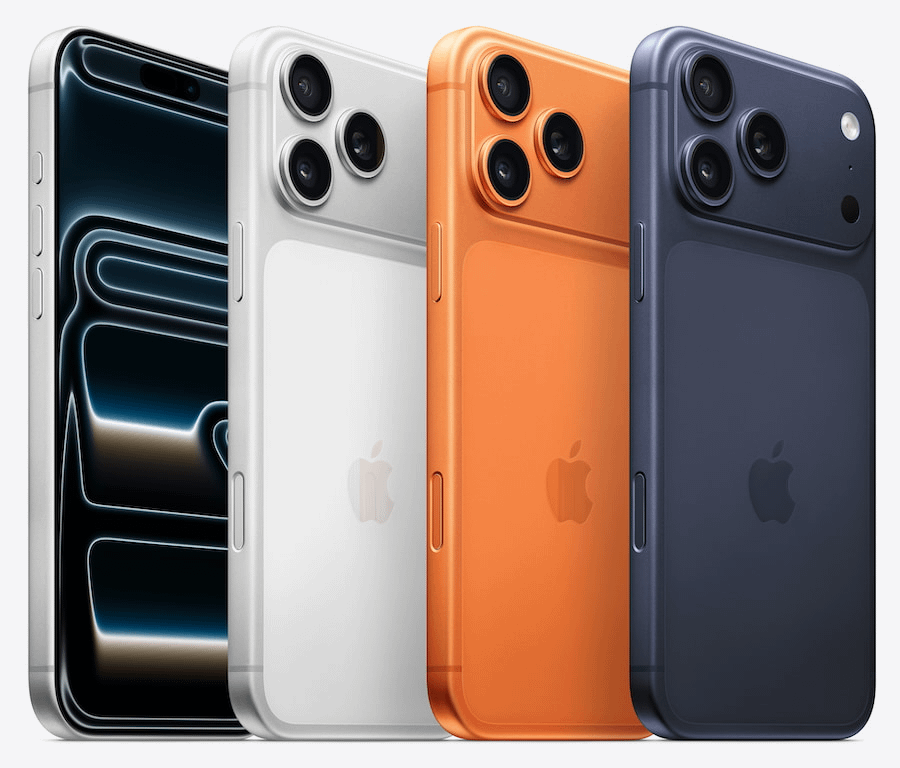
If you want the best cameras, longest battery life, and pro-level video tools, you’ll want to look at the iPhone 17 Pro and Pro Max.
The Pro now features a heat-forged aluminum unibody (yep, just like some laptops), along with vapor chamber cooling. That’s a fancy way of saying it won’t get as warm when you’re doing power-hungry tasks like gaming or video editing.
Both models are powered by the A19 Pro chip, which Apple claims is faster and more efficient than last year’s A18—though as always, the real-world difference might be most noticeable in games or editing apps.
On the camera side, the Pro and Pro Max include three 48MP cameras: a main lens, an ultra-wide, and a telephoto. The Pro Max gets a major zoom upgrade with 8x optical-quality zoom—the longest zoom Apple’s ever offered.

Also worth noting: these are the first iPhones with ProRes RAW, Apple Log 2, and genlock—features aimed at people who do serious video work and want their iPhone to plug into professional workflows.
Battery life? The Pro Max tops out at 39 hours of video playback, which is pretty wild for a phone.
One of the quiet but major changes is that some models are now eSIM-only, depending on your region.
In the U.S., Apple already ditched the physical SIM tray a while ago, but now they’re expanding eSIM-only models to more countries, including the UK, India, Canada, and parts of Europe.
The iPhone 17 Air is eSIM-only worldwide, and the iPhone 17 and Pro models are eSIM-only in select markets. If you travel a lot and like to swap SIM cards on the go, this is something you’ll want to check before buying.
All four models include Apple’s new N1 networking chip, which supports:
This may not sound flashy, but it’s a big deal behind the scenes. Better Wi-Fi means faster streaming and smoother FaceTime calls, while Thread helps the iPhone play nicer with smart home devices (especially those using the Matter standard).
There's also a new C1X 5G modem, which offers faster and more stable connections compared to last year’s C1 chip.
One small but welcome change: all iPhone 17 models now start at 256GB of storage. That means you get double the space of previous base models without paying extra.
If you shoot a lot of photos, download games, or store offline movies for travel, this will definitely make your phone feel more spacious out of the box.
If you were hoping for a full AI feature blitz like what Google or Samsung is doing, you may be disappointed. Apple didn’t spend much time on AI or Siri improvements, which some had expected this year.
That said, rumors suggest iOS 19 will bring more AI features later—possibly with a focus on privacy and on-device processing. For now, though, Siri is still Siri.
If you're overwhelmed by all the options, here’s a quick cheat sheet:
| Model | What Makes It Different | Starting Price |
| iPhone 17 | Standard size, dual 48MP cams, A19 chip, 120Hz screen | $799 at Best Buy |
| iPhone 17 Air | Thinnest iPhone ever, titanium, A19 Pro, eSIM-only | $999 at Best Buy |
| iPhone 17 Pro | Aluminum body, vapor cooling, triple cameras, ProRes tools | $1,099 at Best Buy |
| iPhone 17 Pro Max | Largest battery, longest zoom (8x), pro video features | $1,199 at Best Buy |
The iPhone 17 lineup shows Apple refining its playbook: more power, better cameras, new materials, and slowly nudging users toward a SIM-less, wireless-first future. The iPhone 17 Air is the boldest new direction, and the Pro Max remains the phone for people who want it all.
As with every iPhone launch, the real question isn’t whether these phones are good—they are—it’s whether they’re the right kind of good for you.
So, is it upgrade time? That depends on your current phone, your priorities, and whether you’re ready to say goodbye to your SIM card.





Privacy Policy
Terms and Conditions - Affiliate Policy
Home Security
© Copyright 2008-2026.
11816 Inwood Rd #1211, Dallas, TX 75244