

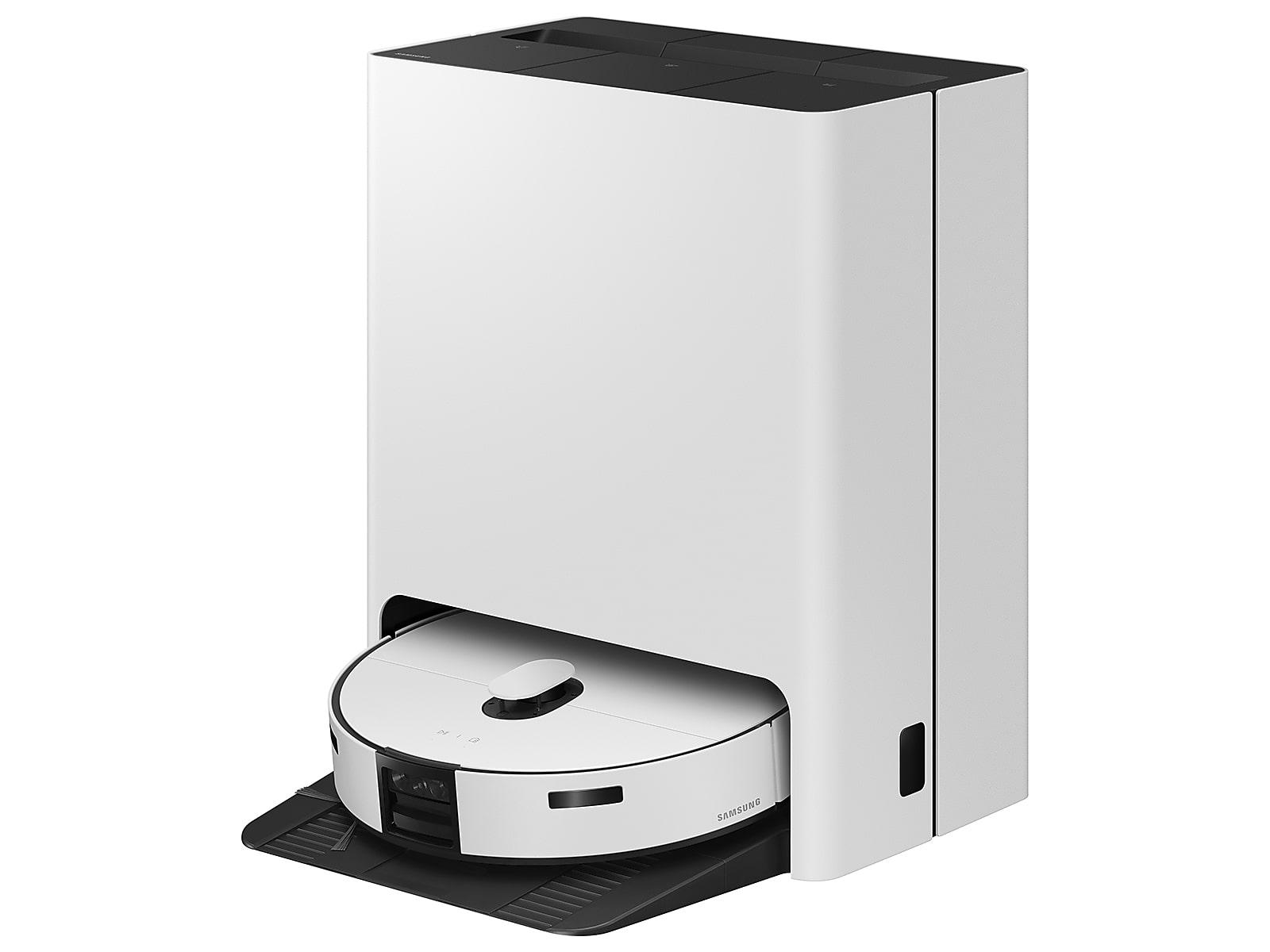

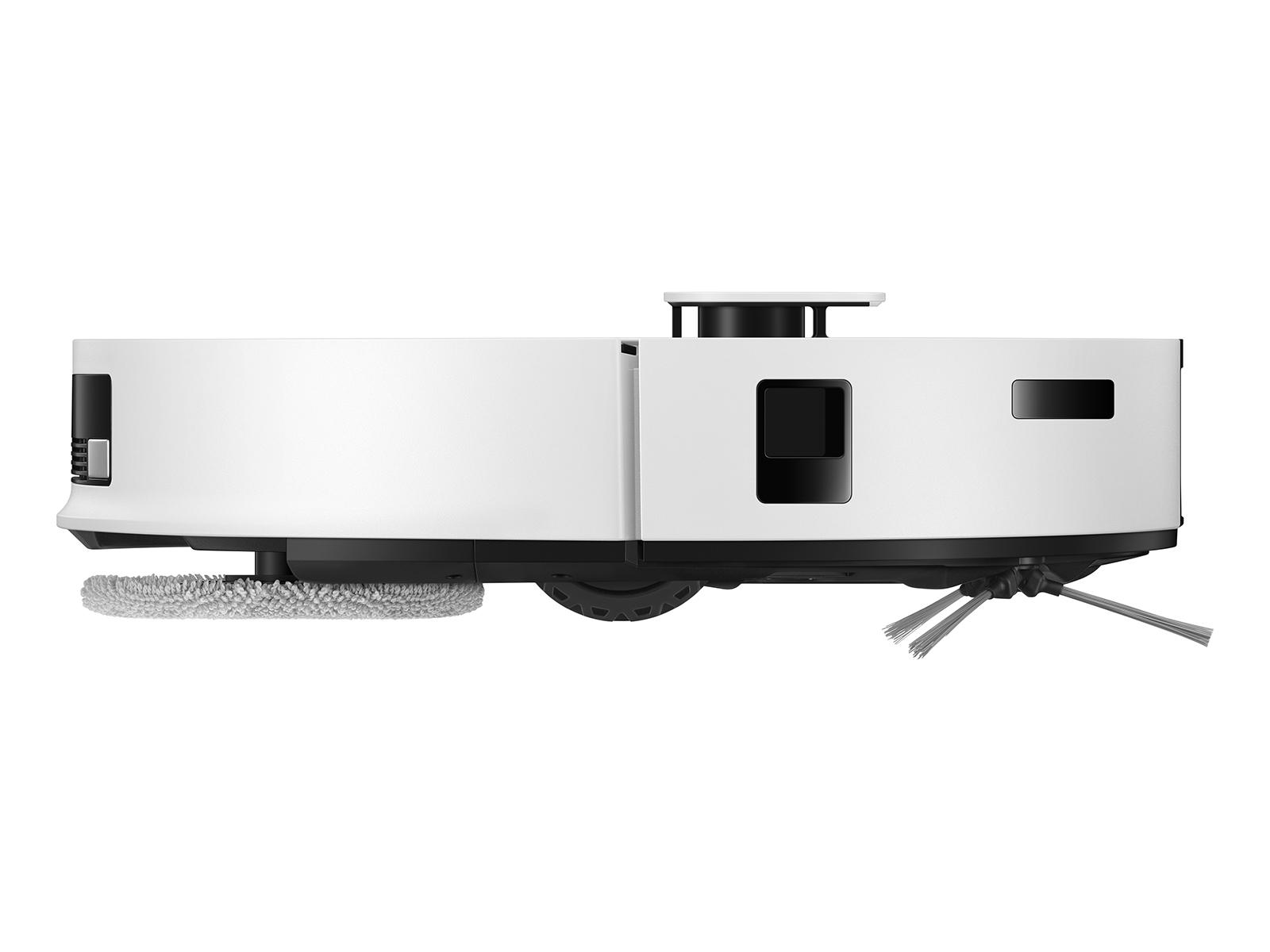
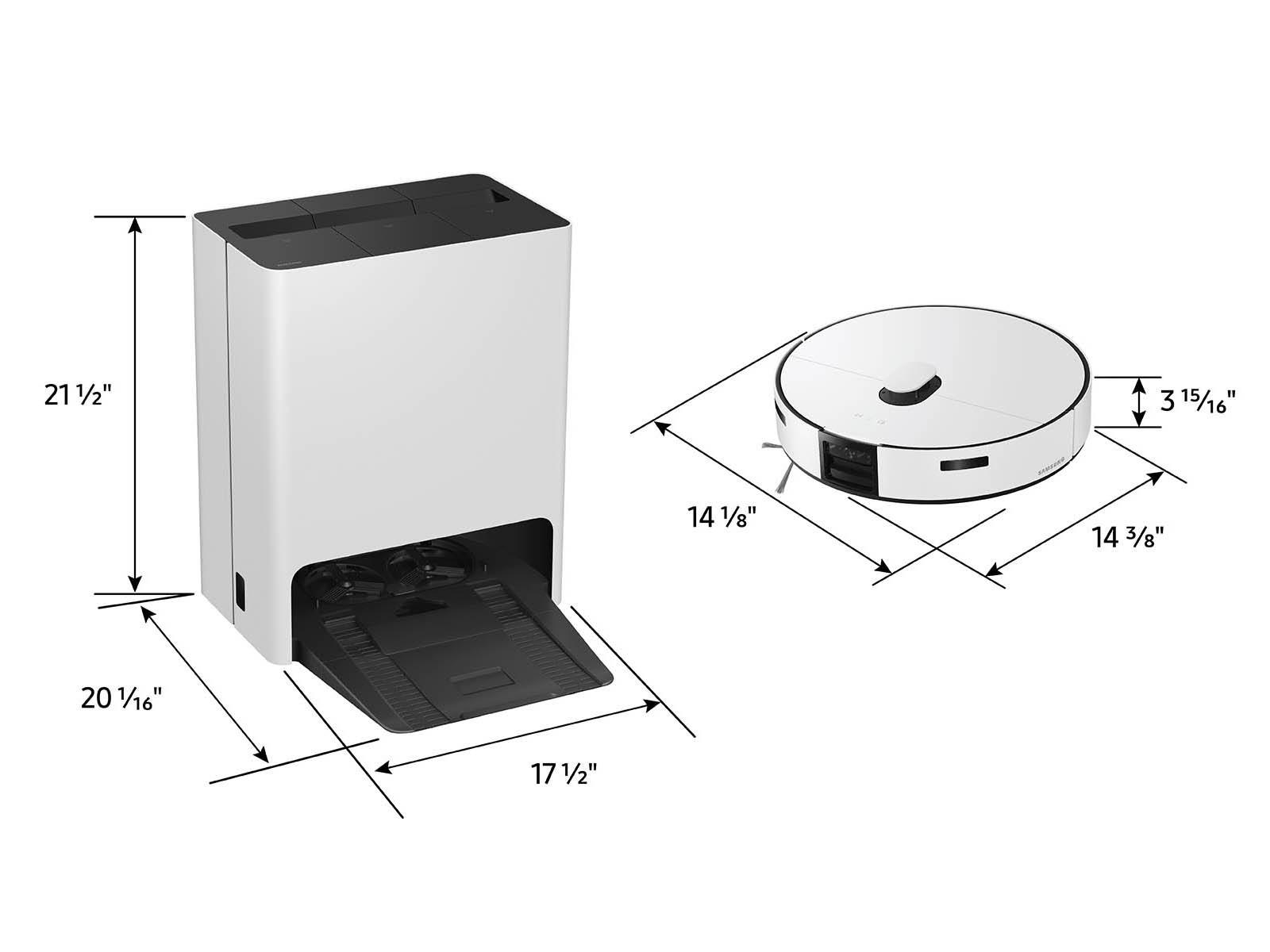
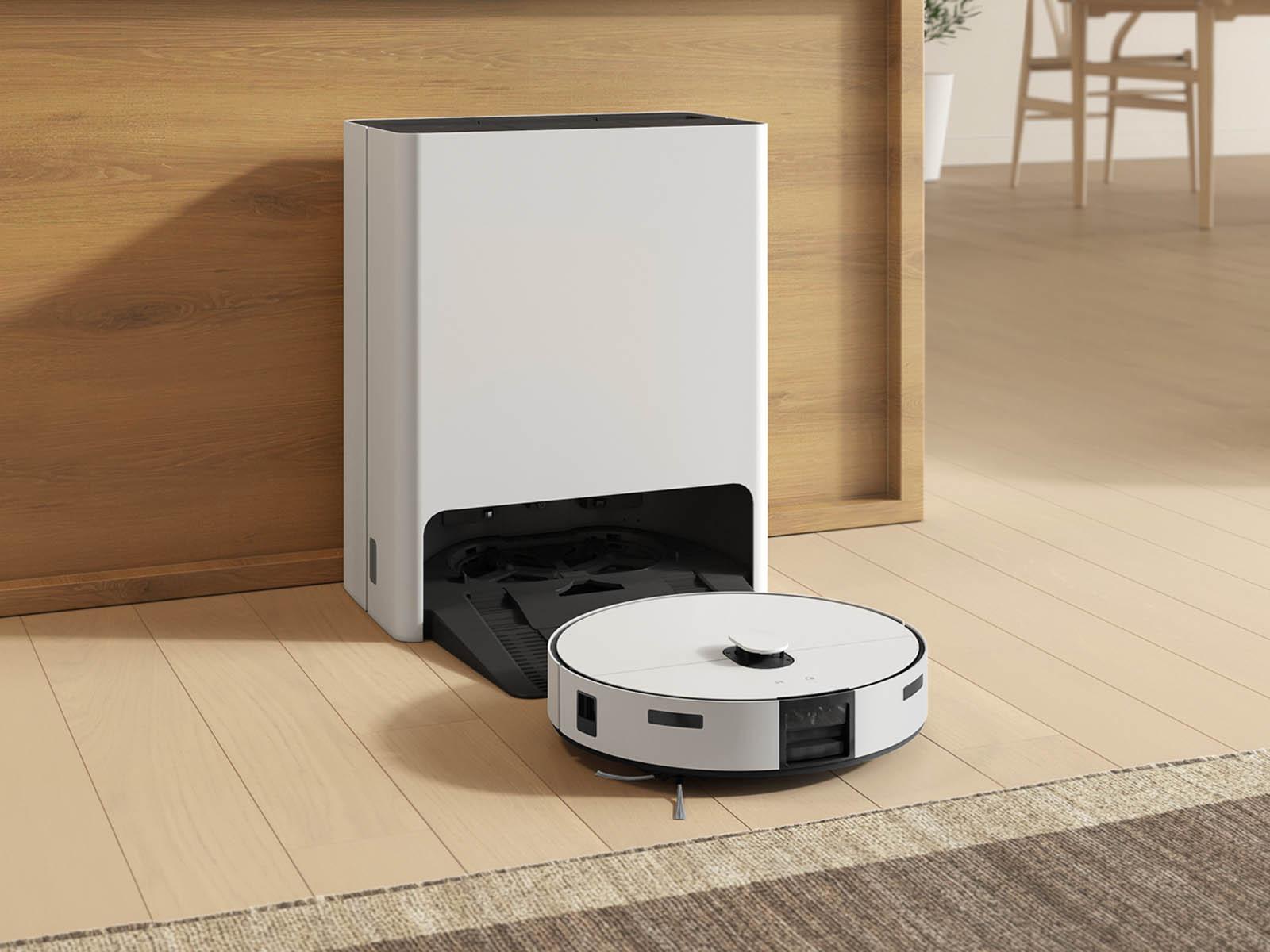
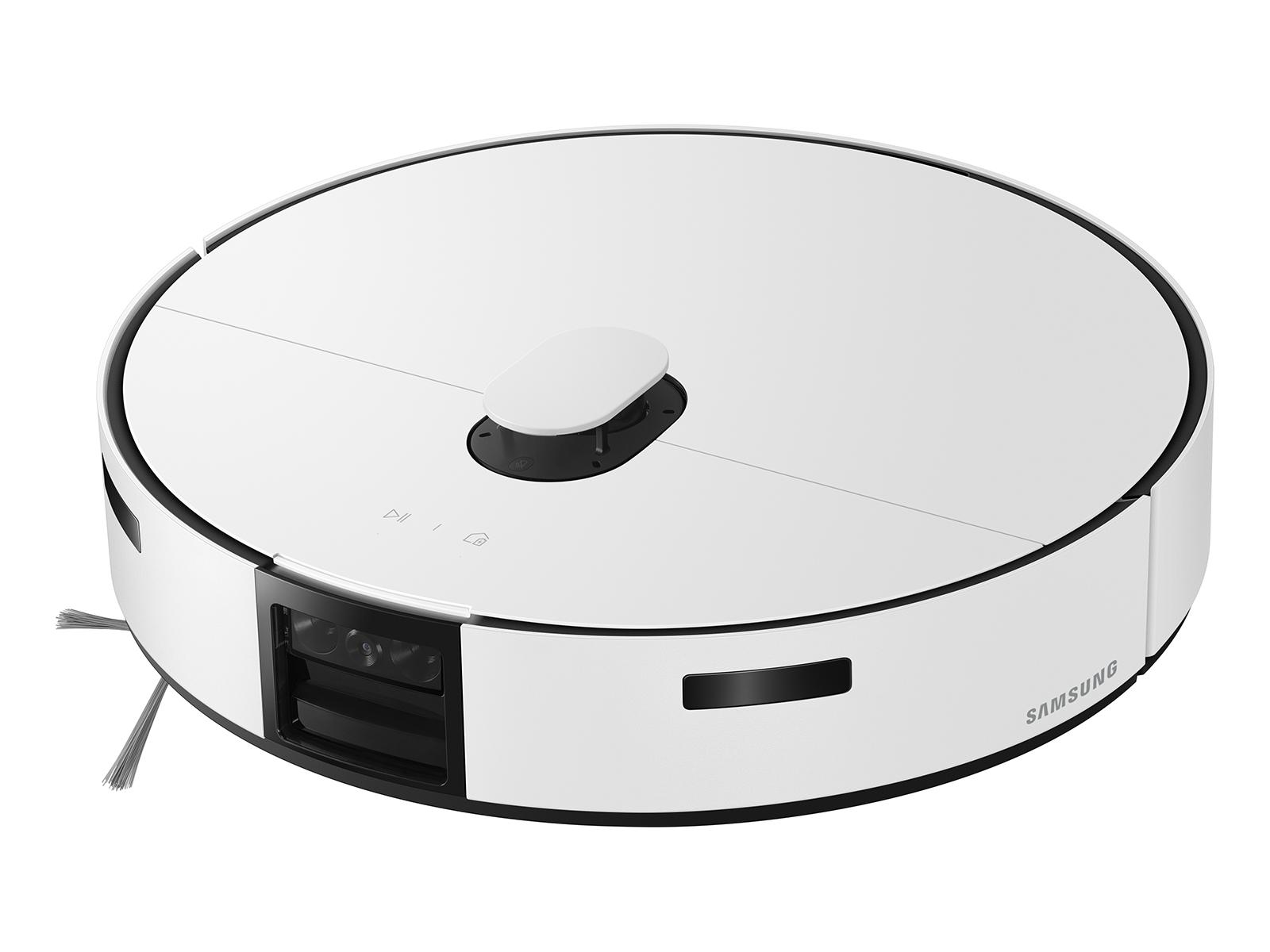
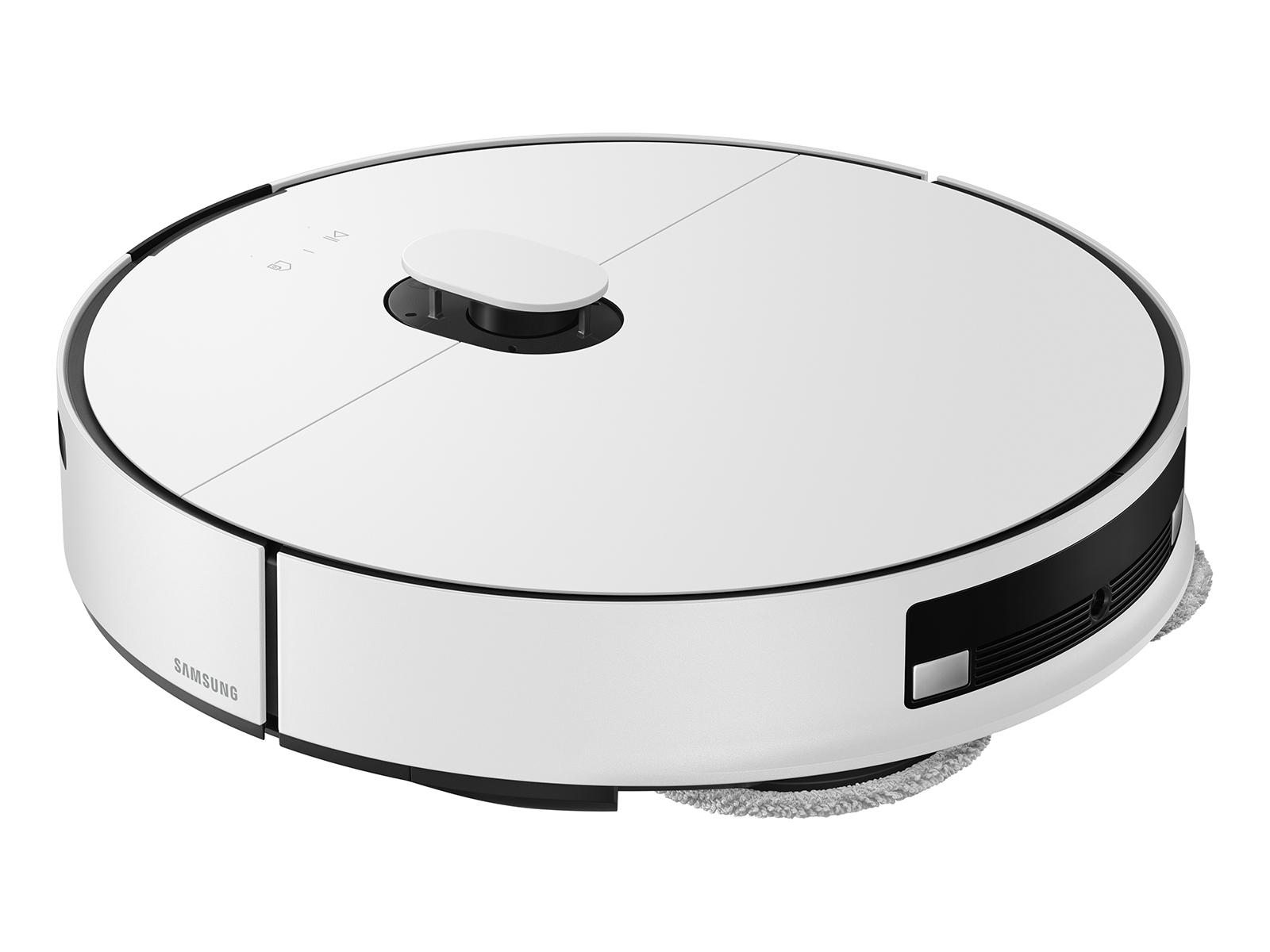
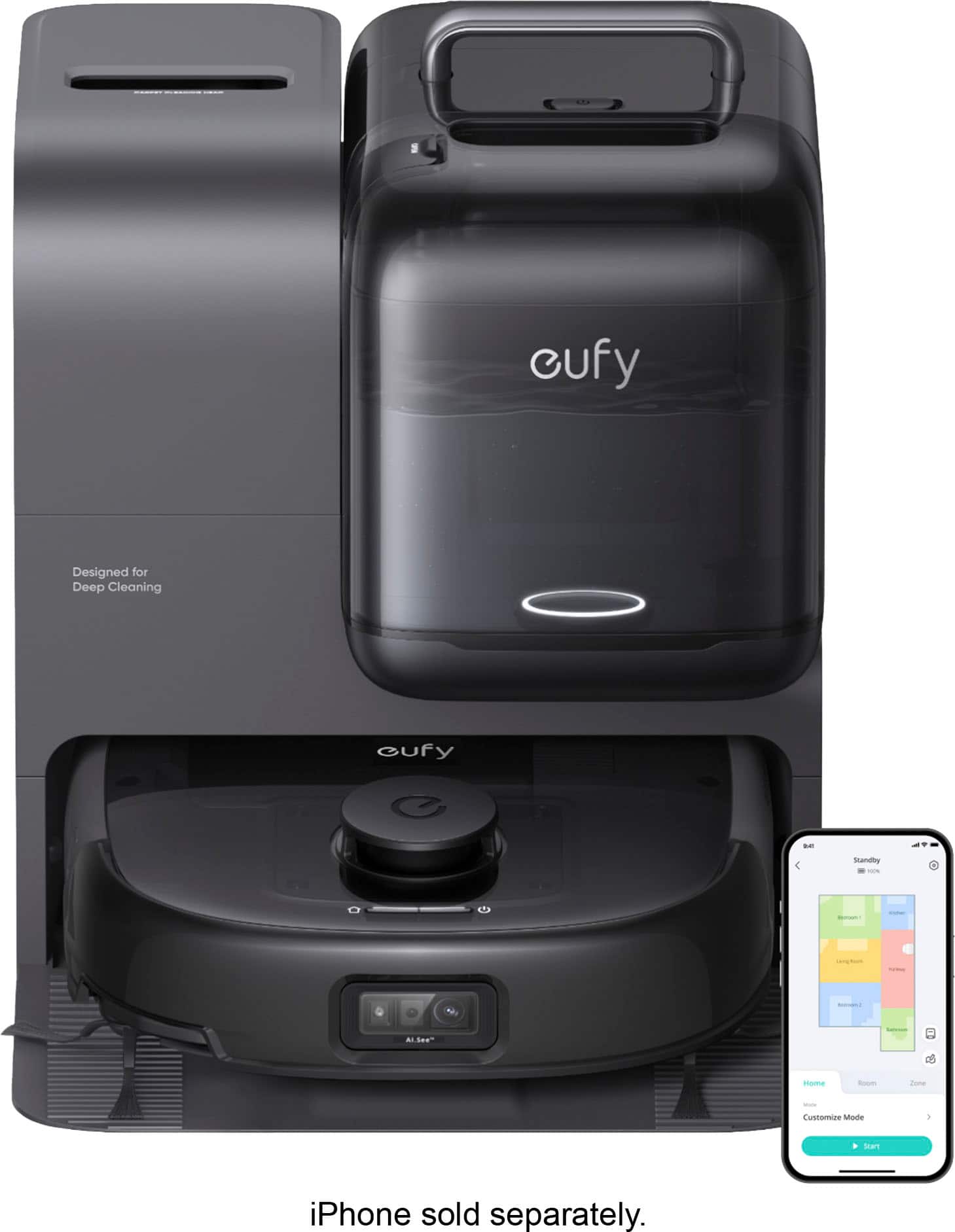
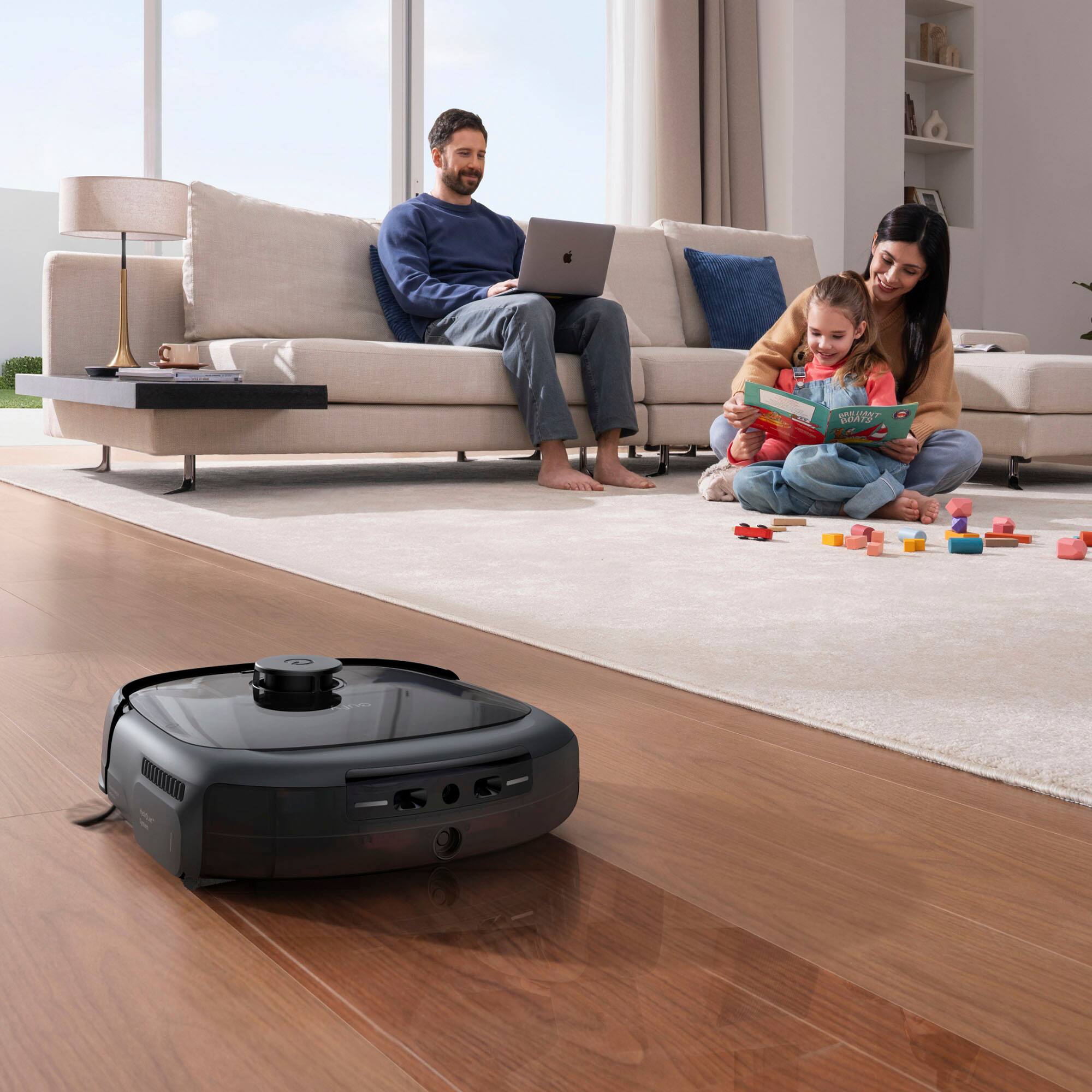
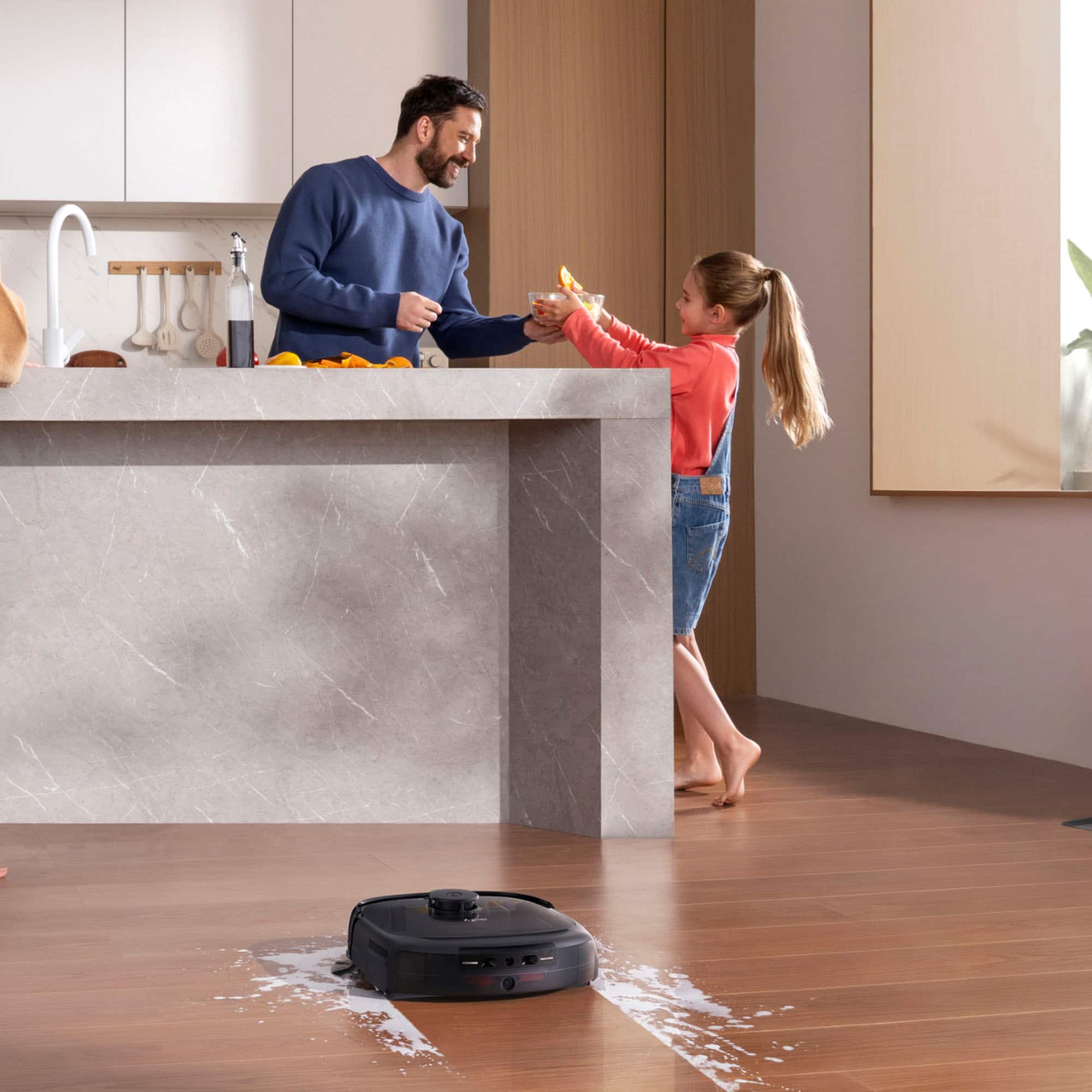
Robot vacuum and mop combos have evolved from simple floor sweepers to sophisticated cleaning systems that can think, map, and maintain themselves. If you're considering investing in one of these premium devices—and they are definitely an investment—you're likely weighing the Samsung Bespoke Jet Bot Combo AI against the Eufy Omni E28. Both represent the cutting edge of home cleaning technology, but they take dramatically different approaches to solving the same problem.
The robot vacuum category has exploded in complexity over the past few years. What started as basic disc-shaped cleaners that bumped around randomly has transformed into AI-powered machines that can recognize your pet, avoid cables, and even call you on video. The key question isn't whether these devices work anymore—they absolutely do—but which approach to automated cleaning fits your home and priorities better.
Before diving into specifics, it's worth understanding what separates premium robot vacuums from their budget cousins. The main considerations include suction power (measured in Pascals, or Pa), navigation sophistication, obstacle avoidance capabilities, mopping effectiveness, and self-maintenance features.
Suction power directly impacts how well the robot removes dirt, especially from carpets. Budget models typically deliver 2,000-4,000 Pa, while premium units start around 6,000 Pa and can exceed 20,000 Pa. Navigation has evolved from random patterns to laser-guided mapping (LiDAR), which creates precise floor plans for efficient cleaning routes.
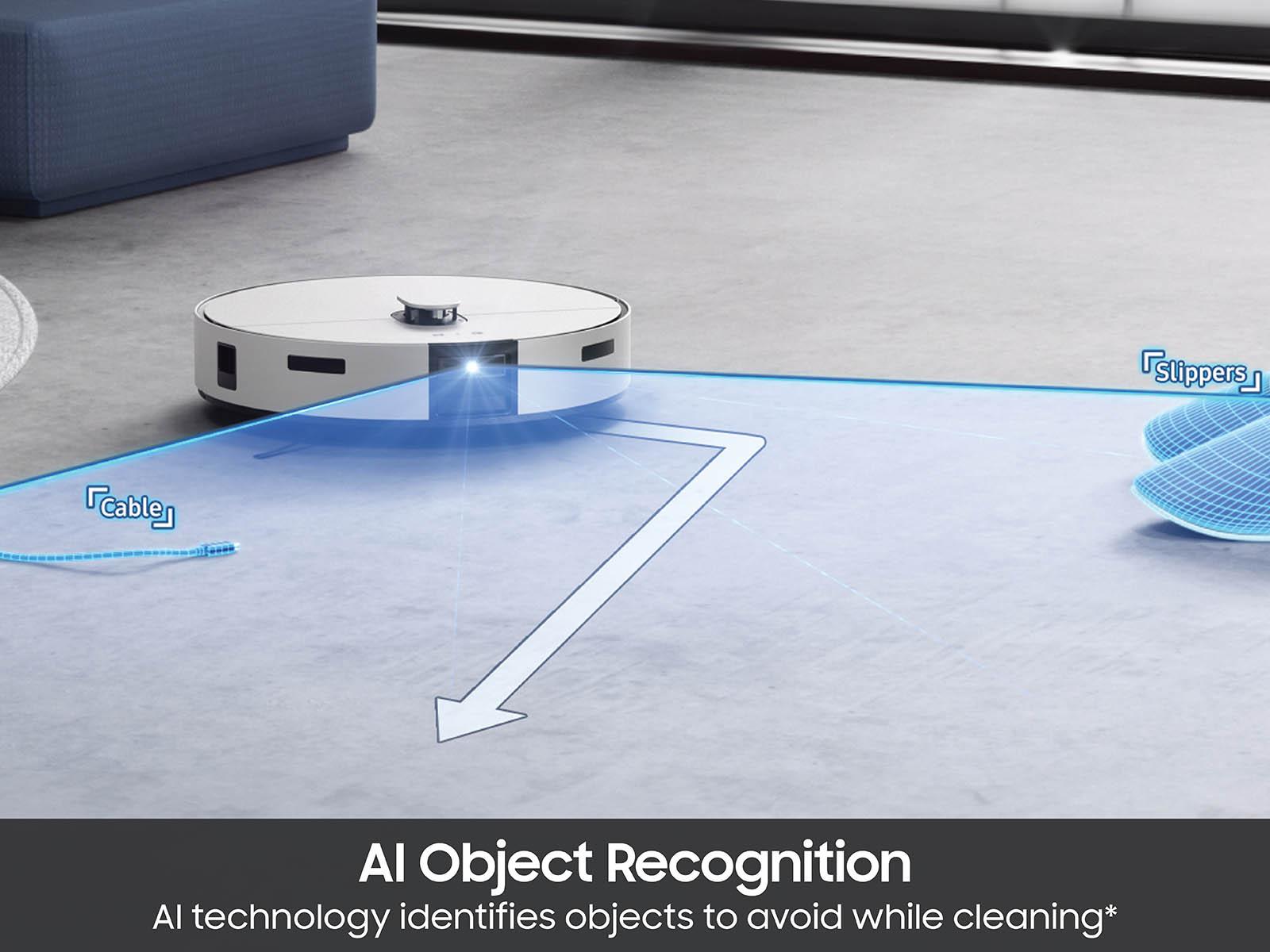
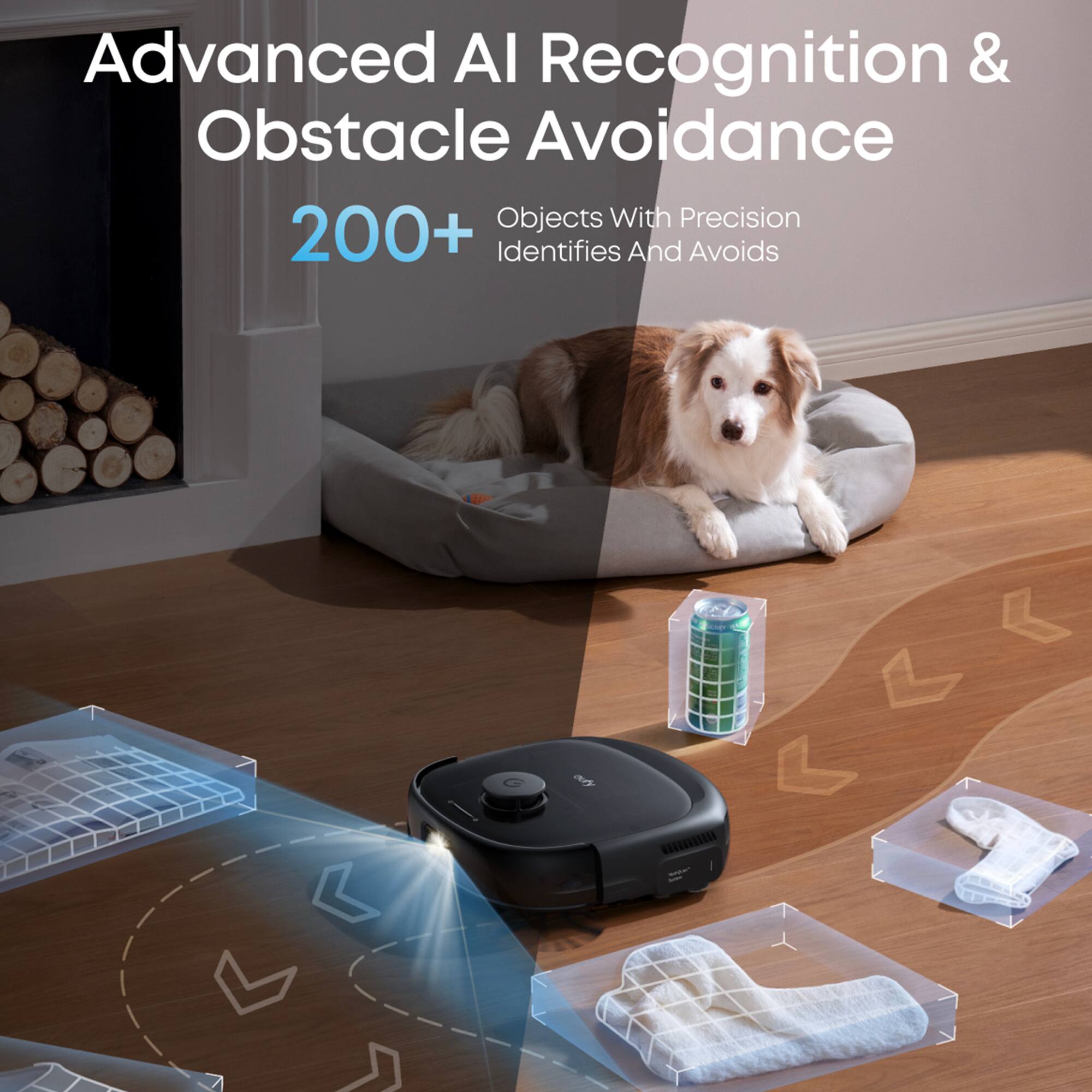
The newest frontier involves AI-powered obstacle avoidance using cameras and sensors to identify and navigate around household objects. This prevents the frustrating scenario where your robot gets stuck on a charging cable or spreads pet waste around your home—a genuine concern that has driven many of these technological improvements.
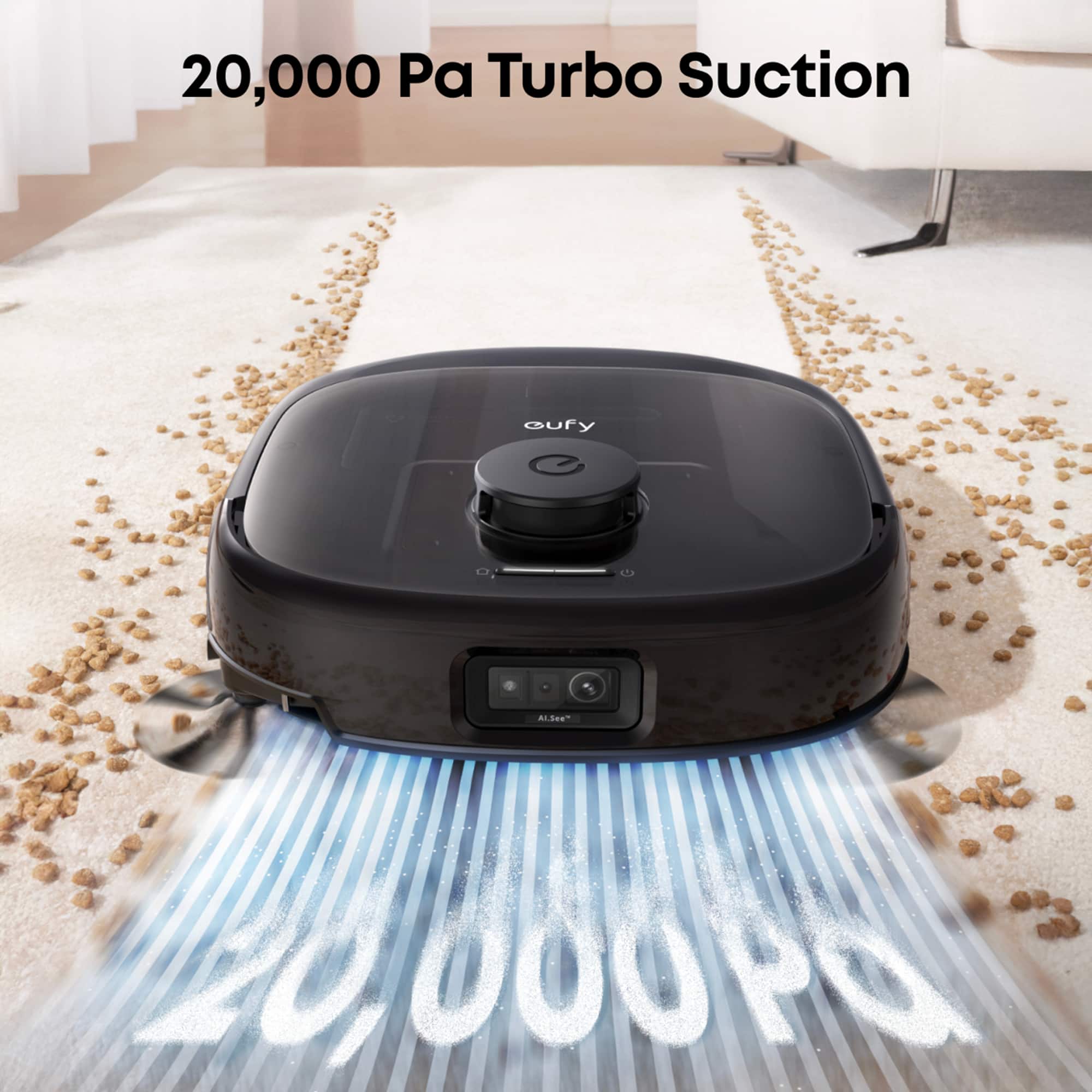
When it comes to pure suction force, the Eufy Omni E28 delivers an impressive 20,000 Pa of turbo suction, while the Samsung Bespoke Jet Bot provides 6,000 Pa. That's more than triple the suction power, which translates to significant real-world performance differences, especially on carpets and for pet hair removal.
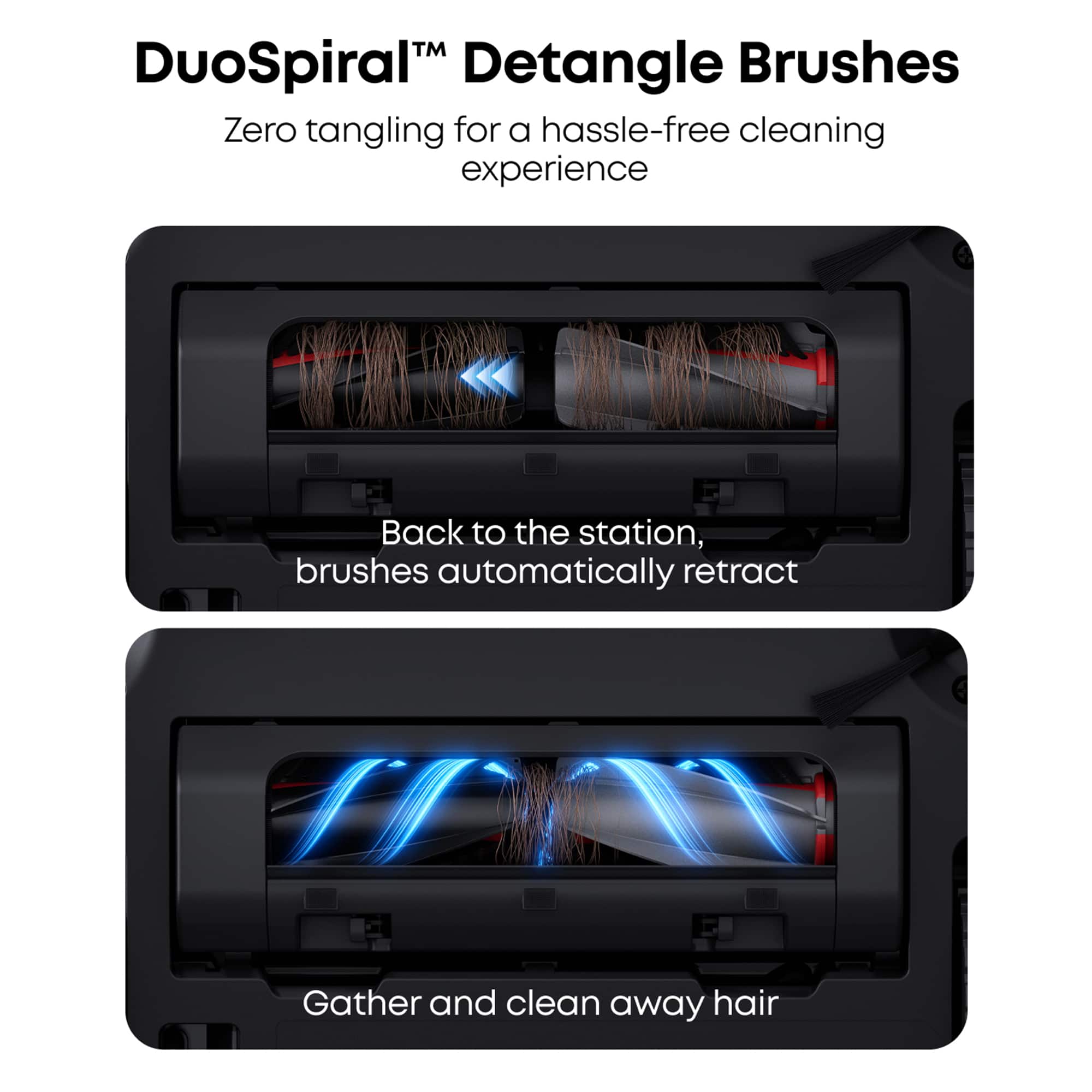
This disparity becomes particularly important if you have thick carpets, pets that shed heavily, or family members who track in substantial amounts of outdoor debris. The Eufy's DuoSpiral detangle brushes are specifically engineered to handle pet hair without the constant tangling that plagues many robot vacuums. Based on user reports, homes with golden retrievers, labs, or other heavy-shedding breeds see markedly better results with the higher suction power.
The Samsung model compensates somewhat with its floating brush system and carpet boost feature, which automatically increases suction when transitioning from hard floors to carpets. However, 6,000 Pa is the ceiling, regardless of how intelligently it's applied. For homes with primarily hard floors and area rugs, this difference matters less. For homes with wall-to-wall carpeting, especially plush or high-pile varieties, the Eufy's advantage becomes substantial.
It's worth noting that higher suction also means more aggressive debris pickup from crevices and baseboards. The Eufy's performance in these areas, combined with its mechanical edge-cleaning features, creates a noticeable difference in overall cleanliness that many users report as immediately obvious after switching from lower-powered models.
Both robots take sophisticated approaches to mopping, but their philosophies differ significantly. The Samsung Bespoke Jet Bot focuses on sanitation and deep cleaning, while the Eufy Omni E28 emphasizes continuous cleaning and pressure application.
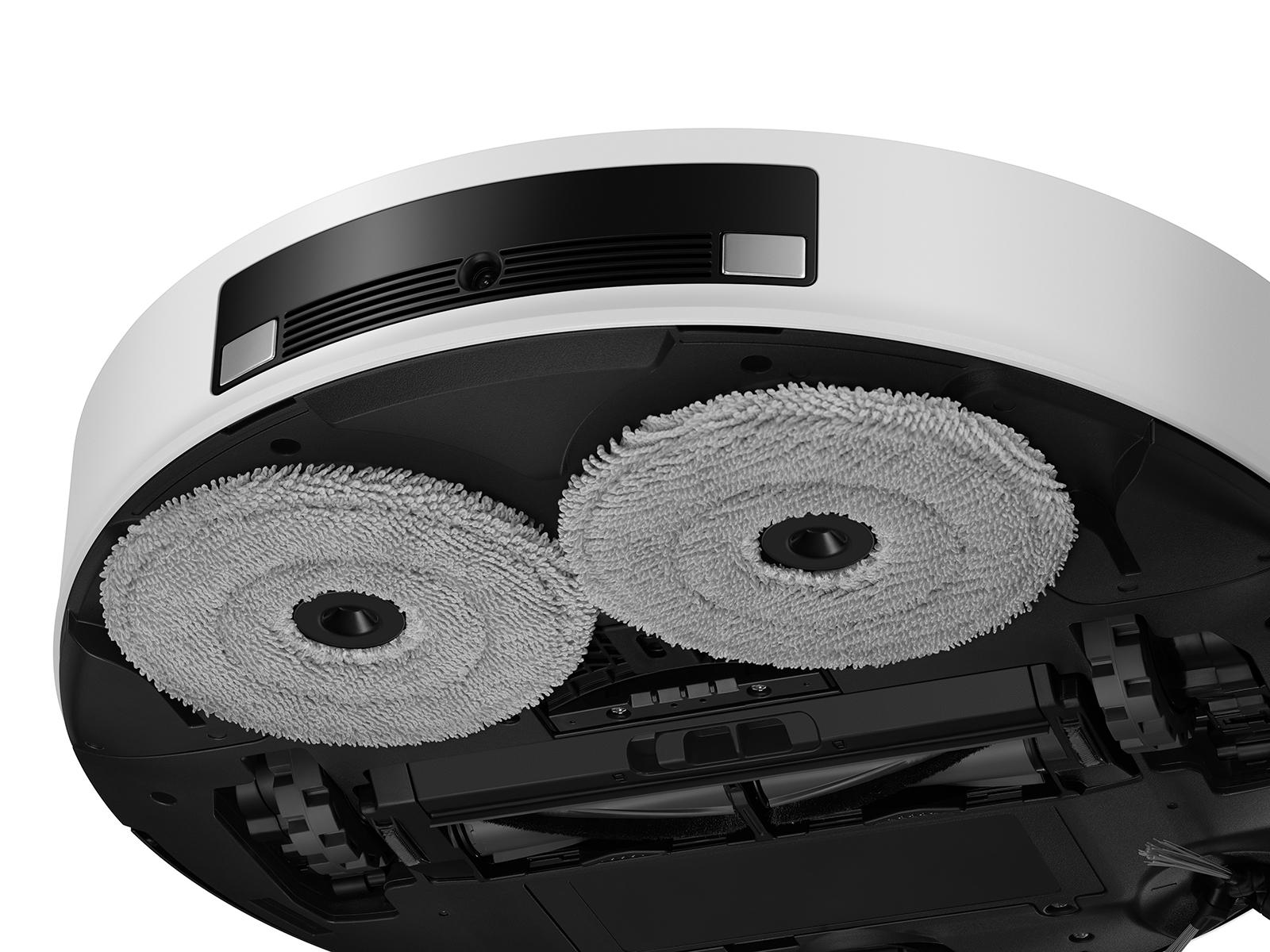
Samsung's standout feature is steam sanitization of mop pads—a capability that's essentially unique in the robot vacuum category. The system washes mop pads with hot water, dries them with heated air, and then applies steam treatment to eliminate bacteria and odors. For families concerned about hygiene, particularly those with young children who spend time on floors, this represents a meaningful advantage.
The Samsung's dual spinning mop pads lift 10mm when carpet is detected, preventing accidental wetting. The system holds 4 liters of clean water, enabling extended mopping sessions for larger homes. However, the mopping pressure is relatively light compared to manual cleaning.
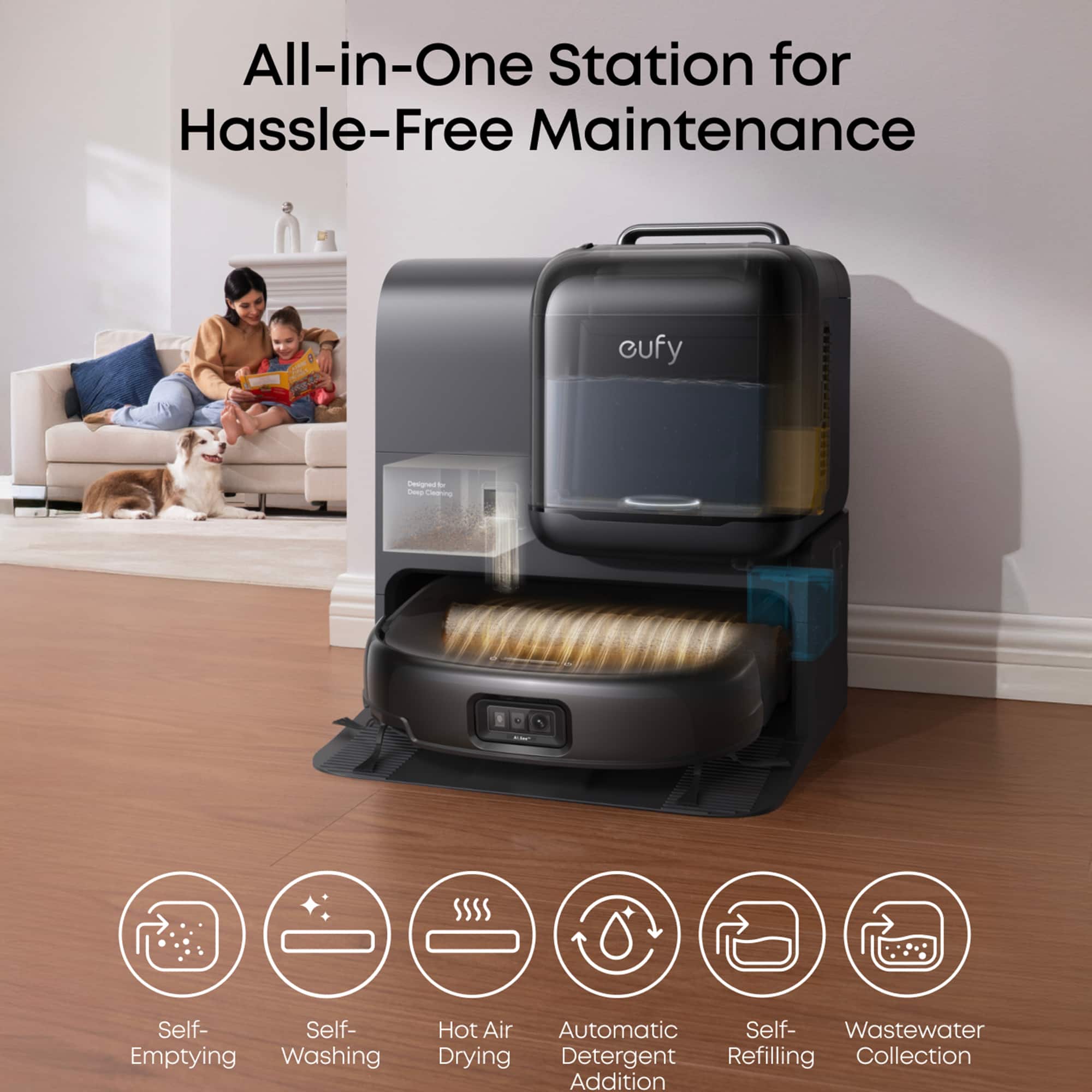
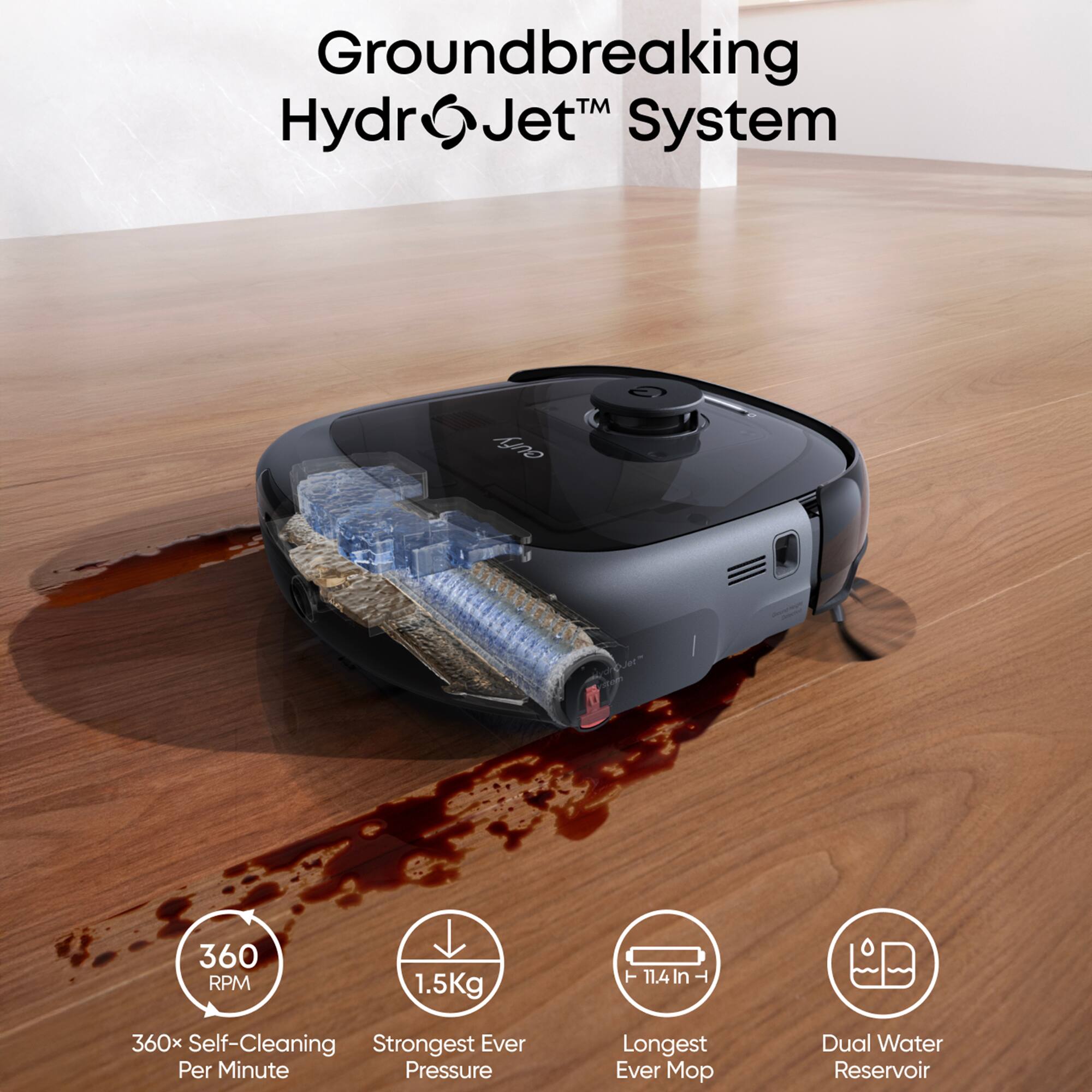
The Eufy's HydroJet system takes a different approach, cleaning the mop roller 360 times per minute during operation. This continuous cleaning prevents the common problem where robots spread dirty water around the home after the mop becomes saturated. The system applies 1.5kg of downward pressure, which genuinely mimics hand-scrubbing and proves more effective at removing stuck-on spills and stains.
Dual water reservoirs in the Eufy separate clean and dirty water throughout the cleaning process, maintaining consistent cleaning quality. The mop lifts 10.5mm for carpet protection, slightly higher than Samsung's system.
For most homes, the Eufy's approach delivers visibly cleaner floors, while Samsung's approach provides better sanitization. If you're choosing between them, consider whether you prioritize removing visible dirt and stains (Eufy) or eliminating bacteria and maintaining hygiene (Samsung).
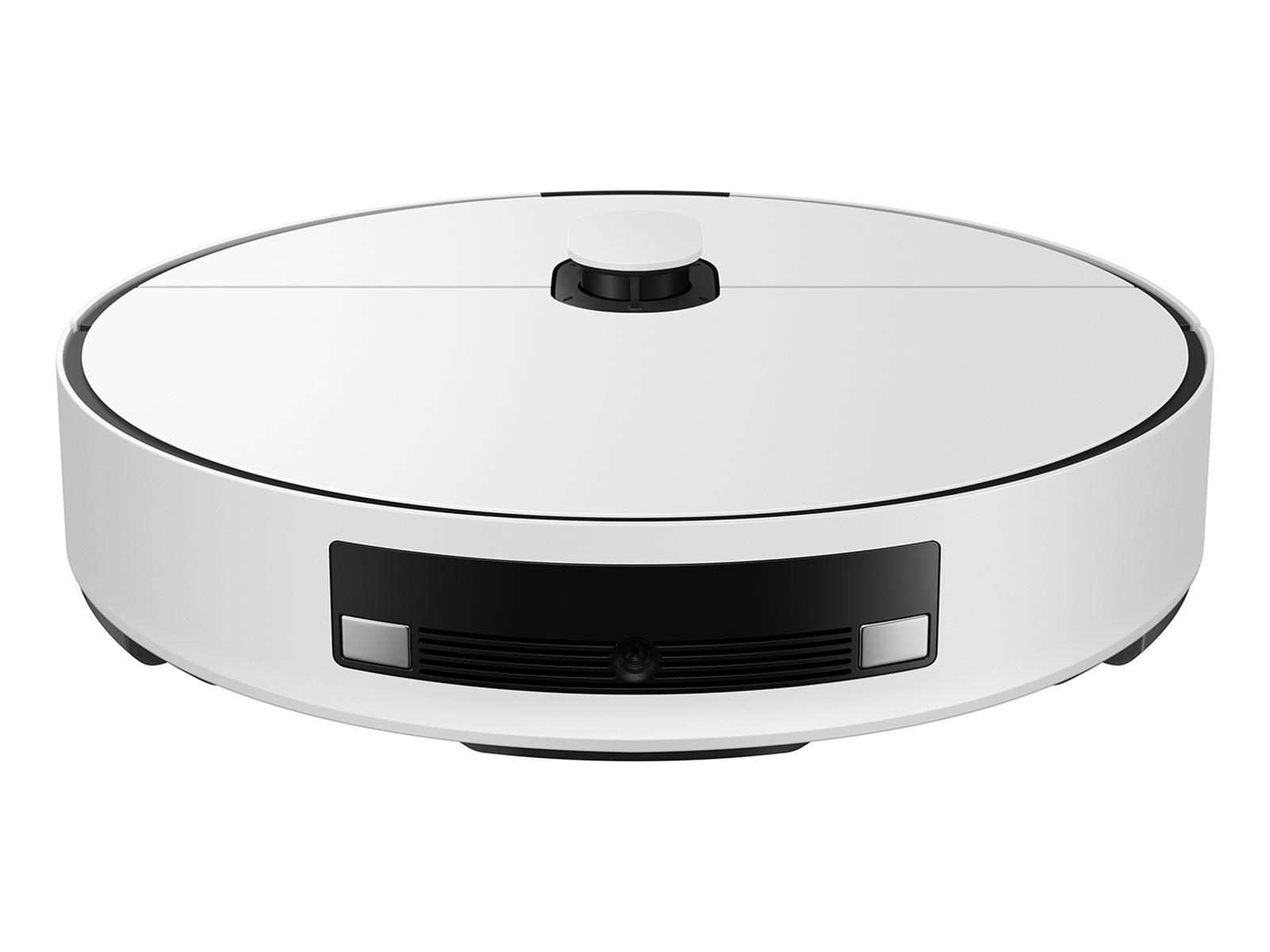
This is where the Samsung Bespoke Jet Bot truly differentiates itself. Released in 2024 with significant AI improvements over previous Samsung models, it combines dual 3D sensors, LiDAR mapping, and a front-facing camera to create what amounts to a comprehensive obstacle detection system.
The AI object recognition identifies people, pets, and household items with impressive accuracy. In professional testing environments, Samsung models consistently rank among the top performers for obstacle avoidance, successfully navigating around 23-24 out of 24 test objects. This matters enormously for homes with pets, children, or simply cluttered living spaces.
Samsung's mapping system covers 79% more area than conventional LiDAR systems, creating detailed 3D maps that users can view and customize through the SmartThings app. The robot learns room layouts, identifies furniture, and can even suggest room names based on the objects it encounters.
The Eufy Omni E28, released in 2024 as well, uses AI.See technology to recognize over 200 object types through a single camera and LED system. While this performs well—achieving similar obstacle avoidance scores in testing—it lacks the redundancy and sophistication of Samsung's multi-sensor approach.
For most users, both systems work effectively. Samsung's advantage becomes apparent in complex environments: homes with dark-colored objects that cameras struggle to identify, multiple pets that move unpredictably, or spaces with varying lighting conditions where the dual 3D sensors provide more reliable detection.
The navigation speed differs as well. Samsung models tend to clean more methodically but slowly, sometimes lingering in areas to ensure complete coverage. The Eufy generally completes cleaning cycles faster, though coverage quality appears equivalent based on user reports.
Most robot vacuums struggle with edges and corners because their round design creates gaps between the cleaning mechanism and wall surfaces. The Eufy Omni E28 addresses this with hardware solutions, while the Samsung relies primarily on navigation precision.
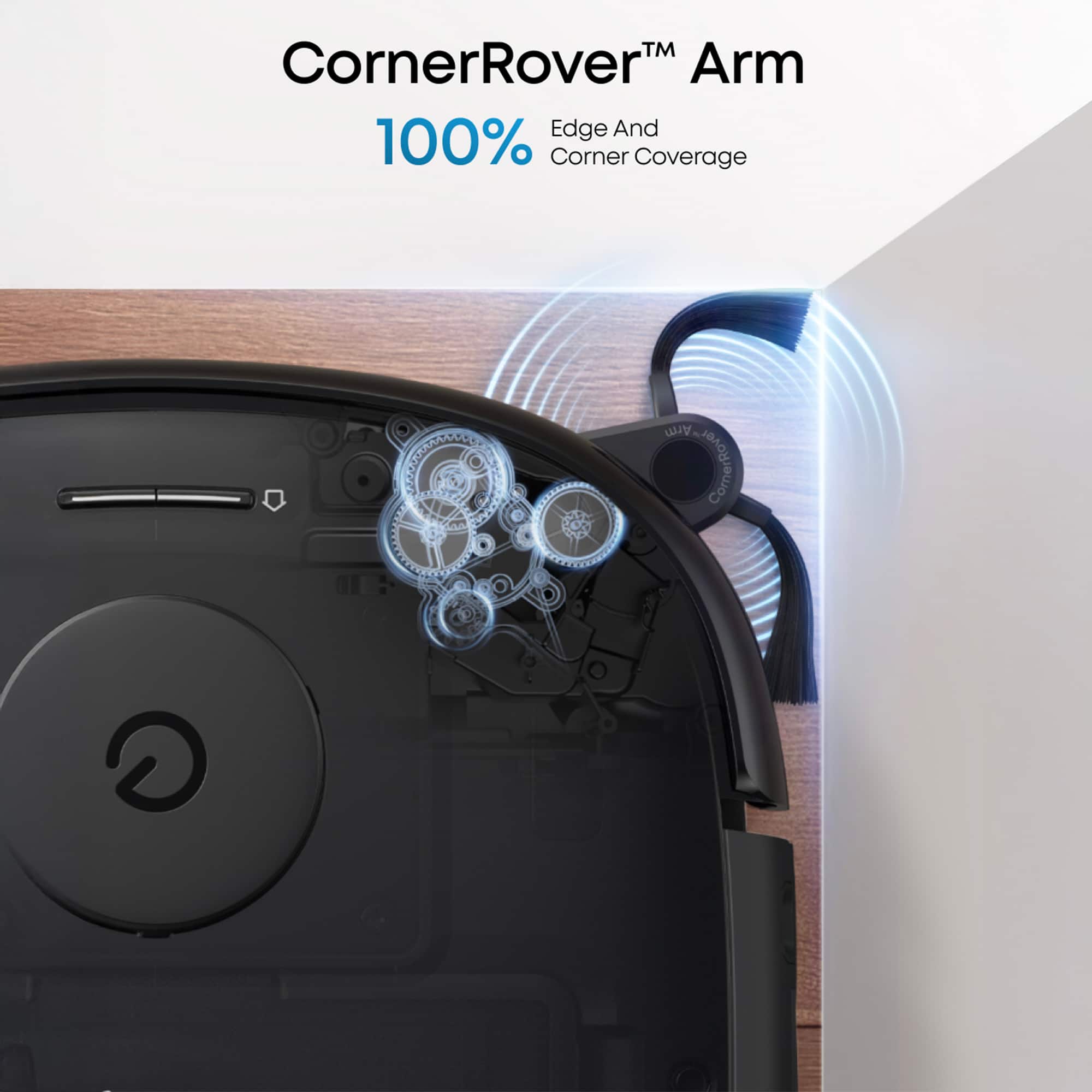
Eufy's CornerRover arm automatically extends when the robot encounters edges, bringing the side brush closer to baseboards and into corners. Combined with dual side brushes and a more squared design compared to perfectly round competitors, this creates substantially better edge cleaning performance.
User reports consistently indicate that homes switching from round robot vacuums to the Eufy notice immediate improvements in baseboard cleanliness and corner debris removal. This becomes particularly important for pet hair, which tends to accumulate along edges where traditional robot vacuums leave visible traces.
The Samsung model uses a single side brush and relies on its precise navigation to position the robot optimally for edge cleaning. While this works reasonably well, it doesn't match the mechanical advantage of dedicated edge-cleaning hardware.
For homes with pets, dark-colored floors that show dust and hair accumulation, or simply high cleanliness standards, Eufy's approach delivers noticeably superior results in these challenging areas.
Here's where these products truly diverge in philosophy and target audience.
The Samsung Bespoke Jet Bot positions itself as a smart home centerpiece with features that extend far beyond cleaning. The front-facing camera enables live video monitoring, essentially turning the robot into a mobile security system. You can check on pets while away, monitor home activity, or even conduct video calls through the robot—a genuinely unique capability that no other robot vacuum offers.
Samsung's integration with the SmartThings ecosystem creates value for users already invested in Samsung appliances. The robot communicates with other Samsung devices, can be controlled through voice assistants, and provides detailed cleaning reports and customization options. The AI stain recognition feature, while still in beta, demonstrates Samsung's commitment to advancing the AI capabilities beyond basic navigation.
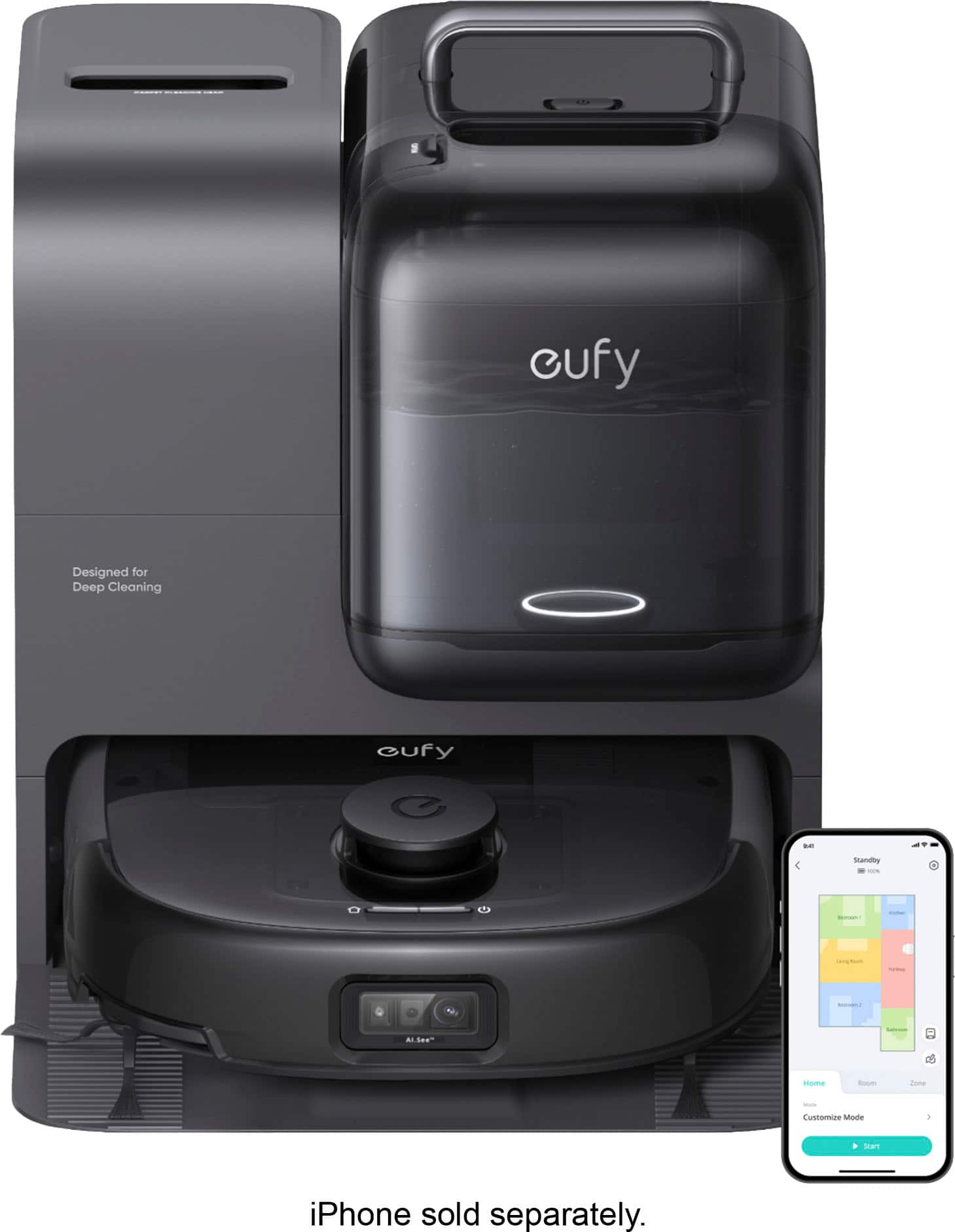
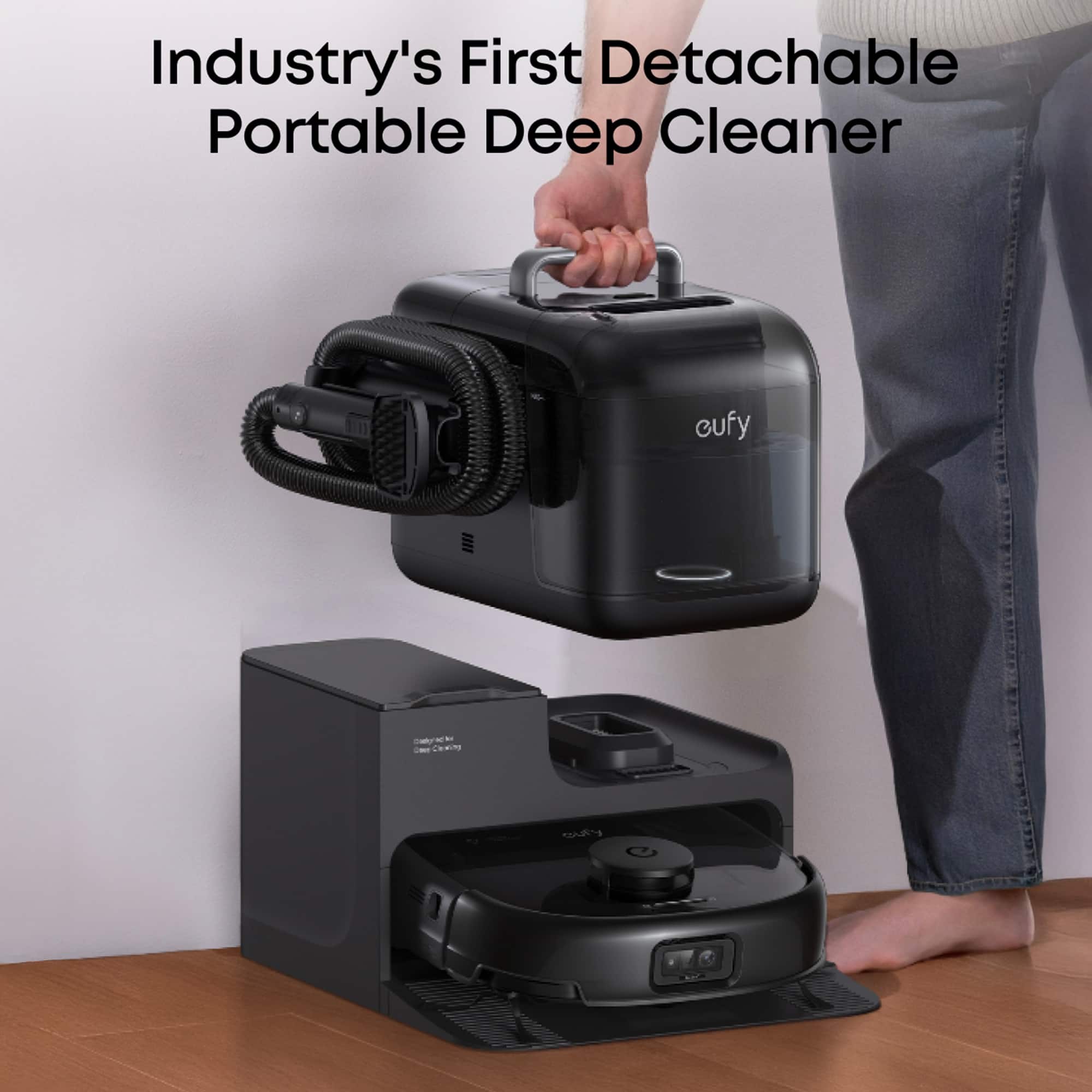
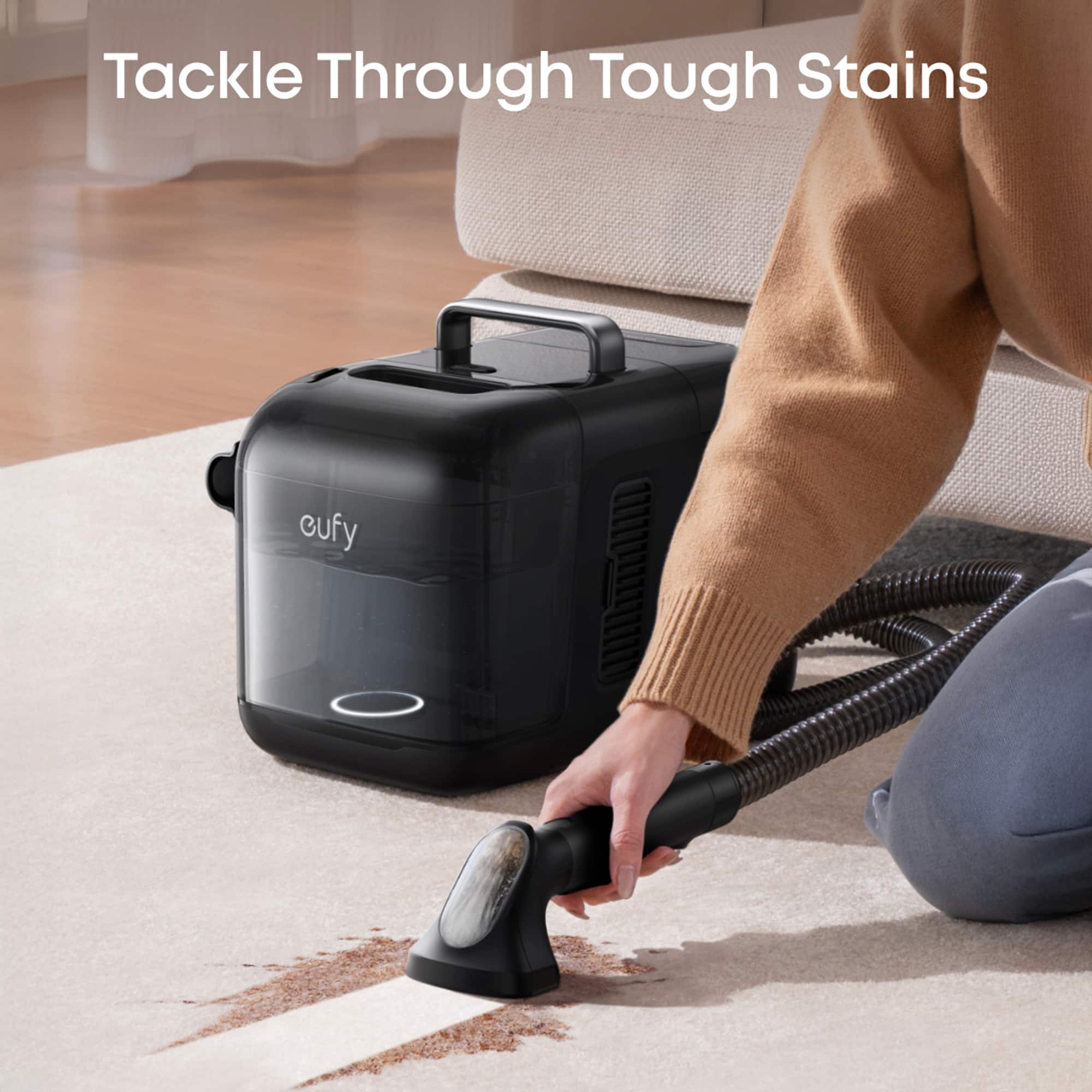
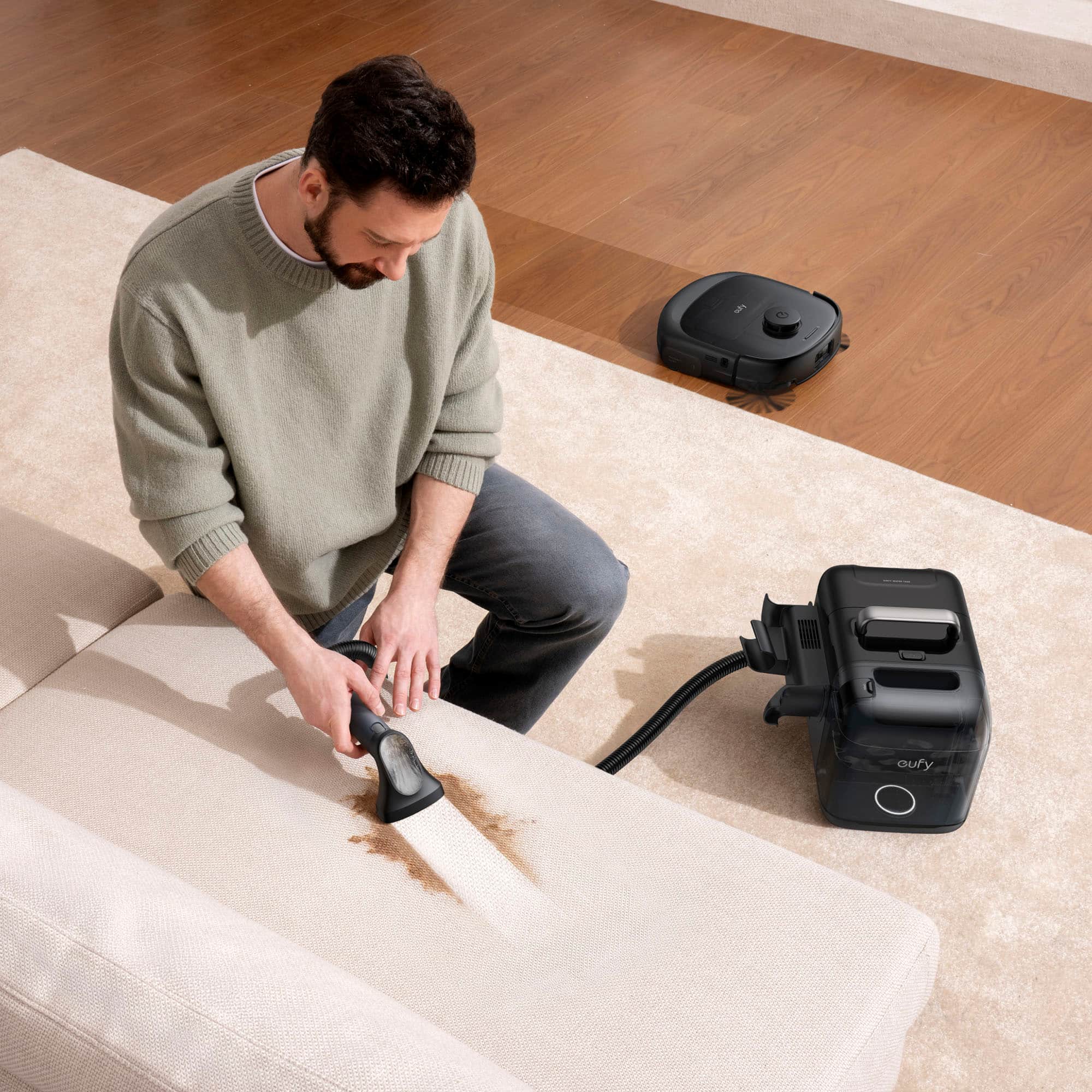
The Eufy Omni E28 takes a completely different approach with its FlexiOne portable deep cleaner—the first detachable spot cleaning system integrated into a robot vacuum base station. This handheld unit removes from the dock for manual deep cleaning of stairs, car interiors, upholstery, and targeted stain removal.
Based on user feedback, this portable cleaner performs as effectively as dedicated carpet cleaning machines for spot treatment. It's particularly valuable for homes with pets or children where accidents and spills require immediate attention beyond what the robot can provide. The integration is seamless—the portable cleaner uses the station's water supply and cleaning solution, charges when docked, and doesn't require separate maintenance.
This represents a fundamentally different value proposition: Samsung offers advanced smart home integration and monitoring features, while Eufy provides practical cleaning versatility that extends the system's usefulness throughout the home.
Both systems minimize manual maintenance, but through different approaches.
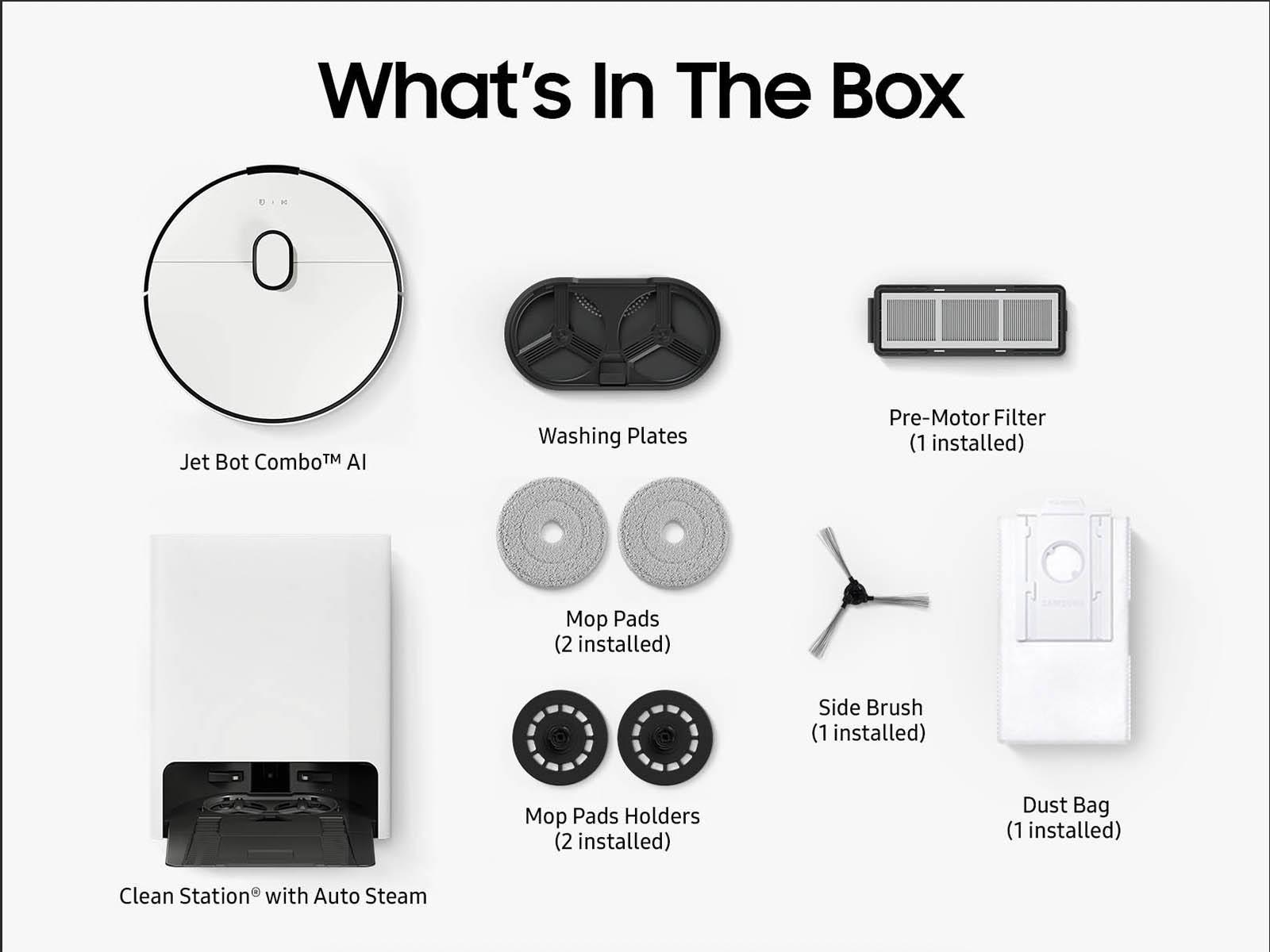
The Samsung's All-in-One Clean Station handles dust emptying into 2.5-liter disposable bags, automatic water refill, hot water mop washing, heated air drying, and the unique steam sanitization process. The steam treatment of mop pads addresses hygiene concerns that many users have about robot mops, particularly the potential for bacterial growth in constantly damp cleaning systems.
Samsung's system includes a removable maintenance tray that simplifies cleaning the base station itself—a often-overlooked aspect of robot vacuum ownership that becomes important over time.
The Eufy's Omni Station provides longer autonomous operation with 3-liter dust bags rated for 75 days of debris storage and a 2.5-liter clean water tank capable of covering up to 8,000 square feet. Automatic detergent dispensing and the continuous mop cleaning system reduce maintenance frequency.
However, the Eufy's self-emptying process is notably loud—a common complaint in user reviews. The Samsung system operates more quietly during maintenance cycles.
For most users, both systems successfully minimize the hands-on maintenance that makes budget robot vacuums impractical for busy households. The choice comes down to whether you prioritize Samsung's hygiene features or Eufy's extended autonomous operation.
Home theater environments present unique considerations for robot vacuums. The combination of thick carpeting, equipment cables, and acoustic treatments creates challenges for automated cleaning systems.
The Samsung Bespoke Jet Bot's superior obstacle avoidance becomes valuable in these spaces, where expensive audio/video cables and equipment require careful navigation. However, the lower suction power may struggle with the thick carpets commonly used for acoustic control in dedicated theater rooms.
The Eufy Omni E28's higher suction power better addresses deep carpet cleaning in theater environments, while the CornerRover arm helps clean around built-in seating and equipment cabinets. The portable deep cleaner proves particularly useful for theater seating maintenance, though the louder self-emptying process might be disruptive if scheduled during viewing times.
For mixed-use media rooms with hard floors and area rugs, Samsung's balanced approach works well. For dedicated theater spaces with extensive carpeting, Eufy's cleaning power provides clear advantages.
At the time of writing, both products command premium pricing that reflects their advanced capabilities, with Samsung typically positioned slightly higher due to its AI and smart home features.
Choose the Samsung Bespoke Jet Bot Combo AI if you're invested in smart home automation, particularly Samsung's ecosystem. The AI features, video monitoring capabilities, and steam sanitization justify the premium for tech-forward households that value innovation over raw cleaning power. It's ideal for homes with primarily hard floors, moderate pet hair, and users who appreciate cutting-edge features.
The Eufy Omni E28 makes more sense for users who prioritize fundamental cleaning performance. The superior suction power, mechanical edge cleaning solutions, and versatile spot cleaning capability deliver better value for households focused on achieving the cleanest possible floors. It's the clear choice for heavy-shedding pets, thick carpets, or users who want maximum cleaning effectiveness per dollar spent.
Both represent significant improvements over earlier robot vacuum generations, incorporating years of technological refinement. Your decision should ultimately align with whether you value innovation and smart home integration (Samsung) or proven cleaning performance and versatility (Eufy). Either choice represents a substantial upgrade from manual cleaning or budget robot alternatives, but understanding these fundamental differences ensures you'll be satisfied with your investment for years to come.
| Samsung Bespoke Jet Bot Combo AI | Eufy Omni E28 |
|---|---|
| Suction Power - Critical for carpet cleaning and pet hair removal | |
| 6,000 Pa (above average, good for most homes) | 20,000 Pa (exceptional power for deep carpet cleaning) |
| Navigation System - Determines cleaning thoroughness and obstacle avoidance | |
| Dual 3D sensors + LiDAR + camera (superior obstacle detection) | Single camera + LED + LiDAR (recognizes 200+ objects) |
| Mopping Technology - Key differentiator for floor care quality | |
| Steam sanitization + hot water washing (unique hygiene feature) | HydroJet system cleans mop 360x/minute (prevents dirty water spread) |
| Edge Cleaning - Often the weakest point for round robot vacuums | |
| Single side brush (relies on navigation precision) | CornerRover arm + dual brushes (mechanical advantage) |
| Self-Maintenance Station - Reduces hands-on upkeep | |
| 2.5L dust bags, steam sanitization, hot air drying | 3L dust bags (75 days), auto detergent, louder operation |
| Unique Features - What sets each apart from competitors | |
| Live video monitoring, pet surveillance, SmartThings integration | Detachable portable spot cleaner (industry first) |
| Battery Life - Important for larger homes | |
| 180 minutes (adequate for most homes) | 216 minutes (better for extensive floor plans) |
| Smart Home Integration - Matters if you use voice assistants or home automation | |
| Native SmartThings, Bixby, Alexa, Google Assistant | Matter protocol, Alexa, Google Assistant, Siri |
| Best For - Target user and home type | |
| Tech enthusiasts, Samsung ecosystem users, hygiene-focused families | Pet owners, thick carpets, maximum cleaning performance priority |
The Eufy Omni E28 delivers significantly more suction power at 20,000 Pa compared to the Samsung Bespoke Jet Bot Combo AI's 6,000 Pa. This means the Eufy provides over three times the suction strength, making it much more effective for deep carpet cleaning and heavy pet hair removal.
Both excel at mopping but use different approaches. The Samsung Bespoke Jet Bot features unique steam sanitization that kills bacteria on mop pads, while the Eufy Omni E28 uses a HydroJet system that continuously cleans the mop roller 360 times per minute to prevent spreading dirty water around your home.
The Eufy Omni E28 is generally better for pet owners due to its 20,000 Pa suction power and DuoSpiral detangle brushes designed specifically for pet hair. However, the Samsung Bespoke Jet Bot offers live video monitoring to check on pets remotely and superior obstacle avoidance to navigate around pet toys and bowls.
The Samsung Bespoke Jet Bot Combo AI has superior obstacle avoidance with dual 3D sensors, LiDAR, and a camera system that can identify people, pets, and household objects. The Eufy Omni E28 uses AI.See technology to recognize 200+ objects but relies on a single camera system.
The Samsung offers live video monitoring, pet surveillance, and video calling capabilities through its front camera, plus native SmartThings integration. The Eufy includes an industry-first detachable portable deep cleaner that can manually clean stairs, upholstery, and car interiors using the station's water supply.
The Eufy Omni E28 excels at edge cleaning with its CornerRover arm that automatically extends and dual side brushes, plus a more squared design. The Samsung Bespoke Jet Bot uses a single side brush and relies on precise navigation, which is less effective for thorough edge cleaning.
The Eufy Omni E28 offers longer battery life at 216 minutes compared to the Samsung Bespoke Jet Bot's 180 minutes. This difference is particularly important for larger homes that require extended cleaning sessions without interruption.
The Samsung Bespoke Jet Bot Combo AI provides superior smart home integration, especially for Samsung ecosystem users, with native SmartThings compatibility, Bixby voice control, and advanced AI features. The Eufy supports Matter protocol and works with major voice assistants but lacks the deep integration capabilities.
The Eufy Omni E28 is significantly better for thick carpets due to its powerful 20,000 Pa suction that can extract embedded dirt and pet hair from deep carpet fibers. The Samsung can handle carpets adequately but may struggle with very thick or high-pile carpeting.
Both models minimize maintenance effectively. The Samsung Bespoke Jet Bot offers steam sanitization for better hygiene and quieter operation, while the Eufy Omni E28 provides longer intervals between dust bag changes (75 days) and includes automatic detergent dispensing for extended autonomous operation.
The Eufy Omni E28 typically offers better value for pure cleaning performance with its superior suction power, edge cleaning capabilities, and versatile portable cleaner. The Samsung Bespoke Jet Bot Combo AI justifies its premium pricing through advanced AI features, smart home integration, and unique monitoring capabilities, making it better value for tech-focused users.
We've done our best to create useful and informative comparisons to help you decide what product to buy. Our research uses advanced automated methods to create this comparison and perfection is not possible - please contact us for corrections or questions. These are the sites we've researched in the creation of this article: techradar.com - kahians.com - vacuumwars.com - samsung.com - youtube.com - wickfordappliance.com - eftm.com - samsung.com - samsung.com - advantageappliance.com - youtube.com - samsung.com - bestbuy.com - samsung.com - samsung.com - franksappliance.com - american-homeappliance.com - bestbuy.com - vacuumwars.com - vacuumwars.com - youtube.com - youtube.com - youtube.com - tomsguide.com - youtube.com - youtube.com - youtube.com - homedepot.com - michaelsleen.com - youtube.com - youtube.com - bikmantech.com - rcwilley.com - crutchfield.com - eufy.com - eufy.com - bestbuy.com - eufy.com - vacuumwars.com - eufy.com

Privacy Policy
Terms and Conditions - Affiliate Policy
Home Security
© Copyright 2008-2026.
11816 Inwood Rd #1211, Dallas, TX 75244