

Pool maintenance used to mean hours of manual vacuuming, skimming, and scrubbing. Today's robotic pool cleaners promise to eliminate that drudgery with autonomous cleaning systems that work while you relax. But with prices ranging from a few hundred to several thousand dollars, choosing the right robotic cleaner requires understanding what actually matters for performance versus what's just marketing fluff.
After researching extensive user feedback and professional testing data, two cordless models stand out for very different reasons: the BOTLUXE PC10 delivers exceptional cleaning performance at a reasonable price point, while the Beatbot AquaSense 2 represents how premium pricing doesn't always translate to superior results. Let's dive into what makes one clearly superior to the other.
Robotic pool cleaners are essentially underwater robots equipped with their own motors, filtration systems, and navigation technology. Unlike suction cleaners that rely on your pool's pump system, these self-contained units operate independently with rechargeable batteries. Think of them as Roombas for your pool, but with the added complexity of climbing walls and handling water resistance.
The key technologies that separate good robots from great ones include suction power (measured in Pascals or gallons per hour), navigation systems that map cleaning paths, filtration capabilities that determine what size debris gets captured, and battery management that balances runtime with charging efficiency.
When evaluating any robotic cleaner, focus on these core performance metrics: actual suction power under real conditions, cleaning coverage completeness, debris handling consistency, and total maintenance burden. Marketing specifications often don't reflect real-world performance, which is why hands-on testing data proves so valuable.
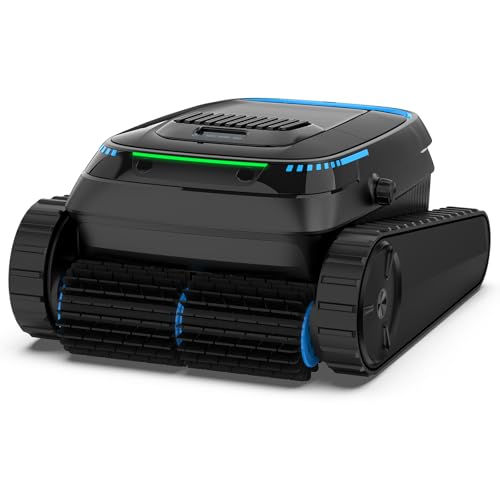
Released in 2023, the BOTLUXE PC10 represents the sweet spot of cordless pool cleaning technology. At the time of writing, it's positioned in the mid-range price category but delivers performance that rivals much more expensive competitors. BOTLUXE designed this model around practical effectiveness rather than flashy features.
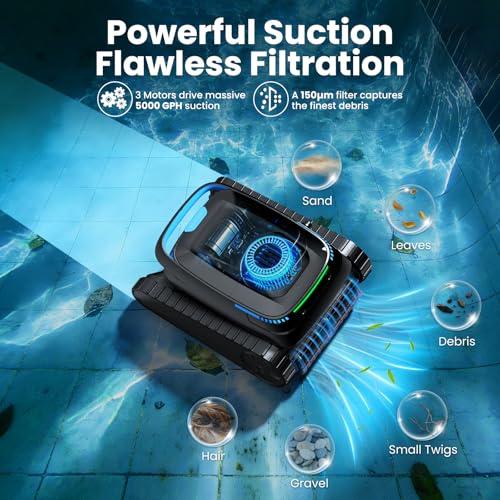
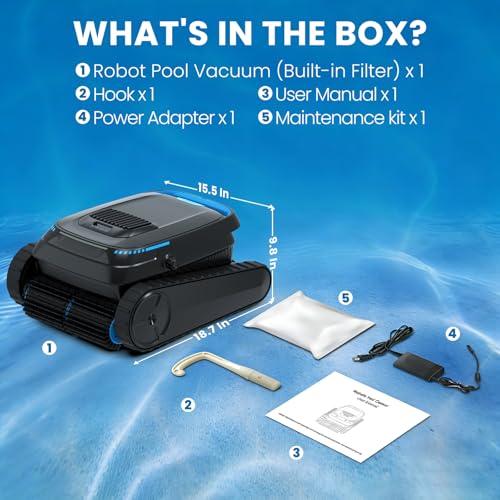
The PC10 weighs 29.5 pounds and features what the company calls "dual-drive motors" paired with a dedicated pump motor. This three-motor configuration generates 45,000 Pascals of suction pressure—a measurement that indicates how forcefully the unit can pull debris from pool surfaces. For context, that's roughly equivalent to 5,000 gallons per hour of water flow, which puts it in the same league as many corded professional models.
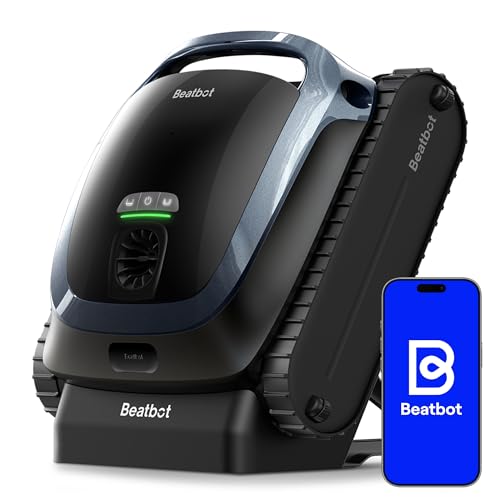
The Beatbot AquaSense 2, also launched in 2023, entered the market as a premium cordless option with advanced AI navigation and a price tag to match. At the time of writing, it costs roughly 2.5 times more than the BOTLUXE PC10, positioning itself in the luxury segment alongside high-end corded models.
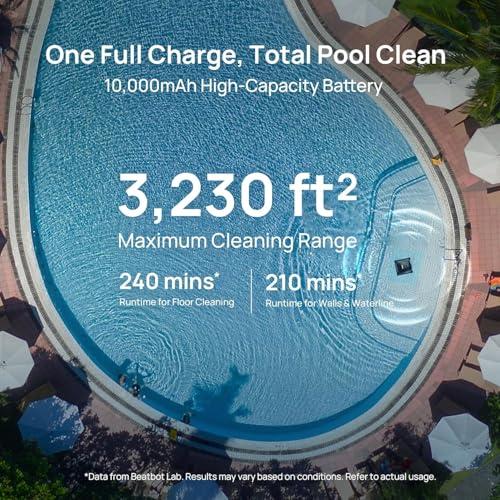
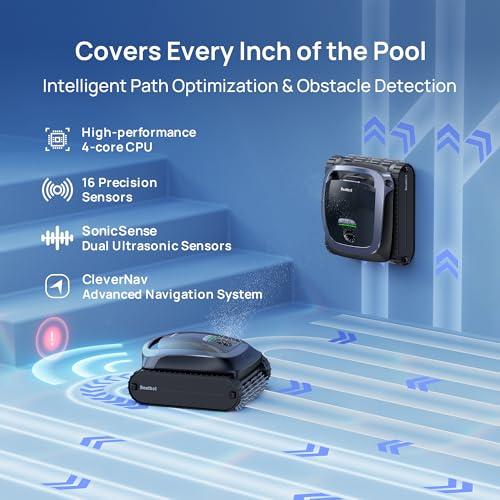
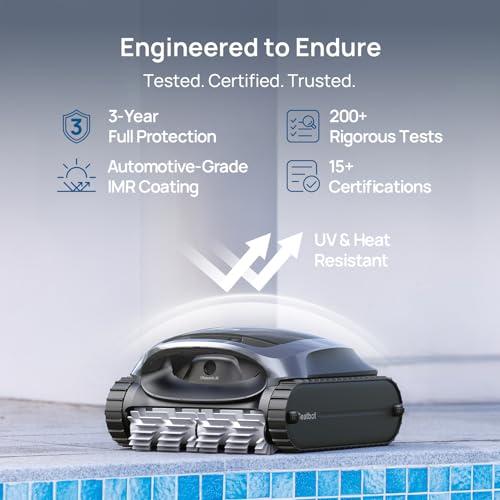
Beatbot markets the AquaSense 2 with impressive specifications: a 10,000mAh battery, 16 sensors including ultrasonic navigation, and what they call "CleverNav" intelligent path planning. The unit weighs significantly more at 39-43 pounds depending on operation mode, and features automotive-grade coating for durability.
However, our research into professional testing reveals a significant gap between marketing promises and real-world performance that potential buyers need to understand.
Suction power determines everything about a robotic cleaner's effectiveness. Without sufficient force to lift debris from pool surfaces and transport it to the filter basket, even the smartest navigation becomes irrelevant.
The BOTLUXE PC10 generates its 45,000 Pascal suction through a well-engineered system of dual-drive motors working with a dedicated pump motor. In practical terms, this translates to consistent debris pickup across various materials—from heavy leaves to fine sand particles that settle in corners.
User reports consistently praise the PC10's ability to handle mixed debris loads without losing effectiveness throughout its cleaning cycle. The active scrubbing brushes work in conjunction with the suction system, meaning stuck-on algae and embedded dirt get mechanically loosened before the powerful pump pulls them into the 4-liter filter basket.
What makes the PC10's suction particularly effective is its consistency. Unlike battery-powered tools that lose power as the charge depletes, the PC10 maintains strong suction throughout its 120-minute runtime thanks to efficient motor management and a well-designed power delivery system.
Despite marketing claims of 5,500 gallons per hour suction capacity, professional testing of the Beatbot AquaSense 2 revealed actual suction measuring only 1.6 PSI (pounds per square inch) using precision measurement equipment. For comparison, that's significantly weaker than many budget cordless models.
More troubling is what users describe as the "debris dump problem"—a consistent issue where the AquaSense 2 collects debris successfully but then dumps it back into the pool shortly after pickup. This appears related to insufficient suction power to maintain debris retention during navigation movements, particularly when climbing walls or changing direction.
Multiple professional reviewers noted that the AquaSense 2 would pass over the same leaves multiple times before achieving pickup, and even then, fine debris like sand often remained behind despite complete cleaning cycles. This suggests the heavily marketed sensor array and AI navigation can't compensate for fundamental suction inadequacy.
Modern robotic cleaners use various navigation approaches, from simple random patterns to advanced AI mapping. The key question isn't how sophisticated the system appears, but whether it delivers complete pool coverage efficiently.
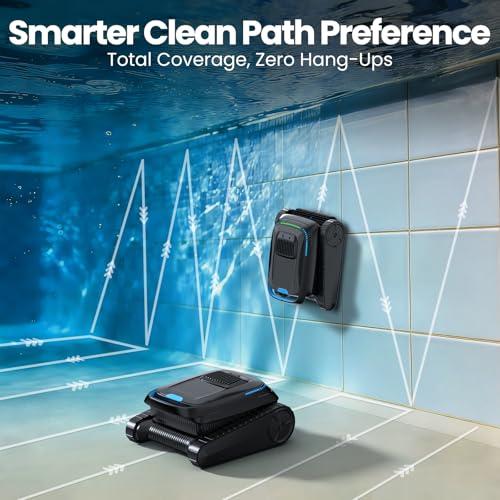
The BOTLUXE PC10 uses what BOTLUXE calls "intelligent zig-zag patterns" combined with smart positioning technology. This might sound less impressive than AI mapping, but it proves highly effective in practice. The system creates visible cleaning tracks that let you verify complete coverage, and the patterns adapt automatically to different pool areas.
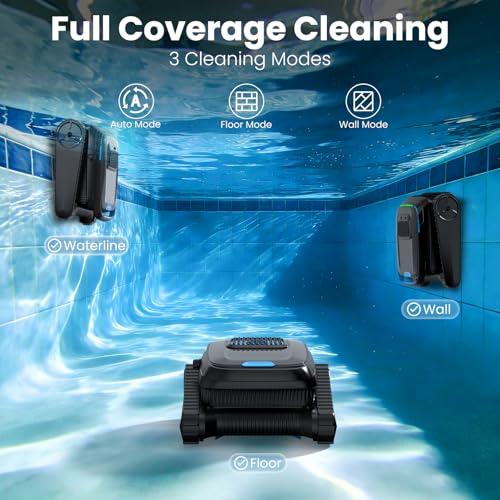
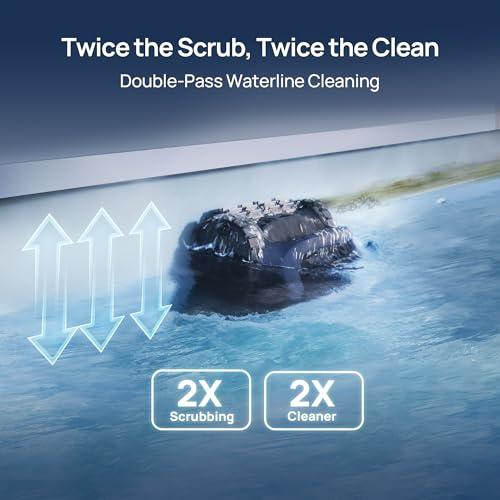
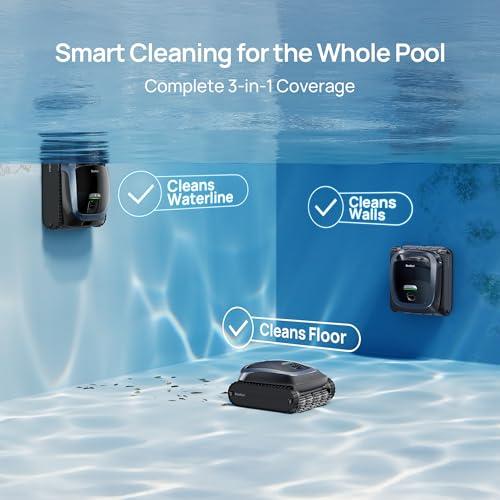
The PC10 offers three cleaning modes that actually matter: AUTO mode handles floors, walls, and waterline in a comprehensive clean; FLOOR mode focuses solely on bottom surfaces for quick maintenance; and WALL mode targets vertical surfaces and waterline for algae control. Each mode optimizes the cleaning pattern for its specific task rather than trying to be everything at once.
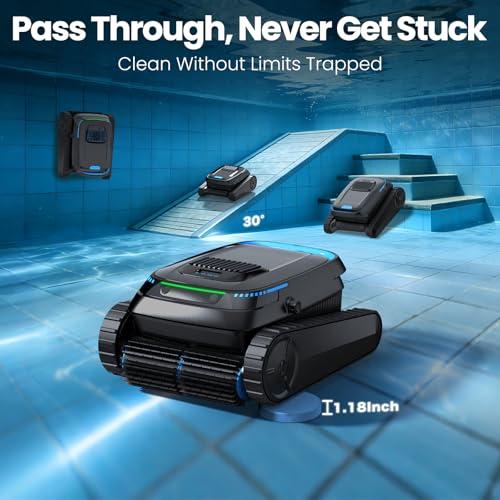
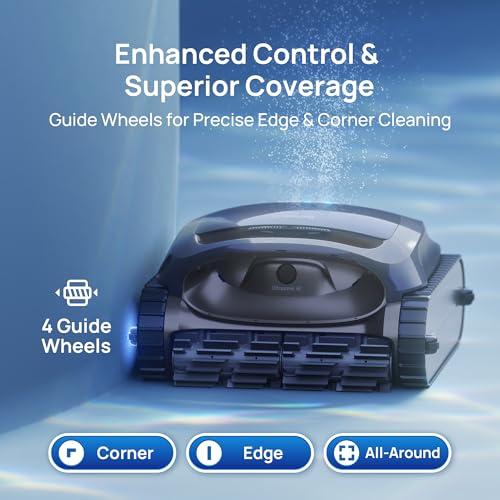
The navigation system's real strength shows in obstacle handling. The PC10's caterpillar treads—flexible tracks similar to those on construction equipment—combined with its relatively compact size, allow it to navigate around pool features like steps, drains, and ladders without getting stuck. The system can climb slopes up to 30 degrees, which covers virtually any pool configuration.
The Beatbot AquaSense 2 features an impressive-sounding navigation system called "CleverNav" powered by a 4-core processor and 16 sensors, including 2 ultrasonic sensors for obstacle detection. In theory, this should deliver superior pool mapping and coverage.
However, professional testing revealed that despite all this computational power, the AquaSense 2 achieved only 85% pool floor and wall coverage in controlled tests. The complex sensor array seems to create decision-making delays that result in missed spots and incomplete cleaning patterns.
Users report frustrating experiences with the advanced navigation getting confused by pool features that simpler systems handle easily. The ultrasonic sensors, while sophisticated, appear overly sensitive and cause the robot to avoid areas it should clean. This is a classic case of over-engineering creating problems rather than solving them.
The CleverNav system also requires the robot to "learn" your pool over multiple cleaning cycles, which sounds impressive but means inconsistent performance during the initial weeks of ownership. The BOTLUXE PC10, by contrast, delivers consistent coverage from the first use.
Cordless operation offers obvious convenience advantages, but battery management becomes crucial for practical usability. The best battery system balances maximum runtime with reasonable charging times and minimal user intervention.
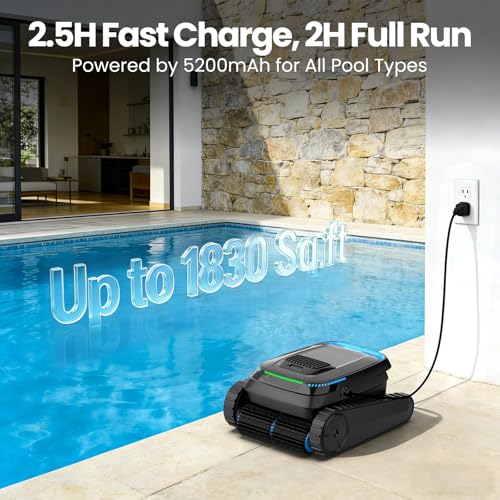
The BOTLUXE PC10 uses a 5,200mAh lithium-ion battery that delivers up to 120 minutes of continuous cleaning. More importantly, it accomplishes this runtime efficiently, covering pools up to 1,830 square feet in a single session without requiring recharge cycles.
The 2.5-hour charging time creates a practical usage pattern: run the cleaner for two hours, charge overnight, and repeat as needed. Most pool owners find this schedule fits naturally into their routine without creating maintenance burden.
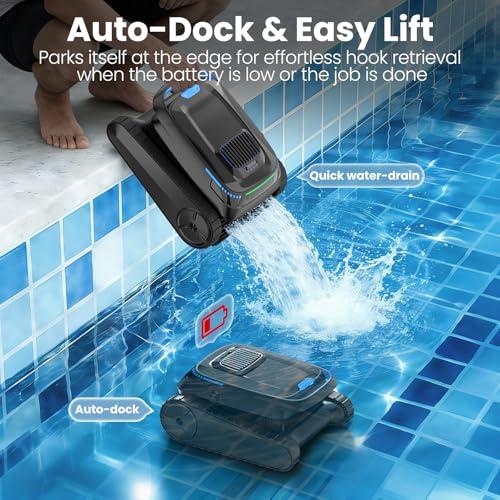
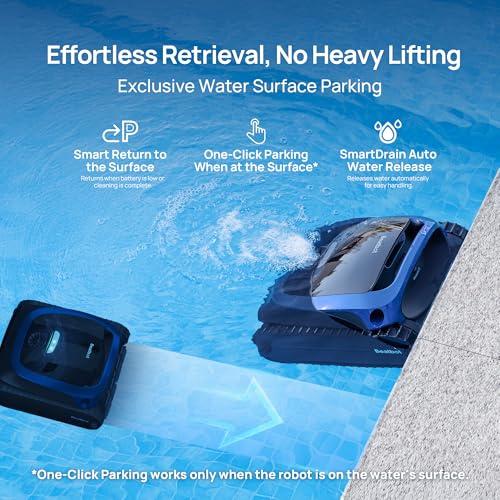
The PC10's power management system maintains consistent performance throughout the cleaning cycle. Unlike devices that slow down as battery depletes, the PC10 keeps full suction and navigation speed until the battery reaches low levels, at which point it automatically returns to the pool edge for retrieval.
While the Beatbot AquaSense 2 features a larger 10,000mAh battery with claimed 2-3 hour runtime, user experiences reveal a different reality. The larger battery creates a heavier unit (39-43 pounds versus 29.5 for the PC10), making handling more difficult.
More problematically, the AquaSense 2 requires daily battery management that creates operational friction rather than convenience. Users report spending more time managing charging schedules and battery status than they expected, particularly compared to simpler systems that just work when needed.
The power delivery system also appears less efficient than the PC10's setup. Performance noticeably decreases throughout the cleaning cycle as the battery depletes, with end-of-session cleaning being visibly less thorough than the beginning. This variable performance makes it difficult to predict cleaning results.
Effective filtration determines what gets removed from your pool versus what gets redistributed. The filter system needs to capture everything from large leaves to microscopic particles while being easy to clean and maintain.
The BOTLUXE PC10 features a 4-liter filter basket with 150-180 micron filtration capability. To put this in perspective, 180 microns captures particles about twice the width of human hair—fine enough for sand, algae clumps, and small insects while still handling large debris efficiently.
The large capacity filter basket means fewer interruptions during cleaning cycles. Most pools can complete full cleaning sessions without requiring mid-cycle filter emptying, which maintains cleaning momentum and reduces user intervention.
The filter design prioritizes easy maintenance with a top-access, quick-release system. Cleaning involves lifting out the basket, rinsing with a hose, and reinstalling—typically taking under a minute. This simplicity encourages regular filter maintenance, which keeps the entire system operating at peak efficiency.
Despite premium pricing, the Beatbot AquaSense 2 uses basic mesh filtration that struggles with fine debris in real-world testing. The filtration system appears designed more for impressive specifications than practical effectiveness.
The previously mentioned debris dump problem appears partly related to filtration design. When the robot changes direction or climbs walls, inadequate filter retention allows previously captured debris to escape back into the pool. This creates the frustrating experience of watching the cleaner undo its own work.
Professional testing noted that the AquaSense 2's filtration system requires more frequent cleaning than comparable models, and even with clean filters, fine debris handling remains inconsistent. For a premium-priced product, this represents a fundamental engineering failure.
Different pool configurations require different capabilities from robotic cleaners. Surface materials, shapes, depths, and features all impact which models will work effectively in your specific situation.
The BOTLUXE PC10 works effectively across the broadest range of pool types. It handles both inground and above-ground pools, works on concrete, vinyl, fiberglass, and tile surfaces, and adapts to various pool shapes from simple rectangles to complex kidney configurations.
The caterpillar tread system deserves special mention for its versatility. Unlike wheeled systems that can slip on smooth surfaces, or brush systems that wear out quickly, the flexible tracks provide consistent traction across different materials and inclines. This allows the PC10 to climb walls reliably and navigate obstacles that stop other cleaners.
The compact size and weight make the PC10 practical for pools with tight access or unusual features. It navigates around pool equipment, steps, and ladders without getting stuck, and the intelligent positioning system adapts cleaning patterns to work around permanent obstacles.
The Beatbot AquaSense 2 works only with inground pools and has specific requirements for depth and configuration that limit its versatility. The heavier weight creates handling challenges, particularly for pool owners who need to move the cleaner frequently.
User reports indicate the advanced sensor system actually creates compatibility problems in some pool configurations. The ultrasonic sensors can get confused by pool features like spillways, beach entries, or complex coping, causing the robot to avoid areas it should clean.
The premium positioning suggests the AquaSense 2 targets luxury pool installations, but professional testing indicates it performs worse in complex pool shapes than simpler, less expensive models. This represents poor value for pool owners with challenging cleaning requirements.
Beyond specifications and test results, daily usability determines whether a robotic cleaner enhances or complicates pool maintenance. The best technical performance means nothing if the system creates operational headaches.
Users consistently praise the BOTLUXE PC10 for straightforward operation that requires minimal intervention. The cleaning process involves selecting a mode, placing the unit in the pool, and retrieving it when complete. The self-parking feature brings the cleaner to the pool edge automatically, making retrieval simple.
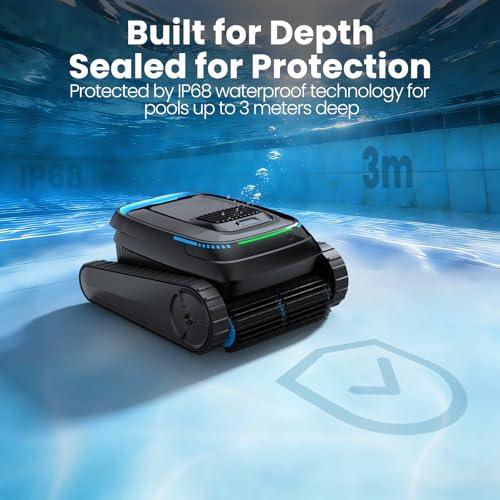
Maintenance follows the same simplicity principle. Filter cleaning takes minutes, the robust construction handles normal pool chemicals without degradation, and component replacement (like caterpillar treads) can be done at home with basic tools. This practical approach reduces total ownership costs and maintenance time.
The three cleaning modes prove useful for different situations rather than feeling like marketing gimmicks. Pool owners report using AUTO mode for weekly comprehensive cleaning, FLOOR mode for quick maintenance between sessions, and WALL mode when algae appears on vertical surfaces.
Despite premium positioning, the Beatbot AquaSense 2 creates more operational work than advertised. The daily charging requirements, battery management, and frequent filter cleaning transform what should be automated convenience into active maintenance tasks.
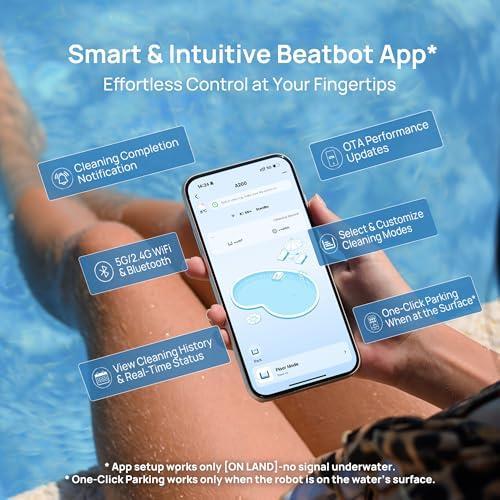
The smartphone app control sounds impressive but adds complexity without clear benefits. Users report connection issues, limited functionality while the robot operates underwater, and frustration with features that work inconsistently. The app becomes another thing to manage rather than a helpful tool.
Multiple professional reviewers noted spending more time managing the AquaSense 2 than previous cleaners, with one stating they "regret the purchase and would not buy again." This represents a fundamental failure for a product positioned as a luxury solution.
At the time of writing, the pricing difference between these models represents more than just different market segments—it highlights how premium pricing doesn't automatically indicate superior performance.
The BOTLUXE PC10 delivers what matters most in pool cleaning: consistent suction power, reliable navigation, effective filtration, and practical operation. It accomplishes these fundamentals at a price point that makes automated pool cleaning accessible to most pool owners.
When you calculate total cost of ownership including energy efficiency, maintenance simplicity, and replacement part availability, the PC10's value proposition becomes even stronger. It's a tool that pays for itself quickly through reduced manual cleaning time and chemical usage from maintaining consistently clean water.
The performance-to-price ratio puts the PC10 in a category typically occupied by much more expensive models. You get professional-grade cleaning capability without paying premium prices for features that don't enhance actual performance.
The Beatbot AquaSense 2 represents a cautionary tale about marketing versus reality in pool equipment. Despite costing roughly 2.5 times more than the PC10 at the time of writing, professional testing shows it delivers inferior performance across every meaningful metric.
The premium price appears justified by impressive specifications and advanced technology claims, but real-world testing reveals these features don't translate to better pool cleaning. You're paying extra for complexity that creates problems rather than solving them.
Multiple reviewers explicitly recommend against purchasing the AquaSense 2, with several suggesting better alternatives at significantly lower prices. This represents a fundamental value failure for a premium-positioned product.
Pool cleaner technology continues evolving, with improvements in battery chemistry, motor efficiency, and navigation algorithms. Understanding current capabilities helps predict which features will remain valuable versus which represent temporary marketing trends.
The BOTLUXE PC10 represents mature technology implemented effectively. Its dual-motor system, efficient battery management, and practical navigation will likely remain relevant as the category develops. The focus on fundamental performance over flashy features suggests good long-term value retention.
The Beatbot AquaSense 2 demonstrates how advanced features can create problems when underlying engineering isn't solid. While AI navigation and sophisticated sensors sound impressive, they prove counterproductive when basic suction and filtration aren't properly executed.
For most pool owners, the BOTLUXE PC10 represents the clear choice. It delivers superior cleaning performance, reliable operation, broad compatibility, and exceptional value. The straightforward design encourages regular use, which maintains consistently clean water with minimal effort.
Choose the PC10 if you want proven performance without paying premium prices, need versatile pool compatibility, value reliable operation over complex features, or simply want the best performance-per-dollar in the cordless category.
Consider the Beatbot AquaSense 2 only if you specifically need smartphone app control despite its limitations, can tolerate daily maintenance requirements and inconsistent performance, or are willing to pay significantly more for convenience features that don't work as advertised.
The evidence from professional testing and user feedback strongly favors the BOTLUXE PC10 across virtually every meaningful performance metric. It represents the optimal balance of effectiveness, reliability, and value in today's robotic pool cleaner market.
In an industry where marketing claims often exceed real-world performance, the BOTLUXE PC10 stands out for delivering exactly what it promises: thorough, efficient pool cleaning that actually works as advertised. That's ultimately what matters most when you're trying to enjoy your pool rather than constantly maintaining it.
| BOTLUXE PC10 | Beatbot AquaSense 2 |
|---|---|
| Suction Power - Most critical factor for effective debris removal | |
| 45,000Pa (proven consistent performance) | 5,500 GPH claimed (actual testing shows only 1.6 PSI) |
| Battery Runtime - Determines pool size coverage per charge | |
| 120 minutes (efficient power management) | 2-3 hours claimed (decreases performance as battery drains) |
| Charging Time - Impacts daily usability and convenience | |
| 2.5 hours (fast turnaround for regular use) | 4 hours (longer downtime between cleaning sessions) |
| Filter Capacity - Affects cleaning efficiency and maintenance frequency | |
| 4L with 150-180 micron filtration | 2-3.7L with basic mesh (struggles with fine debris) |
| Pool Coverage - Maximum area cleanable in single session | |
| Up to 1,830 sq ft (reliable complete coverage) | Up to 3,230 sq ft claimed (actual testing shows 85% coverage) |
| Weight - Important for handling and retrieval | |
| 29.5 lbs (manageable for most users) | 39-43 lbs (heavier, more difficult to handle) |
| Navigation System - Determines cleaning pattern effectiveness | |
| Smart zig-zag with visible cleaning tracks | AI CleverNav with 16 sensors (over-engineered, causes missed spots) |
| Slope Climbing - Essential for wall and waterline cleaning | |
| 30° with caterpillar treads (excellent traction) | Not specified (struggles with complex pool features) |
| Cleaning Modes - Flexibility for different maintenance needs | |
| 3 practical modes: AUTO, FLOOR, WALL | Multiple modes with app control (adds complexity without benefit) |
| Debris Handling - Real-world pickup and retention performance | |
| Consistent pickup and retention throughout cycle | Debris dump problem (collected debris falls back into pool) |
| Pool Compatibility - Types of pools and surfaces supported | |
| Inground/above-ground, all surfaces, universal fit | Inground only, limited configurations, compatibility issues |
| Maintenance Requirements - Time and effort needed for upkeep | |
| Minimal daily intervention, simple filter cleaning | Daily battery management, frequent maintenance needs |
| Reliability Score - Based on professional testing and user reviews | |
| Highly recommended by multiple reviewers | Multiple reviewers explicitly recommend against purchase |
The BOTLUXE PC10 delivers superior suction performance with 45,000Pa of consistent power throughout its cleaning cycle. Professional testing shows the Beatbot AquaSense 2 achieves only 1.6 PSI actual suction despite marketing claims, making the BOTLUXE PC10 significantly more effective at picking up debris.
The BOTLUXE PC10 provides 120 minutes of runtime with consistent performance and charges in just 2.5 hours. The Beatbot AquaSense 2 claims 2-3 hours runtime but suffers from decreasing performance as the battery drains and requires 4 hours to fully charge.
The BOTLUXE PC10 works with both inground and above-ground pools on all surface types including concrete, vinyl, fiberglass, and tile. The Beatbot AquaSense 2 only works with inground pools and has specific depth requirements that limit compatibility.
The BOTLUXE PC10 consistently receives high reliability ratings from users and professional testers for its straightforward operation and consistent cleaning performance. Multiple reviewers explicitly recommend against the Beatbot AquaSense 2 due to reliability issues and disappointing real-world performance.
The BOTLUXE PC10 requires minimal daily intervention with simple filter cleaning that takes under a minute. The Beatbot AquaSense 2 creates more maintenance burden with daily battery management requirements and frequent filter cleaning needs that users find frustrating.
The BOTLUXE PC10 uses smart zig-zag patterns that create visible cleaning tracks for verified complete coverage. The Beatbot AquaSense 2 features complex AI navigation with 16 sensors, but testing shows it achieves only 85% actual coverage with frequent missed spots.
The BOTLUXE PC10 delivers exceptional value with superior performance metrics at a mid-range price point. The Beatbot AquaSense 2 costs significantly more but underperforms across every meaningful cleaning metric, representing poor value despite premium positioning.
The BOTLUXE PC10 climbs walls up to 30 degrees using durable caterpillar treads that provide excellent traction on all surfaces. The Beatbot AquaSense 2 struggles with wall climbing and complex pool features despite its advanced sensor array.
The BOTLUXE PC10 weighs 29.5 pounds, making it manageable for most users during setup and retrieval. The Beatbot AquaSense 2 weighs 39-43 pounds depending on operation mode, creating handling challenges for many pool owners.
The BOTLUXE PC10 features a 4-liter filter basket with 150-180 micron filtration that effectively captures both large debris and fine particles. The Beatbot AquaSense 2 uses basic mesh filtration that struggles with fine debris and suffers from a debris dump problem where collected material falls back into the pool.
The BOTLUXE PC10 navigates excellently around steps, drains, and pool equipment using its flexible caterpillar treads and compact design. The Beatbot AquaSense 2 frequently gets confused by pool features despite its sophisticated sensors, often avoiding areas it should clean.
Choose the BOTLUXE PC10 if you want proven cleaning performance, reliable operation, broad pool compatibility, and excellent value. The Beatbot AquaSense 2 is only worth considering if you specifically need smartphone app control and can tolerate significantly higher maintenance requirements and inconsistent performance for premium pricing.
We've done our best to create useful and informative comparisons to help you decide what product to buy. Our research uses advanced automated methods to create this comparison and perfection is not possible - please contact us for corrections or questions. These are the sites we've researched in the creation of this article: mryouwho.com - manuals.plus - youtube.com - youtube.com - youtube.com - youtube.com - youtube.com - youtube.com - youtube.com - the-gadgeteer.com - us.air-robo.com - youtube.com - youtube.com - youtube.com - us.air-robo.com - youtube.com - ubuy.tg - youtube.com - beatbot.com - beatbot.com - beatbot.com - thepoolnerd.com - thepoolnerd.com - youtube.com - youtube.com - roboticreviews.com - youtube.com - youtube.com - pool.shop - walmart.com - youtube.com - beatbot.com - thepoolnerd.com - beatbot.com - thepoolnerd.com - pool.shop - youtube.com - mybeatbot.com - thepoolnerd.com - youtube.com - youtube.com - beatbot.com - youtube.com - youtube.com

Privacy Policy
Terms and Conditions - Affiliate Policy
Home Security
© Copyright 2008-2026.
11816 Inwood Rd #1211, Dallas, TX 75244