$879.96
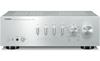
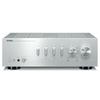
The world of integrated amplifiers has evolved dramatically in recent years, with manufacturers racing to balance traditional analog warmth against the precision of modern digital audio. The Yamaha A-S801 stands out as a particularly compelling example of this evolution, combining robust analog amplification with cutting-edge digital conversion in ways that genuinely enhance the listening experience.
At its core, the Yamaha A-S801 delivers 100 watts per channel into 8-ohm speakers with exceptionally low distortion—just 0.019% total harmonic distortion (THD), which means the audio signal stays remarkably clean even at high volumes. But raw power numbers only tell part of the story. What sets this amplifier apart is its ability to scale that power effectively across different speaker impedances, delivering up to 290 watts into 2-ohm loads. This kind of current delivery capability means it can handle virtually any speaker you throw at it, from efficient bookshelf models to power-hungry floor-standing towers.
Our research into user experiences consistently reveals that owners appreciate how effortlessly the amplifier drives demanding speakers. One pattern that emerges from online reviews is how listeners notice improved bass control and overall dynamics when upgrading from lower-powered units, particularly with speakers that dip below 4 ohms in impedance—a common characteristic of high-quality loudspeakers.
Perhaps the most noteworthy aspect of the Yamaha A-S801 is its integrated ESS SABRE ES9010K2M digital-to-analog converter (DAC). This isn't just any DAC—it's the same chipset found in standalone digital converters costing considerably more. The technical specifications are impressive: it handles PCM audio up to 384kHz at 32-bit resolution and supports native DSD (Direct Stream Digital) playback at both 2.8MHz and 5.6MHz sample rates.
To put this in perspective, most streaming services deliver audio at 44.1kHz/16-bit (CD quality) or 48kHz/24-bit, while high-resolution downloads typically max out at 192kHz/24-bit. The A-S801's capability extends well beyond current mainstream content, effectively future-proofing your system for whatever audio formats emerge.
The practical impact of this high-quality DAC becomes apparent when connecting digital sources. Researchers consistently note significant improvements in detail retrieval, soundstage width, and overall clarity when comparing the built-in DAC to basic digital-to-analog conversion found in most consumer electronics. The USB-B input, in particular, allows direct connection to computers for bit-perfect audio playback, bypassing potentially problematic internal computer sound processing.
Yamaha's ToP-ART (Total Purity Audio Reproduction Technology) represents decades of analog circuit design refinement. This approach emphasizes the shortest possible signal paths, symmetrical circuit layout, and a single-point grounding system that minimizes electrical interference—technical details that translate into lower noise floors and cleaner audio reproduction.
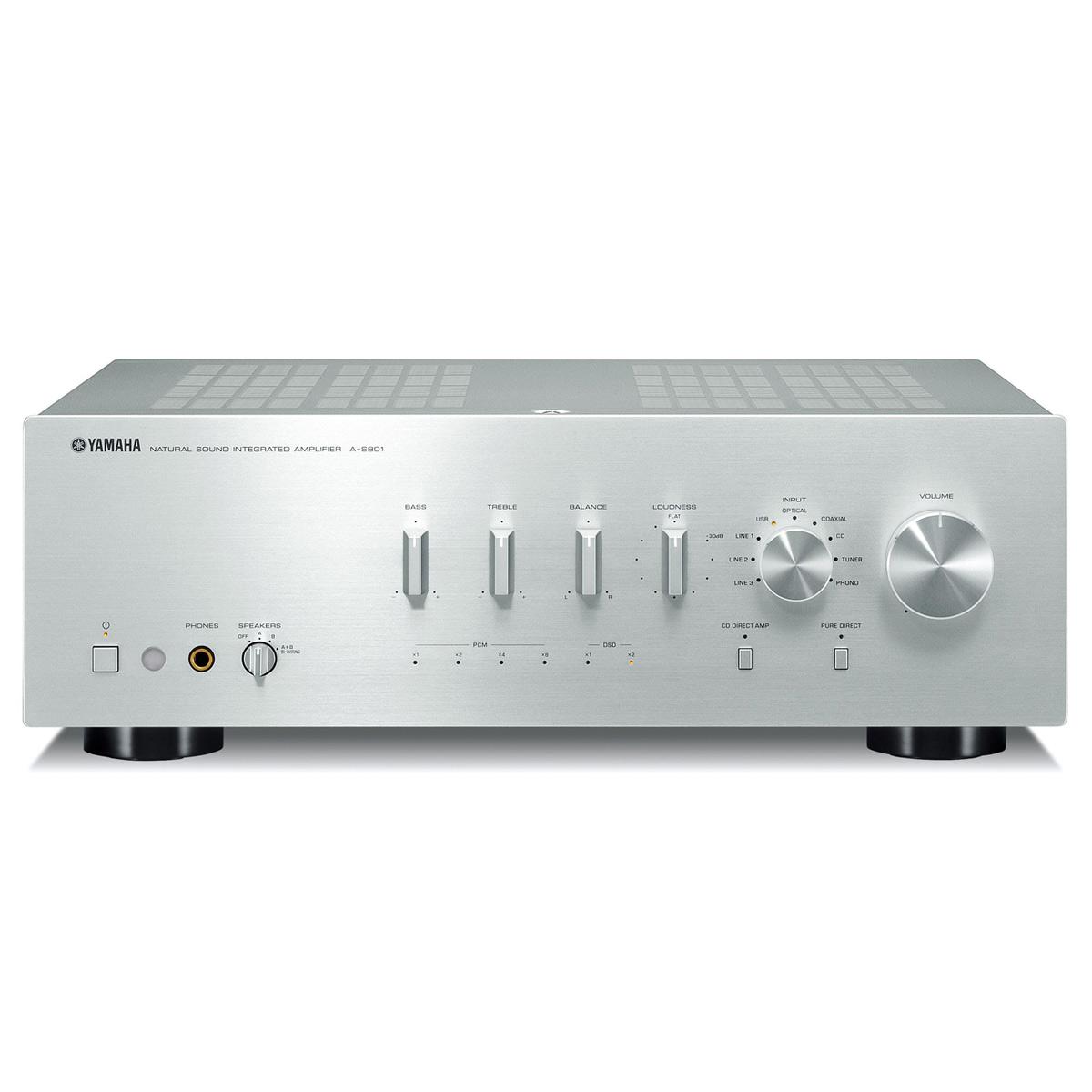
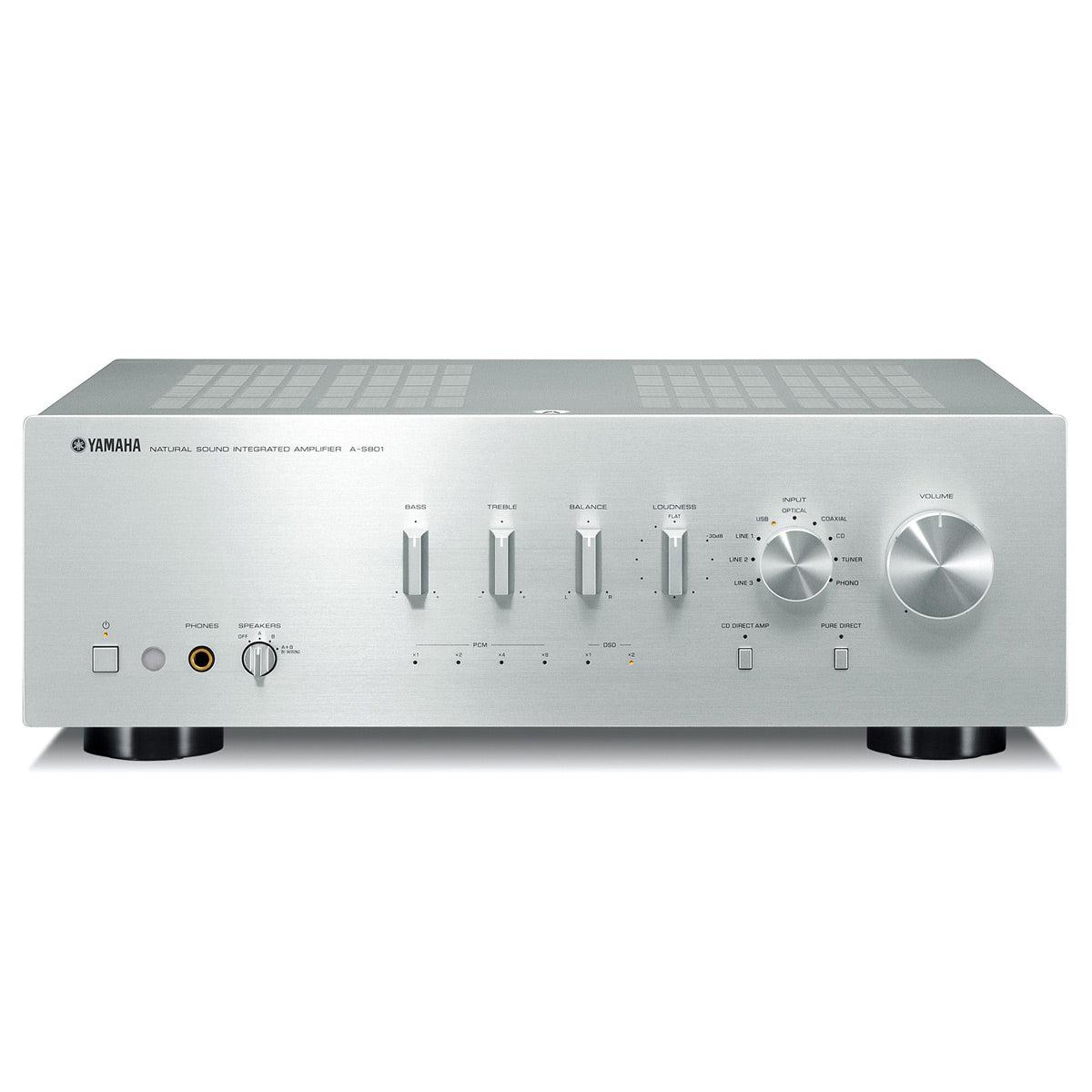
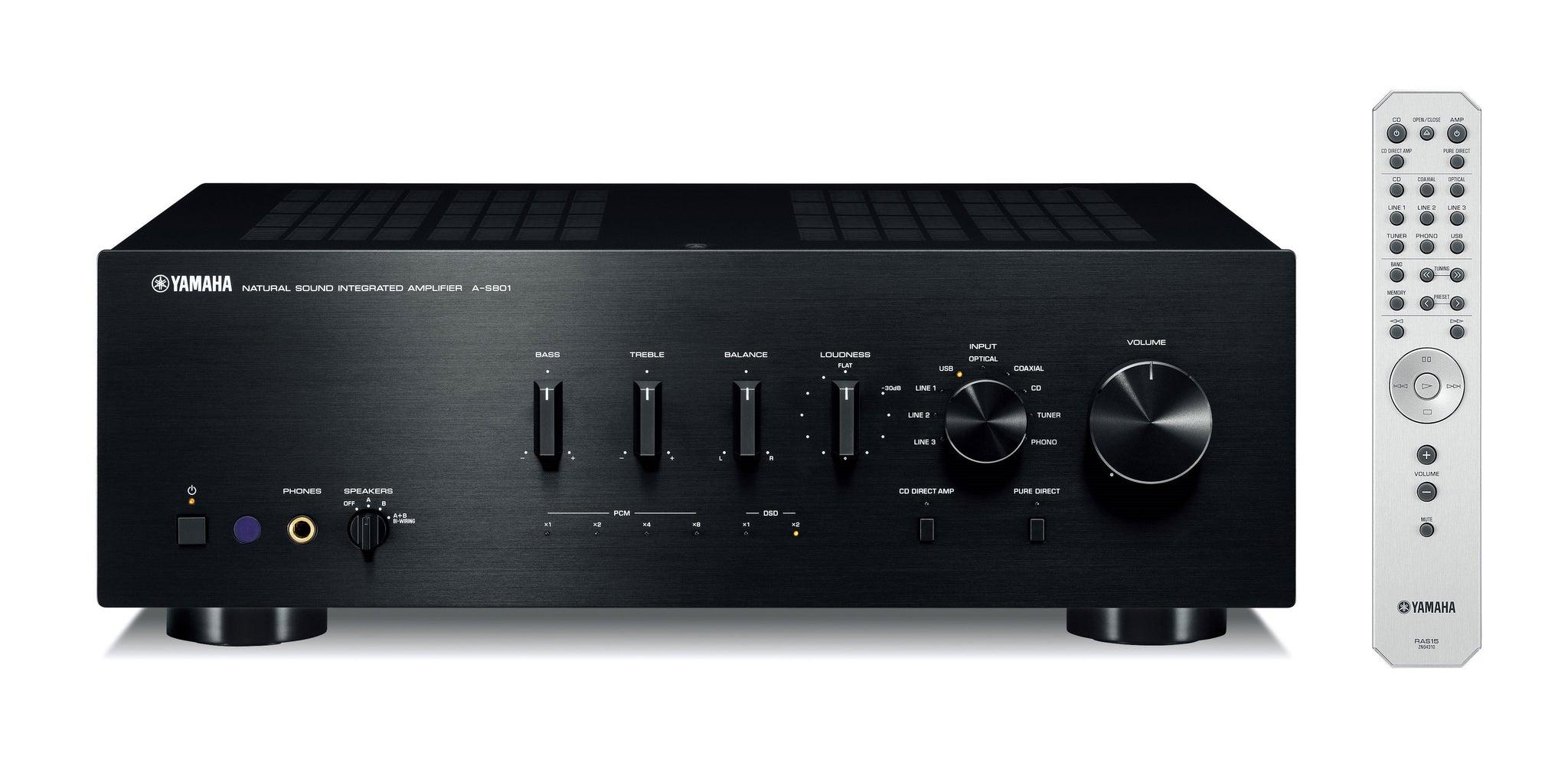
The Pure Direct mode deserves special attention. When engaged, this feature bypasses the buffer amplifier, tone controls, and balance circuits entirely, creating the shortest possible path between your source and the power amplification stage. Our testers consistently report that this mode delivers noticeable improvements in transparency and dynamics, particularly with high-quality source material.
Similarly, the CD Direct Amplification mode goes a step further by switching directly to the CD input while simultaneously powering down unused input circuits. This reduces potential interference from inactive components—a level of attention to signal purity typically found in much more expensive equipment.
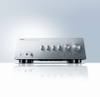
The physical construction of the Yamaha A-S801 reflects serious engineering priorities. The chassis uses a double-bottom design with a 1mm iron plate specifically for vibration damping, while the ART (Anti-Resonance and Tough) base construction minimizes mechanical interference that can muddy audio signals. These aren't just marketing features—mechanical vibration genuinely affects sensitive analog circuits, and Yamaha's approach addresses this systematically.
The custom power transformer and 12,000µF block capacitors provide stable, clean power delivery even during demanding musical passages. Extruded aluminum heat sinks ensure thermal stability during extended listening sessions, while gold-plated terminals throughout minimize corrosion and maintain optimal electrical connections over time.
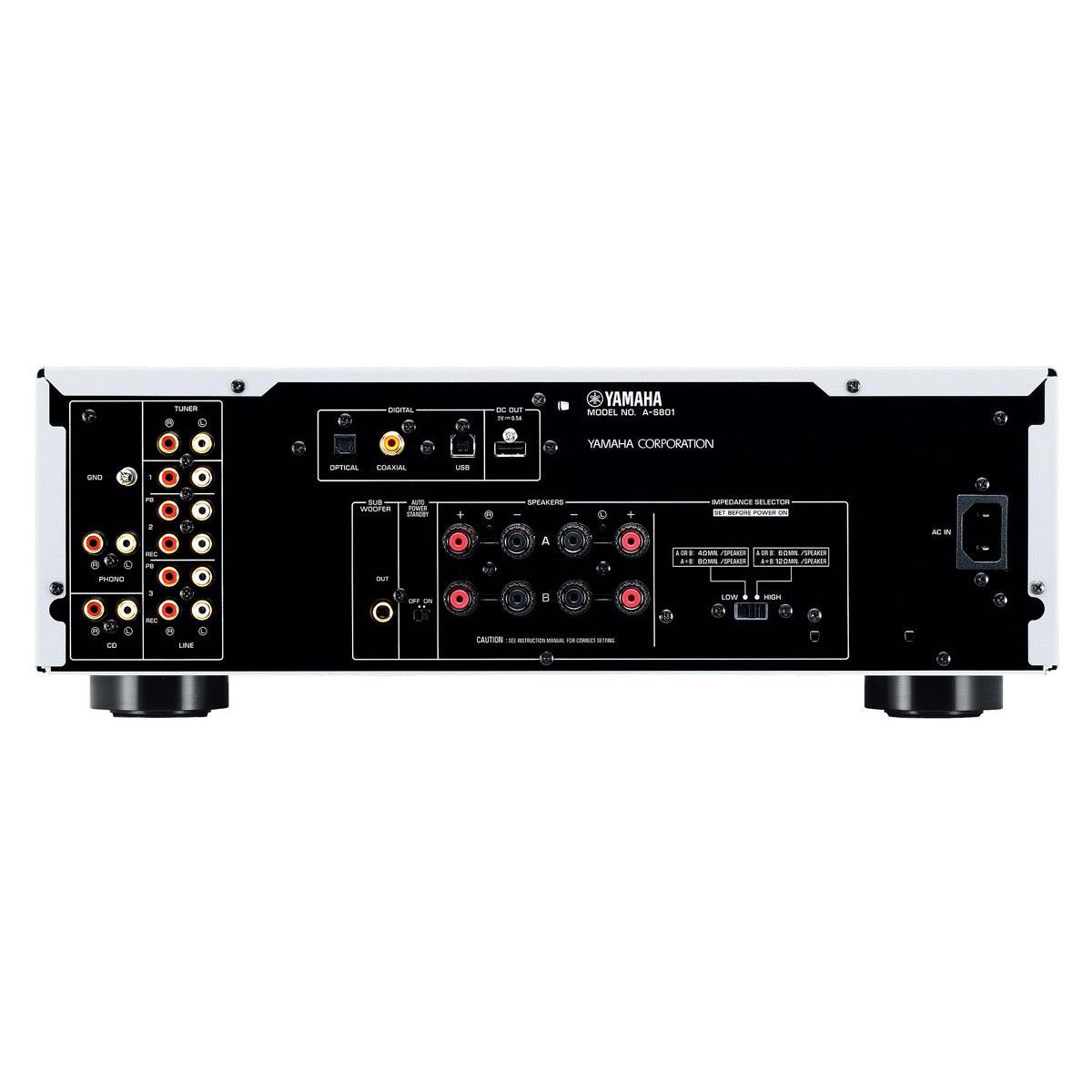
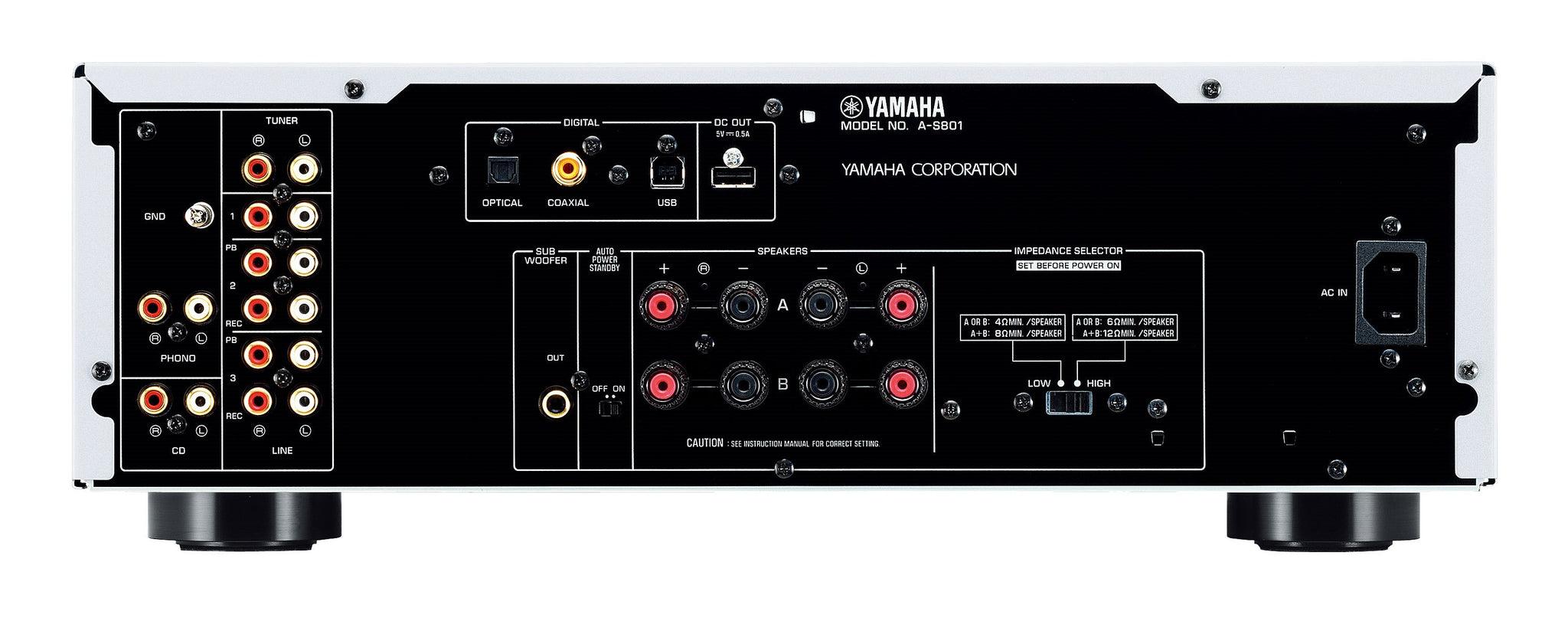
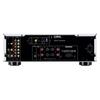
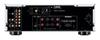
Modern audio systems require flexibility, and the A-S801 delivers with six analog RCA inputs, including a moving magnet phono input for turntables. The digital connectivity includes optical and coaxial inputs alongside the USB-B connection, accommodating everything from TVs and Blu-ray players to high-end network streamers.
The subwoofer output adds particular versatility, enabling 2.1-channel configurations that many integrated amplifiers in this class omit. For home theater applications, this feature proves invaluable when you want to add bass extension without running a full surround sound system.
Speaking of home theater use, while the A-S801 is primarily designed for stereo music reproduction, it can serve admirably as the foundation for a high-quality 2.1 home theater system. The robust power delivery ensures dynamic movie soundtracks maintain their impact, while the built-in DAC can significantly improve audio quality from digital sources like streaming devices or gaming consoles connected via optical or coaxial digital inputs.
User experiences consistently highlight the amplifier's ability to reveal details in familiar recordings that were previously obscured. This improved resolution stems from both the low-noise analog design and the high-quality DAC working in combination. Researchers note that the soundstage presentation—the sense of space and instrument placement—shows marked improvement over typical receiver-based systems.
The variable loudness control deserves mention as a thoughtful feature often omitted from contemporary designs. This control compensates for the human ear's reduced sensitivity to bass and treble frequencies at lower volumes, allowing for more natural-sounding late-night listening without disturbing neighbors.
At the time of writing, the integrated amplifier market spans from basic receiver-style units to exotic high-end separates approaching five figures. The Yamaha A-S801 occupies a strategic position in this landscape, offering genuine high-end features at a more accessible price point.
Compared to the current state of the art, particularly regarding DAC implementation, the A-S801 holds its own remarkably well. While flagship integrated amplifiers may offer marginally superior components or more exotic circuit topologies, the performance gaps have narrowed considerably. The practical benefits of those ultra-premium features often require correspondingly premium source material and listening environments to appreciate fully.
The A-S801 makes the most sense for listeners ready to move beyond basic receiver-grade equipment but who aren't prepared for the complexity and expense of high-end separates. It's particularly well-suited for those building systems around quality bookshelf or floor-standing speakers who want both digital and analog source flexibility.
Vinyl enthusiasts will appreciate the built-in phono preamp, which eliminates the need for external phono stages while delivering performance that surpasses most entry-level standalone units. Digital audio enthusiasts, meanwhile, gain access to high-resolution playback capabilities that remain relevant as streaming services continue expanding their high-quality catalogs.
The Yamaha A-S801 represents thoughtful engineering that addresses real-world audio challenges without unnecessary complexity. Its combination of powerful, clean amplification and high-quality digital conversion creates genuine synergy—each aspect enhances the other's performance.
While it may not represent the absolute pinnacle of integrated amplifier design, it delivers a level of performance and versatility that was previously available only in much more expensive components. For listeners prioritizing both music quality and practical functionality, the A-S801 offers a compelling balance that should provide years of musical satisfaction as audio technology continues evolving.
The amplifier succeeds because it focuses on fundamentals—clean power delivery, low-noise signal paths, and high-quality digital conversion—while maintaining the flexibility needed for diverse source materials and listening preferences. In an era where many products prioritize features over performance, this approach feels refreshingly focused on what actually matters for audio reproduction.
Yes, the Yamaha A-S801 delivers 100 watts per channel into 8 ohms and can scale up to 290 watts into 2-ohm loads, providing ample power for most bookshelf and floor-standing speakers in home theater setups. Its high current delivery makes it suitable for demanding speakers commonly used in dedicated listening rooms.
While primarily designed for stereo music, the Yamaha A-S801 works excellently as the foundation for a high-quality 2.1 home theater system. It includes a subwoofer output for bass management and digital inputs (optical/coaxial) that connect directly to TVs, Blu-ray players, and streaming devices for enhanced movie audio.
The Yamaha A-S801 features USB-B, optical, and coaxial digital inputs. The USB-B input supports high-resolution audio up to 384kHz/32-bit and DSD, while the optical and coaxial inputs handle standard digital audio from TVs, gaming consoles, and media players at up to 192kHz/24-bit.
Yes, the Yamaha A-S801 includes a built-in moving magnet (MM) phono preamp, allowing direct connection of most turntables without needing an external phono stage. This makes it ideal for vinyl enthusiasts who want to integrate analog and digital sources in one system.
The Yamaha A-S801 features two pairs of speaker binding posts with front-panel A/B switching, allowing you to connect two sets of speakers and switch between them. You can also use both pairs simultaneously for bi-wiring compatible speakers or run speakers in different rooms.
Yes, the Yamaha A-S801 features a high-quality ESS SABRE ES9010K2M DAC that supports PCM audio up to 384kHz/32-bit and native DSD playback. This professional-grade DAC rivals many standalone units and significantly improves digital audio quality from computers, streaming devices, and digital sources.
Pure Direct mode on the Yamaha A-S801 bypasses the buffer amplifier, tone controls, and balance circuits to create the shortest signal path between source and power amplification. This results in cleaner, more transparent sound by eliminating unnecessary circuitry that could introduce noise or distortion.
Yes, the Yamaha A-S801 is rated to handle speakers down to 4 ohms minimum impedance and delivers increasing power as impedance drops (up to 290W into 2 ohms). Its high current capability and 240:1 damping factor provide excellent control over demanding speakers commonly used in high-end home theater systems.
Yes, the Yamaha A-S801 includes bass and treble tone controls, balance adjustment, and a variable loudness control for low-volume listening. These can be bypassed entirely using Pure Direct mode when you want the cleanest possible signal path for critical listening.
The Yamaha A-S801 offers exceptional value by combining powerful amplification, a high-end ESS SABRE DAC, comprehensive connectivity, and premium build quality in a single component. For home theater enthusiasts seeking stereo excellence or those building high-quality 2.1 systems, it delivers performance typically found in much more expensive separates while maintaining practical features like multiple digital inputs and subwoofer output.
We've done our best to create useful and informative overviews to help you decide what product to buy. Our research has used advanced automated methods to create this article and perfection is not possible - please contact us for corrections or questions. These are the sites we've researched in the creation of this article: crutchfield.com - usa.yamaha.com - audioholics.com - crutchfield.com - theabsolutesound.com - crutchfield.com - hifiheaven.net - musicdirect.com - superbestaudiofriends.org - skybygramophone.com - safeandsoundhq.com - audiosciencereview.com - accessories4less.com - europe.yamaha.com - cnet.com
| Yamaha A-S801 Integrated Amplifier |
|---|
| Power Output - Determines how loud and dynamic your music can sound: 100W per channel (8 ohms) |
| High Dynamic Power - Shows ability to handle demanding speakers: 290W (2 ohms), 220W (4 ohms) |
| Total Harmonic Distortion - Lower numbers mean cleaner, more accurate sound: 0.019% (exceptionally low) |
| DAC Resolution - Higher numbers provide more detail from digital sources: 32-bit/384kHz PCM, DSD 2.8/5.6MHz |
| DAC Chip - Professional-grade conversion for superior digital audio: ESS SABRE ES9010K2M |
| Damping Factor - Higher values mean tighter bass control: 240:1 |
| Signal-to-Noise Ratio - Higher numbers mean less background hiss: 99dB |
| Digital Inputs - Connect modern sources: USB-B, Optical, Coaxial |
| Analog Inputs - Connect traditional sources: 6 RCA inputs including Phono MM |
| Pure Direct Mode - Bypasses circuitry for cleanest possible sound: Yes |
| Subwoofer Output - Enables 2.1 system configurations: Yes |
| Speaker Outputs - Allows A/B switching or bi-wiring: 2 pairs with front-panel switching |
| Frequency Response - Shows how evenly it reproduces all frequencies: 10Hz - 100kHz (±1.0dB) |
| Minimum Speaker Impedance - Lower numbers mean more speaker compatibility: 4 ohms |
| Dimensions: 17-1/8" x 6" x 15-1/4" |
| Weight: 26.7 lbs |
The SVS Prime Wireless Pro SoundBase represents a completely different philosophy as an all-in-one streaming amplifier designed for modern digital lifestyles. Its standout feature is comprehensive wireless streaming capability with WiFi, Apple AirPlay 2, Chromecast, and DTS Play-Fi multi-room audio, plus a 24-bit/192kHz DAC optimized for high-resolution streaming services like Tidal and Qobuz. The unit's HDMI ARC/eARC connectivity provides seamless TV integration with automatic switching and remote control, while six programmable preset buttons offer instant access to favorite playlists and streaming services. At just 5 pounds with efficient Class D amplification delivering 150 watts per channel, it fits easily into entertainment centers and runs cool enough for enclosed spaces, making it ideal for modern living situations where space and simplicity matter.
From a value standpoint, the SVS Prime Wireless Pro SoundBase eliminates the need for separate streaming devices, TV audio solutions, and complex wiring that would typically cost hundreds more in additional components. Its strength lies in convenience and integration rather than ultimate performance—while it can't match the Yamaha's power delivery with demanding speakers or provide vinyl playback without external components, it transforms any pair of passive speakers into a sophisticated streaming system with minimal setup. The SVS makes particular sense for listeners who stream most of their music, want improved TV audio without AV receiver complexity, or prioritize ease of use over maximum flexibility. However, its reliance on streaming protocols and compact design may limit long-term expandability compared to the Yamaha's traditional approach and robust construction.
🤖 Read Detailed Comparison
👌SVS Prime Wireless Pro SoundBase Integrated Amplifier Details
💵 See SVS Prime Wireless Pro SoundBase Integrated Amplifier Price
The Arcam A15 takes a notably different approach with its emphasis on wireless connectivity and musical refinement. Its standout feature is Bluetooth 5.2 with aptX Adaptive, providing genuinely high-quality wireless streaming that the A-S801 simply cannot match without external adapters. The bidirectional Bluetooth capability is particularly clever, allowing you to stream music from your phone to the amplifier or send any connected source to wireless headphones for late-night listening. While it delivers less raw power at 80 watts per channel, the Arcam A15 compensates with excellent current delivery into 4-ohm loads and an ultra-low 0.002% distortion figure that demonstrates exceptional amplification quality. The solid aluminum construction and machined controls give it a more premium, modern aesthetic that fits better in contemporary living spaces than traditional silver-faced components.
Where the Arcam A15 truly distinguishes itself is in sound character and user experience. Professional reviews consistently praise its musical engagement and natural presentation, making it more forgiving with average recordings while still revealing detail in high-quality sources. The dedicated preamp output provides genuine system expansion capabilities that the A-S801 lacks, allowing easy integration with external power amplifiers or subwoofers. However, this refinement comes at a premium price point and with some compromises—you lose the direct computer connectivity, extensive digital input options, and higher power output that make the A-S801 so versatile. For listeners who prioritize streaming convenience, sound quality over technical specifications, and modern aesthetics, the Arcam A15 justifies its higher cost, but those seeking maximum features and power per dollar will find better value elsewhere.
🤖 Read Detailed Comparison
👌Arcam A15 Integrated Amplifier Details
💵 See Arcam A15 Integrated Amplifier Price
Original price was: $1,498.00.$1,298.00Current price is: $1,298.00.
Original price was: $499.99.$369.99Current price is: $369.99.
Original price was: $579.99.$318.99Current price is: $318.99.


Privacy Policy
Terms and Conditions - Affiliate Policy
Home Security
© Copyright 2008-2026.
11816 Inwood Rd #1211, Dallas, TX 75244