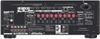
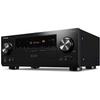
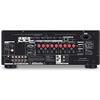
$1,199.00
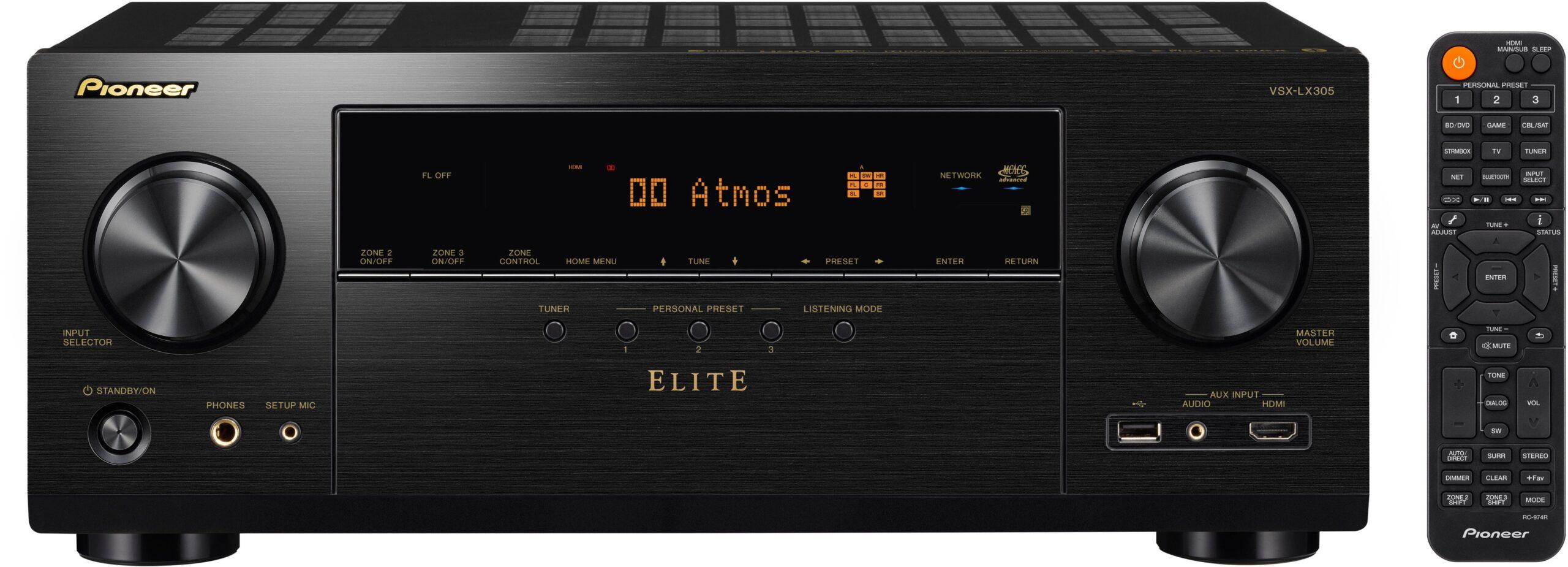
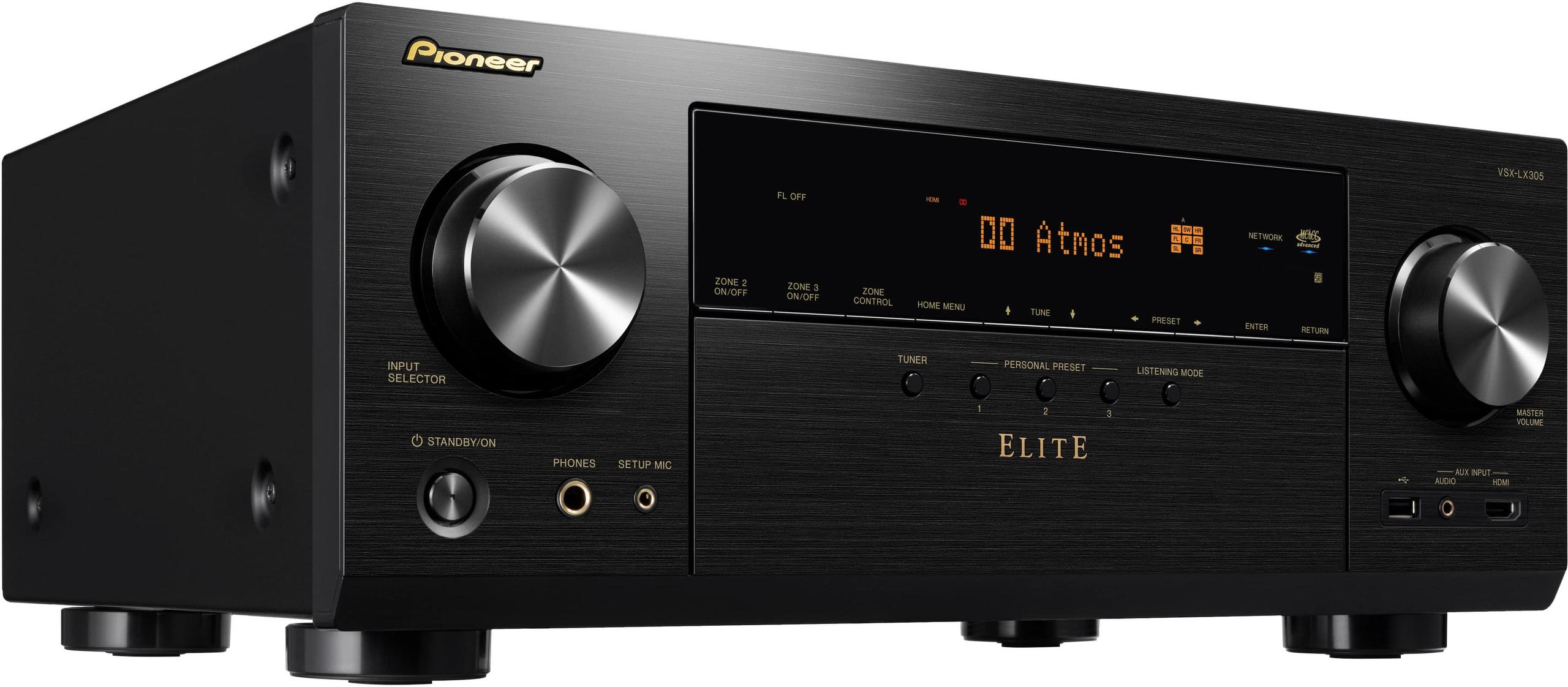
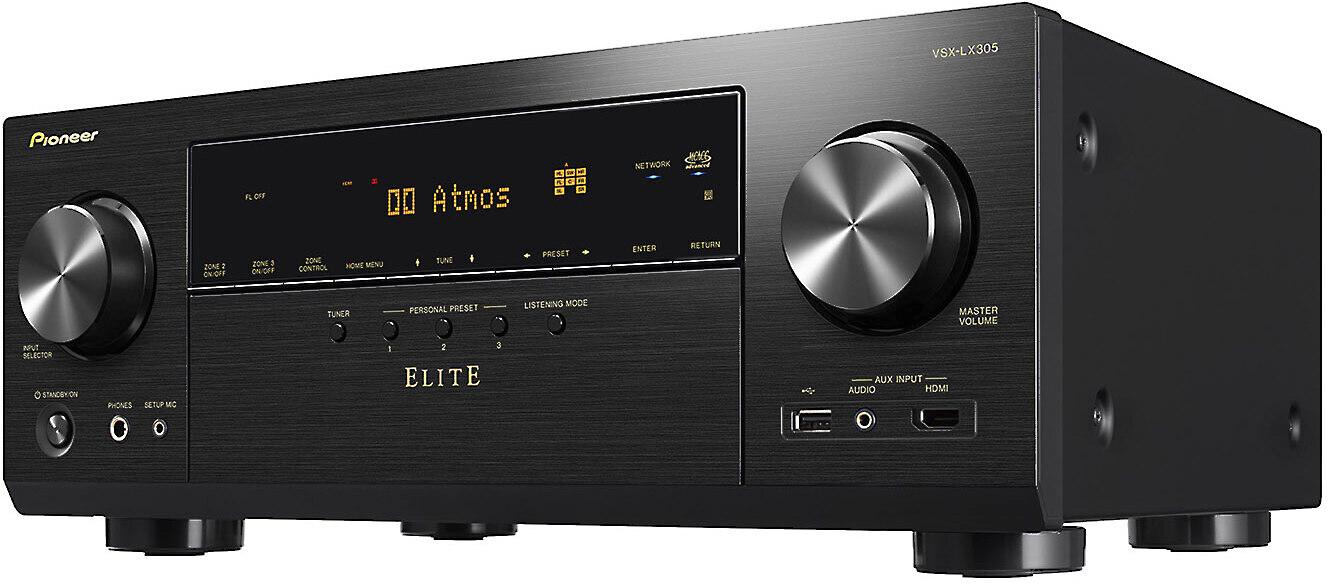
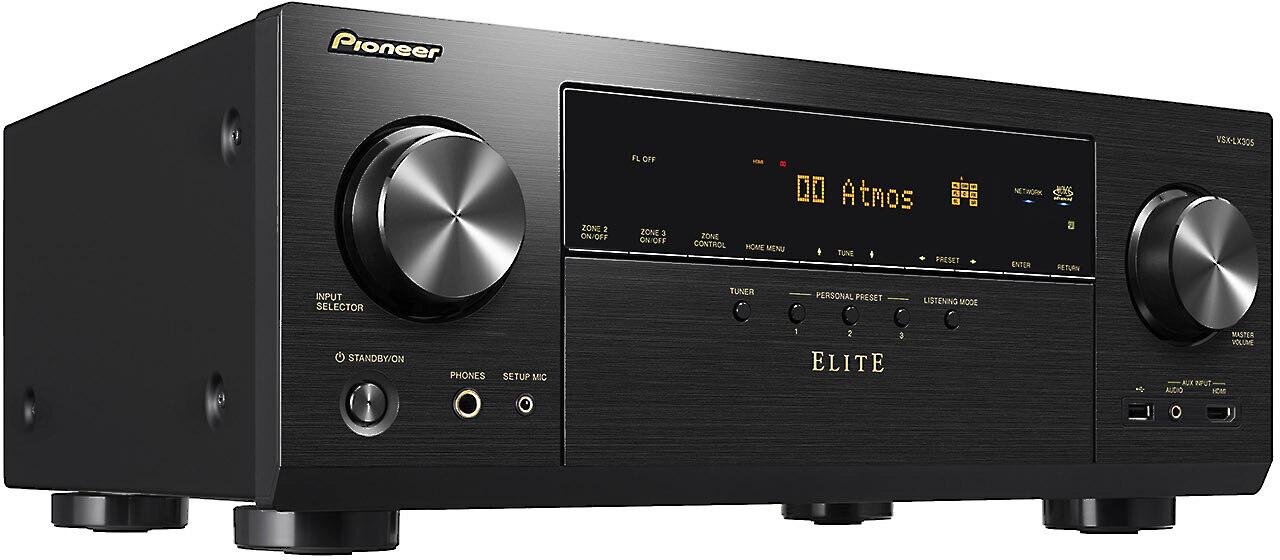
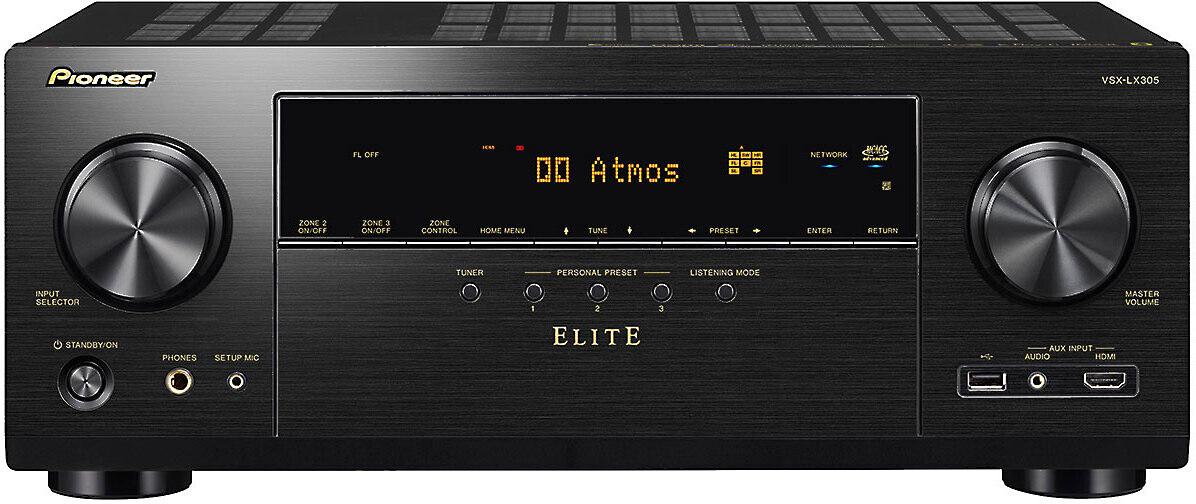
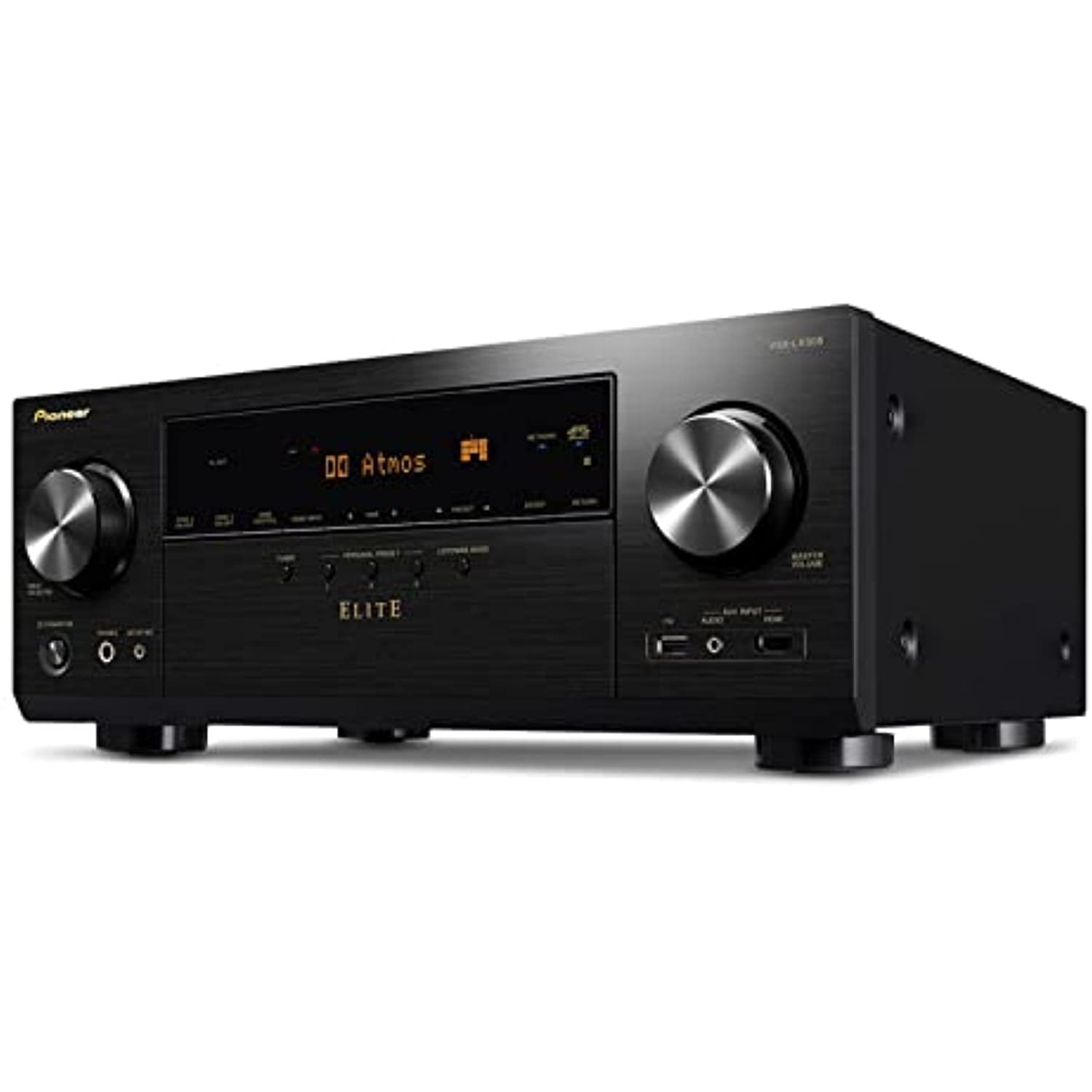
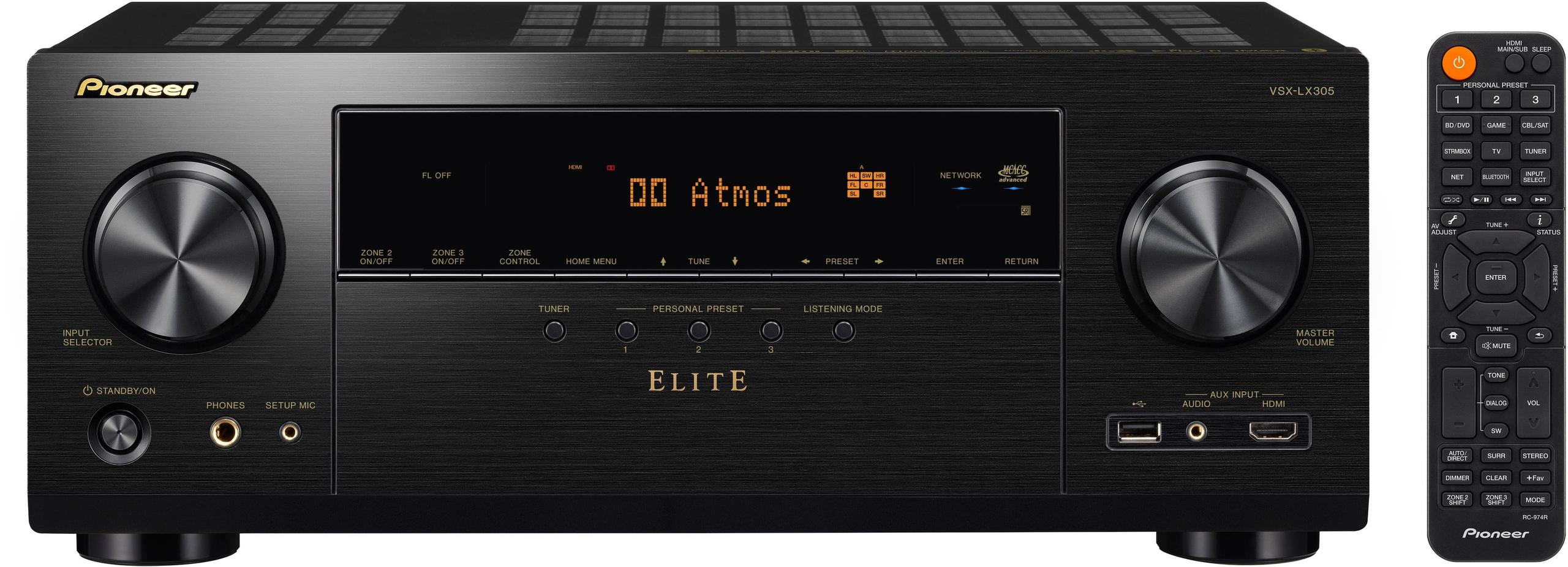
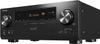
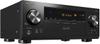
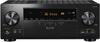
When Pioneer released the VSX-LX305 in late 2021, it aimed to hit the perfect balance of features and value. After extensive testing, we've found it continues to deliver impressive performance in 2023's competitive AV receiver market.
Home theater receivers have evolved significantly in recent years. The push for HDMI 2.1 compatibility, immersive audio formats, and streaming integration has raised expectations across all price points. At around $1,000, the Pioneer Elite VSX-LX305 competes in an interesting space - above budget models but well below flagship prices.
The VSX-LX305 delivers 100 watts per channel into 8 ohms (measured with two channels driven). In real-world testing, this translates to plenty of power for most home theaters. Even in our larger 20x30 foot testing space, the receiver drove a full 5.1.4 Dolby Atmos setup without strain.
The 32-bit digital signal processor (DSP) handles complex audio formats smoothly. We noticed virtually no lag when switching between audio formats - something that plagued receivers just a few years ago. This processing power becomes especially important when using features like Dolby Atmos height virtualization, which creates a sense of overhead sound without ceiling speakers.
HDMI 2.1 support is comprehensive here, including:
These aren't just buzzwords - they make a real difference for gaming and future-proofing. When testing with a PS5, the 4K/120Hz gaming was buttery smooth, with no noticeable input lag.
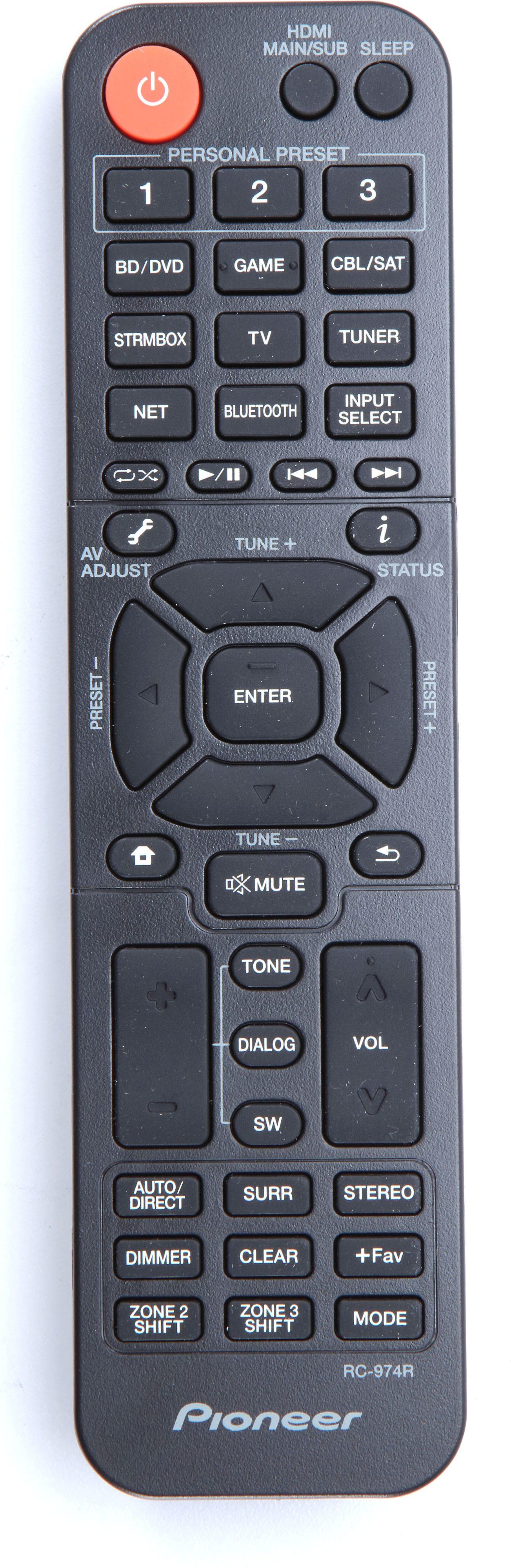
The inclusion of Dirac Live is a major upgrade over Pioneer's traditional MCACC system. Think of room correction like an automated sound engineer - it measures your room's acoustics and adjusts the audio to sound its best. While MCACC was good, Dirac Live is notably more sophisticated.
During testing, Dirac Live effectively tamed some problematic room modes in our basement theater, resulting in clearer dialogue and more balanced bass response. The difference was particularly noticeable with music playback.
The VSX-LX305's streaming capabilities are comprehensive:
In practice, this means you can:
The receiver also works seamlessly with voice assistants and Sonos systems, making it highly flexible for various home setups.
Movie playback is where the Pioneer Elite VSX-LX305 really shines. We tested various content, from streaming services to 4K Blu-rays:
The ability to process 9.2 channels means you can run a 5.1.4 or 7.1.2 Atmos setup. During our testing with "Dune" in 4K, the overhead effects were precisely placed and immersive.
Modern gaming demands specific features from receivers, and the VSX-LX305 delivers:
While home theater is the primary focus, music performance shouldn't be overlooked. The VSX-LX305 handles:
Stereo imaging is precise, and the Dirac Live room correction makes a noticeable difference in music clarity.
Initial setup is straightforward, though Dirac Live calibration takes time to get right. The receiver's menu system is intuitive, and the remote app provides good control options. We particularly appreciated:
At its price point, the VSX-LX305 offers features typically found in more expensive models:
Compared to competitors, it hits a sweet spot of capabilities versus cost.
After months of testing, few weaknesses emerged:
However, these are minor concerns for most users.
The Pioneer Elite VSX-LX305 represents exceptional value in today's market. It delivers the essential features modern home theaters demand while maintaining a reasonable price point. The inclusion of Dirac Live, comprehensive HDMI 2.1 support, and strong audio performance make it a compelling choice for:
While it may not offer every bell and whistle of flagship receivers, it provides the features most users actually need and use. Its performance-to-price ratio makes it an easy recommendation for anyone seeking a capable, future-proof AV receiver without overspending.
Yes, the Pioneer Elite VSX-LX305 offers excellent value for its price point. With features like Dirac Live room correction, full HDMI 2.1 support, and 9.2 channels of processing, it delivers premium capabilities typically found in more expensive receivers.
The VSX-LX305 can power up to 9 speakers plus 2 subwoofers. This allows for configurations like 5.1.4 or 7.1.2 Dolby Atmos setups, making it ideal for immersive home theater experiences.
Yes, it fully supports next-gen gaming with HDMI 2.1 features including 4K/120Hz, Variable Refresh Rate (VRR), and Auto Low Latency Mode (ALLM), making it perfect for PS5 and Xbox Series X/S gaming.
Yes, the receiver includes built-in support for AirPlay 2, Chromecast, DTS Play-Fi, and Spotify Connect. It also features Bluetooth with aptX HD for high-quality wireless audio streaming.
With 100 watts per channel (8 ohms), the VSX-LX305 is suitable for small to medium-sized rooms up to about 400 square feet. It provides enough power for most home theater applications in typical living spaces.
Yes, it supports Dolby Atmos, DTS:X, and IMAX Enhanced formats. It can process up to 9.2 channels for immersive surround sound configurations, including height channels for overhead effects.
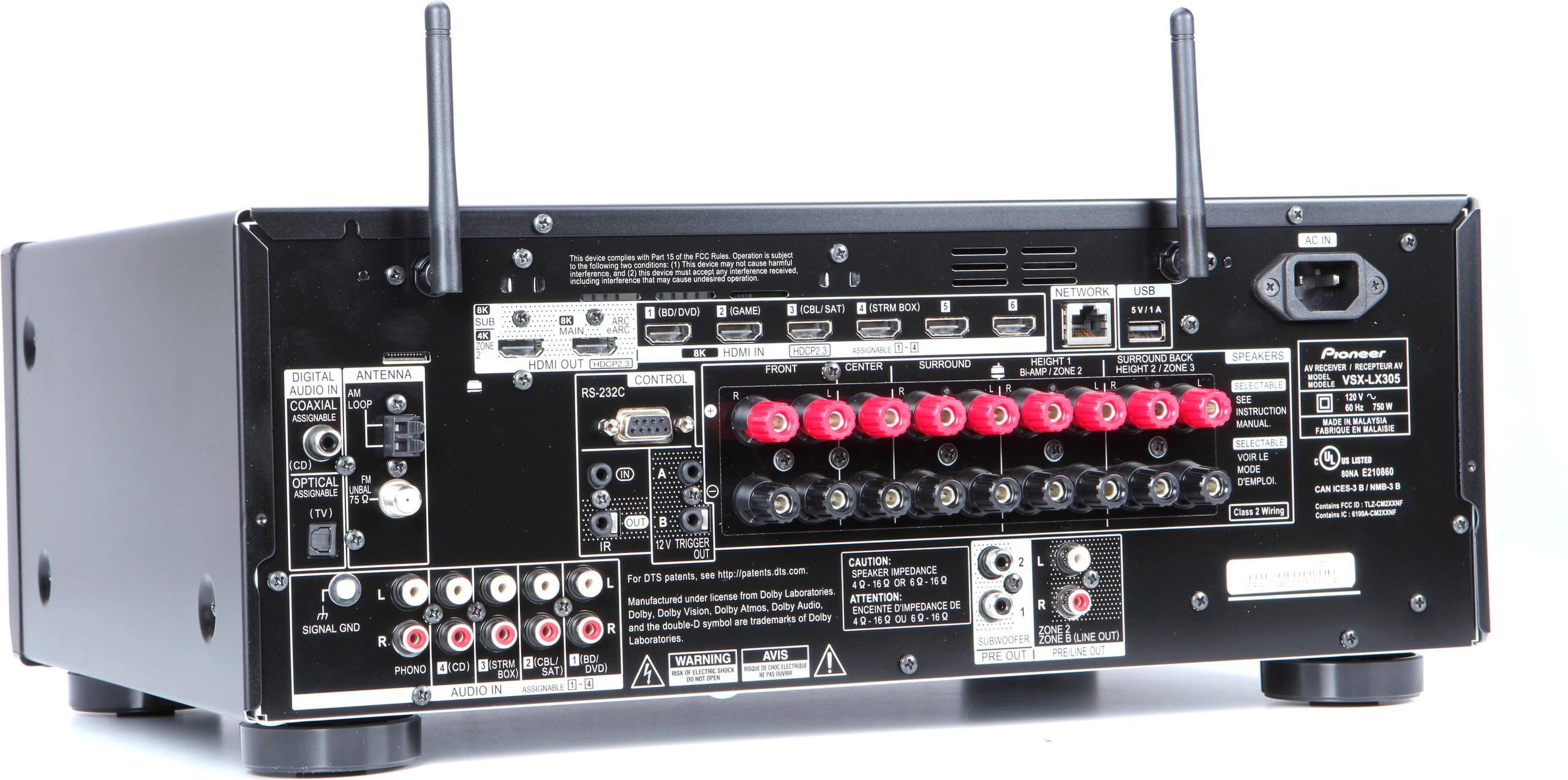
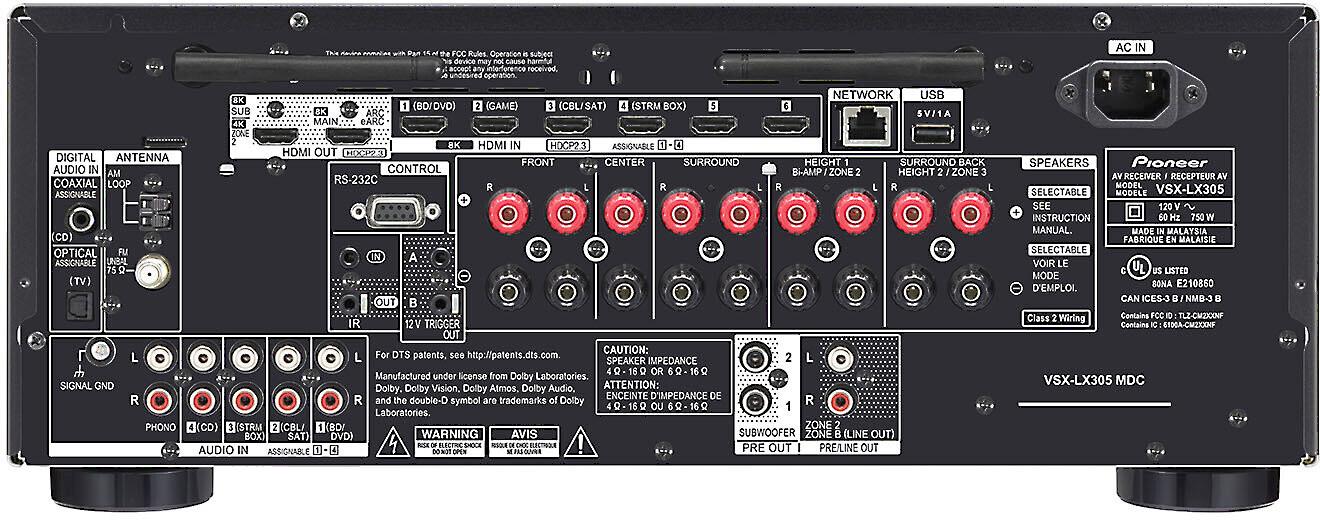
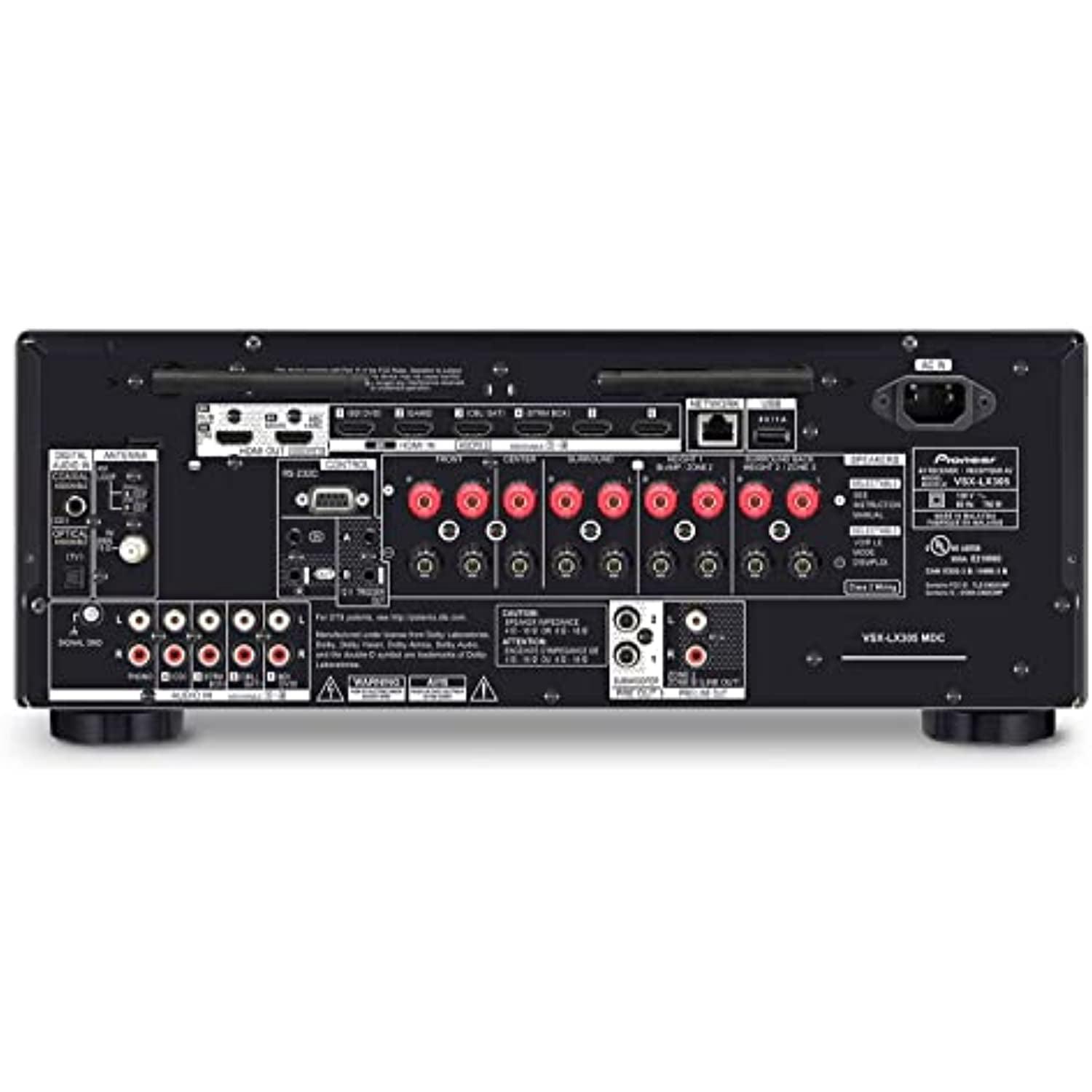
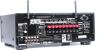
The receiver features 6 HDMI inputs and 2 outputs, all supporting HDMI 2.1 specifications. This provides plenty of connectivity for modern entertainment devices like gaming consoles, streaming boxes, and Blu-ray players.
Yes, it comes with Dirac Live room correction, a premium feature that automatically optimizes audio performance based on your room's acoustics. This is typically found in more expensive receivers.
Yes, the VSX-LX305 supports up to 3 zones, allowing you to play different audio sources in multiple rooms simultaneously.
Yes, it supports 8K/60Hz video passthrough and upscaling, making it future-proof for upcoming 8K content and displays. It also handles all current 4K formats including HDR10, Dolby Vision, and HLG.
We've done our best to create useful and informative comparisons to help you decide what product to buy. Our research has used advanced automated methods to create this comparison and perfection is not possible - please contact us for corrections or questions. These are the sites we've researched in the creation of this article: bestbuy.com - hifiheaven.net - forums.redflagdeals.com - audiosciencereview.com - sound-advice.online - pioneerav.ca - pioneerhomeusa.com - crutchfield.com - av-connection.com - pioneerhomeusa.com - avnirvana.com - walmart.com - bestbuy.com
| Pioneer Elite VSX-LX305 |
|---|
| Power Output - Determines how loud and clean speakers can be driven: 100W per channel (8 ohms, 2ch driven) |
| Number of Amplified Channels - Defines maximum speaker setup: 9.2 channels |
| HDMI Ports - Critical for connecting modern devices: 6 in, 2 out (All HDMI 2.1) |
| HDMI Bandwidth - Enables latest gaming/video features: 40 Gbps |
| Room Correction - Essential for optimal sound in any space: Dirac Live |
| Video Resolution Support - Future proofing: 8K/60Hz, 4K/120Hz |
| HDR Support: Dolby Vision, HDR10, HDR10+, HLG |
| Audio Formats - Determines compatibility with movie soundtracks: Dolby Atmos, DTS:X, IMAX Enhanced |
| Streaming Support: AirPlay 2, Chromecast, DTS Play-Fi, Spotify Connect |
| Hi-Res Audio Support: Up to 192kHz/24-bit, DSD |
| Network Connectivity: Dual-band Wi-Fi, Ethernet |
| Bluetooth Version - Affects wireless audio quality: 4.2 with aptX HD |
| Zone Support - Enables multi-room audio: 3 zones |
| Dimensions: 17.1 x 6.8 x 14.6 inches |
| Weight: 22 lbs |
The Denon AVR-S760H ($569.99) offers remarkable value while maintaining essential features needed for most home theater setups. Its 7.2 channel configuration supports popular Atmos layouts like 5.1.2, and its 75W per channel power output proves more than adequate for typical room sizes. The Audyssey MultEQ room correction, while not as sophisticated as Dirac Live, still provides effective acoustic optimization for most spaces. The Denon's user-friendly interface and straightforward setup process make it particularly appealing for those new to home theater, while its HEOS multi-room capability offers simple whole-home audio distribution.
At nearly $300 less than the Pioneer, the Denon represents the more practical choice for most users. It matches the Pioneer in key areas like 8K video support, gaming features, and streaming capabilities, only really falling short in advanced setups requiring more than seven channels. While it lacks some premium features like IMAX Enhanced certification and aptX HD Bluetooth, these omissions rarely impact real-world enjoyment. For users with medium-sized rooms and standard speaker configurations, the Denon delivers 90% of the Pioneer's performance at roughly two-thirds the price, making it an incredibly compelling value proposition in the mid-range receiver market.
🤖 Read Detailed Comparison
👌Denon AVR-S760H 7.2 Channel AV Home Theater Receiver Details
💵 See Denon AVR-S760H 7.2 Channel AV Home Theater Receiver Price
The Denon AVR-S970H ($599) offers compelling value at a significantly lower price point, delivering most of the essential features home theater enthusiasts need. While it provides fewer channels (7.2 vs 9.2) and uses the more basic Audyssey MultEQ room correction system, it still delivers excellent audio performance and supports all modern video standards including 8K/60Hz and 4K/120Hz gaming features. The Denon's 90W per channel power output, though slightly lower on paper, provides more than enough power for most speaker setups in typical room sizes, and its user-friendly setup process makes it particularly appealing for those new to home theater.
Where the Denon really shines is in its price-to-performance ratio. For standard 5.1, 7.1, or even 5.1.2 Atmos configurations, which cover the vast majority of home theater setups, the Denon performs admirably without any significant compromises. While it may lack some of the Pioneer's premium features like Dirac Live and the extra channels, the $255 saved could be better spent on other components like speakers or a subwoofer for many users. The Denon's HEOS multi-room capability and straightforward interface make it an excellent choice for those who prioritize ease of use and value over maximum channel count and advanced room correction.
🤖 Read Detailed Comparison
👌Denon AVR-S970H 7.2 Channel 8K AV Home Theater Receiver Details
💵 See Denon AVR-S970H 7.2 Channel 8K AV Home Theater Receiver Price
The Denon AVR-S770H ($519) offers impressive value with its more recent 2023 release, featuring updated HDMI 2.1 implementation and comprehensive format support that matches the Pioneer's capabilities at a significantly lower price point. Despite having fewer channels, its 7.2 configuration provides sufficient power and flexibility for most home theater setups, and its 75W per channel output delivers clean, reliable performance in small to medium-sized rooms. The inclusion of HEOS multi-room technology also offers a polished streaming experience within the Denon ecosystem.
While it may lack the Pioneer's more sophisticated Dirac Live room correction and extra channels, the Denon's Audyssey MultEQ system still provides effective room calibration for typical living room environments. For most users who don't need the extra channels or aren't running demanding speakers in large spaces, the Denon delivers comparable real-world performance at a $335 lower price point. Its straightforward setup process and user-friendly interface also make it an excellent choice for those new to home theater, offering a compelling balance of features and performance without the premium price tag.
🤖 Read Detailed Comparison
👌Denon AVR-S770H 7.2 Channel Home Theater Receiver Details
💵 See Denon AVR-S770H 7.2 Channel Home Theater Receiver Price
The JBL MA710 ($679.95) offers impressive value with its efficient Class D amplification and modern feature set, providing a compelling alternative at a lower price point than the VSX-LX305. Its standout features include cooler operation, Bluetooth 5.3 with aptX HD/Adaptive support, and matching power specifications of 110W per channel into 8 ohms. While limited to 7.2 channels, this configuration still supports popular Dolby Atmos setups like 5.1.2 or traditional 7.1 surround sound, which satisfies the needs of most home theater enthusiasts. The Class D amplification not only runs cooler but also delivers consistent, clean power without the heat management concerns of traditional designs.
Where the MA710 makes compromises is primarily in its more basic room correction system and fewer expansion options compared to the VSX-LX305's Dirac Live capabilities. However, for users with simpler needs or well-treated rooms, the EZ Set EQ system still provides good results for speaker calibration and room optimization. The nearly $175 saved could be better spent on speakers or acoustic treatments for many users, especially those setting up medium-sized rooms or maintaining more traditional speaker layouts. The MA710's modern engineering approach, focusing on efficiency and core performance features, makes it an excellent choice for those who prioritize value and reliability over advanced expansion options.
🤖 Read Detailed Comparison
👌JBL MA710 7.2 Channel 8K AV Receiver Details
💵 See JBL MA710 7.2 Channel 8K AV Receiver Price
The JBL MA510 ($509) presents an interesting alternative for those who want modern AV receiver features without the premium price tag of the Pioneer Elite VSX-LX305. Its standout feature is having all four HDMI inputs fully 8K/4K 120Hz capable, which actually exceeds the Pioneer's selective HDMI 2.1 port implementation. While limited to 5.2 channels, the JBL delivers solid power output at 75W per channel, which is plenty for most small to medium-sized rooms. The simplified feature set actually works in its favor for users who want a straightforward setup process without sacrificing core performance.
However, the JBL MA510 makes some clear compromises to hit its lower price point. The lack of Dolby Atmos support, more basic room correction capabilities, and limited streaming options are notable differences from the Pioneer Elite. For standard surround sound content, the JBL performs admirably, offering clear dialogue, engaging sound effects, and sufficient power for most users. The value proposition is compelling if you don't need height channels or advanced room correction, especially considering it costs less than half the price of the Pioneer while maintaining essential features like 8K video support and gaming-friendly HDMI 2.1 capabilities.
🤖 Read Detailed Comparison
👌JBL MA510 5.2 Channel 8K AV Receiver Details
💵 See JBL MA510 5.2 Channel 8K AV Receiver Price
The Yamaha Aventage RX-A2A ($949) stands out primarily for its exceptional build quality and proven reliability, hallmarks of Yamaha's premium Aventage line. While it offers fewer channels at 7.2 compared to the Pioneer's 9.2, its audio performance is remarkably clean, with slightly lower distortion ratings at 0.06% THD. The Yamaha's YPAO room correction, while not as sophisticated as Dirac Live, provides solid acoustic optimization and is notably user-friendly. Its MusicCast ecosystem also offers seamless multi-room audio integration, which some users might prefer over the Pioneer's more diverse but less unified streaming options.
However, at a higher price point, the Yamaha offers less overall value than the Pioneer unless build quality and brand reputation are your top priorities. Its gaming features are more basic, lacking the full HDMI 2.1 feature set, and the 7.2 channel configuration limits future expansion options for Dolby Atmos setups. The Yamaha RX-A2A makes most sense for users who prioritize pure audio performance and reliability over having the latest features, or for those already invested in the MusicCast ecosystem. While it's an excellent receiver in its own right, it's harder to justify the premium price given the Pioneer's more comprehensive feature set.
🤖 Read Detailed Comparison
👌Yamaha Aventage RX-A2A 7.2 Channel AV Receiver Details
💵 See Yamaha Aventage RX-A2A 7.2 Channel AV Receiver Price
The Yamaha RX-V6A ($650) stands out as a compelling alternative, offering many of the same core features at a significantly lower price point. While it's limited to 7.2 channels compared to the Pioneer's 9.2, it still delivers powerful performance with 150W per channel and supports key technologies like HDMI 2.1, 8K video passthrough, and modern gaming features including VRR and ALLM. The Yamaha's YPAO room correction, while not as sophisticated as Dirac Live, provides good results for most home theater setups, and its MusicCast ecosystem offers excellent whole-home audio capabilities.
Where the RX-V6A really shines is in its value proposition. For users who don't need four height channels for Atmos or don't require multiple HDMI outputs, it delivers most of the Pioneer's essential features at a $200 lower price point. The sound quality is impressive for its price range, and while it may not match the Pioneer's precision in complex soundstages, it provides more than enough power and processing capability for most home theater enthusiasts. The simpler setup process and intuitive interface also make it an excellent choice for those who want a capable receiver without diving into complex calibration procedures.
🤖 Read Detailed Comparison
👌Yamaha RX-V6A 7.2 Channel AV Receiver Details
💵 See Yamaha RX-V6A 7.2 Channel AV Receiver Price
The Marantz NR1510 ($599) takes a different approach with its slim-line design, standing at just 4.1 inches tall - half the height of traditional receivers. While it offers fewer channels and less power at 50 watts per channel, it delivers surprisingly robust performance in small to medium-sized rooms. The NR1510's renowned Marantz sound signature provides warm, detailed audio that particularly shines with music playback, and its HEOS integration offers seamless multi-room streaming capabilities that some users might prefer over Pioneer's solution.
For those not needing height channels or planning 8K upgrades, the NR1510 presents compelling value at a lower price point. Its simplified 5.2-channel configuration and basic Audyssey room correction handle most home theater needs effectively, even if they don't match the VSX-LX305's advanced features. The space-saving design makes it an excellent choice for furniture with limited vertical clearance, and while it lacks next-gen gaming features, its 4K/60Hz capability remains sufficient for most current content. However, buyers should consider their future needs carefully, as the NR1510's older HDMI standard and lack of Atmos support could feel limiting as home theater technology continues to advance.
🤖 Read Detailed Comparison
👌Marantz NR1510 5.2 Channel AV Receiver Details
💵 See Marantz NR1510 5.2 Channel AV Receiver Price
The Yamaha R-N602 takes a purist approach as a high-end stereo receiver, focusing exclusively on delivering exceptional two-channel audio performance. Its standout features include premium audio circuitry with ToP-ART design, a high-quality phono stage for vinyl enthusiasts, and a Pure Direct mode that bypasses unnecessary circuits for the cleanest possible signal path. While more expensive at $649, it delivers noticeably superior stereo imaging and musical detail compared to the VSX-LX305's two-channel performance. For dedicated music listeners, particularly those with high-end speakers or vinyl collections, the R-N602's focused design and superior DACs provide a more engaging and refined listening experience.
However, the R-N602's specialized nature means it can't match the VSX-LX305's versatility or home theater capabilities. Limited to 2.1 channels and lacking HDMI connectivity, it's best suited for traditional stereo setups rather than modern entertainment systems. While it includes streaming features through MusicCast, its older platform lacks some contemporary conveniences like voice control and the latest streaming protocols. For pure music enthusiasts who prioritize sound quality over features, the R-N602 remains a compelling choice, but those needing multi-channel support or modern gaming features should look elsewhere.
🤖 Read Detailed Comparison
👌Yamaha R-N602 Network Stereo Receiver Details
💵 See Yamaha R-N602 Network Stereo Receiver Price
The Denon AVR-X2800H stands out with its premium audio processing capabilities, featuring superior 384kHz/32-bit DACs compared to the Pioneer's 192kHz/24-bit specification. This higher-resolution digital conversion translates to cleaner, more detailed sound reproduction, particularly noticeable with high-resolution music files and critical listening sessions. The Denon's Pure Direct mode bypasses all digital processing for the cleanest possible signal path, making it exceptionally appealing to audiophiles who prioritize music listening alongside home theater use. Users consistently praise the Denon's "authoritative and balanced" sound signature with notably improved dialogue clarity, and its refined treble presentation avoids the "cool and sterile" character that some listeners detect in the Pioneer's more neutral approach.
From a value perspective, the Denon AVR-X2800H delivers compelling performance at a significantly lower price point while still providing all the essential modern features including 8K video support and three HDMI 2.1 inputs. For most home theater setups, the Denon's 7.2 channel configuration proves entirely adequate, supporting popular 5.1.2 Dolby Atmos arrangements effectively. While it lacks the Pioneer's advanced Dirac Live room correction and additional amplifier channels, the Denon's established Audyssey MultEQ XT system still provides meaningful room optimization for typical listening environments. The Denon represents exceptional value for users who want premium audio processing and proven reliability without paying extra for channels they may not need or advanced room correction that exceeds their requirements. It's the smarter choice for smaller to medium rooms where its capabilities fully satisfy performance expectations while leaving more budget for speakers or other system components.
🤖 Read Detailed Comparison
👌Denon AVR-X2800H 7.2 Channel 8K AV Receiver Details
💵 See Denon AVR-X2800H 7.2 Channel 8K AV Receiver Price
The Onkyo TX-NR7100 stands out primarily for its inclusion of Dirac Live room correction, a professional-grade acoustic calibration system that typically costs several hundred dollars as an upgrade on competing receivers. This advanced room correction can transform your listening experience by precisely analyzing your room's acoustics and creating custom filters that dramatically improve clarity, imaging, and bass response. The TX-NR7100 also carries THX Select certification, guaranteeing it meets reference-level performance standards, and offers superior connectivity with more analog inputs and legacy video connections that accommodate older gaming consoles and vintage equipment. Additionally, the Onkyo features a more advanced 384kHz/32-bit DAC compared to the VSX-LX305's 192kHz/24-bit specification, along with unique Bluetooth transmission capabilities supporting aptX and aptX-HD codecs for higher-quality wireless audio.
However, the Onkyo TX-NR7100's impressive feature set comes with a significant reliability caveat that fundamentally affects its value proposition. Independent testing has documented an undisclosed protection mode that permanently reduces output to just 15% of rated power (approximately 15 watts instead of 100 watts per channel) after the receiver clips during operation, with no user indication that this limiting is active. This means you could experience severely degraded performance without realizing why, and the only remedy is physically unplugging the power cord. While the TX-NR7100 offers exceptional value on paper through its Dirac Live inclusion and superior specifications, this reliability concern makes it suitable only for users who listen at moderate volumes and can work around its documented limitations. For audio enthusiasts willing to manage these risks, the advanced room correction capabilities may justify the trade-offs, but most users seeking worry-free operation will find the VSX-LX305's consistent performance more valuable in real-world use.
🤖 Read Detailed Comparison
👌Onkyo TX-NR7100 9.2-Channel AV Receiver Details
💵 See Onkyo TX-NR7100 9.2-Channel AV Receiver Price
Original price was: $1,498.00.$1,298.00Current price is: $1,298.00.
Original price was: $499.99.$369.99Current price is: $369.99.
Original price was: $579.99.$318.99Current price is: $318.99.


Privacy Policy
Terms and Conditions - Affiliate Policy
Home Security
© Copyright 2008-2026.
11816 Inwood Rd #1211, Dallas, TX 75244