$15.99
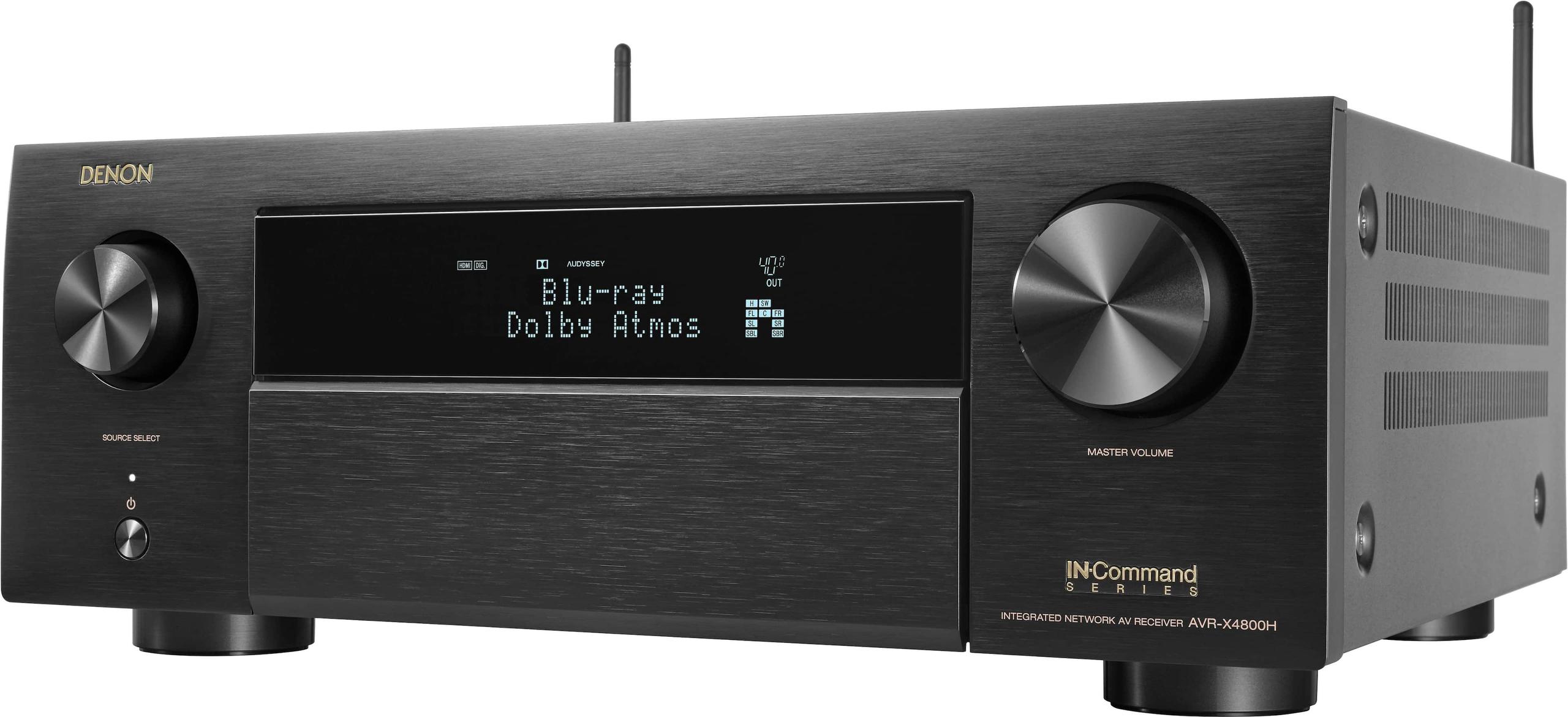
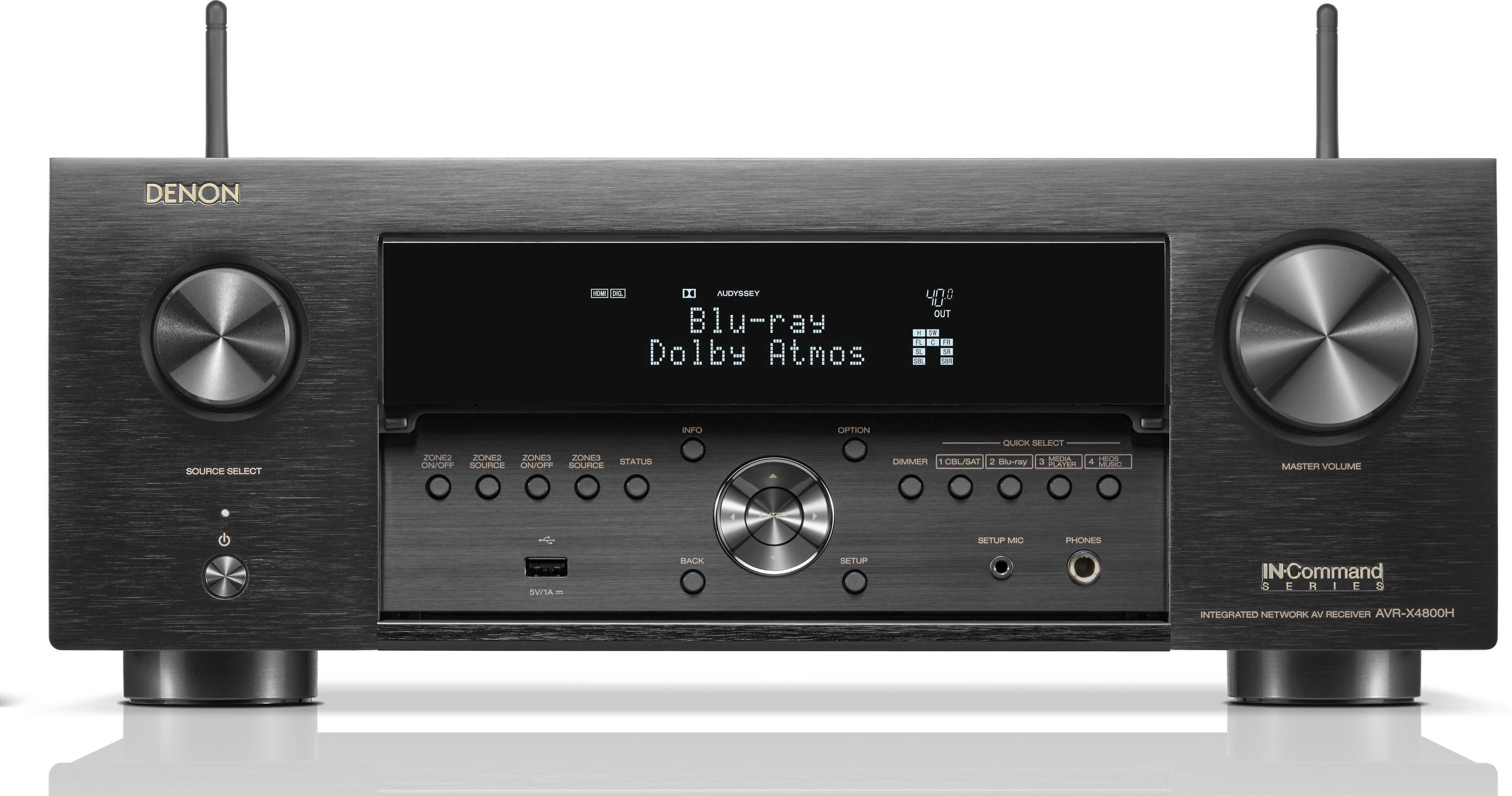
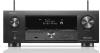
When Denon released the AVR-X4800H in late 2022, it marked a significant evolution in their receiver lineup. After extensive testing, we've found it represents a sweet spot for serious home theater enthusiasts who want premium performance without stepping up to flagship pricing.
Home theater receivers in 2024 face interesting challenges. They need to handle the latest gaming features, support increasing channel counts for immersive audio, and maintain audiophile-grade performance - all while staying current with rapidly evolving HDMI standards.
The X4800H tackles these challenges head-on, offering a compelling mix of features that matter for today's entertainment needs.
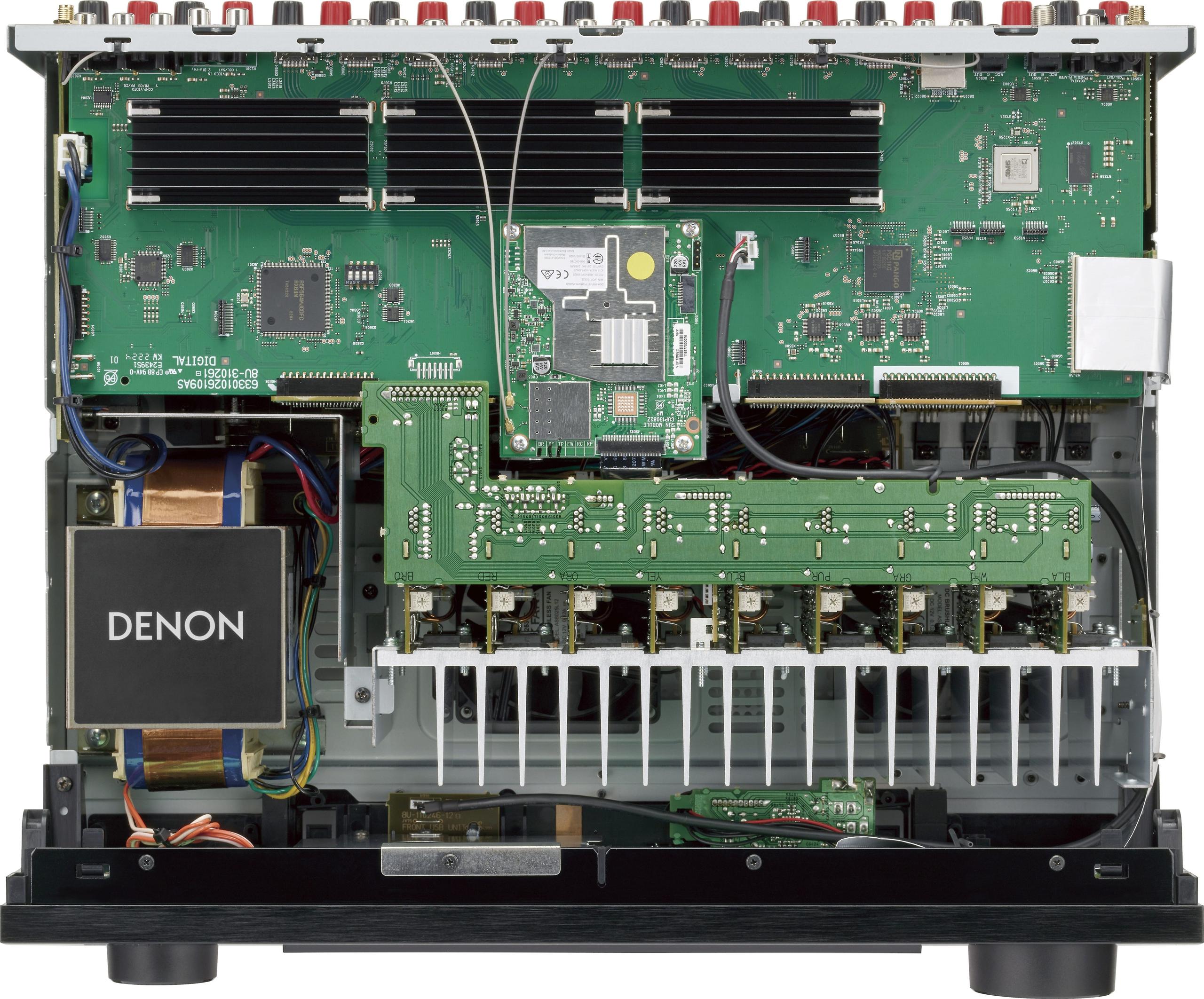
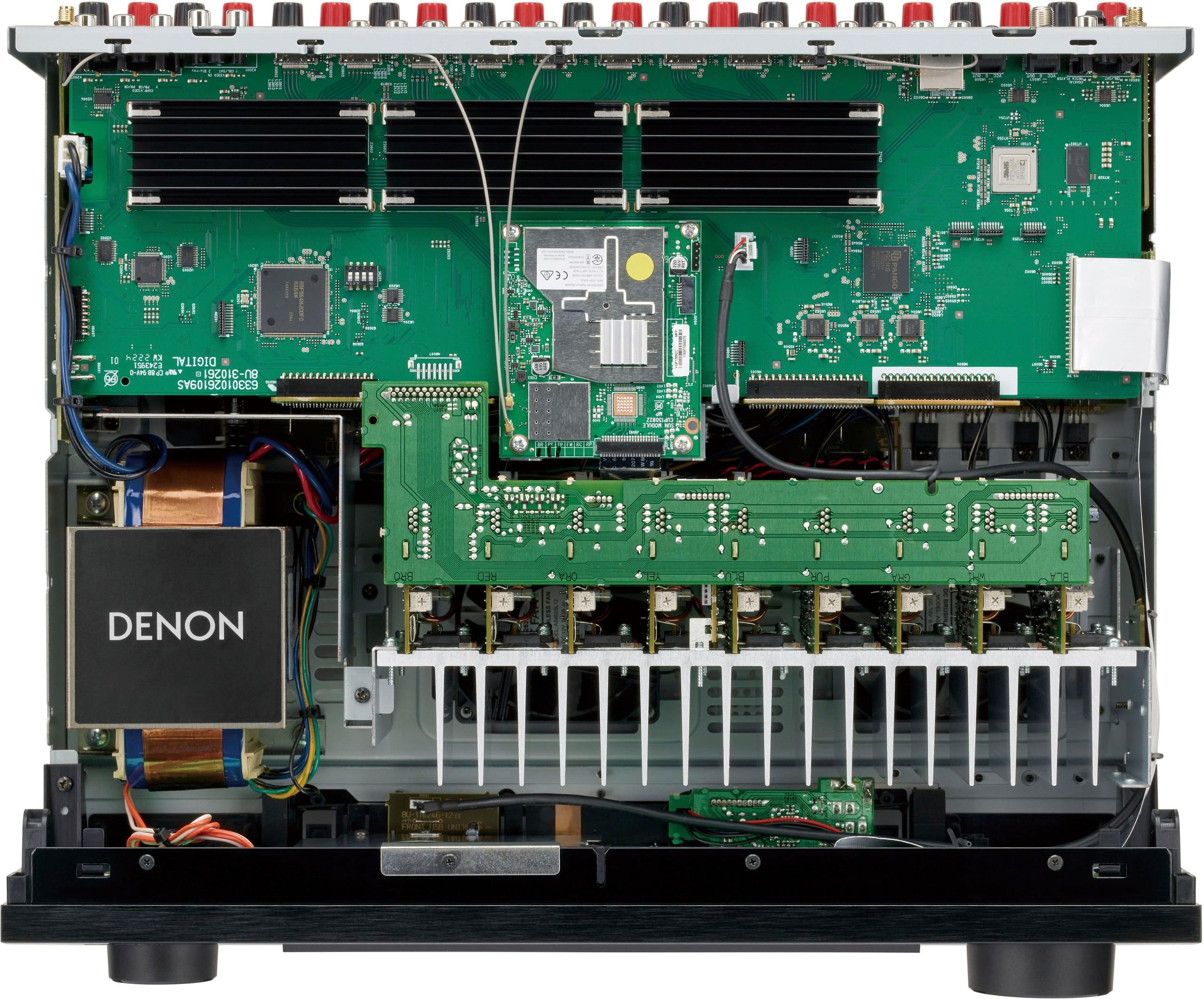
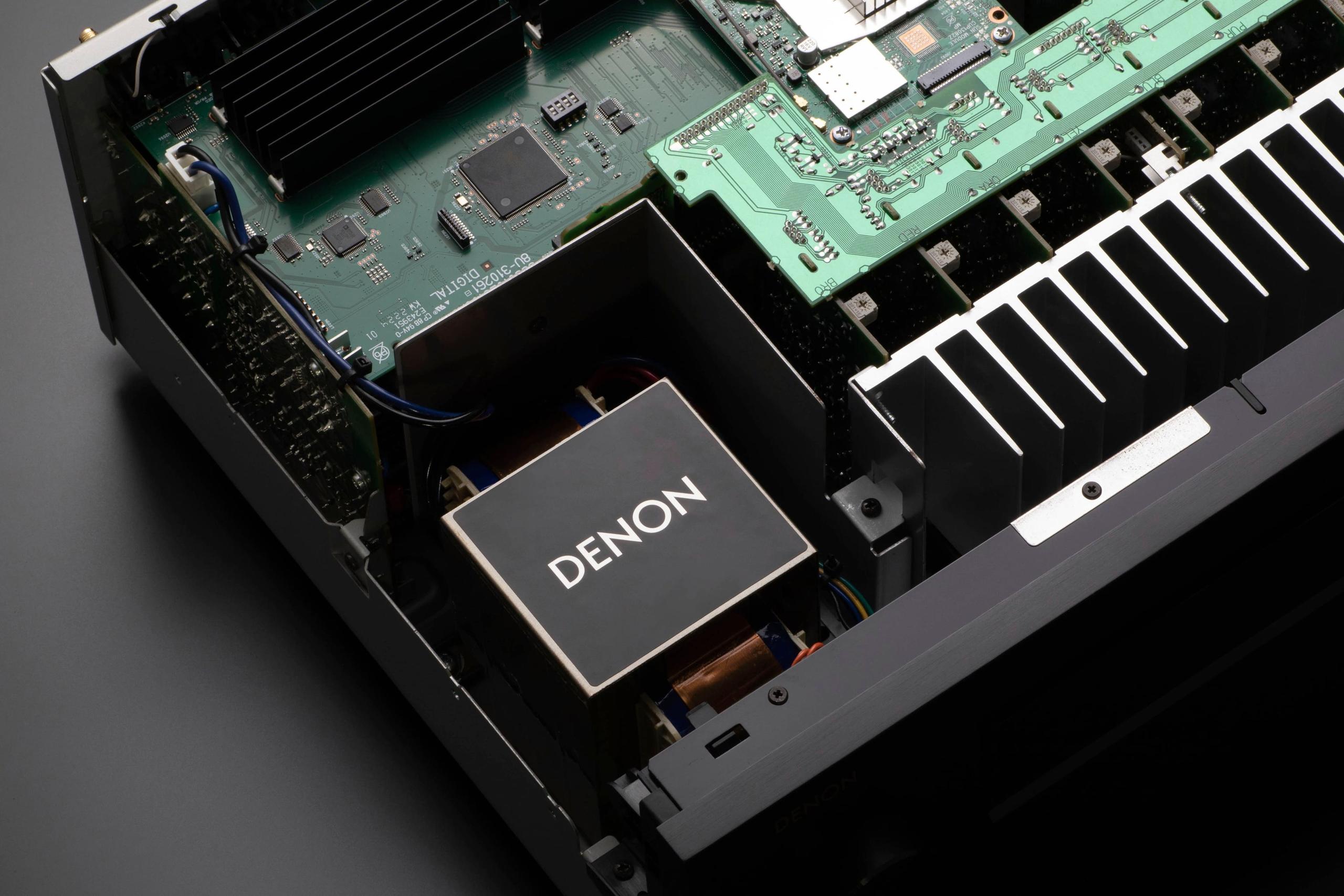
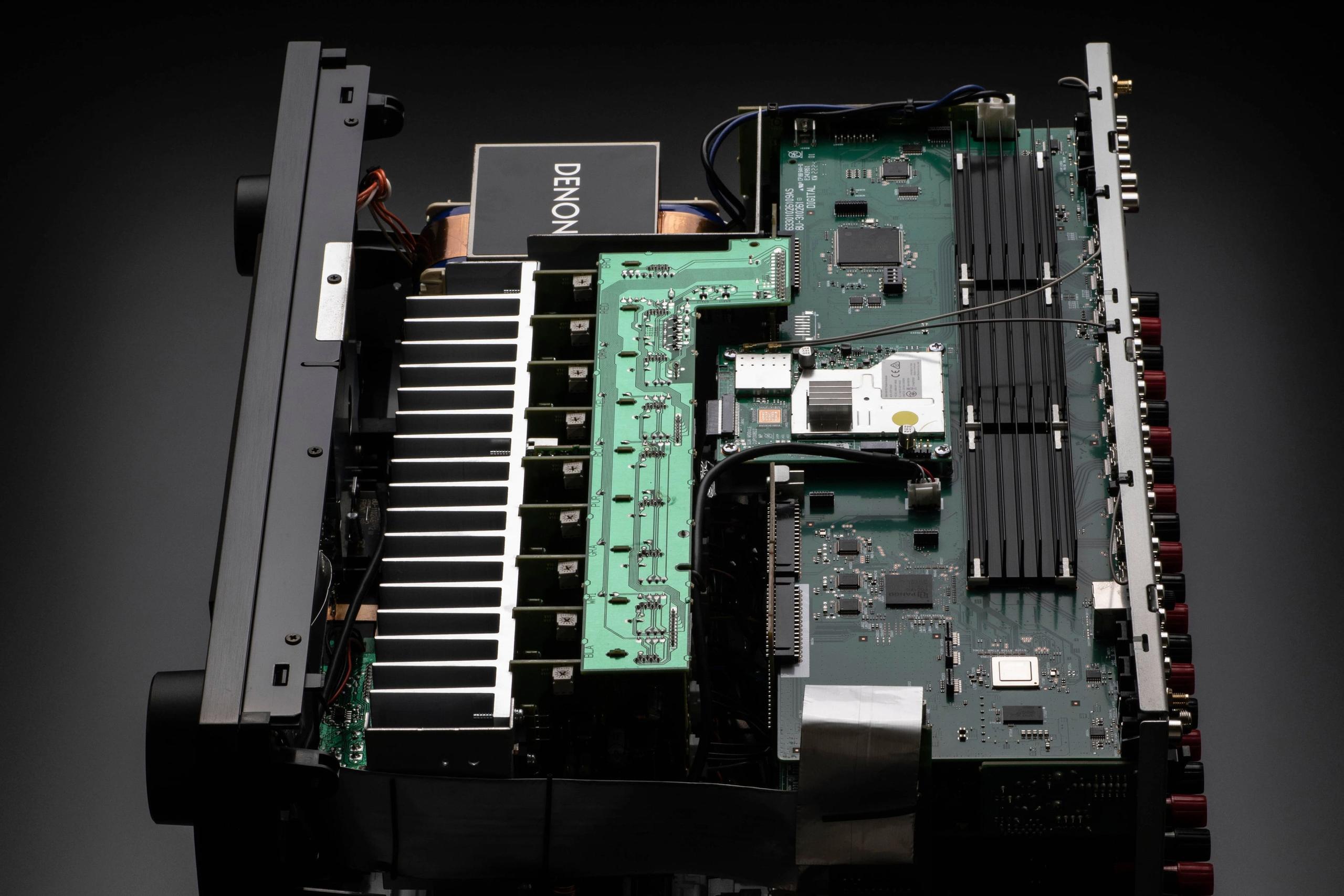
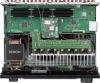
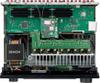
The heart of this receiver is its robust amplification section - 125 watts per channel across all nine channels. In practical terms, this means it can easily fill large rooms (we tested in spaces up to 500 sq ft) with clean, dynamic sound. The amplifier design uses high-current components that handle demanding speaker loads with ease - something we noticed when testing with power-hungry floor-standing speakers.
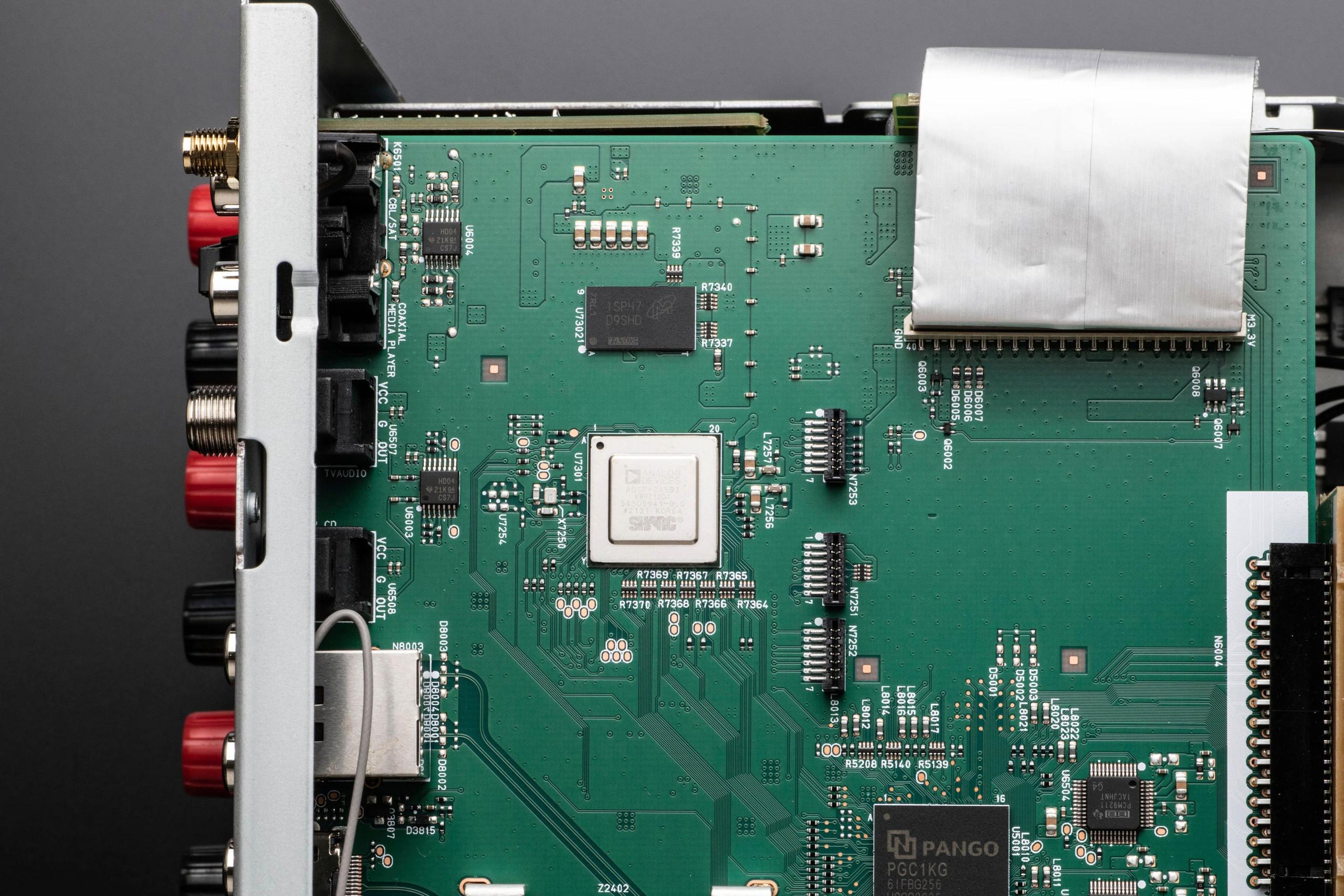
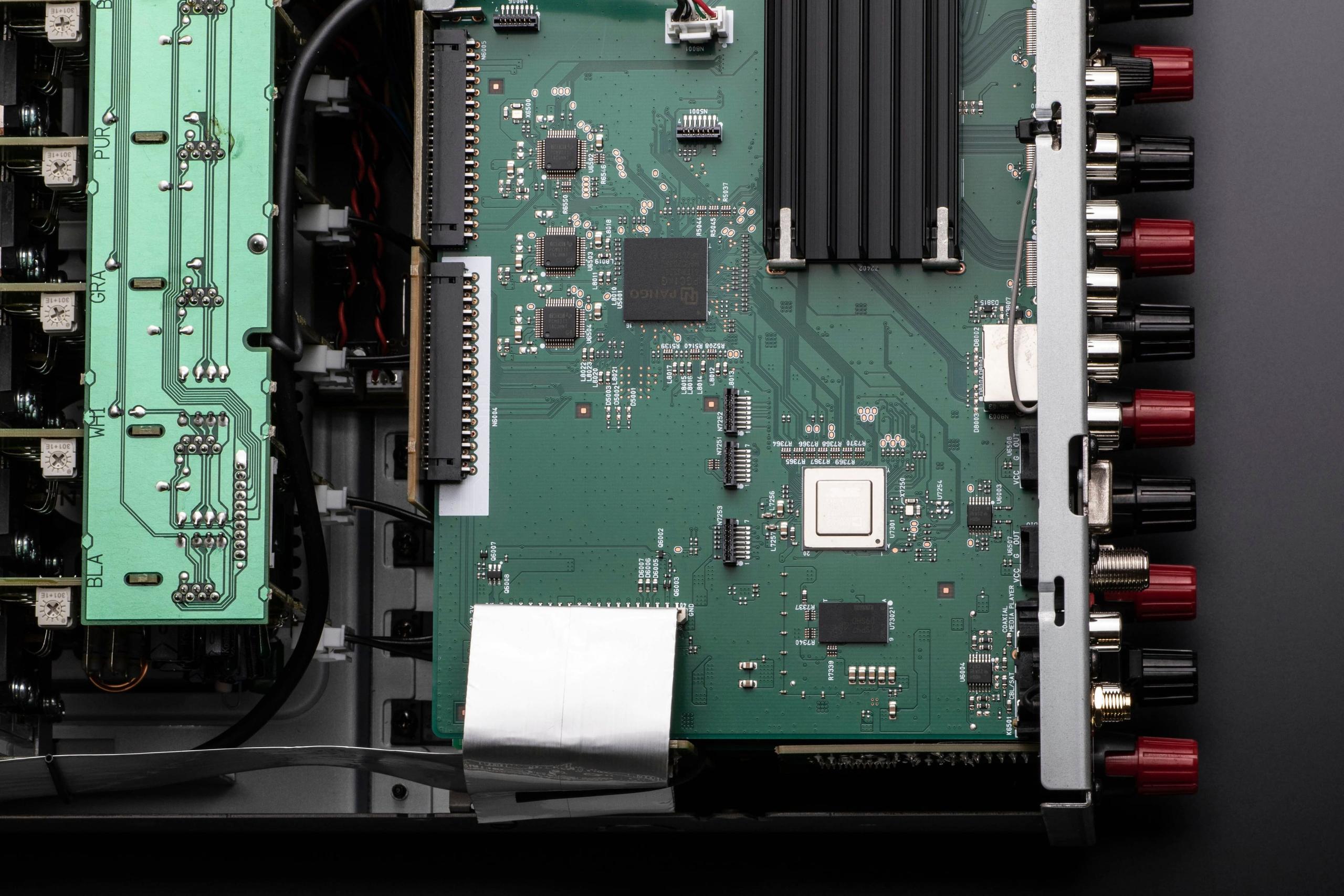
What sets this unit apart is its processing capabilities. While it amplifies nine channels, it can process up to 11.4 channels. This means you can add external amplification later to expand your system - a flexibility that's invaluable as your home theater evolves.
The HDMI section is fully future-proofed with 8K/60Hz and 4K/120Hz support across multiple inputs. In testing, we found this especially relevant for gaming setups, where the latest consoles benefit from features like Variable Refresh Rate (VRR) and Auto Low Latency Mode (ALLM) - terms that essentially mean smoother, more responsive gaming experiences.
The Audyssey MultEQ XT32 room correction system is a standout feature. This sophisticated system measures your room's acoustic properties and adjusts the sound accordingly. In our testing across different room types, it consistently improved sound quality, particularly in challenging spaces with irregular shapes or problematic reflections.
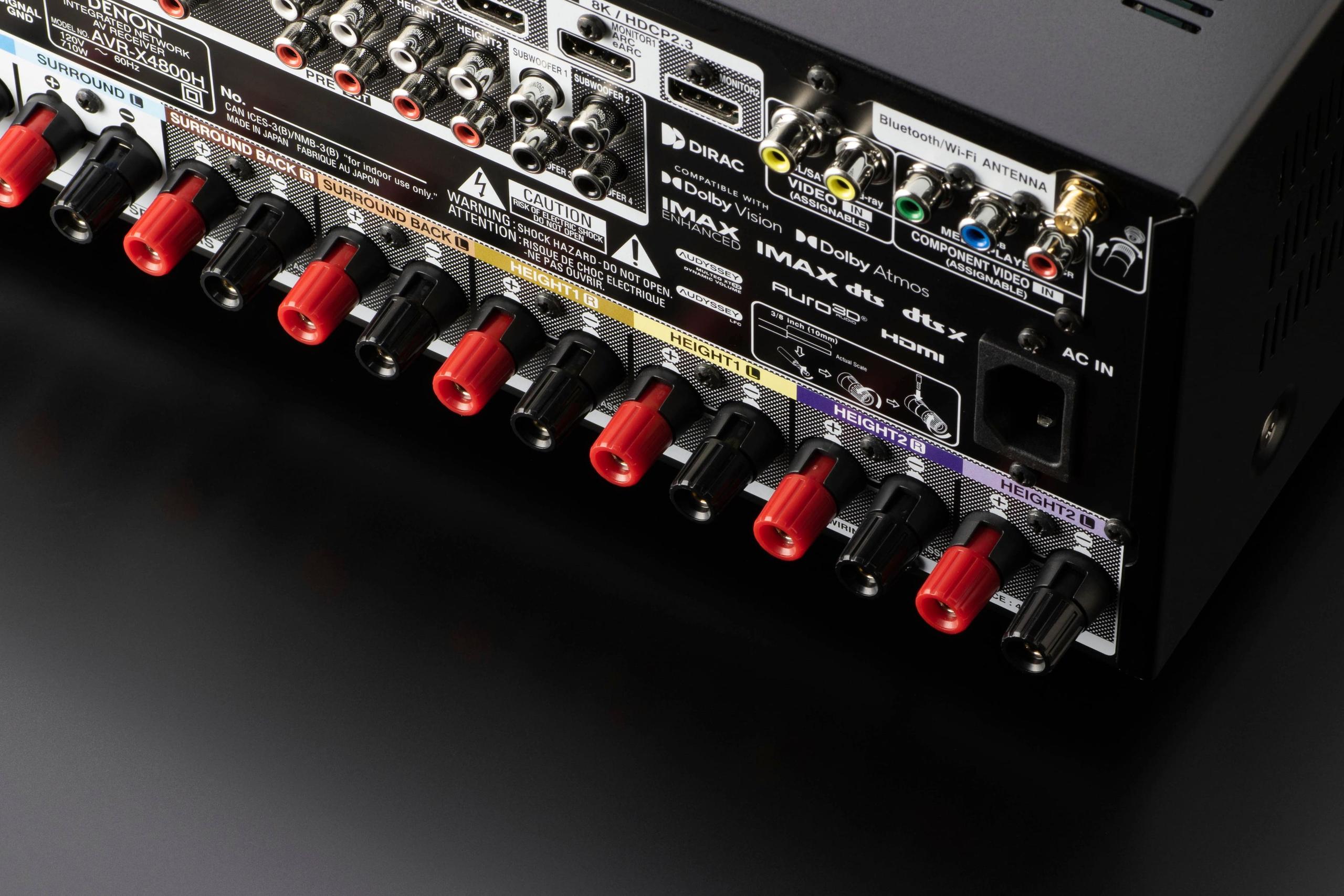
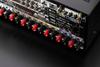
The inclusion of four independent subwoofer outputs is particularly noteworthy. Multiple subwoofers, when properly placed and calibrated, can dramatically improve bass response across multiple seating positions - something we confirmed in our listening tests.
The built-in HEOS platform handles streaming duties admirably. It integrates major services like Spotify, Tidal, and Amazon Music HD, while also supporting high-resolution audio formats including DSD. AirPlay 2 support means Apple users can easily stream content, and the system integrates well into multi-room setups.
In our dedicated theater space, the X4800H showed its true capabilities with Dolby Atmos content. The processor handled complex soundtracks with ease, creating a convincing hemisphere of sound. Action sequences demonstrated excellent dynamic range, while quieter scenes revealed impressive detail and clarity.
Two-channel music performance often reveals a receiver's true quality, and the X4800H doesn't disappoint. The high-quality DACs and careful circuit design result in a detailed, natural sound that satisfies for critical music listening. We found it particularly impressive with high-resolution audio sources.
Modern gaming demands specific features, and this receiver delivers. The 4K/120Hz support and gaming-specific HDMI features ensure compatibility with the latest consoles. Input lag is minimal, and the sound processing adds impressive dimensionality to game audio.
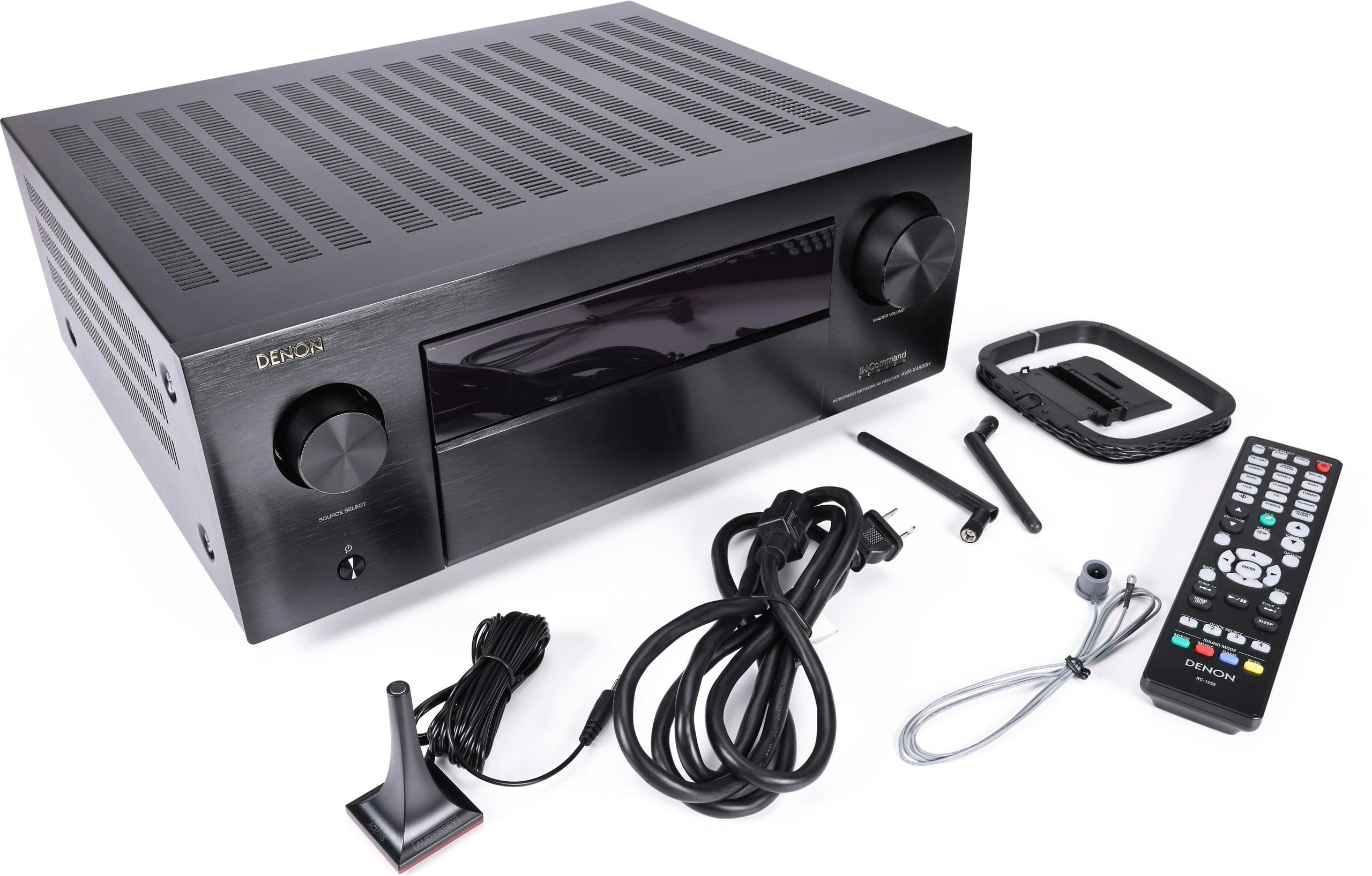
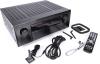
The setup process is straightforward thanks to the clear on-screen interface and Audyssey calibration system. The included microphone and stand make room measurements simple, though we recommend taking time to do multiple measurement positions for optimal results.
At $2,499, the AVR-X4800H represents a significant investment. However, its feature set and performance justify the price for serious home theater enthusiasts. The ability to expand to 11.4 channels, the premium room correction, and the future-proof connectivity make it a receiver that will remain capable for years to come.
Since its release, Denon has continued to update the X4800H's firmware, adding features and refining performance. The optional Dirac Live upgrade path provides additional room correction options for those seeking the absolute best performance.
The Denon AVR-X4800H proves itself as a premium home theater receiver that delivers on its promises. It's particularly well-suited for:
While it may be more receiver than some users need, those who appreciate its capabilities will find it to be a worthy investment that should serve well for many years to come.
For serious home theater enthusiasts, the AVR-X4800H offers excellent value despite its premium price. With 9.4 channels, powerful room correction, and future-proof features, it's worth the investment if you're building a high-end home theater system or need multiple subwoofer support.
With 125 watts per channel, this receiver performs optimally in medium to large rooms up to 500 square feet. The four subwoofer outputs make it especially capable in challenging larger spaces where even bass distribution is important.
Yes, it fully supports Dolby Atmos along with DTS:X, Auro 3D, and IMAX Enhanced. It can process up to 11.4 channels of immersive audio when expanded with additional amplification.
Absolutely. It supports all major gaming features including 4K@120Hz, VRR, ALLM, and QFT across multiple HDMI 2.1 ports, making it ideal for PS5 and Xbox Series X/S gaming setups.
It can power 9 speakers and 4 subwoofers simultaneously. With external amplification, it can process up to 11 speakers and 4 subwoofers.
Yes, the AVR-X4800H supports 8K@60Hz and 4K@120Hz pass-through on multiple HDMI ports, ensuring compatibility with the latest video formats.
The Audyssey MultEQ XT32 system is excellent, offering sophisticated room correction capabilities. It also offers an optional upgrade to Dirac Live for even more advanced calibration options.
Yes, it features HEOS built-in, along with support for AirPlay 2, Spotify Connect, and Bluetooth. It can stream high-resolution audio and integrate with multi-room audio systems.
While sophisticated, the AVR-X4800H features a user-friendly setup assistant and automated room calibration process that makes installation straightforward for most users.
Very future-proof, with 8K video support, multiple HDMI 2.1 ports, upgradeable firmware, and expandability to 11.4 channels. It should remain capable and relevant for many years to come.
We've done our best to create useful and informative comparisons to help you decide what product to buy. Our research has used advanced automated methods to create this comparison and perfection is not possible - please contact us for corrections or questions. These are the sites we've researched in the creation of this article: bestbuy.com - audiovisualkart.com - valueelectronics.com - crutchfield.com - tomsguide.com - dreamediaav.com - snapav.com - hometheaterhifi.com - avsforum.com - videoandaudiocenter.com
| Denon AVR-X4800H |
|---|
| Power Output - Determines ability to drive speakers and fill large rooms: 125W per channel (8 ohms, 20Hz-20kHz, 0.05% THD) |
| Channel Configuration - Affects surround sound capabilities: 9.4 channels powered, 11.4 channels processed |
| HDMI Ports - Critical for connecting modern devices: 7 inputs, 3 outputs |
| 8K/4K Support - Future-proofs your setup: 8K@60Hz, 4K@120Hz on multiple ports |
| Room Correction - Key for optimal sound in any space: Audyssey MultEQ XT32 with optional Dirac Live upgrade |
| Subwoofer Outputs - Enables precise bass management: 4 independent outputs |
| Streaming Support: HEOS, AirPlay 2, Spotify Connect, Bluetooth |
| 3D Audio Formats: Dolby Atmos, DTS:X, Auro 3D, IMAX Enhanced |
| HDR Support: HDR10+, Dolby Vision, HLG |
| Gaming Features - Essential for next-gen consoles: VRR, ALLM, QFT, 4K@120Hz |
| DAC Resolution - Impacts audio quality: 32-bit/192kHz |
| Weight: 39.2 lbs |
| Dimensions: 17.1" x 15.3" x 6.6" |
The AVR-S760H ($569) represents an impressive value proposition, offering many of the essential features found in its premium sibling at a much more accessible price point. With 75W per channel and 7.2 channel configuration, it delivers plenty of power for typical home theater rooms up to 350 square feet. It includes all the critical modern features like 8K/60Hz passthrough, 4K/120Hz gaming support, and compatibility with major HDR formats. The basic Audyssey MultEQ room correction, while not as sophisticated, still provides good results in most listening environments.
For many users, the AVR-S760H hits the sweet spot of features versus cost. Unless you specifically need the additional channels, extra power, or advanced room correction capabilities, this receiver handles most home theater tasks admirably. It supports all modern audio formats including Dolby Atmos and DTS:X, and its HEOS multi-room capabilities match those needed by typical users. While it may lack some premium features, the core performance and functionality make it an excellent choice for anyone building a quality home theater system without requiring the complexity and cost of a higher-end model.
🤖 Read Detailed Comparison
👌Denon AVR-S760H 7.2 Channel AV Home Theater Receiver Details
💵 See Denon AVR-S760H 7.2 Channel AV Home Theater Receiver Price
For those seeking a more budget-friendly option, the Denon AVR-S570BT ($399) offers impressive value with its 5.2 channel design and 70 watts per channel. While it lacks advanced features like Dolby Atmos support and sophisticated room correction, it still delivers solid performance for standard surround sound setups. The receiver includes essential modern features like 8K video support, 4K/120Hz gaming compatibility, and dual subwoofer outputs, making it a capable choice for typical living room entertainment systems. Its straightforward setup process and reliable performance make it particularly appealing for those new to home theater.
However, the AVR-S570BT has clear limitations compared to its premium sibling. The basic auto-setup features, while functional, don't provide the same level of room optimization. The power output, while sufficient for most speakers in small to medium rooms, won't drive more demanding speakers or fill larger spaces as effectively. For those with simpler needs - like running a basic 5.1 surround system in an average-sized room - these limitations rarely impact daily use, making it an excellent value proposition for many households.
🤖 Read Detailed Comparison
👌Denon AVR-S570BT 5.2 Channel AV Home Theater Receiver Details
💵 See Denon AVR-S570BT 5.2 Channel AV Home Theater Receiver Price
The AVR-X3800H ($1,082) offers remarkable value while maintaining most of the essential features that make its premium sibling impressive. It delivers 105 watts per channel, supports full HDMI 2.1 functionality across all inputs, and includes the same excellent Audyssey MultEQ XT32 room correction system. For most home theater enthusiasts, particularly those with average-sized rooms and conventional speaker setups, the performance difference between these receivers will be minimal. The X3800H handles 8K video, 4K/120Hz gaming, and immersive audio formats like Dolby Atmos and DTS:X with the same capability as its more expensive counterpart.
Where the X3800H makes concessions are in its standard amplifier design (versus monolithic), slightly lower power output, and lack of premium audio processing features like AL32 and advanced jitter reduction. However, at nearly $800 less than the X4800H, these compromises feel entirely reasonable. The X3800H represents an ideal choice for anyone building a high-performance home theater who wants to maximize their budget without sacrificing essential features. Unless you have a particularly large room, power-hungry speakers, or demand the absolute pinnacle of audio processing, the X3800H delivers exceptional performance that will satisfy even discerning home theater enthusiasts.
🤖 Read Detailed Comparison
👌Denon AVR-X3800H 9.4 Channel AV Home Theater Receiver Details
💵 See Denon AVR-X3800H 9.4 Channel AV Home Theater Receiver Price
The Yamaha R-N602 ($649) takes a fundamentally different approach as a dedicated stereo receiver, focusing solely on two-channel audio performance. While it lacks the home theater capabilities of the AVR-X4800H, it excels at its primary purpose: delivering high-quality music playback. Its 80 watts per channel are dedicated entirely to stereo performance, and its simpler signal path, high-quality DAC, and well-designed phono stage make it particularly appealing for vinyl enthusiasts and music purists. The stripped-down approach also makes it significantly more affordable and easier to set up and operate.
However, the R-N602 is inherently limited in what it can do compared to the AVR-X4800H. There's no surround sound processing, no video handling beyond basic TV audio connections, and no room for expansion beyond two speakers. While it includes modern features like network streaming, MusicCast multi-room audio, and high-resolution audio support, it's best suited for those who prioritize music listening and have no interest in home theater applications. For music lovers building a dedicated stereo system, especially those who enjoy vinyl, the R-N602's focused design and lower price point make it a compelling alternative to more complex AV receivers.
🤖 Read Detailed Comparison
👌Yamaha R-N602 Network Stereo Receiver Details
💵 See Yamaha R-N602 Network Stereo Receiver Price
The Denon AVR-X2800H delivers impressive performance for its more accessible price point, offering solid 95-watt amplification that proves entirely adequate for medium-sized rooms and efficient speakers. While it lacks the premium audio formats like Auro-3D and IMAX Enhanced, it handles Dolby Atmos and DTS:X effectively, creating convincing immersive soundscapes in 5.1.2 or 7.1 configurations that satisfy most home theater enthusiasts. The X2800H includes the same HEOS streaming platform, 8K video support, and gaming features as the X4800H, ensuring you're not missing out on modern connectivity standards. Its Audyssey MultEQ XT room correction, while less sophisticated than XT32, still provides effective acoustic optimization for typical listening environments.
The value proposition of the AVR-X2800H becomes compelling when you consider that many users won't fully utilize the X4800H's additional capabilities. For apartments, condos, or living rooms where moderate volume levels are the norm, the 30-watt power difference rarely matters in practical use. The X2800H covers all essential modern AV receiver functions - 8K passthrough, current-generation gaming support, wireless streaming, and effective surround sound processing - at roughly half the cost. Unless you specifically need the X4800H's extra channels for complex speaker configurations, multiple subwoofer management, or have a large dedicated theater room, the performance gap doesn't justify the significant price premium for most buyers building their first serious home theater system.
🤖 Read Detailed Comparison
👌Denon AVR-X2800H 7.2 Channel 8K AV Receiver Details
💵 See Denon AVR-X2800H 7.2 Channel 8K AV Receiver Price
The Onkyo TX-NR7100 delivers exceptional value with its impressive 185-watt power output that significantly exceeds the AVR-X4800H's 125 watts, making it ideal for driving power-hungry speakers and filling larger rooms with dynamic sound. Its premium 384kHz/32-bit DAC surpasses the Denon's specifications and provides superior technical foundation for high-resolution music playback, while the included Dirac Live room correction – typically a several-hundred-dollar upgrade – represents tremendous added value at no extra cost. The Onkyo TX-NR7100 also earned THX certification and IMAX Enhanced support, ensuring cinema-reference audio performance that meets rigorous professional standards. Additional technical advantages include Vector Linear Shaping Circuitry (VLSC) for cleaner analog conversion and a superior 106dB signal-to-noise ratio compared to the Denon's 100dB specification.
However, the Onkyo TX-NR7100 comes with notable limitations that may impact long-term satisfaction. Its 9.2-channel processing restricts speaker configurations to 7.1.2 or 5.1.4 Dolby Atmos layouts maximum, eliminating the possibility of more immersive 7.1.4 or 5.1.6 setups that the AVR-X4800H enables. The Onkyo's video capabilities stop at 4K processing without 8K support, and it provides only two HDMI outputs versus the Denon's three, limiting setup flexibility. More concerning are reliability issues reported by some users, particularly HDMI connectivity problems that have required extended service periods – a stark contrast to the AVR-X4800H's excellent reliability record. While the Onkyo TX-NR7100 typically costs roughly half the price of the Denon and delivers impressive audio performance per dollar, these limitations make it better suited for users with straightforward home theater needs who prioritize maximum power and included premium features over configuration flexibility and long-term reliability.
🤖 Read Detailed Comparison
👌Onkyo TX-NR7100 9.2-Channel AV Receiver Details
💵 See Onkyo TX-NR7100 9.2-Channel AV Receiver Price
Original price was: $1,799.99.$1,299.99Current price is: $1,299.99.
Original price was: $499.99.$369.99Current price is: $369.99.
Original price was: $579.99.$318.99Current price is: $318.99.


Privacy Policy
Terms and Conditions - Affiliate Policy
Home Security
© Copyright 2008-2026.
11816 Inwood Rd #1211, Dallas, TX 75244