
Meze Audio has introduced the ASTRU, a new in-ear monitor priced at $899 that sits at the top of the company’s single dynamic driver lineup. The new model is aimed at listeners who want a more premium IEM experience without stepping all the way into ultra-expensive flagship territory.
Set to be previewed at CanJam NYC this weekend, the ASTRU will go on sale March 20, 2026 through Meze’s websites and selected retailers worldwide.
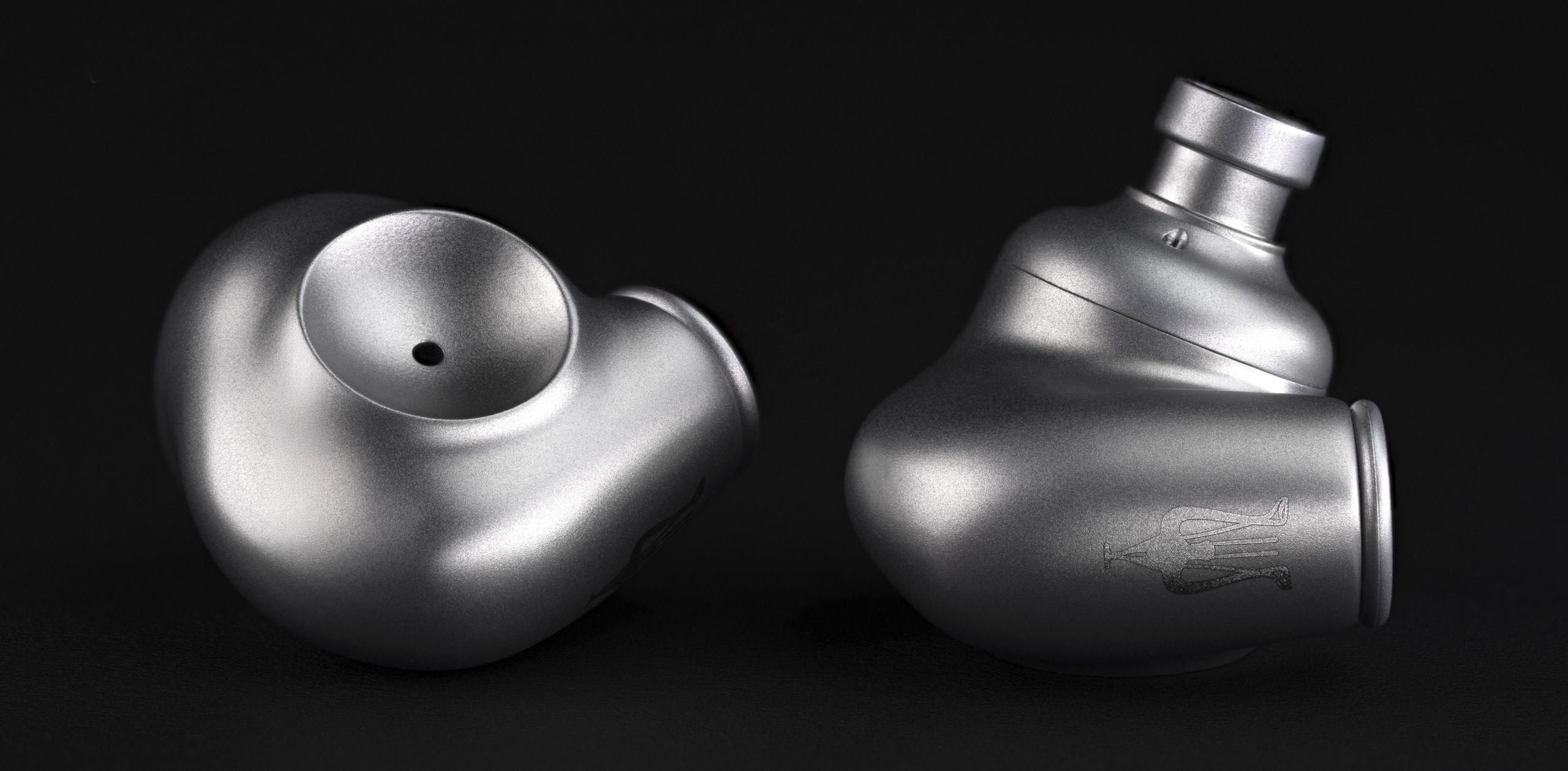
What makes the ASTRU notable is its basic design philosophy. While many high-end IEMs rely on multiple drivers to divide up bass, mids, and treble duties, Meze is taking a different route here. The ASTRU uses a single dynamic driver, with the company arguing that careful engineering can still deliver the kind of separation, detail, and imaging that listeners often associate with more complex multi-driver designs.
For readers who do not spend their weekends comparing driver configurations, a dynamic driver is the most common type of speaker driver used in headphones and earphones. It moves air with a diaphragm and is often valued for producing a sense of physical impact and natural tonal weight. That means Meze is betting that one well-executed driver can sound more coherent and satisfying than a more crowded internal design.
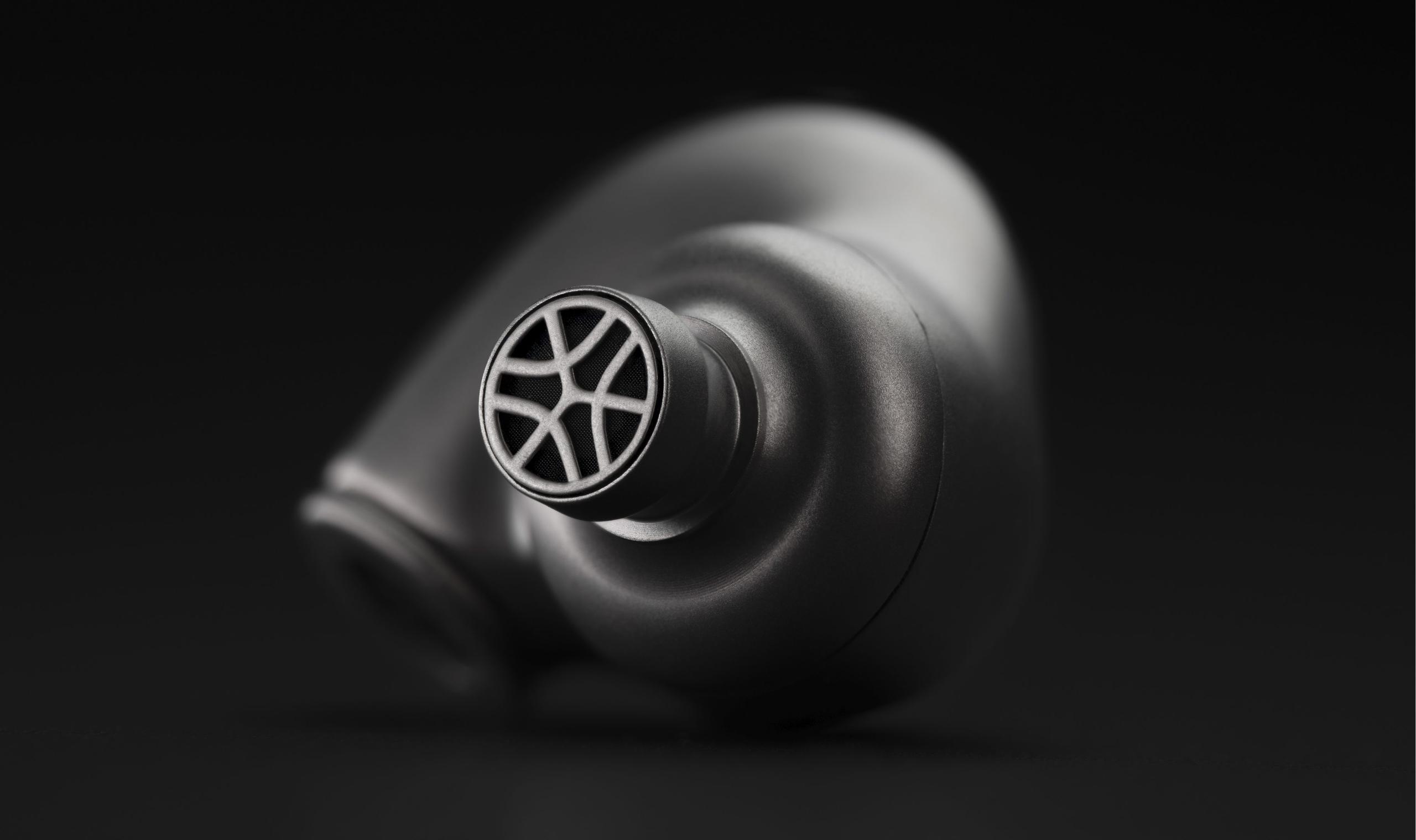
At the center of the ASTRU is a multilayer composite diaphragm built to balance speed, control, and body. According to Meze, the dome uses more than 80 ultra-thin layers of gold, applied during a 48-hour physical vacuum DC magnetron sputtering process. That gold layer is then bonded to titanium and mounted on a PEEK base.
That may sound highly technical, but the goal is fairly easy to understand: create a diaphragm that is light and responsive enough to handle quick changes in music, while still remaining rigid and controlled. Meze says this approach is meant to produce fast transient response, smooth and extended treble, and the warmth and punch that many listeners expect from a dynamic driver design.

The housing is also part of the story. Meze says the ASTRU’s shell geometry has been refined for long-term comfort, which matters with IEMs more than spec sheets sometimes admit. A great-sounding earphone that becomes uncomfortable after an hour is a tough sell, especially at this price.
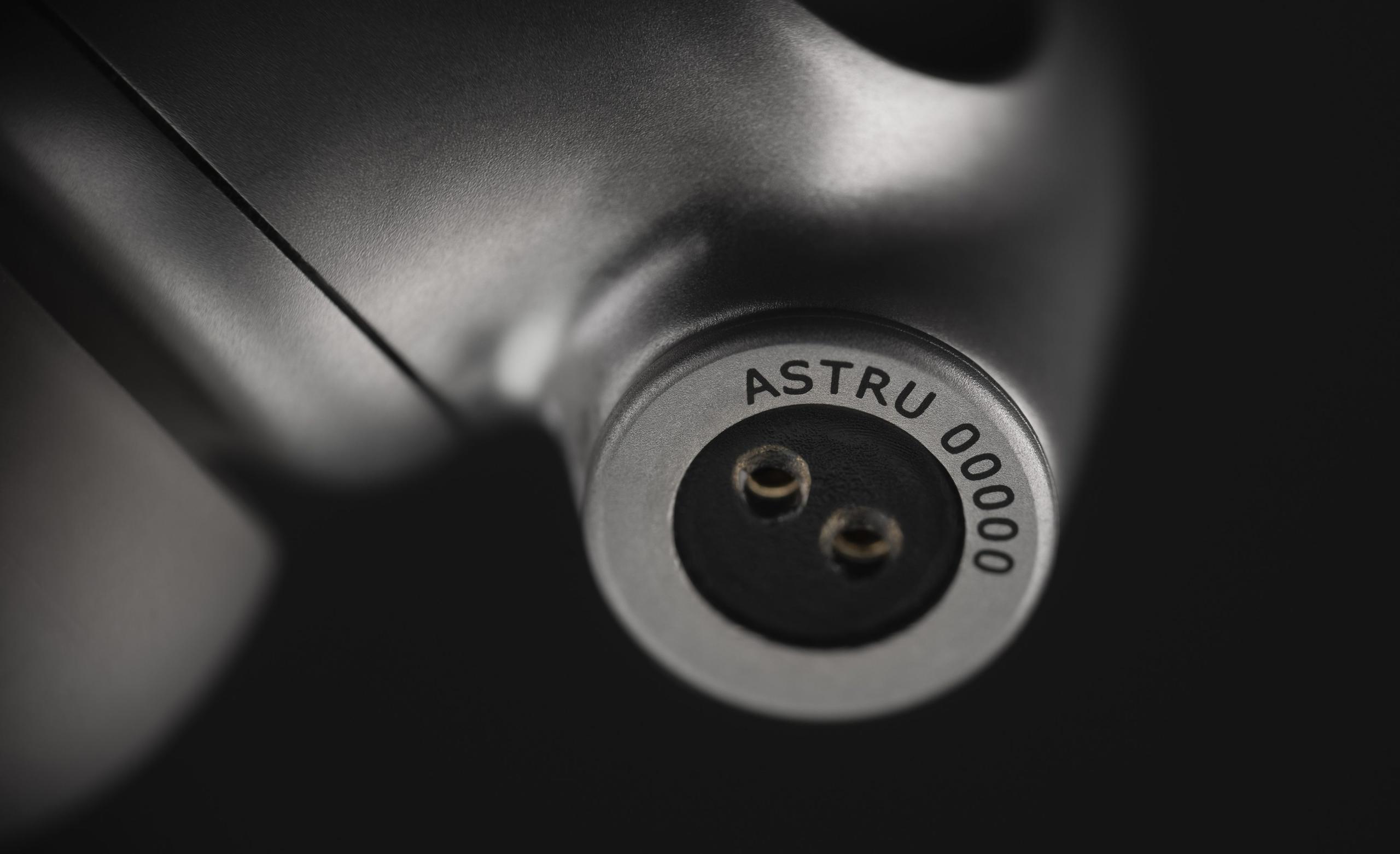
Each shell is CNC-machined from a single block of pure titanium and then finished through a multi-stage electroplating process to achieve a satin exterior. Meze says each matched pair of shells takes up to seven days of processing. That does not automatically tell you how the ASTRU will sound, but it does suggest that Meze is treating this as a premium build-focused product rather than just another spec-driven release.

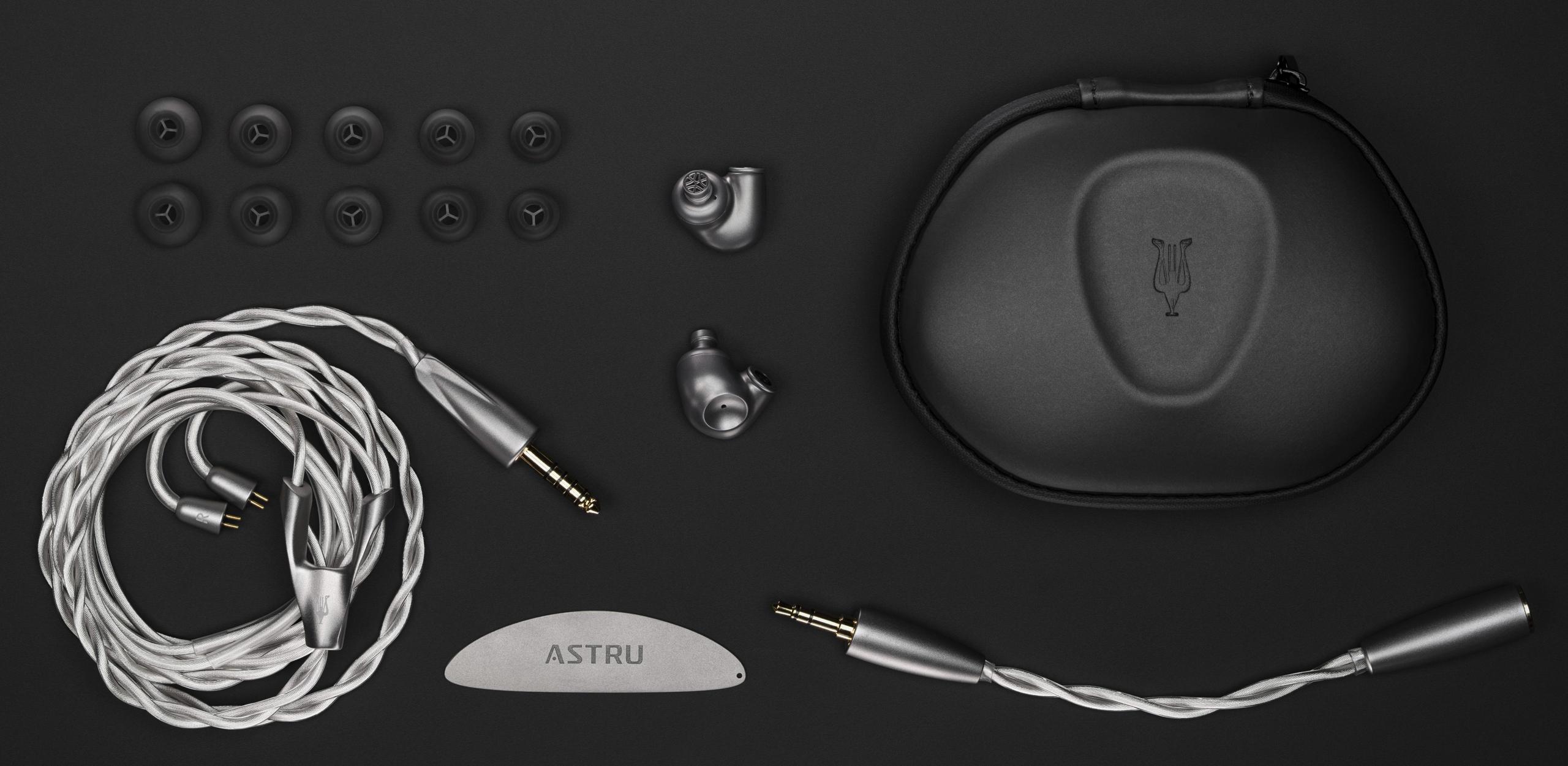
The included accessories also make clear that the ASTRU is designed as a complete listening package. In the box, you get a balanced cable with CNC-anodized aluminum hardware and a 4.4mm balanced plug, along with a 4.4mm-to-3.5mm adapter for wider device compatibility. Meze also includes five ear tip sizes from XS to XL, plus both a protective pouch and a soft PU leather envelope.
That matters because fit and source pairing can make a major difference with IEM performance. Including multiple tip sizes and both balanced and standard connection options gives users more flexibility right out of the box, whether they are plugging into a dedicated portable audio player, a balanced headphone output, or a more traditional 3.5mm source.
Technical Specifications:
At $899, the Meze ASTRU lands in a crowded segment of the premium IEM market where manufacturers often rely on complex multi-driver designs to deliver wider frequency coverage and tuning flexibility. Competing models in the same general price bracket take very different technical approaches.
For example, the Shanling Regal ($799 at Amazon) uses a tribrid architecture combining two dynamic drivers, four balanced armatures, and two miniature planar drivers. This eight-driver configuration is designed to divide the workload across different frequency ranges while maintaining impact and detail.
Another competitor, the Moondrop Dark Saber ($899 at Amazon), pushes even further with a hybrid system that includes two 10mm dynamic drivers and eight balanced armature drivers. The design aims to cover a wide frequency spectrum, with the dynamic drivers handling low-end duties while the balanced armatures manage midrange and treble reproduction.
Meanwhile, the FiiO FA19 ($999 at Amazon) takes a different route entirely, relying on an all-balanced-armature configuration with ten Knowles drivers. FiiO pairs this with a three-way crossover and a switchable tuning mode that lets listeners toggle between a more analytical “Monitor” presentation and a fuller “Hi-Fi” sound signature.
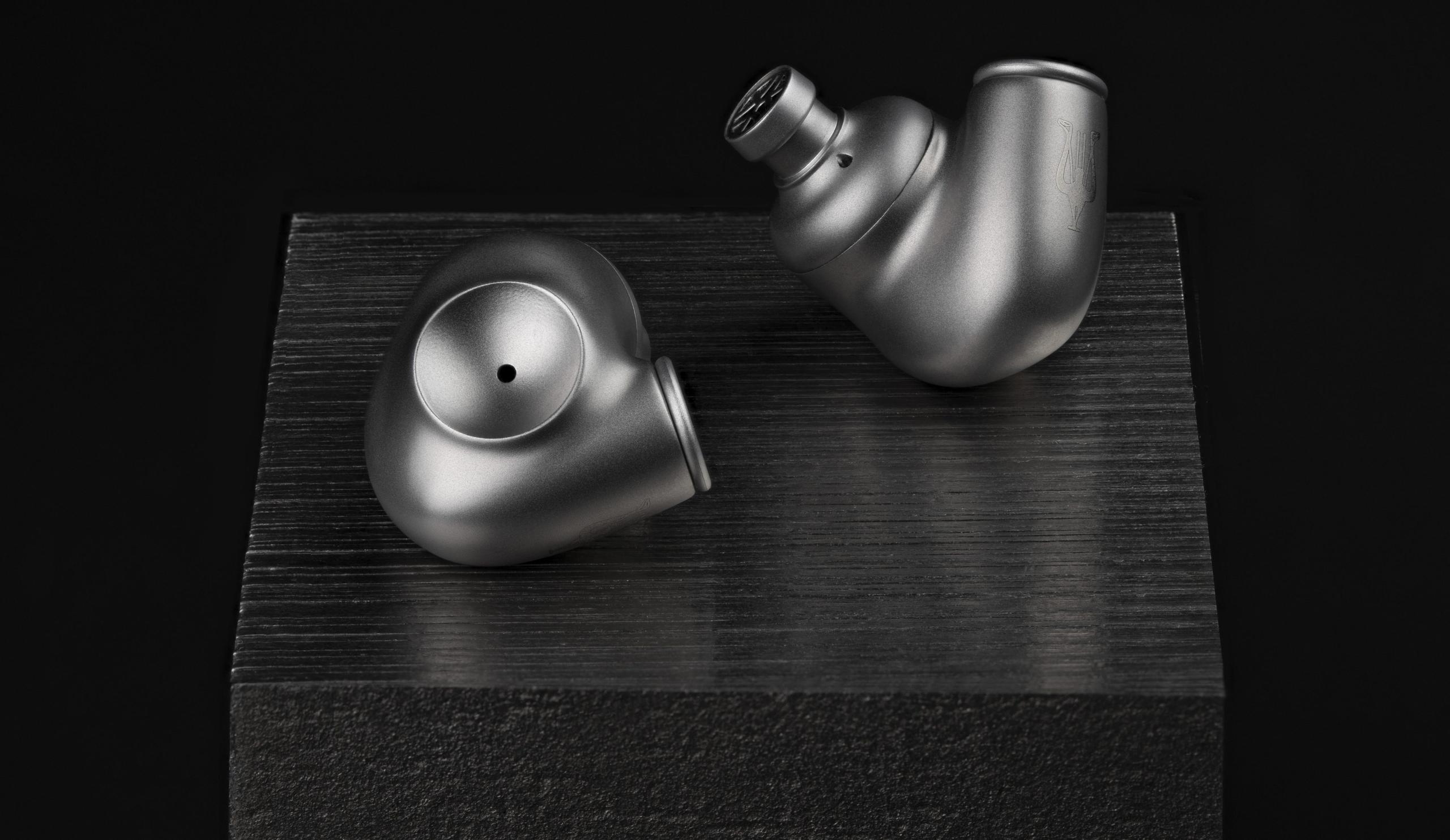
Against these complex designs, the ASTRU stands out for doing the opposite. Instead of combining multiple driver types, Meze focuses on a single dynamic driver with a multilayer gold-and-titanium diaphragm, aiming to deliver coherence and natural tonal balance without the need for crossovers or multi-driver arrays.
| Model | Price | Driver Configuration | Notable Feature |
|---|---|---|---|
| Meze ASTRU | $899 | Single dynamic driver | Gold-layer composite diaphragm |
| Shanling Regal | $799 | 2DD + 4BA + 2 planar | Hybrid tribrid design |
| Moondrop Dark Saber | $899 | 2DD + 8BA | Wide frequency hybrid system |
| FiiO FA19 | $999 | 10 balanced armatures | Switchable tuning modes |
Seen side by side, the contrast becomes clear: most IEMs in this range rely on increasingly complex driver arrays, while the ASTRU takes a simpler approach focused on a single dynamic driver and careful acoustic tuning.
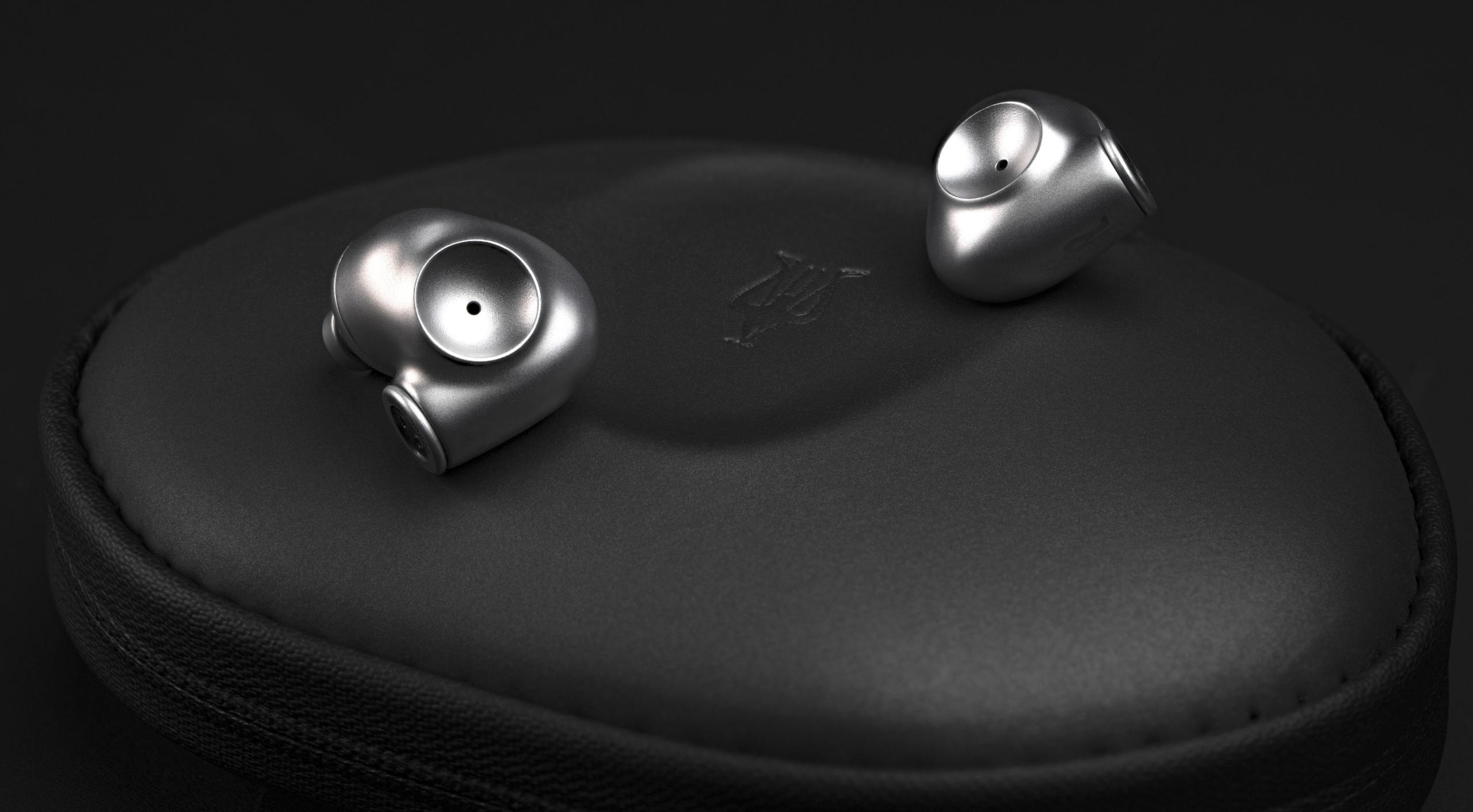
The ASTRU is clearly positioned as a serious enthusiast product, but it stops short of the four-figure pricing that now defines many flagship IEM launches. Meze’s pitch seems straightforward: deliver a higher-end experience, keep the design focused, and let one dynamic driver do the work.
The Meze Audio ASTRU will be available starting March 20, 2026, at mezeaudio.com, mezeaudio.eu, and selected retailers worldwide for $899.
Related Reading:





Privacy Policy
Terms and Conditions - Affiliate Policy
Home Security
© Copyright 2008-2026.
11816 Inwood Rd #1211, Dallas, TX 75244