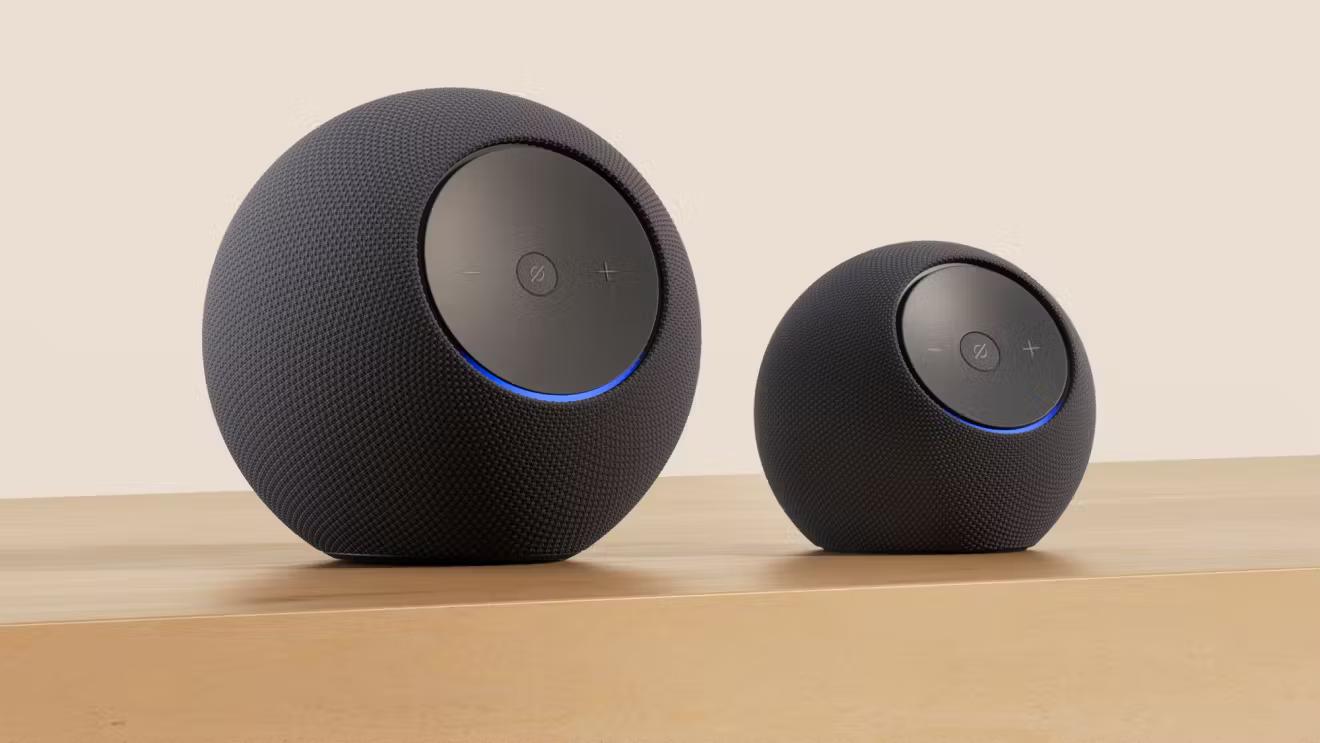
If you’ve been following Amazon’s smart home gear lately, you might have heard of Alexa Home Theater. It’s Amazon’s latest attempt to simplify and modernize how we build surround-sound systems in our living rooms, but with a twist: you don’t need a traditional AV receiver, a maze of wires, or an expert installer.
In short, Alexa Home Theater lets you use multiple Echo speakers (specifically, the new Echo Studio or Echo Dot Max) paired with a compatible Fire TV device to create a wireless surround sound setup. Amazon claims it can turn your cozy living room into a home theater in minutes, calibrating itself to the room and syncing audio and video seamlessly.
It’s essentially Amazon’s push to reduce friction in the home theater world: use what you already have (or upgrade within their Echo lineup), and let Alexa handle the heavy lifting.
Think of Alexa Home Theater as a smarter, easier way to enjoy immersive sound in your living room. You connect a set of Amazon Echo speakers (like the new Echo Studio or Echo Dot Max) to a Fire TV device. Then, using the Alexa app or voice commands, the system calibrates itself to deliver spatial, room-filling sound.
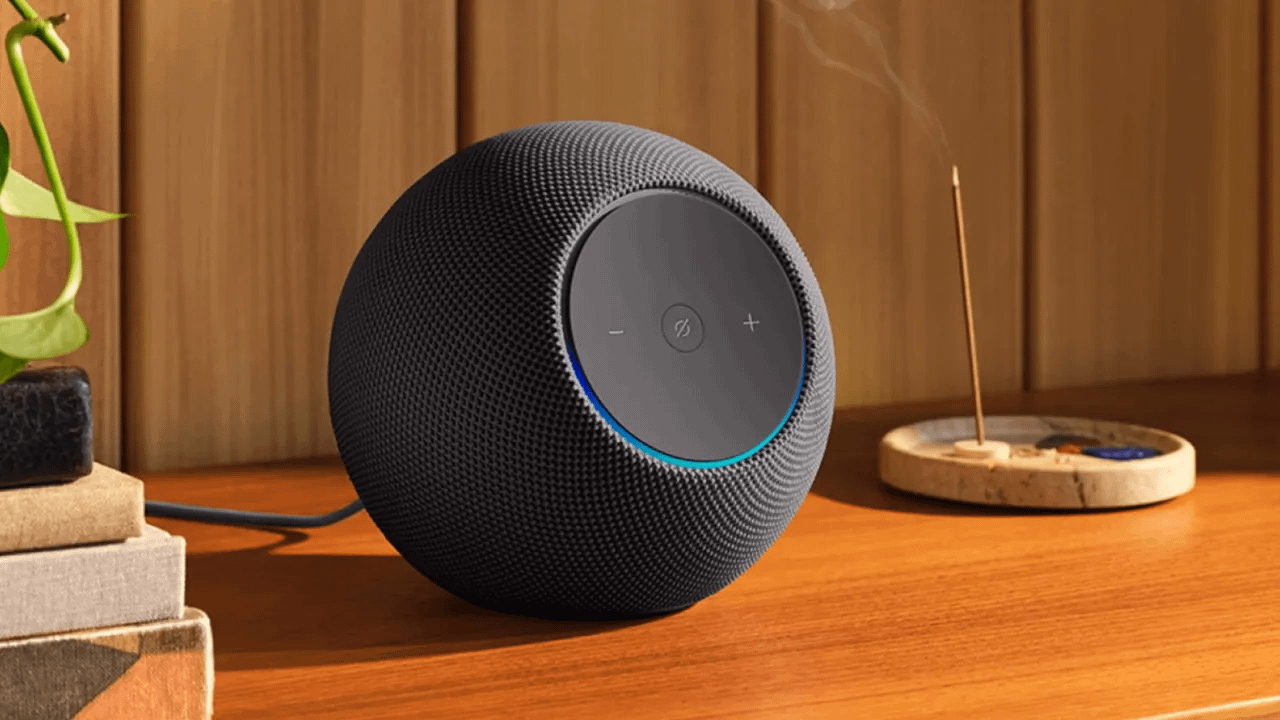
It’s Amazon’s way to bring a more streamlined, wire-free version of surround sound to people who want better audio without the hassle of traditional setups.
You can pair up to five Echo devices to build out a virtual surround system—front left and right, rear surrounds, and even a dedicated center channel. Dolby Atmos and spatial audio are supported, depending on your configuration and the content you're watching.
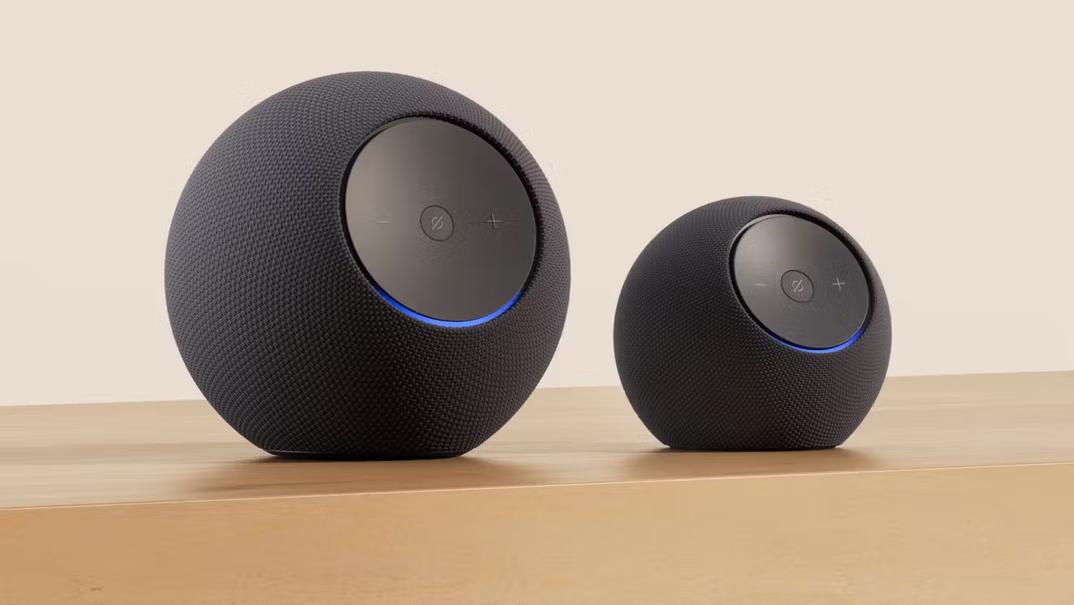
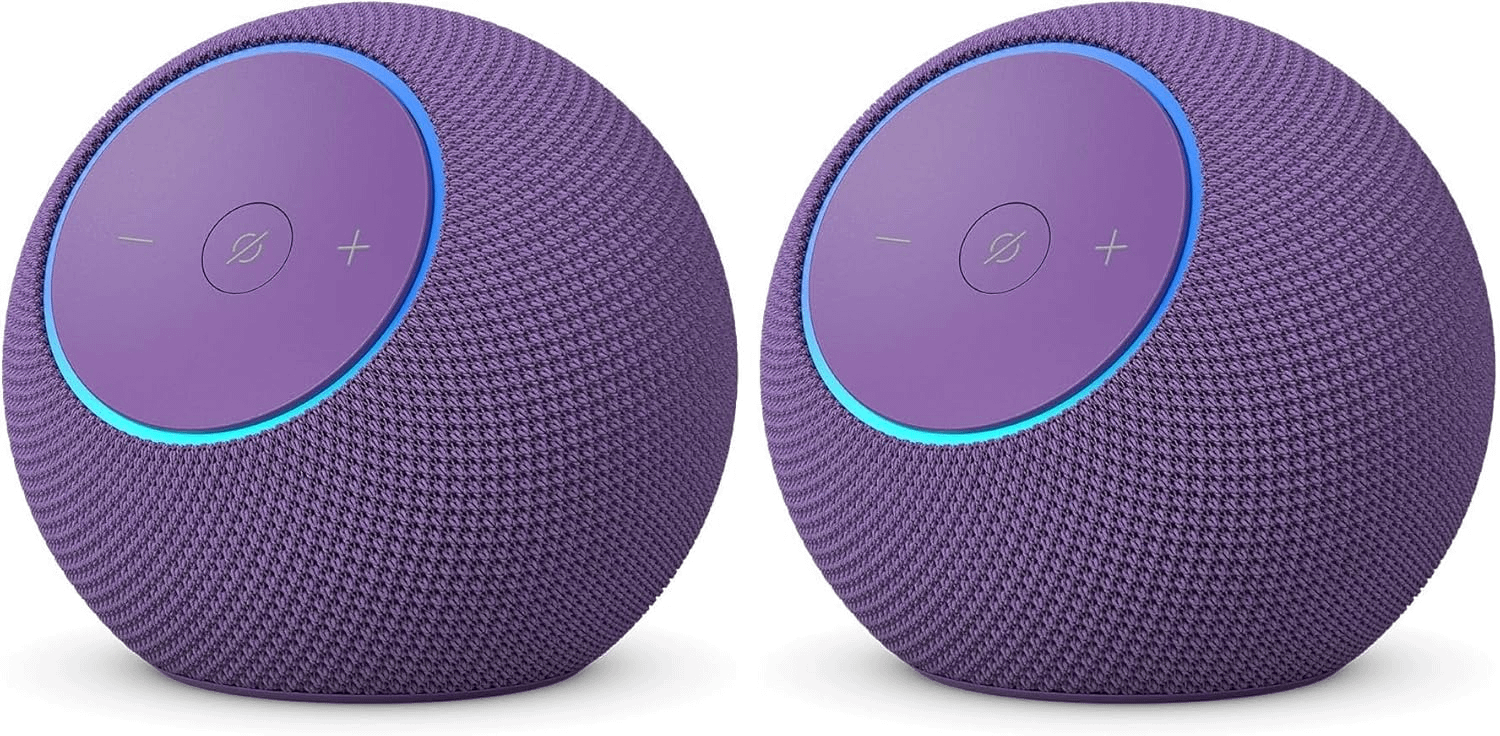
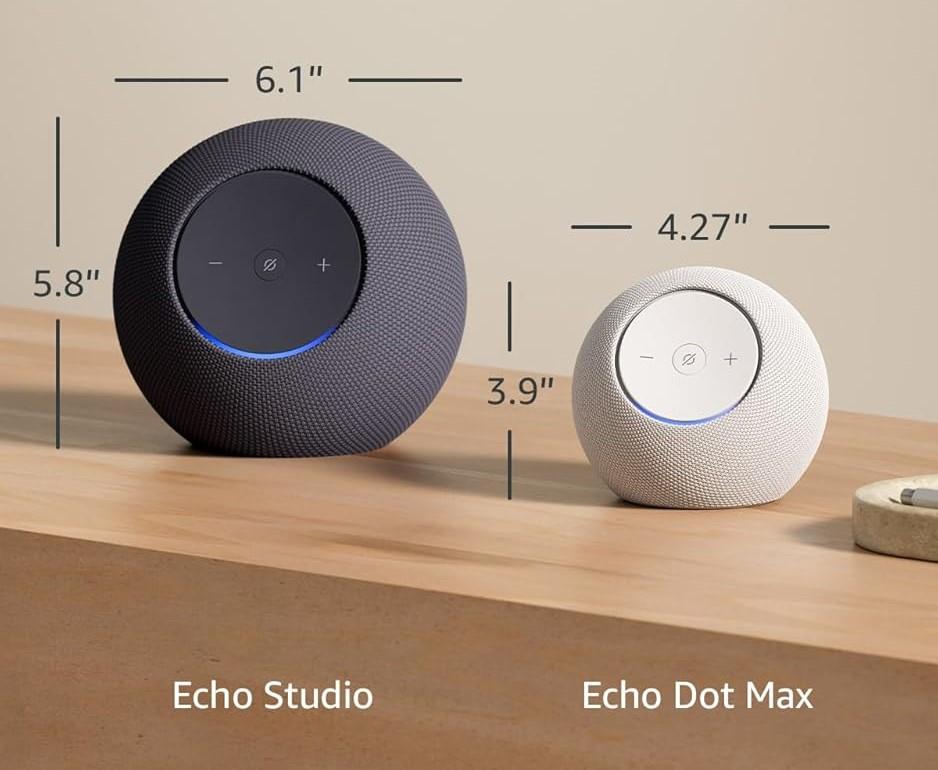
To power this whole experience, Amazon unveiled two new key speakers:
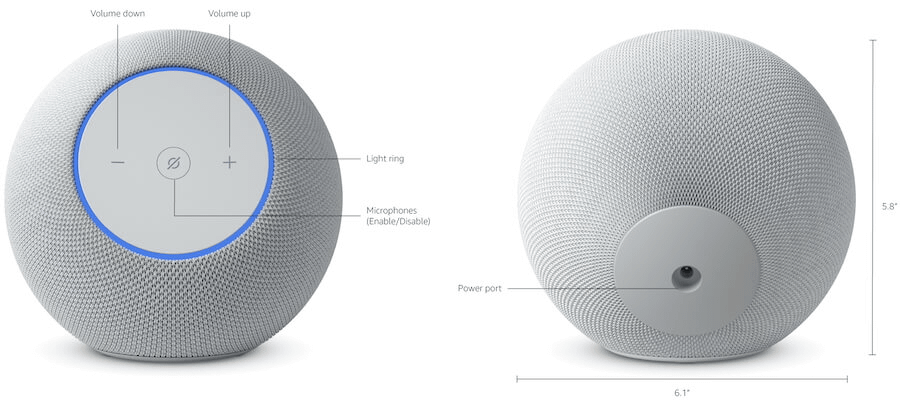
Both models are built around Amazon’s latest chips for faster response times, local voice processing, and room-sensing capabilities. They’re not just "smart" in the Alexa sense, they’re smart about audio, too.
Alexa Home Theater is part of Amazon’s broader “Alexa+” initiative, an overhaul of its voice assistant that’s designed to be more conversational, context-aware, and helpful. The idea is to make Alexa more like a home operating system than just a smart speaker assistant.
It also ties directly into Amazon’s Fire TV ecosystem. Whether you’re using a Fire TV Stick, a new Fire TV Omni QLED, or another compatible device, you can expect tight integration between video, audio, and voice.
That means fewer remotes, simpler menus, and a more unified experience across your entertainment setup.
The biggest selling point here is flexibility. You don’t need to invest in an AV receiver, run wires across the room, or decode a bunch of specs. Alexa Home Theater lets you:
It’s not meant to replace a $5,000 audiophile setup, but it could be a game-changer for small apartments, bedrooms, or anyone who’s always wanted surround sound without the mess.
Pros:
Cons:
Alexa Home Theater isn’t for the hardcore audiophile with a dedicated theater room, it’s for everyone else. It’s for the person who wants better sound for Netflix nights. It’s for renters who can’t drill into walls. It’s for parents who don’t want five remotes. And it’s for anyone who’s ever looked at an AV receiver manual and immediately given up.
It’s a system that meets people where they are, both in budget and tech comfort level.
Amazon is clearly betting big on a future where home theater is smarter, simpler, and more voice-driven. With Alexa Home Theater, they’re bringing surround sound into more homes by stripping away complexity.
Will it replace traditional wired setups? Not yet. But it’s a compelling option for millions of users who want better sound without going full AV nerd.
And in a world where ease-of-use often wins, Alexa Home Theater might be exactly what the modern living room needs.




Privacy Policy
Terms and Conditions - Affiliate Policy
Home Security
© Copyright 2008-2026.
11816 Inwood Rd #1211, Dallas, TX 75244