

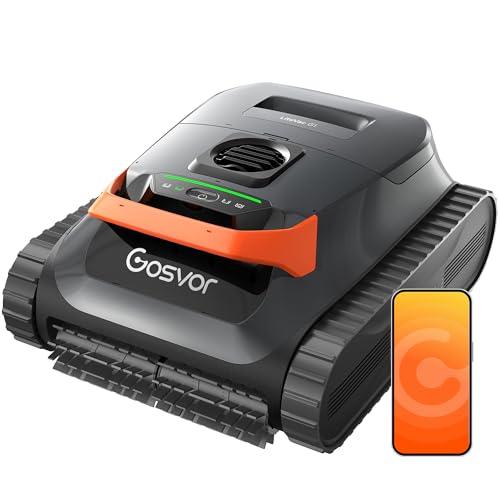
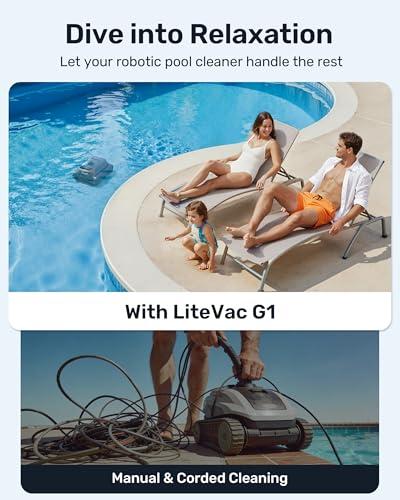
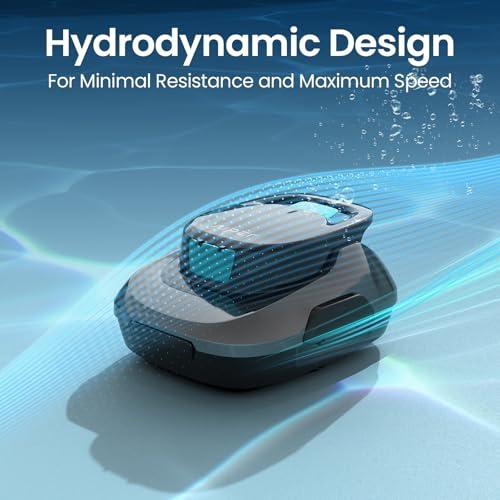
Pool maintenance used to mean dragging around heavy hoses, fighting with tangled cords, and spending your Saturday mornings manually vacuuming instead of enjoying the water. The rise of cordless robotic pool cleaners promised to change all that, but not every robot delivers on those promises. Today we're comparing two popular models that take very different approaches to automated pool cleaning: the Gosvor LiteVac G1 and the Aiper Scuba SE.
Both arrived on the market in recent years as manufacturers rushed to capitalize on the growing demand for cord-free convenience. The Aiper Scuba SE launched as an entry-level option targeting budget-conscious pool owners, while the Gosvor LiteVac G1 entered the scene in 2024 with more ambitious claims about matching premium performance at value pricing. Since their respective launches, software updates and user feedback have helped clarify where each model truly excels—and where they fall short.
Before diving into specifics, it's worth understanding what separates a good pool robot from a frustrating money pit. The most critical factor is suction power, measured in GPH (gallons per hour)—this determines how effectively debris gets pulled into the filtration system rather than just pushed around. Battery capacity affects how long the robot can work before needing a recharge, while navigation intelligence determines whether it actually cleans your entire pool or just wanders aimlessly.
Filtration quality matters enormously but gets overlooked. A robot with weak filtration will capture leaves but miss the fine sand and algae that cloud your water. The micron rating tells you the smallest particles the filter can trap—lower numbers mean finer filtration. Finally, coverage capability determines whether you're getting a floor-only cleaner or a comprehensive system that handles walls and waterlines too.
The pool robot category has evolved rapidly over the past few years. Early cordless models suffered from weak batteries and poor navigation, leading many to stick with corded alternatives despite the convenience factor. Recent advances in lithium battery technology and improved algorithms have made truly effective cordless cleaning possible, though significant performance gaps still exist between budget and premium options.
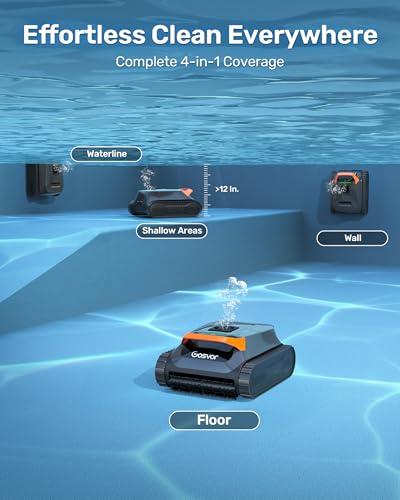
The Gosvor LiteVac G1 and Aiper Scuba SE represent fundamentally different philosophies in pool robot design. Gosvor took a comprehensive approach, packing premium features into a value-oriented package. Their engineering team focused on delivering genuine 4-in-1 cleaning capability—floors, walls, waterline, and shallow platforms like tanning ledges—using a powerful motor system and intelligent navigation.
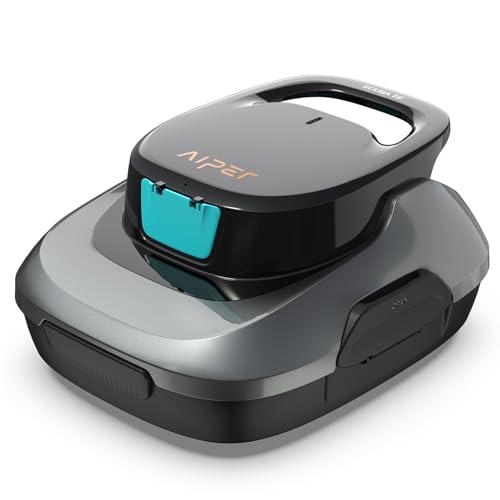
Aiper chose simplicity and affordability with the Scuba SE, targeting users who want basic automated floor cleaning without complexity or premium pricing. This floor-only approach keeps costs down but inherently limits what the robot can accomplish.
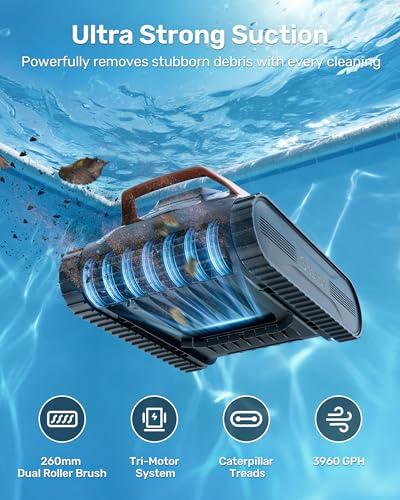
These philosophical differences show up immediately in the specifications. The Gosvor G1 delivers 3,960 GPH of suction power compared to the Scuba SE's 1,200 GPH—more than three times the debris-pulling capacity. That's the difference between a robot that can handle anything from fine sand to large leaves versus one that struggles with anything beyond light debris.
Suction power represents the heart of any pool cleaner's effectiveness, and the gap between these models is substantial. The Gosvor G1's 3,960 GPH rating puts it in premium territory, generating enough vacuum force to pull stubborn debris from textured surfaces and maintain consistent cleaning even when the filter starts loading up with captured material.
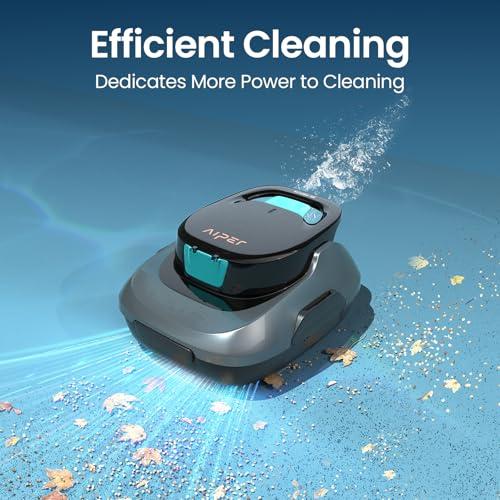
The Aiper Scuba SE's 1,200 GPH rating falls into the basic range where effectiveness becomes questionable. Our research into user experiences reveals a consistent pattern: the Scuba SE frequently pushes debris around rather than capturing it, especially with anything heavier than dust or small particles. Pool owners report having to run multiple cleaning cycles or resort to manual intervention to achieve acceptable results.
This performance gap matters most when dealing with common pool debris like leaves, twigs, and the inevitable sand that tracks in from surrounding areas. The LiteVac G1 handles these mixed debris loads effectively, while the Scuba SE struggles and often requires pre-skimming of larger items to function properly.
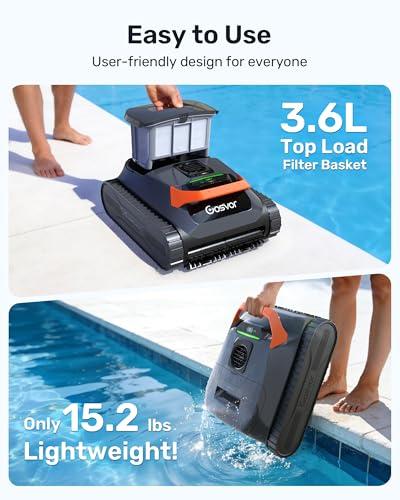
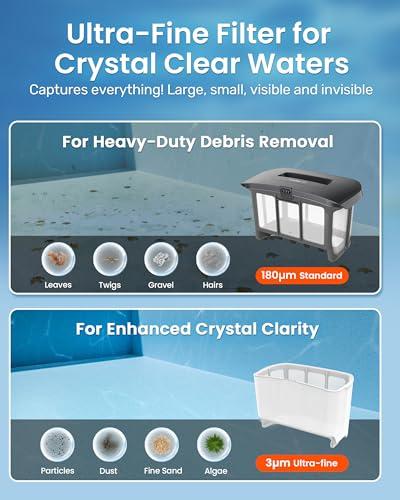
The filtration systems reveal another crucial difference in engineering priorities. The Gosvor G1 uses a dual-stage approach with both a large 3.6-liter top-loading basket for leaves and debris, plus an ultra-fine 3-micron filter insert that captures particles down to nearly microscopic levels. This combination handles everything from acorns to algae effectively.
The Scuba SE's single 180-micron filter with 2-liter capacity represents basic filtration that misses fine particles entirely. The 180-micron rating means particles smaller than about twice the width of a human hair pass right through. Pool owners consistently report that while the Scuba SE might pick up visible debris, it leaves water looking cloudy because the fine particles that affect water clarity escape the filtration system.
For perspective, algae particles typically range from 5-50 microns, meaning the G1's 3-micron filter captures even small algae while the Scuba SE's 180-micron filter lets most algae pass through completely. This explains why users often need additional chemical treatments after using the Scuba SE to achieve clear water.
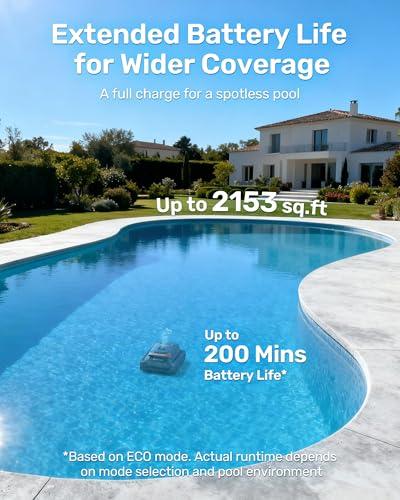
Battery performance directly impacts whether a robot can complete your pool in a single session. The Gosvor G1 packs a substantial 7,800 mAh battery delivering up to 200 minutes of runtime, with even longer duration available in ECO mode for light cleaning tasks. This capacity handles pools up to 2,153 square feet in a single charge cycle.
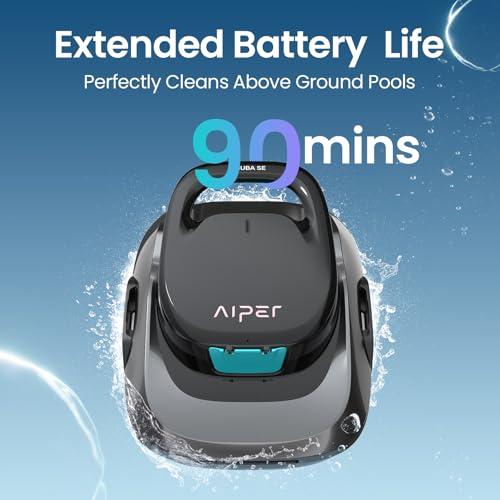
The Aiper Scuba SE's 2,600 mAh battery provides up to 90 minutes of runtime under ideal conditions, but real-world user reports suggest this often falls short for complete pool cleaning. The smaller battery becomes problematic when combined with the weak suction—the robot needs more time to cover the same area effectively, but runs out of power before finishing.
From a practical standpoint, the G1's extended runtime means you can start a cleaning cycle and forget about it, confident the robot will finish the job. The Scuba SE often requires monitoring and potentially multiple charge cycles for thorough cleaning, defeating much of the convenience factor that draws people to robotic cleaners.
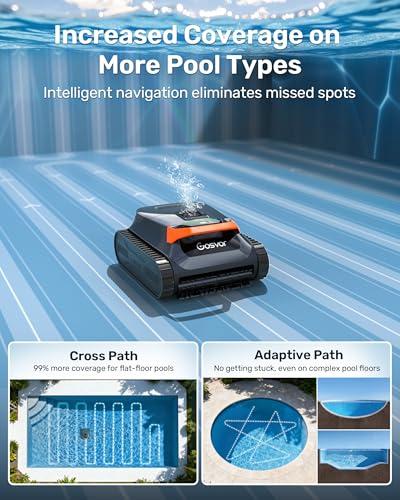
Modern pool robots should clean systematically, not just bounce around hoping to eventually hit every spot. The Gosvor G1 employs intelligent path planning algorithms that adapt to your pool's shape, offering different patterns for flat-bottom versus curved pools. The cross-pattern cleaning mode delivers 99% coverage on flat surfaces while avoiding common trouble spots like main drains where lesser robots get stuck.
The Scuba SE uses basic random navigation—essentially bumping around until the battery dies or hitting an obstacle triggers a direction change. This approach worked adequately for early robotic vacuums on land, but proves problematic in pools where systematic coverage matters for thorough cleaning.
User feedback consistently highlights this navigation difference. G1 owners report reliable, complete cleaning with minimal intervention, while Scuba SE users frequently mention missed areas, getting stuck in corners, and needing to manually reposition the robot during cleaning cycles.
The most significant functional difference between these robots lies in their coverage capabilities. The Gosvor G1 delivers true 4-in-1 cleaning, handling floors, walls up to 5 feet high, waterline scrubbing, and shallow platform areas like tanning ledges. This comprehensive approach addresses the reality that pool contamination occurs on all surfaces, not just the bottom.
Wall climbing capability represents sophisticated engineering. The G1's caterpillar tread system generates enough traction to climb vertical surfaces while maintaining suction contact. The system includes optional buoyancy foam inserts for enhanced grip on slippery tile surfaces—a thoughtful detail that shows real-world testing informed the design.
The Aiper Scuba SE strictly handles floor cleaning only. While this meets basic needs for some users, it leaves walls, waterlines, and platform areas untouched. These surfaces accumulate algae, oils from swimmers, and debris that eventually falls back to the cleaned floor, requiring additional maintenance tools or more frequent overall cleaning.
For pools with significant wall area or complex shapes including steps and platforms, the coverage limitation of the Scuba SE becomes a deal-breaker. The G1 offers comprehensive cleaning that actually reduces overall maintenance burden.
At the time of writing, these robots occupy different value propositions in the market. The Aiper Scuba SE positions itself as an affordable entry point into robotic pool cleaning, while the Gosvor G1 aims to deliver premium performance at competitive pricing.
However, value extends beyond initial purchase price. The Scuba SE's limitations often require supplementary cleaning methods or more frequent manual maintenance, potentially offsetting the upfront savings. Users frequently report needing to pre-skim debris, manually scrub walls, and run multiple cleaning cycles to achieve acceptable results.
The G1's comprehensive cleaning capability and reliable performance translate to genuinely hands-off pool maintenance for most users. The initial investment pays dividends in reduced ongoing effort and more consistent water quality.
From a longevity perspective, the G1's more robust construction and higher-quality components suggest better durability over time. The Scuba SE shows more user reports of reliability issues and component failures, though this partly reflects its budget positioning.
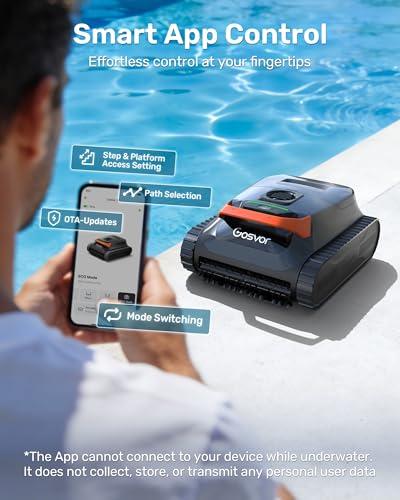
Several technical details separate these robots beyond basic specifications. The Gosvor G1 includes smart app control with OTA (over-the-air) updates, allowing Gosvor to improve performance and add features after purchase. The app provides battery monitoring, cleaning mode selection, and path customization options rarely seen in value-oriented robots.
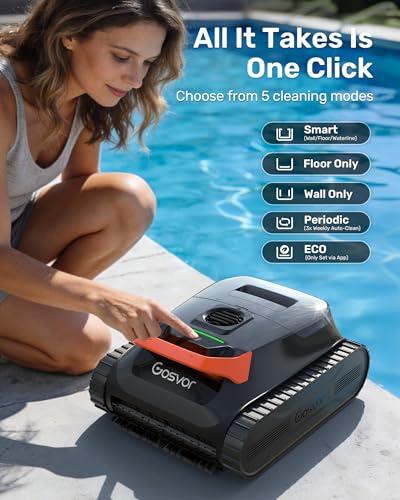
The weekly timer function on the G1 enables true automation—set it once and the robot maintains your pool with minimal intervention. The periodic mode runs 45-minute cycles every 48 hours for a week, perfect for maintaining clean pools during low-debris periods.
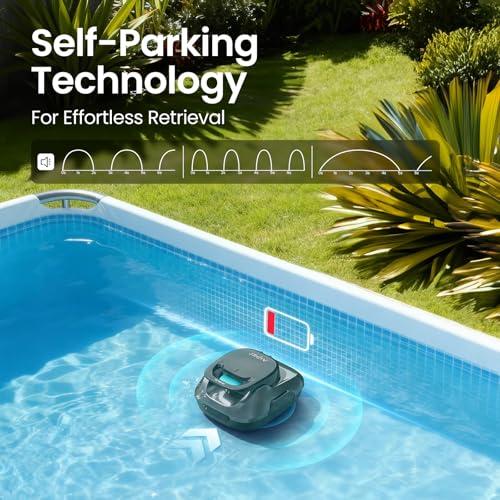
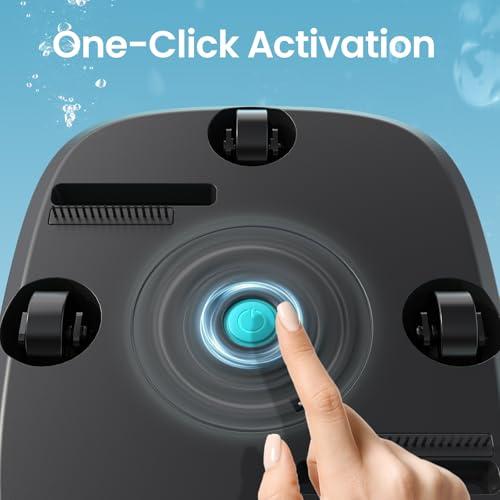
The Scuba SE offers simpler operation with one-button activation and audio status alerts. The auto-parking feature returns the robot to the pool edge when battery runs low, which helps with retrieval. However, these convenience features don't address the fundamental performance limitations.
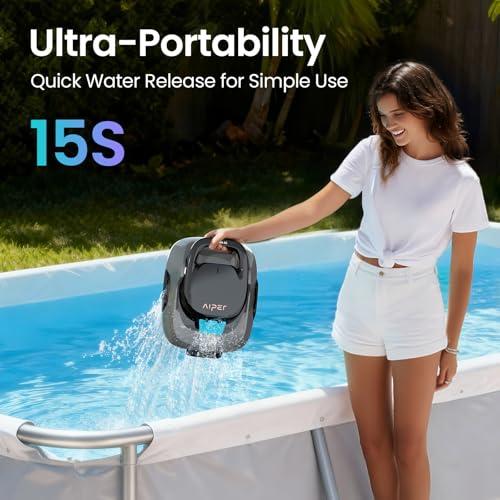
Both robots feature rapid water drainage systems, but the G1's quick-drain design combined with its lighter 15.2-pound weight makes handling more manageable despite the larger size and more complex feature set.
The decision between these robots should center on your specific pool characteristics and cleaning expectations. The Gosvor G1 makes sense for most pool owners seeking effective automated cleaning, particularly those with in-ground pools larger than 1,000 square feet or pools with walls, steps, and varied surfaces.
The G1 particularly excels for busy homeowners who want to minimize pool maintenance involvement. Set the weekly timer, empty the filter basket periodically, and enjoy consistently clean water without manual intervention. The comprehensive cleaning capability means you can skip most other cleaning tools and chemicals related to debris removal.
The Aiper Scuba SE only makes sense in very specific scenarios: small above-ground pools under 800 square feet with minimal debris loads and owners who accept significant performance limitations in exchange for minimal upfront cost. Even then, the ongoing frustration of unreliable cleaning and frequent manual intervention often makes the savings questionable.
For pools with complex shapes, heavy debris loads from surrounding trees, or surfaces beyond simple flat floors, the Scuba SE simply cannot deliver adequate results. The G1 handles these challenging conditions effectively while maintaining the convenience factor that makes robotic cleaners worthwhile.
Based on our extensive research into user experiences and technical specifications, the Gosvor LiteVac G1 represents a clear winner for most pool cleaning applications. The substantial performance advantages in suction power, coverage capability, battery life, and navigation intelligence justify the likely price premium for users seeking effective automated cleaning.
The Aiper Scuba SE fails to deliver on the basic promise of robotic pool cleaning for most users. While the low price point might seem attractive, the poor performance and reliability issues often result in more frustration than benefit. Pool maintenance should become easier with automation, not more complicated.
For most pool owners, investing in the more capable Gosvor G1 delivers better long-term value through reduced maintenance burden, superior cleaning results, and more reliable operation. The comprehensive cleaning capability alone eliminates the need for separate wall brushing and waterline cleaning tools that Scuba SE users still require.
The pool robot category continues evolving rapidly, with improvements in battery technology and navigation systems appearing regularly. However, the fundamental engineering differences between these models—particularly the massive suction power gap and coverage capabilities—represent limitations that software updates cannot overcome. Choose based on the performance you need today, not potential future improvements.
| Gosvor LiteVac G1 | Aiper Scuba SE |
|---|---|
| Suction Power - The most critical factor for effective debris removal | |
| 3,960 GPH (handles all debris types effectively) | 1,200 GPH (struggles with larger debris, pushes items around) |
| Pool Coverage Area - Determines if your pool size is supported | |
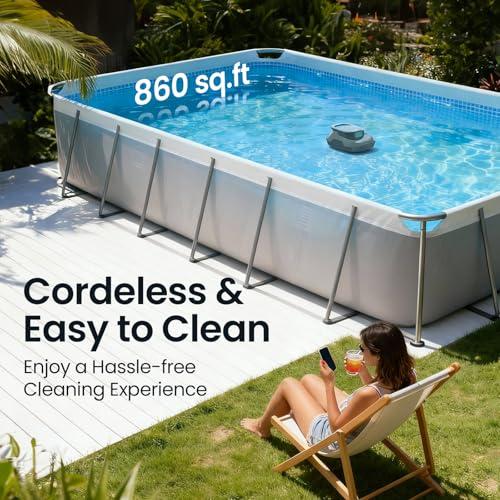
| Up to 2,153 sq ft (suitable for most residential pools) | Up to 860 sq ft (limited to small above-ground pools) |
| Cleaning Coverage - What surfaces the robot can actually clean | |
| 4-in-1: floors, walls, waterline, platforms (comprehensive cleaning) | Floor only (leaves walls and waterline dirty) |
| Battery Runtime - Whether it can finish your pool in one charge | |
| Up to 200 minutes (220 in ECO mode) | Up to 90 minutes (often insufficient for complete cleaning) |
| Navigation Intelligence - Affects cleaning thoroughness and reliability | |
| Smart path planning with adaptive routes, 99% floor coverage | Random bouncing navigation, frequently gets stuck |
| Filtration Quality - How well it captures fine particles for clear water | |
| Double system: 3-micron ultra-fine + 3.6L basket (captures algae) | Single 180-micron filter, 2L capacity (misses fine debris) |
| Wall Climbing Capability - Essential for complete pool cleaning | |
| Climbs walls up to 5 feet with caterpillar treads | No wall climbing ability |
| Weight and Handling - Impacts ease of removal from pool | |
| 15.2 lbs with quick drainage (manageable for most users) | 7.5 lbs but frequent handling needed due to poor performance |
| Smart Features - Convenience and automation capabilities | |
| App control, OTA updates, weekly timer, 5 cleaning modes | One-button operation, audio alerts, auto-parking only |
| Pool Type Compatibility - What pools work best with each model | |
| In-ground and above-ground, all surfaces, saltwater compatible | Above-ground and flat in-ground only, limited surface types |
| Real-World Performance - Based on user feedback and reviews | |
| Reliable autonomous cleaning, minimal intervention required | Frequent manual assistance needed, inconsistent results |
The Gosvor LiteVac G1 delivers significantly stronger suction at 3,960 GPH compared to the Aiper Scuba SE at 1,200 GPH. This means the LiteVac G1 can handle larger debris like leaves and twigs effectively, while the Scuba SE often struggles and pushes debris around rather than capturing it.
No, only the Gosvor LiteVac G1 can climb walls up to 5 feet high using its caterpillar tread system. The Aiper Scuba SE is limited to floor-only cleaning, leaving walls and waterlines untouched where algae and debris accumulate.
The Gosvor LiteVac G1 offers up to 200 minutes of runtime (220 minutes in ECO mode) compared to the Aiper Scuba SE's 90 minutes. This extended battery life allows the G1 to complete larger pools in a single charge cycle.
The Gosvor LiteVac G1 can clean pools up to 2,153 square feet, while the Aiper Scuba SE is limited to 860 square feet. If you have a larger pool, the Scuba SE won't provide adequate coverage.
The Gosvor LiteVac G1 uses intelligent path planning with systematic cleaning patterns and obstacle avoidance. The Aiper Scuba SE relies on random navigation and frequently gets stuck, requiring manual intervention during cleaning cycles.
The Gosvor LiteVac G1 features dual filtration including a 3-micron ultra-fine filter that captures algae and sand particles. The Aiper Scuba SE has a basic 180-micron filter that allows fine debris to escape, leaving water cloudy.
The Gosvor LiteVac G1 works excellently with in-ground pools of all shapes and surfaces. The Aiper Scuba SE is primarily designed for above-ground pools and flat-bottomed in-ground pools only, struggling with slopes and complex shapes.
Both models feature top-loading filter access, but the Gosvor LiteVac G1 has a larger 3.6L capacity requiring less frequent emptying. The Scuba SE's 2L filter needs more frequent attention, and users report difficulty with the clip mechanisms.
Yes, the Gosvor LiteVac G1 includes comprehensive app control with cleaning mode selection, scheduling, and over-the-air updates. The Aiper Scuba SE offers only basic one-button operation with audio alerts and auto-parking features.
The Gosvor LiteVac G1 handles heavy debris loads effectively thanks to its powerful 3,960 GPH suction and large filter capacity. The Aiper Scuba SE struggles with anything beyond light debris and often requires pre-skimming of larger items.
The Gosvor LiteVac G1 is compatible with saltwater pools up to 5,000 ppm salinity and various surface materials. The Aiper Scuba SE has more limited compatibility and works best in standard chlorinated above-ground pools.
While the Aiper Scuba SE has a lower upfront cost, the Gosvor LiteVac G1 provides significantly better value through superior performance, comprehensive cleaning coverage, and reliable operation that reduces ongoing maintenance needs. The G1's advanced features and effectiveness justify the investment for most pool owners.
We've done our best to create useful and informative comparisons to help you decide what product to buy. Our research uses advanced automated methods to create this comparison and perfection is not possible - please contact us for corrections or questions. These are the sites we've researched in the creation of this article: youtube.com - shopabunda.com - walmart.com - gosvor.com - youtube.com - gosvor.com - youtube.com - shop.tiktok.com - gosvor.net - walmart.com - thegosvor.com - thepoolnerd.com - aiper.com - roboticreviews.com - aiper.co.za - youtube.com - swim-fun.com - poolpad.com - robotshop.com - youtube.com - nabridas.mu - thepoolnerd.com - walmart.com - youtube.com - poolandspawarehouse.com.au - poolbots.com - vitafilters.com

Privacy Policy
Terms and Conditions - Affiliate Policy
Home Security
© Copyright 2008-2026.
11816 Inwood Rd #1211, Dallas, TX 75244