

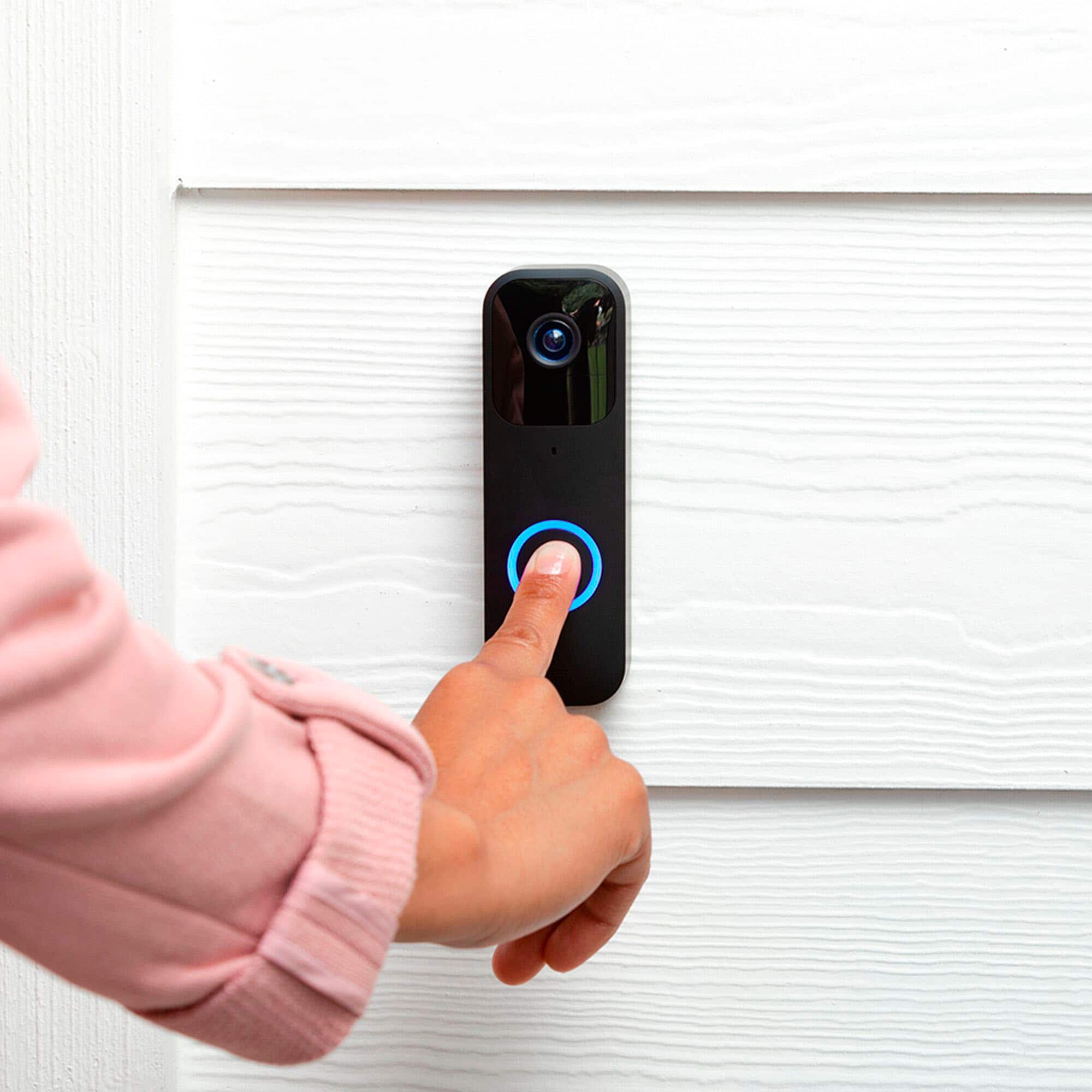




Smart video doorbells have become an essential part of modern home security, transforming how we monitor and interact with visitors. Since their mainstream adoption around 2018, these devices have evolved from simple video intercoms to sophisticated security tools with AI-powered features and smart home integration.
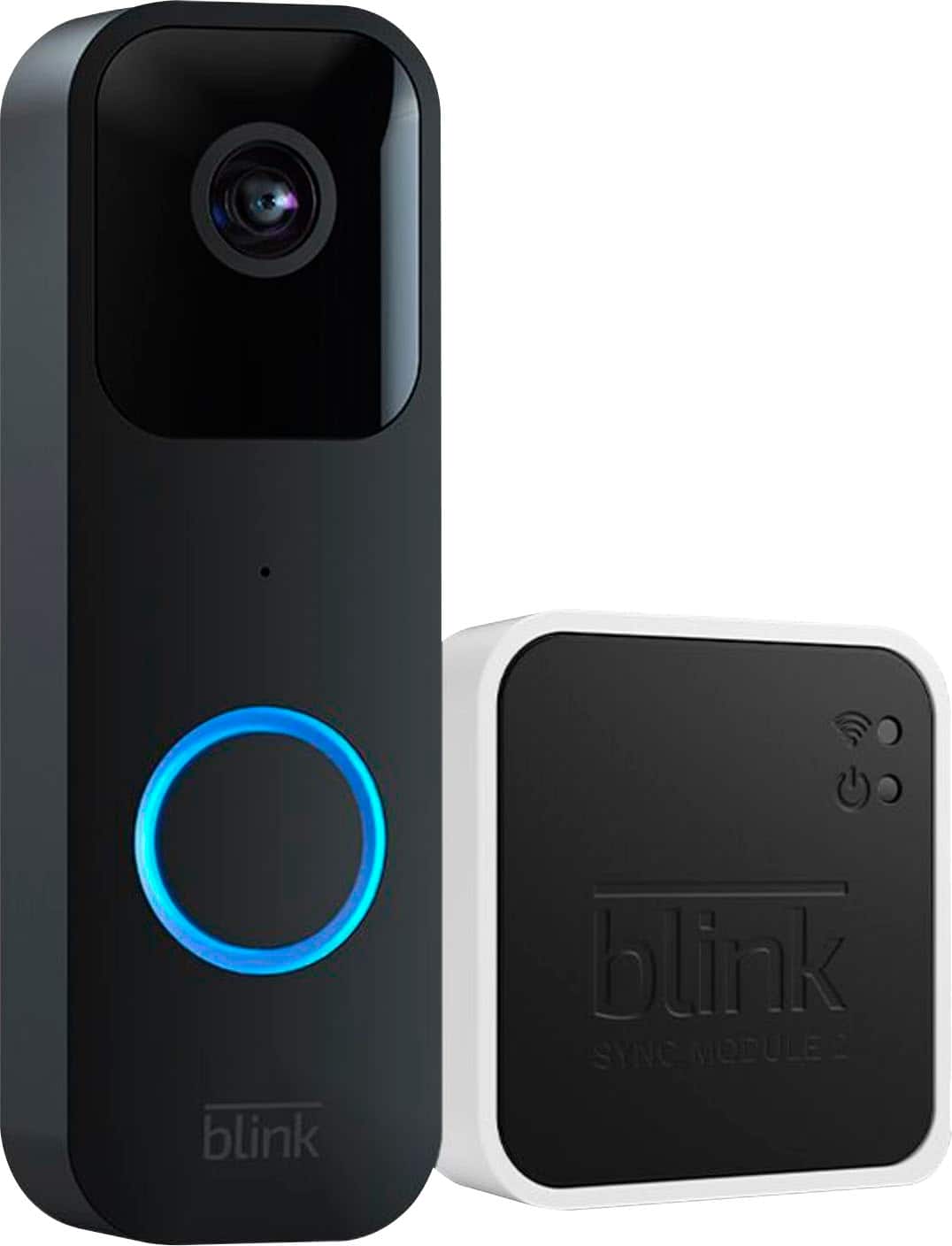
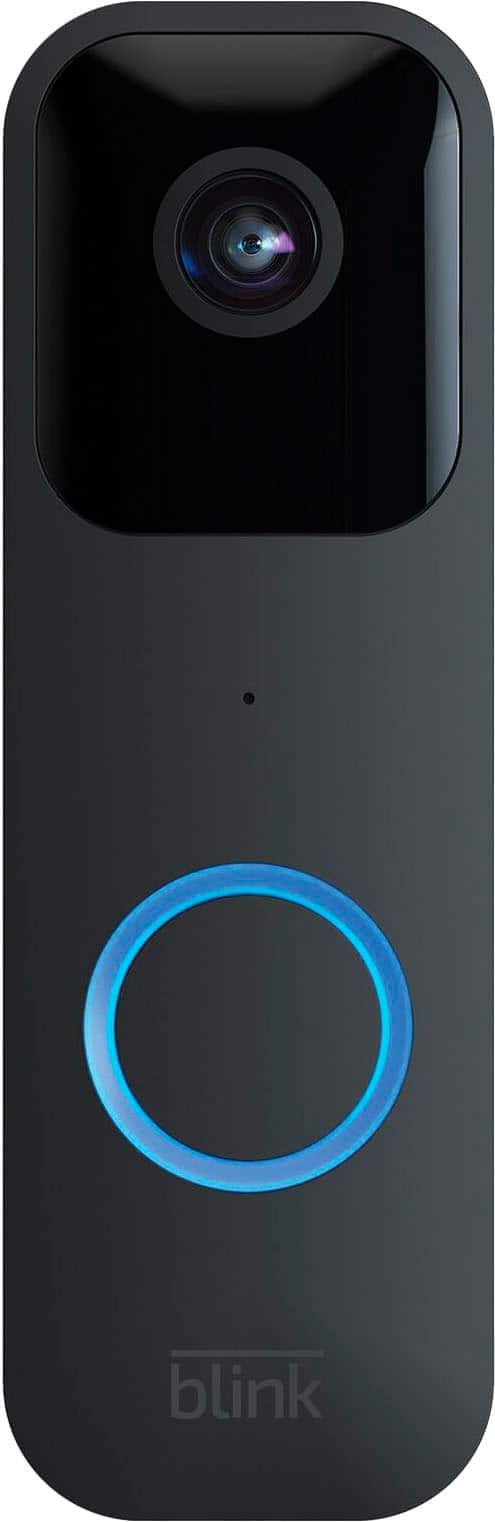
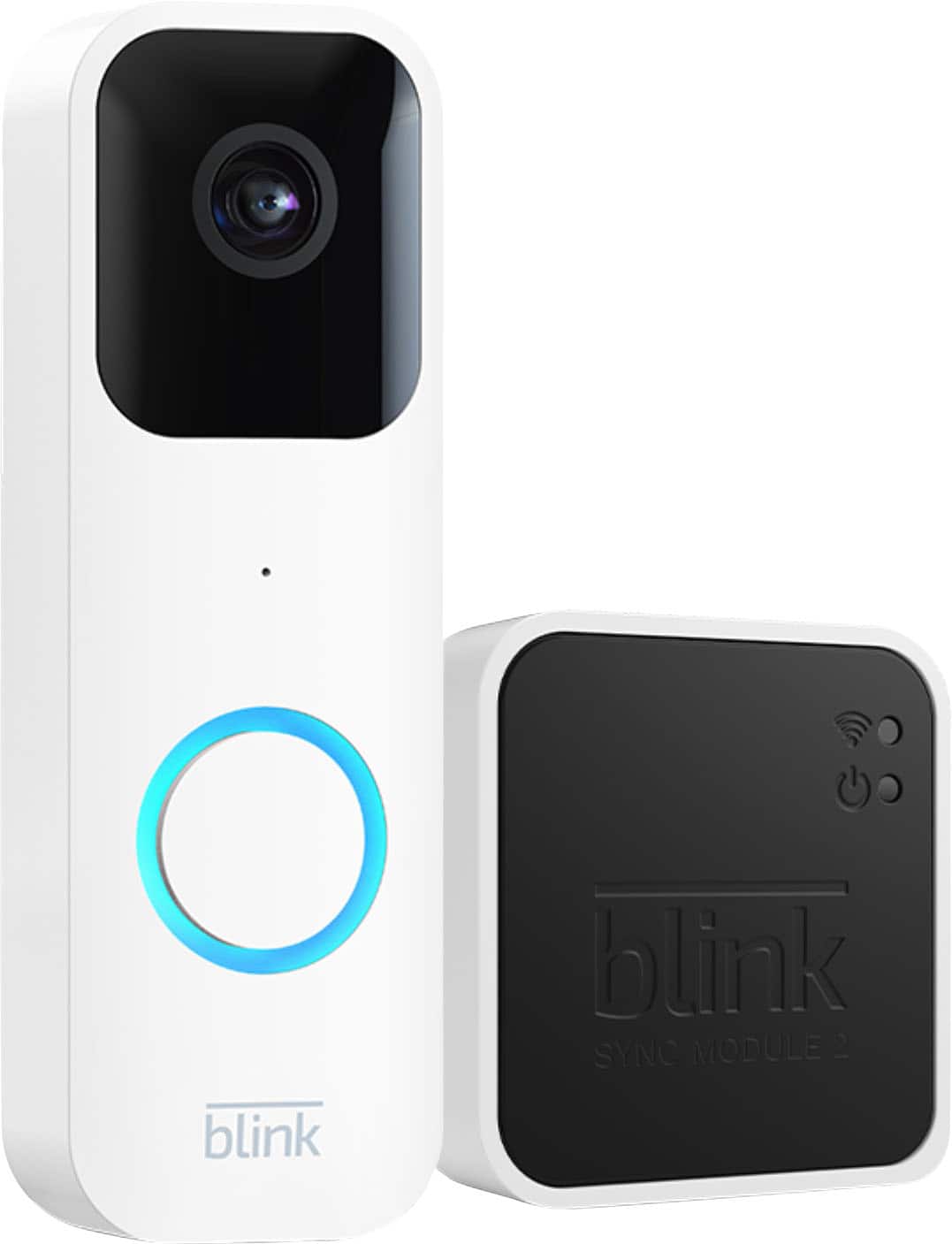
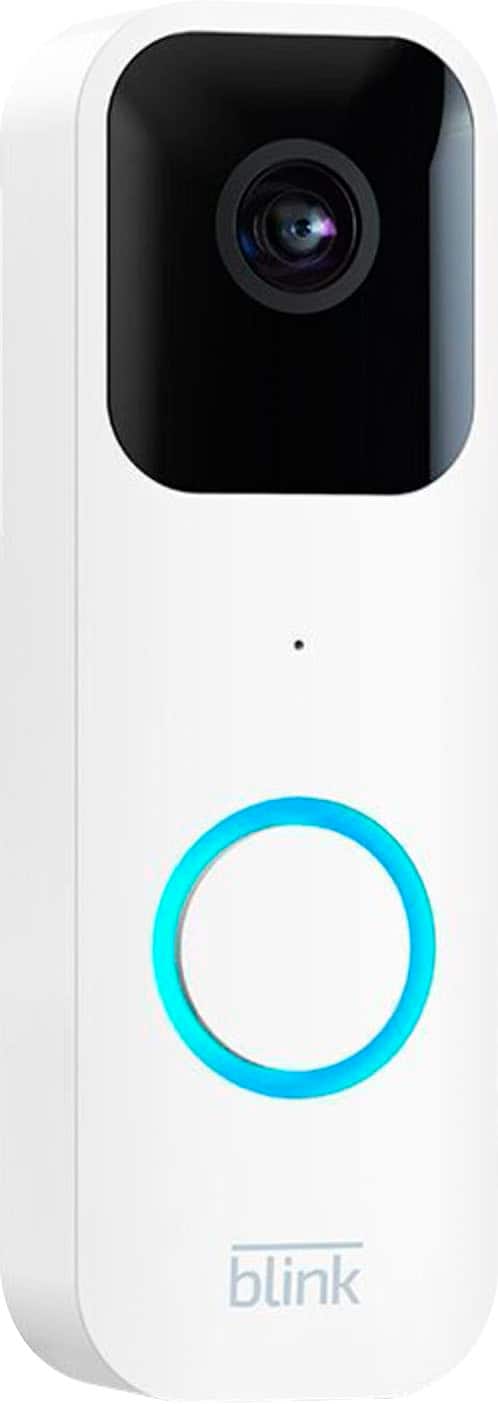
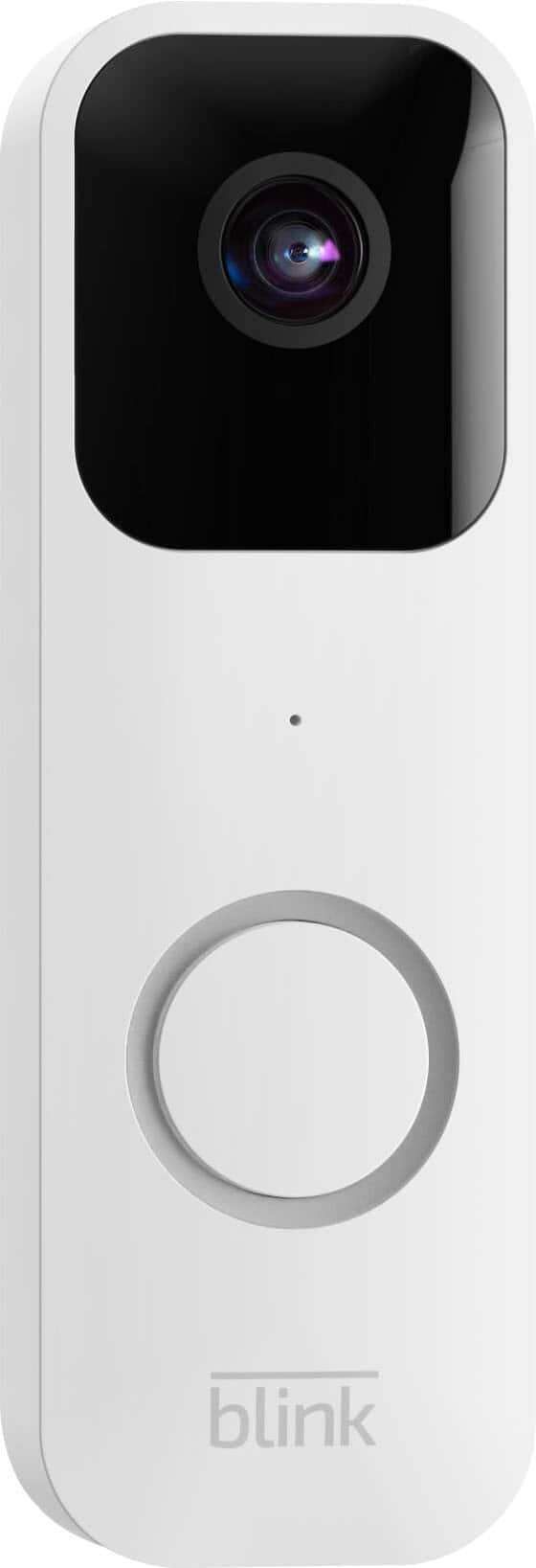
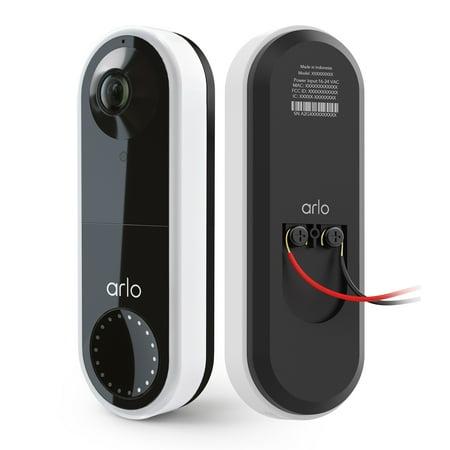
The Blink Smart Wifi Video Doorbell with Sync Module 2 ($69.99) and Arlo Essential Wired Video Doorbell ($58.99) represent two different approaches to video doorbell technology. Released in September 2021 and October 2020 respectively, both devices have established track records and received multiple firmware updates enhancing their capabilities.
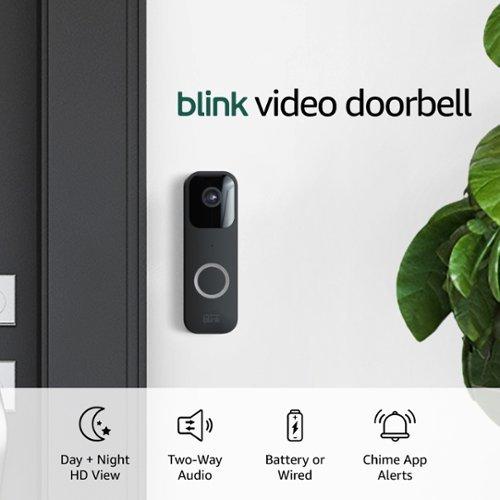
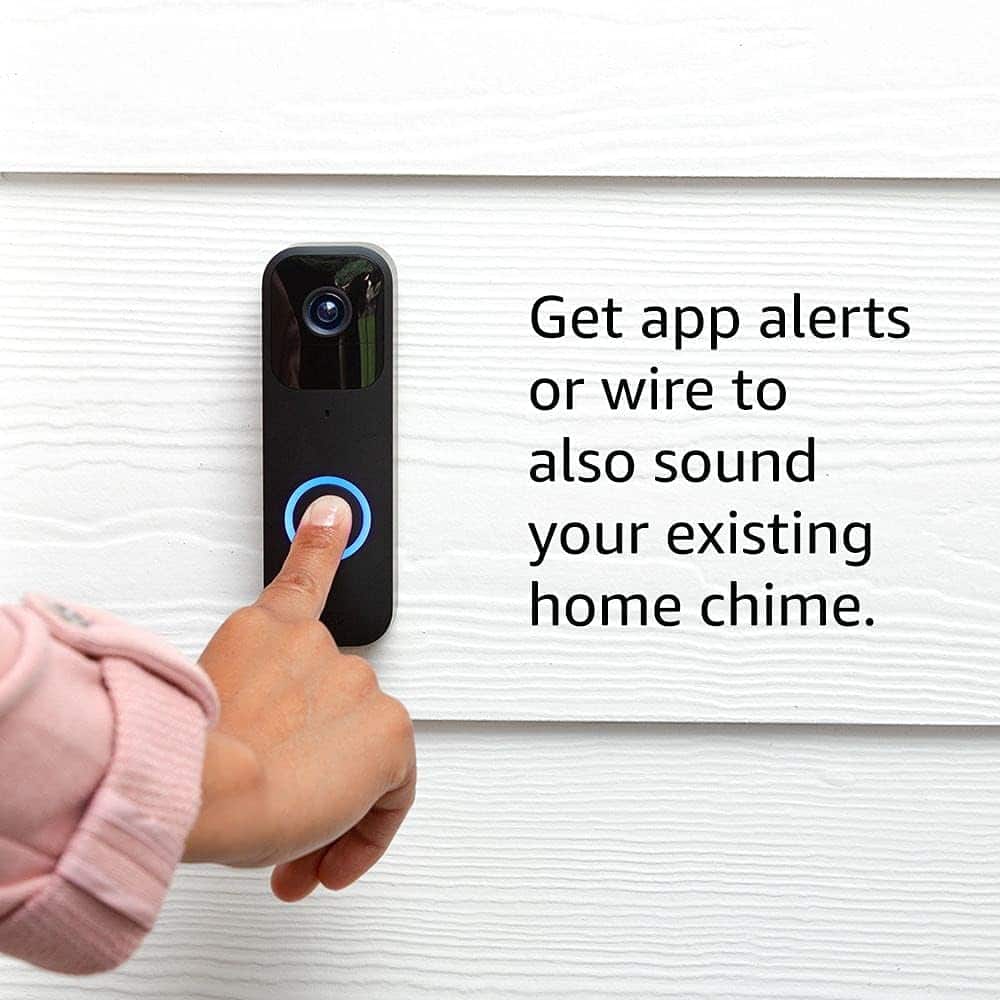
The power and installation requirements often become the deciding factor for many homeowners. The Blink doorbell offers remarkable flexibility with its dual-power approach. You can either connect it to existing doorbell wiring (16-24VAC) or use two AA lithium batteries. This flexibility makes it particularly appealing for homes without existing doorbell wiring or for renters who can't make permanent modifications.
The Arlo Essential takes a more traditional approach, requiring hardwired installation. While this might seem limiting, the consistent power supply enables some of its advanced features like continuous video recording and enhanced motion detection.
The Arlo's 1536x1536 resolution in a square format provides about 2.4 megapixels of detail, compared to Blink's 1080p (roughly 2.1 megapixels in 16:9 format). While both deliver clear images, the Arlo's square aspect ratio often proves more practical for doorbell use, showing packages on the ground while still capturing faces.
Both doorbells use infrared LEDs for night vision, but Arlo adds color night vision capability when there's ambient light. In testing, both perform well in complete darkness, but Arlo's color night vision provides more natural-looking footage when there's some light available.
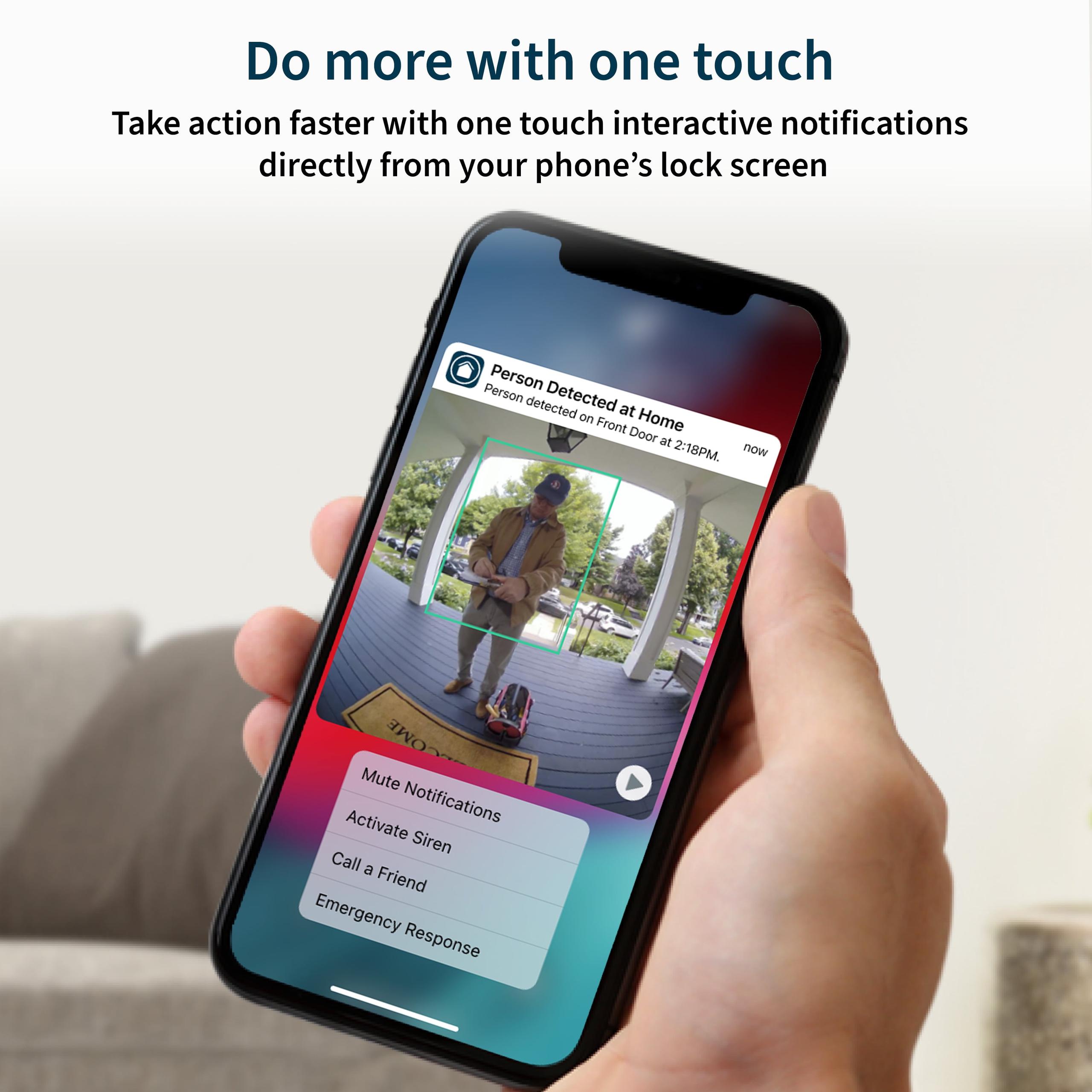
The Blink system uses frame-to-frame comparison for motion detection, which works well but can sometimes trigger false alerts from shadows or rapid light changes. Arlo employs more sophisticated AI-based detection, distinguishing between people, packages, vehicles, and animals.
The included Sync Module 2 allows local storage on a USB drive (up to 256GB), eliminating monthly fees. This hybrid approach provides both cloud and local storage options, giving users more control over their data.
Arlo requires a subscription for cloud storage and advanced features:
Both doorbells perform well in day-to-day use, but there are notable differences:
The Arlo provides full-duplex audio (like a phone call), while Blink uses push-to-talk. Arlo's approach feels more natural in conversation with visitors.
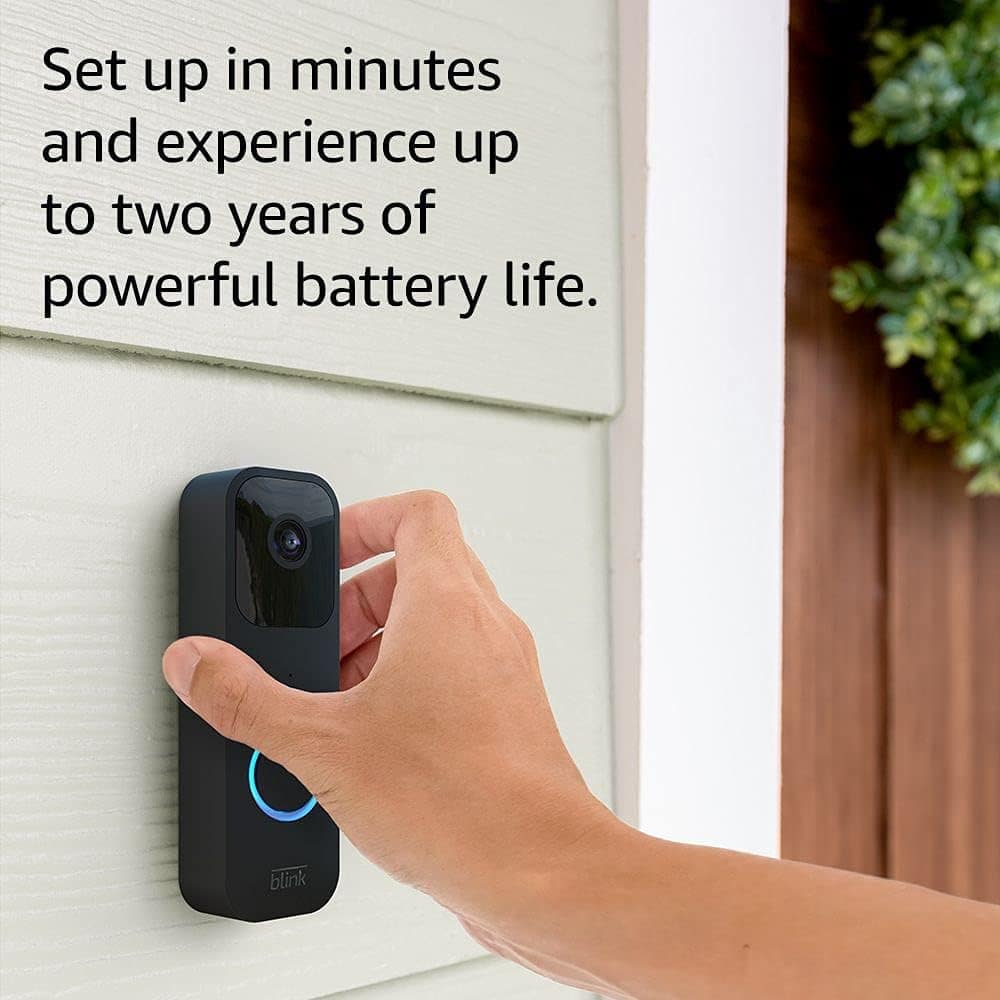
The Blink doorbell claims up to two years of battery life with normal use, which real-world testing suggests is achievable with default settings. This longevity makes it particularly appealing for wireless installations.
Both companies regularly update their devices' firmware, but Arlo has shown a stronger track record of adding new features post-release. The Arlo Essential has received several significant updates since its 2020 launch, including improved motion detection and new smart features.
Both doorbells excel in their intended use cases. The Blink offers exceptional value and flexibility, especially for those wanting to avoid monthly fees or requiring battery power. The Arlo provides superior video quality and smart features but requires permanent installation and a subscription for full functionality.
Your choice should primarily depend on your installation preferences, desired features, and willingness to pay for a subscription. Both manufacturers have proven reliable in the smart home market, so either choice should serve well for years to come.
| Blink Smart Wifi Video Doorbell with Sync Module 2 | Arlo Essential Wired Video Doorbell |
|---|---|
| Price - Total cost of ownership matters | |
| $69.99 with Sync Module 2, no required subscription | $58.99 base price, subscription required ($3-15/month) |
| Power Options - Affects installation flexibility | |
| Battery (2 AA) or wired (16-24VAC) | Wired only (16-24VAC) |
| Video Resolution - Impacts facial detail and package reading | |
| 1080p HD (1920x1080) | 1536x1536 square format |
| Field of View - Determines what you can see | |
| 135° horizontal, 80° vertical | 180° diagonal view |
| Night Vision - Critical for 24/7 monitoring | |
| Black & white infrared | Color with ambient light, infrared in darkness |
| Storage Options - Affects ongoing costs | |
| Local (USB up to 256GB) + optional cloud | Cloud only with subscription |
| Smart Home Integration - Important for ecosystem compatibility | |
| Amazon Alexa only | Alexa, Google Assistant, Apple HomeKit |
| Motion Detection - Affects alert accuracy | |
| Basic frame comparison | AI-powered with object recognition |
| Audio Capabilities - Important for visitor interaction | |
| Push-to-talk two-way audio | Full-duplex two-way audio |
| Battery Life - Relevant for wireless installations | |
| Up to 2 years with standard settings | N/A (wired only) |
| Weather Resistance - Important for outdoor durability | |
| -4°F to 113°F operating range | -4°F to 113°F operating range |
| Installation Complexity - Affects setup time and cost | |
| DIY-friendly, 15-minute setup | Requires electrical knowledge or professional install |
The Blink Smart Wifi Video Doorbell is better for flexibility and value, while the Arlo Essential Wired Video Doorbell offers superior video quality. Blink is ideal for those wanting battery power option and no subscription, while Arlo suits users prioritizing advanced features and broader smart home integration.
The Blink doorbell works with or without existing wiring, using either batteries or 16-24VAC power. The Arlo Essential requires existing doorbell wiring (16-24VAC).
The Arlo Essential provides higher resolution (1536x1536) and a wider 180° field of view. The Blink offers 1080p resolution with a 135° horizontal view. Both are clear, but Arlo's quality is noticeably better.
The Blink doorbell doesn't require a subscription and includes local storage via Sync Module 2. The Arlo doorbell requires a subscription ($3-15/month) for cloud storage and advanced features.
Both offer infrared night vision, but the Arlo Essential provides color night vision when ambient light is available. The Blink uses standard black-and-white infrared vision.
The Blink Video Doorbell lasts up to 2 years on two AA batteries with normal use. The Arlo Essential doesn't use batteries as it's wired-only.
Blink offers easier DIY installation, especially in battery mode. Arlo requires hardwiring and basic electrical knowledge or professional installation.
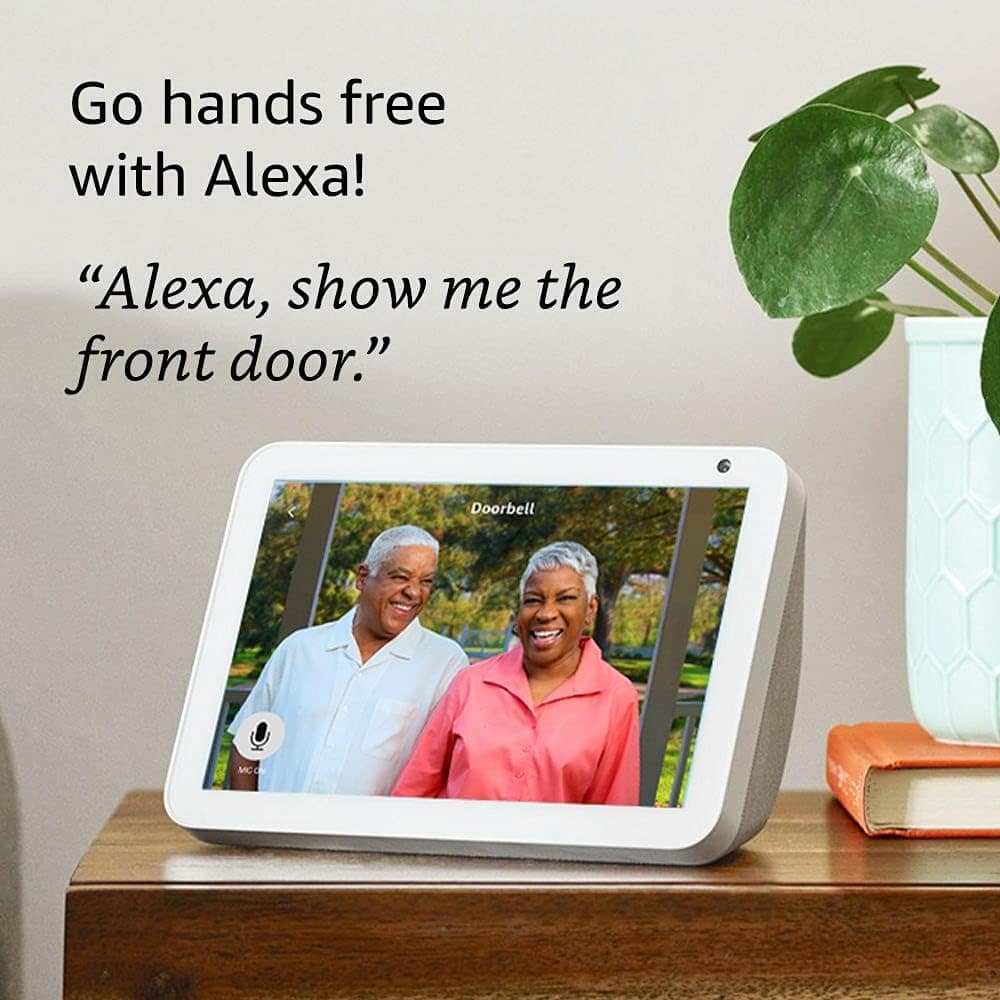
The Blink works only with Alexa, while the Arlo supports Alexa, Google Assistant, and Apple HomeKit.
The Arlo Essential offers superior AI-powered motion detection that can identify people, packages, vehicles, and animals. The Blink uses basic frame-comparison motion detection.
The Blink doorbell allows local storage via USB drive (up to 256GB) with included Sync Module 2. The Arlo doorbell requires cloud storage subscription.
Arlo provides full-duplex audio (like a phone call), while Blink uses push-to-talk audio. Arlo's system feels more natural during conversations.
Both doorbells have similar weather resistance, operating between -4°F to 113°F, making them suitable for most climates.
We've done our best to create useful and informative comparisons to help you decide what product to buy. Our research uses advanced automated methods to create this comparison and perfection is not possible - please contact us for corrections or questions. These are the sites we've researched in the creation of this article: gearbrain.com - support.blinkforhome.com - support.blinkforhome.com - youtube.com - forums.xfinity.com - staples.com - quill.com - support.blinkforhome.com - catalog.linksunlimited.com - support.blinkforhome.com - support.blinkforhome.com - safehome.org - arlo.com - arlo.com - bestbuy.com - arlo.com - wasserstein-home.com - arlo.com - arlo.com - prnewswire.com - telquestintl.com

Privacy Policy
Terms and Conditions - Affiliate Policy
Home Security
© Copyright 2008-2026.
11816 Inwood Rd #1211, Dallas, TX 75244