

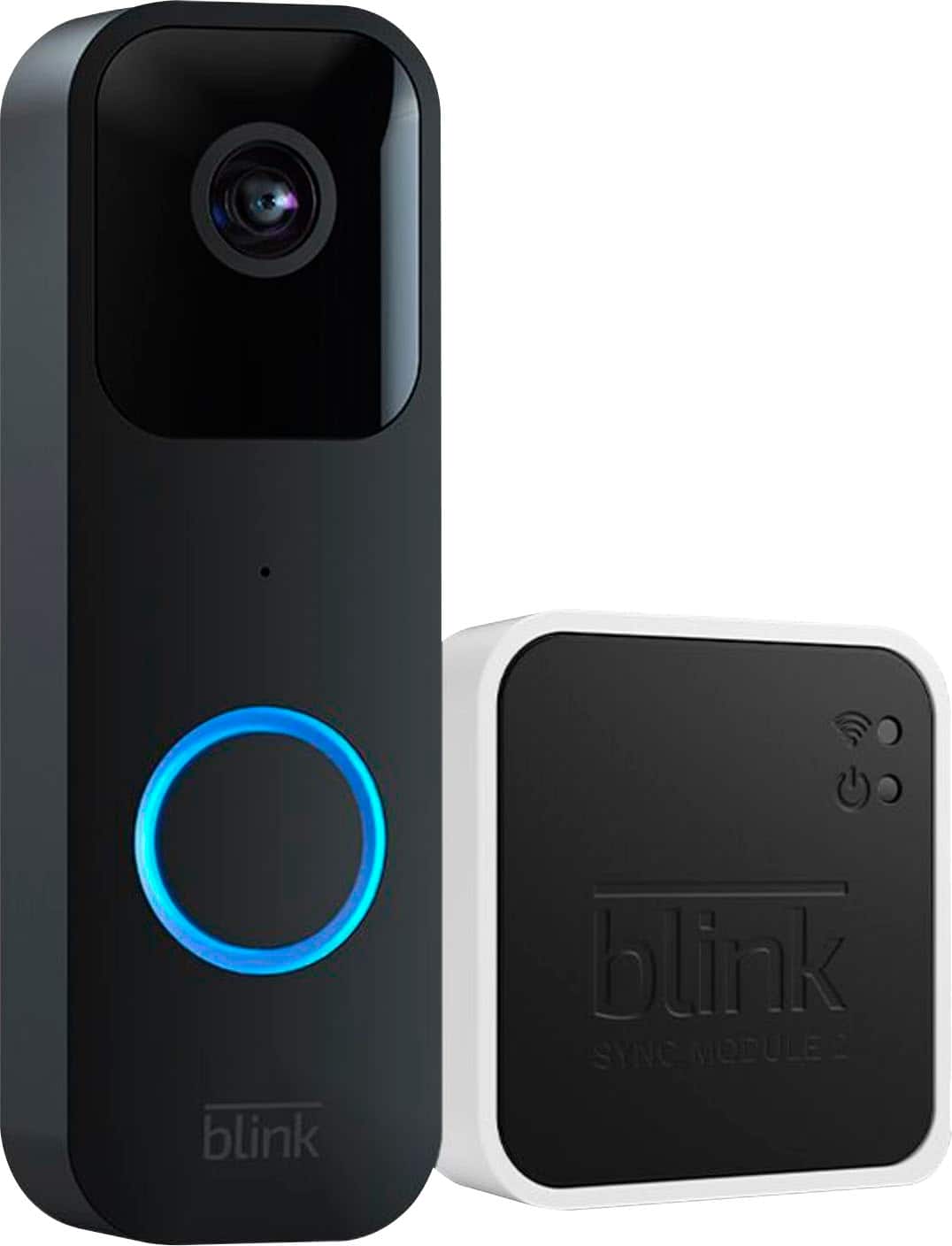
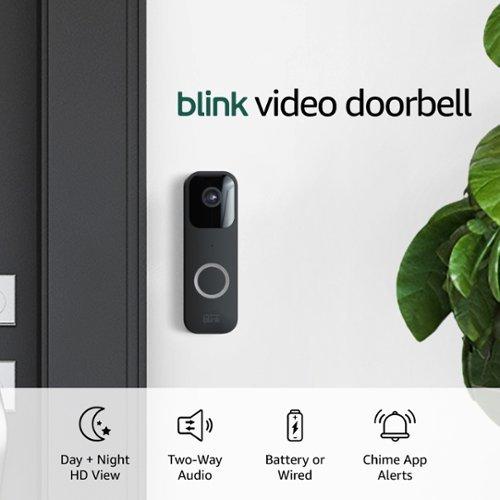
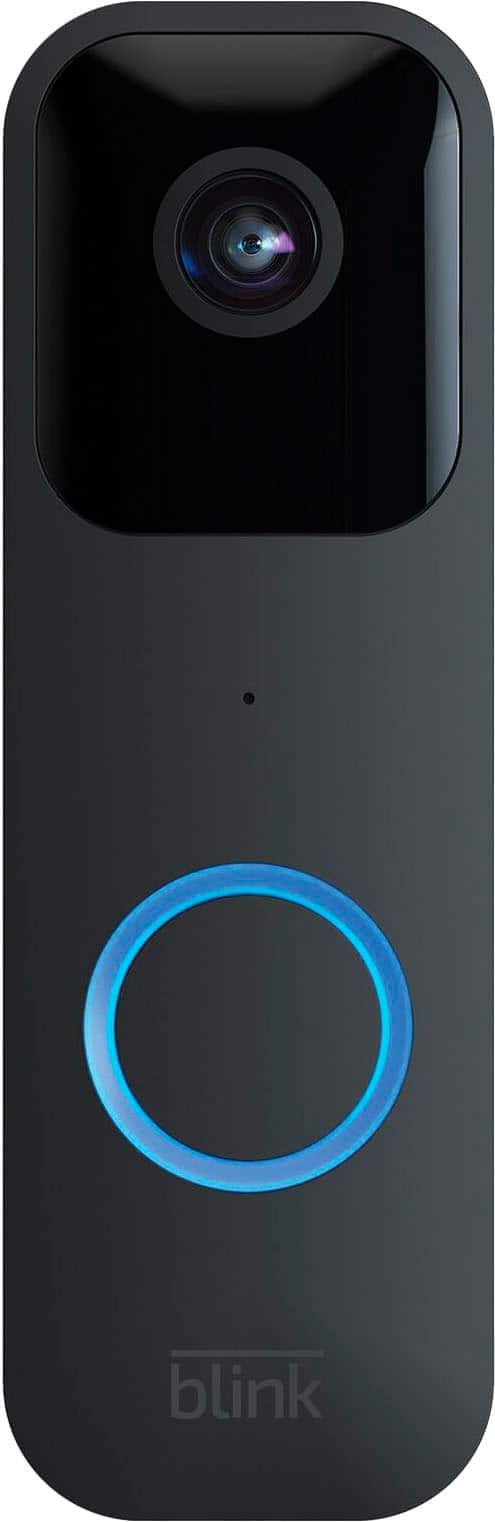
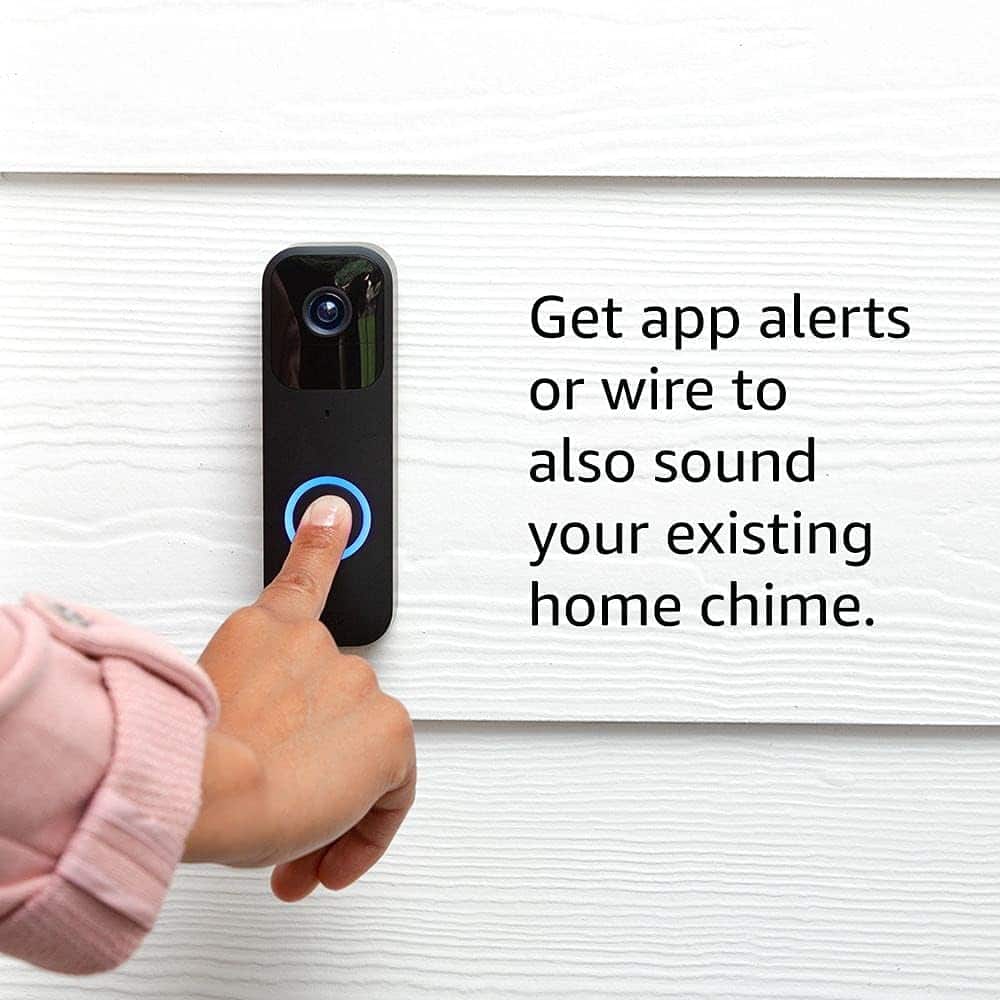
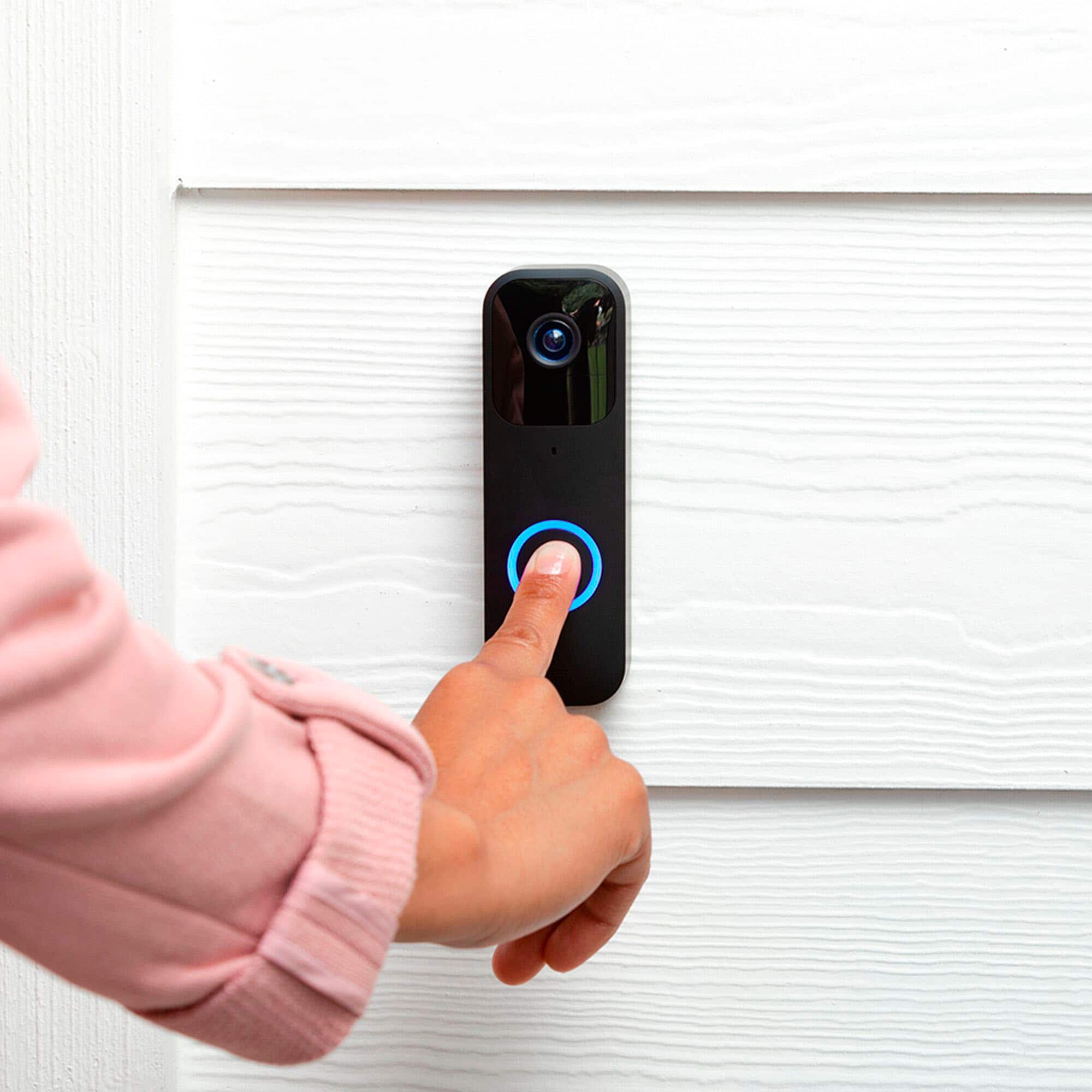
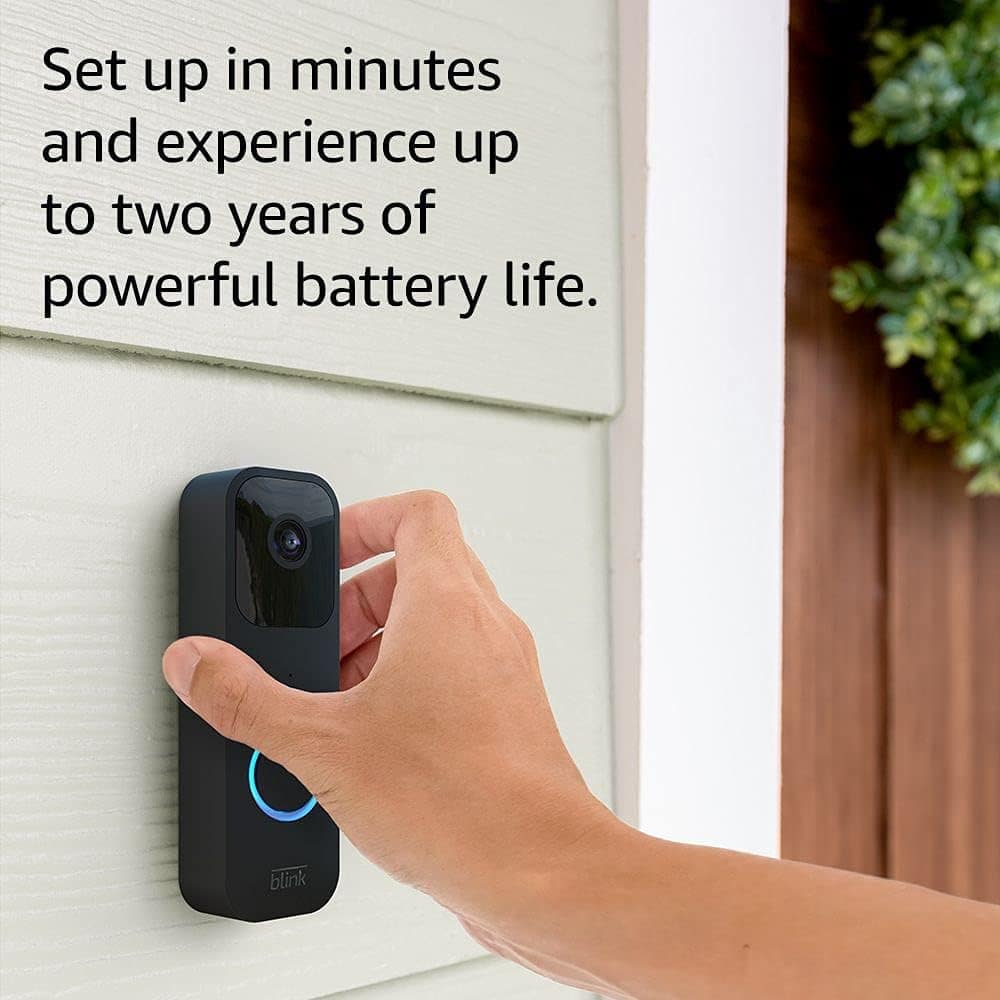
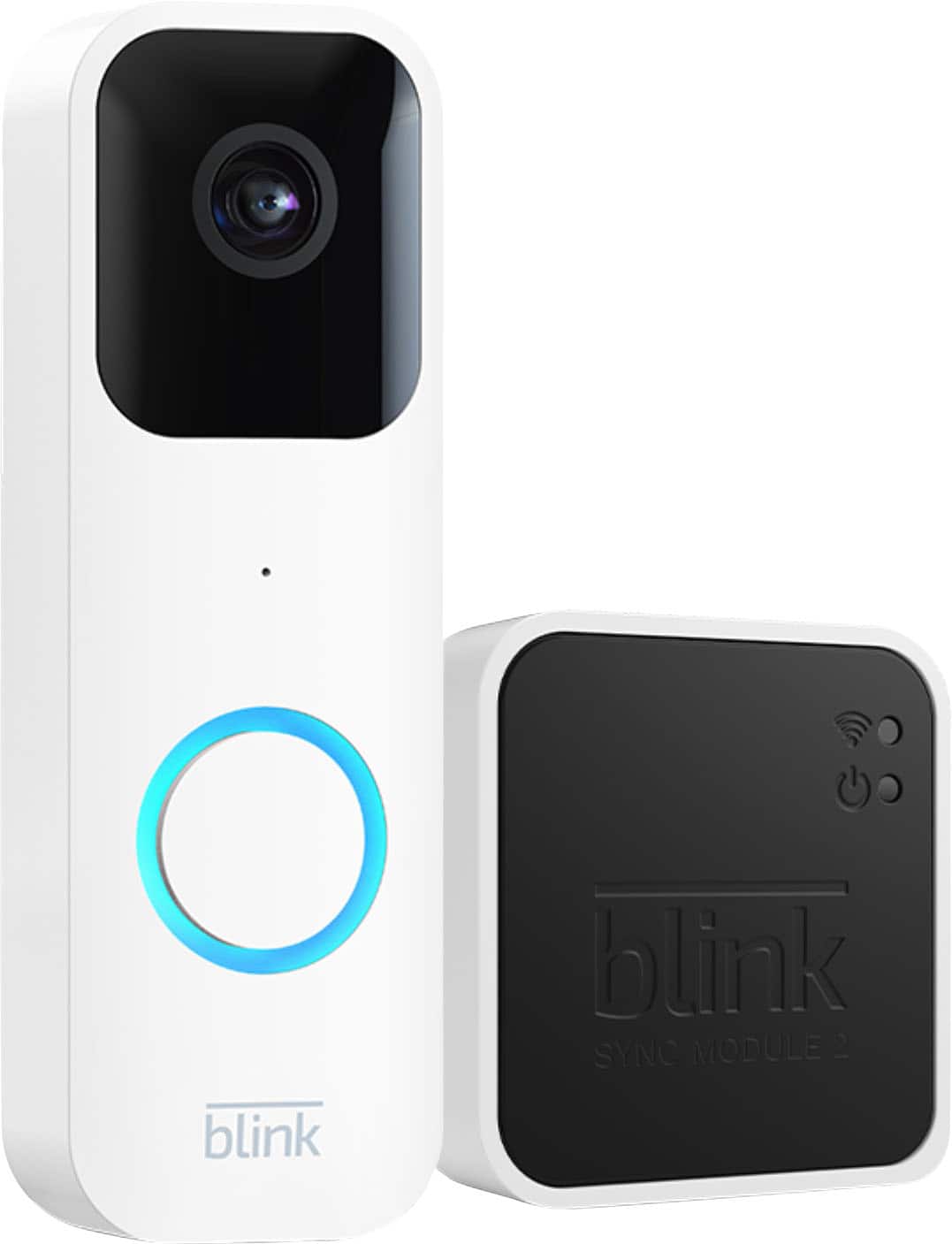
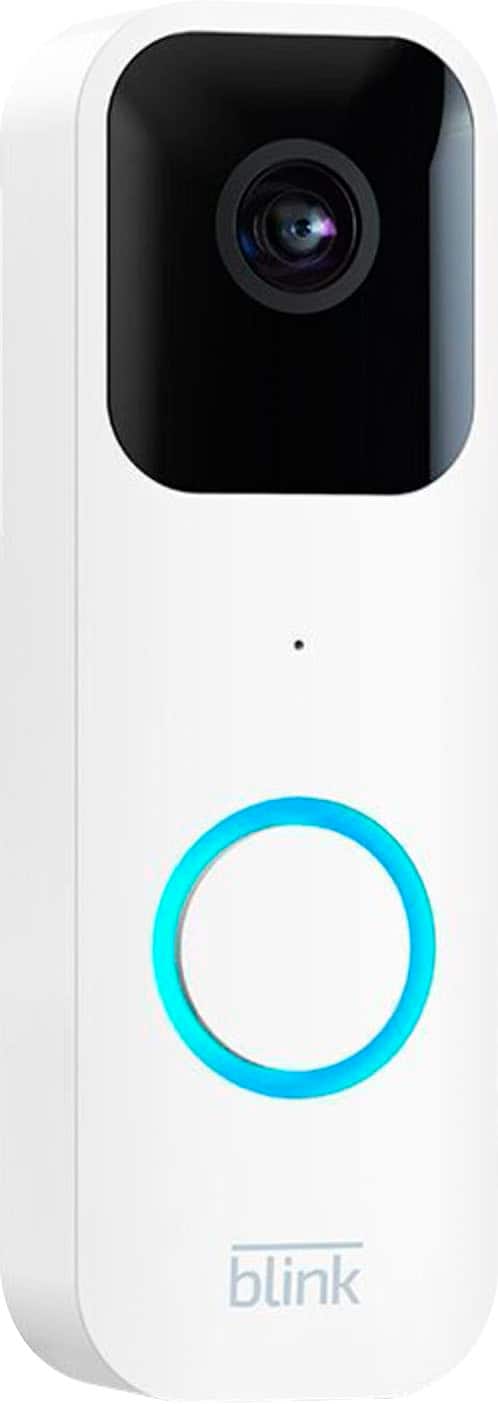
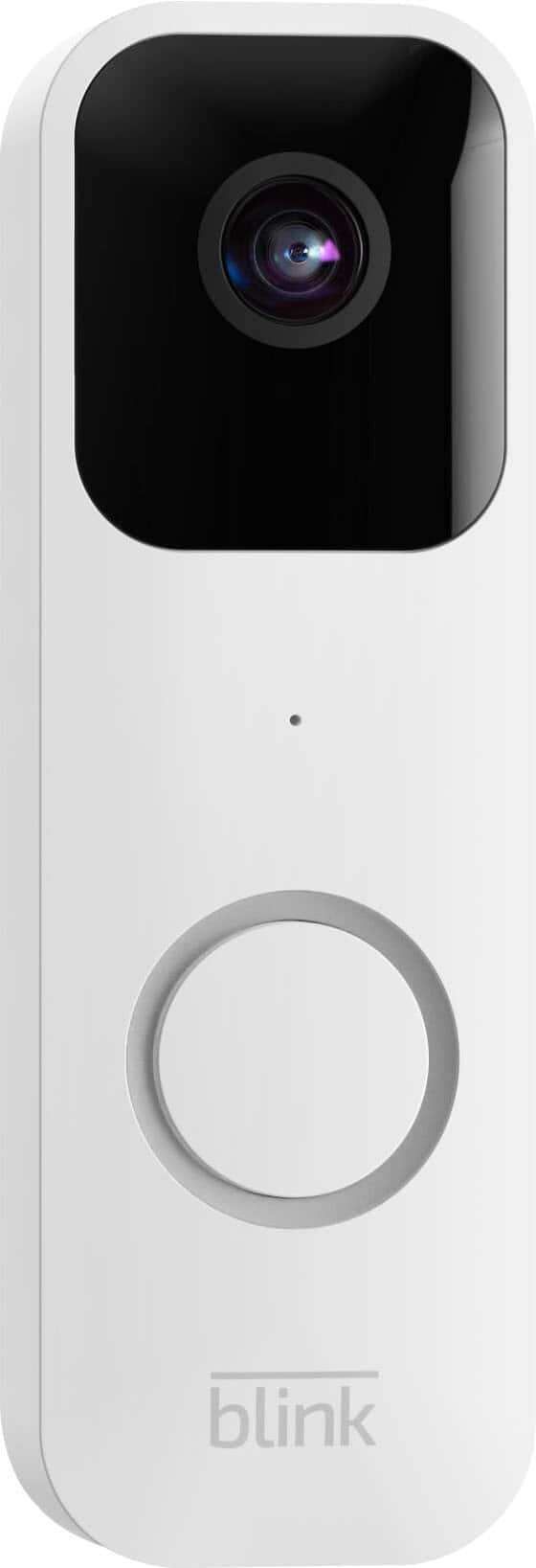
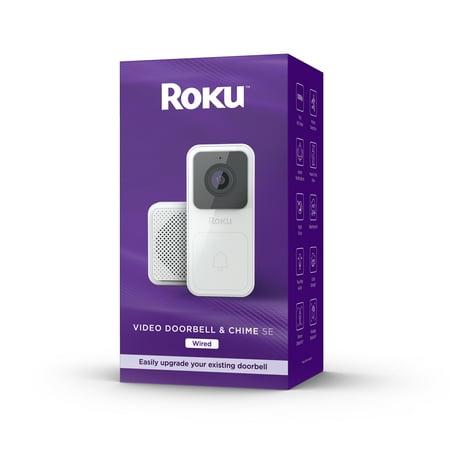
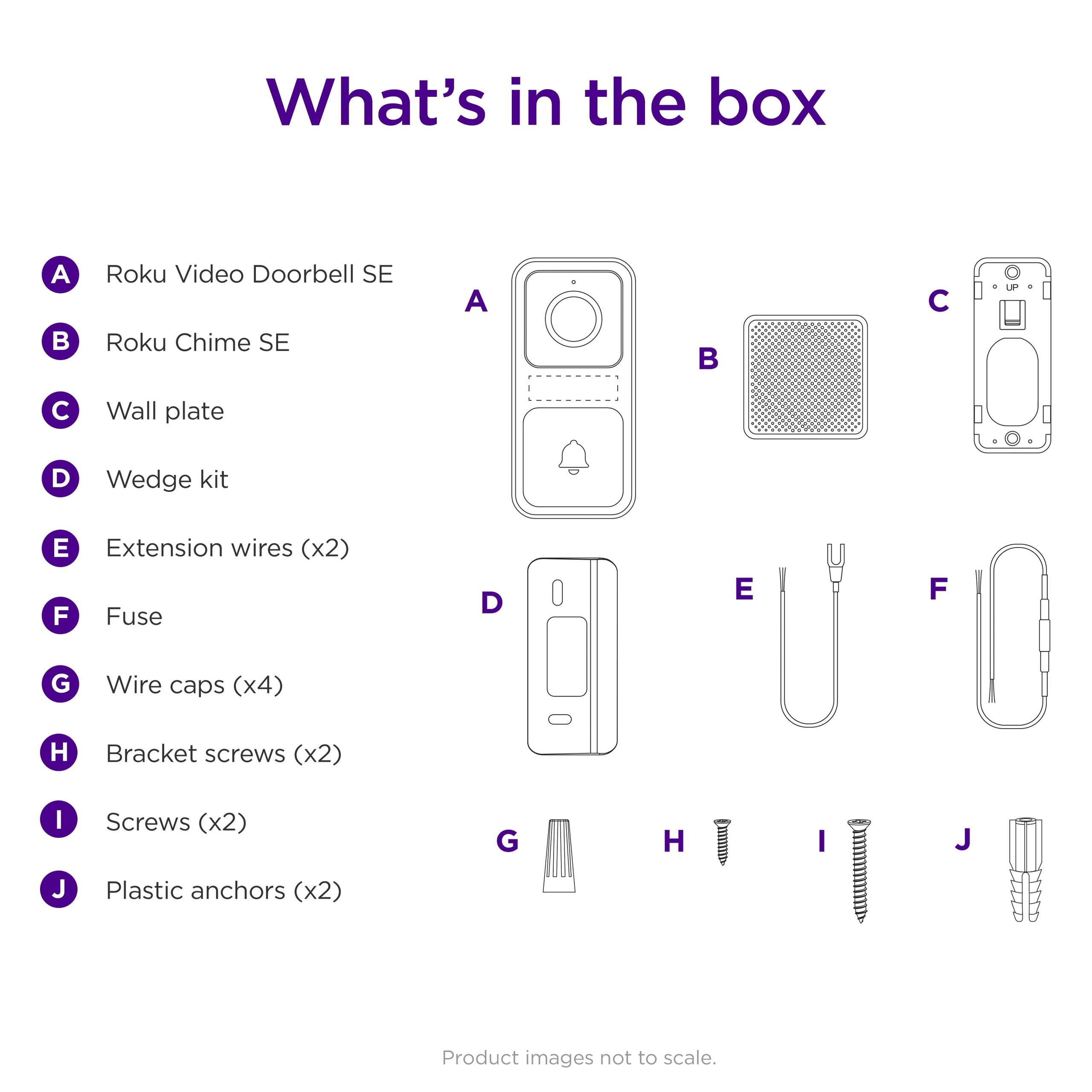
Smart doorbells have transformed from simple chime devices to sophisticated home security hubs. The Blink Smart WiFi Video Doorbell with Sync Module 2 ($69.99) and Roku Smart Home Video Doorbell & Chime SE ($79.00) represent two distinct approaches to this technology, each released within the past two years. Let's dive into what makes each unique and who they might serve best.
When Blink released their doorbell in September 2021, they focused on flexibility and efficiency. The Sync Module 2 addition was particularly innovative, offering local storage without subscription fees - a feature still rare in 2024. Meanwhile, Roku's October 2022 release brought higher resolution video and deeper integration with their existing smart home ecosystem.
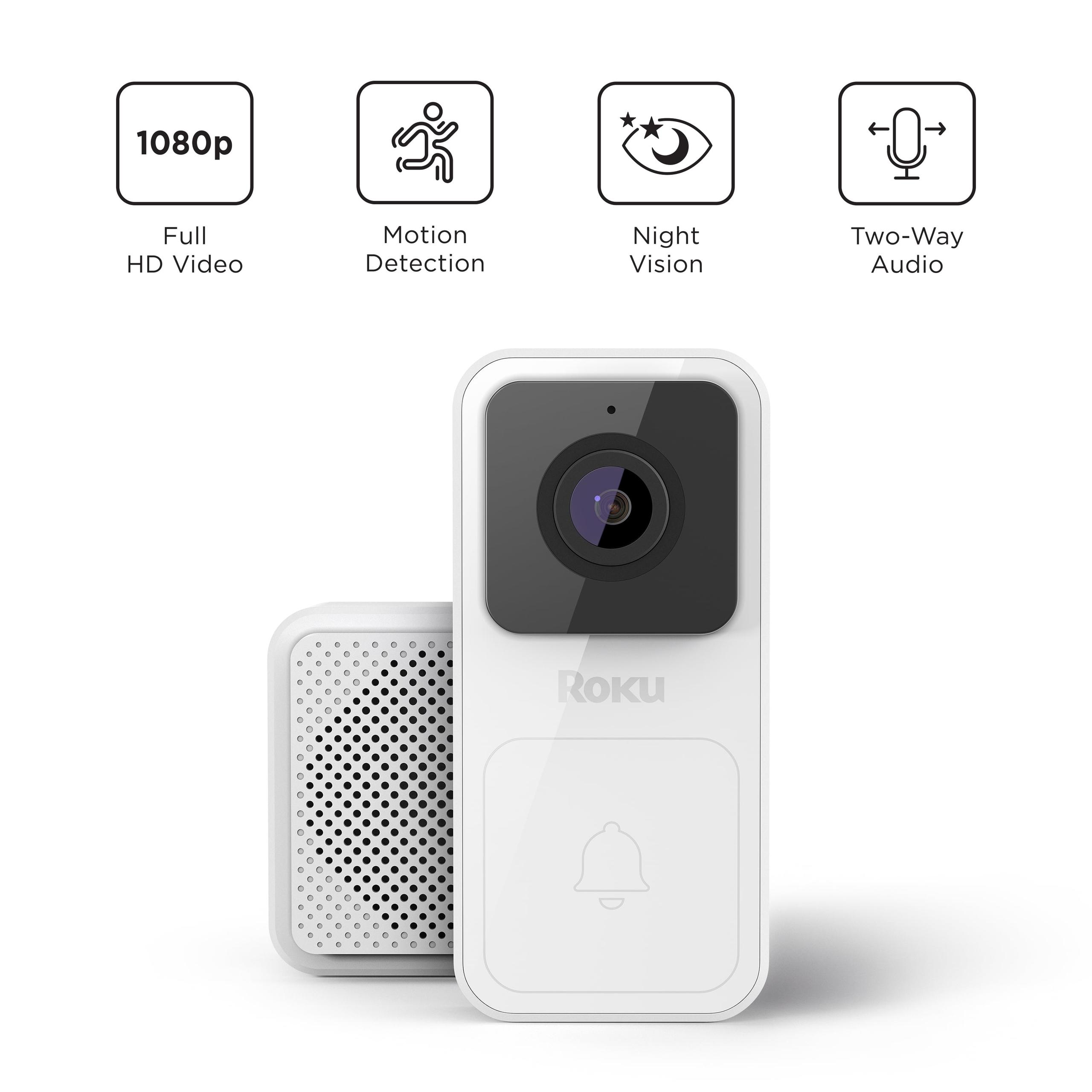
The Roku doorbell leads in pure resolution with 1440p video output, compared to the Blink's 1080p. But resolution isn't everything - Blink's implementation of frame rate control (15-30fps) helps maintain consistent performance even when network conditions aren't ideal. Both devices use HDR (High Dynamic Range) processing, which helps capture details in both bright and shadowy areas.
Field of view differences are notable:
This means Roku captures more of your porch area, especially useful for package detection. However, Blink's narrower vertical field can reduce false triggers from passing cars or street activity.
Here's where the differences become crucial for many users. The Blink doorbell offers true installation flexibility:
Roku takes a traditional approach:
Storage architecture significantly impacts both initial and long-term costs:
Blink's approach:
Roku's system:
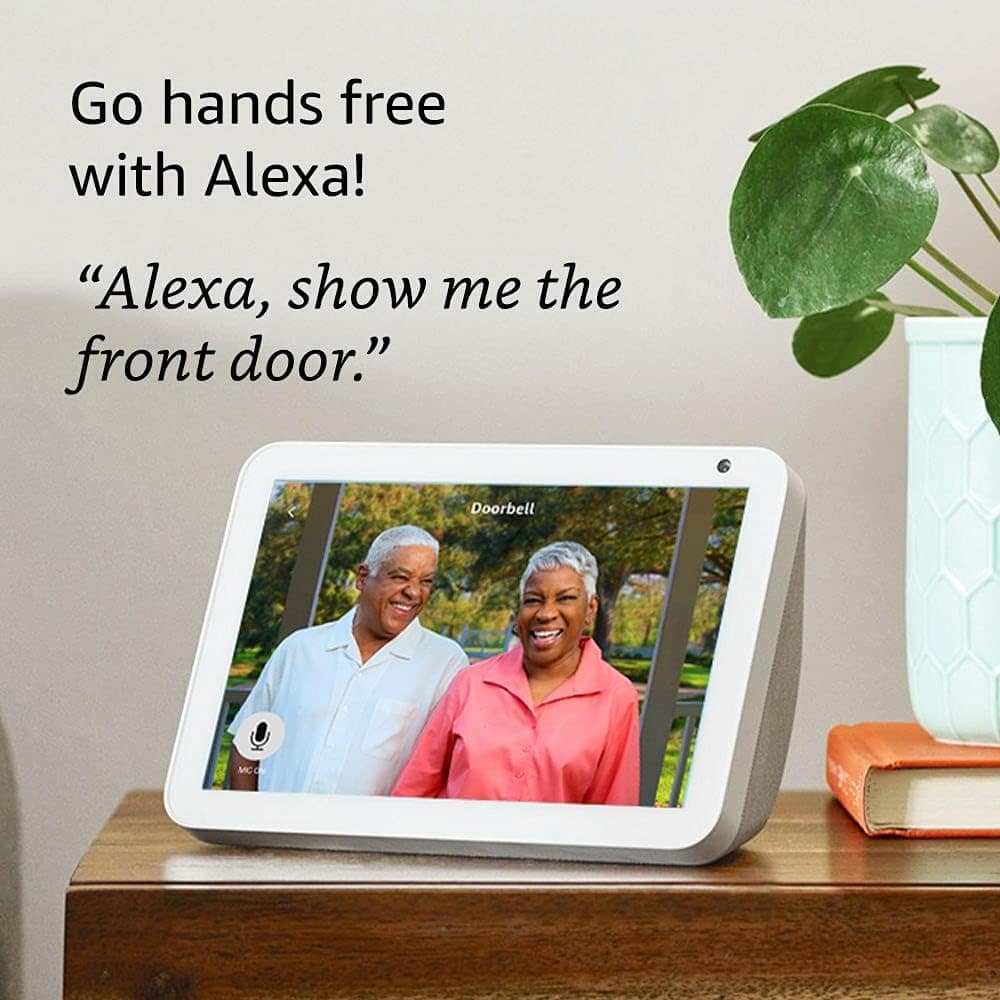
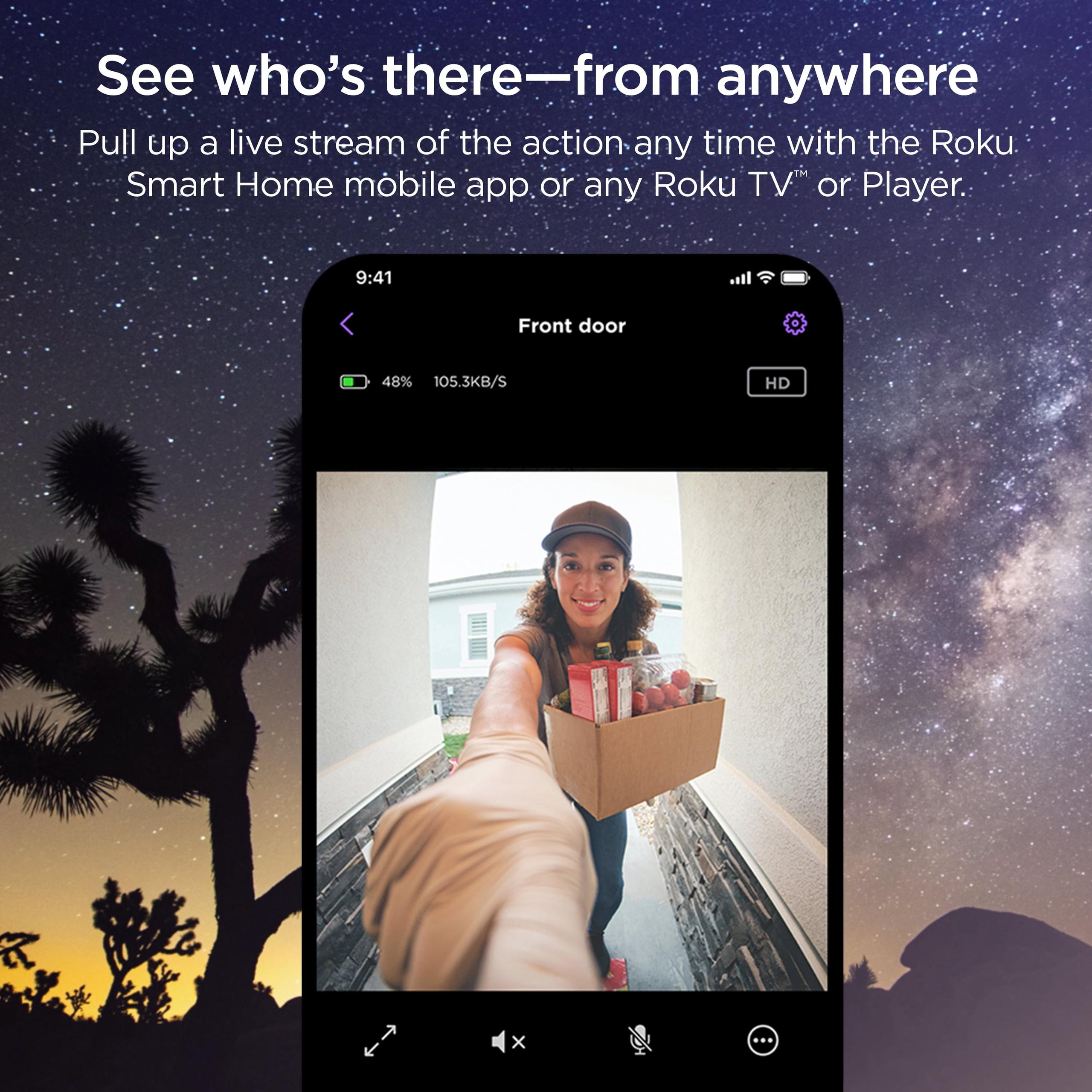
Both devices work within larger ecosystems, but their approaches differ:
Blink (Amazon ecosystem):
Roku (Roku ecosystem):
Having tested both devices, several practical differences emerge:
The Blink system handles poor network conditions better, likely due to its Sync Module 2 acting as a local hub. This means more reliable notifications and fewer dropped connections. Roku's higher resolution demands more bandwidth but delivers notably clearer images when network conditions are optimal.
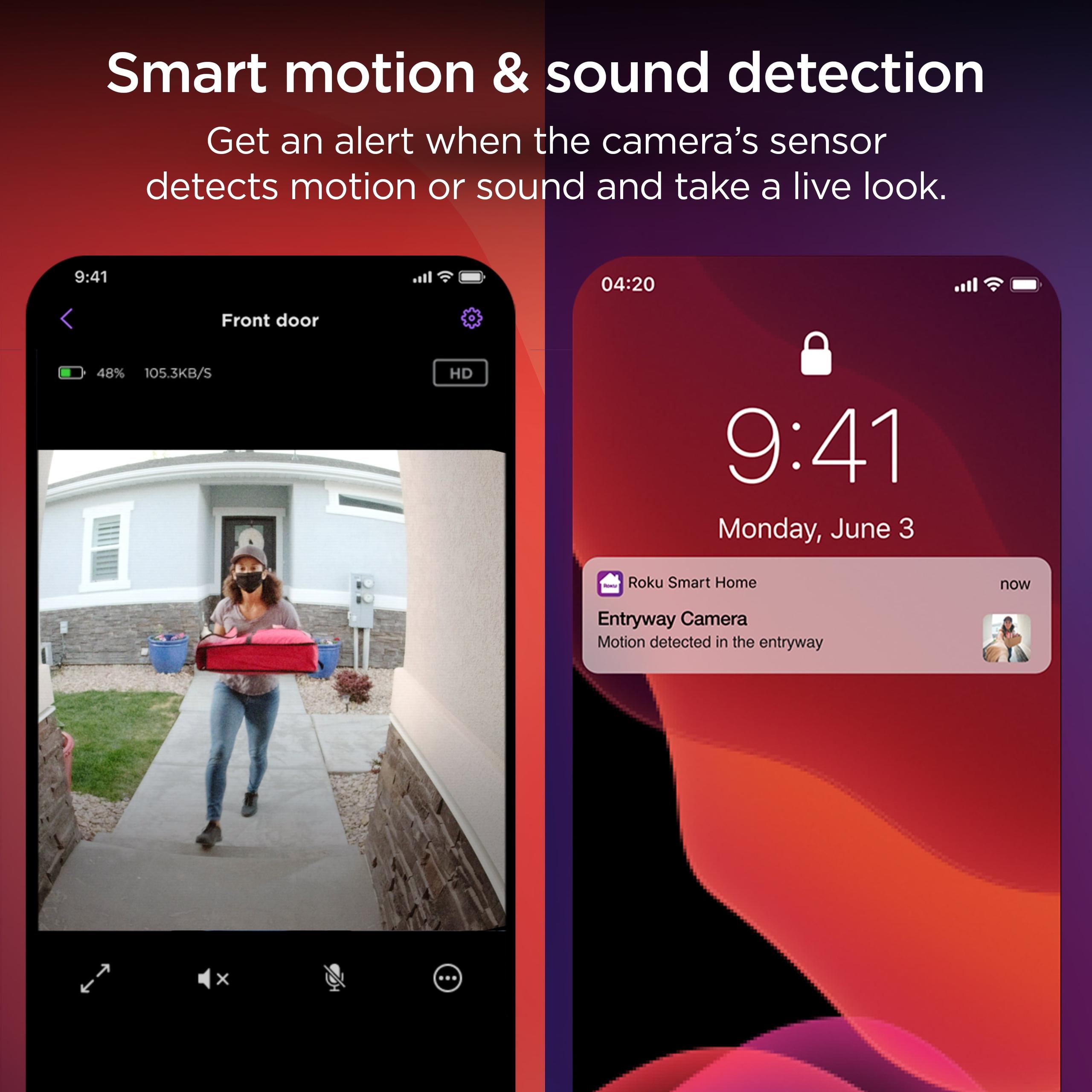
Both use advanced motion detection, but their approaches differ:
Both devices use infrared LEDs for night vision, but real-world performance varies:
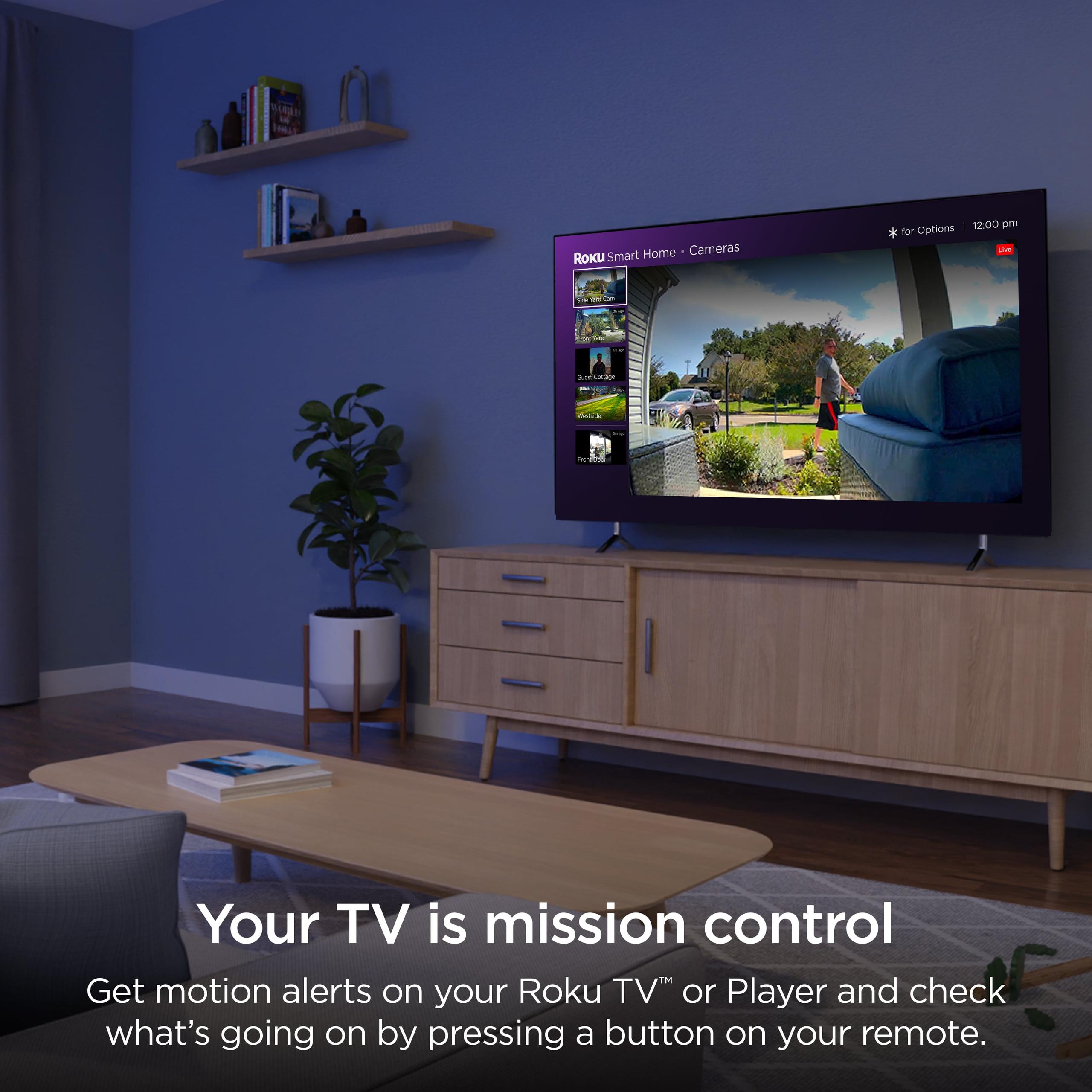
For home theater enthusiasts, these devices offer different benefits:
Blink:
Roku:
If security is your primary concern:
Blink advantages:
Roku advantages:
After the initial setup, several factors affect the ownership experience:
Both companies regularly update their devices:
Over three years of ownership:
Blink:
Roku:
Consider these key factors:
Both devices offer solid performance, but they serve different needs. The Blink doorbell excels in flexibility and value, while the Roku doorbell offers superior video quality and deeper Roku integration. For most users, Blink's combination of local storage, power options, and lower total cost makes it the more practical choice. However, if you're already invested in the Roku ecosystem and value higher resolution video, Roku's offering might be worth the premium.
Remember, the best choice depends on your specific needs and existing smart home setup. Consider your priorities carefully, and don't forget to factor in long-term costs and compatibility with your other devices.
| Blink Smart Wifi Video Doorbell with Sync Module 2 | Roku Smart Home Video Doorbell & Chime SE |
|---|---|
| Price - Total initial investment | |
| $69.99 with Sync Module 2 included | $79.00 base price |
| Video Resolution - Impacts ability to identify visitors and read packages | |
| 1080p HD (good for most uses) | 1440p HD (noticeably sharper) |
| Field of View - Determines how much of your porch you can see | |
| 135° horizontal, 80° vertical (more focused view) | 150° horizontal, 150° vertical (wider coverage) |
| Power Options - Affects installation flexibility and maintenance | |
| Battery (2 AA) or wired (16-24VAC), with battery backup | Wired only (requires existing doorbell wiring) |
| Battery Life - Important for wireless installation | |
| Up to 2 years with normal use | Not applicable (wired only) |
| Storage Options - Impacts ongoing costs and reliability | |
| Local (via Sync Module) or cloud subscription | Cloud subscription required |
| Subscription Costs - Long-term ownership expense | |
| Optional ($3/month for cloud) | Required ($3.99/month) |
| Operating Temperature - Determines climate suitability | |
| -4°F to 113°F (-20°C to 45°C) | -5°F to 120°F (-20.5°C to 48.5°C) |
| Smart Home Integration - Ecosystem compatibility | |
| Amazon Alexa, Ring ecosystem | Roku TV, limited third-party support |
| Night Vision - Affects nighttime monitoring capability | |
| IR LED, clear up to 23 feet | IR LED, enhanced contrast and range |
| Motion Detection - Important for security monitoring | |
| Frame-to-frame comparison (more battery efficient) | AI-based detection (more accurate object recognition) |
| Installation Requirements - Ease of setup | |
| Flexible placement, minimal tools needed | Requires existing doorbell wiring and tools |
| Weather Resistance - Durability in outdoor conditions | |
| IP-54 rated (good weather protection) | Weather-resistant (specific rating not provided) |
The Blink Smart Wifi Video Doorbell ($69.99) offers better value and flexibility with both battery and wired options, while the Roku Smart Home Video Doorbell ($79.00) provides higher video resolution. Blink is better for most users due to its local storage option and lower total cost.
The Blink doorbell can work with either batteries or existing wiring, while the Roku doorbell requires existing doorbell wiring for installation.
The Roku doorbell offers higher resolution at 1440p compared to Blink's 1080p. However, Blink provides consistent performance even in poor network conditions.
Blink offers optional cloud storage at $3/month, with free local storage via Sync Module 2. Roku requires a subscription at $3.99/month for basic functionality.
The Blink doorbell can last up to 2 years on two AA lithium batteries with normal use. The Roku doorbell doesn't use batteries as it's wired-only.
Both doorbells use infrared LED technology, but Roku offers slightly better contrast and range in low-light conditions.
Yes, both doorbells offer mobile app viewing. Blink works with its dedicated app and Alexa, while Roku integrates with the Roku app.
Blink offers easier installation with its battery-powered option, requiring no wiring. Roku needs professional installation if you don't have existing doorbell wiring.
The Blink doorbell integrates well with Amazon Alexa and Ring devices. The Roku doorbell works primarily within the Roku ecosystem.
Blink offers more flexibility with both local storage (via Sync Module 2) and optional cloud storage. Roku only offers cloud storage with a required subscription.
Roku uses AI-based detection for more accurate object recognition, while Blink uses frame-to-frame comparison which is more battery efficient.
The Blink doorbell has an IP-54 rating for weather protection. The Roku doorbell is weather-resistant but doesn't specify an IP rating.
We've done our best to create useful and informative comparisons to help you decide what product to buy. Our research uses advanced automated methods to create this comparison and perfection is not possible - please contact us for corrections or questions. These are the sites we've researched in the creation of this article: gearbrain.com - support.blinkforhome.com - support.blinkforhome.com - youtube.com - forums.xfinity.com - staples.com - quill.com - support.blinkforhome.com - catalog.linksunlimited.com - support.blinkforhome.com - support.blinkforhome.com - consumerreports.org - forums.wyze.com - community.roku.com - discussions.apple.com - consumerreports.org - ring.com - securitysystemsnews.com - community.roku.com - image.roku.com - droneupdelivery.com - lukoilmarine.com - roku.com

Privacy Policy
Terms and Conditions - Affiliate Policy
Home Security
© Copyright 2008-2026.
11816 Inwood Rd #1211, Dallas, TX 75244