

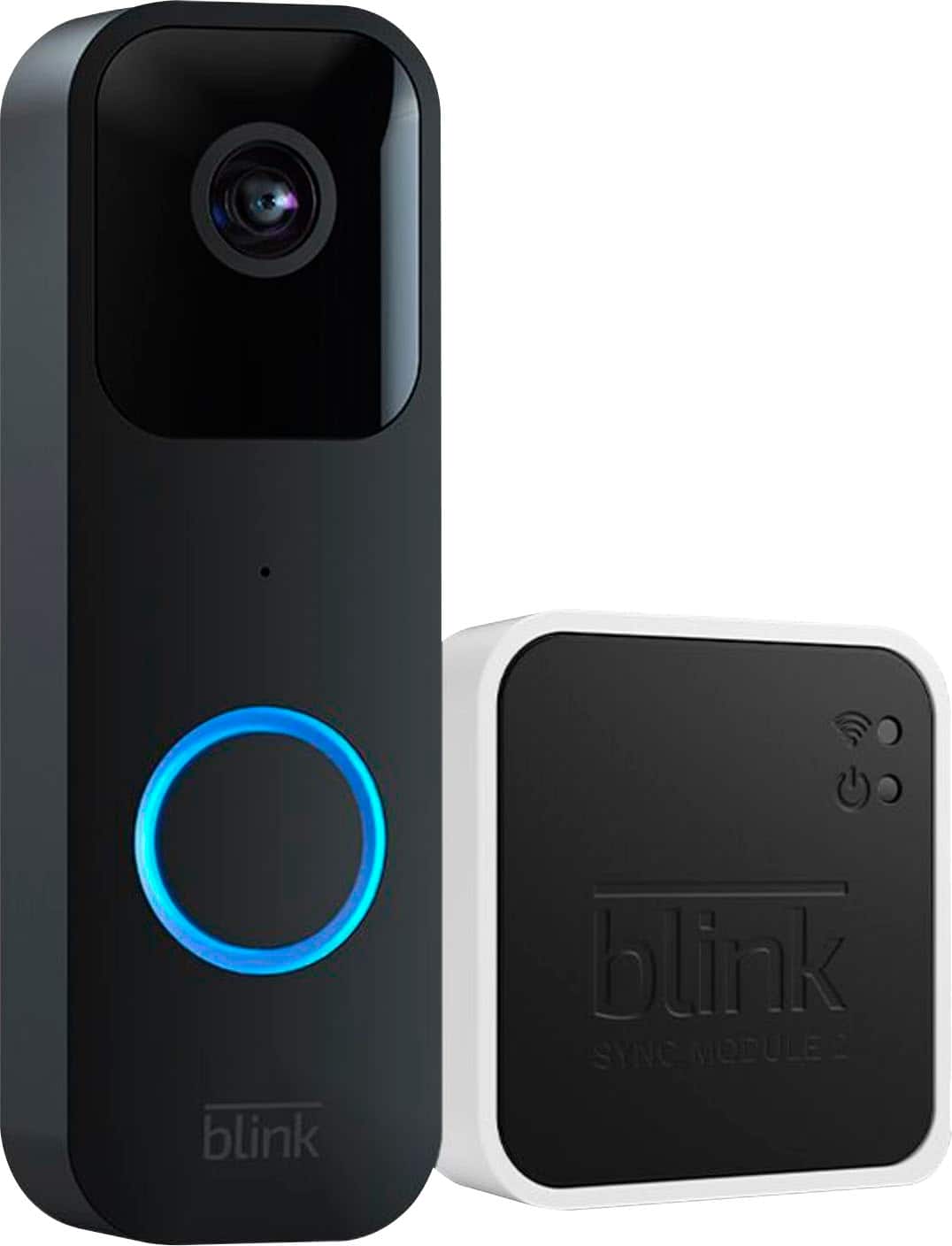
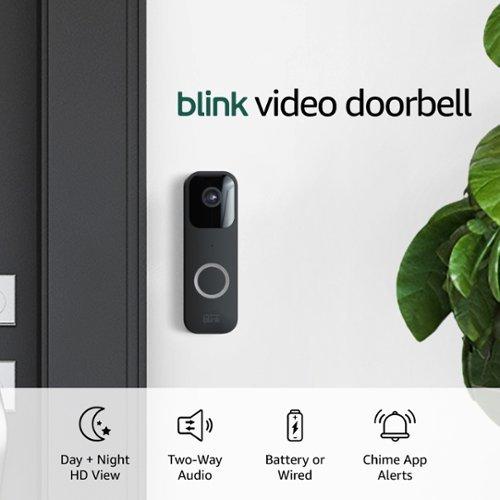
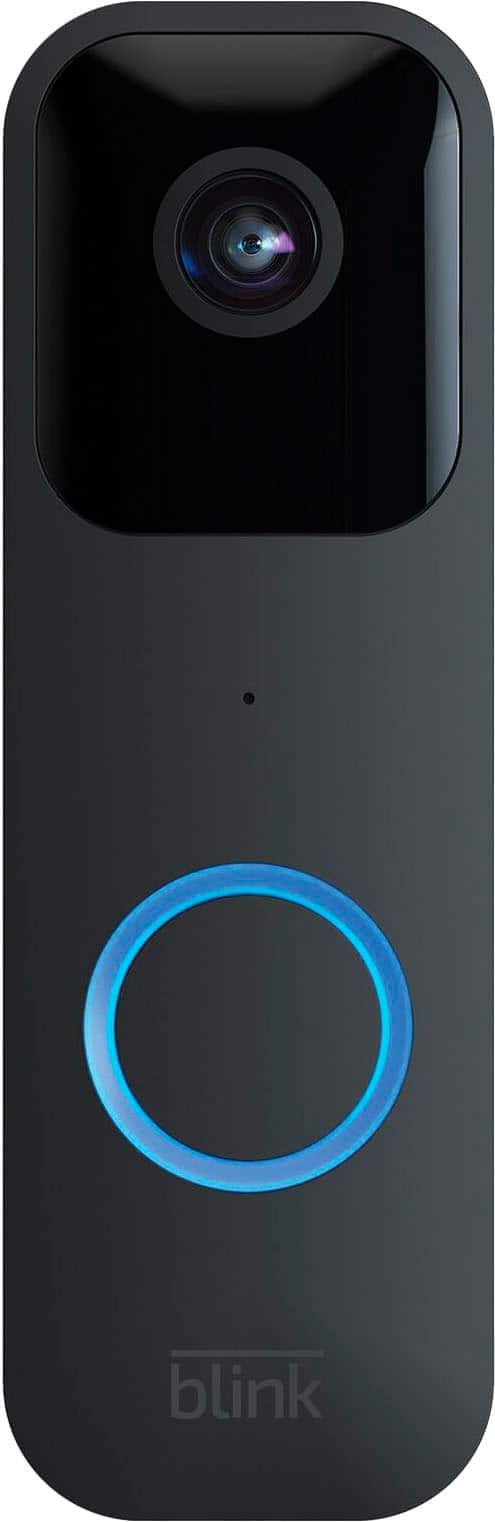

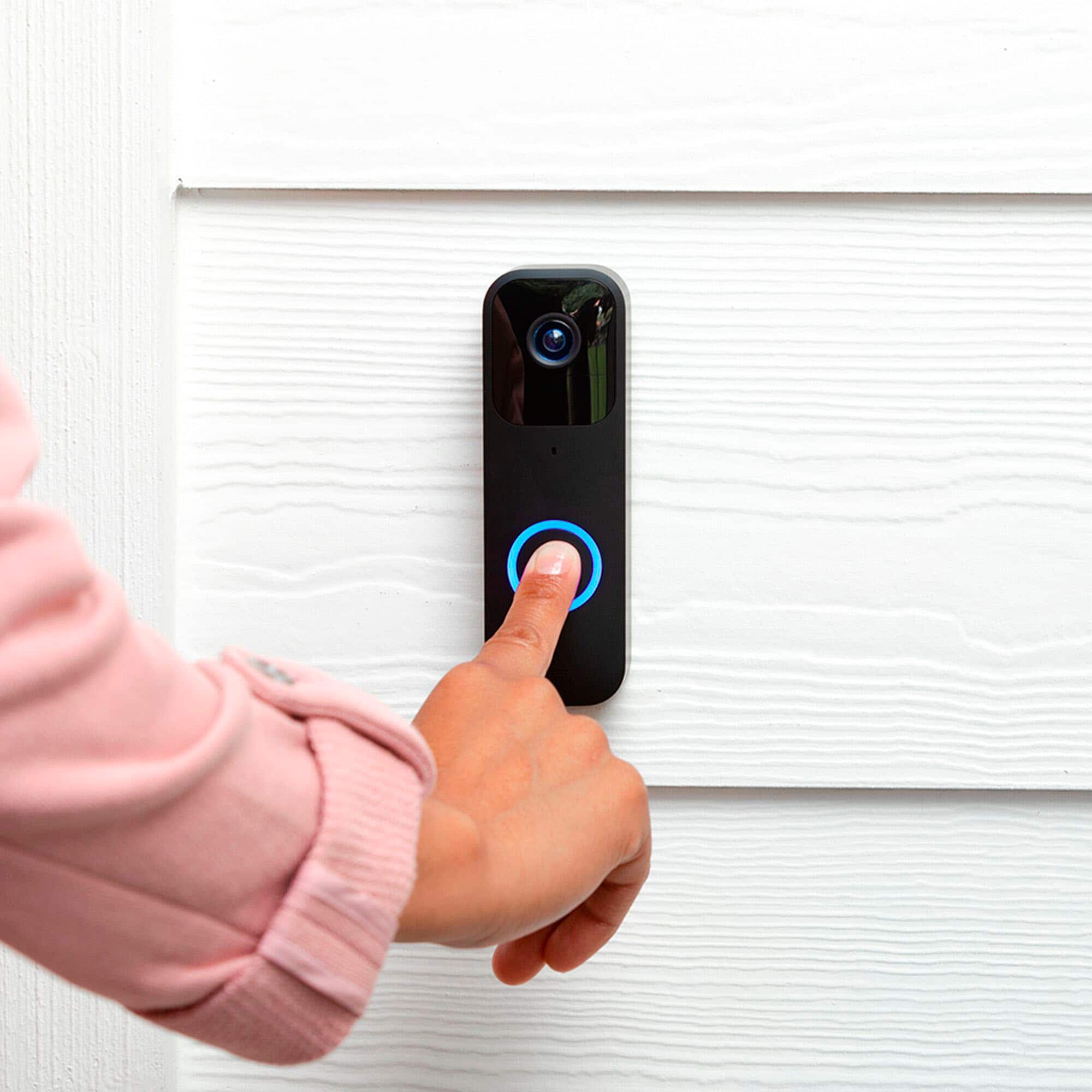
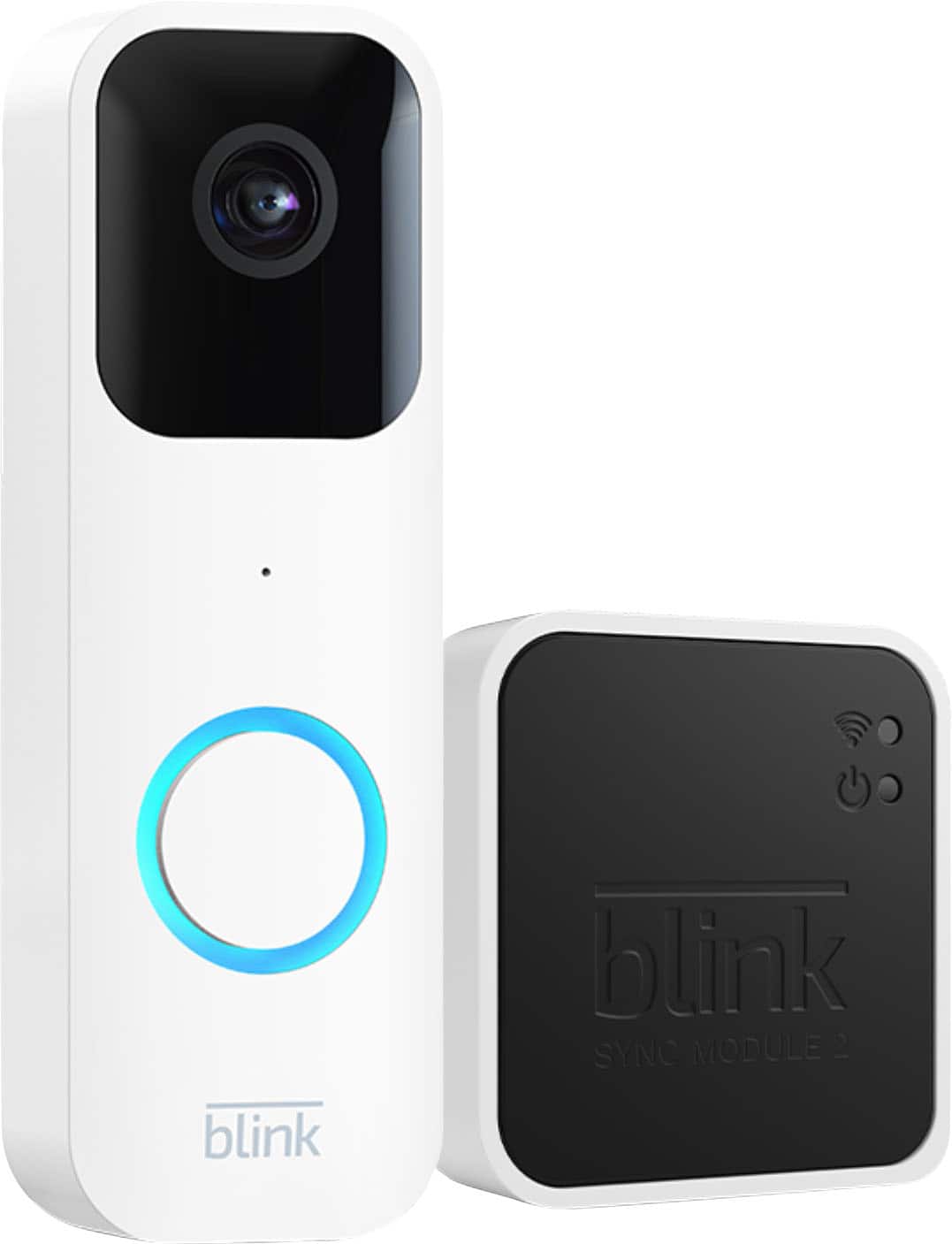
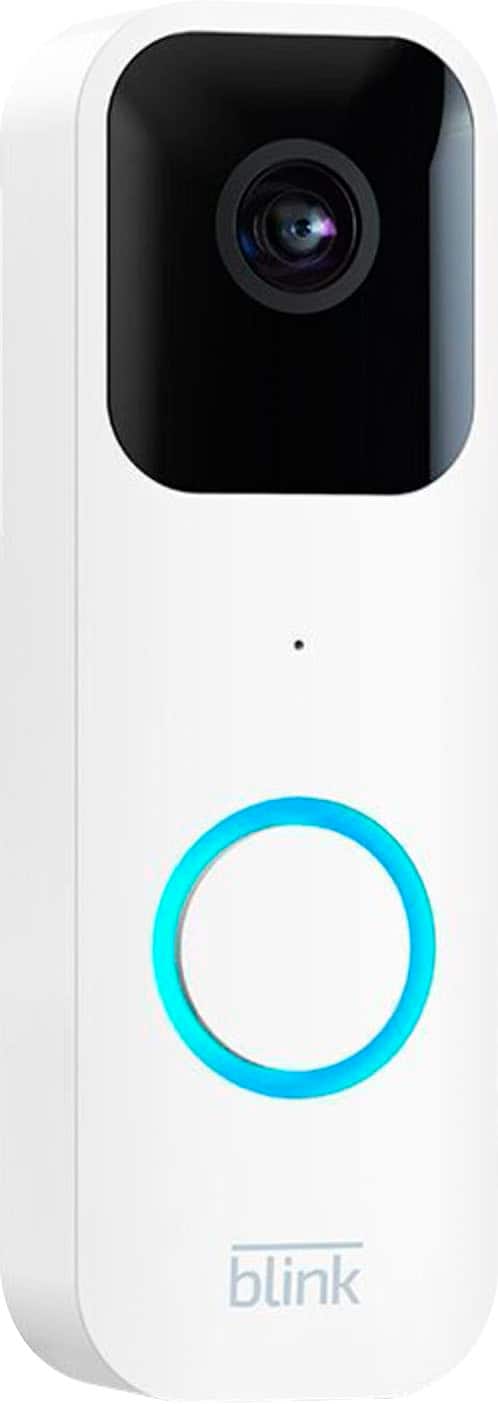
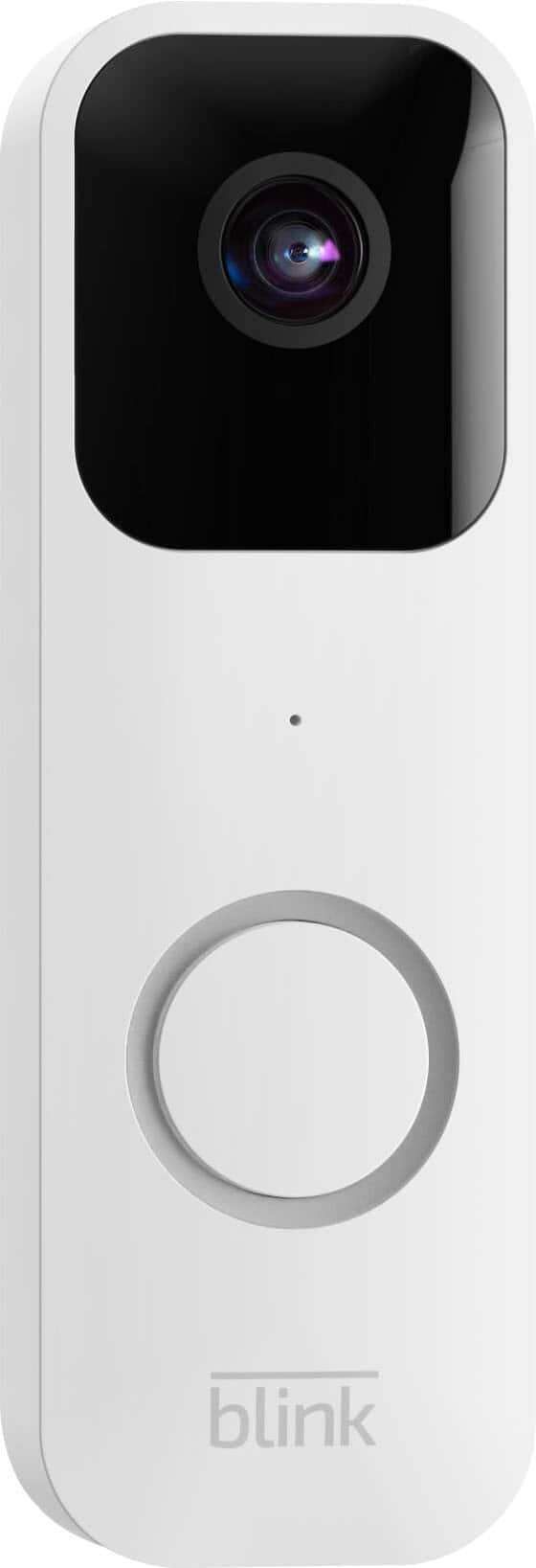

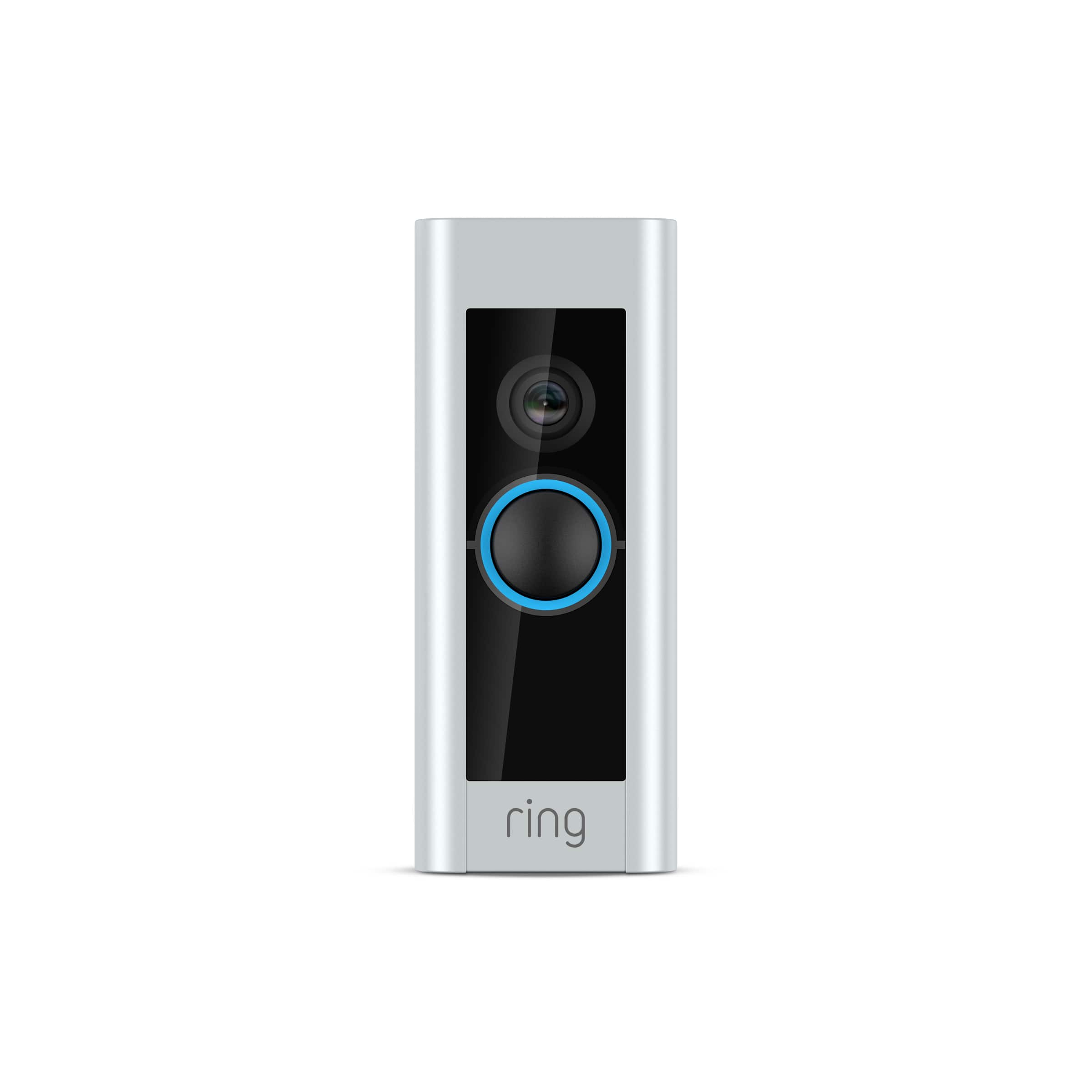
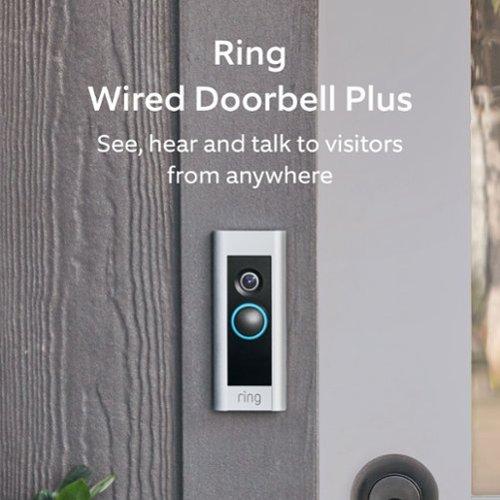

Smart video doorbells have become an essential part of modern home security, transforming how we monitor our entryways and interact with visitors. The Blink Smart Wifi Video Doorbell with Sync Module 2 ($69.99) and Ring Wired Doorbell Plus ($149.99) represent two distinct approaches to this technology, each with unique strengths and compromises.
Since Blink's release in September 2021, and Ring Plus's debut in March 2023, we've seen significant advances in video quality, AI features, and smart home integration. The newer Ring Plus showcases these improvements with its Head-to-Toe video view and enhanced resolution, while Blink has maintained its position as a value leader by focusing on practical features and flexibility.
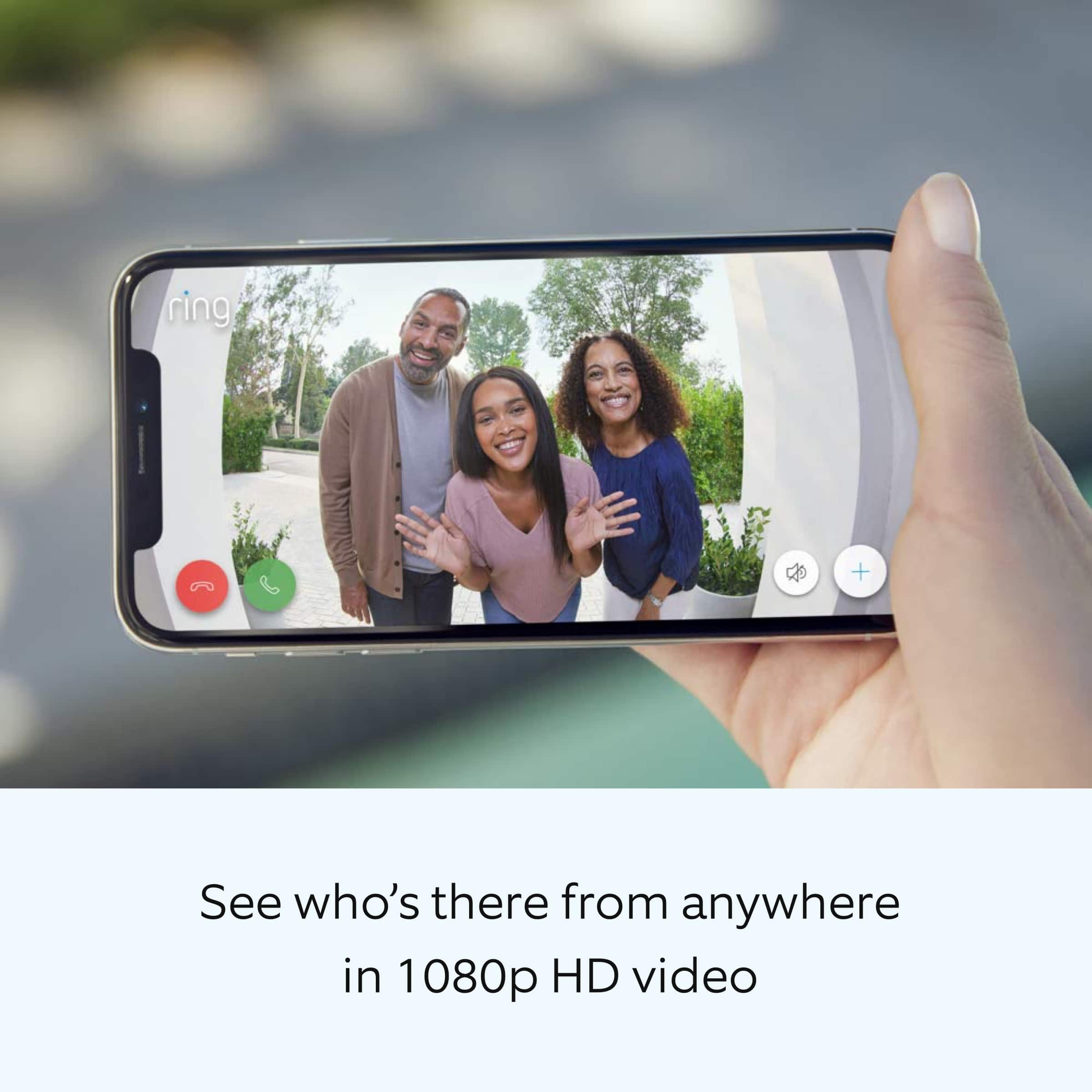
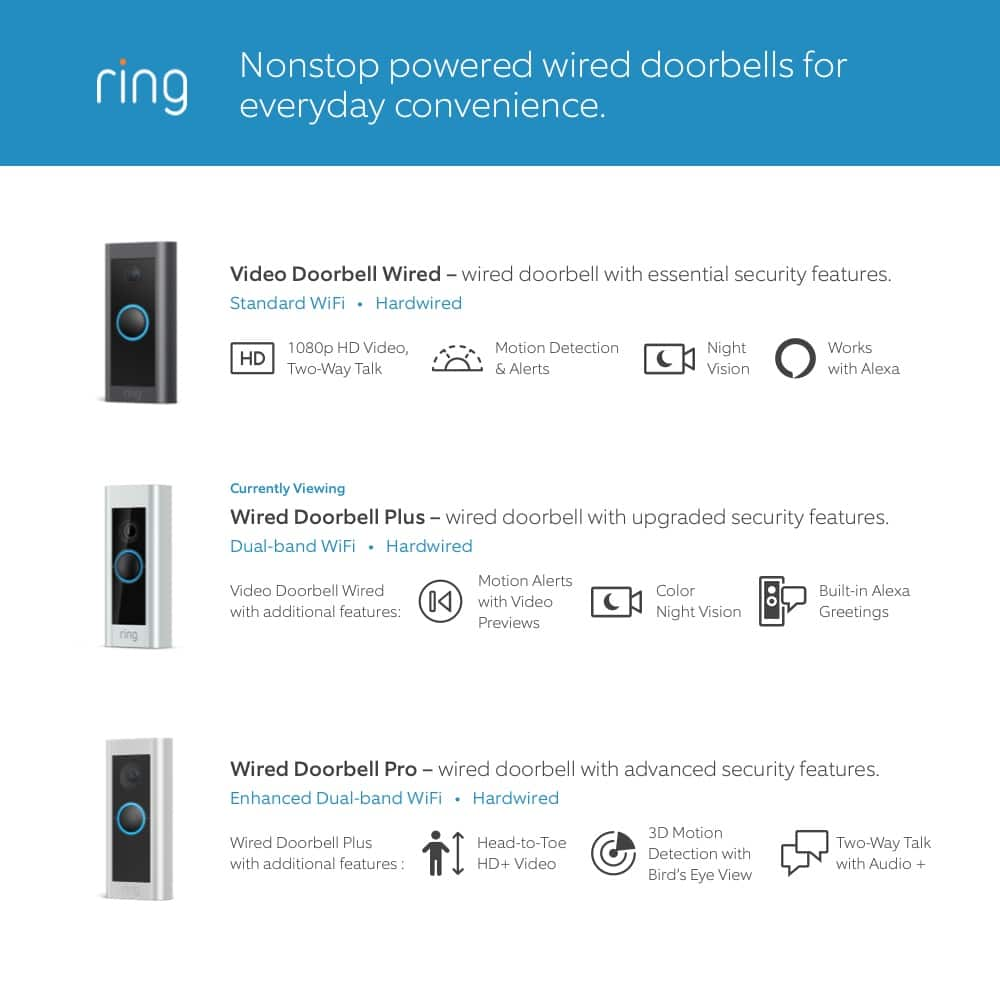
The Ring Wired Doorbell Plus leads in pure video quality, offering 1536p resolution compared to Blink's 1080p. In real-world testing, this difference is noticeable, especially when trying to read package labels or identify faces at a distance. Ring's color night vision provides more detailed low-light footage, while Blink's infrared night vision, though effective, produces standard black-and-white images.
The viewing angles tell an important story:
This wider field of view from Ring means you'll catch more activity around your doorway, including package deliveries left close to the door.
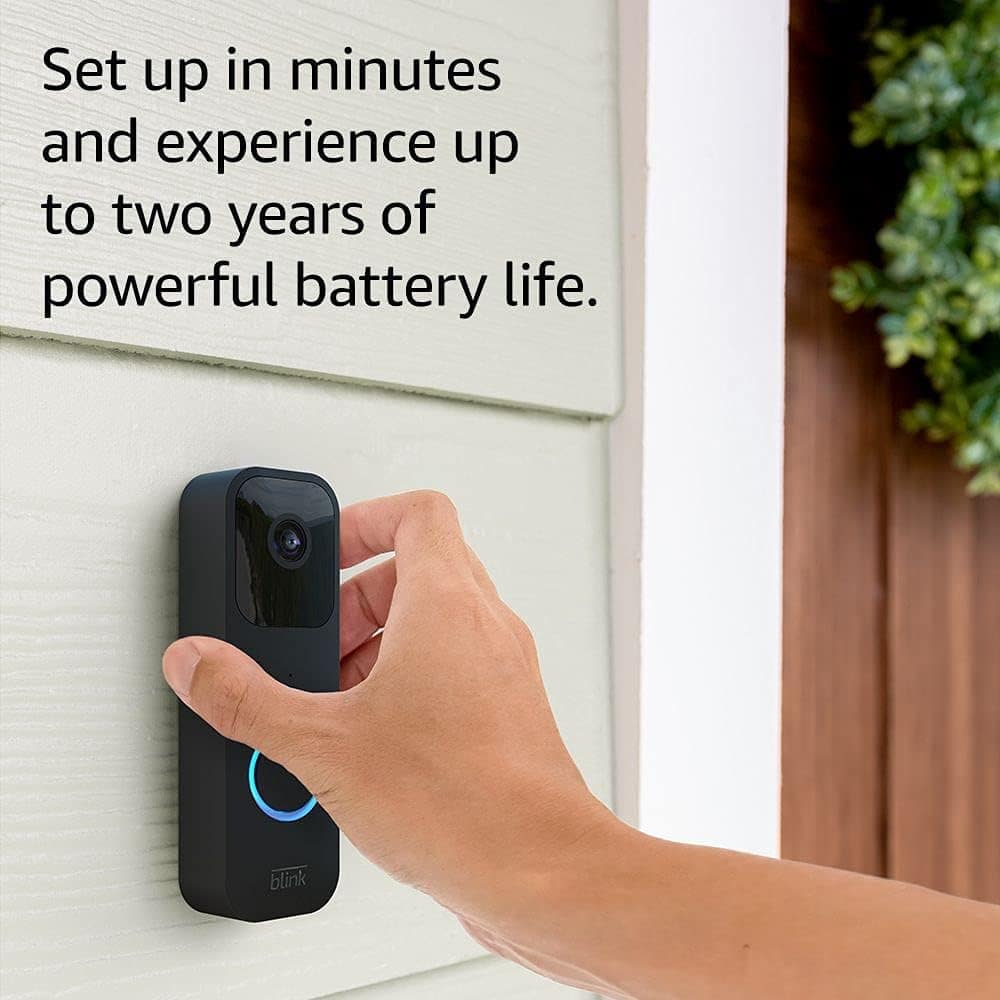
Power options significantly differentiate these devices. The Blink doorbell offers remarkable flexibility with its dual-power approach:
Ring Plus requires hardwiring, which provides consistent performance but limits installation locations. For homes without existing doorbell wiring, Blink's battery option makes it the clear choice.
Storage approaches reflect different philosophies about data management:
Blink's Sync Module 2 enables:
Ring Plus requires:
Both doorbells work within the Amazon ecosystem, but with different capabilities:
Ring Plus offers:
Blink provides:
After extensive testing, several key performance factors emerge:
Ring Plus shows slightly faster notification speeds and more reliable connectivity, likely due to its hardwired power supply and dual-band WiFi support. Blink's response time is good but can vary based on battery level and WiFi signal strength.
Both systems offer customizable motion zones, but Ring Plus's advanced AI provides better person detection and fewer false alerts. Blink's simpler motion detection works well but may trigger more frequently for non-human movement.
Two-way audio performance differs notably:
Both handle weather well, but their ratings differ:
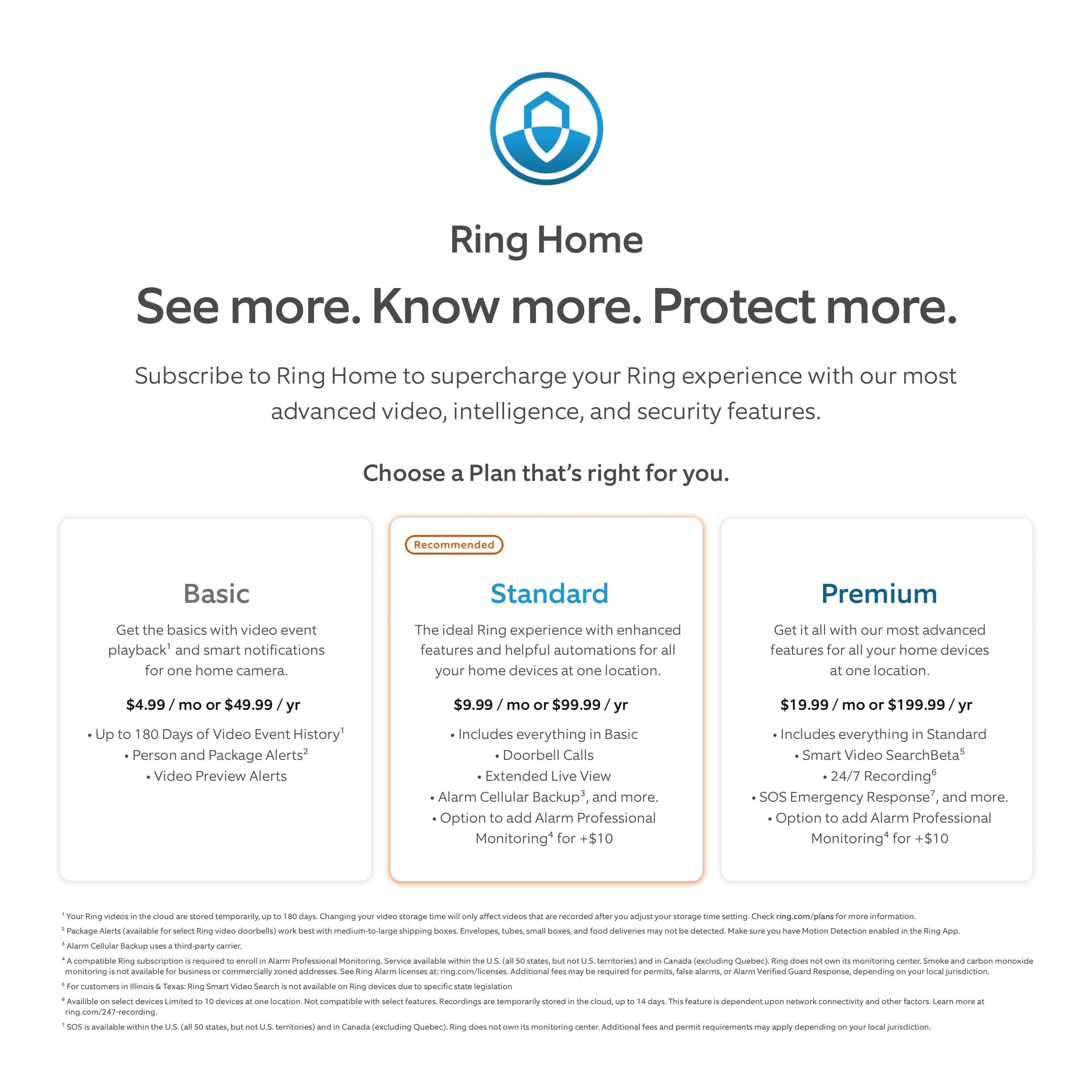
The total cost of ownership varies significantly:
Both companies regularly update their devices' software, adding features and improving performance. Ring's more premium position typically means faster feature adoption, while Blink focuses on maintaining reliability and value.
The choice between these doorbells ultimately depends on your specific needs and circumstances. The Blink Smart Wifi Video Doorbell excels as a flexible, cost-effective solution, while the Ring Wired Doorbell Plus offers superior video quality and features for those willing to pay more.
Consider your home's infrastructure, budget, and desired features when making your decision. Either choice will provide reliable doorbell camera functionality, but their different approaches to power, storage, and features make each better suited to different users.
| Blink Smart Wifi Video Doorbell with Sync Module 2 | Ring Wired Doorbell Plus |
|---|---|
| Price - Initial investment cost | |
| $69.99 with Sync Module 2 included | $149.99 |
| Video Resolution - Affects ability to identify visitors and read packages | |
| 1080p HD | 1536p HD with Head-to-Toe view |
| Field of View - Determines how much area you can monitor | |
| 135° horizontal, 80° vertical | 160° horizontal, 90° vertical |
| Power Options - Impacts installation flexibility and maintenance | |
| Battery (2 AA, 2-year life) or Wired (16-24VAC) | Wired only (16-24VAC) |
| Storage Options - Affects ongoing costs and privacy | |
| Local (up to 256GB via Sync Module 2) or Cloud subscription | Cloud subscription required |
| Night Vision - Quality of low-light monitoring | |
| Black & white infrared | Color night vision |
| Monthly Subscription Cost - Required for advanced features | |
| Optional ($3/month for cloud) | Required ($3-10/month) |
| Smart Home Integration - Ecosystem compatibility | |
| Basic Alexa integration | Advanced Alexa features, better automation |
| Motion Detection - Accuracy of alerts | |
| Basic motion zones | Advanced AI with person detection |
| Weather Resistance - Durability in outdoor conditions | |
| IP-54 rated | Enhanced weather resistance |
| Installation Time - Setup complexity | |
| 15-30 minutes, more flexible options | 15 minutes, requires existing wiring |
| Two-Way Audio - Communication quality | |
| Basic two-way audio | Enhanced with noise cancellation |
The Blink Smart Wifi Video Doorbell with Sync Module 2 is significantly cheaper at $69.99, while the Ring Wired Doorbell Plus costs $149.99. However, consider that Ring requires a monthly subscription for recording features.
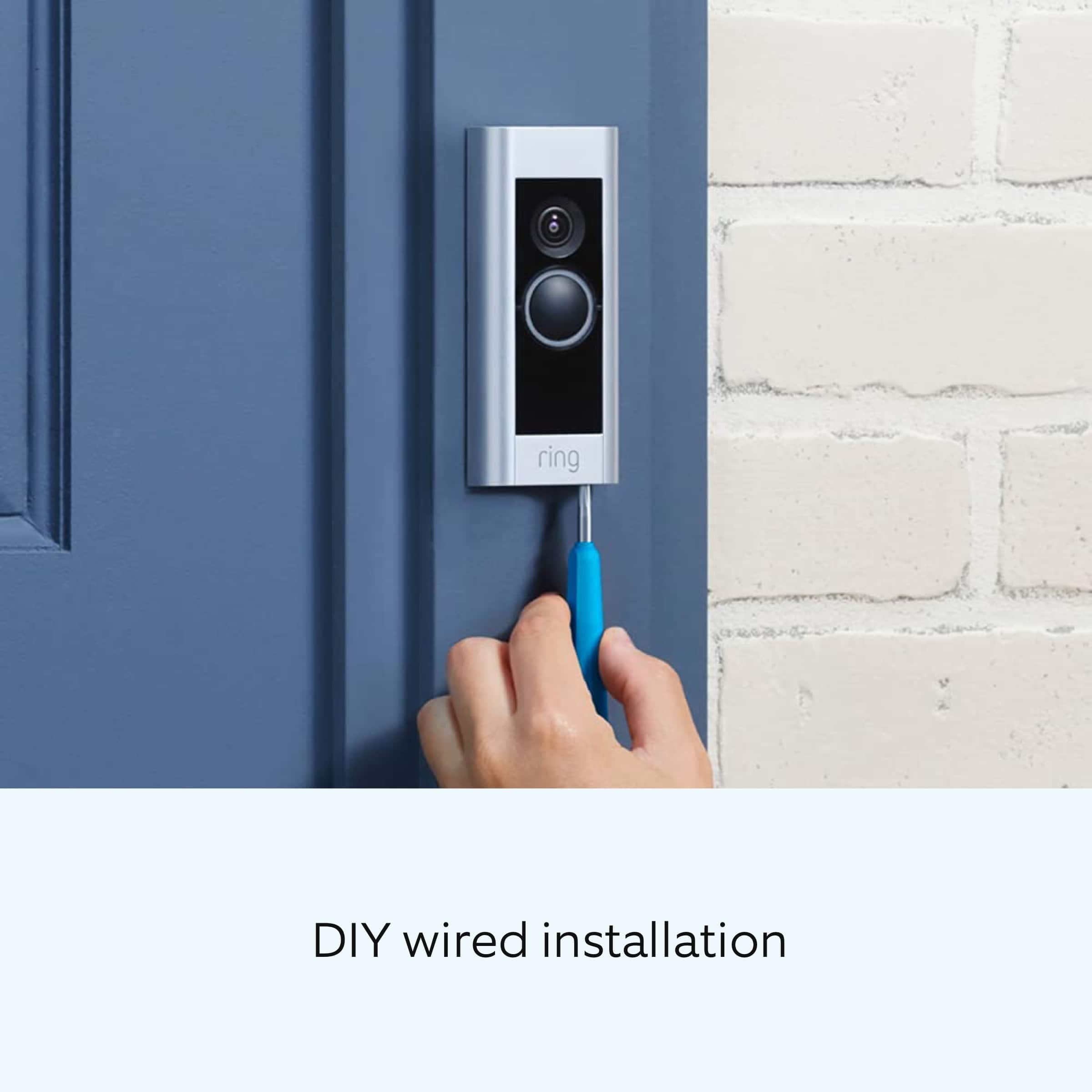
The Blink doorbell can work with either batteries or existing wiring, while the Ring Plus requires hardwiring to function. This makes Blink more flexible for homes without existing doorbell wiring.
The Ring Wired Doorbell Plus offers superior 1536p HD video with a wider field of view, compared to Blink's 1080p resolution. Ring also provides color night vision, while Blink uses standard infrared.
The Blink doorbell can work without a subscription using local storage through the Sync Module 2. The Ring Plus requires a subscription ($3-10/month) for recording and viewing past footage.
Both work with Alexa, but the Ring Plus offers more advanced integration features and automation options compared to the Blink doorbell's basic compatibility.
The Blink doorbell can last up to 2 years on two AA batteries. The Ring Plus doesn't use batteries as it requires hardwiring.
The Blink doorbell offers easier installation with its battery option, while the Ring Plus requires electrical wiring knowledge or professional installation if you don't have existing doorbell wiring.
Only the Blink doorbell offers local storage through its Sync Module 2 (up to 256GB). The Ring Plus requires cloud storage through a subscription.
The Ring Plus has more advanced motion detection with AI-powered person detection, while the Blink doorbell offers basic motion zones and detection.
Yes, but the Ring Plus offers color night vision for better detail, while the Blink doorbell uses standard black-and-white infrared night vision.
The Ring Plus features clearer two-way audio with noise cancellation, while the Blink doorbell offers basic two-way communication functionality.
We've done our best to create useful and informative comparisons to help you decide what product to buy. Our research uses advanced automated methods to create this comparison and perfection is not possible - please contact us for corrections or questions. These are the sites we've researched in the creation of this article: gearbrain.com - support.blinkforhome.com - support.blinkforhome.com - youtube.com - forums.xfinity.com - staples.com - quill.com - support.blinkforhome.com - catalog.linksunlimited.com - support.blinkforhome.com - support.blinkforhome.com - blackwiredesigns.com - homedepot.com - ring.com - ring.com - youtube.com - de-de.ring.com - ring.com - youtube.com

Privacy Policy
Terms and Conditions - Affiliate Policy
Home Security
© Copyright 2008-2026.
11816 Inwood Rd #1211, Dallas, TX 75244