

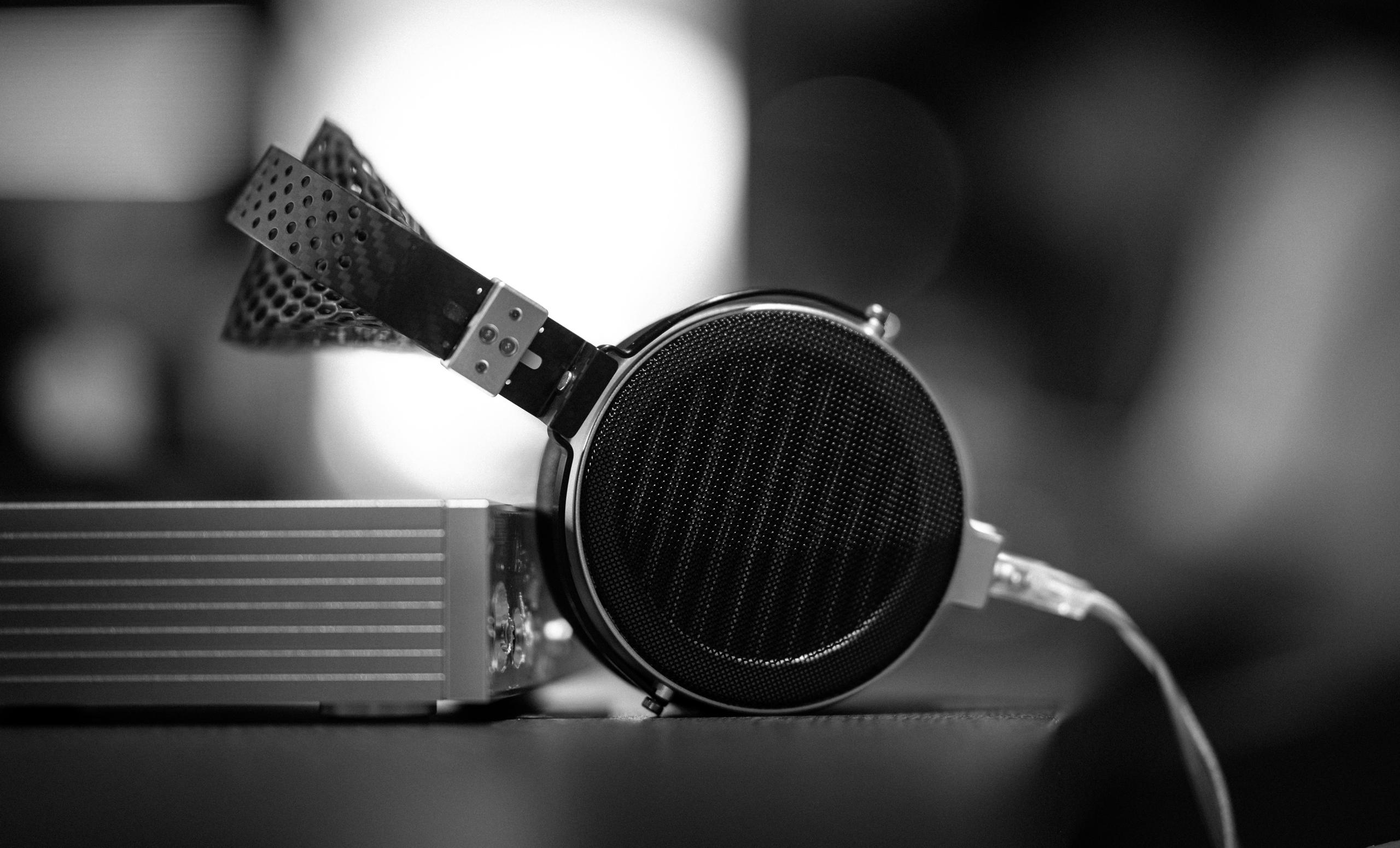
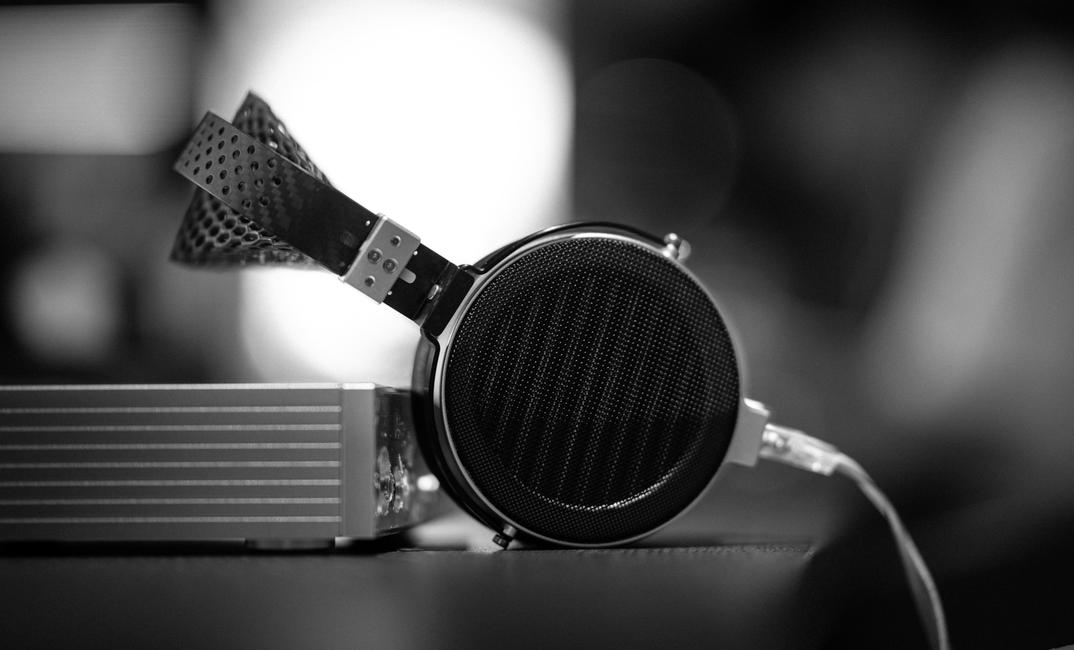
Moondrop has officially launched the Skyland, a full-size open-back planar magnetic headphone that blends oversized driver design with some unique structural choices. With a 100mm diaphragm and an ultra-thin 500nm film, it’s clear the focus is on performance, but equally notable is the carbon fiber and 3D-printed headband system, which seems built for long listening sessions.
The first thing that jumps out about the Skyland is its 100mm planar magnetic driver. That’s larger than what you’ll find in most headphones, and it’s paired with an ultra-thin 500-nanometer diaphragm. The point of going this thin is to reduce inertia, basically letting the diaphragm move faster and more accurately. In theory, that means quicker response, clearer detail, and better control, even at low volumes or during complex music passages.
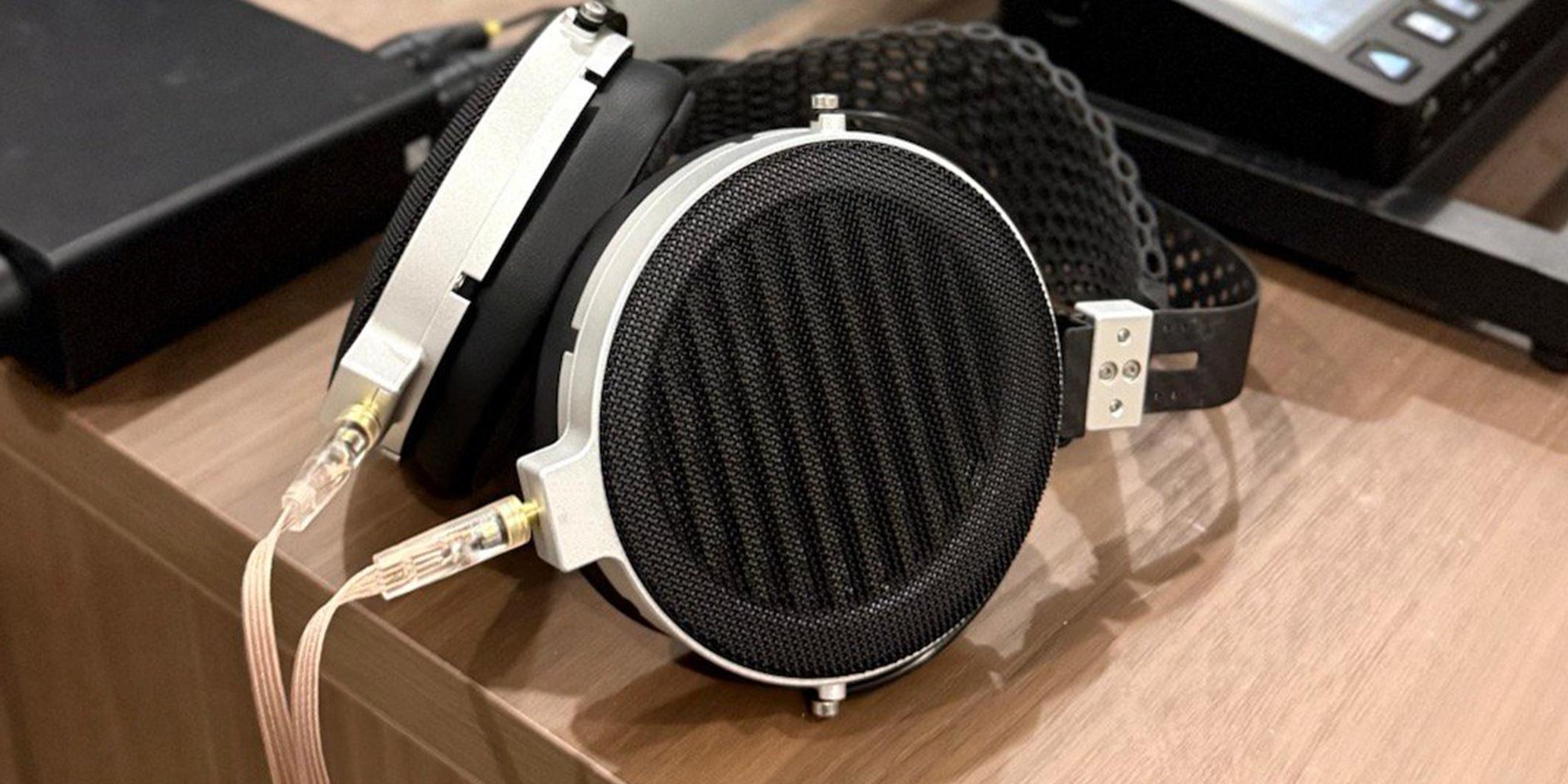
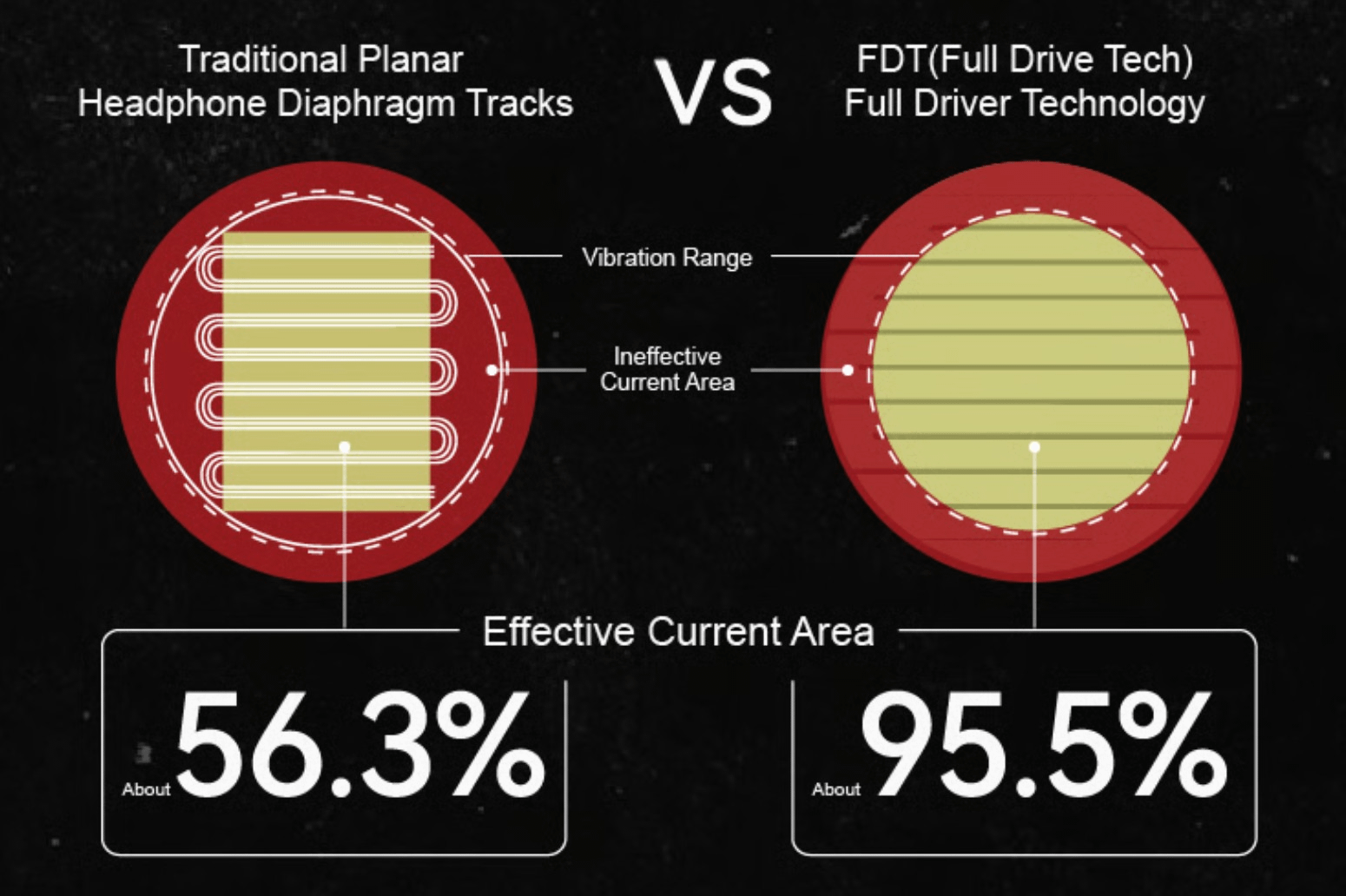
Moondrop also took a different approach with how the driver gets powered. Instead of sending current through a narrow strip in the middle of the diaphragm like many planars do, the Skyland uses Full Drive Technology (FDT), which spreads the electrical circuit over a much larger surface. That’s meant to help the diaphragm move more evenly, cutting down on distortion, especially in the treble range.
Driving a diaphragm that big takes some serious magnets, and the Skyland doesn’t skimp. It uses 36 neodymium strip magnets, and their layout was designed using simulation tools (not just trial and error) to make sure the magnetic force is applied consistently across the whole surface. That kind of control is meant to keep the sound stable and clean, with fewer peaks or dips in performance depending on how loud you're listening.
There’s also a tension-balancing system built in, which helps spread mechanical stress more evenly. The goal? Prevent hot spots on the diaphragm that can lead to distortion or wear over time.
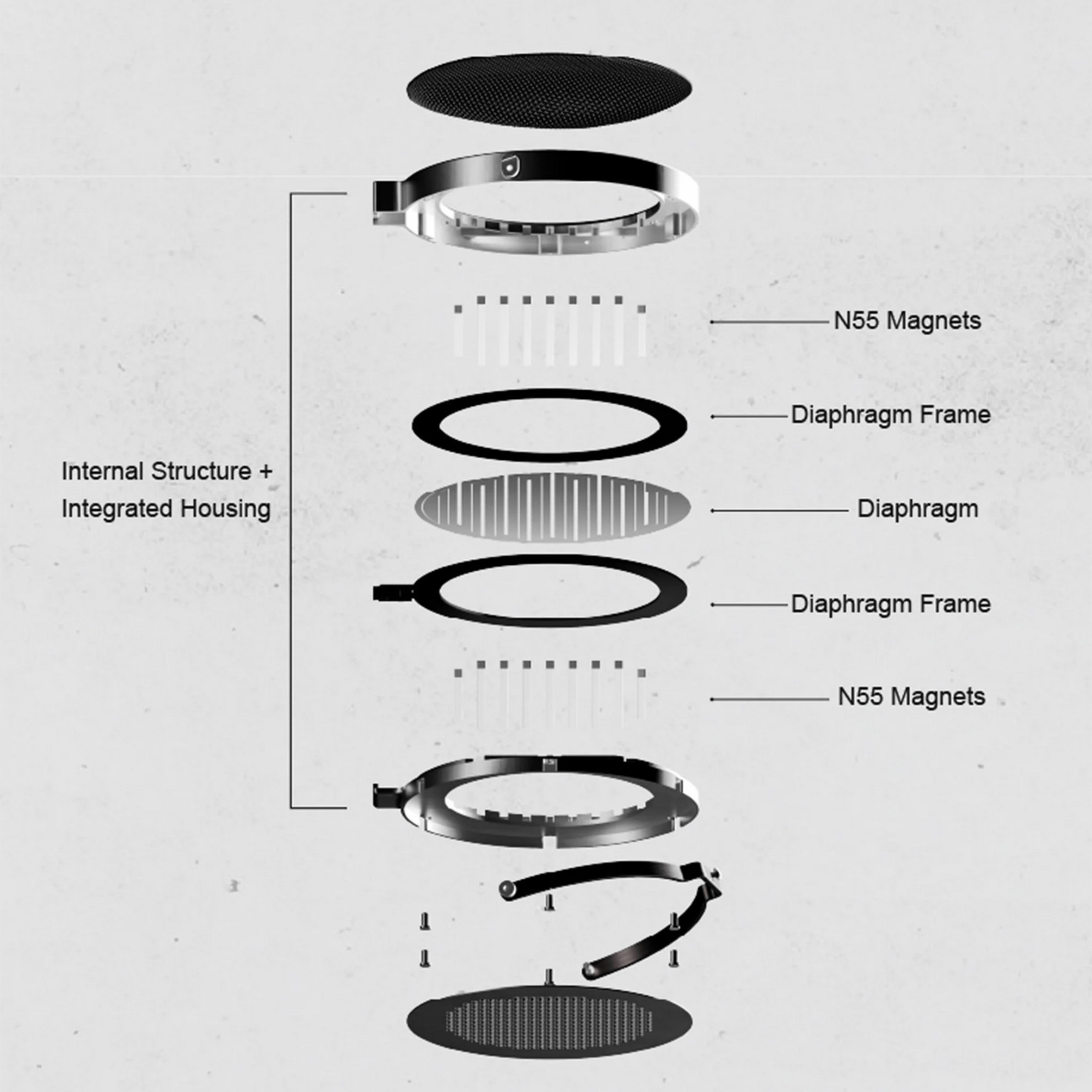
A big driver needs a strong frame, so Moondrop built the Skyland’s body out of a single CNC-machined piece of aluminum. It’s not just for looks, as this helps keep resonance in check and gives the whole headphone a solid, stable feel.
The open-back design uses a rounded metal grille that sits a bit further away from the diaphragm than usual. That distance helps protect the driver without reflecting sound back toward your ears, which could muddy the mids and highs.
The ear pads are made from lambskin leather and shaped for both comfort and good sound isolation, and the internal cavity of the earcups was fine-tuned through a bunch of prototypes to make sure nothing gets in the way of the sound.
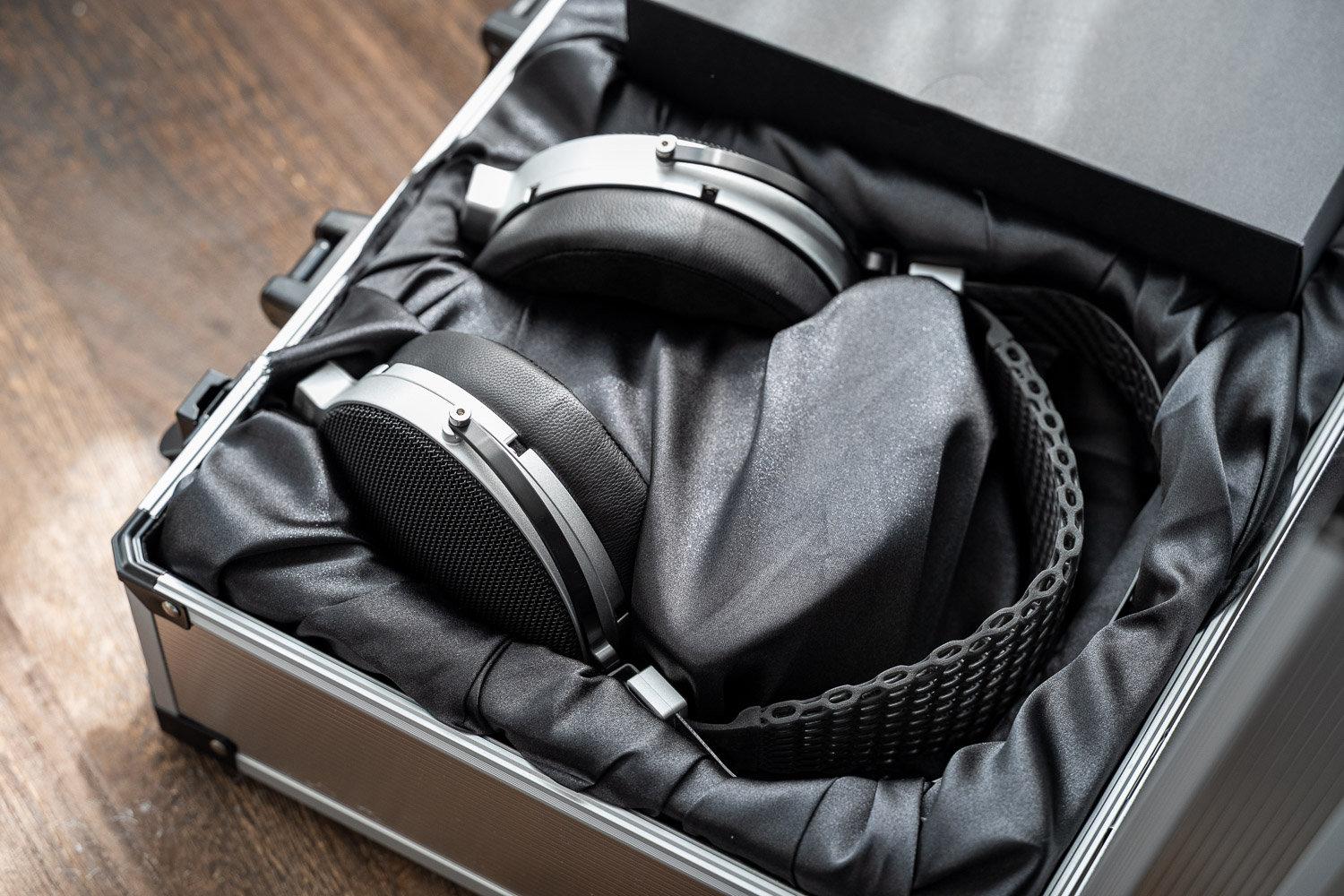
While the tech inside the earcups is impressive, the Skyland’s headband setup might be the sleeper feature here. It uses carbon fiber formed through a dry-process heat-press technique, something more common in pro sports gear than headphones, and it’s supported by a 3D-printed internal frame. The result is a flexible, breathable design that’s light on your head but still durable. It’s also adjustable at both ends, so it can fit a range of head shapes without digging in.
If you’ve ever worn planar magnetic headphones that felt too heavy after an hour or two, this part of the design could make a real difference in daily use.
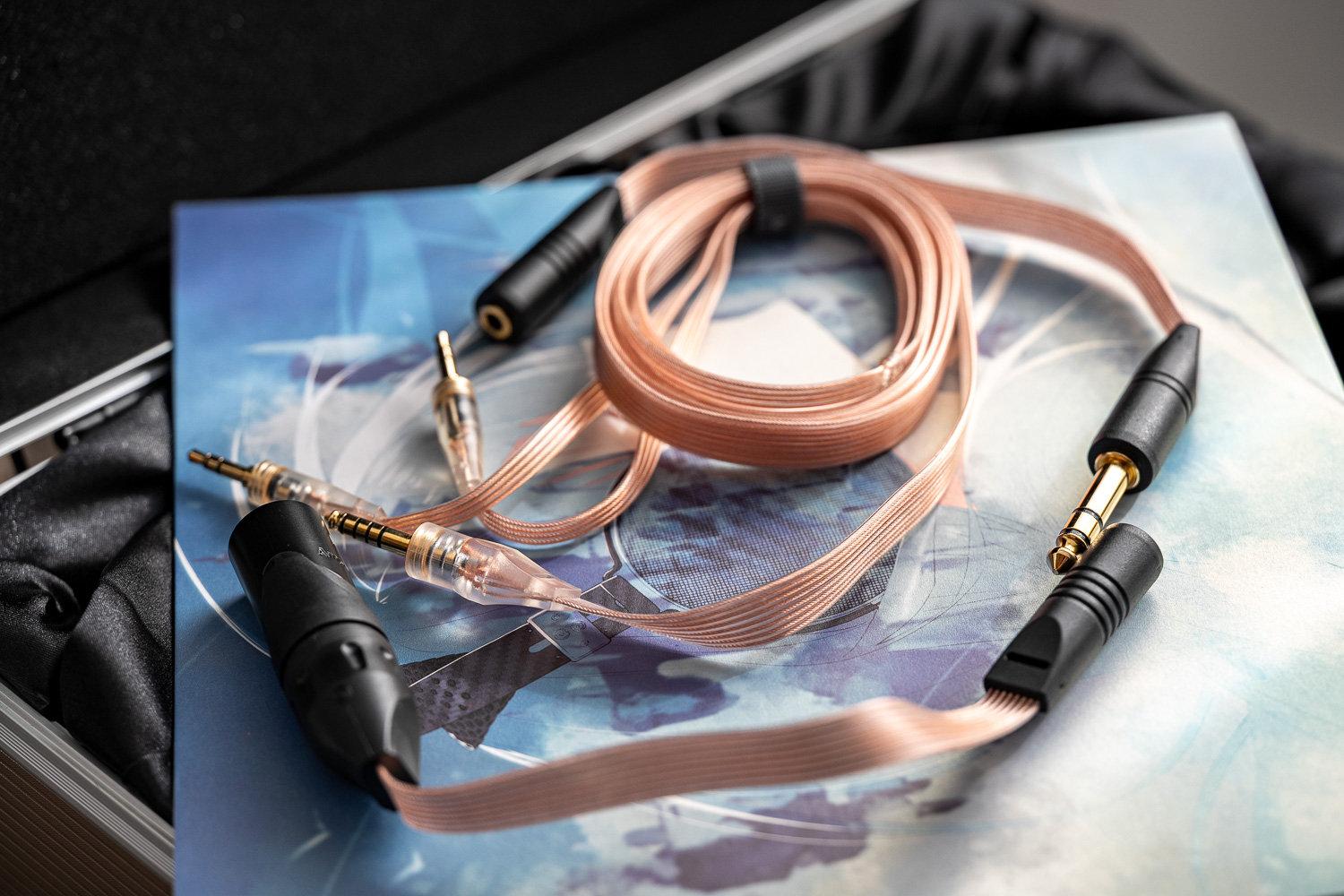
Each earcup connects via a 3.5mm jack, which makes it easy to swap cables if you want to customize your setup. The Skyland ships with a 4.4mm balanced cable, plus a 4.4mm to 6.35mm adapter and a 4.4mm to XLR four-pin adapter, so you’re pretty much set whether you’re plugging into a portable player, desktop amp, or studio gear.
Also included is an aluminum storage case, giving you a safe way to store or transport the headphones when you're not using them.
Technical Specifications:
At $799, the Skyland lands in the mid-to-upper tier of planar magnetic headphones, a space filled with names like HIFIMAN, Audeze, MEZE, Dan Clark Audio, and most recently FiiO. But while many of those brands lean on big-name tech or legacy designs, Moondrop seems to be charting its own course with choices like the carbon-fiber headband, open-back grilles with extra spacing, and a diaphragm tech that’s different from its PARA series.
For people who want high-resolution sound with an open-back presentation and aren’t afraid to wear a larger set of headphones, the Skyland brings a lot to the table without getting overly flashy.
Related Reading:




Privacy Policy
Terms and Conditions - Affiliate Policy
Home Security
© Copyright 2008-2026.
11816 Inwood Rd #1211, Dallas, TX 75244