

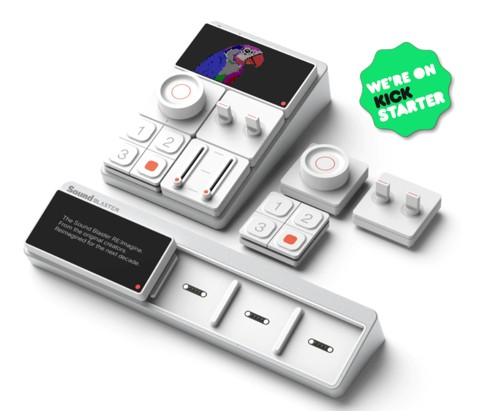
When Creative Technology — yes, that Creative, the Sound Blaster company — shows up on Kickstarter asking for $15,000, it’s hard not to blink twice.
This is the same company that’s shipped over 400 million Sound Blasters, dominated PC audio for decades, and practically invented the phrase “multimedia card.”
So when a brand with that kind of legacy launches a crowdfunding campaign for what looks like a modular “AI-powered audio hub,” it begs the question:
Why does a company worth millions need Kickstarter money at all?
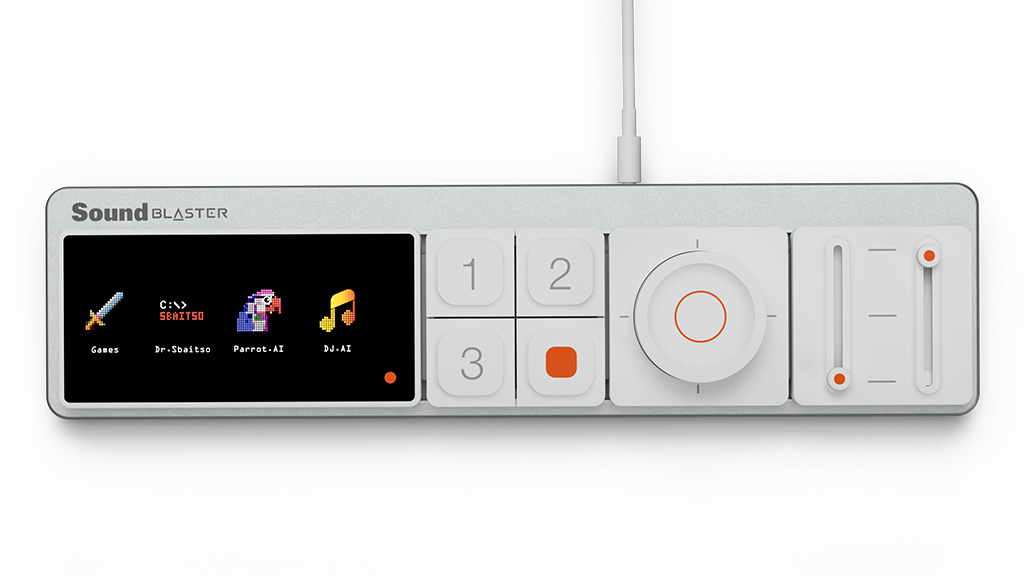
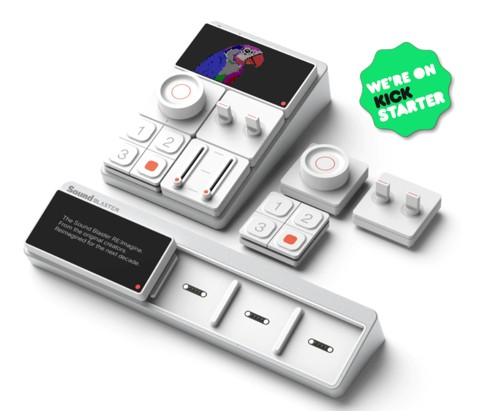
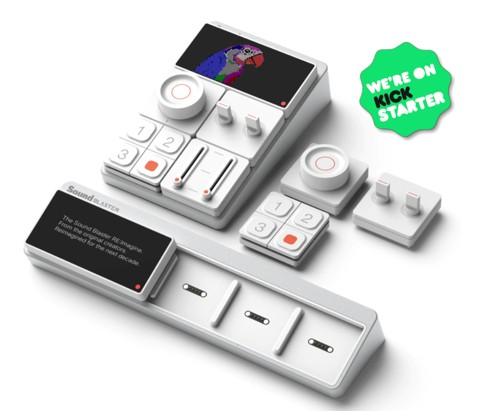
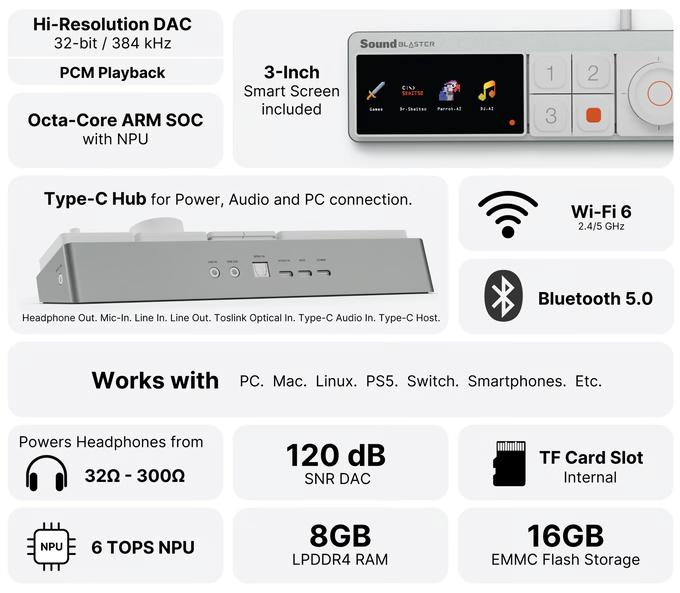
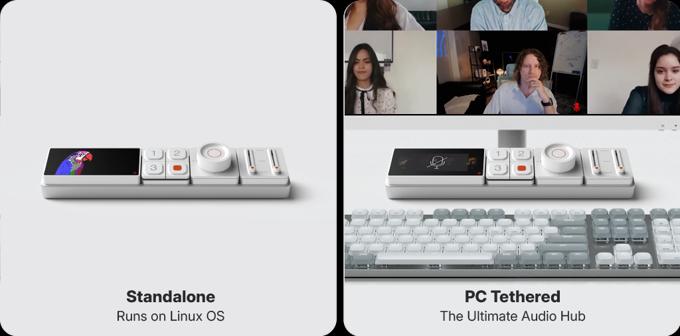
The Re:Imagine campaign promises a “next-generation modular audio hub” with magnetic expansion modules, open developer access, and AI-powered experiences like a virtual DJ and classic Sound Blaster characters.
It’s equal parts futuristic and throwback — equal parts promise and vapor.
Creative’s official line is that launching on Kickstarter is a “conscious choice” to involve the community in shaping this new era of Sound Blaster. That’s a nice sentiment — and it echoes the 1990s energy of PC modders who swore by those beige-box sound cards — but the optics are tricky.
Crowdfunding, for a household-name manufacturer, doesn’t scream “grassroots innovation.” It screams market test dressed up as fan engagement. Check out the Kickstarter here
Reddit lit up the moment Creative’s Sound Blaster Re:Imagine hit Kickstarter — and the mood was… complicated.
What started as a wave of nostalgia quickly turned into a mix of curiosity, side-eye, and open frustration.
At first glance, some users were genuinely intrigued:
“Just saw this pop up on Kickstarter — Sound Blaster is making a comeback with a modular audio hub that apparently has AI tuning built in. The design looks clean as hell, and it’s meant for both gamers and audiophiles.” — u/IWooffff
That early optimism didn’t last long. Once fans dug deeper into the page — the vague language, the lack of specs, the inspirational AI buzzwords — the tone shifted hard:
“Are we sure this belongs to Creative? There’s like two inspirational paragraphs and a GIF showing… something. I have no idea what this is.” — u/ToTTen_Tranz
“How is their software nowadays? This will be dead on arrival if their software isn't up to scratch.” — u/a1b3c3d7
“It’s been just as bad since 2001. Horrible drivers.” — u/DXsocko007
The comments read like group therapy for long-time Sound Blaster owners — veterans who remember the glory days but still carry the scars of driver updates gone wrong.
Others weren’t angry so much as disappointed:
“I wish we could go back to the golden era of Creative.” — u/potatoears
“If Creative would focus on audio cards that actually matter for power users … that’d be great. Make a solid control panel, fix the software — that’s what would make them relevant again.” — u/Tyriel420_666
Across threads, the same themes echo:
For a product calling itself “Re:Imagine,” fans expected something bold, big, transparent, and tangible — not a teaser with a $15K goal.
As one Redditor put it, in what might be the quote of the campaign:
“If Creative wants to win us back, stop reimagining. Just start delivering.” — u/audio_throwback
And that’s really the mood across the community: not hatred, not cynicism — just exasperated hope.
They want to believe in Sound Blaster again… they just need a reason.
If Creative’s watching, Reddit already handed them the roadmap:
Fix the software. Earn back trust. Go big again.
Let’s be fair — big companies using Kickstarter isn’t new.
Sony, Anker, and even LEGO have all dabbled in crowdfunding, but when they do, it’s for big, ambitious projects: hardware ecosystems, limited-edition runs, or million-dollar moonshots that genuinely need validation before scaling.
That’s what makes Creative’s $15,000 ask so strange.
It’s not the act of crowdfunding that raises eyebrows — it’s the scale.
Fifteen grand wouldn’t even cover a small production batch or certification process for a complex modular product. It’s essentially a symbolic goal, not a functional one. And that’s where the confusion starts: is this really about development funding, or just optics and engagement?
If this were a multimillion-dollar campaign to reinvent PC audio hardware from the ground up — cool. But a legacy brand asking for what amounts to pocket change? That feels less like a revolution and more like a reintroduction tour.
If Creative really wanted to reimagine Sound Blaster, this was their moment to go bold and big — not dip a toe in nostalgia.
Fans weren’t asking for magnetic modules or AI filters. They were asking for better software, modern design, and a brand that finally listens.
Imagine if Creative had come out swinging: a complete overhaul of their desktop suite, a unified platform for gamers and creators, sleek hardware that looks as good as it sounds, and a campaign that felt genuinely future-focused.
That would’ve made headlines for the right reasons.
Instead, Re:Imagine feels caught between ambition and hesitation — a marketing experiment where vision should’ve been.
Creative doesn’t need gimmicks; it needs confidence.
The Sound Blaster name still carries weight. But if Creative truly wants to capture a new generation, it needs to act like the legend it once was, not like a startup chasing buzzwords.
Is Re:Imagine truly the next evolution of Sound Blaster… or just a marketing campaign with magnetic panels?
Until Creative shows working hardware, detailed specs, and clear differentiation from the dozens of audio interfaces already saturating the market, the verdict stays out. Check out the Kickstarter here
That said, if this campaign helps Creative rebuild a passionate community and reboot the brand for a new generation, then maybe — just maybe — the small Kickstarter goal is symbolic of something bigger.
But for now?
It feels less like “Re:Imagine” and more like “Re:Introduce Ourselves.”
For advertising please contact the editor at [email protected]




Privacy Policy
Terms and Conditions - Affiliate Policy
Home Security
© Copyright 2008-2026.
11816 Inwood Rd #1211, Dallas, TX 75244