

Home design has taken a softer turn in recent years. People want rooms that feel restorative, places that offer a sense of ease after long days and constant digital noise. Comfort has moved to the center of modern interiors, shaping choices in materials, lighting, and layout.
A feel-good home develops through small, thoughtful decisions. Light that settles gently across a wall, a surface that invites touch, and a room arranged to support everyday routines can shift the emotional tone of an entire living space. Even compact homes show how much atmosphere comes from proportion, texture, and intention.
Spaces shaped with this kind of care feel lived-in rather than staged. They offer warmth without clutter and presence without noise. The effect is immediate the moment you step inside.
A room’s layout influences how the mind responds to it. Clear paths, balanced furniture, and simple sightlines make it easier to settle in. When a space feels coherent, the body eases into a slower rhythm.
Compact homes make this relationship more visible. Every piece matters, and every inch earns its place. Built-in storage, slender shelving, and furniture that serves more than one purpose help rooms feel calm even when square footage is limited. Well-planned layouts reduce friction, letting the space support daily life rather than compete with it.
When everything has a purpose, the room gains an understated harmony. The eye moves easily, belongings stay organized, and the space feels open enough to breathe. In interiors built around comfort, layout becomes an emotional influence as much as a practical tool.
Across the United States, small homes follow very different rules depending on where they stand. Some states embrace compact living through flexible zoning and clear standards, while others rely on codes that limit where these homes can exist. These distinctions affect everything from price to long-term use to the interior features that owners prioritize.
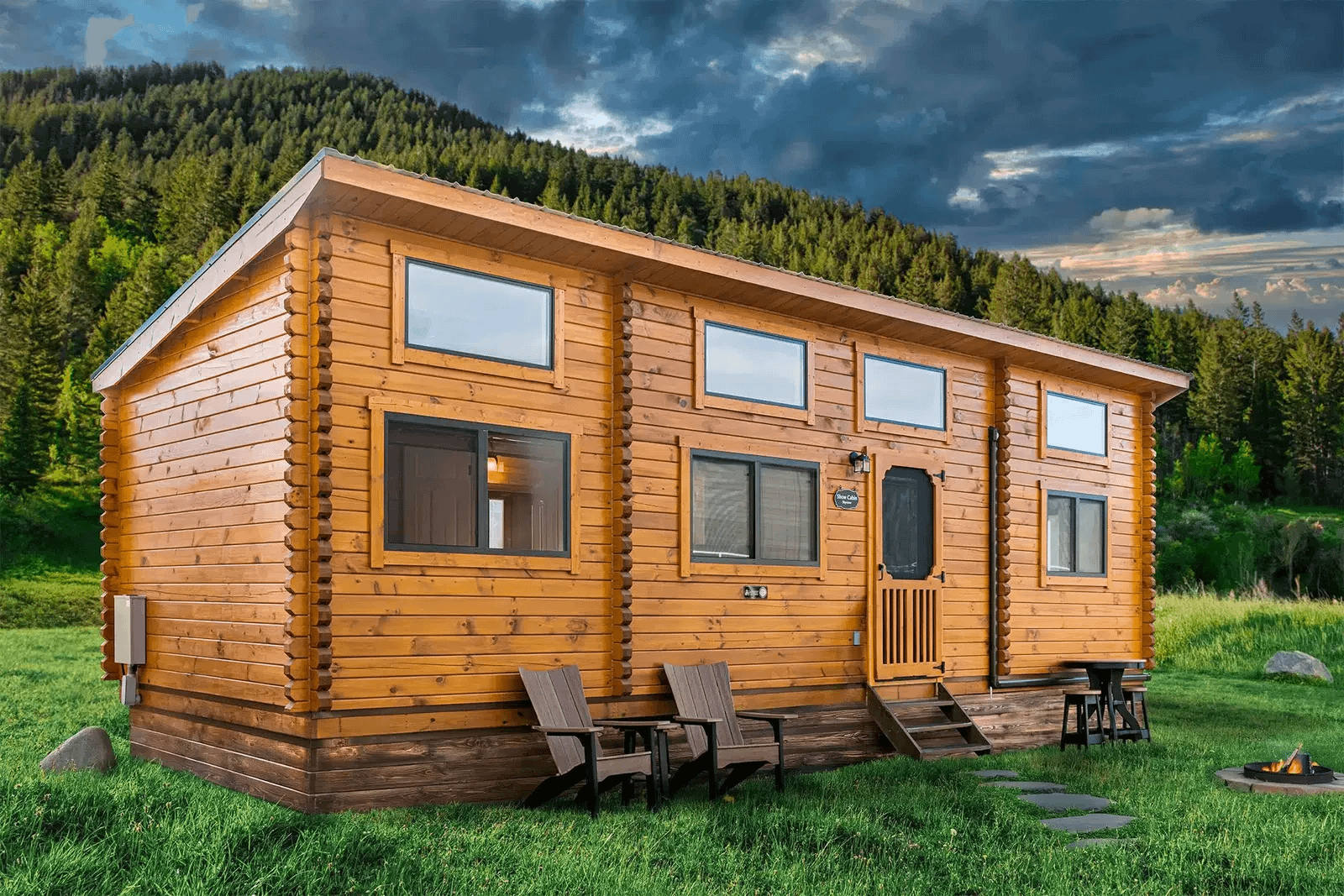
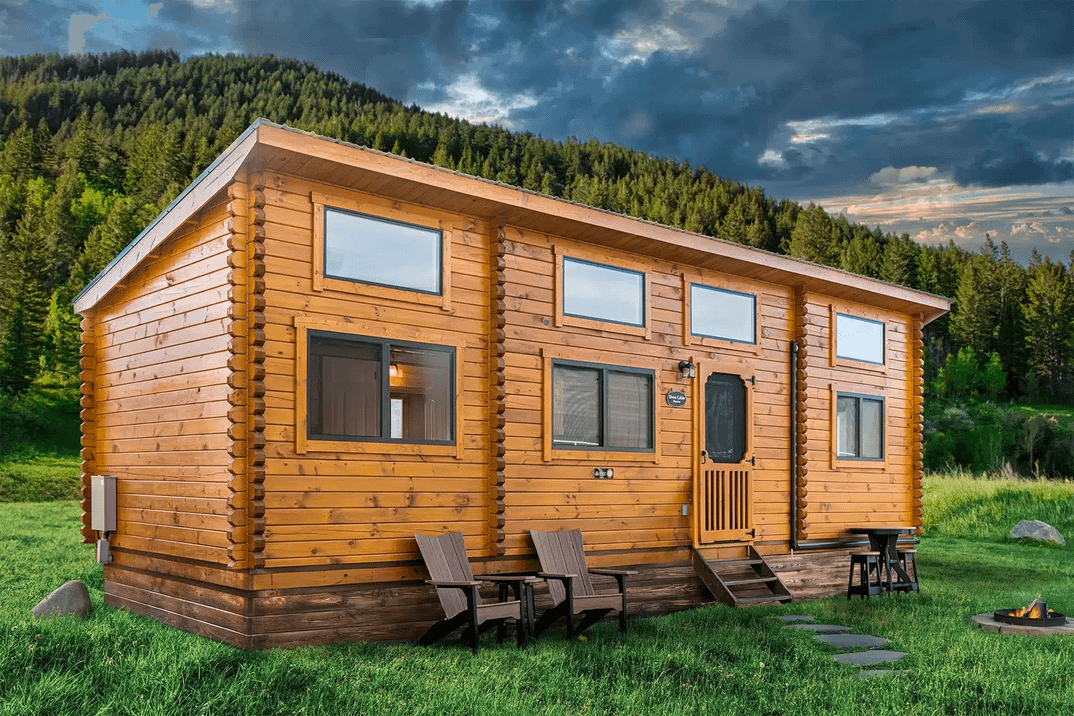
Vermont stands out for its openness to compact dwellings and its strong culture of outdoor-centered living. Buyers exploring park model homes in Vermont often consider insulation, weather durability, and craftsmanship that can handle long winters. These priorities influence how interiors are built, favoring warm materials, efficient layouts, and design choices that encourage steady indoor comfort.
Other states create different versions of this idea. Maine has become a haven for tiny-home enthusiasts, supported by practical regulations and a love for wood construction, although coastal areas bring higher overall costs. Tennessee tends to be more flexible, which appeals to people who want mobility and freedom from heavy permitting. New York leans toward more complex zoning, especially outside large cities, which makes compact homes harder to place and more expensive to maintain. Colorado varies by county, with some regions supporting alternative housing and others sticking to stricter classifications.
These varied approaches shape how small homes look, feel, and function. Each state creates its own version of compact living, guided by climate, culture, and policy. The design choices that follow often reflect what local residents value most: durability, adaptability, or affordability.
The feel of a room often comes from the surfaces your hand lingers on. Soft fabrics, matte finishes, and natural materials create a quiet backdrop that steadies the senses. Wood plays a particularly strong role. Its grain and tone add a subtle rhythm to a space, giving interiors a grounded character without visual noise. Ideas from biophilic design and sustainable building practices, echoed in Architectural Digest’s look at the delicate balance of biophilic and sustainable design, show how natural textures can foster emotional ease while still meeting practical demands.
Color carries its own influence. Warm neutrals soften a room’s edges, while deeper earth tones create a sheltered feeling. When these palettes combine with tactile layers that absorb sound and soften glare, the space feels calmer and easier to inhabit.
Even the smallest home benefits from these choices. A mix of warm wood, woven textiles, and muted colors can shift a room's mood. It slows the pace and turns routine moments into something more restorative.
Atmosphere comes from details that often go unnamed. Light shapes a room's energy, determining whether the space feels sharp or gentle. Overhead fixtures handle tasks, but lamps, shaded sconces, and candlelight create a softer mood that encourages unwinding. A few varied light sources can make one room feel ready for work in the afternoon and conversation in the evening.
Sound influences comfort just as strongly. Bare rooms bounce noise around, which keeps the body alert. Rugs, curtains, cushions, and textured walls absorb sharp edges and soften acoustics. In compact homes, this softness can be the difference between a room that feels tight and a room that feels sheltered. Thoughtful speaker placement and quiet appliances deepen this sense of ease.
Scent and subtle movement bring the final layer. A hint of wood, fresh linen, or something green from indoor plants can anchor a space in memory. Shadows moving across natural textures, or curtains fluttering slightly, add a sense of quiet life. When these elements work together, even a small interior can feel like a retreat.
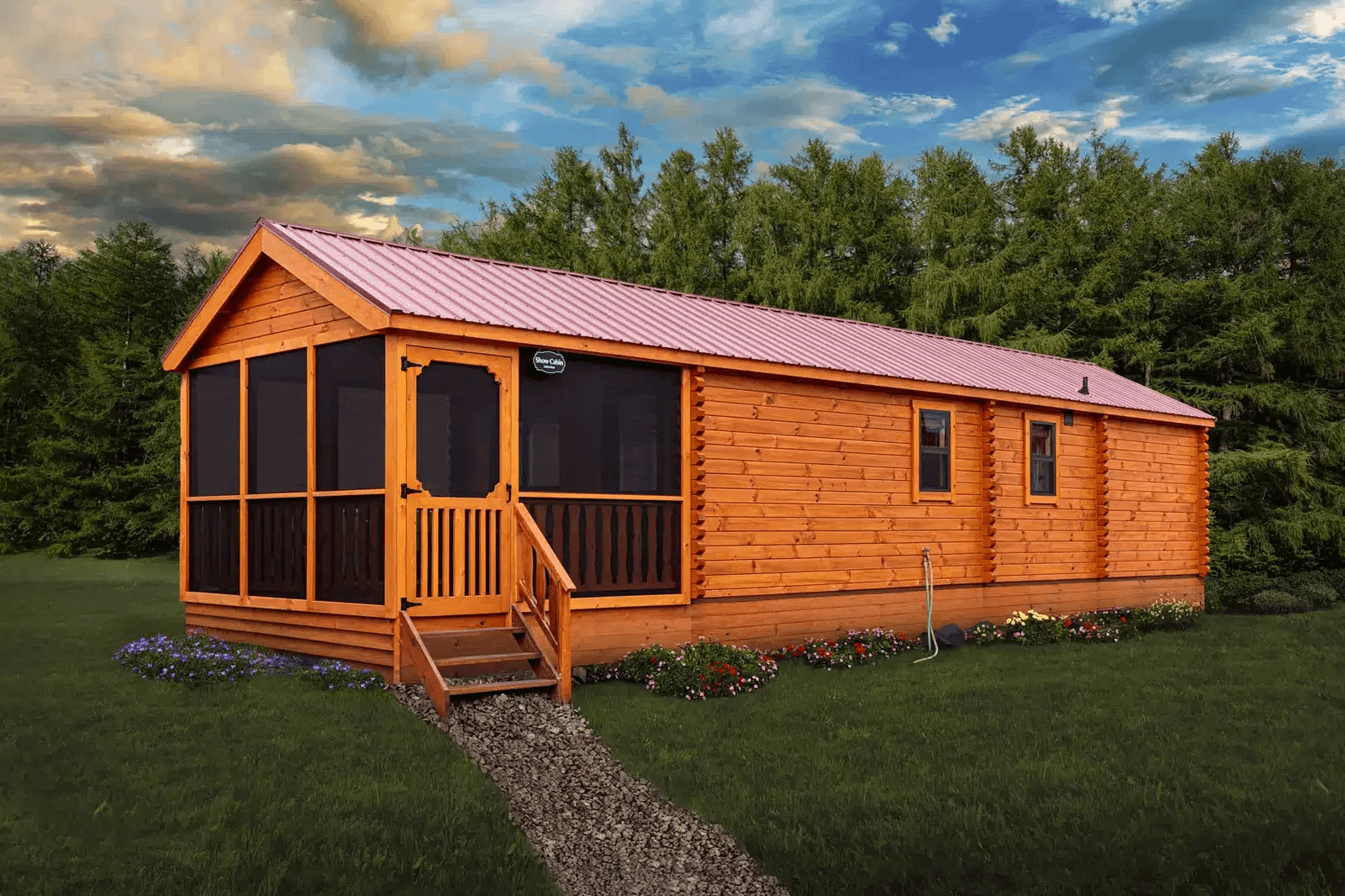
People often gravitate toward compact spaces without thinking about it. Corners, window seats, and intimate lounges offer a kind of enclosure that supports rest. Smaller rooms have proportions that feel familiar to the body, guiding it into a calmer pace.
Scale affects more than appearance. A slightly compressed space can make light feel warmer and textures feel richer. This is why compact homes resonate with so many people. Their size encourages focus, steadiness, and a sense of personal refuge.
Larger homes can borrow from these ideas. A reading nook, a built-in bench along a hallway, or a smaller bedroom styled with layered textiles can recreate this sense of shelter. The goal is not to shrink the home, but to design corners that feel human in proportion and generous in comfort.
A steady atmosphere often begins with simple changes. Soft textiles shift how sound moves through a room and give everyday seating more presence. Warmer bulbs or layered lighting help evenings unfold at a calmer pace. Natural materials such as oak, clay, or wool add a reassuring weight that grounds a room.
Layout has its own influence. Clearing visual paths, giving important items a consistent place, and weaving in simple home decor ideas such as layered fabrics and warm, low lighting can change how a room supports everyday patterns. These choices bring coherence without making the space feel staged.
Scent, sound, and subtle movement deepen the effect. Plants bring life, textured curtains temper brightness, and soft background audio prevents the room from feeling static. Together, these choices turn routine moments into something more intentional and comforting.
Homes shaped with patience and care tend to show their character slowly. Light lands more gently, textures feel honest, and the space encourages the pace you want to keep. Even minor adjustments can shift the emotional tone of a room and make it feel more supportive.
Designing with warmth, proportion, and atmosphere in mind gives a home its emotional center. It creates places where daily routines feel calmer and moments carry more meaning. When those elements come together, the space invites you to settle in and stay.






Privacy Policy
Terms and Conditions - Affiliate Policy
Home Security
© Copyright 2008-2026.
11816 Inwood Rd #1211, Dallas, TX 75244