

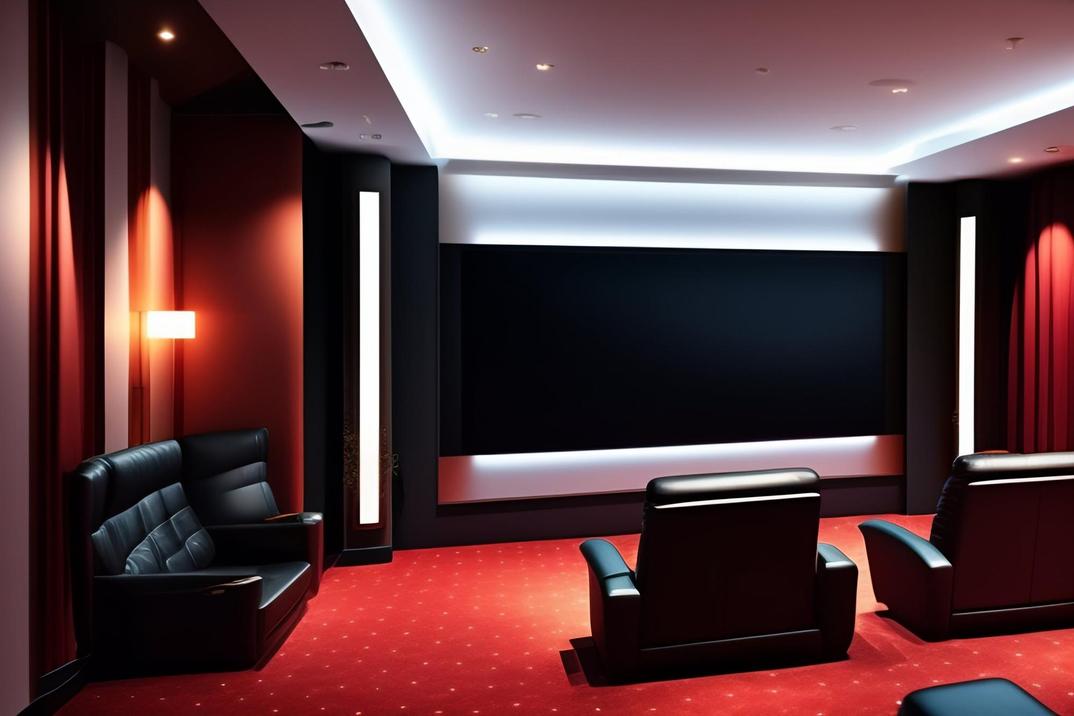
Are you struggling with unwanted noise and poor sound quality in your home theater? Research indicates that around 70% of home theaters suffer from such issues, primarily due to a lack of proper acoustic treatment and soundproofing.
This is a comprehensive guide that will walk you through the importance of these factors, how to implement them correctly, and consequently enhance your theater experience dramatically.
Acoustic treatment and soundproofing are essential for home theaters because they control reverberation and echo, minimize sound leakage, and optimize bass response.
Acoustic treatment is a method used to enhance the sound quality within a room by mitigating unwanted noise reflections. Through strategically placing materials called acoustic panels, you can control how sound waves bounce around in your space.
This method helps reduce echo and reverberation for clearer audio output, resulting in an improved listening experience – particularly crucial for home theaters where every detail of sound matters.
Reverberation, or reverb, occurs when sound waves bounce around a room before reaching your ears.

These lingering echoes can muddy the clarity of your audio, making dialogue difficult to understand and music less pleasant to listen to. On the other hand, echoing gets produced when direct sound waves mix with reflected ones off hard surfaces in your theater room like walls and ceilings.
This mixture often results in a confusing cacophony, deteriorating your overall theater experience. Therefore, controlling both these elements through effective acoustic treatment not only optimizes your sound system performance but also enhances the frequency response - yielding a much more enjoyable movie-viewing or music-listening session on your seat within your well-designed home theater system.
Taking care of sound leakage is vital in achieving the ultimate home theater experience. It's all about maintaining high-quality sound within your room and preventing it from spilling out to other parts of your living space.
Properly sealing doors, windows, and even electrical outlets can significantly reduce this issue. High-density materials such as mass-loaded vinyl (MLV) or insulation boards are often used to obstruct any escaping sound waves, ensure optimum acoustics, and muffle interference from outside noises.
Not only does minimizing sound leakage enhance your streaming experience when watching a movie or listening to music by improving sound quality, but it also contributes to a more peaceful atmosphere for those around you who may not be partaking in the theater fun.
To truly create a captivating home theater experience, optimizing the bass response shouldn't be overlooked. By carefully controlling the low-frequency sounds in your room, you can achieve a more balanced and immersive audio experience.
One effective way to enhance bass performance is by strategically placing acoustic panels or bass traps in key locations within your home theater space. These panels help absorb excess low-frequency energy, preventing it from bouncing around the room and causing unwanted resonances or muddy sound.
With optimized bass response, you'll feel every boom and rumble as if you were right in the middle of the action on screen.
To achieve optimal sound quality in your home theater, it's crucial to follow the best practices for acoustic treatment. From understanding room acoustics to identifying reflection points and placing acoustic panels strategically, these steps are essential for creating an immersive theater experience.
To create the perfect home theater experience, understanding the acoustic properties of your room is paramount. Acoustic properties refer to how sound behaves and interacts within a space.
Factors such as room size, shape, materials used for walls, floors, and ceilings all affect the way sound travels and is perceived in your home theater. By understanding these properties, you can make informed decisions when it comes to optimizing sound quality and minimizing unwanted audio issues.

Start by considering the dimensions of your room. Larger rooms tend to have more natural reverb due to increased space for sound waves to bounce around. Smaller rooms may have excessive bass buildup or be prone to flutter echoes.
Knowing the size of your space will help guide you in selecting appropriate acoustic treatment solutions.
Additionally, take note of any hard surfaces in your room. Flat walls and ceilings can cause sound waves to reflect back into the room rather than being absorbed or diffused properly.
Identifying reflection points where the first reflections occur will allow you to strategically place acoustic panels, which absorb those reflections and improve overall clarity.
Accurate room measurement and analysis help create the best possible acoustic environment for your home theater. Here are some key things to consider:
To achieve optimal sound quality in your home theater, it's important to identify reflection points and first reflections within the room. Here's how you can effectively address these areas:
Acoustic panels play a crucial role in optimizing the sound quality of your home theater. To achieve the best acoustic treatment, it's essential to strategically place these panels on the walls, ceiling, and floor. Here's a guide on how to effectively position acoustic panels in your home theater:
2. Ceiling:
3. Floor:
Enhance your home theater sound quality by strategically placing acoustic panels on the front wall for the main speakers and screen, optimizing surround sound with panels on the side walls, and maximizing acoustic performance with ceiling-mounted panels.
To optimize sound quality in your home theater, it's important to strategically place acoustic panels on the front wall where the main speakers and screen are located.
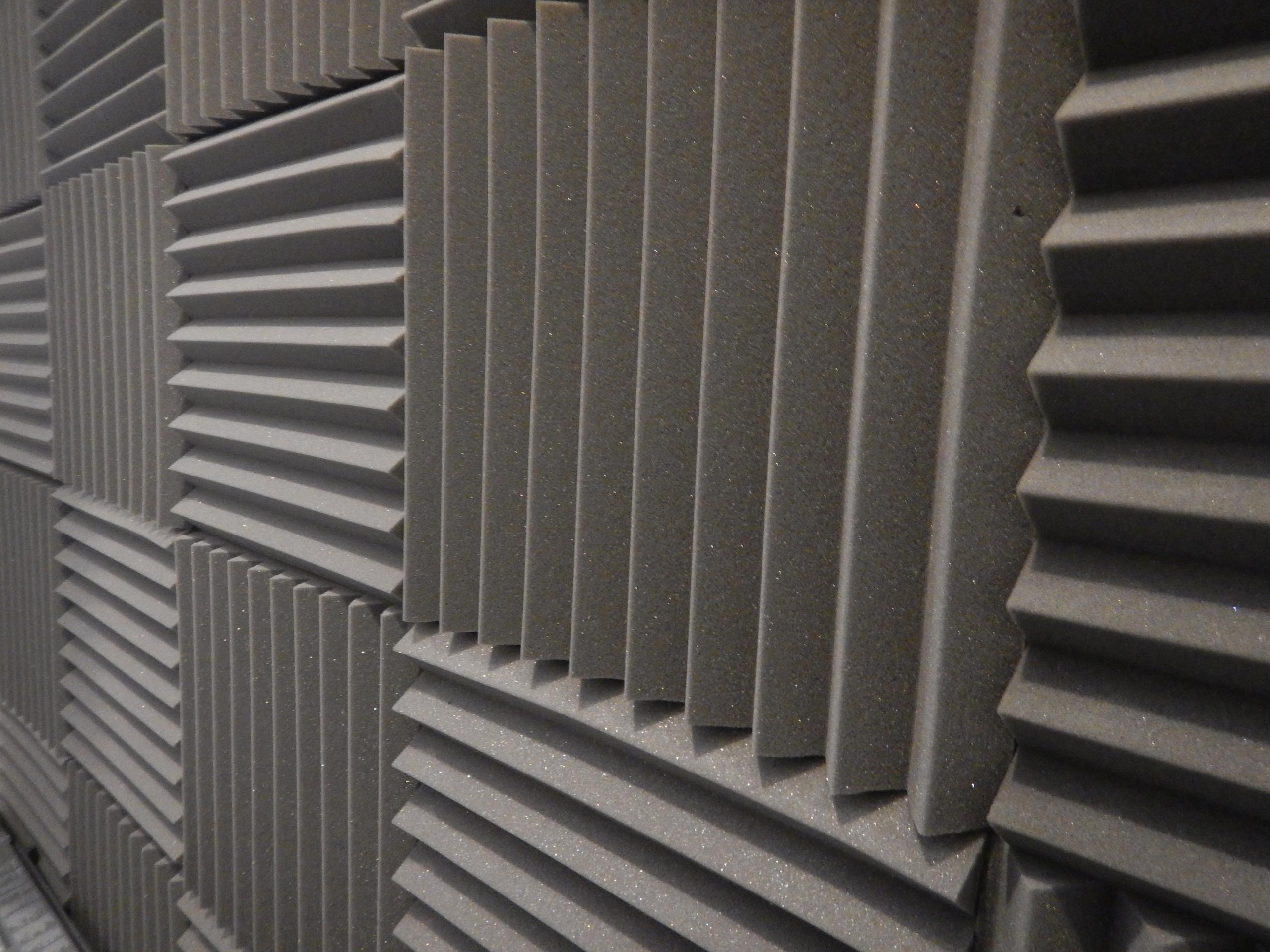
Here's how to do it:
Here are some tips on how to place acoustic panels on the side walls:
In terms of putting panels on your ceiling, here's what you need to consider:
To further enhance your home theater experience, there are additional soundproofing measures you can take to ensure optimal sound quality.
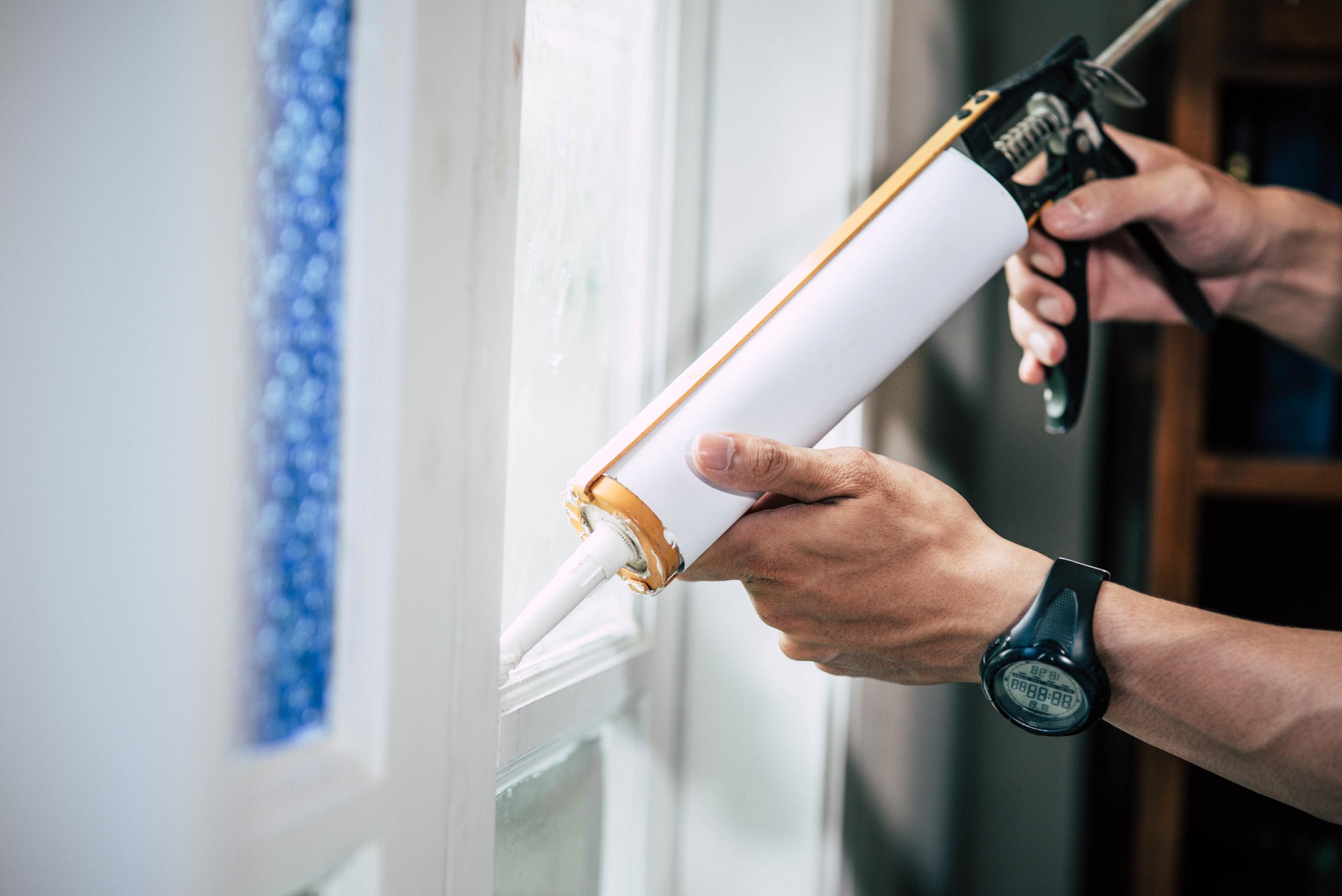
From choosing the right materials for walls, ceilings, and doors to sealing gaps and investing in door and window insulation, these steps can significantly reduce noise leakage and external disturbances.
Read on to learn more about creating a truly immersive theater environment.
Choosing the right materials for your walls, ceilings, and doors can make a lot of difference. Here are some options to consider:
To ensure optimal sound isolation in your home theater, it is crucial to seal any gaps and cracks that may allow sound to leak in or out. Here are some essential steps to follow:
To further enhance the acoustic performance of your home theater, consider incorporating noise-reducing curtains and rugs. These additions not only provide an aesthetic touch to your space but also work wonders in minimizing sound reflections and reverberations.

Noise-reducing curtains are designed with thick fabrics that absorb sound waves, preventing them from bouncing around the room and causing unwanted echoes. Rugs, on the other hand, act as excellent sound absorbers by dampening vibrations that may originate from hard surfaces like floors.
By strategically placing these curtains and rugs in your home theater, you can create a more immersive audio experience while also ensuring a quieter viewing environment for yourself and others in the house.
Investing in door and window insulation can greatly enhance the acoustic performance of your home theater. Here are some measures you can take to minimize sound leakage and optimize sound quality:
Investing in proper acoustic treatment and soundproofing for home theaters can really take your audio experience to a new level. By controlling reverberation, minimizing sound leakage, and optimizing bass response, you can create a theater-like atmosphere right in the comfort of your own home.
With the right combination of acoustic panels, soundproofing materials, and additional measures like sealing gaps and using noise-reducing curtains, you can transform your home theater into a space where every movie or music session feels truly cinematic.
Don't underestimate the impact that acoustics can have on your overall enjoyment – take the necessary steps to enhance your sound quality today!
Acoustic treatment in home theaters is crucial as it helps improve sound quality by reducing echo, reverberation, and unwanted reflections. This creates a more immersive and realistic audio experience for viewers.
Soundproofing in home theaters helps prevent sound leakage into other areas of the house or outside, as well as minimizes external noise from entering the theater space. This enhances privacy and ensures an uninterrupted cinematic experience.
Common acoustic issues in home theaters include excessive bass buildup, flutter echoes, standing waves, and uneven frequency response. Acoustic treatment addresses these problems to create a balanced and accurate audio environment.
While some basic DIY options are available for minor improvements, it is recommended to consult with professionals who specialize in acoustic design and installation for optimal results. They have the expertise to assess your specific requirements and provide tailored solutions that maximize performance.





Privacy Policy
Terms and Conditions - Affiliate Policy
Home Security
© Copyright 2008-2026.
11816 Inwood Rd #1211, Dallas, TX 75244
2023-08-16 20:39:24
All good home cinema advice. Just thinking in a car audio environment, all that glass area would be very bad for reverb but music can still sound great … strange.