

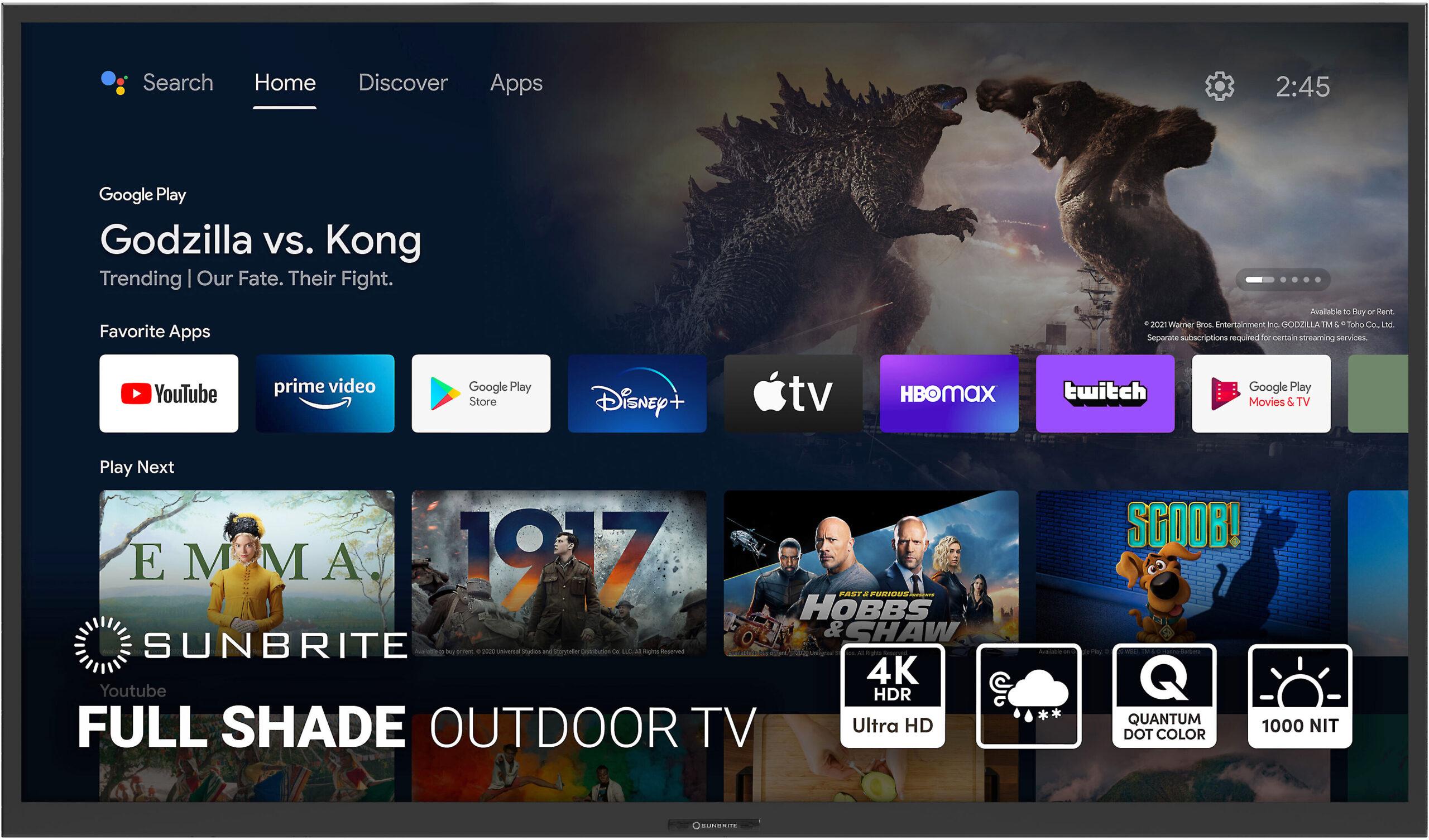
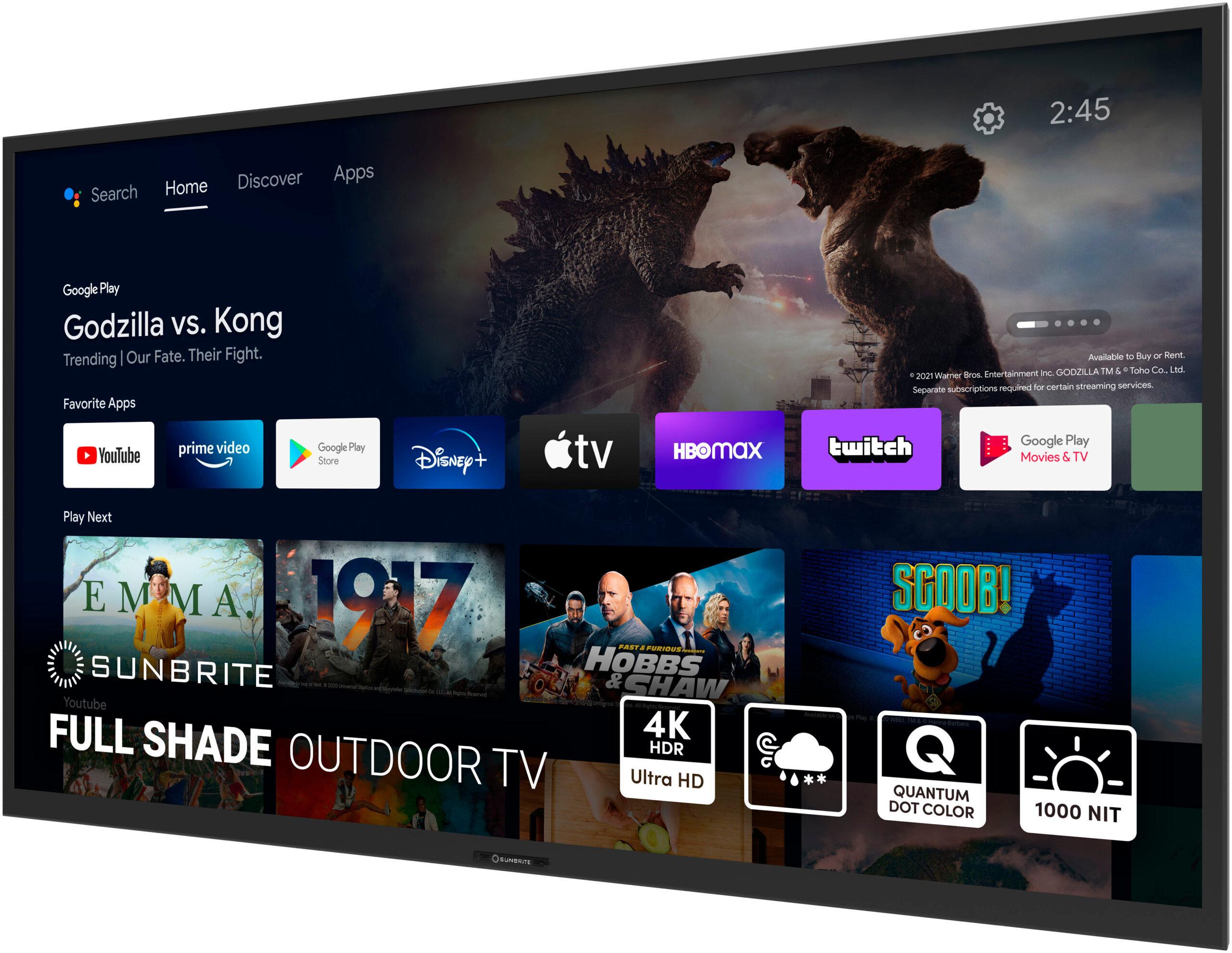

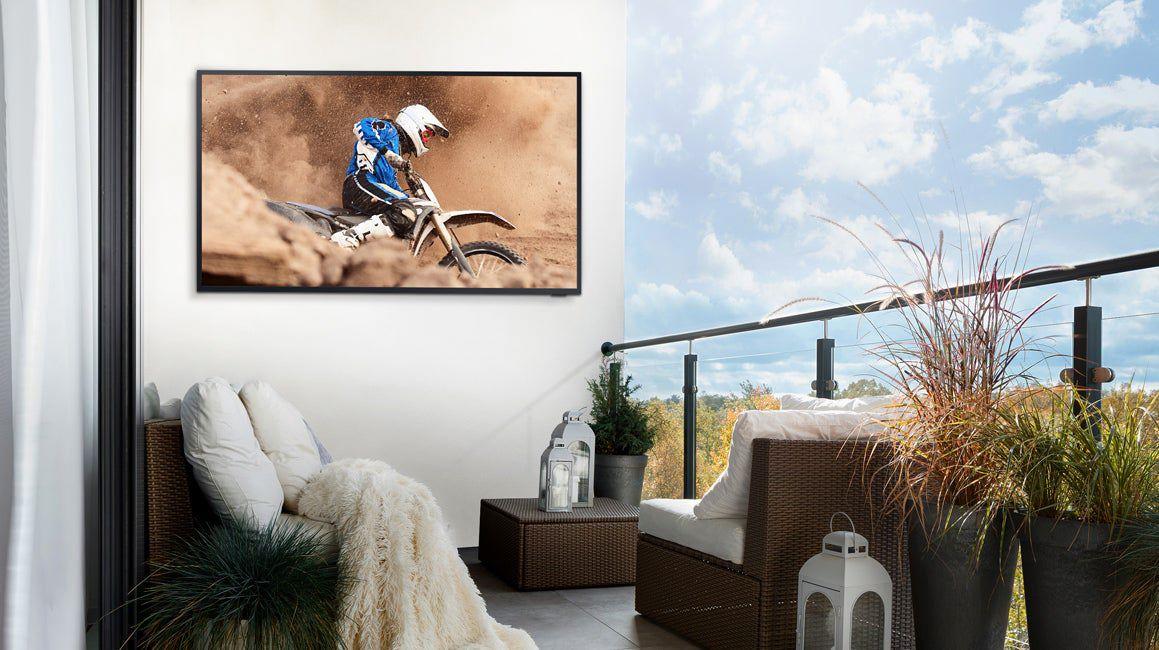
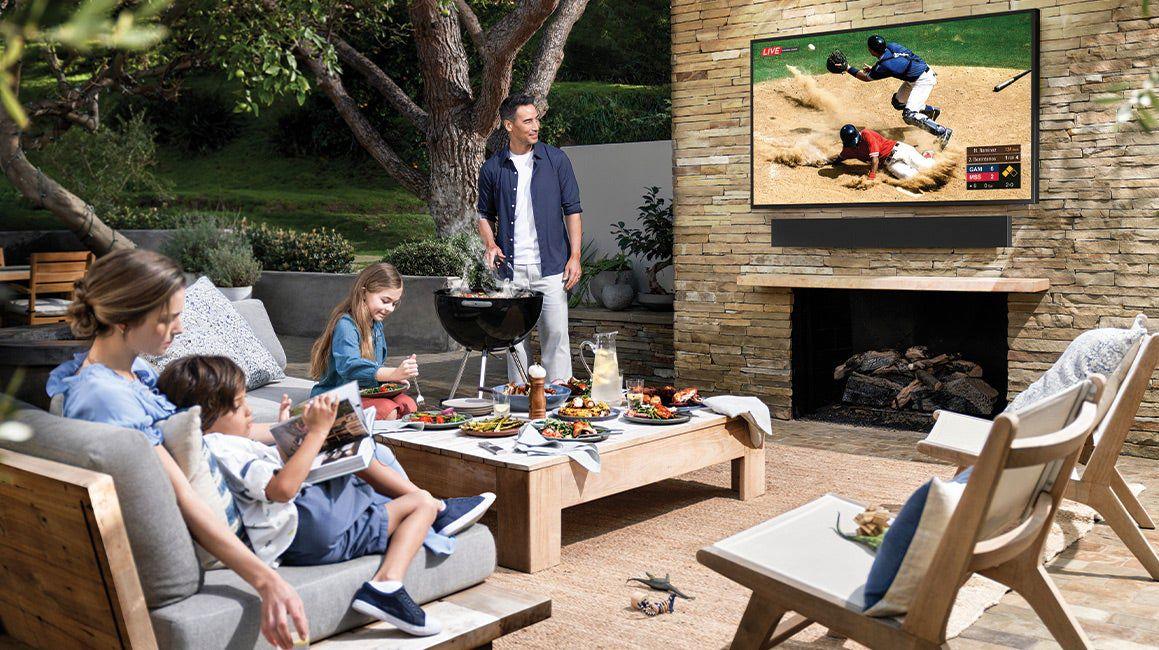
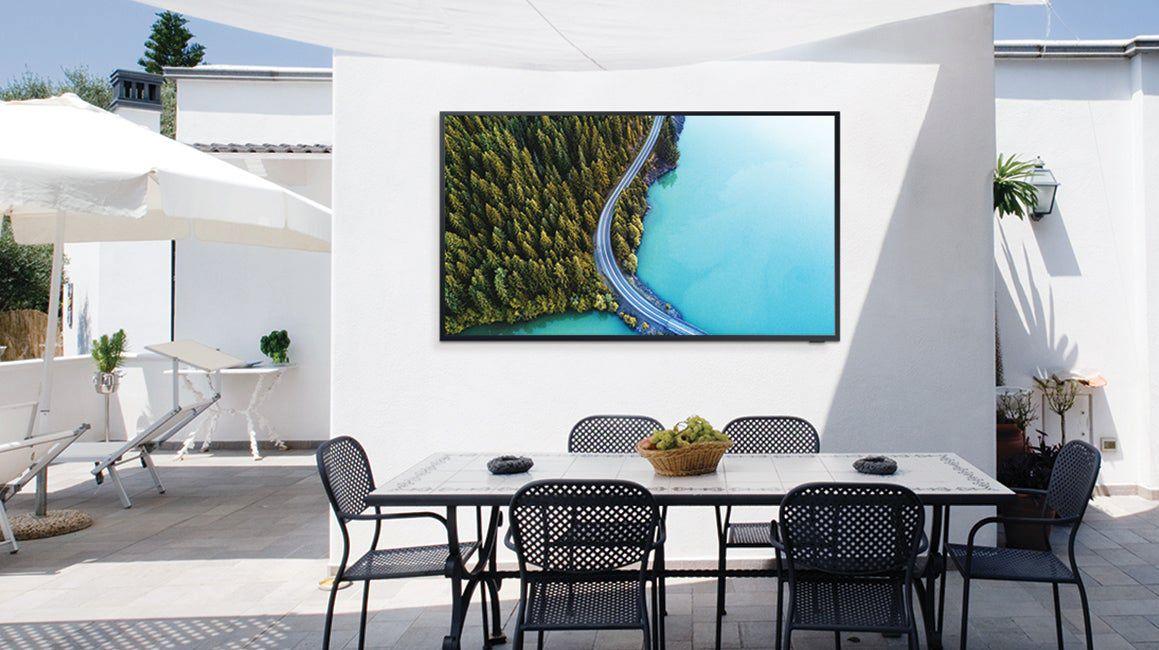
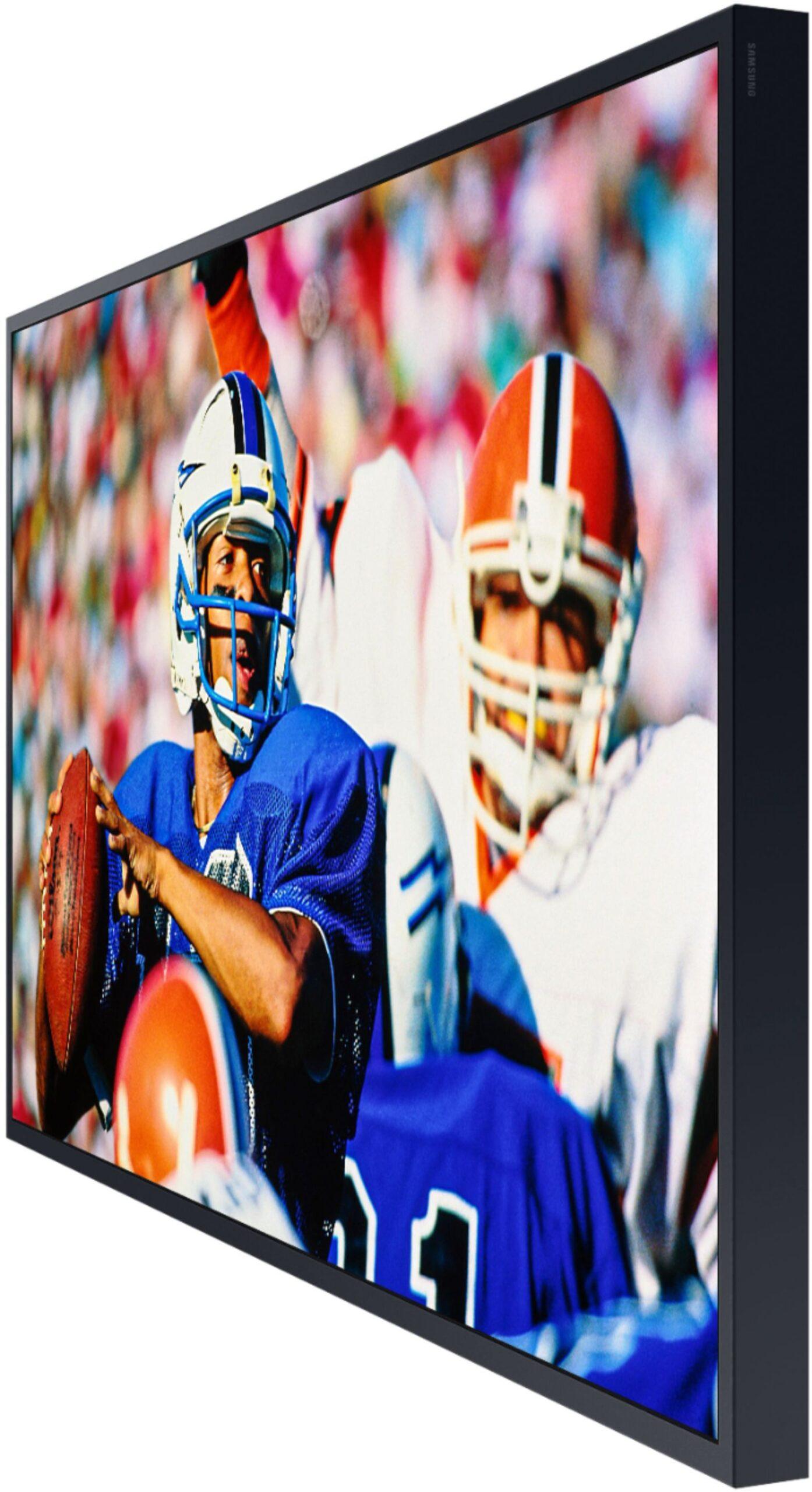
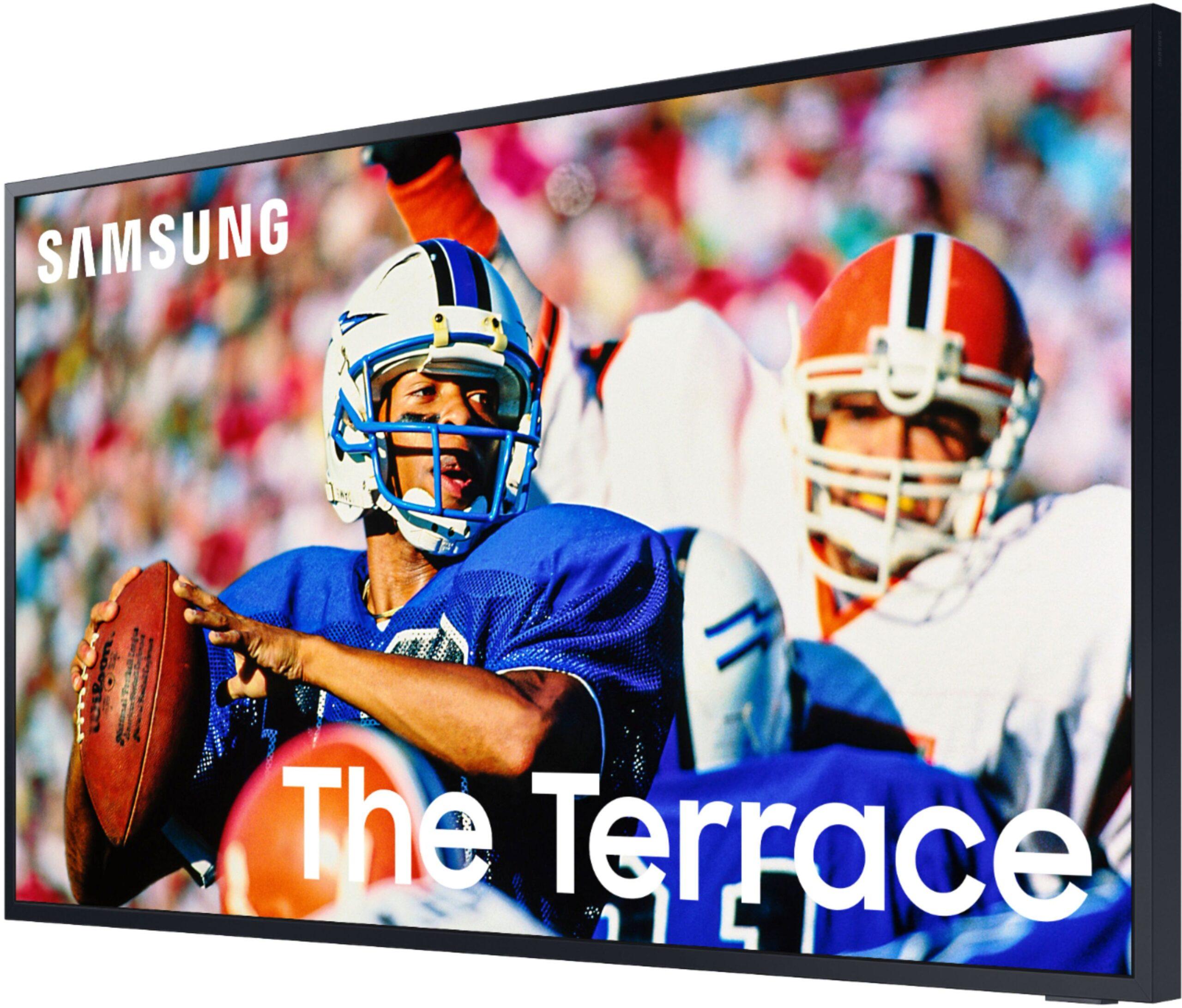
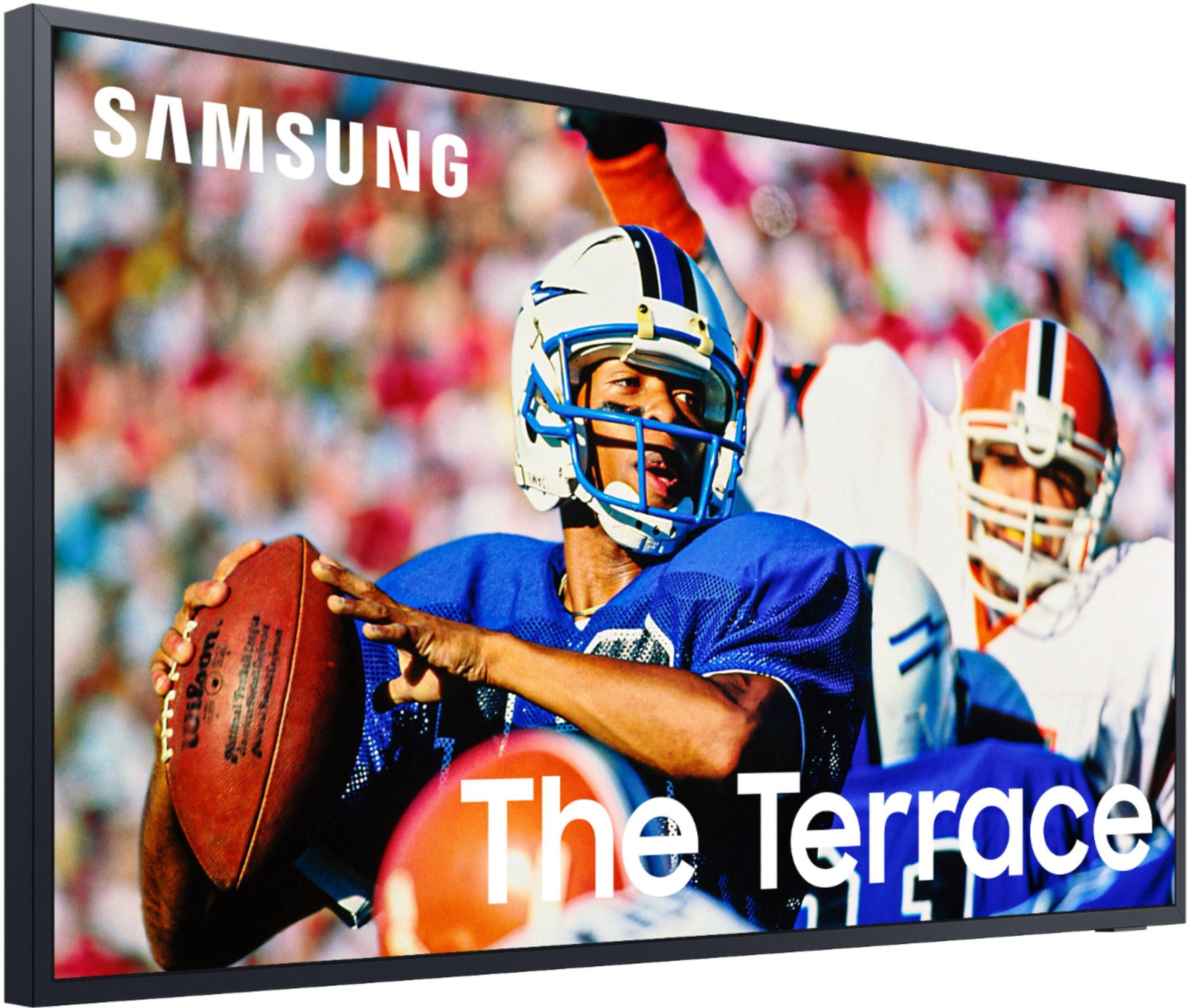
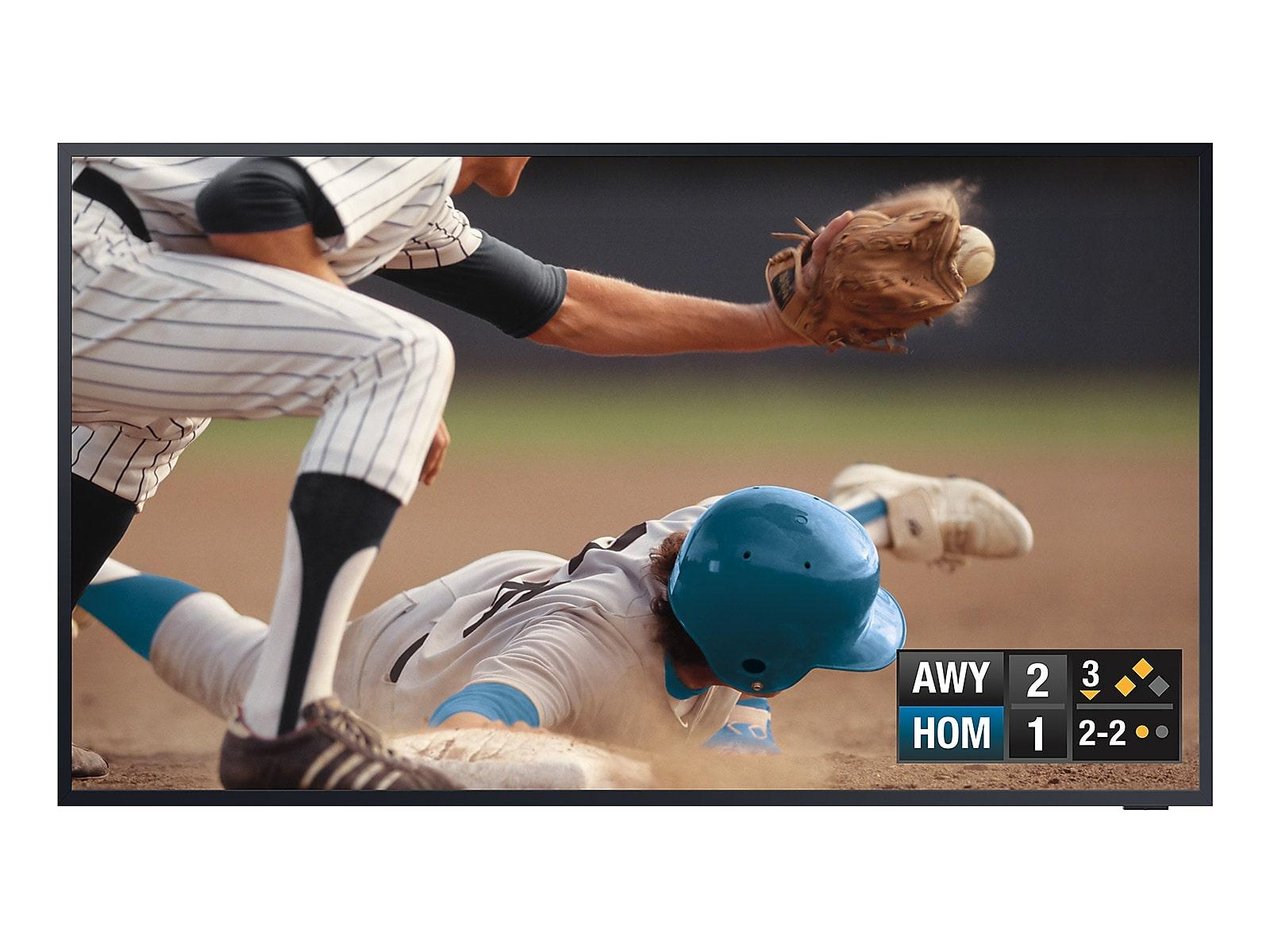
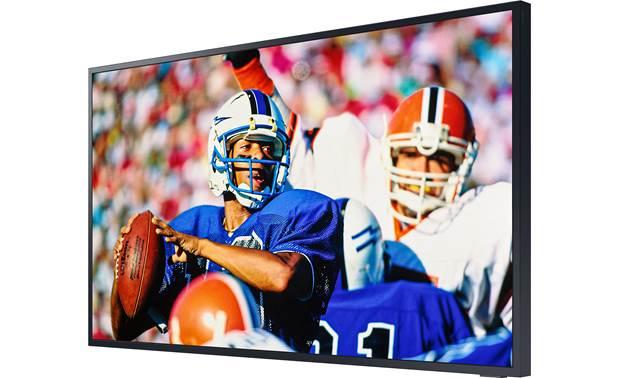
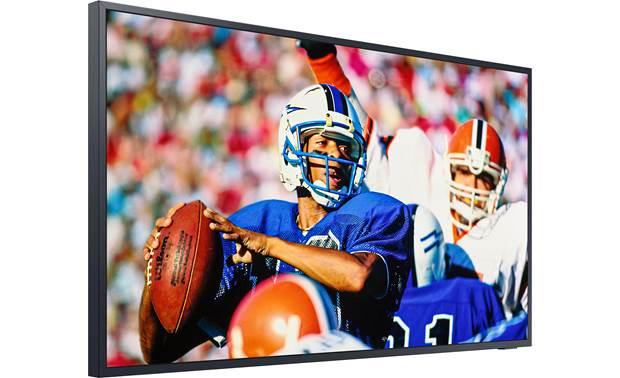

When regular TVs venture outdoors, they rarely survive long. Moisture fogs the screen, heat warps internal components, and direct sunlight makes viewing nearly impossible. That's where purpose-built outdoor TVs come in. Today, we're comparing two leading options in this specialized category: the SunBrite Veranda 3 Series 65" 4K Outdoor TV and the Samsung 65" The Terrace LST9T.
As someone who's helped install outdoor entertainment systems for years, I've seen firsthand how the right outdoor TV can transform a backyard space—and how the wrong one can lead to expensive disappointment. Let's dive into what makes these TVs special and which might be right for your outdoor oasis.
Before we compare models, it's important to understand what separates outdoor TVs from their indoor counterparts. Standard TVs are designed for controlled environments with consistent temperatures, no moisture, and limited light exposure. Take them outside, and they're fighting a losing battle against the elements.
Outdoor TVs tackle these challenges through specialized engineering: weatherproofed components, temperature regulation systems, sealed enclosures that keep moisture and bugs out, and dramatically increased brightness to combat sun glare. They're essentially televisions wearing armor, ready to withstand whatever Mother Nature throws at them.
When shopping for an outdoor TV, you'll need to consider:
Let's see how our contenders stack up against these criteria.
The Samsung The Terrace was released in May 2020, with the LST9T model we're discussing today following as part of the 2021 lineup. It represented Samsung's first major foray into the outdoor TV market, bringing their QLED display technology into weatherproof form.
The SunBrite Veranda 3 Series hit the market more recently in May 2022, building on SunBrite's long history of outdoor display manufacturing. The Veranda 3 marked a significant evolution for the company as their first outdoor TV with built-in streaming capabilities through the Android TV platform.
Both products represent significant advancements over earlier outdoor TV models, which often sacrificed smart features and picture quality for durability. These newer models aim to deliver an experience closer to premium indoor TVs while withstanding outdoor conditions.
The most immediate difference between these TVs is their brightness capability, which directly impacts when and where you can comfortably view them.
The SunBrite Veranda 3 pushes out 1,000 nits of brightness—about three times what a typical indoor TV produces. This is sufficient for shaded patios and covered areas but starts to struggle when direct sunlight hits the screen.
The Samsung Terrace dramatically ups the ante with over 1,500 nits of brightness. This 50% advantage makes a substantial difference in challenging lighting conditions. I've observed The Terrace maintaining visible, vibrant images even with partial direct sunlight hitting the screen—a scenario where most outdoor TVs, including the Veranda 3, begin to wash out.
To put this in perspective, I visited an outdoor showroom last summer where both models were displayed side by side. When we moved them from shade into partial sun, the Veranda's image became noticeably harder to see, while The Terrace continued to display a clear, vibrant picture. However, in shaded settings, the difference was much less pronounced, with both providing excellent visibility.
Both TVs employ Quantum Dot (QLED) technology, which uses tiny semiconductor particles that emit colored light when illuminated. This allows for broader, more accurate color reproduction compared to standard LED TVs.
The Samsung Terrace includes their Direct Full Array 16X backlighting system, which divides the backlight into numerous individually controlled zones. This results in more precise light control, producing deeper blacks and better contrast than edge-lit displays. When watching darker content like "The Batman" during an evening outdoor movie night, I noticed The Terrace maintained impressive shadow detail that added depth to nighttime scenes.
The SunBrite Veranda 3 also features local dimming, though with fewer zones than the Samsung. While watching the same content, the Veranda delivered good contrast, but couldn't quite match the inky blacks of The Terrace. However, in brighter scenes, the difference becomes much less noticeable.
The Terrace's anti-reflection coating deserves special mention. This specialized screen treatment significantly reduces glare from ambient lighting and the surrounding environment. The Veranda lacks this specific technology, making it more susceptible to reflections from pool water, light-colored patio furniture, or nearby lighting.
For HDR (High Dynamic Range) content, which offers a wider range between the brightest and darkest parts of an image, the TVs take different approaches. The Veranda 3 supports Dolby Vision, which offers dynamic scene-by-scene optimization, while The Terrace supports HDR10+, Samsung's competitor to Dolby Vision that also offers dynamic metadata.
In practice, content availability often determines which format proves more useful. Streaming services like Netflix and Disney+ offer substantial Dolby Vision content, giving the Veranda 3 an advantage for these platforms. However, both TVs handle standard HDR10 content well, which covers most 4K Blu-rays and streaming options.
Both TVs feature 120Hz refresh rates (meaning the screen updates 120 times per second), providing smooth motion for sports and action content. When I tested them with fast-moving content like NBA games, both handled motion blur well, though The Terrace seemed to maintain slightly better clarity during particularly rapid movements—likely due to Samsung's motion processing technology rather than the panel itself.
Both TVs carry IP55 ratings, which means they're protected against dust ingress and can withstand water jets from any direction. In practical terms, they can handle rain, snow, humidity, and dust without issue. However, neither is designed for immersion, so mounting them where they might be submerged (like directly above a pool) would void warranties.
Their operating temperature ranges reveal subtle differences in durability:
The Samsung's higher heat tolerance could make a difference in extremely hot climates like Arizona or Nevada, where summer temperatures can push past 110°F. I've seen outdoor TVs in Phoenix shut down from overheating during July afternoons, so this additional headroom matters in some regions.
Both TVs feature powder-coated aluminum exteriors that resist corrosion from rain, sea air, and pool chemicals. Their connection points are housed in sealed compartments to protect HDMI cables and power cords from moisture.
The Samsung Terrace includes a specialized cooling system designed to prevent overheating even during prolonged use in high temperatures. The Veranda 3 employs thermal management as well, but Samsung's approach seems more robust from the technical specifications.
In terms of long-term durability, both manufacturers offer limited warranties—2 years for SunBrite and 1 year for Samsung. Given the premium price of these products, these warranty periods seem surprisingly short compared to the 5+ year coverage sometimes found with high-end indoor TVs.
The SunBrite Veranda 3 runs Google's Android TV platform, offering a familiar interface with access to thousands of apps through the Google Play Store. This includes all major streaming services like Netflix, Hulu, Disney+, HBO Max, and Amazon Prime Video. The platform provides content recommendations and integrates well with other Google services.
The Samsung Terrace uses Samsung's proprietary Tizen OS, which provides a streamlined, easy-to-navigate interface. While Tizen offers most major streaming apps, its app library isn't quite as extensive as Android TV's. However, it compensates with a more responsive interface that feels snappier to navigate.
From my experience with both systems, Android TV offers more customization but occasionally exhibits minor lag when navigating menus. Tizen provides a more polished experience but with fewer options for power users who like to tinker with settings and side-load applications.
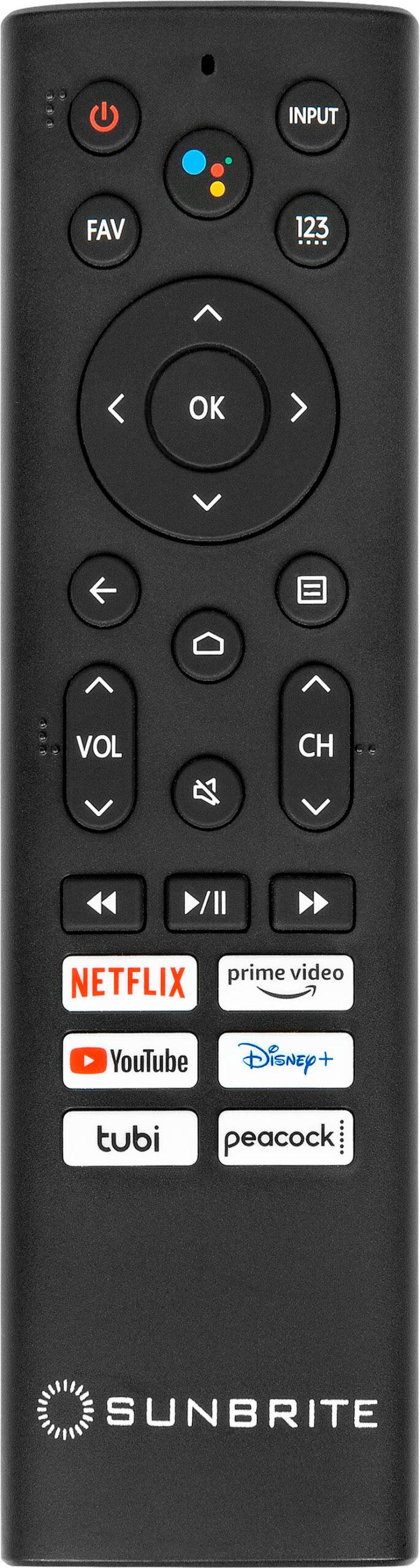
The Veranda 3 integrates with Google Assistant, allowing voice control of the TV and connected smart home devices. You can adjust volume, search for content, or even control compatible smart lights and thermostats through the TV's remote.
The Terrace supports Samsung's Bixby assistant, but also works with Amazon Alexa and Google Assistant. This triple-assistant support gives the Samsung model more flexibility in voice ecosystem integration. If you've already invested in Samsung SmartThings devices, The Terrace will integrate seamlessly with your existing setup.
Both TVs offer multiple HDMI ports and Wi-Fi connectivity, but The Terrace includes an additional HDBaseT receiver. This technology allows for transmission of uncompressed 4K video, audio, and control signals over long distances (up to 100 meters) using standard Cat6 cables. For complex outdoor installations where equipment might be housed indoors, this feature can be invaluable.
The Veranda 3 includes Bluetooth audio output, making it easy to connect wireless headphones for late-night viewing without disturbing neighbors—a thoughtful feature for outdoor use.
The Samsung Terrace LST9T retails for approximately $6,998, while the SunBrite Veranda 3 comes in at around $3,649. This nearly $3,350 difference represents a substantial premium that requires justification.
For installations in full sun environments, The Terrace's additional brightness and anti-reflection technology provide functionality the Veranda 3 simply cannot match. I've seen outdoor spaces where standard outdoor TVs were essentially unusable during daylight hours, while The Terrace remained perfectly viewable. In these scenarios, the premium price can be justified as the difference between a functional system and an expensive decoration.
For shaded patios, covered decks, or screened porches, the Veranda 3 offers significantly better value while still providing excellent outdoor performance. Its 1,000-nit brightness is more than adequate for these environments, and the money saved could be allocated toward a quality outdoor sound system or comfortable seating.
When considering the investment, remember that outdoor TVs typically last 5-7 years depending on climate and care. Calculated annually, the price difference between models ($3,350 ÷ 5 years = $670 per year) might seem more reasonable if The Terrace's capabilities align perfectly with your viewing environment.
Proper installation dramatically impacts outdoor TV performance. Both manufacturers recommend:
For The Terrace, Samsung recommends professional installation to ensure proper setup of the HDBaseT receiver and optimal placement to leverage its anti-reflection capabilities. SunBrite's Veranda 3 is somewhat more forgiving in installation requirements, though professional mounting is still advisable for a permanent outdoor fixture of this value.
Choose the SunBrite Veranda 3 if:
Choose the Samsung Terrace if:
I've helped install both models in different scenarios, and the decision really does come down to your specific environment and budget constraints. For a covered patio in Michigan, the SunBrite Veranda 3 provided exceptional performance at a reasonable price point. For a poolside cabana in Florida with partial sun exposure throughout the day, the Samsung Terrace justified its premium price by maintaining visibility when other TVs would have failed.
Outdoor TVs have transformed backyard spaces into true entertainment zones, extending the living room experience into the open air. Both of these models represent the cutting edge of what's possible for outdoor viewing, far surpassing what was available even five years ago.
The technology continues to evolve rapidly. Samsung has already released newer Terrace models since our 2021 LST9T version, and SunBrite continues to refine their offerings. As outdoor living spaces become increasingly important to homeowners, we can expect further innovations in brightness, weather resistance, and smart capabilities.
For now, both the SunBrite Veranda 3 and Samsung Terrace LST9T represent excellent options depending on your specific needs. Whichever you choose, proper installation, regular maintenance, and appropriate placement will ensure years of outdoor entertainment enjoyment.
The most expensive outdoor TV isn't necessarily the best choice—it's the one that perfectly matches your environment, viewing habits, and budget. Take the time to assess your specific situation, and you'll end up with an outdoor entertainment system that truly enhances your outdoor living experience for years to come.
| SunBrite Veranda 3 Series 65" 4K Outdoor TV | Samsung 65" The Terrace LST9T (2021) Full Sun Outdoor QLED 4K Smart TV |
|---|---|
| Price - Investment level for outdoor entertainment | |
| $3,649 (better value for shaded areas) | $6,998 (premium pricing for full-sun capability) |
| Brightness - Critical for visibility in outdoor environments | |
| 1,000 nits (sufficient for shaded areas) | 1,500+ nits (excellent visibility even in direct sunlight) |
| Outdoor Rating - Determines weather resistance capabilities | |
| IP55 (protected against dust and water jets) | IP55 (protected against dust and water jets) |
| Operating Temperature Range - Impacts usability in extreme climates | |
| -24°F to 104°F (standard range for most climates) | -22°F to 122°F (better for extremely hot regions) |
| Display Technology - Affects color accuracy and picture quality | |
| QLED with full array local dimming | QLED with Direct Full Array 16X (more dimming zones for better contrast) |
| Anti-Reflection Technology - Reduces glare from sun and surroundings | |
| Basic anti-glare (struggles with reflections) | Advanced anti-reflection coating (significantly reduces glare) |
| Smart Platform - Controls content access and user experience | |
| Android TV (wider app selection, Google integration) | Tizen OS (streamlined interface, Samsung ecosystem) |
| HDR Support - Enhances contrast and color for compatible content | |
| Dolby Vision, HDR10 (better for Netflix, Disney+) | HDR10+, HLG (Samsung's proprietary HDR format) |
| Voice Assistant Compatibility - Enables hands-free control | |
| Google Assistant | Bixby, Amazon Alexa, Google Assistant (more options) |
| Refresh Rate - Improves motion clarity for sports and action | |
| 120Hz native refresh rate | 120Hz native refresh rate |
| Special Features - Additional capabilities that add value | |
| Built-in Chromecast, weatherproof remote | HDBaseT receiver (for long cable runs), anti-reflection technology |
| Best Suited For - Ideal installation environment | |
| Full shade to partial shade environments | Full sun to partial shade environments |
| Release Date - Indicates technology generation | |
| May 2022 (newer model with latest Android TV) | 2021 (established model with proven reliability) |
The Samsung Terrace LST9T is worth the extra cost if you plan to install your TV in an area with direct sunlight. Its 1,500+ nit brightness and anti-reflection technology provide visibility in bright conditions where the SunBrite Veranda 3 would struggle. However, if your outdoor space is primarily shaded, the SunBrite offers better value at nearly half the price.
The Samsung Terrace offers superior picture quality with its higher 1,500+ nit brightness, anti-reflection coating, and Direct Full Array 16X backlighting that provides better contrast and deeper blacks. While the SunBrite Veranda 3 delivers good picture quality with its 1,000 nit QLED display, it doesn't quite match the premium visual performance of the Samsung model, especially in brighter environments.
Yes, both the SunBrite Veranda 3 and Samsung Terrace have IP55 weather ratings, meaning they're protected against dust and water jets from any direction. They can withstand rain, snow, humidity, and other weather conditions without damage. However, neither should be directly exposed to heavy downpours or submerged in water.
The SunBrite Veranda 3 runs Android TV, which provides a wider selection of streaming apps and a more customizable experience for Netflix, Hulu, Disney+, and other services. The Samsung Terrace uses Tizen OS, which offers a streamlined interface with access to major streaming platforms but fewer app options overall. The SunBrite also supports Dolby Vision, which is used by Netflix for some content.
With proper installation and maintenance, both the SunBrite Veranda 3 and Samsung Terrace outdoor TVs typically last 5-7 years in outdoor environments. SunBrite offers a 2-year warranty while Samsung provides a 1-year warranty. Longevity depends on climate conditions, how well the TV is protected from extreme elements, and whether installation guidelines are followed.
Yes, both the SunBrite Veranda 3 and Samsung Terrace are designed to remain outdoors year-round. The SunBrite operates in temperatures from -24°F to 104°F, while the Samsung functions from -22°F to 122°F. For extreme winter conditions, protective covers can extend lifespan, though they're not required. Both TVs have sealed compartments to protect ports and connections throughout the seasons.
Both the SunBrite Veranda 3 and Samsung Terrace feature 120Hz refresh rates that handle fast-motion sports content well. However, the Samsung Terrace has an edge for daytime sports viewing due to its higher brightness and anti-reflection technology, making it easier to see details in bright conditions. For evening sports viewing, both perform similarly well with smooth motion handling.
While not strictly required, professional installation is recommended for both the SunBrite Veranda 3 and Samsung Terrace. The Samsung's HDBaseT receiver setup is more complex, making professional installation particularly valuable. Proper mounting, weatherproof connection management, and optimal positioning for viewing conditions are important factors that professionals can address for both models to ensure longevity and performance.
The Samsung Terrace offers better smart home integration with support for Samsung's SmartThings ecosystem plus compatibility with Bixby, Amazon Alexa, and Google Assistant. The SunBrite Veranda 3 works with Google Assistant through its Android TV platform but has fewer overall smart home integration options. If you already use Samsung devices or multiple voice assistants, the Terrace provides more flexibility.
Yes, both the SunBrite Veranda 3 and Samsung Terrace are ideal for covered patio installations. In these partially protected environments, the SunBrite Veranda 3 represents better value, as its 1,000 nit brightness is sufficient for shaded areas. The Samsung's premium features like 1,500+ nit brightness and anti-reflection coating provide less noticeable benefits in covered areas, making its higher price harder to justify.
Both the SunBrite Veranda 3 and Samsung Terrace offer 120Hz refresh rates and support for 4K gaming. The Samsung Terrace typically has slightly lower input lag (around 10ms) compared to the SunBrite (around 15ms), making it marginally better for competitive gaming. However, both provide good gaming experiences for casual outdoor play, with the Samsung offering better visibility for daytime gaming sessions.
The SunBrite Veranda 3 features 20W down-firing speakers and supports Bluetooth audio output for connecting wireless headphones or external speakers. The Samsung Terrace includes 60W 2.2 channel speakers with better bass response for outdoor environments. Both TVs can connect to external sound systems, but for built-in audio, the Samsung delivers richer sound that carries better in outdoor spaces.
We've done our best to create useful and informative comparisons to help you decide what product to buy. Our research uses advanced automated methods to create this comparison and perfection is not possible - please contact us for corrections or questions. These are the sites we've researched in the creation of this article: tomsguide.com - nfm.com - creationnetworks.net - nfm.com - popularmechanics.com - bestbuy.com - business.walmart.com - pcrichard.com - bbqgrills.com - rtaoutdoorliving.com - bbqgrills.com - crutchfield.com - bestbuy.com - crutchfield.com - crutchfield.com - sunbritetv.com - snapav.com - youtube.com - youtube.com - residentialsystems.com - hdtvsupply.com - networkhardwares.com - bhphotovideo.com - ecdcom.com - pcrichard.com - ca.insight.com - abcwarehouse.com - sunbritetv.com - skybygramophone.com - sunbritetv.com - cdw.com - sunbritetv.com - weatherprooftelevisions.com - authenteak.com - dolby.com - avsforum.com - youtube.com - exertisalmo.com - sunbritetv.com - trutone.ca - samsung.com - plessers.com - seura.com - donstv.com - electronicwhiteboardswarehouse.com - bestbuy.com - videoandaudiocenter.com - samsung.com - bestbuy.com - clarybusinessmachines.com - officedepot.com - crutchfield.com - rtings.com - cnet.com - billmans.com - crutchfield.com - samsung.com - samsung.com - jeffsappliance.com - bestbuy.com - samsung.com - hillresi.com - bestbuy.com - bigdaddysstereo.com - howardcomputers.com - bbqgrills.com - networkhardwares.com - mivadiko.com - audiovideonation.com - olums.com - staples.com - swtvappliances.com - avsforum.com - brownstvandappliance.com - samsung.com - c4forums.com - samsung.com - samsung.com - standardtvandappliance.com - genestvandappliance.com - shopdeweys.com - planettv.com

Privacy Policy
Terms and Conditions - Affiliate Policy
Home Security
© Copyright 2008-2026.
11816 Inwood Rd #1211, Dallas, TX 75244