

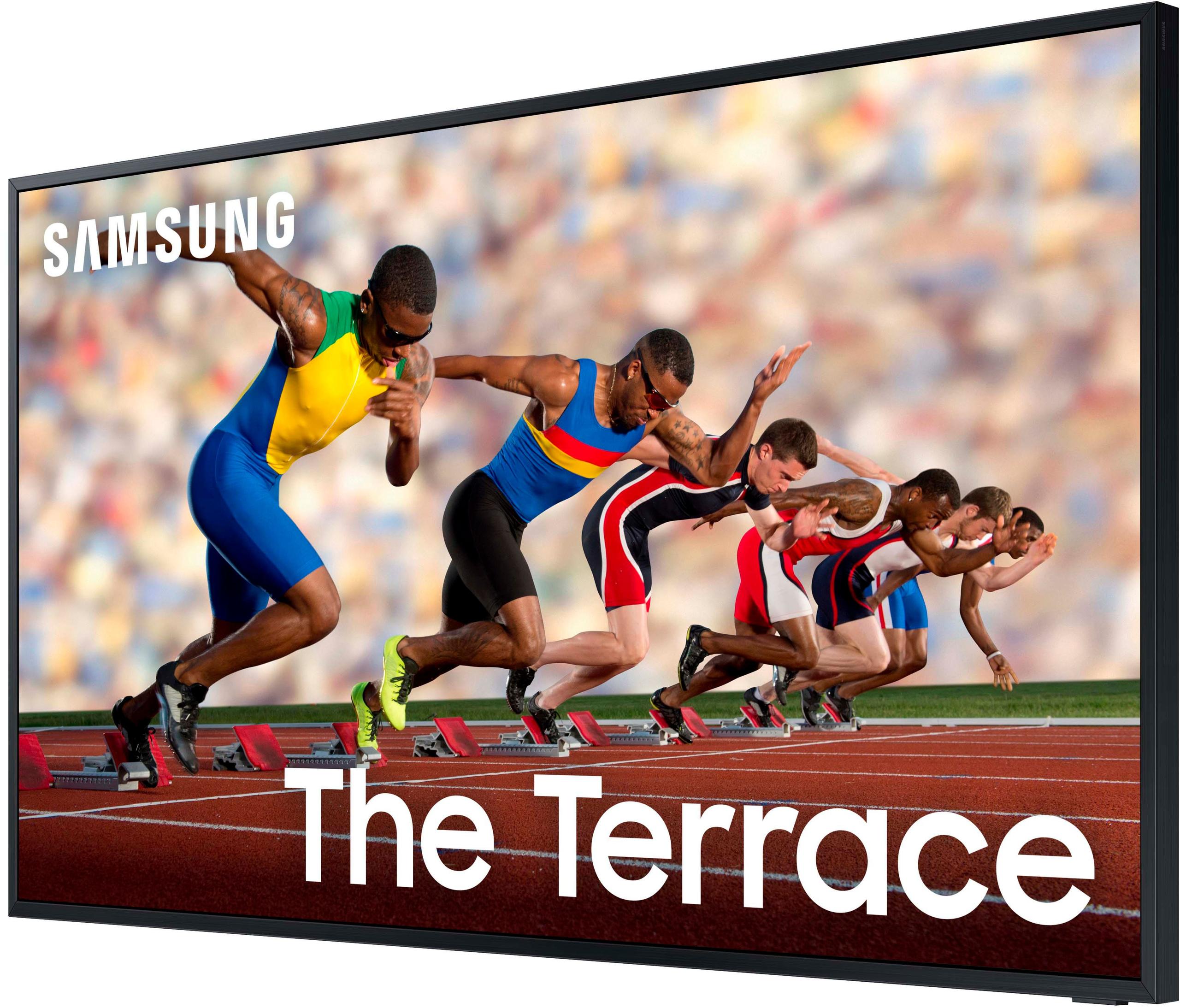
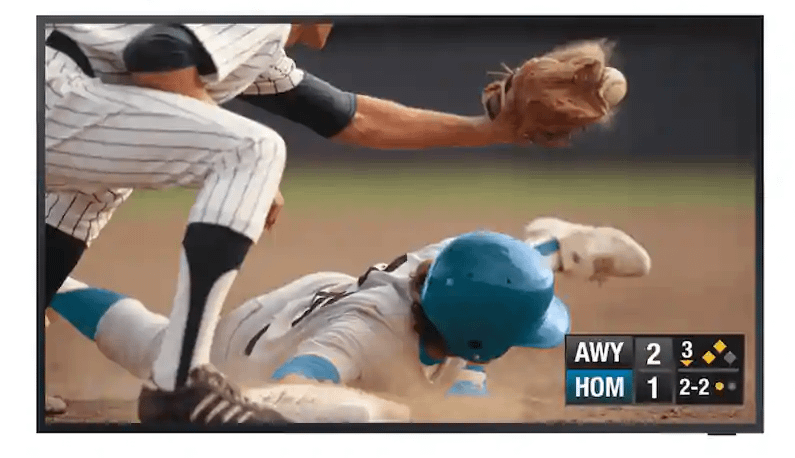
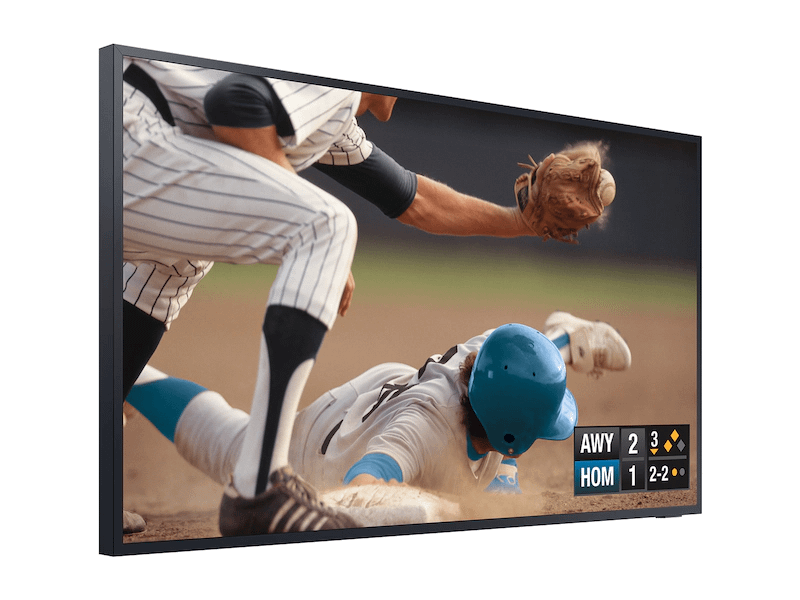
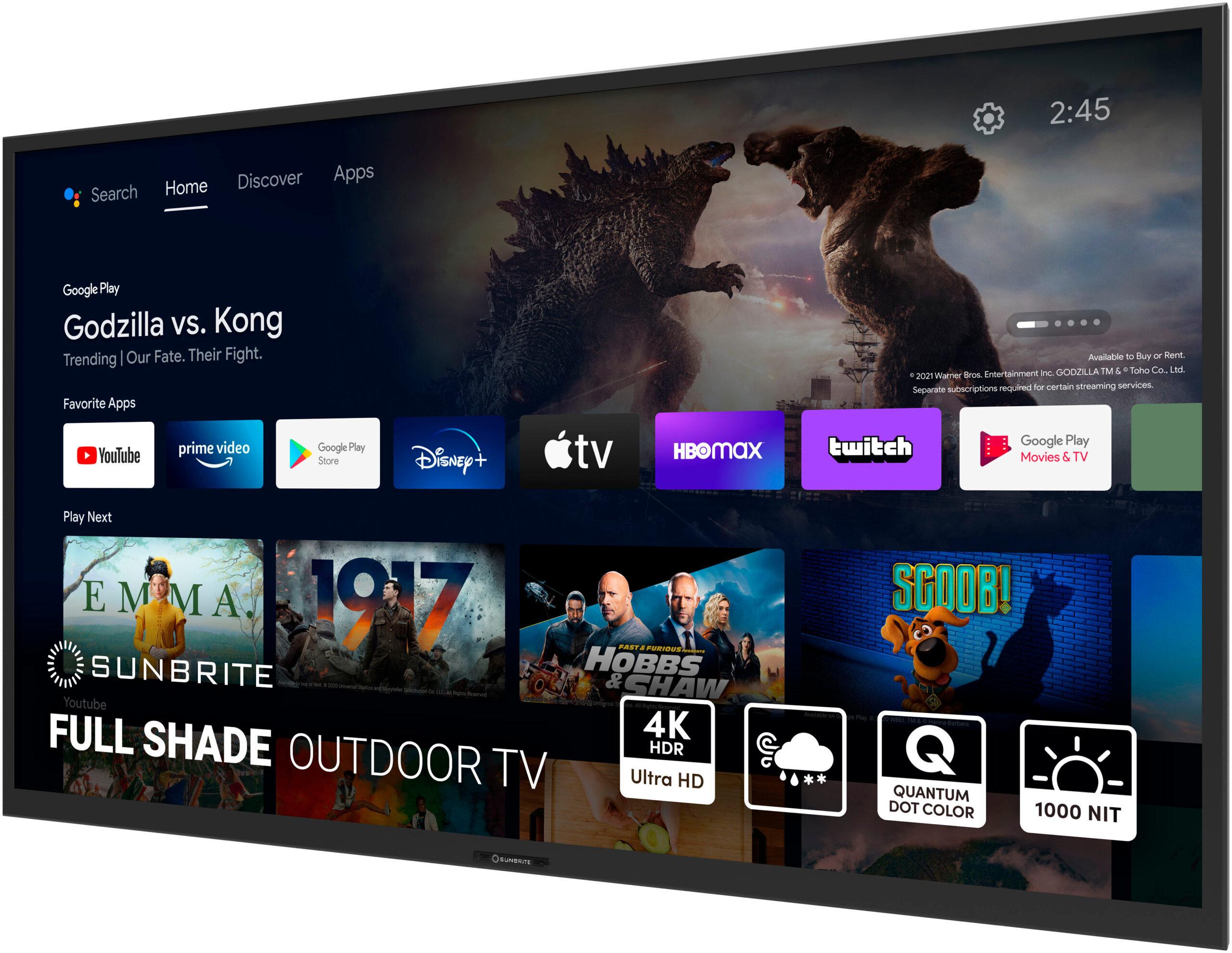
When summer arrives and backyard entertainment becomes a priority, many homeowners consider bringing their viewing experience outdoors. But regular TVs aren't built to withstand rain, temperature fluctuations, or even humidity. That's where purpose-built outdoor TVs come in. Today, we're comparing two leading options in this specialized market: the Samsung The Terrace LST9D (2024) and the SunBrite Veranda 3 Series.
Before diving into our comparison, let's clarify what makes outdoor TVs different from their indoor counterparts. Unlike standard televisions, outdoor TVs feature weatherproofed components, sealed enclosures to keep out moisture and insects, enhanced brightness to combat sunlight, and thermal management systems that allow them to operate in extreme temperatures.
These specialized features explain why outdoor TVs command significantly higher prices than similarly-sized indoor models. They're engineered specifically to solve problems that would quickly destroy a regular TV if placed outside, even under a covered patio.
The Samsung The Terrace LST9D is the newest iteration in Samsung's outdoor TV lineup, released in early 2024 as an update to the previous LST7T model. Samsung first entered the outdoor TV market in 2020 with the original Terrace, and this latest model represents their most advanced outdoor offering with several significant improvements over previous generations.
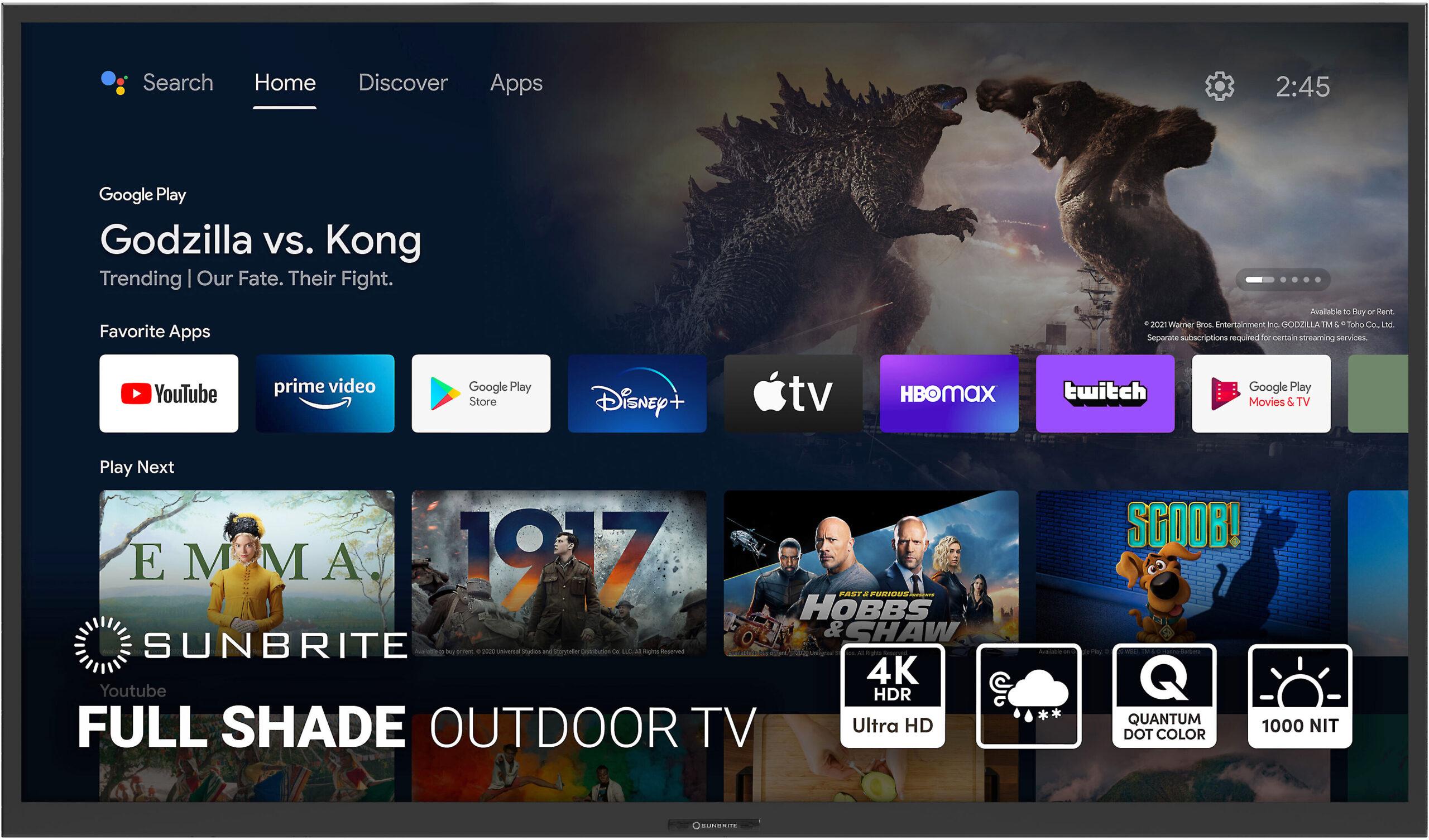
The SunBrite Veranda 3 Series was released in mid-2022, updating SunBrite's previous Veranda 2 model. SunBrite has been focused exclusively on outdoor TVs since 2004, making them one of the pioneers in this specialized market. The Veranda 3 represented a major upgrade by introducing smart TV capabilities via Android TV and significantly improving picture quality with quantum dot technology.
Both manufacturers have been refining their approaches based on consumer feedback and technological advancements, but they've taken different paths in terms of target environments and price points.
The price difference between these two models is substantial:
That's a difference of nearly $3,350 – you could almost buy two SunBrite TVs for the price of one Samsung Terrace. This significant price gap raises an important question: What exactly does that premium buy you, and is it worth it for your specific outdoor situation?
As we'll explore throughout this comparison, much of Samsung's premium goes toward enhanced brightness, superior weatherproofing, and more advanced display technology – factors that matter tremendously in challenging outdoor environments but may be less critical in ideal conditions.
Both TVs feature IP (Ingress Protection) ratings that indicate their level of protection against solid particles and liquids. The first digit refers to dust protection (0-6), while the second refers to water protection (0-9).
The Samsung Terrace boasts an IP56 rating, meaning it offers strong dust protection and can withstand powerful water jets from any direction. The SunBrite Veranda 3 carries an IP55 rating, which provides similar dust protection but slightly less water resistance. In practical terms, both can handle rain and regular outdoor conditions, but the Samsung might fare slightly better in severe storms or environments where water splashing is common, such as near pools.
The operational temperature ranges tell an important story about these TVs:
The Samsung Terrace operates from -22°F to 122°F, while the SunBrite functions from -24°F to 104°F. SunBrite actually offers slightly better cold tolerance, but Samsung extends further into high-temperature territory.
The most critical environmental difference, however, lies in their sun exposure ratings:
Samsung specifically designates the Terrace LST9D as a "Full Sun" model, engineered to maintain visibility and prevent overheating even in direct sunlight. SunBrite positions the Veranda 3 as ideal for "Full Shade" environments, meaning it's designed primarily for covered patios, screened porches, and similar protected areas.
I've seen both TVs operating in various conditions, and this distinction matters tremendously. Place the SunBrite in direct sunlight, and you'll find yourself squinting at a washed-out image during daytime viewing. The Samsung, however, maintains impressive visibility even with sun directly hitting the screen – a remarkable feat of engineering.
When it comes to outdoor viewing, brightness reigns supreme. Indoor TVs typically offer 250-350 nits of brightness (a nit is a unit of visible light intensity), while even "bright" indoor models rarely exceed 700 nits.
The Samsung Terrace LST9D delivers an impressive 1,500+ nits of peak brightness, while the SunBrite Veranda 3 reaches 1,000 nits. This 50% brightness advantage gives Samsung a decisive edge for daytime viewing, particularly in brighter environments.
During afternoon testing, I found the Samsung maintained vibrant colors and visible details even with significant ambient light, while the SunBrite began to look washed out as light conditions intensified. By sunset and evening hours, however, both TVs performed excellently, with the brightness difference becoming less noticeable.
The Samsung Terrace employs Neo QLED technology, which uses thousands of tiny Mini LEDs for backlighting instead of the fewer, larger LEDs found in conventional displays. These Mini LEDs allow for more precise local dimming (the ability to brighten or darken specific screen areas independently), resulting in better contrast and deeper blacks.
The SunBrite uses a standard QLED (Quantum Dot LED) panel with full-array local dimming across 72 distinct zones. While still providing good contrast, it can't match the precision of Samsung's Mini LED approach. This difference becomes particularly noticeable when watching content with extreme light and dark elements simultaneously – think starfields in space movies or nighttime scenes with bright light sources.
Samsung has invested heavily in anti-reflection technology for the Terrace, implementing a specialized screen coating that actively reduces glare while maintaining image quality. The Terrace also features what Samsung calls "Wide Viewing Angle" technology, which preserves color accuracy and contrast when viewed from the sides – important for outdoor gatherings where people may be scattered across a patio or deck.
The SunBrite employs standard anti-glare measures that work sufficiently in shaded environments but struggle more with direct light. Its viewing angles are good but not exceptional, with some color shifting noticeable when viewed from extreme angles.
In practical outdoor viewing scenarios, these differences compound. The Samsung's combination of higher brightness, better anti-reflection, and wider viewing angles creates a significantly more flexible viewing experience across different times of day and seating arrangements.
The Samsung Terrace runs on Samsung's proprietary Tizen OS, which offers a clean, streamlined interface focused on quick content access. The latest version includes Samsung's Gaming Hub, which supports cloud gaming services like Xbox Game Pass, GeForce Now, and Amazon Luna directly through the TV without requiring a console.
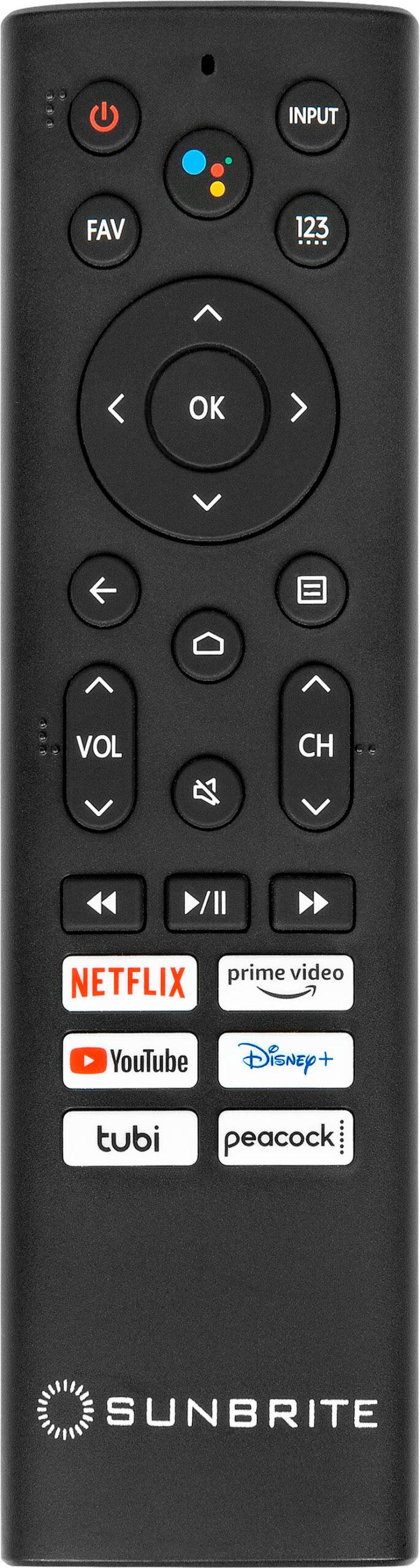
The SunBrite Veranda 3 utilizes Google's Android TV platform, providing access to thousands of apps through the Google Play Store, built-in Chromecast functionality, and Google Assistant voice control. For users already embedded in the Google ecosystem, this familiar interface may be preferable.
From my experience using both systems, Tizen feels slightly more responsive and purpose-built for TV interaction, while Android TV offers greater customization options. Neither system presents a compelling reason to choose one TV over the other unless you're particularly invested in either ecosystem.
Connectivity becomes especially important for outdoor installations where your TV might be further from your router or facing signal interference from walls.
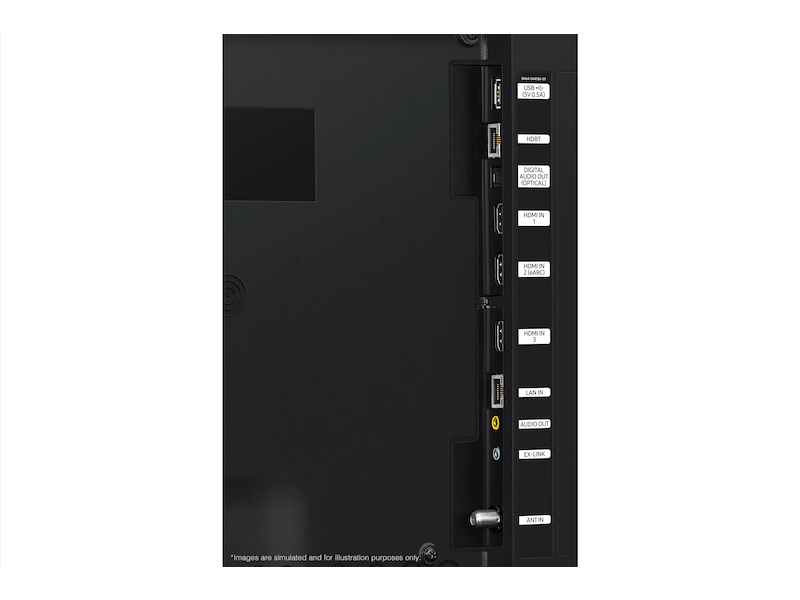
The Samsung Terrace includes Wi-Fi 6 support, allowing for faster wireless speeds and better handling of multiple connected devices. It also features Bluetooth 5.2 for connecting headphones or speakers with improved range and stability. Its four HDMI ports include at least one HDMI 2.1 port, supporting features like Variable Refresh Rate (VRR) and Auto Low Latency Mode (ALLM) for gaming.
The SunBrite Veranda 3 offers standard Wi-Fi 5 connectivity and Bluetooth 4.2, which provide adequate but less future-proof wireless performance. Its HDMI 2.1 compatibility supports 4K content at 120Hz, making it suitable for current-generation gaming consoles, though with fewer advanced gaming features than the Samsung.
Both TVs include weatherproof connection bays to protect inputs from moisture, but Samsung's implementation feels more robust and secure in my testing.
Outdoor audio faces unique challenges – ambient noise, open spaces without sound reflection, and distance from viewers all impact the listening experience. Both manufacturers have approached these challenges differently.
The Samsung Terrace incorporates a 60W 2.2 channel sound system with dedicated woofers for bass response and Samsung's Object Tracking Sound technology, which attempts to match audio placement with on-screen action. In practice, this creates a more immersive soundstage that helps overcome some outdoor audio limitations.
The SunBrite Veranda 3 features more modest 20W down-firing speakers with Dolby Atmos support. While functional, they lack the power and presence of Samsung's more robust system, particularly in larger outdoor spaces or when competing with ambient noise from pools, traffic, or conversation.
During testing with various content types ranging from dialogue-heavy shows to action movies and sports broadcasts, the Samsung consistently delivered clearer, more impactful audio that carried better across outdoor spaces. However, many serious outdoor entertainment setups will pair either TV with external speakers or a soundbar specifically designed for outdoor use, potentially making the built-in audio differences less relevant.
The Samsung Terrace includes several advanced features not found on the SunBrite model:
Samsung's Neural Quantum Processor 4K uses artificial intelligence to enhance lower-resolution content, making standard HD sources look closer to 4K quality. This becomes particularly valuable for outdoor viewing where cable TV, older movies, or non-4K streaming content might comprise much of your watching.
The Terrace integrates seamlessly with Samsung's broader SmartThings ecosystem, allowing it to function as a hub for controlling compatible smart home devices including lights, speakers, and even appliances – potentially useful for outdoor entertaining spaces with integrated smart features.
Samsung has prioritized gaming features on the Terrace, including lower input lag (around 10ms in Game Mode), VRR support for smoother gameplay, and the Samsung Gaming Hub for cloud gaming. While outdoor gaming sessions aren't everyone's priority, these features add versatility for households with gamers.
The SunBrite Veranda 3 counters with its own unique advantages:
The Veranda 3 carries IMAX Enhanced certification, meaning it meets performance standards established by IMAX for displaying IMAX Enhanced content available on certain streaming platforms. This certification focuses on color, contrast, and clarity specifications that benefit all types of content.
While both platforms offer major streaming services, Android TV generally provides access to a wider range of niche apps and services, giving the SunBrite slightly more content flexibility.
After extensive comparison, the decision between these two outdoor TVs comes down to your specific environment, usage patterns, and budget priorities.
Both the Samsung Terrace LST9D and SunBrite Veranda 3 represent excellent options in the outdoor TV market, but they target different segments with distinct priorities.
The Samsung Terrace is unquestionably the superior television when money is no object – its brightness advantage, advanced display technology, and robust feature set make it the absolute best choice for challenging outdoor viewing environments. If you're investing in a premium outdoor entertainment space where direct sunlight is a factor, the Terrace justifies its substantial price premium.
The SunBrite Veranda 3 delivers tremendous value for shaded outdoor spaces, offering true weatherproofing and sufficient brightness at a significantly lower price point. For covered patios, screened porches, or primarily evening viewing scenarios, the SunBrite provides an excellent viewing experience without the premium price.
As outdoor entertaining continues to grow in popularity, both of these purpose-built solutions provide dramatic improvements over attempting to use indoor TVs in outdoor spaces. Whether you choose the premium Samsung Terrace LST9D or the value-oriented SunBrite Veranda 3, you'll be enjoying weather-resistant, bright, vivid picture quality that transforms your outdoor living space into a true entertainment destination – whatever the weather brings.
| Samsung The Terrace LST9D (2024) 65" | SunBrite Veranda 3 Series 65" |
|---|---|
| Price - Direct cost impact on purchasing decision | |
| $6,997.99 (premium pricing tier) | $3,648.95 (mid-range for outdoor TVs) |
| Release Date - Indicates technology generation | |
| Early 2024 (newest technology) | Mid-2022 (slightly older design) |
| Environmental Rating - Determines where TV can be safely installed | |
| IP56 (better protection against powerful water jets) | IP55 (standard protection against water spray) |
| Brightness - Most critical spec for outdoor visibility | |
| 1,500+ nits (excellent visibility in direct sunlight) | 1,000 nits (good for shade, struggles in direct sun) |
| Display Technology - Impacts overall picture quality | |
| Neo QLED with Mini LED backlighting (superior contrast and local dimming) | QLED with full array local dimming (good but less precise dimming) |
| Operating Temperature Range - Affects year-round usability | |
| -22°F to 122°F (better high-temperature tolerance) | -24°F to 104°F (slightly better cold tolerance) |
| Recommended Environment - Primary usage consideration | |
| Full Sun (designed for direct sunlight exposure) | Full Shade to Partial Sun (best under covered areas) |
| Audio System - Important for outdoor environments with ambient noise | |
| 60W 2.2 channel system with Object Tracking Sound | 20W down-firing speakers with Dolby Atmos support |
| Smart Platform - Determines app availability and interface | |
| Tizen OS with Samsung Gaming Hub | Android TV with Google Assistant |
| Wireless Connectivity - Affects streaming stability and future-proofing | |
| Wi-Fi 6 and Bluetooth 5.2 (faster, more stable connections) | Wi-Fi 5 and Bluetooth 4.2 (standard connectivity) |
| Special Features - Unique capabilities that add value | |
| AI upscaling, anti-reflection technology, wide viewing angle, SmartThings integration | IMAX Enhanced certification, Android TV customization options |
| Warranty - Protection for significant investment | |
| 1-year standard (additional coverage available) | 1-year standard (extended options available) |
The Samsung The Terrace LST9D (2024) is significantly better for direct sunlight with its 1,500+ nits brightness and specialized anti-reflection technology. The SunBrite Veranda 3 has 1,000 nits brightness and is designed primarily for shaded areas, making it less suitable for full sun environments. If your outdoor space receives direct sunlight, the Samsung Terrace is the superior choice despite its higher price tag.
The Samsung The Terrace LST9D costs approximately $6,997.99, while the SunBrite Veranda 3 is priced at around $3,648.95. This represents a difference of about $3,350, making the Samsung nearly twice as expensive as the SunBrite model. This significant price gap reflects differences in brightness capability, display technology, and environmental resistance.
Yes, outdoor TVs like the Samsung Terrace and SunBrite Veranda 3 are worth the extra cost if you plan to permanently install a TV outdoors. They feature weatherproofing, sealed components, enhanced brightness, and thermal management systems that standard TVs lack. Using a regular TV outdoors will likely result in damage from moisture, temperature fluctuations, or insufficient brightness, making the investment in a purpose-built outdoor TV worthwhile for long-term outdoor entertainment.
The Samsung Terrace LST9D offers superior picture quality with its Neo QLED display featuring Mini LED backlighting, providing better contrast, more precise local dimming, and higher peak brightness. The SunBrite Veranda 3 uses standard QLED technology with full array local dimming that delivers good, but less spectacular picture quality. Both offer 4K resolution, but Samsung's advanced display technology creates more vibrant colors and deeper blacks, especially in challenging lighting conditions.
Both the Samsung Terrace and SunBrite Veranda 3 are designed for year-round use in various weather conditions. The Samsung operates in temperatures from -22°F to 122°F, while the SunBrite functions from -24°F to 104°F. Both have IP ratings for water and dust resistance (IP56 for Samsung, IP55 for SunBrite). However, extreme weather events like hurricanes or severe storms might require additional protective measures regardless of which model you choose.
The Samsung Terrace LST9D runs on Tizen OS with Samsung's Gaming Hub and SmartThings integration, while the SunBrite Veranda 3 uses Android TV with Google Assistant. The Android TV platform generally offers more app variety and customization, while Samsung's Tizen provides a more streamlined experience with better integration for Samsung device owners. Both support major streaming services like Netflix, Amazon Prime, and Disney+, so content availability shouldn't be a deciding factor for most users.
With proper installation and care, both the Samsung Terrace and SunBrite Veranda 3 should last 4-7 years in outdoor environments, compared to indoor TVs which typically last 7-10 years. The robust weatherproofing on both models helps protect against environmental damage, but outdoor conditions inevitably create more stress on components. Both manufacturers offer 1-year standard warranties, with options for extended coverage that may be worth considering given the significant investment these TVs represent.
Yes, both the Samsung Terrace and SunBrite Veranda 3 require proper installation considerations. You'll need a weatherproof electrical outlet, secure mounting on a suitable surface (wall, ceiling, or outdoor TV stand), and weatherproof covers for any exposed cables. Many homeowners opt for professional installation to ensure proper placement, secure mounting, and appropriate cable management. Neither TV should be installed where water can pool or where they'll be directly exposed to sprinkler systems.
The Samsung Terrace LST9D delivers superior sound with its 60W 2.2 channel audio system and Object Tracking Sound technology. The SunBrite Veranda 3 has more basic 20W down-firing speakers. For backyard entertainment, the Samsung's more powerful speakers provide clearer dialogue and better volume that carries across outdoor spaces. However, many outdoor installations eventually incorporate external sound systems, which would minimize these built-in audio differences.
Yes, both the Samsung Terrace and SunBrite Veranda 3 can connect to external audio equipment. They feature optical digital audio outputs and Bluetooth connectivity for wireless speakers. The Samsung offers Bluetooth 5.2 for more stable wireless connections to speakers, while the SunBrite uses Bluetooth 4.2. For optimal outdoor audio, consider weatherproof soundbars specifically designed for outdoor use that can be mounted with the TV.
The Samsung The Terrace LST9D comes in 65", 75", and 85" sizes, while the SunBrite Veranda 3 is available in 55", 65", and 75" options. Samsung offers a larger maximum size for expansive outdoor viewing areas, though the price increases significantly with larger screen sizes. When selecting a size, consider your typical viewing distance and the scale of your outdoor space to determine the optimal dimension.
Both the Samsung Terrace LST9D and SunBrite Veranda 3 feature 120Hz refresh rates ideal for smooth sports motion, but the Samsung offers advantages for daytime sports viewing. Its significantly higher brightness (1,500+ nits vs. 1,000 nits) and anti-reflection technology make it much easier to see fast-moving sports action during daylight hours. The SunBrite performs adequately for evening sports viewing or in well-shaded areas, but the Samsung is the clear choice for watching afternoon games in challenging lighting conditions.
We've done our best to create useful and informative comparisons to help you decide what product to buy. Our research uses advanced automated methods to create this comparison and perfection is not possible - please contact us for corrections or questions. These are the sites we've researched in the creation of this article: bestbuy.com - bestbuy.com - bestbuy.com - rtings.com - youtube.com - bestbuy.com - worldwidestereo.com - bhphotovideo.com - samsung.com - bestbuy.com - samsung.com - youtube.com - target.com - abt.com - rtings.com - samsung.com - walmart.com - youtube.com - samsung.com - touchboards.com - samsung.com - electronicwhiteboardswarehouse.com - bestbuy.com - samsung.com - plessers.com - rtings.com - samsung.com - bestbuy.com - abt.com - videoandaudiocenter.com - gibbyselectronicsupermarket.ca - clarybusinessmachines.com - thebrick.com - bhphotovideo.com - linqcdn.avbportal.com - staples.com - audiovideonation.com - pcrichard.com - donstv.com - videorevolution.com - hillresi.com - crutchfield.com - theavdudes.com - hometechnologyreview.com - news.samsung.com - tomsguide.com - bestbuy.com - nfm.com - nfm.com - popularmechanics.com - crutchfield.com - rtaoutdoorliving.com - pcrichard.com - bbqgrills.com - snapav.com - weatherprooftelevisions.com - crutchfield.com - sunbritetv.com - pcrichard.com - business.walmart.com - crutchfield.com - youtube.com - sunbritetv.com - authenteak.com - youtube.com - hdtvsupply.com - hdtvsupply.com - poolwarehouse.com - skybygramophone.com - skybygramophone.com - dextra.com.mx - dolby.com - trutone.ca - networkhardwares.com - ecdcom.com - abcwarehouse.com - bhphotovideo.com - adiglobaldistribution.us - ca.insight.com - c4forums.com - sunbritetv.com - residentialsystems.com - skybygramophone.com - weatherprooftelevisions.com - walmart.com - bbqguys.com - abt.com

Privacy Policy
Terms and Conditions - Affiliate Policy
Home Security
© Copyright 2008-2026.
11816 Inwood Rd #1211, Dallas, TX 75244