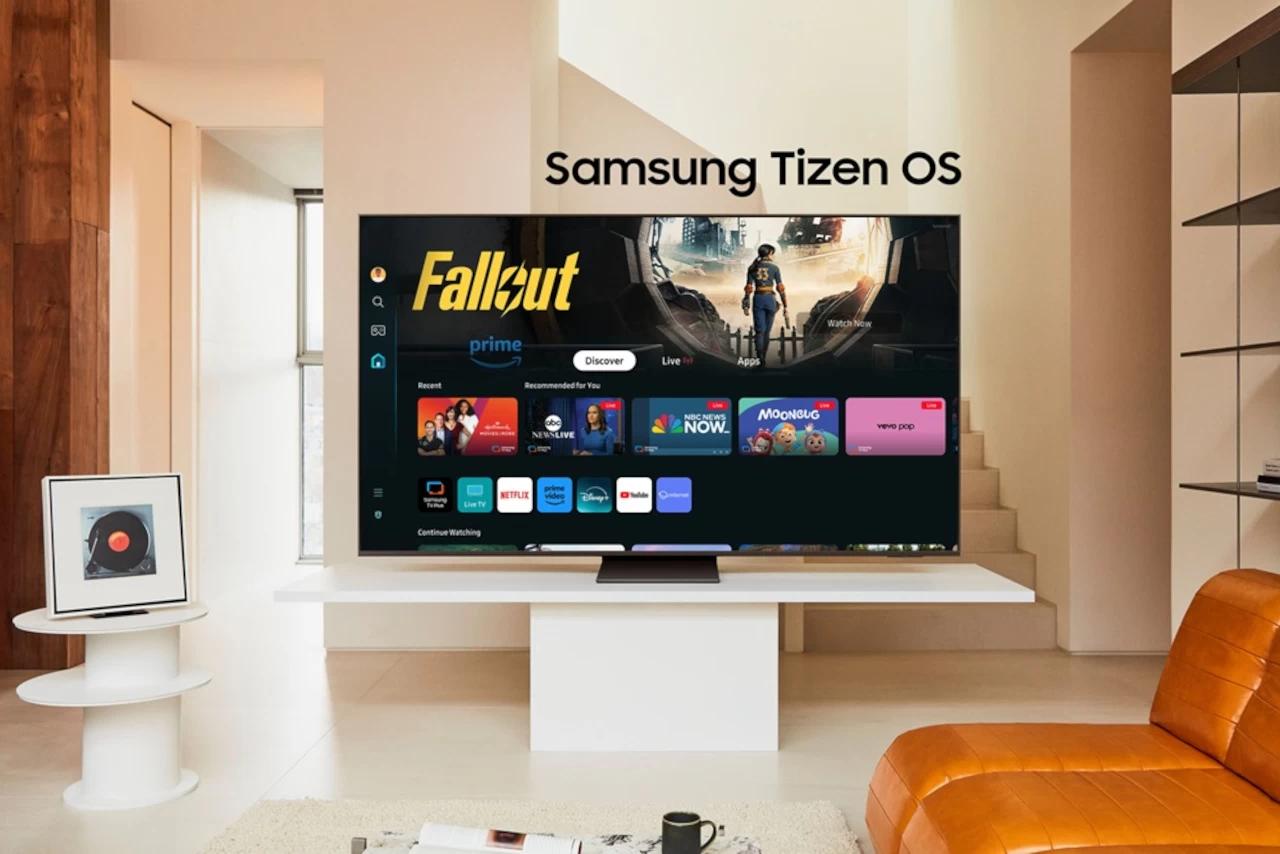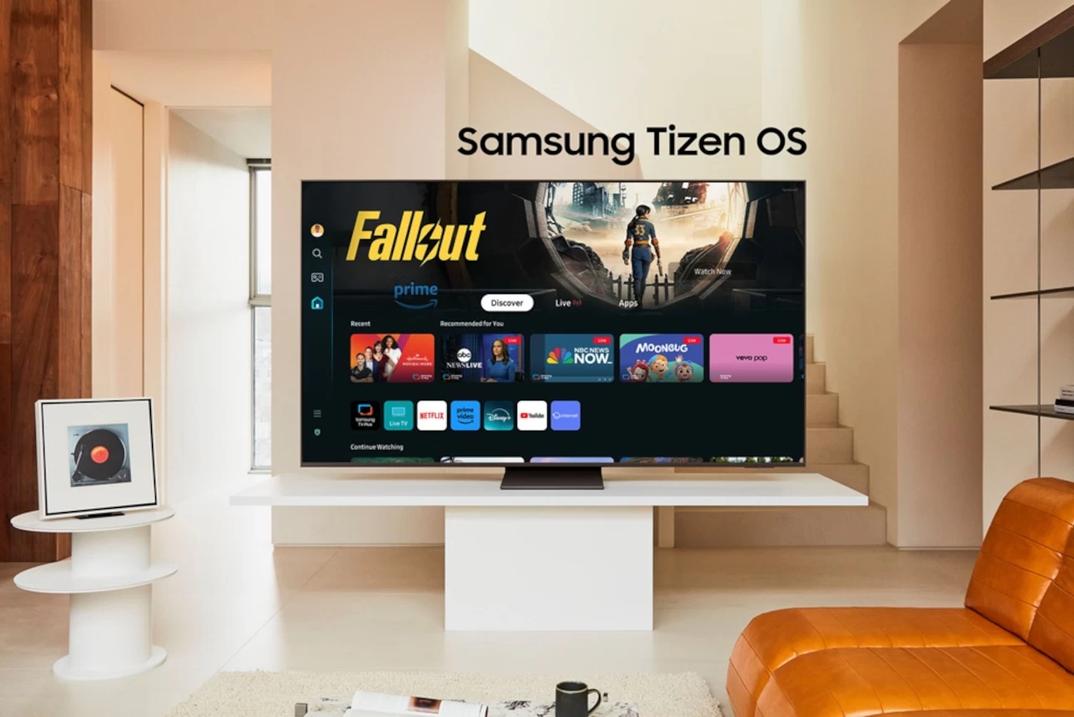
Samsung is making a big move to get its Tizen smart TV software onto more screens—even ones it didn’t make. The company just expanded its Tizen OS licensing program, allowing more TV brands around the world to use the same operating system that powers Samsung’s own TVs. That means you'll soon start seeing more affordable TVs running on Tizen, with many of the same features you'd get on a higher-end Samsung model.
This latest push follows the launch of Tizen OS 8.0, the newest version of Samsung’s platform. Along with it, Samsung has teamed up with a growing list of original design manufacturers (ODMs) and regional brands to bring Tizen to TVs across Europe, North America, Latin America, and Australia.
Samsung has already announced several new partners that will start using Tizen on their TVs. That list includes:
And that’s just the beginning—Samsung says more companies are expected to join the program later this year.
What this means in practice is that you’ll start seeing TVs from these brands that look and feel a lot like a Samsung TV, at least when it comes to software. These new models will offer many of the same features, just without the Samsung logo (or price tag).

Tizen OS 8.0 includes a bunch of features that make it feel like a modern smart TV platform. You’ll get access to Samsung TV Plus, which offers live channels and on-demand content for free—no subscription required. There’s also the Samsung Gaming Hub, which supports cloud gaming from services like Xbox and NVIDIA GeForce NOW. You don’t need a console—just pair a controller and start playing.
If you’ve got a smart home setup, you can also connect your devices using SmartThings. That means controlling your lights, thermostat, or even your robot vacuum right from your TV. It’s especially handy if you’re already using Samsung’s Galaxy ecosystem, but you don’t need a Samsung phone to take advantage of it.
Tizen OS also comes with better content recommendations and a more streamlined interface to help you find something to watch faster. Whether you’re jumping between Netflix, YouTube, or that one niche app you like, the idea is to keep things simple and responsive.
So, why does this matter? The TV market is full of different operating systems—Roku TV, Android TV, webOS, and more. Up until now, Samsung’s Tizen was something you could only get if you bought one of their own TVs. But by opening it up to more partners, Samsung is expanding its reach and giving consumers more choice in the process.
It also helps smaller TV makers stand out. Instead of building their own software (which is hard and expensive), they can tap into Samsung’s platform and bring more advanced features to budget-friendly models. Samsung, in turn, offers support to these partners—including marketing materials and technical help—so the final product still feels polished.
And for buyers? It means you might find a TV from RCA or QBELL that gives you a similar experience to a Samsung model, just without the premium price tag.
In the near future (maybe even in the second half of 2025), expect to see even more TVs from lesser-known brands running Tizen OS. They’ll likely show up in big box stores, online retailers, and maybe even surprise you with some decent features at a lower cost.
So if you’re TV shopping and spot a model from a brand you don’t recognize, don’t write it off immediately—especially if it’s running Tizen. You might still get free streaming channels, cloud gaming, and smart home features baked in.
Samsung’s shift here is clear: it’s not just about selling its own TVs anymore. It’s about growing Tizen into a broader platform, one that shows up across more brands and more price points.
And in the end, that could mean smarter TVs for more people, without needing to spend a fortune.



Privacy Policy
Terms and Conditions - Affiliate Policy
Home Security
© Copyright 2008-2026.
11816 Inwood Rd #1211, Dallas, TX 75244