Denon HEOS Link HS2 Wireless Pre-Amplifier: A Deep Dive Overview
The wireless streaming world has evolved dramatically over the past few years, but one challenge remains constant: how do you bring modern streaming capabilities to an existing hi-fi system without starting from scratch? The Denon HEOS Link HS2 addresses this exact problem as a network streaming pre-amplifier that transforms any traditional stereo setup into a connected, multi-room audio system.
Understanding Network Streaming Pre-Amplifiers
Before diving into specifics, it's helpful to understand what a network streaming pre-amplifier actually does. Think of it as a translator between your digital music sources and your analog audio equipment. A pre-amplifier traditionally controls volume and switches between sources before sending signals to a power amplifier. The Denon HEOS Link HS2 takes this concept and adds network connectivity, wireless streaming, and digital-to-analog conversion capabilities.
The DAC (Digital-to-Analog Converter) is perhaps the most crucial component here – it's what transforms the digital music files from your streaming service into analog signals that your speakers can actually reproduce. The quality of this conversion significantly impacts what you ultimately hear.
Build Quality and Physical Design
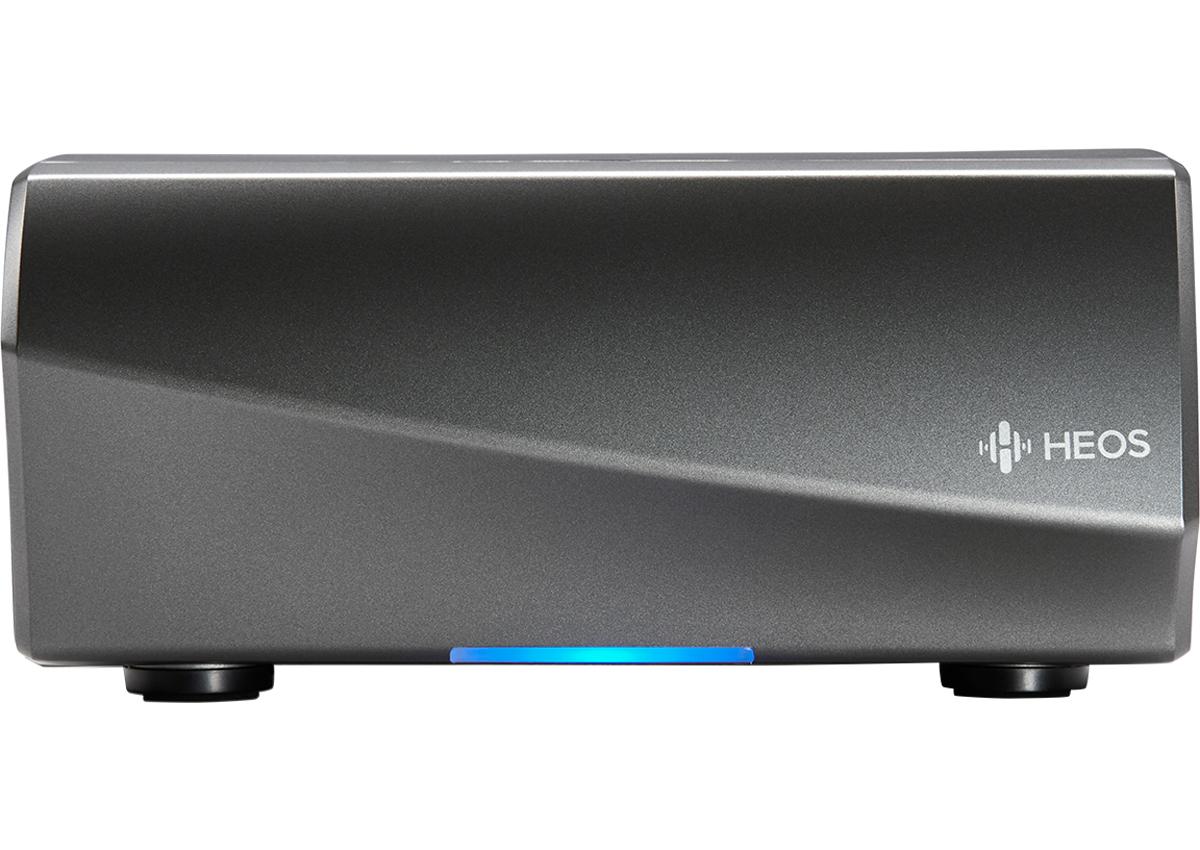
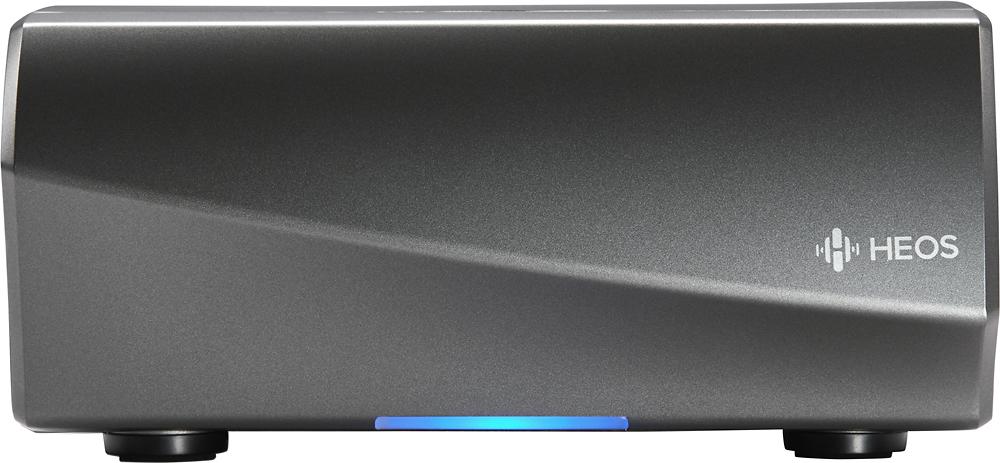
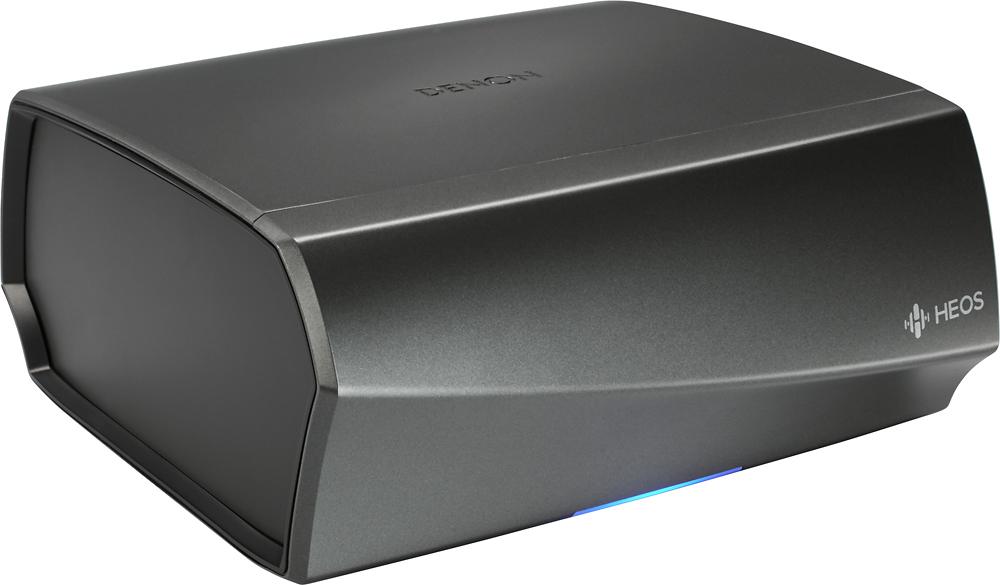
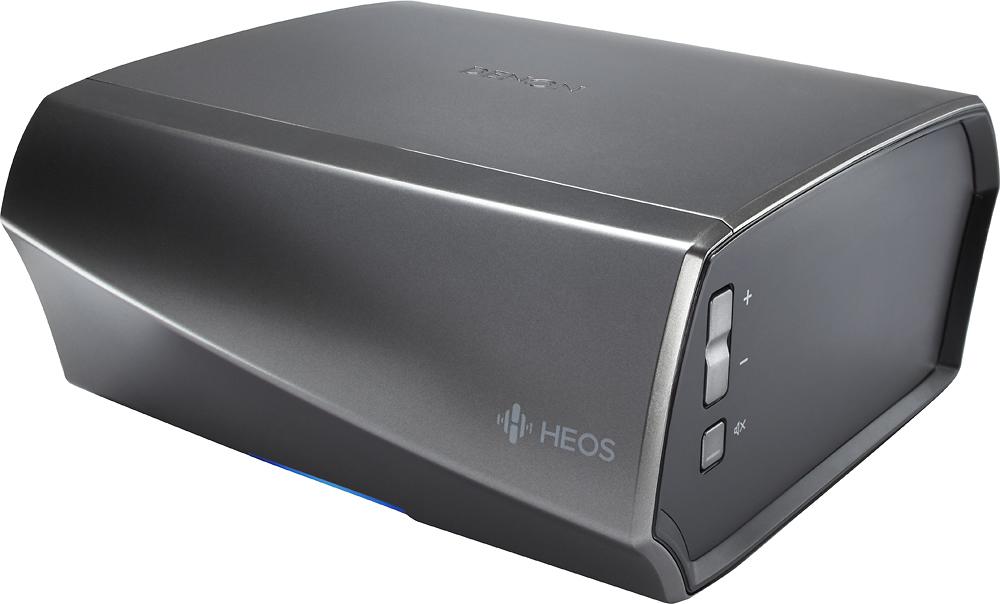
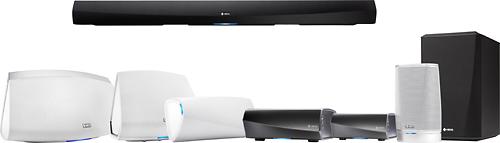
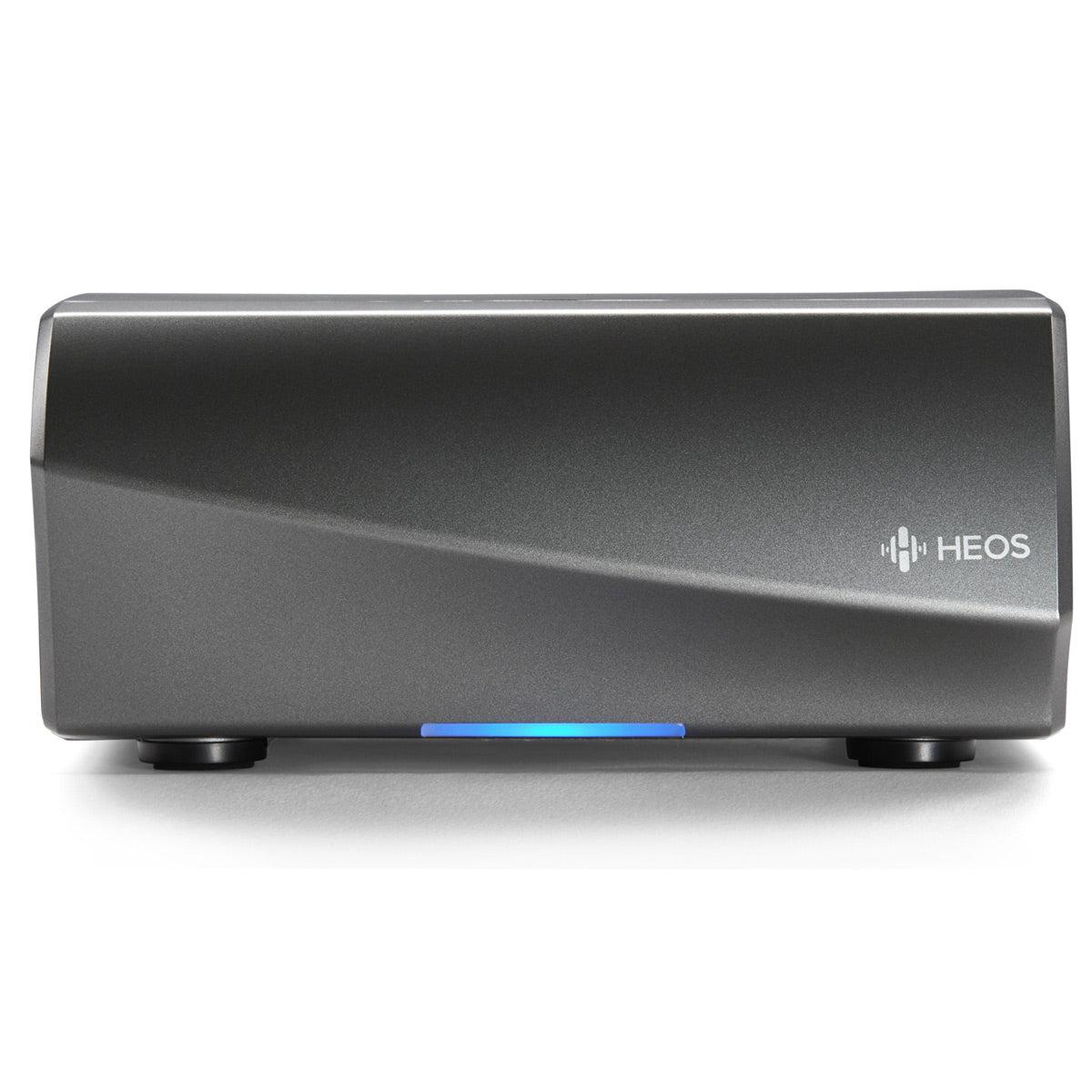
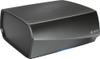
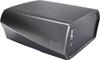
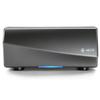
Our researchers found the HEOS Link HS2 to be surprisingly substantial for its compact size. At just over 6 inches wide but weighing nearly 3 pounds, there's clearly some serious engineering packed inside. The black chassis with silver accents fits naturally into traditional hi-fi racks, and the side-mounted volume controls are thoughtfully placed for easy access without disrupting the clean front panel.
What's particularly impressive is the heat dissipation design. Unlike some streaming devices that run warm, testers reported the unit staying cool during extended listening sessions, suggesting good thermal management that should contribute to long-term reliability.
Connectivity: The Star of the Show
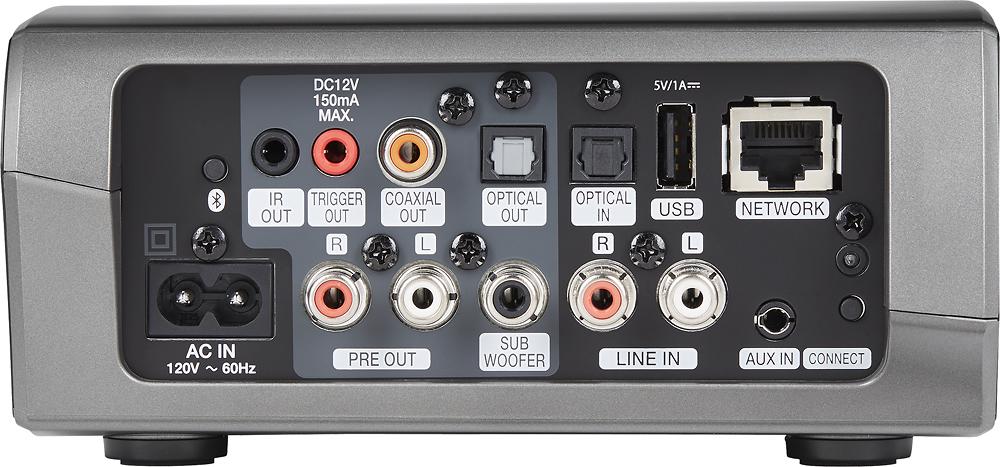
The Denon HEOS Link HS2's most compelling feature is its comprehensive connectivity. While many streaming devices force you to choose between analog or digital outputs, this unit provides both simultaneously. The analog stereo RCA outputs can operate in either fixed mode (where volume is controlled elsewhere) or variable mode (where the device itself controls volume). This flexibility means it works equally well feeding a traditional integrated amplifier or connecting directly to powered speakers.
The digital outputs – both coaxial and optical – are where things get interesting from a performance standpoint. Our testers found these outputs to be bit-perfect, meaning they pass digital signals without any alteration or degradation. This is crucial because it allows you to bypass the internal DAC entirely and use an external, potentially higher-quality converter.
One feature that sets this device apart is the mono subwoofer output. Many streaming pre-amplifiers overlook this, but bass management is essential for proper 2.1 system integration. The 12V trigger output is another professional-grade feature that automatically powers on connected amplifiers when the system starts playing music.
Audio Performance: Mixed Results
Here's where the HEOS Link HS2 story becomes more complex. Based on detailed measurements from audio researchers, the internal DAC performance is the unit's weakest link. The signal-to-noise ratio and total harmonic distortion figures fall short of what you'd expect from dedicated audiophile components in the current market.
Specifically, measurements show the internal DAC produces a SINAD (Signal-to-Noise and Distortion ratio) that's roughly 10dB worse than what a good 16-bit system should achieve. For context, this means the internal DAC isn't even fully utilizing the quality potential of CD-level audio, let alone high-resolution formats.
However, this limitation becomes much less significant when you consider the bit-perfect digital outputs. Many users in online reviews report dramatic improvements when connecting an external DAC to the coaxial or optical outputs. One reviewer described the difference as "night and day," going from "acceptable background music quality to serious listening quality" simply by adding a dedicated DAC.
High-Resolution Audio Capabilities
Despite the internal DAC limitations, the Denon HEOS Link HS2 handles high-resolution audio formats impressively from a compatibility standpoint. It supports files up to 24-bit/192kHz and DSD formats, which puts it ahead of many competitors that cap out at CD quality (16-bit/44.1kHz).
This high-res support becomes particularly valuable when using the digital outputs. You're essentially getting a high-quality network transport that can stream studio-master quality files to your external DAC. For listeners with extensive high-resolution music libraries, this capability justifies the device's position in many systems.
Streaming Services and Wireless Performance
The HEOS ecosystem supports major streaming platforms including Spotify Connect, Tidal, Amazon Music HD, and Pandora. Spotify Connect deserves special mention because it allows direct streaming from the Spotify app to the device, bypassing potential quality limitations of Bluetooth or AirPlay.
However, there are notable omissions. Apple AirPlay, AirPlay 2, and Google Cast aren't supported, which may frustrate users heavily invested in those ecosystems. Roon compatibility is also absent, disappointing for users of that high-end music management platform.
Wireless performance varies based on network conditions, but researchers found the dual-band Wi-Fi implementation to be generally stable. The 802.11ac support means it can handle high-bandwidth audio streams without dropouts, though some users report better results with wired ethernet connections for critical listening.
Multi-Room Audio Excellence
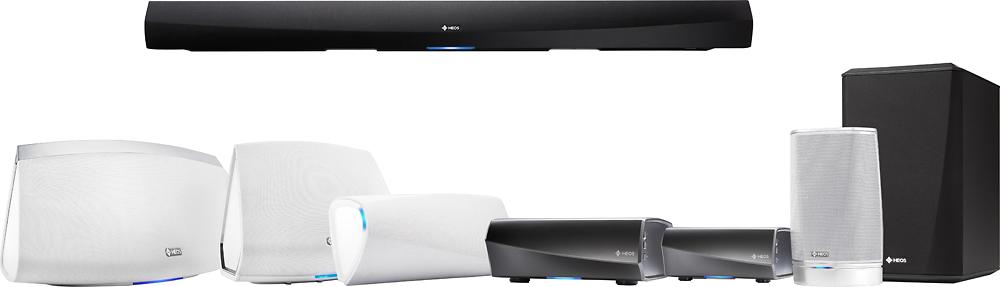
Where the HEOS Link HS2 truly shines is in multi-room applications. The HEOS platform can synchronize up to 32 devices, creating whole-house audio distribution that rivals much more expensive custom installation systems. Our testers found the synchronization to be impressively tight – you can walk from room to room without noticeable delays or phase issues.
The party mode functionality allows up to 8 zones to play identical content simultaneously, while still maintaining the ability for independent zone control. This flexibility makes it practical for both casual background music and serious listening applications.
Home Theater Integration
For home theater enthusiasts, the HEOS Link HS2 offers some unique integration possibilities. The IR output can control compatible Denon and Marantz AV receivers, allowing the streaming device to automatically switch receiver inputs and adjust volume. The 12V trigger can power on external amplifiers or other components when streaming begins.
While this isn't a home theater processor itself, it excels at bringing network streaming to existing theater systems. Many users report success integrating it into dedicated two-channel systems within larger home theaters, providing high-quality music streaming separate from the main surround sound setup.
App Experience and Control
The HEOS app receives consistent criticism in online reviews for being less intuitive than competitors like Sonos. Setup can be challenging, with some users needing to initially configure the device via ethernet before wireless connectivity works properly. The app interface, while functional, feels less polished than what users expect from modern streaming platforms.
Voice control through Alexa, Google Assistant, and Siri helps offset app limitations, though command recognition varies by streaming service and specific requests.
Current State of the Art Comparison
At the time of writing, the network streaming pre-amplifier category has evolved significantly. Newer competitors often include better internal DACs, more streaming service support, and more polished app experiences. However, the Denon HEOS Link HS2 maintains relevance through its exceptional connectivity options and multi-room capabilities.
The device occupies an interesting position – it's not the newest technology, but its comprehensive I/O options and HEOS ecosystem integration continue to provide value that many newer, more limited devices can't match.
Value Proposition and Recommendations
The HEOS Link HS2 makes the most sense for users who prioritize connectivity flexibility over absolute audio performance or app simplicity. It's particularly compelling for those with existing quality amplifiers, speakers, or AV receivers who want to add modern streaming without replacement costs.
For critical listening applications, plan to pair it with an external DAC to realize its full potential. The bit-perfect digital outputs mean you're not locked into the internal DAC's limitations – you can upgrade your conversion quality independently as budget allows.
The multi-room capabilities provide excellent value for whole-house audio distribution, especially when building around existing equipment rather than starting with an all-new ecosystem.
Final Verdict
The Denon HEOS Link HS2 succeeds as a versatile bridge between traditional hi-fi equipment and modern streaming convenience. While newer devices may offer better internal DACs or more polished software, few match its comprehensive connectivity and multi-room flexibility. For users seeking to modernize existing systems while maintaining upgrade paths, it represents a thoughtful solution that grows with your needs rather than replacing them entirely.
Denon HEOS Link HS2 Wireless Pre-Amplifier Deals and Prices
What is the Denon HEOS Link HS2 Wireless Pre-Amplifier used for?
The Denon HEOS Link HS2 Wireless Pre-Amplifier transforms any existing stereo system or home theater setup into a wireless streaming zone. It connects to your amplifier, receiver, or powered speakers to add network streaming, multi-room audio, and high-resolution music playback capabilities without replacing your current equipment.
Does the Denon HEOS Link HS2 work with home theater systems?
Yes, the Denon HEOS Link HS2 integrates excellently with home theater systems. It features a 12V trigger output to automatically power on your AV receiver, IR control for Denon/Marantz receivers, and multiple output options including subwoofer output for 2.1 systems. You can use it to add music streaming to your theater room or create a separate two-channel zone within your home theater setup.
What streaming services does the HEOS Link HS2 support?
The device supports major streaming platforms including Spotify Connect, Tidal, Amazon Music, Pandora, TuneIn, Deezer, SiriusXM, and iHeartRadio. However, it notably lacks Apple AirPlay, Google Cast, and Roon compatibility, which may be important considerations for some users.
Can the Denon HEOS Link HS2 play high-resolution audio?
Yes, the Denon HEOS Link HS2 supports high-resolution audio formats up to 24-bit/192kHz and DSD files up to 5.6MHz. This makes it suitable for audiophile applications, especially when used with an external DAC via its bit-perfect digital outputs for optimal sound quality.
How many rooms can the HEOS Link HS2 connect to?
The HEOS ecosystem supports up to 32 connected devices for whole-house audio distribution. You can group zones together for synchronized playback or control each room independently. Up to 8 zones can play the same music simultaneously in party mode.
Does the HEOS Link HS2 need an external DAC for good sound quality?
While the Denon HEOS Link HS2 has a built-in DAC, measurements show its internal conversion is below audiophile standards. For best sound quality, many users pair it with an external DAC using the bit-perfect digital outputs (coaxial or optical). The analog outputs are adequate for casual listening but not optimal for critical applications.
What connections does the Denon HEOS Link HS2 have?
The device offers comprehensive connectivity including stereo RCA outputs (fixed and variable), digital coaxial and optical outputs, subwoofer output, RCA and 3.5mm inputs, optical input, USB port, Ethernet, 12V trigger output, and IR control output. This extensive connectivity makes it compatible with virtually any audio system configuration.
How do you control the HEOS Link HS2?
The Denon HEOS Link HS2 is primarily controlled through the HEOS mobile app for iOS and Android. It also supports voice control via Amazon Alexa, Google Assistant, and Siri. Physical controls on the device include volume and mute buttons, though most functionality requires the app.
Can the HEOS Link HS2 work without WiFi?
While primarily designed for wireless use, the device includes an Ethernet port for wired network connections. This can provide more stable performance for critical listening and is often recommended during initial setup. However, some functionality like multi-room audio requires network connectivity to work properly.
Is Denon HEOS Link HS2 Wireless Pre-Amplifier Worth It?
The Denon HEOS Link HS2 Wireless Pre-Amplifier offers excellent value for users wanting to modernize existing hi-fi or home theater systems with streaming and multi-room capabilities. Its comprehensive connectivity options and high-resolution audio support make it particularly worthwhile for those with quality existing equipment. However, consider pairing it with an external DAC for optimal audio performance, and be prepared for a less polished app experience compared to competitors like Sonos.


 Image courtesy of Flexlinks.com