Sound often shapes mood before visuals appear. In home theaters, audio guides focus and pace. Speaker placement, volume, and balance control how a room feels. Cinema style systems bring this control into daily spaces. Similar sound methods appear in online casino interfaces and slot style games. Short tones and loops mark actions and timing. This article explores how these audio ideas work and how they apply to home setups.
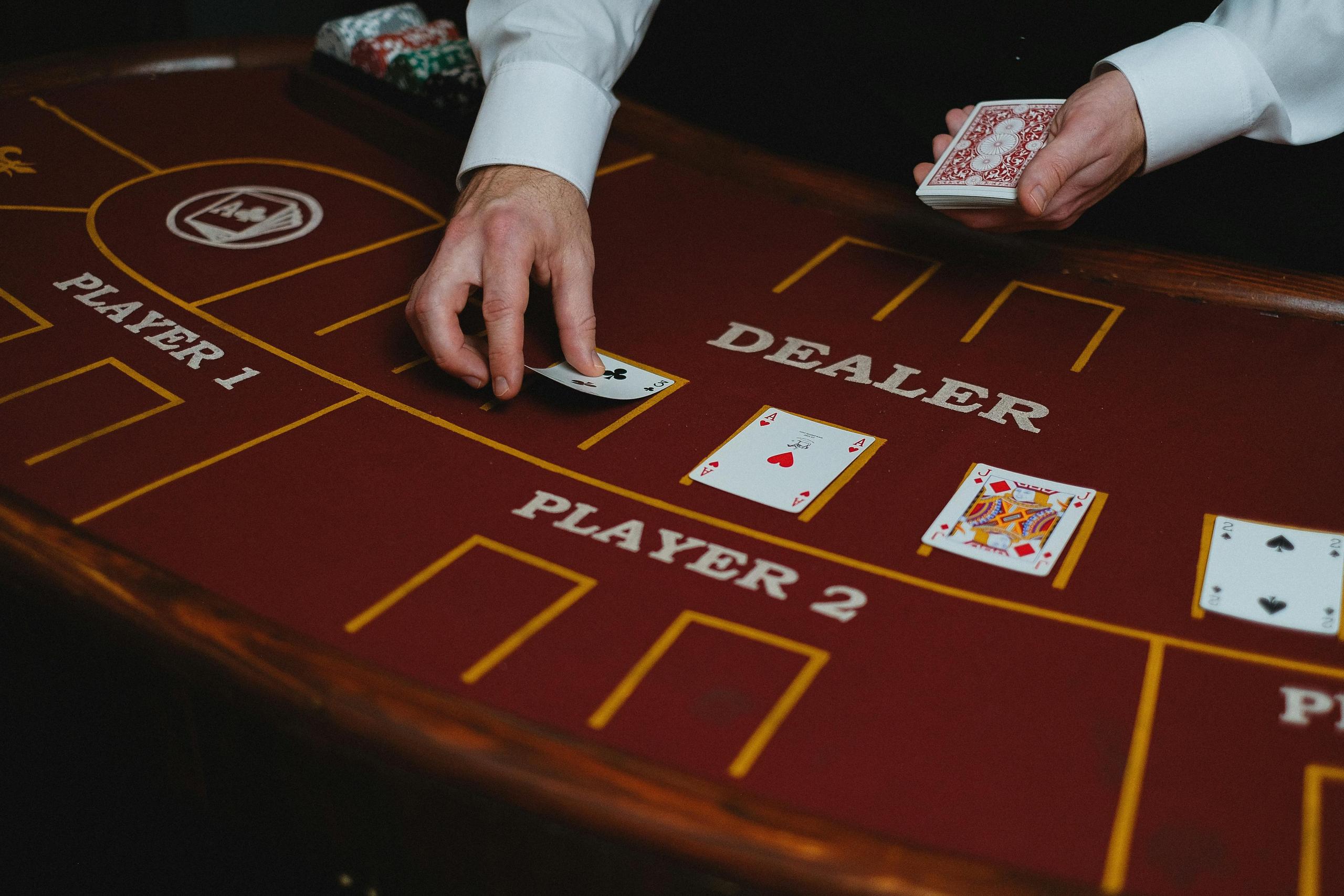
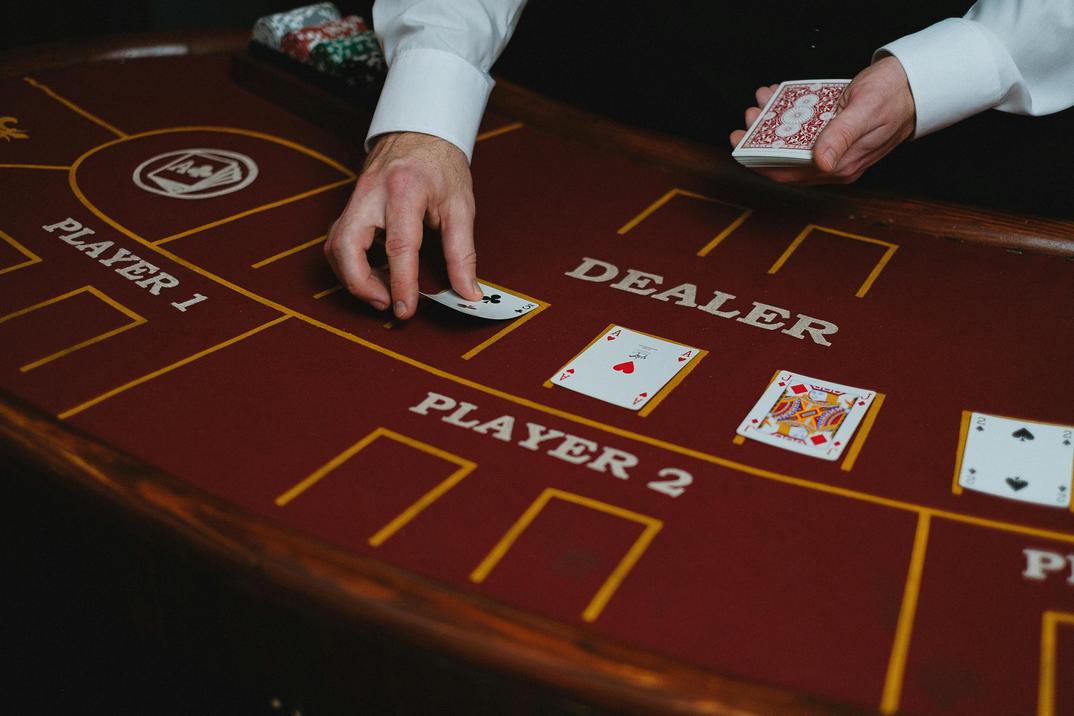
For many people, the idea of a casino atmosphere first brings poker to mind. Poker tables set a clear audio pattern that many online interfaces now copy. Online casinos often recreate this setting through sound design. Short effects mark card deals, chip moves, and button clicks.
These sounds define timing on the screen. Background music stays quiet and stable to support focus. Spatial audio places table sounds closer than menu tones. This helps users read actions faster. Usually live texas holdem bonus poker online casinos rely on layered sound. Each layer has a specific role. Cards, chips, and alerts stay separated. This structure can inspire home theater setups. By copying similar sound placement and balance, users can apply these ideas to films or themed media at home.
Home theater systems can recreate digital casino soundscapes with careful setup. Surround sound places effects around the room, not only on the screen. Front speakers handle dialogue and interface tones. Rear speakers carry ambient crowd noise at a low level. A subwoofer adds weight to bass from background music loops. Calibration is important.
Speaker distance and angle affect clarity. Room size shapes reflections. Soft furnishings reduce echo. Volume balance should stay controlled. Loud peaks cause fatigue and hide cues. Stable levels support the interior atmosphere. A consistent audio field supports themed visuals and mirrors digital layouts in a practical way.
Casino style digital platforms use a limited set of sound elements. Each one has a specific task. Together they create a controlled audio structure. The same logic works in home systems with careful speaker setup. Clear spacing matters more than high volume. When balance stays stable, the room feels focused and calm. These elements move easily from screens to home spaces.
● ambient background layers that create steady room tone
● low frequency effects that add depth and weight
● directional sound cues that signal position on screen
● volume balance across channels to avoid overload
Free spins are a temporary mode within slot interfaces. The system activates them after a preset pattern appears on the screen. This logic is part of the software rules. When free spins start, the interface changes. A counter shows how many spins remain. Frames or colors may shift to mark the mode. Short sound cues signal the start and end of the sequence. These sounds show a state change, not a result.
During this mode, some buttons may lock or relabel to avoid errors. Animations stay limited to keep the screen clear. Free spins do not alter mathematical outcomes. They only repeat actions for a set time.
Understanding RTP and Bonus Features as System Concepts RTP means return to the player. It is a long term mathematical ratio based on probability models. Bonus features act as separate system states. The interface marks them with new icons, frames, and brief audio cues. Free spins differ from standard rounds through counters, layout changes, and layered sound only.
Free spin offers appear in several defined forms. Each type follows fixed system rules. The differences affect how the interface behaves and how feedback appears. These categories describe structure only. They do not guide use or choice. Designers label each type clearly to reduce confusion. Visual tags and short audio cues help mark the state. The purpose is clarity, not influence. Understanding the categories helps readers read interfaces with accuracy.
Type of Free Spin Key Characteristics Interface & Sound Differences
No wagering spins Results settle at once Simple counter and brief tone
Bonus linked spins Results move to a bonus balance Extra labels and layered sound
Time limited spins Spins must run within a set period Timer icon and soft alert
Game specific spins Spins apply to one title only Fixed layout and repeated cue
Timing and sound shape how users read slot style interfaces. Each action follows a fixed delay. Audio cues mark the start and end of that delay. This pacing helps the brain track cause and effect. Short tones confirm input. Longer tones mark system states. Silence also has value. Pauses reset attention between rounds. When timing stays consistent, screens feel ordered.
Home theater systems can copy this logic for media viewing. Calibrated speakers keep cues clear. Delay settings keep audio aligned with visuals. Themes also matter. A calm audio set can reference ideas like beaver supermoon meaning taurus as a mood label, not as instruction. The reference frames tone and pace only. Clear timing and controlled sound support focus across screens and rooms.
Start with speaker calibration. Use the system test tones to set equal levels. Place front speakers at ear height when seated. Keep rear speakers slightly above that line. Room acoustics matter. Soft furniture, curtains, and rugs reduce echo. Bare walls reflect sound and blur detail. Volume consistency helps clarity. Set a reference level and avoid large jumps. Sudden peaks cause fatigue.
Check subwoofer output with familiar audio. Bass should support, not dominate. Delay settings also matter. Audio must match the screen. Even small timing errors distract. Review settings after furniture moves. A stable setup supports clear sound across films, series, and themed media use.



Privacy Policy
Terms and Conditions - Affiliate Policy
Home Security
© Copyright 2008-2026.
11816 Inwood Rd #1211, Dallas, TX 75244